The Historica Nigeria

2025

Kano, News

Waiya: Kano Govt Committed to Ethical Communication, Responsible Governance

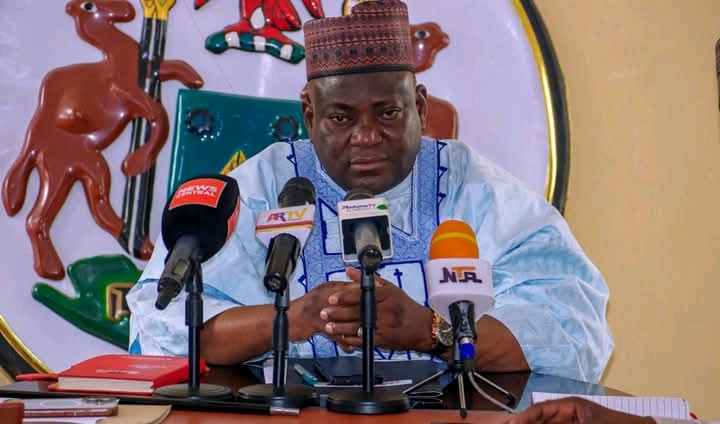
The Kano State Government has restated its commitment to transparency and accountability, describing them as the bedrock of responsible governance. The Independent Mirror reports that the Commissioner for Information and Internal Affairs, Comrade Ibrahim Abdullahi Waiya, made this known while addressing journalists in Kano. He stressed that accountability relies on timely and ethical communication to keep citizens abreast of government policies, projects, and activities, adding that the media also shares responsibility by upholding professionalism and ethical standards in reporting. Read Also: 201 Kano CSOs Disown Protest, Distance Themselves from Politically Motivated Group Waiya expressed concern over what he described as repetitive and manipulative media reports targeting officials of Governor Abba Kabir Yusuf’s administration. He said such reports, often lacking objectivity, appear designed to discredit the government by portraying it as corrupt despite pending legal processes. He urged journalists to embrace fairness, accuracy, and balance rather than recycling stories to malign the government. Highlighting reforms introduced by Governor Yusuf, the commissioner noted that the administration has strengthened public procurement processes through the enforcement of the Kano State Public Procurement Law 2021, periodic procurement audits, and the near-completion of the digitalized Kano State Integrated Monitoring System (KSIMS). According to him, these measures are aimed at ensuring value for money, improving project delivery, and boosting citizens’ confidence in governance. He also outlined achievements of the Ministry of Public Procurement and Project Monitoring, including mandatory public advertisement and opening of tenders, standardization of bidding documents, and strict vetting of payment certificates. Other initiatives include monthly project evaluations across local governments, training workshops for Ministries, Departments and Agencies (MDAs), and community engagement to involve citizens in project monitoring. On financial discipline, Waiya assured that all transactions from the Office of the Accountant General are processed independently, free from interference or kickbacks. He added that the Public Complaint and Anti-Corruption Commission (PCACC) now operates without political influence, reinforcing the state government’s anti-corruption stance. To deepen transparency, he explained that the Ministry of Information and Internal Affairs publishes details of all projects and budgetary approvals immediately after each State Executive Council meeting, using both conventional and social media platforms. This, he said, enables citizens to track government spending and follow up on projects in their communities. Waiya reiterated that Governor Abba Kabir Yusuf’s administration is building strong foundations for good governance anchored on transparency, accountability, and prudent resource management to ensure public funds are utilized responsibly for sustainable development and the collective well-being of the people.

Abuja, Health, News

FCT Resident Doctors Begin Seven-Day Warning Strike

Resident doctors in the Federal Capital Territory (FCT) on Monday embarked on a seven-day warning strike to press home their demands over long-standing issues affecting the health sector. The action was announced in a communiqué signed by the association’s president, Dr. George Ebong, and members of the executive committee. Read Also: NLC, Workers Demand Urgent Review of N70,000 Minimum Wage Amid Inflation According to the doctors, the health sector in the FCT has been severely undermined by deep-rooted structural challenges that require urgent and comprehensive government intervention. Dr. Ebong noted that doctors in the territory are being overstretched, often compelled to handle multiple departmental responsibilities simultaneously, a situation he described as unsustainable and detrimental to effective healthcare delivery.

Kano, News, Religious

Wali Hosts Annual Maulud, Calls for Unity, Prayers and Emulation of Prophet’s Virtues

Alhaji Mustapha Nuhu Wali (mni), former national president of Kano Science Schools Old Student Association (KASSOSA), has called on Muslims to use the Maulud period to pray for peace, prosperity, and the proper upbringing of children who will become future leaders of pride. He made the appeal during the annual Maulud celebration he hosts every 12th of Rabi’ul Awwal at his residence in Dorayi Babba, Gwale Local Government Area of Kano State. Wali explained that the gathering reflects the teachings of Prophet Muhammad (peace be upon him), as contained in the Hadith, which enjoins parents to raise their children to love the Prophet, his household, and the Qur’an. Read Also: Cleric Urges Muslims to Purify Souls, Submit Fully to Allah “This occasion allows us to express our joy, remind our children and families about the Prophet’s history, sing songs in his praise, and thank Allah for blessing us with Islam and His noble Messenger,” he said. He stressed that by emulating the Prophet’s virtues of honesty, compassion, and humility, society will continue to uphold values worth celebrating. He further urged Muslims to pray for deliverance from insecurity, economic hardship, and to particularly seek guidance for young people drifting into vices such as phone snatching. In his remarks, Malam Hussaini Bin Iliyasu Dan Bare commended the Wali family for sustaining the Maulud tradition. He encouraged Muslims to remain good ambassadors of Islam by practicing the exemplary character of the Prophet in their daily lives. The event also featured the launch of a new book of prophetic songs authored by Professor Faruk Sarkin Fada of Bayero University Kano’s Faculty of Medicine. Free copies of the book were distributed to participants. The Maulud celebration attracted hundreds of attendees from Dorayi Babba and beyond, underscoring the community’s deep reverence and love for the Prophet Muhammad (sallallahu alaihi wa sallam). Photos:

National, News

NLC, Workers Demand Urgent Review of N70,000 Minimum Wage Amid Inflation

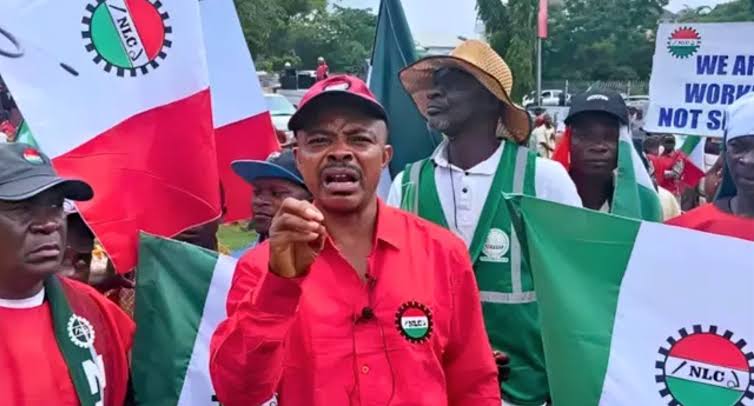
The Nigeria Labour Congress (NLC) and federal government workers have urged the federal government to urgently review the national minimum wage, arguing that the current N70,000 benchmark is no longer sustainable due to rising inflation. The call comes as several Nigerian states have already unilaterally raised their minimum wages above the federal threshold in response to the escalating cost of living. Speaking with the News Agency of Nigeria on Sunday, NLC Acting General Secretary Benson Upah lamented the impact of inflation on workers. He said inflation has eroded the value of the N70,000 minimum wage, leaving many workers unable to meet basic needs. He warned that unless the government responds quickly, the crisis of survival will only worsen. Read Also: Unlocking The Economic Potential of Nigeria’s Shea Industry President Bola Tinubu had in July 2024 signed the new National Minimum Wage Bill into law, raising the wage from N30,000 to N70,000. The law applies nationwide, covering federal and state employees, local government staff, and private sector workers. However, since then, several states have set higher wage floors. Imo State raised its minimum wage to N104,000 in August 2024, while Lagos and Rivers states approved N85,000 in October, with Lagos pledging an increase to N100,000 in 2025. Other states have also moved above the federal benchmark. Bayelsa, Niger, Enugu, and Akwa Ibom pegged theirs at N80,000, Ogun and Delta fixed N77,000, Benue and Osun approved N75,000, while Ondo set N73,000. Labour leaders insist that the federal government must follow suit to cushion the effects of inflation and ensure workers across the country can survive the current economic hardship.

Kano, News

Kano Police Warn Motorists as Yaryasa Bridge Collapses

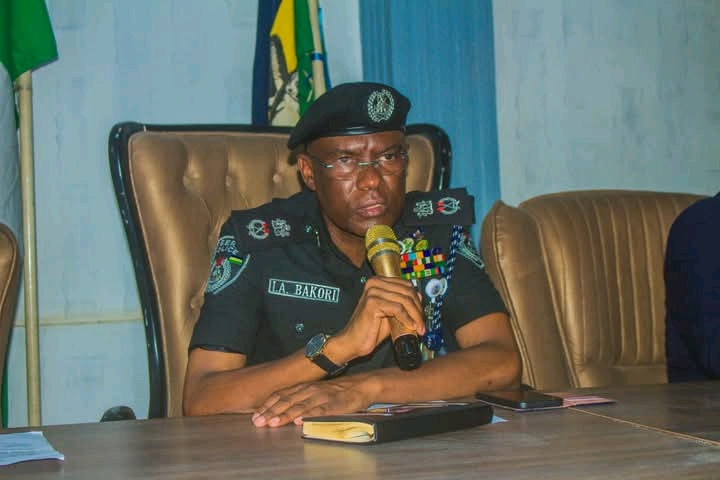
The Kano State Police Command has issued a traffic advisory following the collapse of the Yaryasa Bridge in Tudun Wada Local Government Area. The incident, which occurred after heavy rainfall, has cut off a major route linking Kano with Kaduna, Plateau, Benue, and several states in the eastern part of the country. In a statement on Saturday, Police Public Relations Officer, SP Abdullahi Haruna Kiyawa, said the Command had immediately deployed measures to secure the area and safeguard road users. He explained that barricades, warning signs, and alternative routes had been provided to redirect traffic, while officers of the Motor Traffic Division (MTD), the Federal Road Safety Corps (FRSC), Kano Road and Traffic Agency (KAROTA), and members of the Transport Union were on ground to manage the situation. Read Also: 201 Kano CSOs Disown Protest, Distance Themselves from Politically Motivated Group “The area around the collapsed bridge has been cordoned off to prevent vehicles from approaching the danger zone,” the statement read. Motorists heading towards Tudun Wada and beyond were urged to comply with traffic officers and follow designated detours. The Commissioner of Police, CP Ibrahim Adamu Bakori, called on residents to remain patient and prioritize safety, assuring that the Command was working with relevant agencies to minimize disruptions. He added that further updates on the situation would be communicated to the public in due course.

Kano, News

201 Kano CSOs Disown Protest, Distance Themselves from Politically Motivated Group

The attention of 201 members of the Patriotic Coalition of Civil Society Organisations (PCCSOs) in Kano State has been drawn to a publication titled “Protest and Solidarity Walk by Kano Civil Society Organisations Against Corruption” dated 4th September 2025, allegedly issued and signed by five CSOs under the self-styled name Forum of Kano CSOs Against Corruption. While civil society has the duty to promote transparency and accountability, it is equally bound by the principles of fairness, objectivity, and truth. We therefore wish to clarify as follows: The so-called “Forum of Kano CSOs Against Corruption” is not a recognized coalition within the Kano CSO family. Their protest does not represent the collective position of the civil society community in Kano State. It is misleading to claim to speak for “the people of Kano” without the mandate of the broader CSO constituency. Read Also: Governor Yusuf to Inaugurate Reconstituted Shuurah Council Monday The protest letter makes sweeping allegations against named public officials and the Kano State Government. We categorically state that these remain allegations, not established facts. Anti-graft agencies are still investigating the issues, and no court of competent jurisdiction has found the accused persons guilty. It is therefore irresponsible for any group to pass judgment prematurely and mislead the public. Contrary to the claims, the Kano State Government has put in place mechanisms to ensure transparency in the management of resources, including full compliance with external audits and fiscal reporting; adoption of the Treasury Single Account (TSA), which has reduced leakages and improved financial discipline; establishment of procurement monitoring units and anti-corruption desks across MDAs; open budgeting process where civil society actively participates in budget tracking; and regular CSO–Government engagement platforms on service delivery in education, health, information, water, social protection, and climate change. These demonstrate government’s commitment to accountability and should not be ignored by selective narratives. Isolated incidents cited in the protest letter are being investigated, but to generalize them as systemic diversion is unfair. Significant progress has been recorded in road rehabilitation, school renovations, and health sector support across the state. Civil society has documented these gains through independent monitoring. The allegation of harassment is unfounded. The Kano State Government continues to provide an enabling environment for CSOs and the press to operate. Members of the civil society are part of government committees and oversight platforms — evidence that civic space remains open. We support the EFCC, ICPC, and all oversight agencies to continue their work diligently. However, we reject attempts to politicize the anti-corruption fight or to use CSOs as tools for smear campaigns against individuals, institutions, or government. True accountability must be based on evidence, due process, and constructive engagement — not sensational protests. Our forum frowns at any form of harassment and urges any CSO that experienced harassment to show evidence in a transparent manner. We restate that resources meant for the development of Kano must be used transparently and accountably. Where wrongdoing is established, culprits must face the law. At the same time, the civil society community remains committed to promoting peace, democratic stability, and constructive reform processes rather than divisive or sensational campaigns. The Kano CSO community remains committed to protecting public resources, promoting transparency, and ensuring that development reaches the people. We call on the public to disregard divisive narratives and instead support collective, evidence-based actions that strengthen governance in the state. The fight against corruption in Kano State requires unity, responsibility, and integrity among all stakeholders. We urge the general public to disregard any attempt to use the civil society space for political grandstanding or to malign individuals without due process. Our collective focus must remain on strengthening institutions, protecting public resources, and ensuring that the dividends of governance reach the people. Signed, Hassan Ibrahim Gama — Convener Mustapha Muhammed Chiroma — Co-Convener Endorsed by: 1. Farouk Umar — Citizens for Development and Education (CDE) 2. Peter Hassan Tijani — Network for Empowerment and Development Initiative (NEDIN) 3. Yahaya A. Yahaya — National Association of Persons with Physical Disabilities Kano Chapter (NAPWPD) 4. Hassan Ibrahim Gama — Masses First International Organization (MFI) 5. Wali Ado Rano — Voice of the Hopeful Enlightenment and Development Initiative (VOHEDI) 6. Nworisa Michael — Stand For Peace Initiative 7. Dr. Kabir Hamisu Kura — Community Development Initiative 8. Rakiya Abba Tahula — Interfaith Peace Foundation 9. Dr. Ramatu Garba — Support for Women and Teenage Children (SWATCH) 10. Maimuna Umar Sheriff — Centre for Gender Base Violence Advocacy 11. Ahmad Tijjani — Alkali Ahmad Center For Development 12. Ibrahim Muhammed — Rural – Urban Slums Development Initiative (RUSDI) 13. Abubakar Shariff Jaddah — Society for Women and Child Health Initiative (SWACHI) 14. Saratu I. Maigida — Lifeline Initiative For Widows Empowerment and Economic Development (LIWEED) 15. Ali Suleiman — Friends of the Community Organization (FOCO) 16. Halima Titi Bello — Women Gender Developers (WOGEND) 17. Dr. Yahaya Danjuma — International Peace and Secure Society (IPSS) 18. Safayanu Bichi — Kano Budget Working Group 19. Mustapha Muhammed Chiroma — Community Rights Initiative of Nigeria (CORIN) 20. Abdulrahman Uba Daushe — Spinal Cord Injuries Association of Nigeria (SCIAN) 21. Rakiya Ladi Musa — Ansar Women Development 22. Sabo Bello Madaki — Kiru Community Development Association 23. Sunusi Hashimu — Society for Child Support and Economic Empowerment (SOCSEE) 24. Samaila Namadi Ahmad — Yadfulde Kiru Local Government Association and Development 25. Asaju KolawoleKola — Kola and Funke Care Foundation 26. Ruth Stephen — Touch and Care Foundation (TOCAF) 27. Bashir A Bashir — Diamond Youth For Community Development 28. Salisu Gambo Ditol — Youth Mobilization by Media 29. Dr. Auwalu Halilu — Non-formal Development for Education and Health Initiatives (NDEHI) 30. Dr. Tanimu Adam Ibrahim — Gwarzo Initiative Forum 31. Ola Taiwo — Mari-Care Foundation for Widows, Single Parents, Orphans and Vulnerable Children Nigeria (MARI-CARE) 32. Suleiman Idris — Northern Youth Assembly 33. Mohammed Hussaini — Nigerian Democracy Working Group 34. Haj. Aisha Ahmed Abdulkadir (Dangi) — Sustainable Dynamic and Human Development Initiative 35. Gharzali Ibrahim Ungogo

Katsina, News

Gunmen Kill Seven in Fresh Attack on Katsina Village

At least seven people were killed late Friday night when gunmen attacked Magajin Wando village in Dandume Local Government Area of Katsina State. The attack, which occurred around 11 p.m., threw the community into panic as the assailants reportedly fired indiscriminately at residents. Confirming the incident in a statement on Saturday, the Katsina State Commissioner for Internal Security, Dr. Nasiru Mua’zu, said the situation could have been far worse without the intervention of the Katsina State Community Watch Corps (CWC). Read Also: 15 Drown, 3 Missing as Villagers Flee Bandit Attack in Zamfara “The Community Watch Corps engaged the bandits and pushed them back,” Mua’zu explained. “Unfortunately, while evacuating the injured to the hospital, they were ambushed. Their vehicle came under heavy gunfire and was set ablaze, but they still managed to bring the injured to safety.” According to him, intelligence reports suggest the ambush was a revenge attack after the bandits lost several members during their initial clash with the corps. The commissioner condemned the killings, praising the courage of the security volunteers. He also expressed sympathy to the victims’ families. “We extend our deepest condolences to those who lost loved ones and pray for the speedy recovery of the injured,” he said. Mua’zu assured residents that the government would continue to collaborate with the military, police, and other security agencies to intensify operations against criminal groups in the state.

Kano, News

Governor Yusuf to Inaugurate Reconstituted Shuurah Council Monday

The Kano State Government will on Monday, September 8, 2025, inaugurate the newly reconstituted Shuurah Council at the Government House, Kano. The council, reestablished under the leadership of Governor Abba Kabiru Yusuf, is designed to strengthen participatory governance, inclusiveness, and transparency in the state’s decision-making process. According to the state Ministry of Information and Internal Affairs, the Shuurah Council will serve as an advisory body, providing policy guidance and recommendations to support the government’s transformation agenda and promote sustainable development across the state. Read Also: Kano Gets 5,684 Slots for 2026 Hajj, Deposit Fixed at N8.5m Governor Yusuf, known for his people-oriented approach, is expected to use the occasion to highlight the objectives and mandate of the council, while reaffirming his administration’s commitment to accountability, equity, and citizen participation in governance. The council is made up of highly respected personalities drawn from various constituencies, with the aim of ensuring broad representation across different segments of Kano society. Officials said all council members and invited guests are expected to attend the inauguration as the government takes what it described as another step toward consolidating democratic ideals and strengthening institutions for effective service delivery.

Business, Economy, National

Unlocking The Economic Potential of Nigeria’s Shea Industry

Amid Nigeria’s urgent quest for economic diversification, the shea industry stands out as a largely untapped asset. With global demand for natural and sustainable products rising particularly in cosmetics, food, and pharmaceuticals, the shea tree, abundant across Nigeria’s savannah belt, could become a key driver of rural development, foreign exchange earnings, and inclusive growth. Nigeria produces an estimated 500,000 metric tonnes of shea nuts annually, largely harvested by rural women in almost all the Northern states, and other North Central such as Kwara, Niger, Benue and Oyo. However, the country captures only a fraction of the global shea market, valued at over $2 billion yearly, because it mostly exports raw nuts instead of refined shea butter or value-added products. This model limits opportunities for job creation, industrial development, and higher export revenue. By contrast, Ghana and Burkina Faso despite having fewer shea trees, export refined butter and branded cosmetics, earning far greater returns. Nigeria must therefore reposition its shea sector as a strategic national asset. Read Also: Tinubu Approves 6-Month Ban on Raw Shea Nut Exports to Boost Local Processing Shea butter is widely used in skincare, hair care, health products, and as a cocoa butter substitute in confectionery. With global consumer preference shifting to organic and ethically sourced products, Nigeria has an opportunity to build a reputation for premium, sustainably harvested shea butter. To unlock this potential, the country must address key challenges. These include the lack of modern processing infrastructure, which affects product quality and competitiveness. Establishing rural processing hubs and cooperative-based models would improve standards and reduce losses. Furthermore, women harvesters and processors face difficulties accessing credit and international markets. Providing targeted funding, training, and opportunities through public-private partnerships and trade fairs is essential to enable them to scale production and benefit from the global shea value chain. This is why the recent decision by the Federal Government to ban the export of raw shea butter is both timely and strategic. The policy is designed to discourage the shipment of unprocessed commodities and encourage local value addition. However, for it to succeed, government must match the ban with heavy investment in processing infrastructure, especially in the northern states where the shea tree is most abundant, and create incentives for Nigerians to build industries around the commodity. If implemented effectively, the ban could become a turning point for Nigeria’s shea industry, transforming it from a raw commodity exporter into a hub for refined products and branded goods with global reach. The challenge now lies in turning policy into practice, ensuring the benefits of this natural resource are felt not just in trade statistics but in the lives of the millions of rural women who form the backbone of the sector.

Abuja, Kano, Religious

Eid-el-Maulud: Majidadin Kiru Greets Muslim Ummah, Urges Unity and Peace

The Director of Training and Programmes at the Progressive Institute, Abuja, Hon. Muhammad Sanusi Said Kiru, has extended his felicitations to Muslims in Nigeria and across the world on the occasion of Eid-el-Maulud, which marks the birth of Prophet Muhammad (SAW). In a goodwill message issued on Saturday, Sanusi, who holds the traditional title of Majidadin Kiru, specifically congratulated Muslims in Kiru, Bebeji, and other parts of Kano State, urging them to emulate the values of love, compassion, and peace exemplified by the Prophet. Read Also: APC Chieftain Urges Kano Govt to Allow Court Decide N6.5bn Diversion Case “As Muslims gather with family and friends to commemorate this joyous occasion, I pray that the values of love, compassion, and peace that Prophet Muhammad (SAW) embodied will continue to guide us all,” he said. He added that the Maulud celebration should serve as a reminder of the need for justice, equality, and unity among the Muslim Ummah and Nigerians at large. “May this celebration bring us closer together, foster greater understanding, and inspire a renewed commitment to the principles of justice, equality, and humanity,” Sanusi stated. He concluded by wishing the Muslim Ummah a blessed and joyous Maulud celebration.

Scroll to Top