The Historica Nigeria

Feature

Feature, National, Politics

How Ganduje Laid the Groundwork for APC’s Digital Membership Revolution

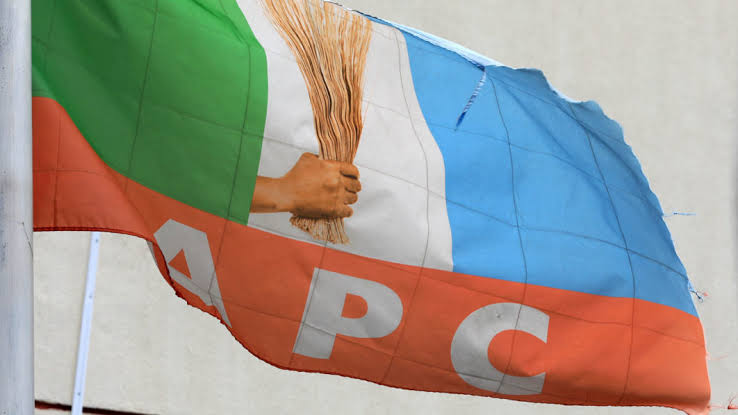
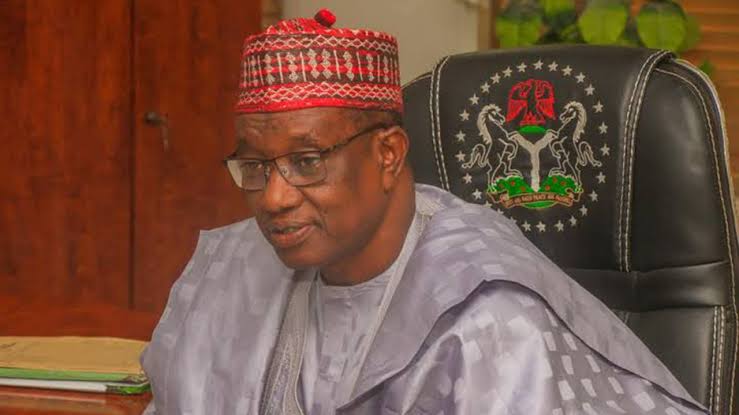
Umar Idris Shuaibu, Kano The transformation of the All Progressives Congress (APC) membership system into a modern, digital platform began as a bold initiative during the tenure of Dr. Abdullahi Umar Ganduje as National Chairman. Recognizing the challenges posed by outdated manual records, Ganduje sought to modernize the party’s membership registration, reduce disputes, and ensure grassroots voices were properly represented. His vision was to have a reliable, data-driven system that could strengthen internal democracy and provide ordinary party members with a credible platform for engagement. While the initial framework was laid under Ganduje’s leadership, the system gained full traction and nationwide implementation after he left office. Prof. Nentawe Goshwe Yilwatda, the current APC National Chairman, took the foundational blueprint Ganduje established and expanded it, ensuring operational efficiency and making the E‑Membership platform accessible to party members across Nigeria. Under Nentawe’s administration, the platform has become fully functional, facilitating online registration, verification, and participation in primaries, and strengthening the party’s internal democratic processes. Related: Ganduje Marks Daughter’s Academic Milestone at King’s College London Dr. Ganduje’s Political School and the Rise of Dr. Mariya Mahmoud Bunkure at 48 Ganduje Rallies Kano APC Members for Strategic E-Registration Push Party insiders emphasize that the initiative’s success reflects a perfect blend of Ganduje’s foresight and Nentawe’s execution. Analysts note that while Ganduje planted the seed, Nentawe’s strategic oversight ensured the system flourished, bridging the gap between leadership and grassroots members and setting a new standard for transparency and accountability in party administration. Despite challenges such as internet limitations in rural areas and occasional technical hitches, APC officials remain confident that the program represents a long-term solution to membership disputes, enhances party inclusiveness, and positions the APC as a forward-looking political organization. For many observers, the E‑Membership system is a lasting testament to Ganduje’s vision and Nentawe’s follow-through, ensuring that grassroots voices are recognized, verified, and empowered in Nigeria’s political landscape.

Agriculture, Feature, Kano

Why Gobirawa’s Centuries-Old Agrarian Life is at Risk in Kano

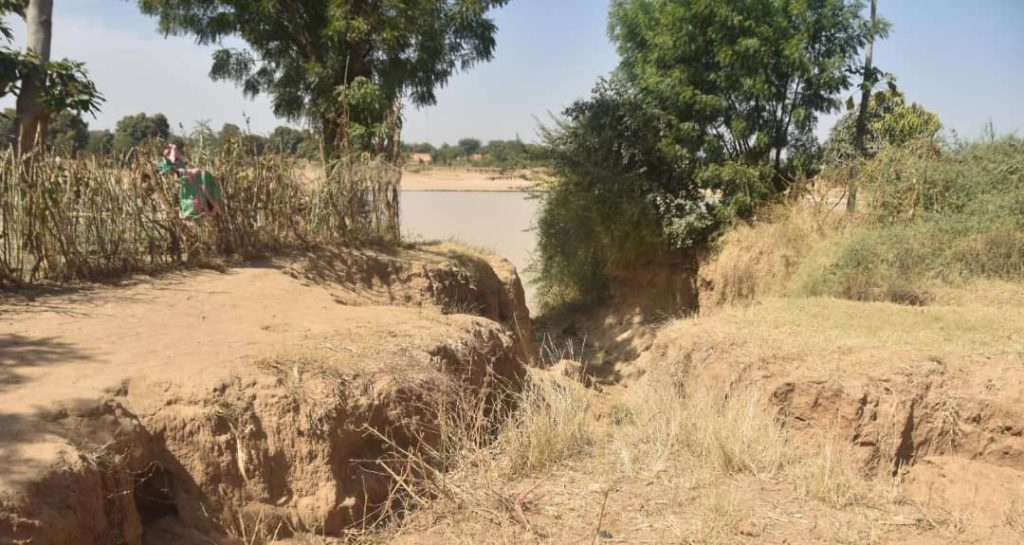
By Umar Idris Shuaibu, Kano Gobirawa Ward, a riverine farming settlement in Madobi Local Government Area of Kano State, is facing an existential threat as years of unchecked sand mining continue to destroy farmlands, degrade fertile soil, and now dangerously encroach on residential areas. Located in Kano Central Zone, Gobirawa has survived for more than 300 years as an agrarian community whose economy, culture, and identity are deeply rooted in farming. Generations of residents have relied on irrigated agriculture, producing tomatoes, peppers, onions, and assorted vegetables during the dry season, while cultivating grains and other food crops during the rainy season. The community is also known for orchard farming. Mango, orange, lime, guava, papaya, banana, cashew, and kola nut trees have long sustained household incomes and food security. Local elders trace Gobirawa’s ancestry to the Gobir area of present-day Sokoto State, with farming shaping settlement patterns and livelihoods for centuries. However, residents say this way of life is rapidly disappearing. How sand mining changed everything Sand mining activities began about six years ago along riverbanks close to farmlands and residential areas. According to residents, the excavation disrupted natural waterways, weakened soil structure, and exposed farmlands to severe erosion. An elderly farmer, Malam Nasiru Alasan, grandson of Bawa Jan Gwarzo, said more than 3,000 residents depend solely on farming inherited from their forefathers, but that livelihood is now being wiped out. Read Also: 300-Year-Old Kano Farming Settlement Faces Extinction Over Sand Mining Lere: A Historic Fulani Settlement and Cultural Crossroads in Kaduna Birnin Kudu: An Ancient Settlement With a Modern National Footprint Over 100 large farmlands have already been degraded by water due to sand mining, he said, adding that every rainy season, more than 30 metres of land is washed away. “If this continues, erosion will reach our houses within days. Our settlements will be washed away, and farming and livestock rearing will become history,” Alasan warned. Another resident, Malam Jamilu Sulaiman of the Gobirawa–Gora Bakin Kogi area, said the problem escalated after a businessman acquired land for sand excavation at Tashar Maza. “Our nutrient-rich soil has been completely washed away. The degraded land now stretches for more than one kilometre, and erosion is dangerously close to our homes,” he said. Sulaiman listed affected communities to include Alwali, Kanawa, Gobirawa, Unguwar Mazare, Gidan Makaho, Gidan Bawa, Unguwar Lungu, Gangare, Cunkosa, Madobi, and several areas along the Rimingado axis, including Kwanar Haido, Iriri, Unguwar Musa, Tsalle, and Tsara. He noted that a significant portion of sweet potatoes and Irish potatoes consumed in Kano metropolis is produced in these areas, with agricultural activities valued in millions of naira annually. “Even if sand mining stops today, recovery will take at least 50 years because large mango, kola nut, and orange trees have already been washed away,” he said. Why experts say the damage is severe Agricultural experts warn that the environmental damage may be long-lasting. An agriculturalist and Provost of the Federal College of Agriculture, Kirikasamma, Jigawa State, Muhammad Yusha’u Gwaram, explained that continuous erosion strips soil of essential nutrients, gradually destroying soil health and agricultural productivity. He said prolonged soil degradation weakens land structure, making sustainable farming impossible, and urged authorities and farmers to prioritise tree planting to reduce erosion and restore degraded land. According to him, the situation threatens not just food production but the economic stability of farming communities across the region. Promises made, action yet to come Earlier, the Executive Secretary of the Watershed Erosion and Climate Change Management Agency (WECCMA), Dr. Mahmoud Abba, said the agency would inspect the affected areas to assess the level of degradation and halt sand excavation activities. However, residents say no such visit has taken place. Despite the assurances, WECCMA officials are yet to assess the damage or initiate any restoration measures. Meanwhile, erosion continues unchecked, worsening with each rainfall. Fear moves from farms to homes Residents say their anxiety has now gone beyond loss of farmland to fear for their homes and personal safety. According to them, erosion channels are advancing rapidly toward residential areas, threatening to displace families who have lived on the land for generations. “This is not just about our economic survival anymore,” a community leader said. “Our houses, our children, and our future are now at risk.” Calls for urgent intervention The people of Gobirawa have appealed to the Madobi Local Government Council and the Kano State Government to urgently intervene by stopping sand mining activities, enforcing environmental regulations, and initiating land restoration efforts. Efforts by ‘The Historica Nigeria‘ to reach the alleged owner of the heavy-duty machines used for sand mining in the Gobirawa-Gora area, Alhaji Umar Musa Kwankwaso, popularly known as Marafa, were unsuccessful, as calls and WhatsApp messages sent to him had not been responded to as of the time of filing this report. For Gobirawa residents, time is running out. Without immediate action, a farming settlement that has endured for over three centuries may soon be erased along with the livelihoods, culture, and homes that define it.

Feature, Kano, Politics

Gov. Abba Kabir Yusuf and Hon. Murtala Sule Garo: A Well‑Matched Pair of Walking Shoes

By Kabir Mamman Sani Very soon, Kano’s political landscape will realign, when the State Governor, Alhaji Abba Kabir Yusuf finally join the All Progressive Congress (APC). When this finally happened, the governor will need a “perfect pair” to keep his stride steady, particularly when the current Deputy Governor, Comrade Aminu Abdulsalam decided not to defect along with him. Governor Abba Kabir, now in his 63rd year and over two years into office, has already set a pace of urgency, restoration, and a “New Kano” vision. For the State to sustain that momentum, pairing him with a deputy who can match his stride like Hon. Murtala Sule Garo will certainly justify the political realignment. In leadership, a governor and his deputy are like a well‑crafted pair of walking shoes: one provides direction, the other offers support, and together they traverse any terrain. The left shoe (the governor) charts the course, while the right shoe (the deputy) absorbs shock, maintains balance, and keeps the journey comfortable. Their synergy translates into stability, inclusive governance, and relentless progress for Kano. Read Also: Abba Yusuf’s Calculated Defection Leaves Old Loyalists Politically Exposed The Ganduje Equation: How Kano’s Power Map Leaves Governor Yusuf with Few Options Beyond the Godfather’s Shadow: Why Governor Abba Kabir Yusuf Chose Kano Over a Provincial Presidential Quest For so many reasons, Hon. Murtala Sule Garo fits the right shoe. He is from the Kano North Senatorial Zone where the deputy governor position was zoned. He has grassroots credibility. As a former Commissioner for Local Government, he has built a reputation for accessibility and for managing people and resources at the community level. Hon. Murtala, is a bridge‑builder. He can link the NNPP’s existing structures with the APC’s broader network, easing the anticipated party switch and creating a cohesive environment for policy execution. As a grassroots mobilizer, particularly in a state known for political vibrancy, Murtala Sule Garo will play a stabilizer role. His ability to rally wards, councils, and youth groups and turn political apathy into active participation, boosting voter turnout and civic engagement, is assured. What can this pair deliver? Stability from the ground up a solid foundation of local support prevents “small tremors from becoming structural crises,” as analyst Dr. Elena Vance notes, hence with Hon. Murtala Sule Garo providing a buffer to the Governor, political stability will ensue. The pair is capable of further accelerating development in the state with the ongoing projects in water supply, agricultural subsidies, and digital transformation, the governor’s ambitious blueprint gains a reliable executor. Moreover, Murtala’s inclusive approach to governance will further open doors to traditional rulers, youth groups, and private investors fostering collective ownership of Kano’s progress. Hon. Murtala Sule Garo will lock in that trajectory, ensuring the administration’s plans endure and citizens feel the comfort of steady, balanced leadership. Governor Yusuf’s achievements in urban renewal, educational reform, healthcare expansion, and infrastructure upgrades have already earned him a reputation as one of the state’s most effective leaders. Pairing him with Murtala Sule Garo will be the best way forward for the State. Just as a good pair of walking shoes carries a traveler forward with confidence, Governor Abba Kabir Yusuf and Deputy Murtala Sule Garo can lead Kano on a successful, step‑by‑step journey comfortable, supportive, and balanced for every stakeholder. Kabir Mamman Sani, a political analyst write from Minjibir

Feature, Kano, Politics

Hon. Murtala Garo: Gov. Abba’s Political Masterstroke

By Bashir Ahmad, Gwarzo As Governor Abba Kabir navigates his anticipated defection to the APC, and the eminent adamancy of his deputy to remain in NNPP, the substitution of the deputy governor is imminent. However, this is not merely an administrative vacancy to be filled. It is a pivotal strategic decision that will determine whether his political consolidation succeeds or collapses under the weight of competing interests and factional tensions. The question facing the governor is this: who possesses the character, competence, loyalty, and strategic value to serve as his anchor during one of the most turbulent periods of his political career? Moreover, in the event, Deputy Governor Aminu Abdussalam’s impeachment became eminent, the development will obviously intensify hostility within the Kwankwasiyya faction against Governor Abba. In this hostile environment, Abba cannot afford to select a deputy based on regional appeasement or factional compromise. The times demand strength, not capitulation; a leader who brings proven integrity, administrative excellence, and unwavering loyalty. Murtala Sule Garo embodies all of these. His proven loyalty to his political associates, combined with his well-documented generosity and philanthropic commitments, demonstrates a leader of principle and integrity. Garo’s strong family background and standing in society reflect the moral foundation necessary for high public office. In politics, loyalty cannot be manufactured; it must be demonstrated over time. Garo’s track record speaks for itself. A deputy governor who embodies such qualities provides the governor with a trustworthy confidant during periods of political turbulence, which precisely what Governor Abba currently requires as he navigates the choppy waters of defection and factional realignment. Some will argue that Kano South senatorial district deserves the deputy governorship. Read Also: Group Backs Adamu Abdu Fanda for Kano Deputy Governorship, Cites Experience, Competence Dr. Ganduje’s Political School and the Rise of Dr. Mariya Mahmoud Bunkure at 48 Kano Power Struggle Heats Up as Yusuf Reappears Without Kwankwaso Allies Their agitation is understandable, and their concerns are legitimate. But political leadership requires more than regional representation; it demands the balancing of competing interests based on merit and strategic necessity. What Murtala Sule Garo brings to the administration far outweighs the representational argument. His proven track record in infrastructure development, educational reform, and grassroots mobilization offers tangible governance benefits that cannot be replicated. Governor Abba can address south senatorial concerns through strategic appointments, board positions, and development projects, as an alternative mechanisms that satisfy regional aspirations without compromising the selection of the most competent deputy. To sacrifice administrative excellence on the altar of regional representation would be to diminish the governor’s capacity to govern effectively and deliver results. Consider, moreover, Kano North’s political configuration. Both Murtala Sule Garo and Hon. Abba Bichi command significant political influence within the APC from this zone. Relationship between Garo and Deputy Senate President, Barau Jibrin politically might look strange, but this reality does not diminish Garo’s stature or viability. Rather, it demonstrates that Kano North’s political strength transcends any individual relationship or factional tension. By selecting Garo, Governor Abba consolidates the zone’s power and ensures robust representation at the highest levels of state governance. The zone’s influence remains undiminished regardless of inter-personal tensions. The deputy governorship is not merely a ceremonial position; it is foundational to the governor’s re-election strategy for 2027. This is where Garo’s true strategic value becomes apparent. With his demonstrated capacity to mobilize hundreds of youth organizations across Kano’s 44 local government areas and his proven administrative competence, he is precisely the ally Governor Abba needs for a successful second-term bid. As Commissioner for Local Governments, Garo spearheaded educational facility renovations across all 44 councils and executed critical infrastructure projects. His prior roles as Special Adviser to the Governor, Kabo Local Government Chairman, and ALGON Chairman demonstrate mastery of both local and state-level governance. This depth of experience is indispensable during political transition. Garo’s network, institutional knowledge, and track record make him an invaluable asset for campaign machinery and governance continuity. Selecting him is not merely an administrative convenience; it is a strategic investment in electoral viability. The choice before Governor Abba is clear. He can select a deputy based on regional appeasement and watch his administration struggle under the weight of competing interests, factional hostility, and weak governance. Or he can select Murtala Sule Garo, a leader who consolidates grass-root power, brings proven administrative excellence, embodies loyalty and integrity, and positions him for a triumphant second term. This is visionary leadership. Bashir Gwarzo write from Gwarzo Town

Feature

Christopher Musa: Experience Meets Strategist

It didn’t come to us as a surprise when President Bola Ahmed Tinubu announced the appointment of General Christopher Gwabin Musa (rtd.) as Nigeria’s Minister of Defence. Indeed the president’s decision signals a deliberate effort to align experience with strategy at a time when national security remains a critical concern for every well-meaning Nigerian. No doubt, Nigeria and Nigerians have had it very rough in recent years and the deserving testimonies the nation received on the choice of CG Musa is adequate enough to tell the world that CG Musa is equal to the task. A veteran officer with decades of distinguished service to the well-being of Nigeria, his appointment as a minister brings to the Defence Ministry a deep understanding of Nigeria’s security environment and a calculative and systematic approach to a sustainable solution to the lingering security issues. Without being sentimental, his emergence as Defence Minister reflects the Federal Government’s resolve to strengthen policy direction, improve coordination among security agencies and reinforce public confidence in the country’s defence institutions. As a professional shaped by years of frontline command and strategic leadership, Nigerians now believe the country is widely regarded within military and policy circles, as a country at the verge of overcoming its travails. His records have shown that over the course of his career, he played key roles in counter-insurgency and internal security operations, particularly in areas affected by terrorism, banditry and communal violence. His experience cuts across field operations and high-level defence planning, giving him a balanced grasp of both tactical realities and policy demands, for a better country. Read Also: Between Discipline and Dissent: Musa Bamaiyi and the Burden of Command Before his appointment, Musa served at the highest level of Nigeria’s military leadership, where he oversaw joint operations involving the Army, Navy and Air Force. His tenure was marked by a strong emphasis on inter-service cooperation, intelligence-driven operations and improved welfare for personnel. His appointment came at a critical time that the nation is in dire need of peace and Nigerians have no doubt that CG Musa will steady but surely give Nigerians the needed peace. A straightforward personality with a complete sense of responsibility and commitment to national security, he is an exact example of a responsible and responsive security administrator. Barely weeks after assuming office, Minister CG Musa began by setting a clear tone for the country’s security direction and recording early ministerial milestones anchored on coordination, professionalism and decisive action against insecurity. Since his appointment he has moved swiftly to redefine the Ministry of Defence’s leadership posture, placing emphasis on results-driven security management rather than rhetoric. At several high-level engagements, he has publicly committed to delivering tangible improvements in national security, assuring Nigerians of the government’s resolve to reclaim communities affected by insurgency, banditry and violent crime. However, one of CG Musa’s notable early achievements is his push for stronger inter-agency collaboration. He has consistently underscored the need for seamless cooperation among the Armed Forces, intelligence agencies and internal security institutions, arguing that modern security threats require unified and intelligence-led responses. This stance has reinforced the ongoing joint operations and improved coordination among security stakeholders. Moreover, the citizens have started seeing the good impact of the calculative and decisive move of the minister. CG Musa has further distinguished his tenure by reasserting professionalism and ethical leadership within the military by charging senior officers to uphold loyalty to the Constitution, integrity and discipline in command as well as professional conduct. It is on record that troop welfare has also featured prominently on his agenda as he publicly emphasized that the morale and wellbeing of personnel are critical to mission success, he also pledged improved attention to logistics, equipment, healthcare and family support for service members. As a graduate of the Nigerian Defence Academy who attended several advanced military and leadership courses within and outside Nigeria, his career also includes participation in regional and multinational security initiatives, reinforcing Nigeria’s role in collective efforts to address cross-border threats in the sub-region as well as to install the nation’s dignity in the global focus. As Defence Minister, Musa is expected to focus on defence policy coordination, military reforms, procurement oversight and the strengthening of civil-military relations. His background places him in a unique position to bridge the gap between policy formulation and operational realities, ensuring that decisions taken at the centre translate into tangible security outcomes across the country. However, with insecurity still posing serious challenges nationwide, expectations are high and that is why we believe in the simple fact that Christopher Musa’s appointment represents a strategic recalibration that will chase the bandits, insurgents and other vices out of the country for a healthier, better and robust Nigeria of all good days. To the bandits and the insurgents, get ready to repent or face the wrath of CG Musa, the Nigerian savior. Sagir Ahmed writes from Kano and can be reach via email: ahmadtsagir@gmail.com

Feature, Kebbi, Profile

Between Discipline and Dissent: Musa Bamaiyi and the Burden of Command

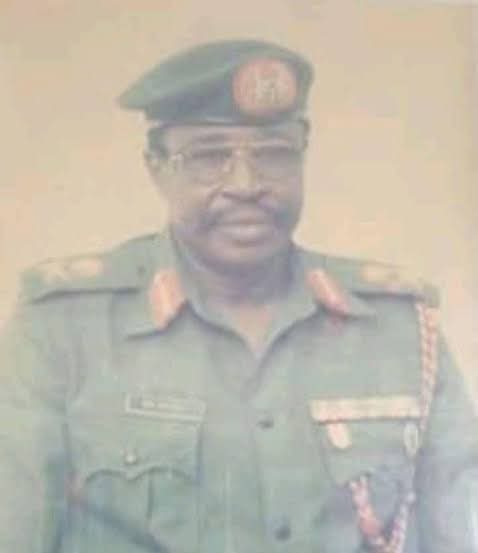
By Farouk Umar Maigari, Kano Major General Musa Bamaiyi (June 11, 1948 – April 17, 2007) remains one of the most formidable and controversial figures in Nigeria’s military history. Revered by some as a decisive disciplinarian and feared by others as an uncompromising enforcer, Bamaiyi’s career intersected with some of the most turbulent periods in Nigeria’s governance and security architecture. Early Life and Military Formation Born in Zuru, in present-day Kebbi State, Musa Bamaiyi rose from modest beginnings to the upper echelons of Nigeria’s military hierarchy. In a rare historical distinction, he and his younger brother, Lieutenant General Ishaya Bamaiyi, became the first siblings in Nigeria’s history to both attain the rank of General. Read Also: Lere: A Historic Fulani Settlement and Cultural Crossroads in Kaduna Birnin Kudu: An Ancient Settlement With a Modern National Footprint Dr. Ganduje’s Political School and the Rise of Dr. Mariya Mahmoud Bunkure at 48 Bamaiyi received his formal military training at the Nigerian Defence Academy (NDA), Kaduna, as a member of Short Service Course 4. From early in his career, he earned a reputation for firmness, strict adherence to discipline, and an uncompromising approach to command. Public Service and Military Command In 1984, during Nigeria’s military era, Bamaiyi was appointed Acting Governor of Benue State, a role that exposed him to civil administration at a volatile period in the nation’s history. Though brief, his tenure reinforced his image as a firm administrator with little tolerance for disorder. He later served as Commandant of the Army Training and Doctrine Command (TRADOC) in Minna in the 1990s. At TRADOC, Bamaiyi was widely regarded as a hardliner, enforcing strict military discipline and shaping operational doctrines that emphasized command authority and institutional control. NDLEA Chairmanship and the Drug War (1994 – 1998) Major General Bamaiyi is most remembered for his tenure as Chairman of the National Drug Law Enforcement Agency (NDLEA), a position he held from 1994 to 1998 under the regime of General Sani Abacha. During this period, he aggressively repositioned the agency, launching extensive crackdowns on drug trafficking networks across the country. Records attribute over 3,256 arrests to NDLEA operations between 1994 and 1997, a figure that underscored the intensity of his anti-drug campaign. Supporters credit him with professionalising the agency and restoring its operational relevance. However, his leadership was equally defined by controversy. Bamaiyi was frequently accused of adopting draconian methods, including indiscriminate arrests and alleged disregard for court orders. His tenure was marked by persistent friction with politicians, judicial authorities, and civil rights advocates, as well as allegations of abuse of power by NDLEA operatives under his command. The Bamaiyi Brothers’ Rivalry Beyond public office, Musa Bamaiyi’s life was shaped by a deeply public and prolonged rivalry with his younger brother, Lieutenant General Ishaya Bamaiyi, who served as Nigeria’s Chief of Army Staff. Despite their shared military pedigree, the brothers became known as sworn adversaries, engaging in years of personal and institutional conflict. Their feud was notable not only for its intensity but also for its symbolic dimension. Musa was a devout Muslim, while Ishaya is a Christian often cited as a unique illustration of religious plurality within a single influential Nigerian family. The conflict reached national prominence when Musa Bamaiyi submitted petitions against his brother to the Human Rights Violation Investigation Commission, popularly known as the Oputa Panel, citing internal military disputes and family grievances. Retirement, Memoir, and Death Following his retirement from active service, Bamaiyi sought to shape his own historical narrative. He authored a memoir, Vindication of a General, in which he defended his career, addressed allegations against him, and offered personal reflections on his controversial roles during Nigeria’s military era. Major General Musa Bamaiyi died on April 17, 2007, closing a chapter on a life that continues to provoke debate among historians, military analysts, and the Nigerian public. Legacy Years after his death, Musa Bamaiyi remains a symbol of Nigeria’s authoritarian military period, an era defined by strong personalities, blurred civil-military boundaries, and uncompromising approaches to law enforcement. Whether remembered as a disciplined reformer or a heavy-handed enforcer, his place in Nigeria’s political and military history is firmly secured.

Feature, National

The fight against drug abuse, a failed strategies or a war we cannot win

Adamu Ahmad Ibrahim When I was in primary school, secondary school I can remember how different CSO’s reached out to us, advising and guiding, telling us to avoid involving ourselves into the habits of substance use, a lifestyle that has consumed and later destroyed the life of most of our friends. That was about 26 years ago since I heard the first summon on drug Abuse. As at that time, none of my friends were engaged in such lifestyle, but as at now I lost count on the numbers of my friends that lost their lives, family and friends, lost their purpose and future because of the dangerous lifestyle of drugs and other substance abuse. So I wonder, are we fighting a war that we cannot win or are we using the wrong strategy in the fight against drug abuse? I later realised that, we are only fighting the act not the cause, the motives or the drives. We only give example of drug Abuse effects on young people who are from low level income families. Whenever an unfortunate event occurs, we tend to connect it with drug abuse, like the recent killings of seven families by one young umar from dorayi, area of Kano state, whom after burning and brutally murdered another family. Read Also: Arewa Health Promotion Initiative Enrolls 300 Children Back to School, Distributes Learning Materials in Kano Arewa Health Promotion Initiative Sensitises Kura Communities on Clean Water and Sanitation Kano Government Expands Youth Programmes, Strengthens Fight Against Drugs Education is one key factor that we need to improve, and the level of drug Abuse and it’s effects will go low. We have been doing awareness and other means of strategy to fight drug abuse, but we are making less efforts to improve our educational system. Leadership skills, As a community we need to invest more onto our young one’s whom have shown a character of transformational leadership, we have to show our youths that it’s good to be good, there has to be a reward for being good citizen, community change champion and a peace maker. I believe, if we can improve the two aforementioned factors, we stand a chance at winning the battle. I am Adamu Ahmad Ibrahim Executive Director Arewa Health Promotion Initiative

Feature, Kano, National

Domestic Violence: A Threat to Human Survival

By Ibrahim Ishaq Rano “From broken homes to broken lives: how neglect, fear, and weak justice systems fuel violence” In recent times, few realities have unsettled our collective conscience as deeply as the rising tide of violence claiming innocent lives across our communities. Men, women, and even children are being killed without warning sometimes out of hatred, sometimes out of greed, and often for reasons that defy basic human sense. What is most alarming, however, is not only the brutality itself, but how quickly it is becoming normal absorbed into everyday conversations as though human life has lost its sacred value. As this grim pattern intensifies, it becomes imperative to confront uncomfortable truths. Violence, especially within homes and close communities, does not emerge overnight. It is nurtured by neglect, fear, silence, and weak systems of accountability. To understand where we are, we must examine both the roots of the problem and the paths toward meaningful solutions. A Hausa proverb warns that “Idan Ɓera da sata, Daddawa da wari” (When a Rat steals locust beans, the stench will expose it.) Yet, as a society, we often pretend not to notice the stench. Citizens hesitate to speak out, institutions delay decisive action, and fear restrains communities from challenging wrongdoing. This climate emboldens perpetrators, who operate with the confidence that justice will be slow, selective, or entirely absent. In such an environment, violence thrives. Recent events in Kano painfully illustrate this reality. On January 17, 2026, residents of Dorayi Chiranchi Quarters awoke to one of the most horrifying crimes in recent memory, the brutal murder of Fatima Abubakar and her six children inside their home. Reports indicated that even an infant was not spared. Read Also: Police Arrest Three Over Gruesome Murder of Kano Housewife, Six Children From MAKAFI to AWAKAI: The Display of Blind Politics and Political Idolatry The Power of Innuendo: Inside Dan’uwa Rano’s “Letter of Malam Imalu” and the Role of Subtle Truth in Journalism Following public outrage, the Kano State Police Command confirmed the arrest of suspects connected to the crime and assured the public that investigations were ongoing to ensure that justice is served without compromise. While these arrests offered a measure of reassurance, the tragedy remains a stark reminder that the home once regarded as a sanctuary has become a site of grave danger. Another disturbing case occurred on May 6, 2025, when 18-year-old Saudat Jibril was arrested in Farawa Quarters for allegedly killing her husband. Law enforcement swiftly intervened, and the suspect was charged accordingly. The incident exposed how unresolved domestic conflict can escalate into fatal violence when support systems fail. Similarly, on September 25, 2025, a dispute over food in Kofar Dawanau, Dala Local Government Area, reportedly led to the killing of two elderly grandparents by their grandson. Investigations suggested possible drug influence, once again highlighting how poverty, substance abuse, and family breakdown intersect to produce tragic outcomes. “When violence becomes normal inside the home, society itself is already under siege.” Government authorities often emphasize arrest figures and investigations, and indeed, law enforcement in Kano has recorded thousands of arrests linked to violent and related crimes. However, policing alone cannot resolve a problem that is deeply social. Justice delayed or inconsistently applied only reinforces the perception that violence carries little consequence. Beyond government action lies a responsibility we rarely confront honestly: the role of the family. Many parents bring children into the world without the capacity, financial, moral, or emotional to raise them responsibly. When children grow up without proper guidance, education, discipline, or care, society eventually pays the price. A child neglected at home may become a danger on the streets. This is a bitter truth we often avoid, but one that must be acknowledged if meaningful change is to occur. Ending domestic and community violence therefore demands a multi-layered response. Government must strengthen justice systems, ensure swift and impartial punishment for offenders, and invest in preventive social services. Communities must reject the culture of silence that protects abusers. Religious leaders, educators, and traditional institutions must consistently reinforce the sanctity of human life. Parents, above all, must recognize that raising children responsibly is not optional but a duty with direct consequences for societal survival. Domestic violence is not merely a private matter; it is a public crisis and a direct threat to human survival. When brutality takes root in the home, it spreads outward, corroding social trust and undermining our shared humanity. If we truly desire peace, safety, and dignity, then confronting violence-without excuses or delay-must become a collective priority. ✍️ – Ibrahim Ishaq Rano Email – danuwarano@gmail.com

Feature, Kano, Politics

The Ganduje Equation: How Kano’s Power Map Leaves Governor Yusuf with Few Options

By Umar Idris Shuaibu, Kano In the complex and often unforgiving terrain of Kano politics, power does not merely change hands; it is negotiated, structured, and sustained through deeply rooted political networks. At the centre of this structure remains one figure whose relevance has endured beyond office, party shifts, and electoral cycles is the immediate past National Chairman of the All Progressives Congress (APC) and Chairperson of the Board of the Federal Airports Authority of Nigeria (FAAN), Dr. Abdullahi Umar Ganduje. As Governor Abba Kabir Yusuf grapples with the uncertainties surrounding his reported plan to defect from the New Nigeria People’s Party (NNPP) to the APC, the unfolding drama has exposed a fundamental reality that Kano’s political machinery still largely responds to Ganduje’s architecture of influence. Any attempt to bypass this reality has historically proven costly. Governor Yusuf’s alleged demands ranging from an automatic 2027 gubernatorial ticket to control over federal appointments have reportedly met firm resistance within the APC. This resistance is not merely procedural; it is structural. The APC in Kano is not a vacuum waiting to be occupied. It is a carefully layered organisation shaped over years by Ganduje’s leadership, political investments, and institutional loyalty. Ganduje’s enduring relevance is rooted in more than incumbency or past titles. As governor, he built a political ecosystem that fused grassroots mobilisation, party discipline, and strategic federal alignment. His transition from Government House to national party leadership only expanded that influence, giving him a rare blend of local legitimacy and national leverage. Read Also: Dr. Ganduje’s Political School and the Rise of Dr. Mariya Mahmoud Bunkure at 48 Ganduje Rallies Kano APC Members for Strategic E-Registration Push Group Backs Adamu Abdu Fanda for Kano Deputy Governorship, Cites Experience, Competence For Governor Yusuf, the dilemma is therefore not simply about changing party platforms; it is about navigating an existing power order. Unlike other governors who defected quietly or negotiated entry without preconditions, Yusuf is operating in a state where political memory is long and structures are not easily dismantled. Crucially, Ganduje represents stability to the APC hierarchy, a bridge between Kano’s political past and its future within the ruling party. His relationship with key national actors, combined with his firm grip on the Kano APC structure, positions him as both gatekeeper and guarantor. Any defection that does not pass through this prism is likely to remain stalled. The presence of strong APC aspirants, notably Deputy Senate President Senator Barau Jibrin, further complicates Yusuf’s calculations. Yet even within these internal dynamics, Ganduje’s role as balancer and consensus-builder remains pivotal. He is one of the few figures with the authority to manage ambition without fracturing the party. Beyond partisan considerations, Ganduje’s political philosophy has consistently emphasised order, institutional process, and gradual consolidation. This is precisely why APC leaders have resisted demands perceived as transactional or exceptional. The party’s insistence on primaries is not hostility; it is continuity and a principle Ganduje himself institutionalised. For Governor Yusuf, the most realistic pathway forward lies not in confrontation or conditional bargaining, but in strategic accommodation. Succumbing, in this context, does not imply political surrender; it implies political wisdom, recognising the limits of leverage and the value of alignment. History offers a sobering lesson in Kano politics, that those who swim against the dominant current rarely reach shore intact. Ganduje has outlasted administrations, redefined party loyalty, and remained relevant across political seasons because he understands this current better than most. As Kano approaches another defining electoral cycle, the question is no longer whether Ganduje remains relevant, because that has been answered by events themselves. The real question is whether Governor Yusuf will read the political map accurately and choose collaboration over collision. In Kano politics, structures matter more than sentiments, and alliances matter more than declarations. On this score, Ganduje remains the axis around which stability revolves, a reality that Governor Yusuf may yet be compelled to acknowledge, as events continue to unfold and political actors recalibrate their positions, a fact observers say the unfolding scenario has once again reiterated.

Abuja, Feature, Kano

Dr. Ganduje’s Political School and the Rise of Dr. Mariya Mahmoud Bunkure at 48

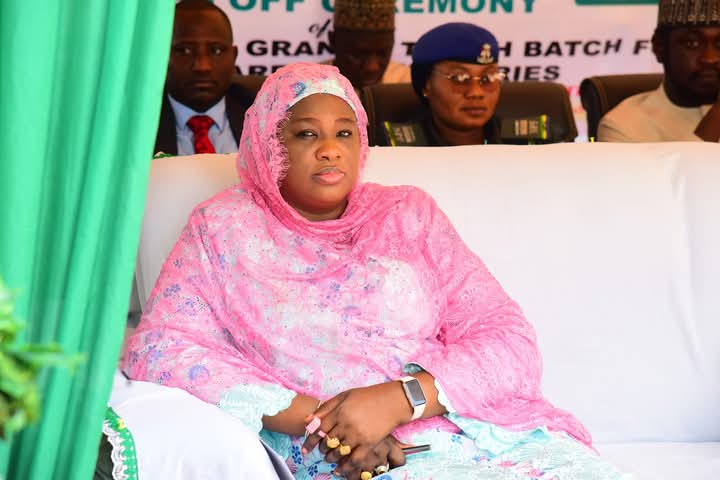
By Umar Idris Shuaibu, Kano As Dr. Mariya Mahmoud Bunkure marks her 48th birthday, encomiums have continued to pour in from across political, professional and social divides, celebrating a woman whose life reflects purpose, discipline and uncommon dedication to public service. Currently serving as the Honourable Minister of State in charge of the Federal Capital Territory Administration (FCTA), Dr. Bunkure has, over the years, carved a distinct identity as a technocrat of depth, a politician of principle and a leader guided by compassion. Her journey stands as a testament to what disciplined leadership, professional excellence and human empathy can achieve in public life. A trained medical consultant, Dr. Bunkure’s background in healthcare laid the foundation for her people-centred approach to governance. Her transition into public service did not dilute her professional values; rather, it strengthened her resolve to pursue policies and decisions that prioritise human welfare, equity and institutional effectiveness. Colleagues and associates often describe her as calm, focused and methodical qualities that have continued to define her leadership style. Beyond her technocratic competence, Dr. Bunkure’s political conduct has earned her widespread respect. Her steadfast loyalty to President Bola Ahmed Tinubu, GCFR, and firm alignment with the Renewed Hope Agenda underscore her belief in collective vision over personal ambition. In an era where political opportunism often overshadows ideology, she has remained consistent, disciplined and committed to the broader objectives of national development. Read Also: Ganduje Rallies Kano APC Members for Strategic E-Registration Push APC Eyes Control of 30 States as Governor Yusuf’s Possible Defection Redraws Kano Politics Kano Power Struggle Heats Up as Yusuf Reappears Without Kwankwaso Allies Equally notable is her respect for party structure and leadership. Her cooperation and obedience under the guidance of Dr. Abdullahi Umar Ganduje, CON, the former National Chairman of the All Progressives Congress (APC), exemplify a politics rooted in consultation, loyalty and respect for constituted authority. This approach has contributed significantly to strengthening party unity in Kano State and beyond, reinforcing cohesion at critical moments in the nation’s political journey. Yet, beyond titles and offices, Dr. Bunkure’s humanity stands out. Her kindness, accessibility and philanthropic spirit have touched many lives, particularly women, youths and the less privileged. As a caring mother, devoted wife and compassionate leader, she has demonstrated that strength and humility can coexist, and that leadership is most impactful when anchored in service to humanity. At 48, Dr. Mariya Mahmoud Bunkure represents a rare blend of professionalism, political maturity and moral clarity. Her life and career continue to inspire a generation seeking role models defined not merely by ambition, but by integrity, loyalty and compassion. As she celebrates another year, prayers abound for long life, good health, renewed strength and divine wisdom. May Allah (SWT) continue to guide her steps, protect her path and reward her service in this world and the Hereafter. In celebrating Dr. Mariya Mahmoud Bunkure, Nigeria celebrates a leader whose record speaks louder than rhetoric, and whose journey remains one of purposeful impact.

Scroll to Top