





The Historica Nigeria

Agriculture

Agriculture, National, News

NAIC Leadership Ends Year on High Note, Pledges Stronger Performance in 2026

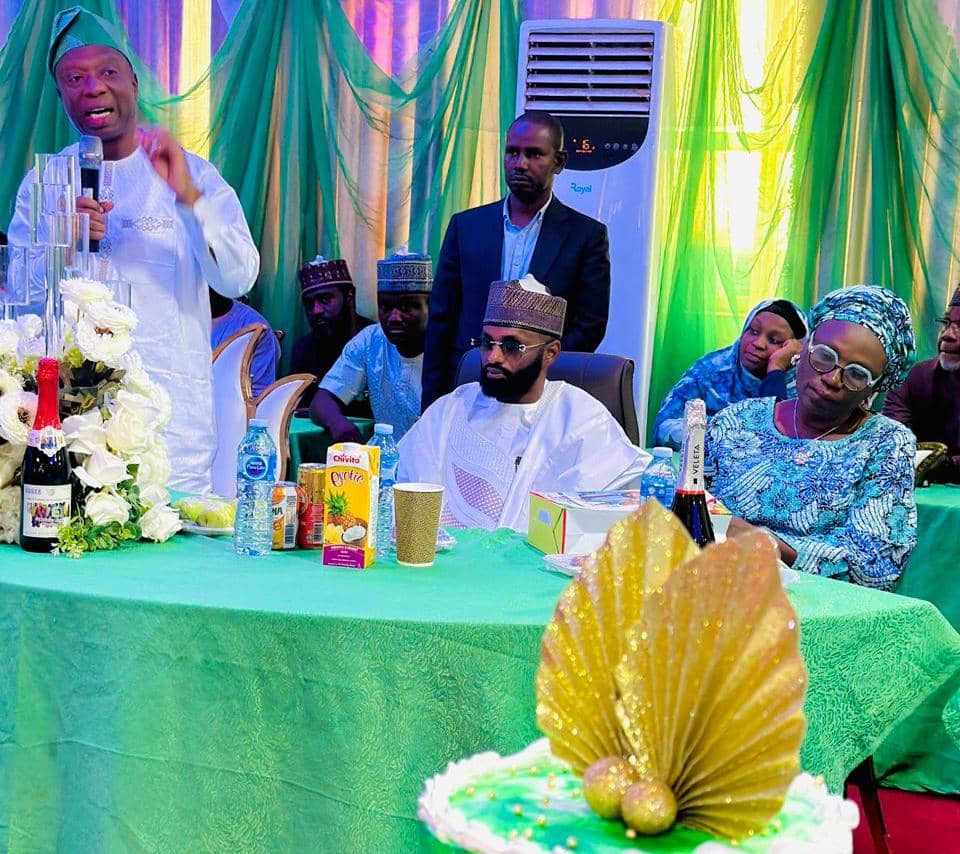
The leadership of the Nigerian Agricultural Insurance Corporation (NAIC) has rounded off the year on a high note, with assurances of stronger institutional performance and reforms in 2026. The Managing Director and Chief Executive Officer of NAIC, Honourable Yazid Shehu Umar Danfulani, on Thursday hosted a grand end-of-year celebration for staff at the Corporation’s headquarters in Abuja, an event described as the first of its kind in the history of the organisation. The ceremony brought together staff physically present at the headquarters, as well as employees from the Corporation’s 36 state branches who joined virtually. Addressing the gathering, Danfulani acknowledged that he assumed office at a time of economic downturn and institutional challenges but reaffirmed his commitment to repositioning NAIC through strategic reforms. He noted that his background in financial management and banking, coupled with administrative experience, would be deployed to strengthen the Corporation. Related: NAIC Boss Wins National Award ACSPN Hails Dr. Maradun’s Appointment as NAIC Corporate Affairs Manager Lawal Umar Maradun Appointed Manager, Corporate Affairs at NAIC According to him, management is reviewing financial obligations, engaging key stakeholders, strengthening internal controls, and implementing reforms aimed at improving efficiency, accountability, and revenue generation. He assured staff of open, transparent, and effective communication between management and employees to ensure proper coordination of NAIC’s operations nationwide, urging all staff to work in unity towards achieving the Corporation’s mandate. Earlier, the Executive Director, Finance and Administration, Prince Dayo Babaranti, reiterated management’s resolve to achieve NAIC’s set goals, commending the MD/CEO’s resilience and leadership. He described Danfulani as a selfless leader committed to the growth and development of the Corporation and assured that both management and staff would continue to support his vision. Also speaking, the General Manager, Technical, Mrs Florence Nwanoukwu, described NAIC as fortunate to have Danfulani as MD/CEO despite prevailing economic challenges, noting that his leadership style has boosted staff morale. She expressed optimism that ongoing capitalisation efforts would significantly improve the Corporation’s activities. On behalf of the workforce, the President of the NAIC Staff Union, Comrade Buhari Aliyu, expressed appreciation to the MD/CEO for prompt interventions to improve staff welfare. He cited measures such as the approval of staff upgrades and proper placement for employees stagnated for over 15 years, a 200 per cent increase in lunch subsidy, and the implementation of a three-year promotion cycle. He pledged the union’s continued cooperation with management for the sustained growth of the Corporation. Speaker after speaker at the event commended the MD/CEO for prioritising staff welfare and morale, describing them as critical drivers of institutional performance and productivity.  

Agriculture, Education, Jigawa

Governor Namadi Commends Dr. Gwaram’s Appointment, Reaffirms Commitment to Kirikasamma College Takeoff

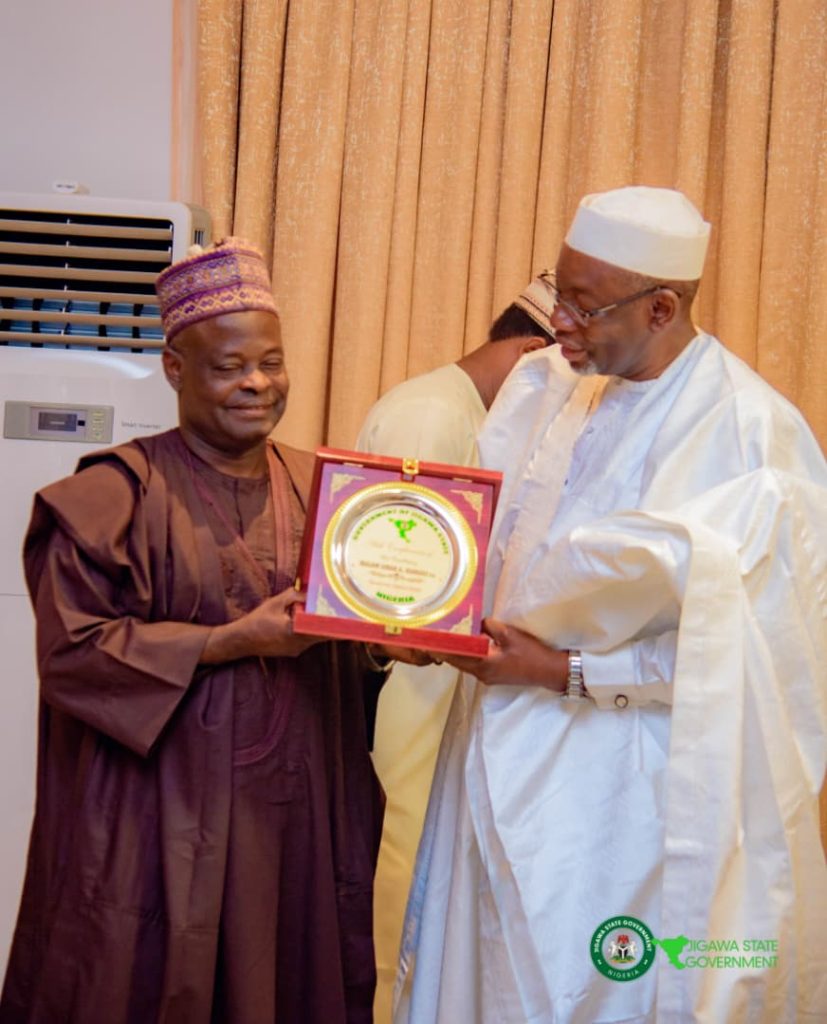
Governor Malam Umar Namadi has congratulated the newly appointed management of the Federal College of Agriculture, Kirikasamma, and pledged Jigawa State Government’s full support as the institution prepares for its official takeoff. The governor conveyed his message in Dutse while congratulating the pioneer Provost, Dr. Muhammad Yusha’u Gwaram, and his management team. He described Dr. Gwaram as a proud son of Jigawa who has consistently advised government on agricultural transformation, even during his tenure as Provost of the Federal College of Agricultural Produce Technology (FCAPT), Kano. Governor Namadi noted that Dr. Gwaram’s long-standing commitment toward establishing the new agricultural college in Kirikasamma has finally materialized, adding that his presence in Jigawa will further strengthen the state’s drive toward agricultural advancement. He acknowledged the Provost’s dedication and sacrifices, describing him as a committed citizen whose contributions extend beyond Jigawa to national development. He assured that the state government will provide all necessary support to ensure smooth operations and early stabilization of the institution. Read Also: Jigawa Governor Presents 2026 Budget, Prioritises Development Across State Jigawa, HJRBDA Partner to Tackle Flooding, Boost Irrigation Dr. Gwaram Appointed Provost, Set to Lead Federal College of Agriculture, Kirikasamma The governor prayed for the success of the new management team and encouraged Nigerians to take advantage of the opportunities the Federal College of Agriculture Kirikasamma will offer, noting that it is a Federal Government institution with significant potential. Governor Namadi also expressed appreciation to President Bola Ahmed Tinubu for approving the institution and other ongoing federal interventions benefiting Jigawa State.

Agriculture, Jigawa, News

Governor Namadi Assures Full Support for Federal College of Agriculture Kirikasamma Takeoff

Governor Malam Umar Namadi has pledged the Jigawa State Government’s full support to the newly appointed management of the Federal College of Agriculture, Kirikasamma, as the institution prepares for its official takeoff. The governor made the commitment while receiving the pioneer management team, led by the Provost, Dr. Muhammad Yusha’u Gwaram, during a courtesy visit to Government House, Dutse. Governor Namadi described the appointments as historic, noting that establishing a new federal institution requires dedication, vision, and technical capacity. He expressed confidence in the calibre of the new management team to lay a strong foundation for the college. “Establishing a new institution is not an effortless task. You are now part of history. If the college succeeds, your names will be remembered positively; if it fails, the same applies. But I am confident, given the calibre of the team, that the college is starting on the right footing,” he said. Read Also: Dr. Gwaram Appointed Provost, Set to Lead Federal College of Agriculture, Kirikasamma The governor commended President Bola Ahmed Tinubu for assenting to the bills establishing the Federal College of Agriculture, Kirikasamma and the Federal College of Education, Birnin Kudu. He also revealed that Jigawa State is close to securing a third federal institution following his recent discussions with the president. “We are greatly indebted to His Excellency, the President of the Federal Republic of Nigeria, President Bola Ahmed Tinubu, for assenting to the bills establishing both colleges. And let me inform you, Provost: we are working on securing a third federal institution for Jigawa. I have discussed it with the president, and Insha’Allah, it will come to fruition.” Governor Namadi assured the management of the state government’s unwavering support to ensure a smooth and successful takeoff of the college. “As a government, we will do everything possible to ensure the successful takeoff of the college. You have our full support. We are very fortunate to have Dr. Gwaram leading this institution—an experienced agriculturist, a seasoned administrator, and a committed son of Jigawa,” he stated. He further commended the Minister of Agriculture, Minister of Education, Hon. Fulata (member representing Birniwa/Guri/Kirikasamma Federal Constituency), the Provost, and the Jigawa State Commissioner for Higher Education for their roles in facilitating the establishment of the institutions. Earlier, the Provost, Dr. Muhammad Yusha’u Gwaram, thanked the state government for its continuous support and assured that the college is ready for immediate takeoff. “This college is to be a specialized institution where modern agricultural techniques will be taught. We intend to educate our farmers and bring other relevant agencies into Jigawa,” he said. Dr. Gwaram added that the management is already engaging with regulatory bodies, including NBTE, to complete all requirements for takeoff. He acknowledged the extensive efforts undertaken with federal agencies, regulators, and stakeholders to secure the institution’s approval and pledged the management’s commitment to deliver results worthy of the state and the nation.

Agriculture, Education, Kano

ABCOAD Conference Calls for Technology-Driven Agriculture to Secure Nigeria’s Food Future

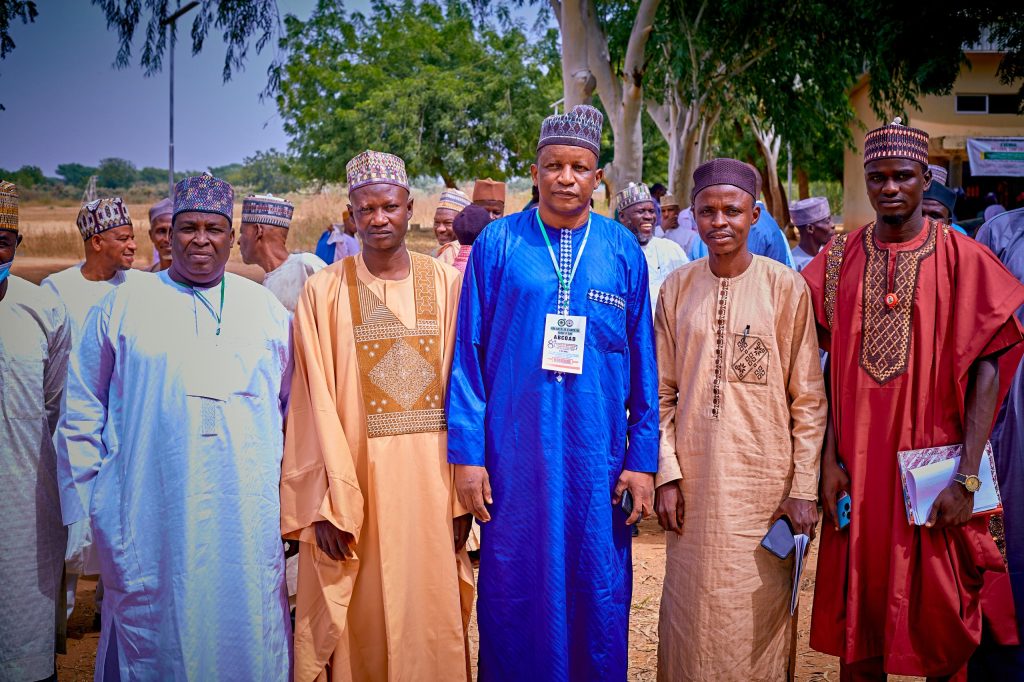
By Abdu Saidu, Kano The Audu Bako College of Agriculture, Dambatta (ABCOAD), on November 17, 2025, convened its 8th Biennial National Conference, issuing strong calls for climate-smart agricultural practices and emerging technologies to strengthen Nigeria’s food security and economic resilience. The conference, themed “Climate Smart Agriculture and Emerging Technologies for National Food Security and Global Competitiveness: Building Resilient Economies,” attracted researchers, industry professionals, policymakers, and academics from across the country. In his opening remarks, the Provost of the College, Professor M. A. Wailare, said the theme reflected urgent global realities, noting that climate variability, rising production costs, migration pressures, and disruptions in supply chains are reshaping the agricultural landscape worldwide. “For Nigeria, where millions depend on agriculture for their livelihood, the challenge is both profound and immediate,” he said, urging participants to fully engage and offer practical solutions. “Share knowledge, challenge assumptions, and collaborate on solutions that can reshape the future of agriculture in our country.” Read Also: Dr. Gwaram Appointed Provost, Set to Lead Federal College of Agriculture, Kirikasamma Ganduje Attends 3rd National Aviation Conference in Lagos Kano South Senator, Kawu Sumaila Marries NAF Officer in Low-Key Ceremony Representing the Deputy Governor and Commissioner for Higher Education, Comrade Aminu Abdulsalam Gwarzo, the Executive Secretary of KSSMB, Hon. Rabi’u Sale Gwarzo, described the conference theme as both timely and essential. He said Nigeria stands at a critical point where agriculture has become central to national survival, economic diversification, and youth employment. “I salute the organisers, presenters, and participants for their dedication. Your passion keeps agriculture alive. Your intellect keeps innovation shining. Your work ensures Nigeria remains capable of feeding itself and exporting to the world,” he remarked. The Chairman of the Occasion, Alhaji Nu’uman Barau Dambatta, OON, Ajiyan Kazaure—represented by Alhaji Mukhtar Maje Adnan—warned that climate change poses direct threats to food security, agricultural productivity, and human survival. He emphasized the need for proactive mitigation strategies, stating: “Reducing the effects of climate change should be pursued through increased flora establishment—shelterbelts, tree planting, agroforestry—reduction in fossil fuel usage, modernizing agricultural practices, and embracing agricultural technology.” Dr. Abdulhamid Bala, who served as the Lead Paper Presenter, delivered a detailed and research-driven presentation on climate-smart agriculture and emerging technologies. He highlighted the transformative roles of digital innovation, biotechnology, and precision farming in boosting productivity and ensuring global competitiveness. He urged academic institutions, government agencies, and private-sector actors to strengthen collaboration in order to build a resilient agricultural sector capable of withstanding climate shocks. Throughout the conference, researchers and participants presented new findings aimed at improving crop yields, livestock development, and environmental sustainability. In his closing remarks, Professor Wailare commended the depth of participation and reiterated the College’s commitment to promoting agricultural innovation and research. “This is not just an academic gathering—it is a national platform for shaping practical ideas that can transform agriculture into a resilient, technology-driven sector,” he said. He announced that resolutions from the conference would be compiled into a policy-focused document for relevant government and industry stakeholders. The 8th Biennial National Conference reaffirmed ABCOAD’s position as a leading institution in agricultural education, research, and national development.

Agriculture, Feature, Kano, National

The Green Imperative Is Not Just a Federal Government Project — It Is a Lifeline for Northern Nigeria’s Agricultural Future

Veteran labour leader, Comrade Mustapha Nuhu Wali, has called on northern leaders, traditional institutions, cooperatives, and private investors to take ownership of the Green Imperative Programme, stressing that the initiative is not just a Federal Government project but a national lifeline for the North’s agricultural transformation. He stated this in a statement released to ‘The Historica Nigeria‘, noting that while the Green Imperative Programme was designed to revolutionise farming across the country, its success now depends largely on active regional participation. “The Green Imperative is not just a Federal Government initiative; it is a national programme that requires regional participation. Northern state governments, traditional institutions, cooperatives, and private investors must now take ownership,” Wali said. Read Also: Food Waivers Threaten Northern Agriculture, Says Wali Reps Move to Establish Nigeria Police Pension Board, End PenCom Control Niger Delta Leaders Push Jonathan to Support Tinubu Originally launched in 2019 under former President Muhammadu Buhari, the Green Imperative Programme was a ten-year mechanisation partnership between Nigeria and Brazil, aimed at supplying over 10,000 tractors, 50,000 implements, and establishing 774 service centres nationwide. The initiative was expected to create millions of jobs and transform rural economies through modern mechanised farming. However, seven years later, the programme has not achieved its full potential. Wali attributed the setback to the limited engagement from state governments and regional stakeholders, who failed to provide the required counterpart funding and institutional support. “Mechanisation cannot be achieved through federal action alone. It requires collective ownership and sustained political will at every level,” he said. He described the Green Imperative as a missed opportunity that could have transformed food production and employment, particularly in Northern Nigeria, which holds more than 70 percent of the country’s arable land. Wali, however, commended the administration of President Bola Ahmed Tinubu for reviving and commercialising the programme in 2025, saying that renewed agreements with Brazil and technical partners show a genuine political commitment to sustainable agricultural development. “The revival of the Green Imperative offers a second chance—especially for Northern Nigeria, where the youthful population and vast land mass make it the natural engine of the nation’s food security. Mechanisation is not a luxury; for Northern Nigeria, it is a necessity for survival and growth,” he said. He urged northern state governments, private investors, and traditional institutions to create Green Imperative Implementation Desks within their ministries of agriculture and to train youths and women as tractor operators, mechanics, and service providers. He also called on polytechnics and universities in the region to strengthen practical agricultural engineering and mechanisation programmes to ensure long-term sustainability. “The era of waiting for Abuja is over. Local leadership and regional coordination must drive agricultural transformation,” he added. Wali emphasised that state governments should provide counterpart funding, allocate land for training and service centres, and set clear mechanisation targets in their budgets. He further encouraged cooperatives and private companies to partner with federal agencies in running tractor-hire and maintenance services, while NGOs and development partners focus on youth and women empowerment clusters. He concluded by calling for transparency, accountability, and local assembly of equipment, warning that seven of the ten years originally planned for the project had already passed. “The Green Imperative is not just a federal government project; it is a lifeline for the North. If properly embraced, it can ignite a Northern Agricultural Renaissance—one that feeds the nation, empowers the youth, and sustains livelihoods,” Wali stressed.

Agriculture, Kaduna, National, News

ABU Zaria Moves to Reposition NAPRI, Constitutes Reform Committee

Ahmadu Bello University (ABU), Zaria, has declared a state of emergency on the National Animal Production Research Institute (NAPRI) and set up a committee to revitalise the institute. Malam Auwalu Umar, Director of the Public Affairs Directorate of the university, disclosed this in a statement issued on Tuesday in Zaria. He explained that the revitalisation move was aimed at repositioning NAPRI for greater impact in livestock research, breeding, and resource mobilisation. Read Also: Ministry of Livestock Commissions 2,000-Litre Milk Collection Centre in Bauchi According to him, the NAPRI Reform and Strategic Transformation Committee is chaired by Prof. J. K. P. Kwaga of the Faculty of Veterinary Medicine. The Vice-Chancellor of ABU, Prof. Adamu Ahmed, described NAPRI as “too strategic to fail in its mandate,” noting that the institute had faced significant challenges in fulfilling its core objectives. Prof. Ahmed said the university declared a state of emergency on NAPRI to address the decline in its statutory functions, stressing that the committee’s assignment was crucial to the success of the reform process. The committee is expected to design and oversee comprehensive reforms that would revitalise NAPRI’s core functions and restore its place as a key contributor to Nigeria’s livestock development goals. He charged the committee to submit an inception report within two weeks, outlining its reform framework and implementation strategy, and assured full support from the university management. The Vice-Chancellor commended Prof. Kwaga’s leadership and expertise, describing his role as pivotal to the transformation effort. In his response, Prof. Kwaga expressed appreciation to the Vice-Chancellor and the university management for the confidence reposed in the committee, assuring their readiness to deliver within the stipulated six-month timeframe. Members of the committee include Prof. I. U. Abubakar, former Executive Director of the Institute for Agricultural Research (IAR), and Prof. M. K. Othman, former Executive Director of the National Agricultural Extension Research and Liaison Services (NAERLS). Others are Prof. Tunji Iyiola-Tunji of NAERLS, Prof. A. K. B. Sackey of ABU’s Department of Veterinary Medicine, and Prof. Abdul Bakura, Dean of the Faculty of Agriculture. The former Dean of the Faculty of Veterinary Medicine, Prof. Junaidu Kabir, will serve as the Secretary of the committee. (NAN)

Agriculture, Economy, National, News

Food Waivers Threaten Northern Agriculture, Says Wali

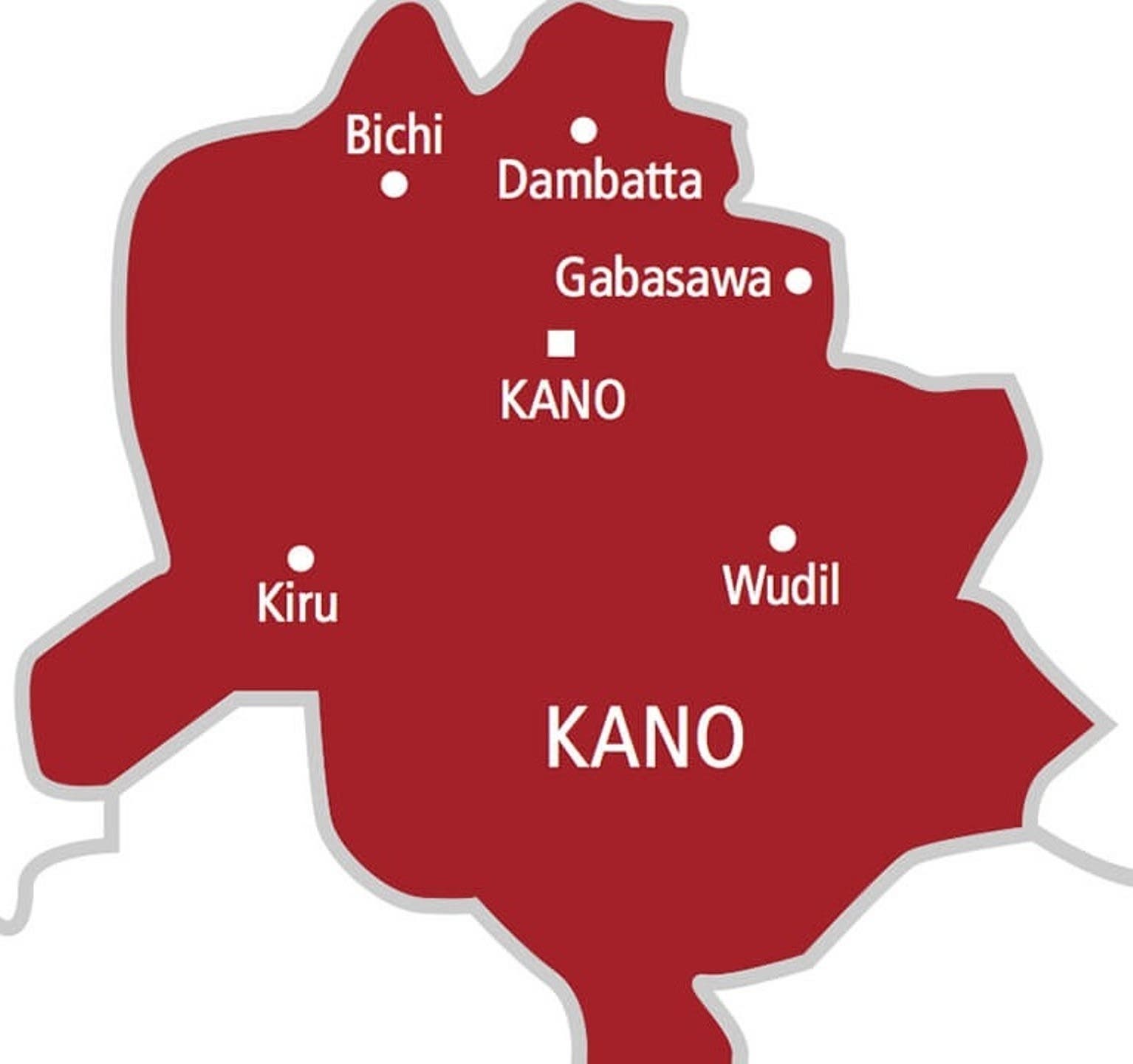
Veteran labour leader and development advocate, Comrade Mustapha Nuhu Wali, mni, has warned that the Federal Government’s decision to grant ₦97 billion worth of duty waivers on imported food could have devastating effects on Northern Nigeria’s agricultural economy. In a statement issued on Friday in Kano, Wali described the policy as a “short-term political fix” that undermines decades of resilience, self-reliance, and investment in the region’s agricultural sector. He said while the initiative may temporarily reduce food prices in urban centres like Lagos and Abuja, it has already triggered economic hardship among farmers in the North, particularly in states such as Kano, Sokoto, Zaria, Borno, and Benue. Read Also: Wali Hosts Annual Maulud, Calls for Unity, Prayers and Emulation of Prophet’s Virtues “Farmers already struggling with insecurity, high costs of fertilizer and fuel, now face unprofitable markets as cheap imports flood the nation,” he said. Wali compared the policy to Nigeria’s past economic missteps, including the 1986 Structural Adjustment Programme and the rice import era of the 2000s, arguing that both weakened local capacity and increased dependency on imports. He expressed concern that many Northern states had failed to invest their increased federal allocations from fuel subsidy removal in revitalising agriculture. “Dams and irrigation systems such as Tiga, Bagauda, and Danbatta in Kano have deteriorated, while similar facilities in Sokoto, Kebbi, and Borno remain in disrepair,” he lamented. According to Wali, only Niger State has announced a meaningful agricultural revitalisation programme. He also noted that without continuity, gains from the Buhari-era Anchor Borrowers’ Programme and rice initiatives are fast eroding. Beyond crops, Wali highlighted the neglect of livestock management and grazing reserves, saying it has worsened communal clashes in states such as Benue, Jos, and Kogi. While commending the creation of a Federal Ministry of Livestock Development, he said the effort would remain symbolic without collaboration and investment from Northern governors. He warned of the social consequences of agricultural decline, including youth migration, unemployment, and rising insecurity. “Many young Northerners have become trapped in menial and undignified jobs in southern cities, while Almajiri children and youth gangs continue to pose a growing threat to social stability,” he stated. Wali urged the Arewa Consultative Forum (ACF) and other regional institutions to revive their historical roles by promoting regional accountability and mobilising collective action for economic revival. “The North must reclaim its legacy through irrigation renewal, quality education, youth empowerment, and improved security,” he stressed. He called on the Federal Government to reconsider the food import waiver and instead channel efforts into empowering local farmers, expanding irrigation networks, and supporting agro-industrial value chains. “Without this shift, Nigeria risks turning its most fertile region into an economic wasteland and the North’s greatest asset into its deepest vulnerability,” Wali concluded.

Agriculture, Education, Kano, News

ABCOAD Provost, Professor Wailare, Flags Off TVET Programme on Youth Empowerment

The Federal Ministry of Education and the National Board for Technical Education (NBTE), in collaboration with the TVET Centre Administration of Audu Bako College of Agriculture, Dambatta (ABCOAD), Kano State, have officially launched the Technical and Vocational Education and Training (TVET) Student Orientation Programme at the college. The event, themed “Empowering Youth Through Skills for Sustainable Livelihoods,” was declared open by the Provost of the College, Professor M. A. Wailare, who reaffirmed the institution’s commitment to equipping young Nigerians with practical skills for national development. In his remarks, Professor Wailare said, “Our focus as an academic institution is not only to produce graduates with certificates, but to empower young people with the necessary technical and vocational skills that will make them self-reliant and productive members of society.” Read Also: ABCOAD Secures NBTE Accreditation for 11 ND, HND Programmes He emphasized that the college would continue to collaborate with the Federal Ministry of Education and NBTE to ensure that its training aligns with the country’s evolving socio-economic needs. “The future of Nigeria depends on our ability to turn knowledge into skills and skills into productivity. This TVET programme is a step in that direction, and we are proud to be part of this national effort,” Professor Wailare added. Speaking at the event, the Deputy Provost of the College, Dr. Hassan Ibrahim, commended the Provost and the partners for their vision and leadership in implementing the programme. He described the initiative as a milestone in empowering the next generation of skilled Nigerians. “This orientation marks the beginning of a journey for our students — a journey towards self-discovery, innovation, and sustainability. Technical and vocational education is not an alternative to higher education; it is an essential part of national development,” Dr. Ibrahim stated. He urged the students to embrace the opportunities offered through the programme, saying, “I encourage all participants to take this training seriously. The skills you acquire here will not only secure your future but also contribute to building a stronger and more self-reliant Nigeria.” The orientation programme attracted staff, students, and representatives from the education and vocational training sectors. It marks another milestone in ABCOAD’s mission to strengthen skill-based education and promote sustainable livelihoods for Nigerian youth.

Agriculture, Education, Kano, News

ABCOAD Commends Governor Abba Kabir Yusuf for Approving ₦546 Million Renovation Fund

The management, staff, and students of Audu Bako College of Agriculture, Dambatta, Kano State, under the leadership of the Provost, Professor M. A. Wailare, have expressed profound appreciation to His Excellency, the Executive Governor of Kano State, Engr. Abba Kabir Yusuf, for his magnanimous approval of ₦546 million for the general renovation of the college. Professor Wailare, on behalf of the college community, described the gesture as a clear demonstration of the Governor’s unwavering commitment to revamping educational institutions and promoting agricultural advancement in the state. He noted that the long-awaited renovation will not only improve the infrastructure and learning environment of the institution but will also enhance academic performance, research, and productivity in agricultural studies. Read Also: Tinubu: My Wife Is a Pastor, I’m a Muslim — Yet We Live in Peace “The approval by His Excellency, Engr. Abba Kabir Yusuf, marks a new dawn for Audu Bako College of Agriculture. It reflects his visionary leadership and dedication to ensuring that our institutions of higher learning become centers of excellence,” Professor Wailare stated. Students and staff of the college also joined in expressing gratitude to the Governor for his continuous support towards improving educational standards and agricultural development in Kano State. This development aligns with Governor Abba Kabir Yusuf’s broader agenda of restoring the lost glory of public institutions, investing in human capital, and fostering sustainable development across all sectors of the state.

Agriculture, National, News, Zamfara

Lawal Umar Maradun Appointed Manager, Corporate Affairs at NAIC

The Nigerian Agricultural Insurance Corporation (NAIC) has announced the appointment of Dr. Lawal Umar Maradun as its new Manager, Corporate Affairs. Dr. Maradun, a seasoned public relations practitioner with nearly two decades of experience in public service and academia, formally assumed his new role at the corporation’s headquarters in Abuja. In a message of appreciation, Dr. Maradun expressed gratitude to the Managing Director/CEO of NAIC, Hon. Yazeed Shehu Danfulani, for the trust and confidence reposed in him. He also acknowledged the support of the Honourable Minister of State for Defence, Dr. Bello Matawalle, MON (Matawallen Maradun, Shettiman Sokoto), and the Distinguished Senator representing Zamfara West, H.E. Abdul’aziz Yari Abubakar, Marafan Sokoto. Read Also: Ministry of Livestock Commissions 2,000-Litre Milk Collection Centre in Bauchi “I am excited about the opportunity to contribute more meaningfully to the organisation’s strategic objectives, strengthen our corporate communications, enhance stakeholder engagement, and further project the image of NAIC positively,” Dr. Maradun said. He also reflected on his career journey, noting the professional foundation built during his years at Usmanu Danfodiyo University, Sokoto, Zamfara State University, Mafara, and Abdu Gusau Polytechnic, Mafara. Dr. Maradun pledged to bring dedication, integrity, and commitment to excellence to his new role, while working with the NAIC management team to build on the achievements of the corporation. The Nigerian Agricultural Insurance Corporation (NAIC) is a federal government-owned institution established in 1987 to provide agricultural insurance services. Its mandate is to safeguard farmers against losses from natural disasters such as drought, flood, and pests, while also encouraging greater investment in agriculture. By protecting farmers and agribusinesses from risks, NAIC plays a vital role in strengthening food security and supporting national agricultural development.

Scroll to Top