The Historica Nigeria

2025

Education, National, News

FG Clarifies: English, Mathematics Still Compulsory for O’Level Students

The Federal Government has reaffirmed that English Language and Mathematics remain compulsory subjects for all students at the O’Level level. This clarification was contained in a statement released on Sunday in Abuja by the Director of Press and Public Relations, Federal Ministry of Education, Folasade Boriowo. Boriowo said the clarification became necessary following widespread misconceptions about the recently announced streamlining of admission requirements into tertiary institutions. Read Also: FG Introduces AI, Robotics, and Journalism into New Secondary School Curriculum She quoted the Minister of Education, Dr. Tunji Alausa, as saying that the reform does not exempt any student from registering or sitting for English and Mathematics during their O’Level examinations. According to Alausa, the new policy only introduces a more inclusive and flexible framework for tertiary admissions to ensure that capable students are not unfairly denied access to higher education due to deficiencies in non-core subjects. He explained that the reform allows institutions to admit candidates into specific programmes where a credit pass in either English or Mathematics may not be compulsory, while still requiring all students to register and sit for both subjects. “This reform supports the Federal Government’s vision of equitable access, inclusivity, and human capital development. It broadens academic pathways and recognises diverse strengths among learners,” the minister stated. Dr. Alausa emphasised that English and Mathematics remain vital tools for communication, reasoning, and lifelong learning, noting that the adjustment affects only admission criteria, not the requirement to take the subjects. He further advised students, parents, and other education stakeholders to rely on verified government communication channels for accurate information to avoid misinformation. (NAN)

Feature, Kano, National

The Power of Innuendo: Inside Dan’uwa Rano’s “Letter of Malam Imalu” and the Role of Subtle Truth in Journalism

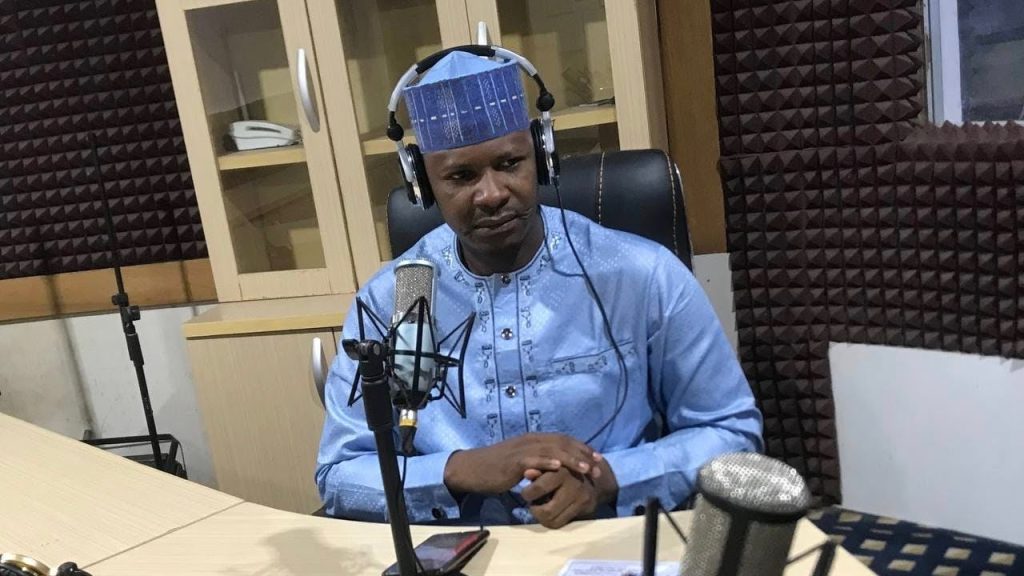
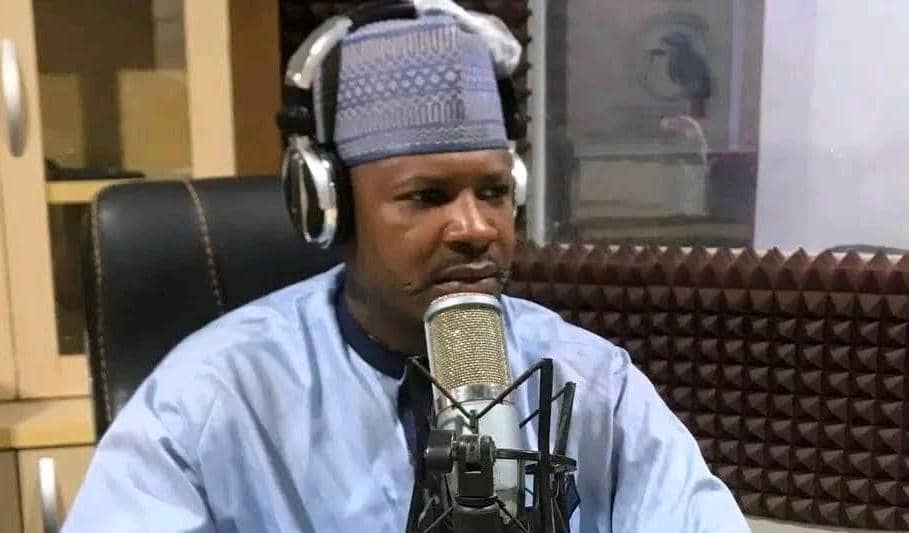
In journalism, words can build bridges or break walls. They can inform, provoke, or expose. But when truth becomes too dangerous to speak plainly, journalists often turn to the subtle art of innuendo, that is the craft of saying much without saying it directly. That’s exactly what Ibrahim Ishaq, the popular broadcast journalist known as Dan’uwa Rano, achieved with his viral program “Letter of Malam Imalu.” Through creative storytelling and metaphorical language, the journalist used satire and social commentary to mirror political realities in Kano State without naming names. The program, which struck a deep chord with the public, explored issues of corruption, abuse of office, and moral decay within the corridors of power. But while the message resonated with ordinary listeners, it drew discomfort from some political actors, eventually leading to Dan’uwa Rano’s arrest and interrogation by the police, following a petition by Abdullahi Ibrahim Rogo, the Director-General of Protocol to the Kano State Governor. Related: Kano Journalist Ibrahim Dan’uwa Rano Regains Freedom After Unlawful Detention Observers believe that the “Letter of Malam Imalu” controversy underscores a deeper misunderstanding of journalistic expression in Nigeria’s evolving democracy. In a system where criticism is often mistaken for defamation, and satire is treated as subversion, journalists find themselves walking a fine line between truth-telling and survival. The use of innuendo, or indirect expression, has long been a strategic tool for journalists working under repressive or politically charged environments. Rather than making direct accusations that could attract censorship or legal action, skilled communicators use symbolism, coded speech, and fictional characters like “Malam Imalu” just to represent real issues. Read Also: Kano Governor’s Protocol Chief Caught in N6.5bn Corruption Scandal Media analysts argue that Dan’uwa Rano’s storytelling mirrors a time-honoured journalistic practice, exposing societal ills through creative expression. “Innuendo isn’t deception; it’s protection,” one analyst noted. “It allows journalists to speak truth to power in societies where direct criticism is unsafe.” However, the backlash against Rano reveals how fragile media freedom remains. The reaction to his program instead of sparking dialogue, has instead deepened concerns over press intimidation in Kano. Civil society groups say the journalist’s arrest was not only uncolourful but also uncalled for, describing it as an act capable of silencing legitimate voices of accountability. In reality, the “Letter of Malam Imalu” is more than satire; it is a reflection of the frustrations of ordinary citizens and the courage of journalists who use creativity to express truth. By blending humour, allegory, and cultural idioms, Dan’uwa Rano joined a long tradition of African storytellers who challenge power through words, not weapons. The unfolding episode serves as a reminder that the health of a democracy depends not only on elections and institutions but also on the freedom to question, to imagine, and to speak. When journalists like Dan’uwa Rano resort to innuendo, it is often not to mock the system, but rather to survive within it, while still keeping the public informed. Political actors should know that silencing innuendo does not silence the truth but only drives it deeper into the conscience of the people. shuaibuumaridris@gmail.com

Kano, News

Kano Journalist Ibrahim Dan’uwa Rano Regains Freedom After Unlawful Detention

Kano-based broadcast journalist Ibrahim Ishaq, popularly known as Dan’uwa Rano, has regained his freedom after being detained for several days at the Zone 1 Police Headquarters in Kano. His release followed mounting pressure from rights groups, including the Centre for Information Technology and Development (CITAD), Amnesty International, and several civil society organizations, who condemned his arrest as unlawful and an attempt to suppress press freedom. Dan’uwa Rano was arrested after a petition filed by Abdullahi Ibrahim Rogo, Director-General of Protocol to Governor Abba Kabir Yusuf, who accused the journalist of defamation over an online audio commentary aired on Dan’uwa Rano TV. Read Also: CITAD Condemns Arrest of Journalist Dan’uwa Rano, Calls It an Assault on Press Freedom Sources said the commentary, which referenced alleged corruption involving government officials, did not directly mention Rogo’s name but was widely interpreted as pointing toward him. Court and investigation documents previously reviewed by Daily Nigerian revealed that the Independent Corrupt Practices and Other Related Offences Commission (ICPC) and the Economic and Financial Crimes Commission (EFCC) have linked Rogo to the diversion of over ₦6.5 billion in public funds. The funds were allegedly laundered through companies such as H&M Nigeria Limited, A.Y. Maikifi Petroleum, and Ammas Oil and Gas Limited. Investigations have so far led to the recovery of ₦1.1 billion, while a Federal High Court in Kano ordered the forfeiture of ₦142.2 million linked to Rogo to the ICPC. The CITAD, in a statement signed by its Executive Director, Y. Z. Ya’u, said Rano’s arrest was “unwarranted and represents a dangerous trend of intolerance and misuse of power to intimidate journalists.” The organization reminded authorities that freedom of expression and media rights are protected under Section 39 of the 1999 Constitution. Similarly, Amnesty International described the journalist’s detention as “a violation of constitutional rights and a misuse of law enforcement to silence dissenting voices.” Rano’s arrest and detention drew widespread criticism across Nigeria’s media and civic space, with many describing it as an embarrassment to democratic governance. He was finally released on Tuesday evening after intense public pressure. Speaking briefly after regaining his freedom, Dan’uwa Rano expressed gratitude to journalists, rights defenders, and the public for standing by him, saying: “This is not just about me — it’s about the freedom of the press in Kano and Nigeria as a whole. The truth cannot be silenced.” Civil society organizations have called on the Nigeria Police and Kano State Government to respect journalists’ rights and ensure that future grievances are addressed through lawful and transparent processes.

Kano, News

CITAD Condemns Arrest of Journalist Dan’uwa Rano, Calls It an Assault on Press Freedom

The Centre for Information Technology and Development (CITAD) has condemned the arrest of digital journalist Ibrahim Ishaq, popularly known as Dan’uwa Rano, describing it as an attempt to silence the media and suppress free expression in Kano State. Dan’uwa, founder of Dan’uwa Rano TV, was reportedly arrested by operatives of the Nigeria Police, Zone One Command, over an online audio commentary in which he allegedly suggested that a government official was collecting money from individuals seeking access to the Kano State Governor. In a statement signed by its Executive Director, Y. Z. Ya’u, CITAD said the police action was “unwarranted and represents a dangerous trend of intolerance and misuse of power to intimidate journalists.” Read Also: Police Yet to Release Dan’uwa Rano After Petition by Kano Government Official According to Ya’u, the journalist did not mention any names in his commentary, but it was alleged that the Director-General of Protocol to the Kano State Governor filed a complaint that led to his arrest. “The arrest of a journalist for performing his constitutional duty of informing the public is a gross abuse of power and a violation of democratic norms,” the statement read. CITAD described the incident as part of a broader assault on press freedom and civic participation in Nigeria, reminding authorities that freedom of expression is protected under Section 39 of the 1999 Constitution and Article 9 of the African Charter on Human and Peoples’ Rights. Ya’u stressed that the Nigeria Police should act as “a protector of rights, not an instrument of oppression.” The organisation therefore called for the immediate and unconditional release of the journalist and urged both the Nigeria Police and the Kano State Government to desist from further acts of intimidation against media practitioners. CITAD also appealed to civil society groups, media organisations, and human rights defenders to speak out against what it described as “a growing pattern of press suppression.” “A society that silences its journalists denies citizens access to truth and accountability,” Ya’u added. The group reaffirmed its commitment to defending press freedom, digital rights, and journalists’ safety in Nigeria, pledging to continue resisting any form of censorship or intimidation targeting the media or citizens exercising their right to free speech.

Kano, News, Weekend Digest with The Historica Nigeria

Police Yet to Release Dan’uwa Rano After Petition by Kano Government Official

The popular broadcast journalist, Ibrahim Ishaq, widely known as Dan’uwa Rano, remains in police custody following his arrest on Saturday in Kano metropolis by officers from the Zone 1 Police Command, an arrest reportedly carried out without the presentation of a valid warrant. The detention followed a petition filed by Abdullahi Ibrahim Rogo, Director-General of Protocol to Governor Abba Kabir Yusuf, who accused the journalist of defamation over reports aired on Dan’uwa Rano TV, an online platform. Sources close to the investigation told reporters that the police have insisted Dan’uwa Rano must produce “Malam Imalu,” a fictional character featured in one of his YouTube programmes titled Letter from Imalu, before any consideration for his release. Related: Kano CSOs Protest, Demand Accountability Over Alleged N6.5bn Fraud Court and investigation documents earlier reviewed and published by Daily Nigerian revealed that the Independent Corrupt Practices and Other Related Offences Commission (ICPC) and the Economic and Financial Crimes Commission (EFCC) have linked Abdullahi Rogo to the alleged diversion of more than ₦6.5 billion in public funds. The funds were reportedly channelled through companies such as H&M Nigeria Limited, A.Y. Maikifi Petroleum, and Ammas Oil and Gas Limited, using fictitious contracts and currency conversions through bureau de change operators. According to the reports, ₦1.1 billion has already been recovered, while a Federal High Court in Kano ordered the forfeiture of ₦142.2 million linked to Rogo to the ICPC. Read Also: Military Refutes Coup Allegation, Reassures Nigerians of Stability Before his detention, Dan’uwa Rano told journalists that the police accused him of operating without a valid license from the National Broadcasting Commission (NBC) and running an unregistered media company. He described his arrest as an attempt to intimidate the press and suppress free expression in Kano State. Eyewitnesses confirmed that the journalist’s arrest was carried out without due legal procedure, as no warrant was presented at the time of his apprehension. He was taken directly to Zone 1 Police Headquarters for questioning and has since remained in custody under what sources describe as “administrative orders.” Reports indicate that Dan’uwa Rano may remain in detention until at least Monday, when he is expected to be arraigned before a magistrate court in Kano. ‘The Historica Nigeria’s’ repeated attempts to reach Zone 1 Police Public Relations Officer, CSP Bashir, have been unsuccessful, with calls going unreturned as of the latest update.

Feature, Kano, Weekend Digest with The Historica Nigeria

Why Government Administrations Need to Appoint Competent Media Managers

In every thriving democracy, communication remains the vital bridge between the government and the governed. A visionary administration understands this and invests not only in physical infrastructure and policies but also in credible, professional media management. Competent media managers are essential to shaping narratives, clarifying intentions, and safeguarding an administration’s image against misinformation and public misinterpretation. Recent developments in Kano have once again brought this issue into sharp focus, particularly following the arrest and interrogation of popular broadcast journalist, Ibrahim Ishaq, widely known as Dan’uwa Rano. The journalist was reportedly questioned over alleged defamation and the operation of an online television channel without a valid license from the National Broadcasting Commission (NBC). The episode was uncalled for, as it created unnecessary tension within Kano’s media space and raised legitimate concerns about press freedom and the government’s handling of criticism. Instead of fostering dialogue and responsible engagement, the decision to subject a journalist to police grilling appeared reactive and heavy-handed, an avoidable situation if a robust communication framework were in place. Related: Police Grill Journalist Dan’uwa Rano Over Petition by Kano Official Rogo Equally, the entire scenario was uncolourful, a distraction that did little to boost public confidence in the administration. In a digital era where perception influences governance as much as performance, the absence of proactive communication can easily lead to reputational damage that even well-intentioned policies cannot undo. Governments must therefore recognize that the media is not an adversary but a critical partner in nation-building. A competent media manager interprets government policies clearly, communicates decisions responsibly, and provides accurate information swiftly, ensuring that facts are not overtaken by rumours or propaganda. The issue of defamation allegedly raised against the journalist brings a more fundamental question, “did the alleged act truly occur, or is this an attempt to silence accountability? According to an earlier report by Daily Nigerian, the Independent Corrupt Practices and Other Related Offences Commission (ICPC) recovered over ₦1.1 billion from Abdullahi Ibrahim Rogo, the Director-General of Protocol at the Kano State Government House, as part of its investigation into alleged misappropriation of public funds. The Economic and Financial Crimes Commission (EFCC) is also said to be probing related transactions linked to fictitious contracts and alleged diversions of public funds through corporate and personal accounts. Read Also: ICPC, EFCC Probe Kano Governor’s Aide Over Alleged ₦6.5bn Fraud However, the Kano State Government has strongly denied these corruption allegations, describing them as politically motivated. In a statement signed by the Governor’s spokesman, Sanusi Bature Dawakin Tofa, the government dismissed the reports as “a work of fiction aimed at tarnishing the image of government officials.” The situation now rests in the court of public opinion. Citizens, who are ultimately the judges of governance, will continue to assess those entrusted with managing public affairs, measuring words against actions, and promises against performance. The unfolding episode in Kano offers a vital lesson for all levels of government, the the need for strategic communication and competent media management cannot be overstated. Professional media handlers not only manage crises but also prevent them. They uphold transparency, maintain trust, and build bridges between leadership and the people. In the end, governance thrives not only on policies and projects but also on the confidence born out of clear, honest, and timely communication. When governments fail to manage information effectively, they risk losing both credibility and the trust of those they are meant to serve. Umar Idris Shuaibu is the publisher ‘The Historica Nigeria’ and writes from Kano.

Kano, News

Police Grill Journalist Dan’uwa Rano Over Petition by Kano Official Rogo

The Nigeria Police, Zone One Headquarters, Kano, have questioned popular broadcast journalist Ibrahim Ishaq, popularly known as Dan’uwa Rano, over allegations of defamation and operating an online television channel without approval from the National Broadcasting Commission (NBC). Report says that the interrogation followed a petition by the Director-General of Protocol at the Kano State Government House, Abdullahi Ibrahim Rogo, who accused the journalist of defaming him through reports aired on Danuwa Rano TV, an online media platform. The journalist was invited to the Zone One Police Headquarters in Kano on Saturday, where he was grilled over the allegations. Read Also: Northwest University Kano Appoints Professor Aisha Garba Habib as Acting Vice Chancellor The development comes amid ongoing scrutiny of Rogo, who is reportedly under investigation by the Independent Corrupt Practices and Other Related Offences Commission (ICPC) over alleged financial irregularities involving contracts worth about ₦6.5 billion. According to an earlier report by Daily Nigerian, the ICPC had recovered over ₦1.1 billion from Rogo as part of its probe into alleged misappropriation of public funds. The Economic and Financial Crimes Commission (EFCC) is also said to be investigating related transactions linked to fictitious contracts and fund diversions through corporate and personal accounts. However, the Kano State Government has denied the corruption allegations, describing them as politically motivated. In a statement signed by the Governor’s spokesman, Sanusi Bature Dawakin Tofa, the government said the reports were “a work of fiction aimed at tarnishing the image of government officials.” Meanwhile, journalists and civil society organizations in Kano have condemned the police interrogation of Dan’uwa Rano, describing it as an attempt to intimidate the media and silence critical voices in the state. As of the time of filing this report, neither the police nor the NBC had released an official statement regarding the interrogation or the alleged licensing violations.

National, News

Military Refutes Coup Allegation, Reassures Nigerians of Stability

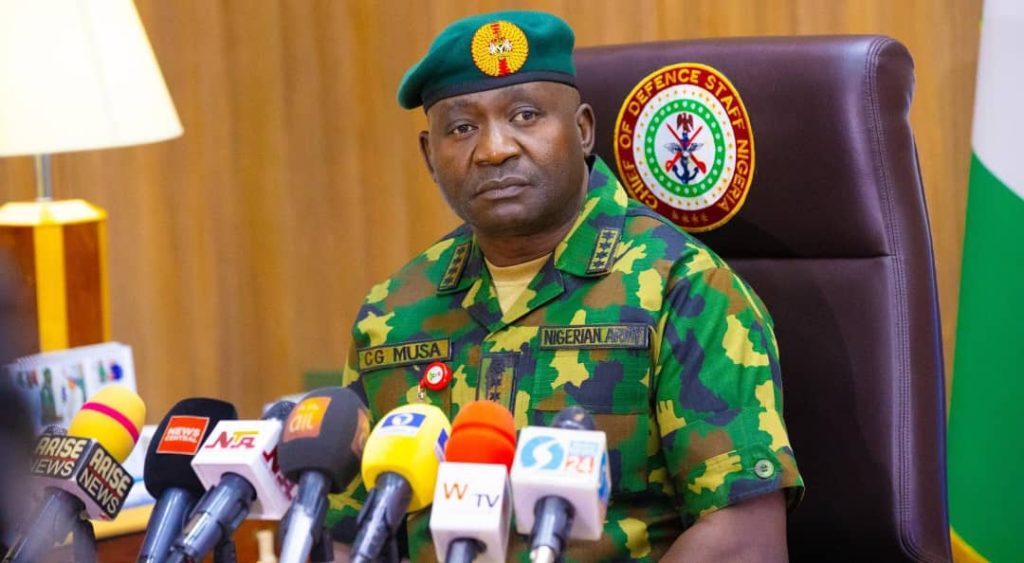
Nigeria’s Defence Headquarters (DHQ) on Saturday dismissed as “false and malicious” an online report suggesting that the cancellation of activities marking the country’s 65th Independence Anniversary was linked to an alleged attempted military coup. Brigadier General Tukur Gusau, Director of Defence Information, said in a statement from Abuja that the claim was “intended to cause unnecessary tension and distrust among the populace.” According to him, the decision to cancel the Independence Day parade was purely administrative and based on the President’s foreign engagements and the military’s operational priorities. Read Also: Tinubu Returns to Abuja After Attending Aqaba Process Summit in Rome “The decision regarding the cancellation of the 65th Independence Anniversary parade was to allow Mr. President attend a strategic bilateral meeting outside the country and for members of the Armed Forces of Nigeria to sustain the momentum in the fight against terrorism, insurgency and banditry,” the statement read. Addressing reports about the arrest of sixteen officers mentioned in the publication, Gusau clarified that the matter was a routine disciplinary process within the military. “The ongoing investigation involving the sixteen officers is a routine internal process aimed at ensuring discipline and professionalism is maintained within the ranks,” he explained, adding that “an investigative panel has been duly constituted, and its findings will be made public.” Gusau urged Nigerians to ignore what he described as “falsehoods being circulated by the purveyors of misinformation and enemies of our nation.” “The Armed Forces of Nigeria remains firmly loyal to the Constitution and the Federal Government under the leadership of the Commander-in-Chief of the Armed Forces, President Bola Ahmed Tinubu, GCFR,” the statement said. He further called on citizens to continue supporting security agencies, emphasizing that “the Federal Government, the legislature, and the judiciary are working closely for the safety, development, and well-being of the nation. Democracy is forever.”

Abuja, National, News

Tinubu Returns to Abuja After Attending Aqaba Process Summit in Rome

President Bola Ahmed Tinubu has returned to Abuja after participating in the Aqaba Process Heads of State and Government-level Meeting held in Rome, Italy. The Aqaba Process, launched in 2015 by His Majesty King Abdullah II of Jordan, is a global counter-terrorism initiative co-chaired by Jordan and Italy. The Rome session focused on strengthening international and regional cooperation to combat terrorism and violent extremism, with special attention to the security situation in West Africa. According to a statement issued on Saturday by Bayo Onanuga, Special Adviser to the President on Information and Strategy, the high-level meeting took place on Wednesday, October 15, at the National Gallery of Modern and Contemporary Art in Rome. Read Also: Trump’s Adviser Dismisses Allegations of Christian Genocide in Nigeria World leaders present included King Abdullah II of Jordan, Italian Prime Minister Giorgia Meloni, and the Presidents of Nigeria, Chad, Paraguay, Sierra Leone, and Togo. Also in attendance were Azouz Nasri, President of Algeria’s Upper House, and delegations from Côte d’Ivoire, Kazakhstan, Mauritania, Senegal, and Uzbekistan, as well as special envoys and security experts. The meeting was held behind closed doors. On the sidelines of the event, President Tinubu held bilateral meetings with Italian Prime Minister Giorgia Meloni and Massad Boulos, Senior Adviser to former U.S. President Donald Trump on Arab and African Affairs. He also met with the Vatican’s Secretary of State, Cardinal Pietro Parolin, where discussions centered on promoting religious harmony in Nigeria and addressing misinformation portraying the country as intolerant of religious diversity. Since its inception in 2015, the Aqaba Process has held 33 sessions across various levels — from Heads of State summits to technical expert meetings — focusing on prevention, coordination, and closing operational gaps in global counter-terrorism efforts.

Feature, National

Defection Storm: A Looming Threat to Nigeria’s Political Stability

When politics is no longer a mission but a profession, politicians become more self-serving than public servants”_ – Emmanuel Macron, President of France. This quote highlights the distinction between politicians driven by purpose (mission) and those who view politics as a career (profession). When politics is a mission, politicians prioritize the greater good, guided by responsibility and duty. In contrast, when politics becomes a profession, politicians are driven by personal ambition, power, and financial gain, prioritizing their interests over public needs. The quote starkly captures Nigeria’s political landscape, where politics has devolved into a profession, with politicians often prioritizing personal interests over public service, resulting in self-serving behavior. Read Also: Ganduje’s Achievements Still Define Kano, Despite NNPP’s Attempts to Erase Them Frequent party switches erode public trust, undermine credibility, and negatively impact governance. Nigeria’s constitution allows defections with certain conditions, but it’s silent on executive office holders. The Supreme Court has ruled that electoral mandates belong to parties, not candidates. To curb defections, lawmakers should consider constitutional amendments requiring elected representatives to vacate seats if they defect. Nigeria has a long history of party defections, dating back to 1951. This phenomenon has persisted for 70 years, significantly impacting democracy. In 2013, five PDP governors defected to the APC, and similar instances have occurred since. These politicians often criticize opposition parties, only to later seek refuge in the same parties they maligned, supporting the notion that “in politics, there are no permanent friends or enemies, only permanent interests.” *Recent Defections, At least four PDP governors defected to the APC between April and October 2025, including: Delta State Governor Sheriff Oborevwori (April), Akwa Ibom State Governor Umo Eno (June), Enugu State Governor Peter Mbah (October) and Bayelsa State Governor Douye Diri (October). This highlighting a significant shift in Nigeria’s political landscape. Based on recent developments, it’s reported that the APC has gained significant numbers in both the Senate and the House of Representatives due to defections. The APC now holds 74 seats in the Senate. Previously, the APC had 70 seats after four senators from the PDP and LP defected to the APC in July 2025. The APC has 207 members in the House of Representatives after gaining 30 seats from opposition parties since the inauguration of the 10th National Assembly. In the green chamber The opposition parties have been significantly weakened, with the PDP reduced to 37 lawmakers. Overall, the APC has solidified its dominance in the National Assembly, holding a significant majority in both chambers. Nigeria appears to be gradually embracing a dominant-party system, where one party’s grip on power is sustained not by superior governance but by absorbing opposition forces. This trend poses a significant threat to federalism, as it fosters conformity over competition, loyalty over merit, and silence over dissent. The concentration of power in a single entity is particularly perilous for a country as diverse and complex as Nigeria, potentially leading to political stagnation, marginalized groups’ resistance, and the eventual emergence of a one-party state. A larger implications to the political landscape of the country, a democracy without a robust and credible opposition is a farce. The mass defection of opposition figures to the ruling party undermines institutional checks and balances, emboldens authoritarian tendencies, and reduces the National Assembly to a mere rubber stamp. When opposition lawmakers defect en masse, they abandon their critical role of holding the government accountable, paving the way for executive overreach and weakening oversight mechanisms that protect citizens from state abuse. The casual party-switching phenomenon in Nigeria signals the erosion of ideology in politics. With parties becoming indistinguishable, electoral choices are reduced to personalities rather than policies. This development undermines informed decision-making, as voters are left with little to differentiate between parties. The APC and PDP have become virtually indistinguishable, filled with the same faces, ideas, and contradictions. This absence of ideological competition has dire consequences. Elections devolve into contests driven by tribal, religious, or pecuniary considerations, rather than policy debates. This ideological bankruptcy threatens the very foundations of Nigeria’s democracy, and it’s imperative that stakeholders address this issue to restore the country’s democratic health. Dukawa write it from Abuja can be reached at abbahydukawa@gmail.com

Scroll to Top