

Though Nigeria has conducted several elections since independence, none has attained the historical significance of the June 12, 1993 presidential election, now celebrated annually as Nigeria’s Democracy Day.
More than three decades after the election, June 12 remains a powerful symbol of the struggle for democracy, electoral justice, and constitutional governance in Nigeria. The election is widely regarded as the freest and fairest in the country’s history and continues to occupy a central place in national discourse.
As Nigerians commemorate Democracy Day, here are twelve important facts about the historic June 12 election and its enduring legacy.
Read Also:
Kano Dialogue: North-West Governors Endorse Social Protection Framework for Vulnerable Families
CAN Declares June 14 ‘Black Sunday’ to Honour Victims of Terror Attacks
Ganduje, NGF chairman join special democracy day prayer as FG pledges stronger democracy
1. It Marked Nigeria’s Return to Presidential Elections After Military Rule
On June 12, 1993, Nigerians went to the polls in the country’s first presidential election since the military coup of December 31, 1983, which overthrew the administration of President Shehu Shagari and brought an end to the Second Republic.
2. The Election Introduced the Option A4 Voting System
The election was conducted using the famous Option A4 open-ballot system, introduced by the National Electoral Commission (NEC). The process required voters to queue openly behind the photographs of their preferred candidates, making the election transparent and reducing opportunities for manipulation.
3. It Produced Nigeria’s Most Famous Muslim-Muslim Ticket
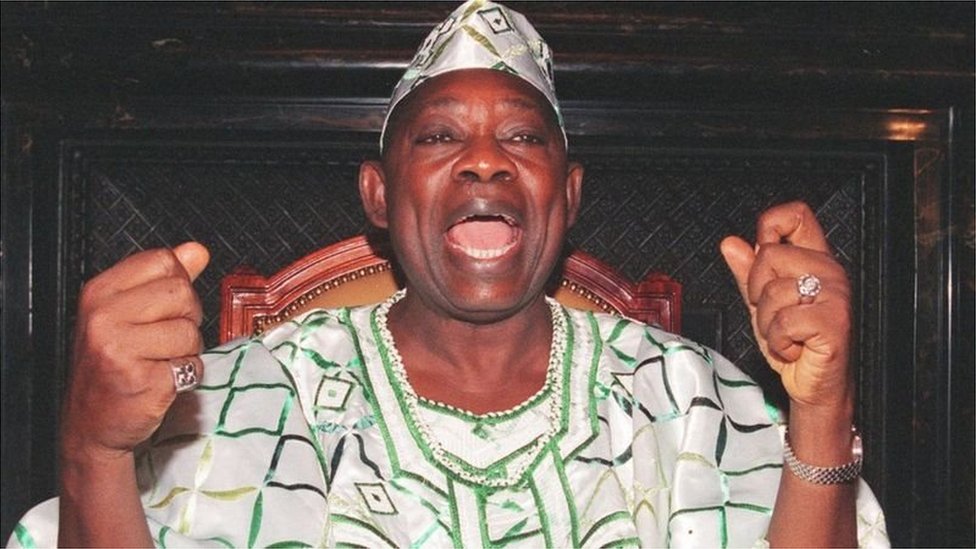
The Social Democratic Party (SDP) fielded Chief Moshood Kashimawo Olawale (MKO) Abiola and Ambassador Babagana Kingibe as its presidential and vice-presidential candidates, making it one of Nigeria’s most notable Muslim-Muslim tickets.
4. Bashir Tofa Represented the NRC
The National Republican Convention (NRC) nominated Alhaji Bashir Othman Tofa, a respected businessman and politician from Kano State, alongside Dr. Sylvester Ugoh as vice-presidential candidate.
5. Humphrey Nwosu Conducted the Election
Professor Humphrey Nwosu, then Chairman of the National Electoral Commission, supervised the election and earned widespread praise for conducting a process that local and international observers considered credible and transparent.
6. The Election Was Annulled Despite Being Judged Free and Fair
Although the election was widely acclaimed as free and fair, the military administration of General Ibrahim Badamasi Babangida annulled the results on June 23, 1993, before the final announcement could be completed.
7. Abiola Was Clearly Ahead
Available election results indicated that MKO Abiola secured approximately 8.34 million votes, representing 58.36 percent of votes cast, while Bashir Tofa polled about 5.95 million votes, accounting for 41.64 percent.
8. The Annulment Triggered Nationwide Protests
The cancellation of the election sparked widespread protests and political unrest across the country. The crisis eventually forced General Babangida to step aside, leading to the establishment of the Interim National Government headed by Chief Ernest Shonekan.
9. Abiola Declared Himself President
On June 11, 1994, MKO Abiola made the historic Epetedo Declaration in Lagos, proclaiming himself the rightful President of Nigeria based on the June 12 mandate. He was subsequently arrested and detained by the military government.
10. Abiola Died in Detention
After spending four years in detention, Abiola died on July 7, 1998. His death shocked the nation and further elevated his status as a symbol of democratic resistance and sacrifice.
11. Former President Buhari Officially Recognised June 12 as Democracy Day
On June 6, 2018, former President Muhammadu Buhari officially declared June 12 as Nigeria’s Democracy Day in recognition of the significance of the 1993 presidential election and the sacrifices made by pro-democracy activists.
Before the declaration, Democracy Day was celebrated annually on May 29 to mark Nigeria’s return to civilian rule in 1999. Buhari’s decision was widely viewed as a historic step toward acknowledging the role of June 12 in shaping Nigeria’s democratic journey.
12. June 12 Became a National Public Holiday in 2019
Following the declaration, President Buhari signed the Public Holiday Amendment Bill into law on June 10, 2019, officially making June 12 Nigeria’s Democracy Day and a national public holiday.
The move permanently replaced May 29 as Democracy Day and further cemented the legacy of the late MKO Abiola, who was widely regarded as the winner of the annulled election.
As part of the recognition, Abiola was posthumously awarded the Grand Commander of the Federal Republic (GCFR), one of Nigeria’s highest national honours traditionally reserved for presidents and heads of state.
Today, June 12 stands as more than a date on the national calendar. It represents the resilience of the Nigerian people, the struggle for democratic governance, and the sacrifices made by countless citizens in pursuit of justice and electoral integrity.
As Nigeria marks another Democracy Day, the lessons of June 12 continue to resonate across generations, reminding leaders and citizens alike of the importance of credible elections, strong democratic institutions, national unity, and good governance in building a stronger and more prosperous nation.