



Salihu Sagir Takai and Kano’s Succession Debate
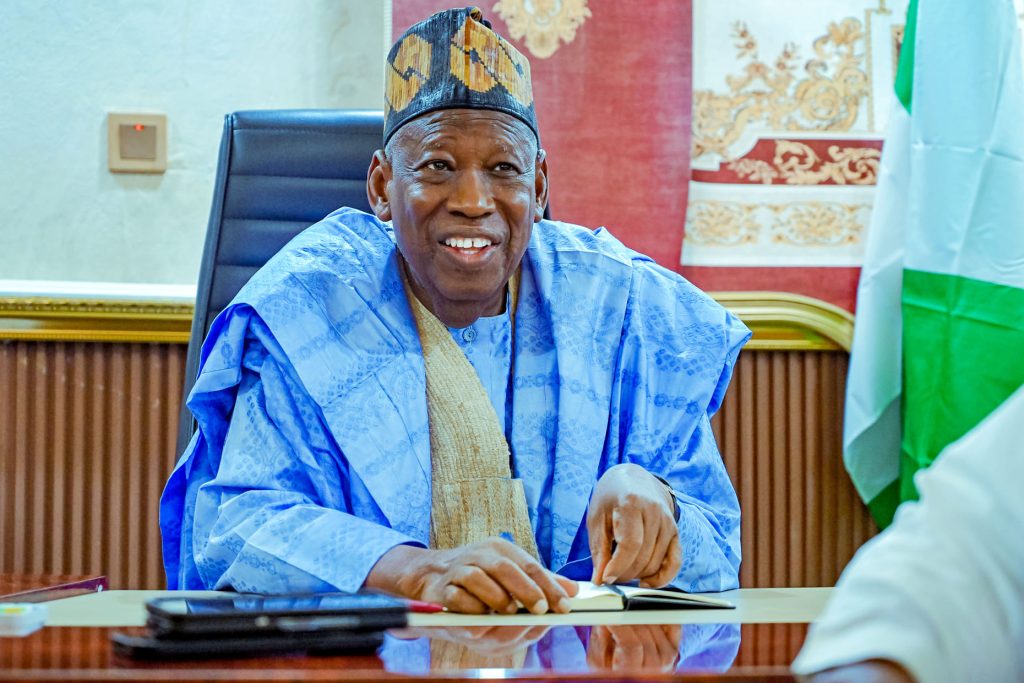
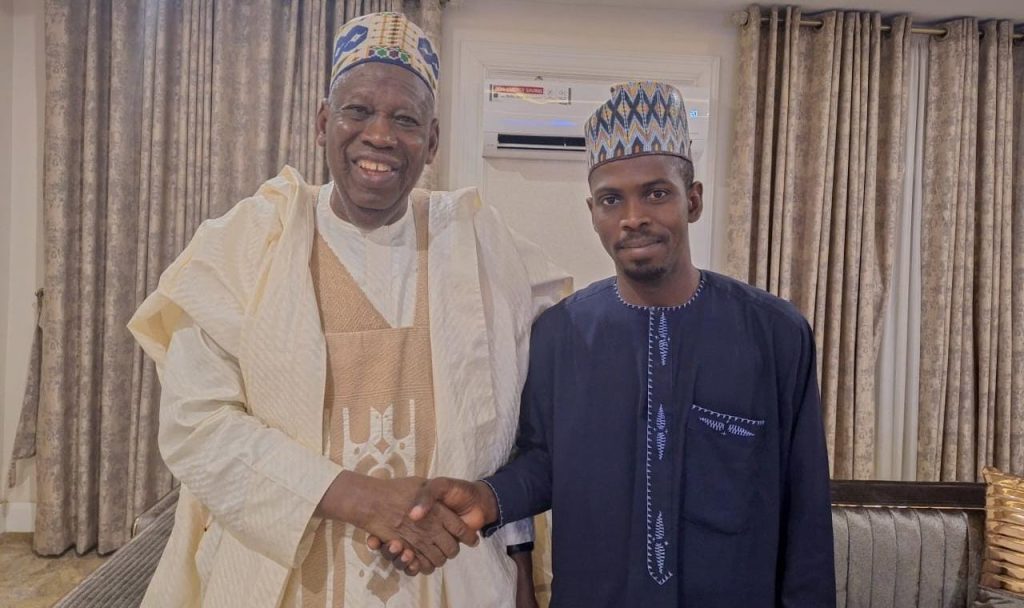
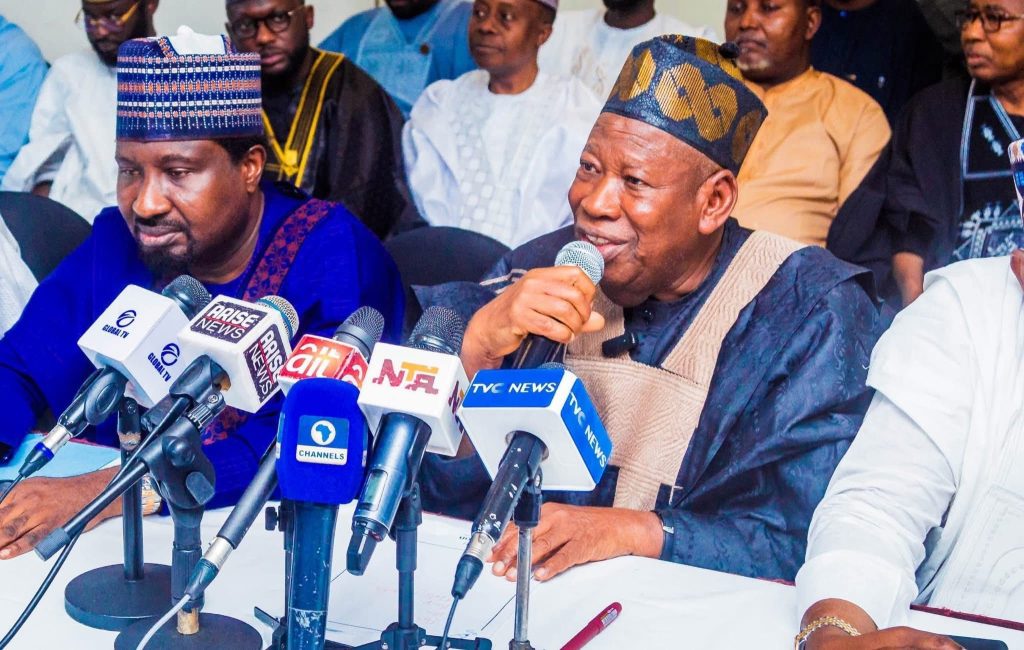
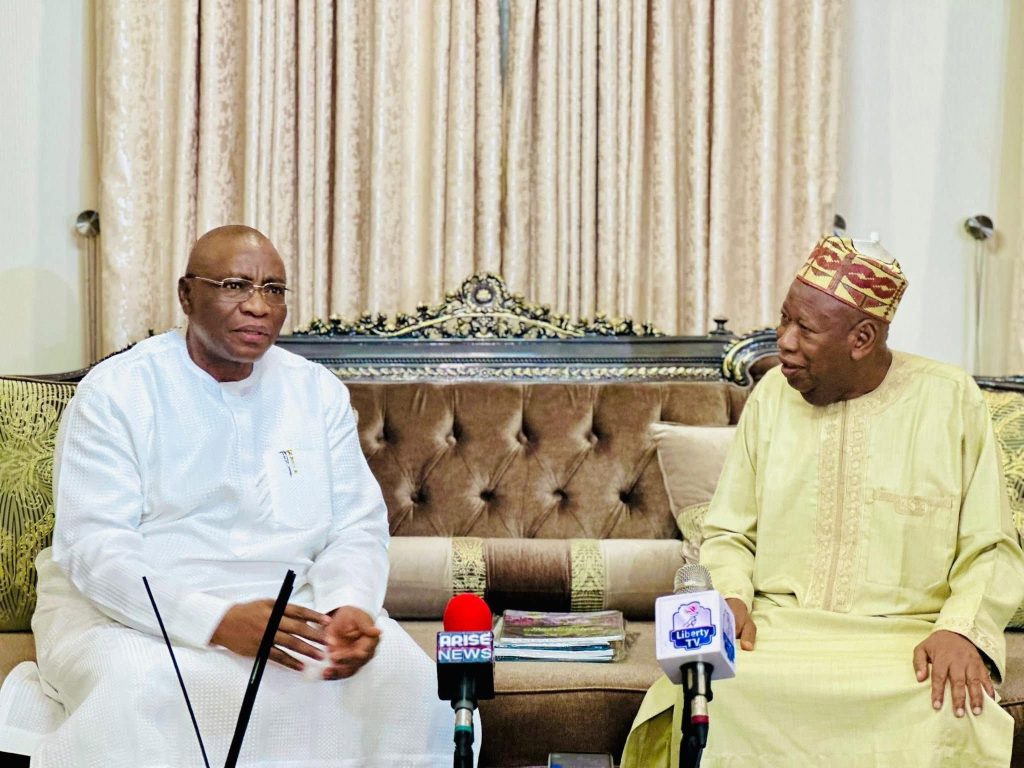
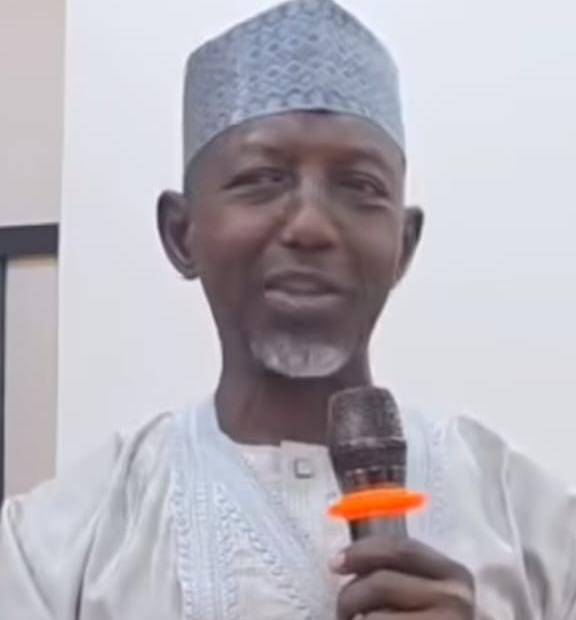
Umar Idris Shuaibu, Kano As political attention intensifies around impeachment proceedings initiated against Kano State Deputy Governor, Aminu Abdussalam Gwarzo, discussions within the state’s political circles are gradually shifting toward a crucial question: who could emerge as a possible successor should the office become vacant. Among the names increasingly mentioned in political consultations and informal stakeholder engagements is that of Salihu Sagir Takai, a seasoned political figure whose long-standing involvement in Kano politics continues to shape conversations about succession and leadership balance within the state. Although no official nomination has been announced, Takai’s name has repeatedly surfaced among party stakeholders, community leaders and political observers assessing potential options should the unfolding political situation take a new direction. A Veteran of Kano’s Political Arena Takai’s political career spans decades of participation in Kano’s electoral contests and governance structures. Read Also: Salihu Sagir Takai and the Politics of Succession in Kano Ganduje, Wife in Saudi Arabia for Ramadan Lesser Hajj APC is a Living Party, Ganduje Says as Kano Govt Joins Ruling Platform He contested the governorship three times under different political platforms, first under the All Nigeria Peoples Party (ANPP) in 2011, later under the Peoples Democratic Party (PDP) in 2015, and subsequently under the Peoples Redemption Party (PRP) in 2019. Although those bids did not culminate in electoral victory, the campaigns significantly expanded his statewide visibility and strengthened grassroots political structures, particularly across rural communities in Kano South. Political analysts observe that repeated participation in statewide contests often entrenches political recognition and builds durable support networks as factors that continue to sustain Takai’s relevance in Kano’s evolving political landscape. Following the 2019 elections, Takai returned to the All Progressives Congress (APC), where he has remained politically active and engaged in party activities. Administrative Experience in Governance Beyond electoral contests, Takai also brings considerable administrative experience in public service. He served as Commissioner in Kano State during the administration of Malam Ibrahim Shekarau between 2003 and 2011, handling portfolios including Water Resources as well as Local Government and Chieftaincy Affairs at different periods. Prior to that, he served as Chairman of Takai Local Government, a role that strengthened his political roots within grassroots governance structures in Kano South. Supporters argue that this combination of local government leadership and state executive experience provides him with a practical understanding of governance challenges at multiple levels. The Kano South Equation Takai’s possible emergence is also being interpreted within the broader context of Kano’s regional political balancing. He hails from Kano South Senatorial District, a zone whose political stakeholders have consistently advocated for greater representation in strategic political positions within the state. Kano’s political architecture traditionally reflects a balance among the three senatorial districts, Kano North, Kano Central and Kano South. However, voices from the southern axis have repeatedly argued that recent political arrangements have not sufficiently reflected the demographic and political weight of the region. For many within the zone, the deputy governorship position represents an opportunity to recalibrate representation and strengthen political inclusivity. Comparative Political Standing Political observers note that other prominent figures have also been mentioned in succession discussions, including Murtala Sule Garo, the 2023 deputy governorship candidate of the APC, and Jibril Isma’il Falgore, the current Speaker of the Kano State House of Assembly. However, supporters of Salihu Sagir Takai argue that his extensive participation in statewide politics, combined with his grassroots reach and cross-party political experience, places him in a distinct position within Kano’s political calculations. For them, the argument extends beyond political arithmetic to what they describe as the need for experience and regional balance during periods of political transition. Strategic Timing in Kano Politics The unfolding political developments in Kano come at a time when early alignments ahead of the 2027 electoral cycle are gradually shaping political conversations. Analysts observe that succession decisions in such circumstances often serve broader strategic purposes, stabilising party structures, strengthening regional alliances and positioning political actors for future electoral contests. For now, whether the current speculation will translate into formal political decisions remains uncertain. Yet the persistent mention of Takai’s name within elite political discussions underscores a familiar reality in Kano politics: experience, grassroots influence and regional considerations often converge when critical leadership decisions arise. Should the deputy governorship seat eventually become vacant, the debate over its possible occupant may extend beyond immediate political calculations to reflect broader questions of representation, experience and the evolving balance of power in Kano State.