The Historica Nigeria

National

Kebbi, National, News

Tinubu Hails Argungu Festival, Promises Support For Agriculture

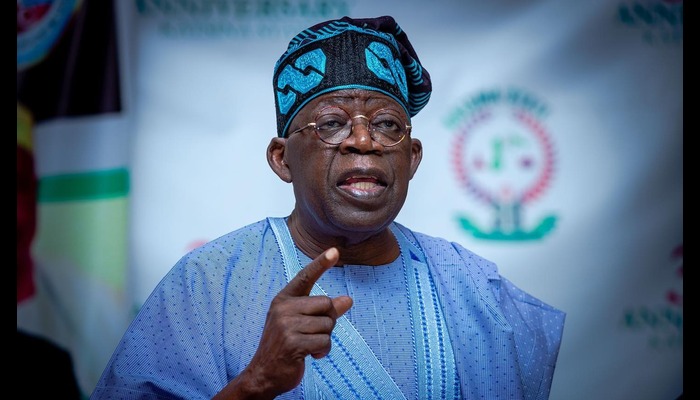
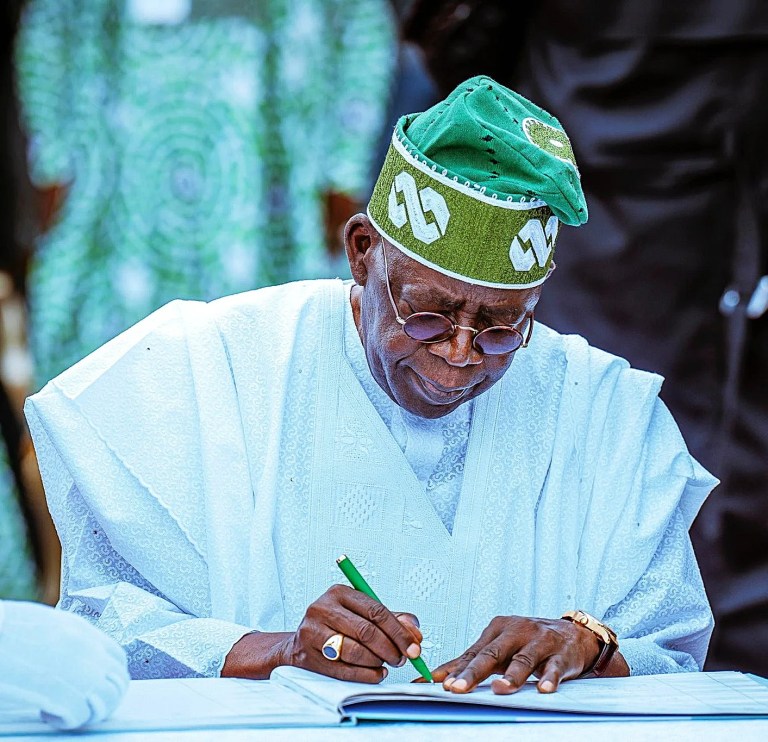
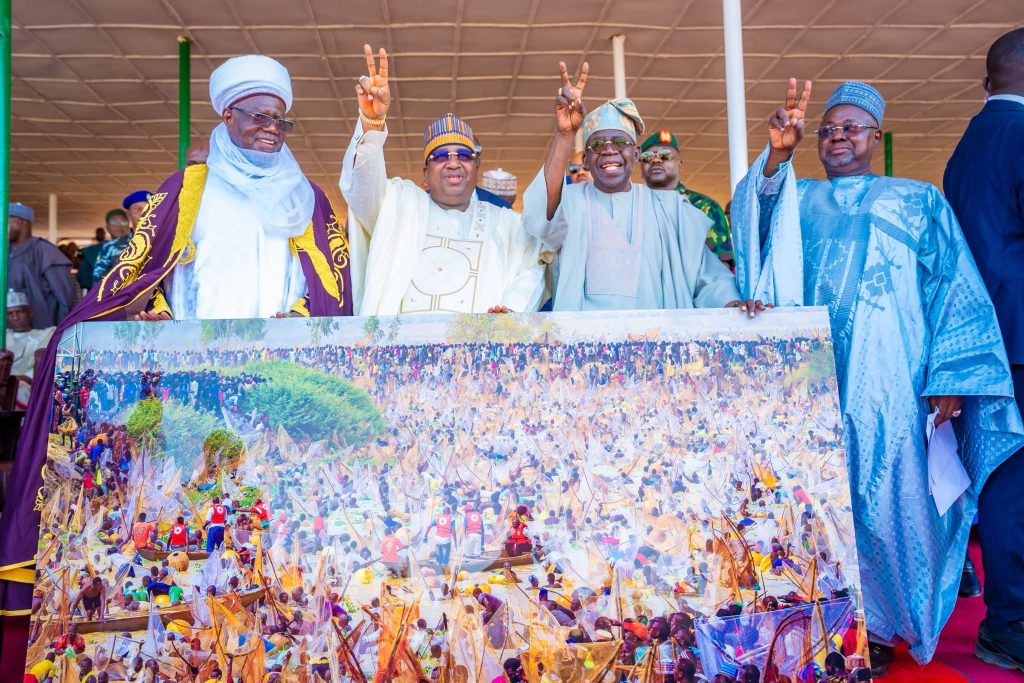
President Bola Ahmed Tinubu has described the 61st Argungu International Fishing and Cultural Festival as a strong indication of restored stability and normalcy in Kebbi State and across Nigeria. This was conveyed in a statement signed by Bayo Onanuga, Special Adviser to the President on Information and Strategy. Speaking at the grand finale of the festival in Argungu on Saturday, the President pledged sustained Federal Government support for tourism, agriculture, food security, and rural development. He commended the Kebbi State Government for successfully organising the historic cultural event, which attracted over 50,000 fishermen from across Nigeria and neighbouring countries. “Congratulations. Well done. Very good show. Remarkable history. This festival has endured for 83 years and stands as a powerful symbol of unity, resilience, and peaceful coexistence among our people,” Tinubu said. The President lauded the security arrangements that ensured a safe and successful event, noting that such socio-cultural gatherings thrive only in a peaceful and secure environment. Read Also: FG Launches FarmerMoni Programme, 22,000 Farmers to Benefit According to him, the relative peace being experienced in Kebbi and other parts of the country is a result of sustained investment in security, intelligence gathering, and community engagement. He assured Nigerians that the fight against insecurity, including banditry and insurgency, would be decisively won, enabling farmers, fishermen, and traders to carry out their activities without fear. Tinubu also reaffirmed his administration’s commitment to supporting farmers and rural communities, noting Kebbi State’s strategic role in advancing food security and agrarian development. Highlighting the importance of culture in national unity, he said the Argungu Festival continues to promote friendship, healthy competition, and Nigeria’s rich heritage on the global stage. Before attending the festival, the President commissioned several infrastructure projects in Birnin Kebbi, including the Bola Ahmed Tinubu Secretariat Complex, a new modern motor park, a three-lane dual carriageway, Kauran Gwandu College of Nursing and Midwifery Sciences, Ambursa, and the dualised Old Argungu By-Pass Road. In his remarks, Kebbi State Governor, Nasir Idris, appreciated the President for honouring the state with his presence and reiterated his administration’s commitment to sustaining the festival as a platform for cultural preservation, tourism development, and economic growth. He outlined key achievements of his administration, including infrastructure expansion, healthcare improvements with over 1,800 health workers recruited, and the rehabilitation of hospitals and primary healthcare centres. The governor also highlighted agricultural interventions such as the free distribution of fertilisers, improved seedlings, and farm inputs to farmers, as well as improvements in civil service welfare and education. The Emir of Argungu, Sama’ila Muhammad Mera, expressed delight over the return of the festival after nearly six years, describing it as a symbol of courage, unity, and reconciliation. He commended the President’s Renewed Hope agenda, citing initiatives in healthcare, education, and infrastructure as key drivers of national development. Meanwhile, Abubakar Usman from Maiyama Local Government Area emerged winner of the fishing competition with a 59kg catch, winning N1 million and two cars, while other contestants received cash prizes, vehicles, and additional rewards.

National, News

Ramadan: INEC Defends 2027 Poll Dates, Signals Possible Adjustment

Nigeria’s electoral body, the Independent National Electoral Commission (INEC), has stated that the timetable for the 2027 general elections was developed in strict compliance with constitutional and legal provisions, even as it considers possible adjustments following concerns over a clash with the Ramadan fasting period. The commission made the clarification in a statement issued on Friday by the Chairman of its Information and Voter Education Committee, Mohammed Haruna, in response to criticisms surrounding the scheduled election dates. INEC explained that the timetable aligns with the provisions of the 1999 Constitution (as amended), the Electoral Act 2022, and its established regulations and guidelines for the conduct of elections. According to the commission, its guidelines formulated since 2019 clearly stipulate that presidential and National Assembly elections are to be held on the third Saturday of February in an election year, while governorship and State House of Assembly elections are conducted two weeks later. “Regarding the dates fixed for the conduct of elections, the timetable was developed in strict compliance with the timelines contained in the Constitution of the Federal Republic of Nigeria, 1999 (as amended), the Electoral Act, 2022, and the INEC Guidelines and Regulations for the Conduct of Elections, 2022,” the statement read. Read Also: INEC Sets Dates for 2027 Presidential, Governorship Elections At 50 Years, Murtala’s Legacy Still Outpaces Many Governments Ganduje Commissions Mosque, Islamiyya School in Kano However, the electoral umpire acknowledged concerns raised by stakeholders over the overlap between the election dates and the Ramadan period, noting that it remains responsive to issues that may affect voter participation. “The Commission has taken due notice of concerns expressed by stakeholders regarding the coincidence of the scheduled dates with certain nationally recognised observances,” INEC stated. It further disclosed that consultations are ongoing with relevant stakeholders, including representatives of the Muslim community, to address the concerns. “The Commission wishes to assure the public that it remains sensitive to legitimate concerns that may impact electoral participation and the overall conduct of elections. The Commission is currently undertaking consultations and may, where necessary, seek appropriate legislative intervention,” it added. The development follows criticisms from opposition figures, who faulted the timing of the elections and urged the commission to reconsider the schedule. As consultations continue, INEC reiterated its commitment to conducting credible, inclusive, and constitutionally compliant elections, while balancing national sensitivities.

National, News

INEC Sets Dates for 2027 Presidential, Governorship Elections

Independent National Electoral Commission (INEC) has unveiled the official timetable for the 2027 General Elections, outlining key dates for elections, party primaries, campaigns, and voter registration. According to the commission, the Presidential and National Assembly elections are scheduled to hold on Saturday, February 20, 2027. Similarly, Governorship and State House of Assembly elections will take place two weeks later, on Saturday, March 6, 2027. Read Also: Nigeria Must Integrate Innovation, Policy, and Research for Growth — Bindir INEC Expands Political Space, Laments Declining Voter Turnout FG Launches FarmerMoni Programme, 22,000 Farmers to Benefit INEC also announced the approved campaign timelines for political parties and candidates, in line with electoral guidelines. Presidential and National Assembly campaigns are expected to commence on November 18, 2026, and end on February 19, 2027. Meanwhile, Governorship and State Assembly campaigns will begin on December 15, 2026, and conclude on March 5, 2027, exactly 24 hours before the elections. The commission noted that the timetable is designed to ensure adequate preparation, compliance with electoral laws, and a smooth conduct of the elections across the country.

Feature, National

At 50 Years, Murtala’s Legacy Still Outpaces Many Governments

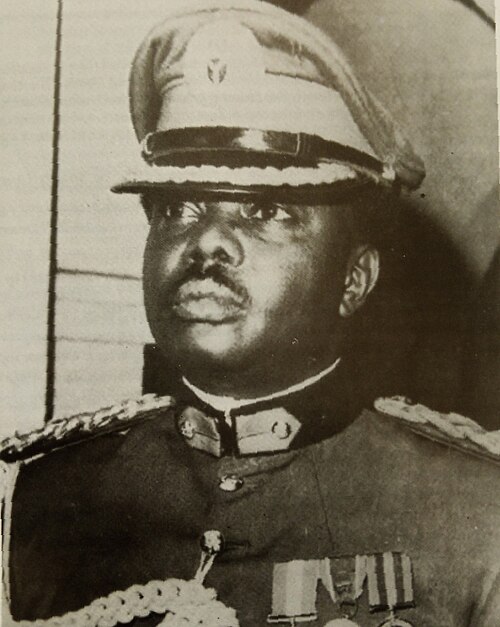
By Umar Idris Shuaibu, Kano February 2026 marks fifty years since the assassination of General Murtala Ramat Muhammed, one of Nigeria’s most influential and charismatic leaders whose brief but impactful rule continues to resonate in the nation’s political consciousness. Born on November 8, 1938, in Kano, Murtala Ramat Muhammed emerged from a modest but disciplined background. He received his early education in Kano and Zaria before enlisting in the Nigerian Army in 1958. His military career was shaped by training in Ghana and at the Royal Military Academy, Sandhurst, in the United Kingdom, where he was commissioned as an officer in 1961. Muhammed quickly established himself as a bold and outspoken soldier, rising rapidly through the ranks. He played a notable role during the Nigerian Civil War as commander of the Second Infantry Division, further solidifying his reputation as a decisive and uncompromising officer. By the early 1970s, he had become one of the most influential figures within the armed forces, known for his intolerance for corruption and indiscipline. On July 29, 1975, a bloodless military coup ended the regime of General Yakubu Gowon while the latter was abroad. Murtala Muhammed emerged as Head of State, with Brigadier Olusegun Obasanjo as his deputy. His assumption of office was greeted with widespread public enthusiasm, as Nigerians yearned for purposeful leadership after years of stagnation. Within the few months he spent in power, Muhammed initiated sweeping reforms that reshaped Nigeria’s governance landscape. He ordered a purge of the civil service and military, retiring thousands of officials accused of corruption, inefficiency or abuse of office. Though controversial, the exercise restored public confidence in government and reinforced the principle of accountability. Read Also: Lere: A Historic Fulani Settlement and Cultural Crossroads in Kaduna Why Tarauni Remains a Pillar of Kano’s Metropolitan Development Kano Patriotic Front Marks Anniversary, Reaffirms Development Agenda His administration also laid the foundation for relocating Nigeria’s capital from Lagos to Abuja, a strategic decision aimed at fostering national unity and balanced development. He created new states to improve administration and representation and projected Nigeria as a principled African power on the global stage. His firm stance against apartheid and support for African liberation movements earned the country renewed continental respect. Perhaps most significant was his commitment to a return to civilian rule. Muhammed announced a transition programme that fixed 1979 as the end of military governance, reassuring Nigerians of his democratic intentions. However, his leadership style, marked by personal simplicity and minimal security, proved costly. On February 13, 1976, he was assassinated in Lagos while on his way to work. His convoy was ambushed near the Federal Secretariat in Ikoyi during a failed coup led by Lieutenant Colonel Bukar Suka Dimka. The Head of State, his aide-de-camp and his driver were killed in the attack. The assassination plunged Nigeria into deep mourning and abruptly ended one of the most dynamic leadership eras in the country’s history. The coup attempt collapsed within hours, and the conspirators were later arrested, tried and executed. Power was subsequently transferred to Lieutenant General Olusegun Obasanjo, who continued Muhammed’s transition programme and handed over to a civilian government in 1979. Fifty years later, Murtala Ramat Muhammed remains a symbol of courage, discipline and purposeful leadership. His image on the 20-naira note and landmarks such as the Murtala Muhammed International Airport in Lagos stand as enduring reminders of a leader whose vision left an indelible mark on Nigeria. Murtala Muhammed lived a life devoted to Nigeria, but behind his bold leadership stood his wife, Hafsatu Ajoke Muhammed, and their children, who shared in both his struggles and aspirations for the nation. Ajoke, born on 23 May 1941, combined her professional training as a dental therapist with a lifelong passion for environmental conservation. She established the Murtala Muhammed Memorial Botanical Garden in Lagos and the Sarius Palmetum and Botanic Garden in Abuja, ensuring that her husband’s legacy extended into green spaces and education for generations to come. Together with the family, she launched the Murtala Muhammed Foundation, preserving his memory while promoting social and developmental initiatives. The couple’s five children continue to uphold their father’s ideals of integrity, service, and commitment to Nigeria’s progress. Murtala Muhammed left behind six children, namely Aisha, Zakari (deceased), Fatima, Abba (Risqua), Zeliha, and Jummai. His eldest, Aisha Muhammed‑Oyebode, is a lawyer and entrepreneur actively involved in the Murtala Muhammed Foundation, carrying forward her father’s legacy of service. Zakari, the former eldest son, tragically passed away in 1994. Fatima pursued careers in horticulture and accountancy, while Abba built a career in business and public service. Zeliha works in the private sector after earning a degree in economics, and Jummai, who was very young when her father was killed, has since been engaged in social and developmental initiatives. A Sister’s Reflection As the nation commemorates the 50th anniversary of his death, one of his surviving sisters, Hajiya Balaraba Ramat, has shared personal reflections on the man behind the uniform. She described her late brother as a principled, disciplined and deeply religious leader who was unwavering in his commitment to truth and justice. “My brother was a man of integrity. He believed strongly in doing what was right and never hesitated to correct wrongdoing,” she said. According to her, Murtala Muhammed was devoted to his faith and maintained strict observance of his daily prayers, encouraging family members and associates to remain steadfast in worship. “Prayer was very important to him. He constantly reminded those around him to remain faithful and disciplined in their devotion,” she recalled. Hajiya Balaraba also spoke about the painful moment the family received his remains after the assassination in 1976, describing it as one of the most heartbreaking experiences of their lives. “That day remains unforgettable for our family. Seeing him for the last time was extremely painful,” she said. She maintained that her brother’s resolve to reform Nigeria and create better opportunities for younger generations made him a target. “He genuinely wanted to build a country where young people would

National, News

Shettima Departs Abuja for 2026 AU Summit in Ethiopia

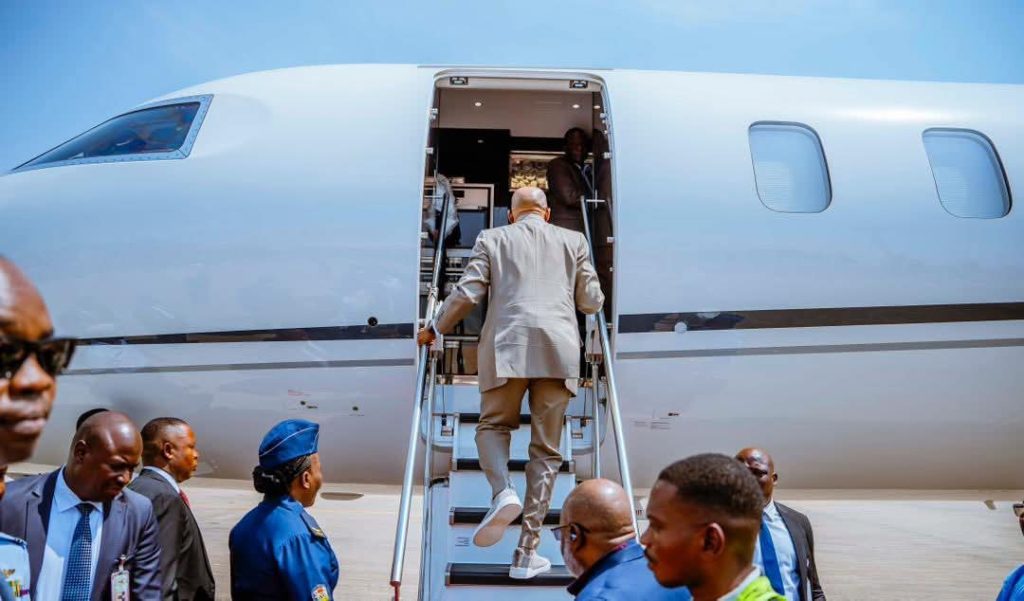
Vice-President Kashim Shettima on Thursday departed Abuja for Addis Ababa, Ethiopia, to represent President Bola Tinubu at the 2026 African Union (AU) Summit. The News Agency of Nigeria (NAN) reports that the summit is themed, “Assuring Sustainable Water Availability and Safe Sanitation Systems to Achieve the Goals of Agenda 2063.” The summit will focus on advancing continental commitments toward sustainable water management, improved sanitation systems, and broader development goals outlined in the AU’s Agenda 2063 framework. While in Addis Ababa, the vice-president will participate in the 39th Ordinary Session of the Assembly of the AU Heads of State and Government. Read Also: El-Rufai Alleges Attempted Arrest at Abuja Airport Shettima is also scheduled to attend the 30th General Assembly holding from Feb. 14 to Feb. 15. In addition, the vice-president will take part in high-level side events and bilateral meetings with political and business leaders aimed at strengthening Nigeria’s diplomatic, economic and strategic partnerships across Africa. Shettima, accompanied by cabinet ministers and other senior government officials, is expected to return to Nigeria at the conclusion of his official engagements in Ethiopia. (NAN)

Agriculture, National, News

FG Launches FarmerMoni Programme, 22,000 Farmers to Benefit

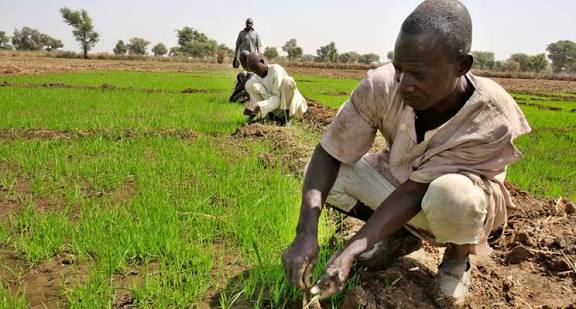
The Federal Government has announced that no fewer than 22,000 farmers across Nigeria will benefit from interest-free loans under the FarmerMoni Dry and Wet Season Programme. The initiative, implemented through the National Social Investment Programme Agency (NSIPA), was unveiled during the inauguration of the Renewed Hope GEEP 3.0 and the FarmerMoni Technical Working Group in Abuja on Wednesday. Speaking at the event, the National Programme Manager of the Government Enterprise and Empowerment Programme (GEEP) under NSIPA, Mr. Hamza Baba, said the loan scheme is both interest-free and collateral-free, aimed at boosting agricultural productivity nationwide. According to him, the application portal has been opened for eligible farmers to register and access the facility. “Under this scheme, eligible farmers can register through our portal to access the loans. These loans are interest-free and collateral-free,” Baba said. He disclosed that each beneficiary would receive up to N300,000, with the amount determined based on the economic production capacity of specific farming activities. Read Also: Why Gobirawa’s Centuries-Old Agrarian Life is at Risk in Kano Nigeria Must Integrate Innovation, Policy, and Research for Growth — Bindir Pantami, Bugaje Call for Skills Reform, Energy Solutions at BUK Engineering Conference “We are targeting vulnerable and poor farmers at the grassroots. The total sum per beneficiary is N300,000,” he added. Baba explained that to qualify, applicants must be Nigerian citizens aged 18 and above, already engaged in farming activities either through land ownership or rented farmland. “They must have a bank account, National Identification Number (NIN), municipal identification, and belong to a registered farming cooperative or association within their local government,” he stated. The programme will cover all 774 local government areas in the country, with an average of 28 farmers expected to benefit per local government in this phase. “At the state level, our programme managers will work with enumerators, banks, FinTech recovery agents, agricultural development projects and farmer associations across the 37 states of the federation,” Baba explained. He noted that a similar intervention, TraderMoni, is designed to support artisans and petty traders under the broader GEEP framework. Also speaking, the Minister of Humanitarian Affairs and Poverty Reduction, Dr. Bernard Doro, described the launch of Renewed Hope GEEP 3.0 as more than the unveiling of policy initiatives. According to him, the programme reflects the administration’s commitment to translating its vision into concrete actions aimed at improving lives, restoring dignity and expanding economic opportunities for Nigerians, particularly the vulnerable. “The Renewed Hope Agenda of President Bola Tinubu is anchored on inclusion, resilience and shared prosperity. It is a commitment to ensure that growth is broad-based and people-centred,” the minister said. He added that the FarmerMoni Dry and Wet Season Programme is a strategic intervention to strengthen agricultural productivity throughout both planting cycles, reduce seasonal vulnerabilities, enhance yield and contribute to national food security. “Our farmers remain the backbone of the Nigerian economy. Supporting them is not only an economic necessity but also a moral obligation,” he said, reiterating that the overarching goal of the initiatives is poverty reduction through empowerment. (NAN)

National, News

Tinubu Nominates New NAHCON Chairman

President Bola Ahmed Tinubu has nominated Ambassador Ismail Abba Yusuf as the new Chairman and Chief Executive Officer of the National Hajj Commission of Nigeria (NAHCON). This was conveyed in a statement signed by Bayo Onanuga, Special Adviser to the President on Information and Strategy. The appointment, according to the statement, is subject to the confirmation of the Senate in line with Section 3(2) of the NAHCON Act, 2006. Read Also: Nigeria Must Integrate Innovation, Policy, and Research for Growth — Bindir President Tinubu has since transmitted a letter to the President of the Senate, Senator Godswill Akpabio, seeking expeditious confirmation of the nominee. Ambassador Yusuf is expected to replace Professor Abdullahi Usman, who resigned earlier this week after serving about 14 months in office. A seasoned Nigerian career diplomat, Ambassador Yusuf served as Nigeria’s Ambassador Extraordinary and Plenipotentiary to the Republic of Türkiye from 2021 to 2024.

National, News, Religious

Former NAHCON Chairman Says Resignation Was for Personal Reasons

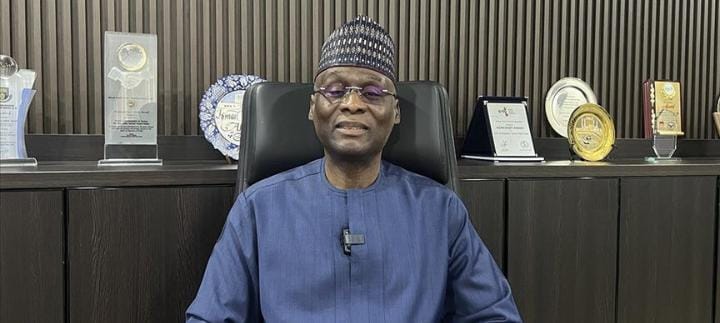
Former Chairman of the National Hajj Commission of Nigeria (NAHCON), Professor Abdullahi Saleh Usman, has said that his resignation from office was based purely on personal reasons. Usman made this known in a statement personally signed and issued in Abuja on Tuesday, following his decision to step down with effect from Monday, February 9, 2026. According to him, the decision was taken after deep reflection, prayerful consideration, and consultation with his family, stressing that it was made in good conscience and with utmost respect for the responsibilities of public service. “It is with deep reflection and gratitude to Allah that I announce my resignation from the office of Chairman and Chief Executive Officer of NAHCON,” he said. “I wish to state unequivocally that this decision is taken entirely for personal reasons.” Read Also: Nigeria Must Integrate Innovation, Policy, and Research for Growth — Bindir Pantami, Bugaje Call for Skills Reform, Energy Solutions at BUK Engineering Conference 300-Year-Old Kano Farming Settlement Faces Extinction Over Sand Mining He noted that his resignation was in line with Section 3(6) of the NAHCON (Establishment) Act, 2006, adding that he had formally submitted his resignation in writing to President Bola Ahmed Tinubu. Usman expressed appreciation to the President for the confidence reposed in him through his appointment, describing the opportunity to serve as a privilege he would always cherish. He also acknowledged the support of Vice President Kashim Shettima, the NAHCON Board members, management, and staff of the Commission, praising their professionalism, dedication, and commitment to service. The former chairman further extended gratitude to State Pilgrims Welfare Agencies, tour operators, aviation and service providers, as well as Nigerian counterparts in the Kingdom of Saudi Arabia, for their collaboration in improving Nigeria’s Hajj operations. Usman emphasised that his decision to resign was not influenced by dissatisfaction with the Commission, the Federal Government, or the mandate of NAHCON. “As I step aside, my prayers are with you all. I ask Allah (SWT) to guide and bless the President and the new leadership of NAHCON, and to grant all future pilgrims a Hajj Mabrur,” he added. (NAN)

Kano, National, News

Nigeria Must Integrate Innovation, Policy, and Research for Growth — Bindir

The Founder of the Bindir Knowledge Centre, Yola, Engr. Dr. Umar Buba Bindir, has called for innovation-driven engineering, integrated policymaking, and problem-focused research as the only sustainable pathway to Nigeria’s development, insisting that there is “no shortcut or magic” to nation-building. Bindir made the call on Tuesday during the second day of the 5th Engineering Conference organised by the Faculty of Engineering, Bayero University Kano (BUK), held at the Dangote Business School. The conference, themed “Engineering Innovations and Economic Policies: Driving Sustainable Industrial Growth in Nigeria,” brought together engineers, academics, policymakers, and industry stakeholders to examine Nigeria’s transition from oil dependency to a diversified, innovation-led economy. Speaking at the conference, Bindir said Nigeria’s development prospects depend largely on deliberately equipping young people with relevant skills, modern technology, and competence to establish manufacturing industries, create enterprises, and generate employment capable of recycling wealth within the economy. According to him, sustainable development can only be achieved through the acquisition of appropriate technologies, continuous adaptation of technological systems, and the cultivation of a national culture anchored on effectiveness, productivity, and efficiency. “There is no other way to develop a nation than through knowledge, technology, and innovation. That is how you skill your youth, grow your economy, and enable people to take advantage of their own economic space,” Bindir said. Read Also: Pantami, Bugaje Call for Skills Reform, Energy Solutions at BUK Engineering Conference Why Gobirawa’s Centuries-Old Agrarian Life is at Risk in Kano Why Science College Dawakin Kudu Remains a Pride of Kano’s Educational Heritage He noted that his focus on innovation dates back to his graduation in the 1980s, stressing that Nigeria’s development efforts have largely failed due to weak policy consistency and poor sustainability in implementation. Bindir described Nigerian universities, polytechnics, and colleges of education as “factories of knowledge” responsible for producing intellectually prepared citizens capable of solving real-life challenges in critical sectors such as agriculture, healthcare, housing, water resources, and infrastructure. While acknowledging Nigeria’s abundant human capital, he expressed concern that the country has failed to adopt the right policies to harness this potential effectively. “Nigeria is rich in intellectual energy, but we are not forging the right policies, nor are we serious enough to sustain innovation efforts until they become a national culture,” he said. He further criticised Nigeria’s policymaking framework, describing it as fragmented and disintegrated, with sectors operating in isolation rather than as a coordinated ecosystem. “There is no policy that can succeed on its own. Health policy requires infrastructure, education, science, and industrial policies. But we operate in silos, driven by a procurement culture focused on contract sharing rather than development,” Bindir said, identifying corruption not lack of intellectual capacity as Nigeria’s major developmental setback. On research, Bindir urged academics to prioritise environment-specific and problem-solving studies that directly address local realities. He cited the need for research on drought-resistant crops, heat-adaptive housing materials, medicinal plants, and durable road construction suitable for Nigeria’s climate, stressing that meaningful research is what translates knowledge into economic value. Bindir also called on government to provide clear political direction, moral leadership, and strong technological orientation, noting that while government does not conduct research or commercialisation, it must empower the intelligentsia to translate ideas into solutions that work for society. He lamented the weak linkage between government, academia, research institutions, and industry, warning that the disconnect has contributed to rising poverty, insecurity, and youth disillusionment across the country. “In Nigeria, these sectors work separately, and that is why our efforts do not translate into development. Until this gap is closed through sound policies and credible leadership, progress will remain slow,” he added. Earlier, Professor Nuraddeen Yusuf of the Department of Chemical and Petroleum Engineering, Bayero University Kano, and Chairman of the Local Organising Committee of the conference, said the theme of the event was deliberately crafted to address prevailing national challenges and ongoing economic reforms. Professor Yusuf said Nigeria’s development aspirations would remain unattainable without effective synergy between government, academia, and industry, noting that policies are often formulated without adequate engagement with researchers, while industries seek solutions without tapping into available academic expertise. “Government makes policies without fully considering what academia is doing, while industry has its needs without exploring solutions within universities. For a nation to develop, there must be deliberate collaboration among the three,” he said. He explained that the conference was designed to serve as a platform for dialogue and alignment among policymakers, scholars, and industry players to promote engineering-driven national development. The conference also featured the presentation of awards to outstanding engineering products and innovations that have made significant contributions to national development, states, and the academic community.

National, News

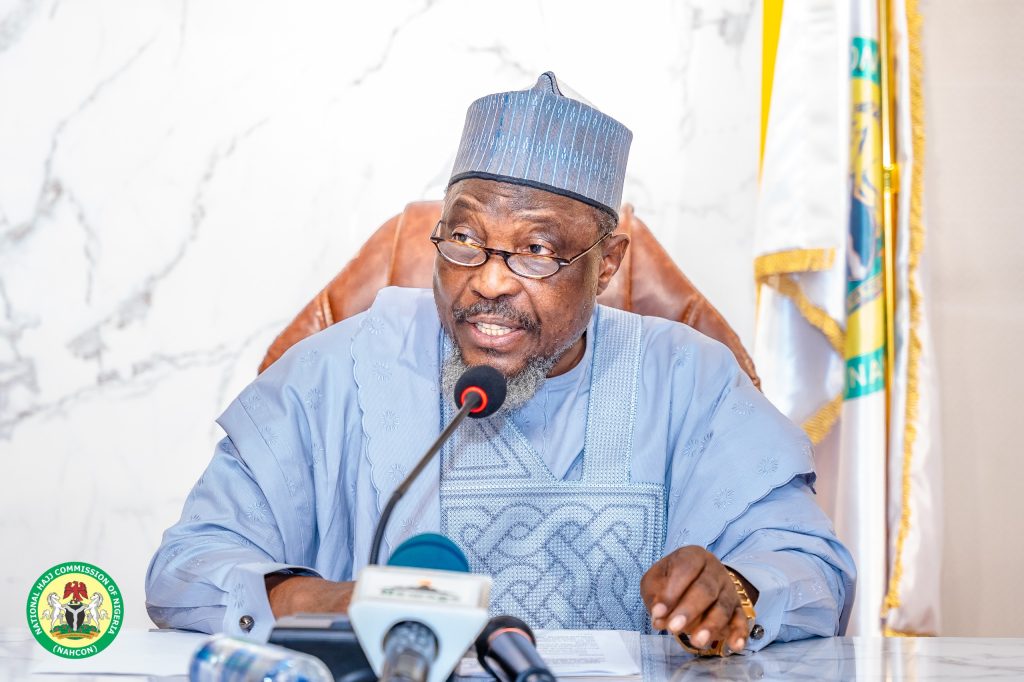
Chairman of National Hajj Commission Resigns

The Chairman of the National Hajj Commission of Nigeria (NAHCON), Professor Abdullahi Saleh Usman, has resigned from his position. A credible source confirmed the development on Monday, though details surrounding the circumstances of his resignation were yet to be officially disclosed as of the time of filing this report. Professor Saleh’s resignation comes amid ongoing preparations and policy engagements related to Nigeria’s Hajj operations. There has been no formal statement from NAHCON or the Federal Government explaining the reasons for his decision. Read Also: Pantami, Bugaje Call for Skills Reform, Energy Solutions at BUK Engineering Conference Efforts to obtain an official reaction from the Commission were unsuccessful, while it remains unclear whether an acting chairman has been appointed to oversee the affairs of the Commission. Further developments are expected as more information becomes available.  

Scroll to Top