




The Historica Nigeria

Feature

Feature, Kano

Waiya’s Transformative Impact on Kano’s Public Image

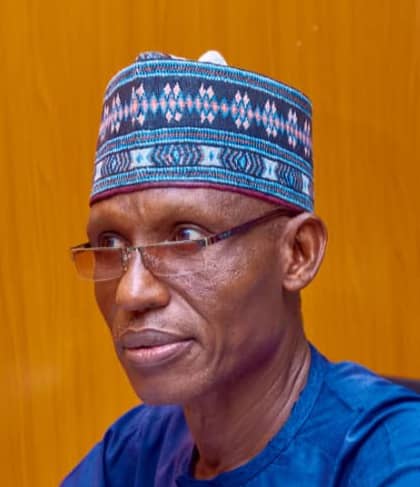
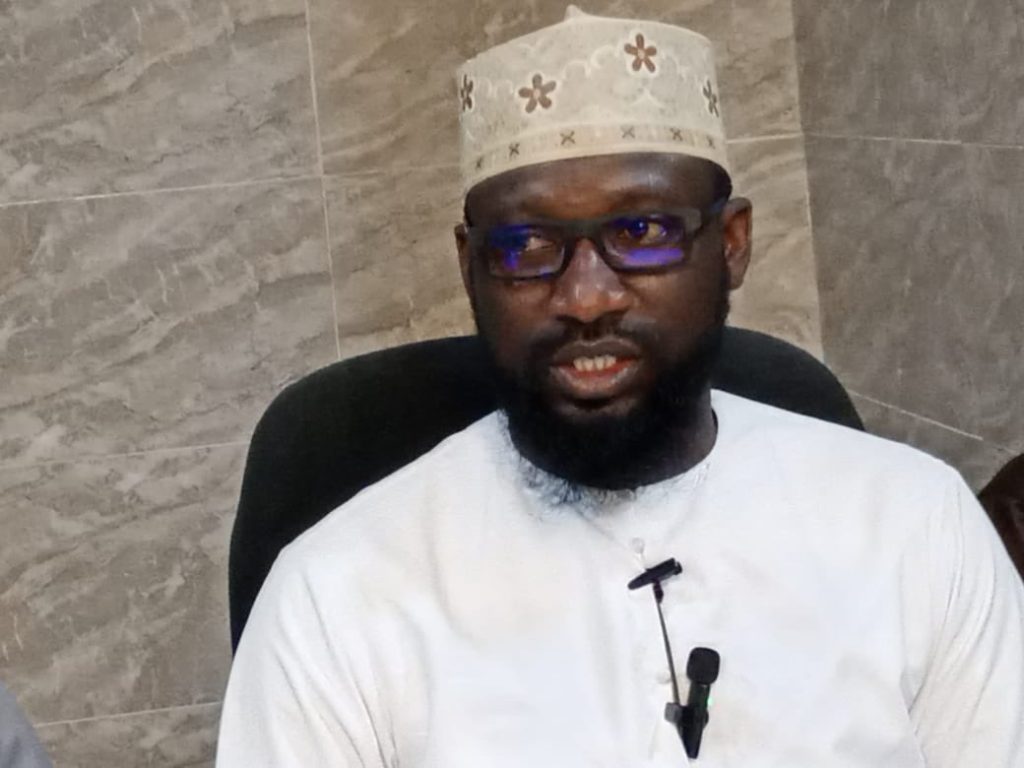
Since taking over as the Commissioner for Information in Kano State, Ibrahim Waiya has been on a mission to redefine the way the government interacts with the public. With a background as an activist, Waiya brings a unique perspective to the role. Replacing Baba Halilu Dantiye, Waiya has wasted no time in implementing his vision for a more open and responsive government. His approach has been met with enthusiasm from both government officials and the general public. Read Also: Waiya Urges LG Information Officers to Uphold Professionalism in Public Service One of Waiya’s key strategies has been to foster good working relationships with the media and other stakeholders. He believes that building trust and credibility is essential for effective governance. Under Waiya’s leadership, the Ministry of Information has become more proactive in engaging with the public. The commissioner has made himself available to the press, providing timely and accurate information on government policies and initiatives. Waiya’s experience as an activist has given him a deep understanding of the importance of public relations. He has leveraged this expertise to generate positive publicity for the state, highlighting its achievements and potential. The results of Waiya’s efforts are already becoming apparent. The government’s image has begun to shift, with many Nigerians now viewing Kano State as a hub of progress and innovation. Waiya’s approach is not limited to just spin doctoring; he is committed to ensuring that government policies and programs are people-centered. He believes that effective communication is key to building trust and support for government initiatives. By engaging directly with the public, Waiya has been able to gauge their concerns and feedback. This information is being used to inform policy decisions, making government more responsive to the needs of the people. One of the key challenges facing Waiya is managing the government’s online presence. He has taken steps to revamp the ministry’s social media platforms, ensuring that they are used effectively to engage with the public. Waiya’s team has also been working to improve the government’s crisis communication strategy. By being proactive and transparent, they aim to minimize the impact of any potential crises on the government’s reputation. The commissioner has also been working closely with other government agencies to ensure that their messages are consistent and effective. This coordination has helped to project a unified image of the government. Under Waiya’s leadership, the Ministry of Information has become a hub of creativity and innovation. The commissioner encourages his team to think outside the box and come up with new ideas for engaging with the public. Waiya’s vision for the ministry extends beyond just government publicity. He believes that the ministry should also play a role in promoting Kano State’s rich cultural heritage and tourism potential. To achieve this, Waiya has been working with local artists, musicians, and other creatives to showcase the state’s unique identity. This initiative has helped to promote a sense of pride and ownership among the people. The dividends of Waiya’s approach are already being felt. The government’s approval ratings have improved, and there is a growing sense of optimism about the state’s future. Waiya’s commitment to transparency and accountability has also helped to build trust between the government and the people. Citizens are now more confident in the government’s ability to deliver on its promises. As a seasoned activist, Waiya is well aware of the power of social media. He has used this knowledge to engage with the public and promote government initiatives. The commissioner’s team has also been working to improve the government’s offline engagement with the public. Town hall meetings and other public forums have been organized to provide citizens with a platform to air their views. Waiya’s leadership style is characterized by his willingness to listen and adapt. He is open to feedback and willing to make changes when necessary. As Kano State looks to the future, it is clear that Ibrahim Waiya’s appointment as Commissioner for Information has been a game-changer. His unique approach and commitment to public relations have set a new standard for government communication in the state. With Waiya at the helm, the prospects for greater Kano look brighter than ever. Umar Liti, is a concerned Kano citizen, and can be reached at umarliti@yahoo.com
Feature

Between the Haves and Have-Nots: A Reflection on Humility and Social Dynamics

In a society increasingly shaped by wealth, status, and class identity, the relationship between the privileged and the underprivileged continues to offer profound lessons in humility, gratitude, and self-awareness. Across communities, many individuals who once lived in poverty have been elevated to affluence by the divine will of Allah. Yet, a growing concern is how some among them forget their humble origins. Once poor themselves, they now treat the less fortunate with disdain, oblivious to the fact that their current comfort is not of their own making, but a test and favor from their Creator. Similarly, there are those who were born into wealth and luxury and mistake their background for personal brilliance. For such individuals, success is often wrongly attributed to their intellect or social status. This has led to a deepening social divide, with many looking down on those they perceive as beneath them. Yet, there is a noble category of individuals who stand out. These are people who despite rising from modest beginnings to achieve great wealth continue to embody humility. They never forget where they came from and remain grounded in gratitude, constantly acknowledging the Favors of Allah. Read Also: Ganduje Bows Out with Legacy of Political Impact, Party Growth, and National Reach Also worthy of praise are those born into privilege yet choose to walk the path of humility. They embrace simplicity, associate freely with the poor, and avoid arrogance. Their presence around the underprivileged is not one of superiority but of shared humanity. The lesson here is timeless, never allow your social status to create a gap between you and others. Those who belittle others because of wealth, lineage, or race often find themselves humbled by the changing tides of fortune. Life has a way of turning tables, today’s giver could be tomorrow’s receiver. Historical and religious examples abound. Scholars recount that despite his immense kingdom and prophetic status, Prophet Sulaiman (AS) was known for sitting with the poor daily, a reflection of his humility. In stark contrast stands Fir’aun (Pharaoh), who belittled the Israelites only to end his life acknowledging their truth: “I believe that none has the right to be worshipped but He (Allah), in whom the Children of Israel believe.” (Qur’an 10:90) This cycle continues throughout history, with numerous accounts of the mighty returning to seek help from the very people they once scorned. The lesson is clear: arrogance leads to downfall, while humility invites elevation and blessings. Whether rich or poor, peace of mind is the true measure of success. A wealthy person burdened by arrogance may live in internal crisis, just as a poor person filled with envy may lack joy. But when humility prevails, both can find contentment. In conclusion, every privilege is a test. Wealth, power, and position must be acknowledged as blessings not trophies. And when life’s inevitable shifts occur, as they always do, only the humble will remain dignified. Let us therefore remember, today you may be in command, but tomorrow, you may be commanded. In all things, be humble.

Abuja, Feature, Kano, National

Ganduje Bows Out with Legacy of Political Impact, Party Growth, and National Reach

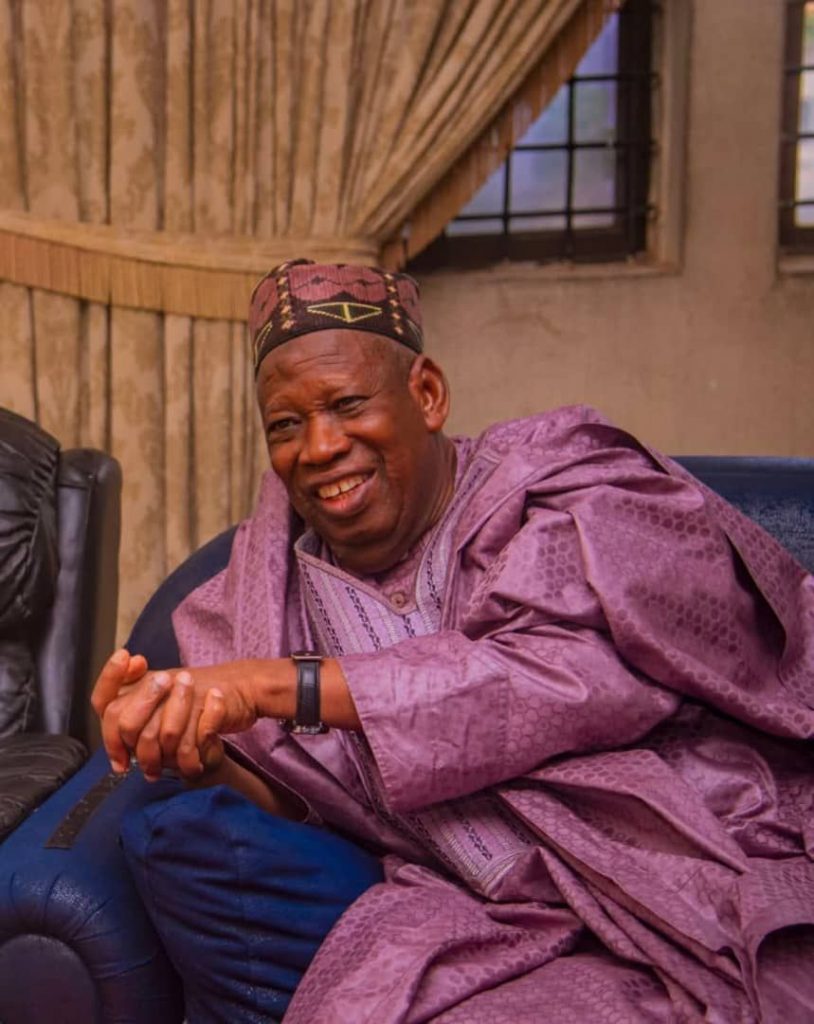
Dr. Abdullahi Umar Ganduje’s journey through the highest ranks of political leadership from Governor of Kano State to National Chairman of the All Progressives Congress (APC) has left an indelible imprint on Nigeria’s political landscape. As he voluntarily steps down from his position as APC Chairman, citing health considerations, reflections on his tenure reveal a legacy defined by influence, strategic consolidation, and unwavering loyalty. Appointed on August 3, 2023, Ganduje assumed leadership of the APC at a critical juncture. The party was in need of internal cohesion, grassroots consolidation, and a clear strategy heading into future elections. His tenure delivered just that ushering in visible political gains and stabilizing the ruling party across multiple fronts. Under his stewardship, the APC experienced robust expansion. High-profile defections significantly shifted the political balance. Notably, two sitting governors, Sheriff Oborevwori of Delta and Umo Eno of Akwa Ibom joined the APC, alongside their deputies, cabinet members, and key state legislators. The defection of former vice-presidential candidate and PDP stalwart Ifeanyi Okowa added to the party’s rising strength in both the National Assembly and at the grassroots. Related: APC’s Rising Star: The Woman Ganduje Trusted with the Future In Kano, Ganduje’s political influence remained formidable. He attracted key figures back into the APC fold, including former Speaker of the Kano State House of Assembly and current federal lawmaker Kabiru Alhassan Rurum (Rano/Bunkure/Kibiya), Senator representing Kano South Abdurrahman Kawu Sumaila, and the former Secretary to the State Government, Dr. Baffa Bichi. These moves further demonstrated his enduring grip on Kano’s political terrain. On the national front, Ganduje’s leadership was marked by strategic crisis management and far-reaching reforms. His diplomatic handling of internal crises especially in Ondo and Kogi States was instrumental in preserving party unity. His vision included modernizing the party structure through the introduction of electronic membership registration and laying the foundation for the APC Political Institute, The Progressive Institute (TPI). Read Also: Dr. Ganduje Undertakes Hajj Amid Rising Political Influence TPI recently convened a youth conference addressing the lingering issue of youth unemployment and exploring strategies to groom the next generation of party and national leaders. His commitment to party education and ideological grounding was a hallmark of his reform agenda. Importantly, Ganduje’s national strategy extended beyond numbers. He broadened APC’s reach through regional diplomacy and diaspora engagement. He paid official visits to ruling parties in neighbouring countries such as Ghana to foster political solidarity. During a visit to France a few months ago, he initiated structures aimed at strengthening the APC’s presence among Nigerians in the diaspora. This initiative was part of a long-term vision to align the global Nigerian community with the party’s agenda and mobilize international support. However, his emergence as APC Chairman was not without controversy. The North Central bloc where the position was originally zoned voiced its reservations. Despite this, Ganduje secured a vote of confidence and succeeded in unifying the party around his leadership. His ability to navigate those tensions underscored his political dexterity. Throughout his tenure, Ganduje demonstrated unwavering loyalty to President Bola Tinubu and the APC’s broader vision. He did not hesitate to defend the party’s image, even in contentious situations such as his public call for the removal of Senator Ali Ndume as Senate Chief Whip over perceived disloyalty. It was a bold affirmation of party discipline and allegiance to the presidency. Though he has now relinquished the role of APC chairman, Ganduje continues to serve the country as Chairman of the Federal Airports Authority of Nigeria (FAAN). While this role is more administrative than political, it maintains his presence within federal circles and signals his continued relevance in national affairs. As he steps into a new chapter, Ganduje leaves behind a record marked by coalition-building, electoral expansion, and structural reform. While ongoing legal proceedings, especially in Kano, may pose challenges to his legacy, his contributions to party politics and national development remain significant. Whether this moment signals a quiet retreat or a tactical pose, one thing is clear, Dr. Abdullahi Umar Ganduje’s legacy as a grassroots mobilizer, loyal party builder, and political tactician has already earned him a place in Nigeria’s contemporary political history. Umar Idris Shuaibu is a digital journalist and can be reached via shuaibuumaridris@gmail.com.

Feature, Kano, Politics

“An Everlasting Bond of Loyalty and Gratitude to My Boss, Ganduje” by Muhd Garba

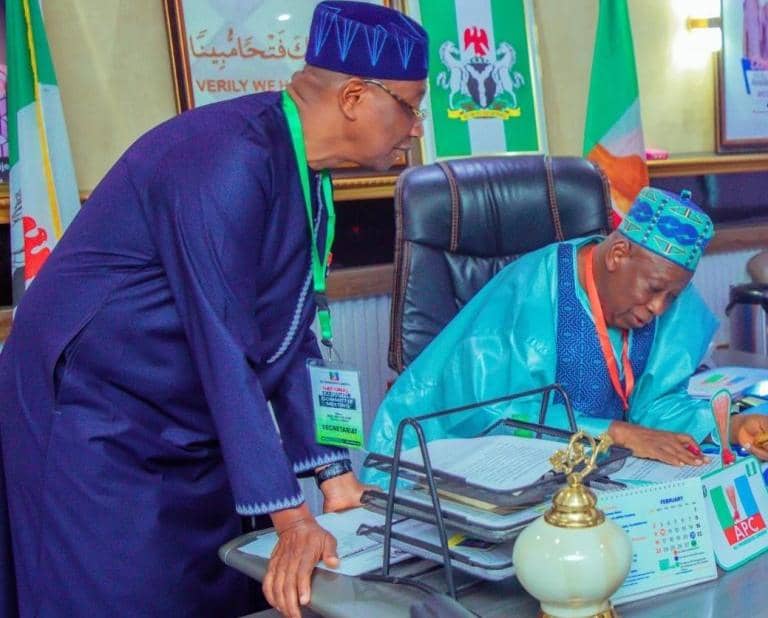
It is with a heart filled with profound gratitude, respect, and an unwavering sense of loyalty that I, Comrade Mohammed Garba, pen down this heartfelt tribute to a leader, mentor, and father-figure whose impact on my life is immeasurable, His Excellency, Dr. Abdullahi Umar Ganduje, OFR. My journey with Dr. Ganduje began many years ago, in the corridors of Kano State governance, during his time as the Deputy Governor to Senator Rabi’u Musa Kwankwaso. It was during that critical period that he first extended to me the kind of trust, opportunity, and mentorship that forever changed the trajectory of my life and career. Read Also: APC’s Rising Star: The Woman Ganduje Trusted with the Future I was appointed as Chief Press Secretary in his office, a role that not only gave me a front-row seat to observe leadership at its finest, but also offered me the privilege to learn under one of the most experienced and strategically minded politicians Nigeria has ever produced. From those early days, Dr. Ganduje saw potential in me, not just as an aide, but as a partner in progress, and that belief in my capacity gave me the courage to grow, to contribute, and to lead in my own right. As the years passed, our bond grew stronger. I have watched Dr. Ganduje navigates the complex terrains of politics and governance with wisdom, patience, and unwavering commitment to the people of Kano and Nigeria at large. He rose to become the Executive Governor of Kano State, and under his leadership, I was once again given more responsibilities that propelled my public service career to greater heights. At every step, he ensured I had his full support, morally, professionally, and even personally. He did not only provide me with positions and titles; he gave me mentorship, guidance, and access to platforms where I could grow and make meaningful contributions. His belief in loyalty, capacity, and sincerity has inspired so many of us who worked closely with him. He has always carried a clean heart, never vengeful, never vindictive. It is this purity of heart that continues to earn him divine protection and public admiration, no matter the challenges. Today, as many take stock of his contributions to national politics, including his recent stewardship as National Chairman of the All Progressives Congress (APC) I reflect deeply on how much he has done for me personally. The truth is, I am a living testament to Dr. Ganduje’s generosity, leadership, and ability to raise men from humble beginnings to positions of honor and relevance. To say that he helped my life is an understatement. He transformed it. And for that, I shall remain eternally grateful. My loyalty to Dr. Ganduje is not born out of politics; it is born out of conviction, experience, and a sense of moral responsibility to stand with the one who stood with me when I had little. His vision continues to inspire, and his wisdom continues to guide us all. No matter what the future holds, I want to state it clearly and publicly: I will remain with Dr. Abdullahi Umar Ganduje, in sunshine and in a storm. He has done more than enough to deserve my allegiance. His legacy will outlive positions and offices, and generations to come will speak of the lives he uplifted – I, Comrade Mohammed Garba, being one of them. May Allah continue to bless Dr. Ganduje with good health, long life, and continued relevance. May He never put him to shame, for a heart as clean and loyal as his deserves only honor and divine favor. Muhammad Garba, Chief Press Secretary, to Former APC National Chairman, Dr Abdullahi Umar Ganduje

Feature, National, Politics

Ganduje Steps Up as APC Strategist Ahead of August Rerun Elections

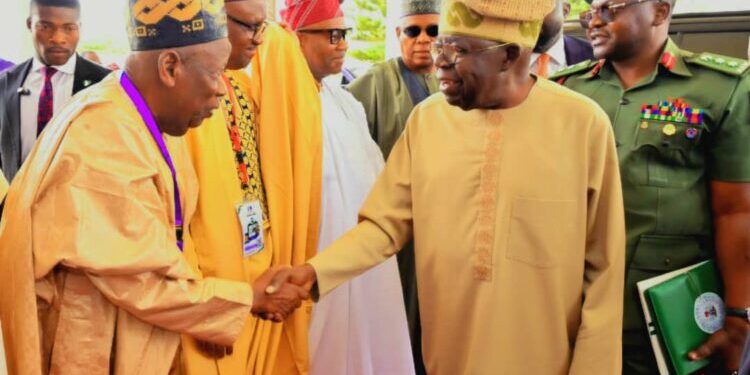
As the Independent National Electoral Commission (INEC) prepares for a series of bye-elections and court-ordered reruns scheduled for August 16, 2025, political momentum is building particularly within the ruling All Progressives Congress (APC). With 16 constituencies across 12 states heading to the polls, including sensitive zones in Kano, Plateau, Edo, and Anambra, the upcoming vote is shaping into a midterm litmus test for party strength and leadership credibility. Amid this shifting landscape, Dr. Abdullahi Umar Ganduje, National Chairman of the APC, has reemerged at the center of national strategy. His recent attendance at INEC’s quarterly consultative meeting with political parties stood out not just for its symbolism, but also for its sharp contrast. While the APC was fully represented, key opposition parties like the PDP and Labour Party were absent, reflecting the internal crises currently plaguing both. Ganduje’s appearance alongside INEC Chairman, Prof. Mahmood Yakubu where the two were seen exchanging handshakes and policy remarks sent a clear message of political preparedness. It wasn’t just a courtesy call, but a calculated reaffirmation that the APC is organized, focused, and ready to engage the electoral process head-on. Related: Ganduje Attends INEC Stakeholders Meeting Amid PDP, LP Boycott Having governed Kano State for two terms, Ganduje is widely regarded as a grassroots tactician with deep influence across Northern Nigeria. His leadership style, marked by firm control and loyalty-building, is now being scaled to the national level. Many within the APC view the upcoming reruns as a proving ground for his ability to deliver electoral victories beyond his traditional stronghold. INEC’s announcement of August 16 as the date for the reruns triggered immediate mobilization within the ruling party. According to party insiders, Ganduje has already begun internal consultations with zonal coordinators, youth mobilizers, and campaign teams. The objective is clear: defend existing seats and reclaim those lost due to judicial verdicts or resignations. In key battlegrounds such as Ghari/Tsanyawa in Kano and Enugu South I in Enugu, the reruns are likely to favor the APC, as the party’s political machinery and grassroots support are already in place. Read Also: Ganduje, Tinubu and the Strengthening of Nigeria’s Democracy Amidst APC Growth While the APC presses forward, the opposition’s internal disarray only enhances the ruling party’s advantage. The PDP is mired in a multi-layered leadership dispute, with ongoing confusion surrounding the rightful occupant of the National Secretary position. Similarly, the Labour Party continues to grapple with legal battles over its national leadership, casting doubt on its ability to field unified candidates or run coordinated campaigns. For Ganduje, the moment also presents an opportunity to restore public confidence in the APC’s direction. Since assuming the chairmanship, he has been working quietly to stabilize intra-party relationships and streamline decision-making ahead of crucial elections. His recent messaging has emphasized discipline, structure, and long-term vision, principles many believe are essential for consolidating power ahead of the 2027 general elections. Beyond short-term electoral gains, Dr. Ganduje’s focus appears to be on legacy-building. By successfully guiding the APC through the August reruns, he would not only validate his capacity as a national leader but also set the tone for the party’s dominance in the years ahead. With President Tinubu’s administration facing scrutiny over economic reforms, security, and youth engagement, Ganduje’s role in maintaining party stability is becoming increasingly consequential. In the end, that handshake with INEC was more than symbolic, it marked the quiet beginning of a political offensive, one in which strategy, timing, and organization could define the trajectory of the APC in an increasingly complex political climate. Umar Idris Shuaibu is a digital journalist writes from Kano.

Agriculture, Feature, National

Fixing the Forgotten Crisis: Solutions to Nigeria’s Herders-Farmers Conflict

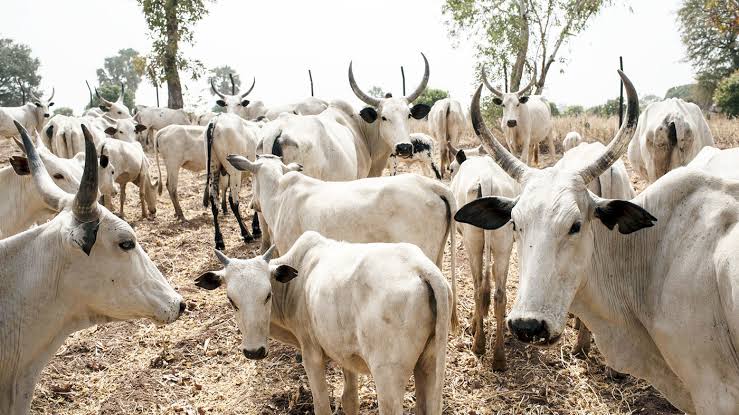
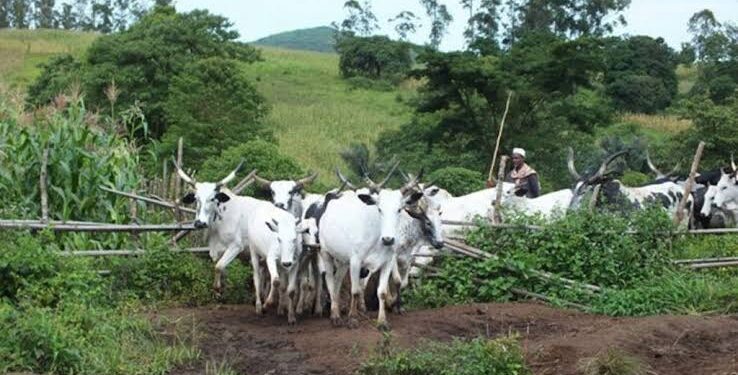
After years of violence, displacement, and distrust, the herders-farmers crisis in Nigeria remains a national wound. But wounds can heal if we choose to treat them. This week, we go beyond blame and focus on what must be done to restore peace, rebuild trust, and reimagine coexistence between Fulani herders and farming communities. One of the most immediate solutions is to revive the grazing reserves system not as a relic of the past, but as a modern, managed framework for peaceful livestock movement. These reserves must be properly demarcated, fenced, and legally protected from encroachment. States must collaborate with traditional rulers, local governments, and Fulani associations to recover and manage these reserves transparently. Decades ago, cattle routes connected grazing lands to water sources across Nigeria. Today, most are blocked or erased. Restoring these “burtali,” or “lawol” as they are called in Fulfulde, is key. Mapping and legally protecting these routes using modern geospatial tools can ease tensions over trespassing. States and the Federal Ministry of Livestock Development must take the lead, with input from host communities and Fulani representatives, if of course, we still have room to continue with traditional systems. Related: Beyond the Headlines: The Untold Truth behind Nigeria’s Herders-Farmers Clashes But to be realistic and forward-thinking, the bitter truth is that nomadism is no longer sustainable. There is a pressing need for Fulani herders to abandon the age-old tradition of migration and roaming with their cattle, the so-called “white gold.” While this practice has been part of Fulani culture for centuries, it no longer aligns with modern agricultural systems, security concerns, or national development goals. Settling in one place brings countless benefits: children can attend school; communities can be formally recognized and supported by government structures; and the herders themselves can begin to enjoy the full dividends of democracy. This transition should not be enforced but encouraged through thoughtful incentives and sustainable planning. Prioritizing artificial insemination of cattle and other livestock, alongside modern herdsmanship techniques, is vital. This includes building ranches and model herding settlements (like the one in Dansoshiya), providing training on artificial insemination, animal nutrition, and veterinary care, as well as ensuring access to livestock insurance and soft loans. The Fulani must be partners in progress not casualties of change. At this point, assigning blame is not the most productive path forward. The root of the crisis involves multiple layers of society and leadership. What is required now is action, starting with the full inclusion of Fulani voices in policy-making processes that affect their lives and livelihoods. Media houses also have a critical role to play. They must stop reinforcing harmful stereotypes. Journalists need training in conflict-sensitive reporting, especially in coverage involving herders and farmers. Editorial boards must strive to reflect Nigeria’s ethnic diversity. Balanced media coverage is more than fairness but a tool for national peace. The Dansoshiya Model, introduced under Governor Ganduje, presents a viable solution: permanent housing, access to education and water, sustainable fodder production, veterinary services, and peacekeeping structures. This model should be replicated across the country, especially in conflict-prone zones where environmental degradation has made traditional grazing practices difficult or impossible. Read Also: Kano Govt Reaffirms Commitment to Land Restoration, Climate Action on Desertification and Drought Day True peace begins with understanding. Nigeria needs cultural exchange programs between herders and farmers, youth-led peace initiatives, community dialogue platforms, and local-language media campaigns that promote coexistence. The herders-farmers conflict is not an unsolvable mystery. The strategies exist. The knowledge exists. What remains is the political will, media responsibility, and community courage to implement them. We owe it to the Fulani child born into fear, the farmer who sleeps with one eye open, and the nation whose peace depends on healing this fragile relationship. The question is no longer “What should be done?” It is: “When will we start doing it?”   The images trace the evolution of Fulani herdsmanship, beginning with traditional open grazing, seasonal migration, and long treks that have defined pastoral life for centuries. In contrast, the latter images showcase a shift toward modern herdsmanship: structured settlements, veterinary services, educational access, and sustainable grazing, a model aligned with national development and the future of peaceful coexistence.  

Abuja, Feature, National, Politics

Ganduje, Tinubu and the Strengthening of Nigeria’s Democracy Amidst APC Growth

In the unfolding narrative of Nigeria’s political evolution, the ongoing realignment of political forces marked by a wave of defections into the ruling All Progressives Congress (APC) has sparked national debate. While some critics see the development as a drift toward one-party dominance, political observers in Kano and beyond argue otherwise, pointing to the reformist agenda of the APC and the stabilizing influence of its current leadership. At the center of this transformation is Dr. Abdullahi Umar Ganduje, the National Chairman of the APC and a seasoned political strategist. Since his assumption of the party’s top position, Ganduje has played a critical role in strengthening the APC’s internal cohesion and projecting its renewed national vision one that aligns seamlessly with President Bola Ahmed Tinubu’s Renewed Hope Agenda. Ganduje’s political instincts, honed through decades of public service and leadership in Kano State, have become instrumental in steering the party through turbulent waters. His emergence as National Chairman came at a time when the APC needed not just administrative leadership, but a unifying figure capable of reconciling factions, revitalizing party structures across the country, and preparing the ruling party for the challenges of governance and national expectations. Related: After Gombe Incident, Ganduje Reasserts Call for Political Decorum Under his stewardship, the APC has transformed into a more ideologically grounded and strategically aligned force. The party’s outreach has expanded, and its policy communication has improved significantly, helping citizens better understand the often difficult, yet necessary reforms being implemented by the federal government. Political consultants and media observers, such as Umar Idris Shuaibu, a Kano-based APC stalwart, have publicly attributed the growing popularity of the APC to both Tinubu’s reformist policies and Ganduje’s unifying leadership. The recent surge in defections from opposition parties is widely seen not as a symptom of democratic decline, but as a response to the visible impact of the administration’s efforts to reposition the economy, rebuild public institutions, and restore confidence in governance. Ganduje’s approach to leadership has been pragmatic. He has worked to ensure party harmony, maintain political discipline, and deepen the APC’s engagement with youth, women, and grassroots movements. His national tour of reconciliation and dialogue has significantly reduced intra-party conflicts, while his quiet but firm influence in Abuja has helped streamline legislative-executive collaboration. Meanwhile, President Tinubu’s recent address during the June 12 commemoration further underscored his commitment to democratic pluralism. Contrary to fears of creeping authoritarianism, Tinubu reaffirmed his belief in multi-party democracy and the rights of opposition parties to organize, campaign, and critique. As Shuaibu noted in several public commentaries, “the APC is not coercing anyone people are simply seeing progress and aligning with it.” Indeed, Nigeria’s Independent National Electoral Commission (INEC) remains free to register new parties, and prominent opposition parties such as the Labour Party (LP) and the People’s Democratic Party (PDP) continue to operate actively, disproving notions of a closing political space. Read Also: Things to Know About Dr. Asiya Ganduje, Director of Community and Rural Development NWDC The cooperation between the executive and the legislature, often criticized by some as excessive, is in fact a vital element of this administration’s strategy for fast-tracking reforms. Ganduje, with his strong legislative relationships and understanding of governance mechanics, has quietly supported this synergy, ensuring that party policies are translated into actionable government programs. More broadly, the APC under Ganduje’s chairmanship has worked to preserve the democratic values Nigerians have fought for since 1999. The party leadership continues to champion civil liberties, uphold freedom of speech, and encourage public participation, hallmarks of a functioning democracy. While tough economic decisions such as subsidy removals and currency reforms have drawn criticism, APC loyalists argue they are necessary corrections long overdue. Ganduje himself has been vocal in support of these decisions, urging Nigerians to see beyond temporary discomforts and focus on the long-term gains. In his dual role as party leader and elder statesman, Ganduje embodies the kind of strategic calm and political wisdom the APC needs to consolidate its gains and ensure that Nigeria remains on a path of democratic deepening, national unity, and inclusive governance. As the nation continues to debate the future of its democracy, one thing appears certain: the combined leadership of President Tinubu and Dr. Abdullahi Umar Ganduje is reshaping the political landscape not by suppression, but through reforms, strategy, and renewed public trust. Umar Idris Shuaibu is a digital journalist and writes from Kano. He can be reached at shuaibuumaridris@gmail.com.

Feature, Kano, Profile

Sunusi Kofar Na’isa Retires After 35 Years of Shaping Nigerian Journalism

By Abdulrazak Tanko On Saturday, we celebrate the remarkable career of Ambassador Sunusi Abdullahi Kofar Na’isa, a towering figure in Nigerian journalism who has devoted 35 years of his life to shaping narratives, informing the public, and championing the truth. His retirement marks the end of an era, but his influence will forever echo through the stories he told and the knowledge he imparted. From the bustling newsrooms of Kano to the broader Nigerian media landscape, Ambassador Abdullahi has been a steadfast guardian of ethical journalism. His work reflected integrity, passion, and an unwavering dedication to the pursuit of truth, earning him respect not only within the state but across the country. His impact stretched far beyond our immediate borders, his insights resonated in international discussions, and his commitment to press freedom inspired many. His pen was mighty, his words carried weight, and his leadership fostered a generation of journalists who will carry forward his legacy. As he bids farewell to public service, we honor his dedication to journalistic excellence, his unwavering commitment to informing and educating, and his role as a beacon of professionalism in the media. The pages of history will remember his contributions, and the hearts of many will cherish his wisdom. Ambassador Sunusi Kofar Na’isa, thank you for your service. May your next chapter be as fulfilling and impactful as the legacy you leave behind. Abdulrazal Tanko Fagge write from Kano, Nigeria

Agriculture, Feature, Kaduna, Kano, National

Beyond the Headlines: The Untold Truth behind Nigeria’s Herders-Farmers Clashes

Umar Idris Shuaibu, Kano In the open plains and forests of Nigeria, a silent war has been simmering for years not of politics or power, but of land, survival, and silence. The herders-farmers conflict has too often been reduced to a tribal fault line, a religious divide, or criminal chaos. But these simplifications betray the truth. At the heart of this crisis lies a broken promise one owed to the Fulani pastoralists and to the farmers whose lives depend on the soil. And no one is innocent: not the state, not the media, and certainly not the traditional leaders entrusted to guard the peace.   Forgotten Grazing Reserves, Abandoned Routes Years ago, Nigeria had a system imperfect but working. Grazing reserves and cattle routes were mapped and maintained. Fulani herders moved with their livestock, guided by seasonal knowledge and mutual understanding with farming communities. Read Also: Mu’az Magaji: “26 Years of Democracy in Nigeria, A Journey Worth Reflecting On” Then came neglect. The cattle routes began to vanish overtaken by real estate, agriculture, and urban expansion. Traditional leaders, once responsible for protecting these routes and reserves, looked away. Some traded silence for political favor, others lacked the will or means to act. The fallout was predictable disorder and dispute.   Climate, Conflict, and the Collapse of Order Desertification and population growth pushed herders further south. With no designated routes, they entered farmlands. Farmers, facing the destruction of their crops, fought back. Without state mediation or proactive governance, friction turned into fire. This isn’t just about cows and corn. It’s a humanitarian crisis displacing families, destroying livelihoods, and feeding deep ethnic mistrust.   The Misjudged Fulani Narrative The Fulani are often vilified in mainstream storytelling accused broadly and unjustly. Yes, violent incidents have occurred. But many forget the herders who lose cattle to rustling, the youths gunned down in disputes, or the elders beaten far from home. The media has failed here. Stories are told with bias. The farmer’s plight is humanized; the herder’s loss is minimized. But both bleed, and both deserve justice. A Rare Example of Political Will It’s not all silence. Some leaders have tried. In 2015, Dr. Abdullahi Umar Ganduje, former Governor of Kano State and himself a Fulani, took bold steps. Recognizing the root of the crisis, he launched a program to modernize livestock development. He sent 60 Fulani youths to Turkey for training in artificial insemination techniques, aiming to reduce nomadic grazing by improving local productivity. Unfortunately, the initiative was poorly managed by the Ministry of Agriculture and Natural Resources. But Ganduje didn’t stop there. He established a settlement in Dansoshiya Forest, where he built 25 housing units for Fulani herders. The settlement was thoughtfully designed and included essential amenities such as schools for children, a clean water supply for both human and livestock use, veterinary services to support animal health, and provisions for sustainable cultivation of grass and herbs to ensure year-round feeding. To enhance safety and stability, a police and security outpost was also incorporated, serving as a hub for peacebuilding and conflict resolution within the community. This wasn’t just infrastructure, it was a vision of coexistence. A way to bring herders into stable communities while preserving their livelihood and reducing conflict. In addition, Kano State under Dr. Ganduje conducted a Fulani headcount, the first of its kind identifying both resident and nomadic populations. This data formed the basis of a landmark report submitted to the Federal Government, which contributed directly to the establishment of the Federal Ministry of Livestock Development in Abuja. That effort was guided by a committee chaired by Prof. Attahiru Jega, former INEC chairman, with members drawn from Fulani associations, academia, tribal communities, journalists, and civil society which form a model of inclusive policymaking.   Nigeria’s Worst-kept Secret This is a national crisis and Nigeria is the worst-hit country in Africa when it comes to herders-farmers conflict. What began as an ecological challenge has evolved into a political, economic, and humanitarian disaster. And still, few are telling the full story.   A Call for Historical Justice If peace is to return, the truth must be told. Not just the truth of who struck first, but of who neglected first. To address the root causes of the herders-farmers crisis and build lasting peace, we must take decisive and coordinated actions. First, there is a need to reestablish and protect grazing reserves, ensuring they are properly demarcated and maintained. Alongside this, we must legally secure the traditional cattle routes and invest in modernizing pastoralism to reduce dependence on seasonal migration. It is also essential to hold both political and traditional leaders accountable for past neglect and future responsibilities. Furthermore, the media must undergo a reform to ensure ethical, fair, and balanced coverage, particularly in stories involving pastoral communities. Lastly, Nigeria must encourage and replicate bold, grassroots solutions like the Dansoshiya settlement project, which offer practical models for peaceful coexistence and economic development. This story must be more than a headline. It must be a turning point. The herders-farmers conflict is not just a tale of clashes over land, it is a mirror of our national failure to protect the vulnerable, to preserve inherited systems, and to tell stories with fairness. For too long, the Fulani narrative has been told by others often unfairly, often incompletely. But history does not forgive silence. It remembers those who spoke when it mattered. If we are to build a peaceful, united Nigeria, we must first acknowledge the truths buried under decades of neglect, failed leadership, and distorted headlines. We must amplify the voices that have long been drowned, and tell stories complete stories that reflect the full picture. This is not just journalism. It is justice. It is not just reporting. It is remembrance. And it is not just history. It is a path forward. Umar Idris Shuaibu is a digital journalist based in Kano. He can be reached via email at shuaibuumaridris@gmail.com.  

Abuja, Feature, Kano, National, Politics

APC’s Rising Star: The Woman Ganduje Trusted with the Future

Within the rich tapestry of Nigeria’s public service, few stories reflect consistency, discipline, and rising influence like that of Dr. Mariya Mahmoud Bunkure, the current Minister of State for the Federal Capital Territory (FCT). Her journey from a Commissioner in Kano State to a key figure in Nigeria’s federal cabinet is not just a tale of political ascension, it’s a testament to purposeful service, strategic alignment, and a passion for grassroots development. Born in the historic town of Bunkure in Kano State, Dr. Mariya Mahmoud’s early life was steeped in education, community service, and the values of discipline and humility. Trained as a medical doctor, she brought her professional insights into governance when she was appointed Commissioner for Higher Education in Kano State under the administration of Dr. Abdullahi Umar Ganduje. During her tenure as Commissioner, Dr. Mariya stood out for her calm resolve and administrative foresight. At a time when Kano’s higher education sector was faced with funding challenges, infrastructural gaps, and the need for curricular reform, she championed policies that improved institutional governance and promoted access, especially for female students. Her ability to blend professionalism with political acumen quickly earned her the respect of colleagues and constituents alike. Read Also: Dr. Ganduje Undertakes Hajj Amid Rising Political Influence It was this performance and loyalty that placed her firmly in the trust circle of Dr. Ganduje, then Governor of Kano State and now the National Chairman of the All Progressives Congress (APC). As Ganduje’s national influence widened, so did the prospects of those he mentored. Dr. Mariya’s elevation to the national stage as Minister of State for the FCT under the administration of President Bola Ahmed Tinubu can be traced to a political trajectory rooted in merit, trust, and northern regional representation. At the FCT Ministry, Dr. Mariya now holds a significant portfolio overseeing policy implementation, urban development, and service delivery in Nigeria’s capital. Her approach has been inclusive and participatory, often engaging with stakeholders from traditional institutions, civil society, and the private sector. Whether addressing sanitation in satellite towns, reviewing land allocation procedures, or supervising school health programs, she carries her medical and administrative experience into every detail. Observers note her calm but firm style, which contrasts with the bustling and sometimes chaotic political landscape of Abuja. She is often described as the “silent engine” behind some of the Ministry’s grassroots-focused reforms, particularly those relating to women empowerment and youth engagement in the FCT’s area councils. In the wider context of Nigerian politics, Dr. Mariya Mahmoud’s story also highlights the growing relevance of Kano State as a breeding ground for national leadership. Under Ganduje’s leadership, several Kano-born technocrats and politicians have moved into key federal roles, a sign of the former governor’s long-term strategy to plant loyal, competent allies across the federal structure. Yet, despite her growing influence, Dr. Mariya remains relatively media-shy, choosing to let her work speak for her. Her aides describe her as diligent, prayerful, and deeply committed to public service. “She sees politics not just as a platform for power, but as an opportunity to heal communities, improve lives, and leave a legacy,” one staff member noted. As Nigeria navigates complex national challenges from urban planning to education and healthcare reform, the presence of focused leaders like Dr. Mariya Mahmoud Bunkure provides a glimmer of hope. For young girls in Kano and beyond, her story is a living proof that with education, integrity, and dedication, the journey from Bunkure to Abuja is not just possible, but attainable. Dr. Mariya Mahmoud Bunkure’s rise from the heart of Kano State to the corridors of power in Abuja is a remarkable example of determination, service, and strategic leadership. Her journey underscores the importance of competence over rhetoric, and dedication to public service above personal gain. As the Minister of State for the FCT, she remains an embodiment of the values instilled in her during her years in Kano values that continue to guide her work as she addresses the needs of the capital’s diverse communities. With her vision and quiet resolve, Dr. Mariya is poised to leave an indelible mark on Nigeria’s urban development and public policy, offering a model of leadership for future generations.

Scroll to Top