The Historica Nigeria

Abuja

Feature, Kano, Politics

APC is a Living Party, Ganduje Says as Kano Govt Joins Ruling Platform

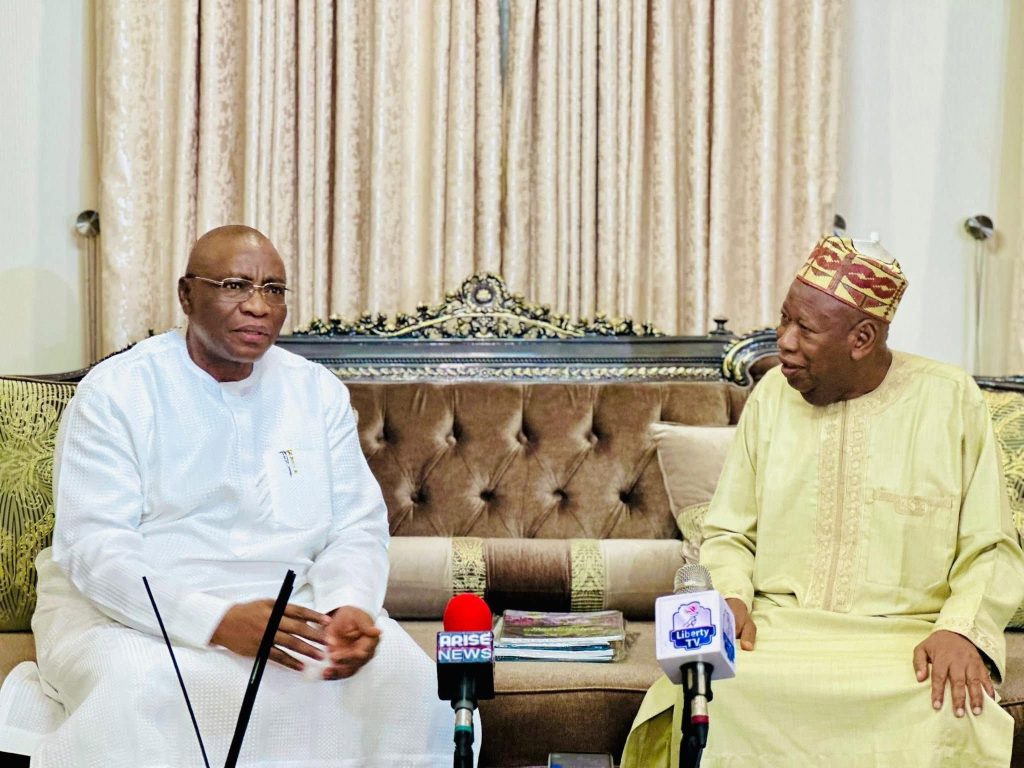
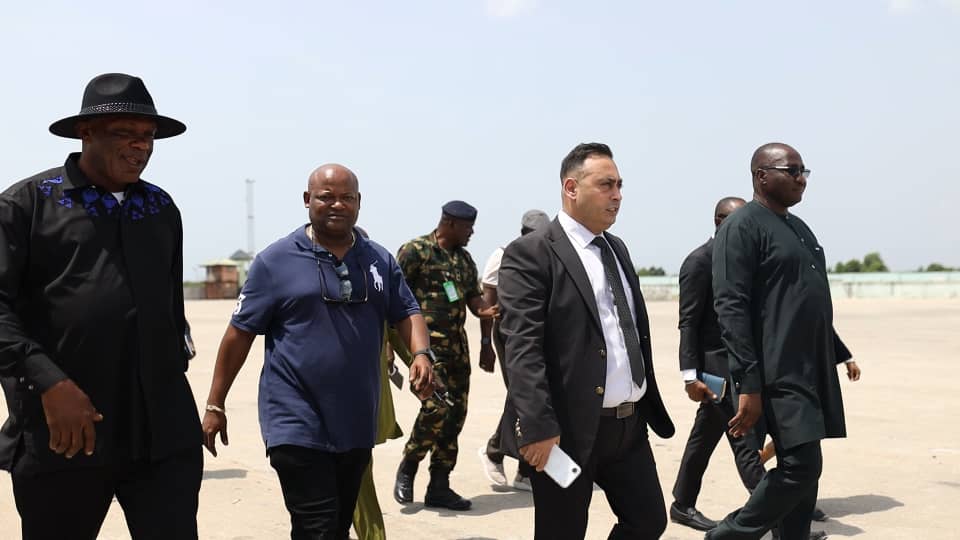
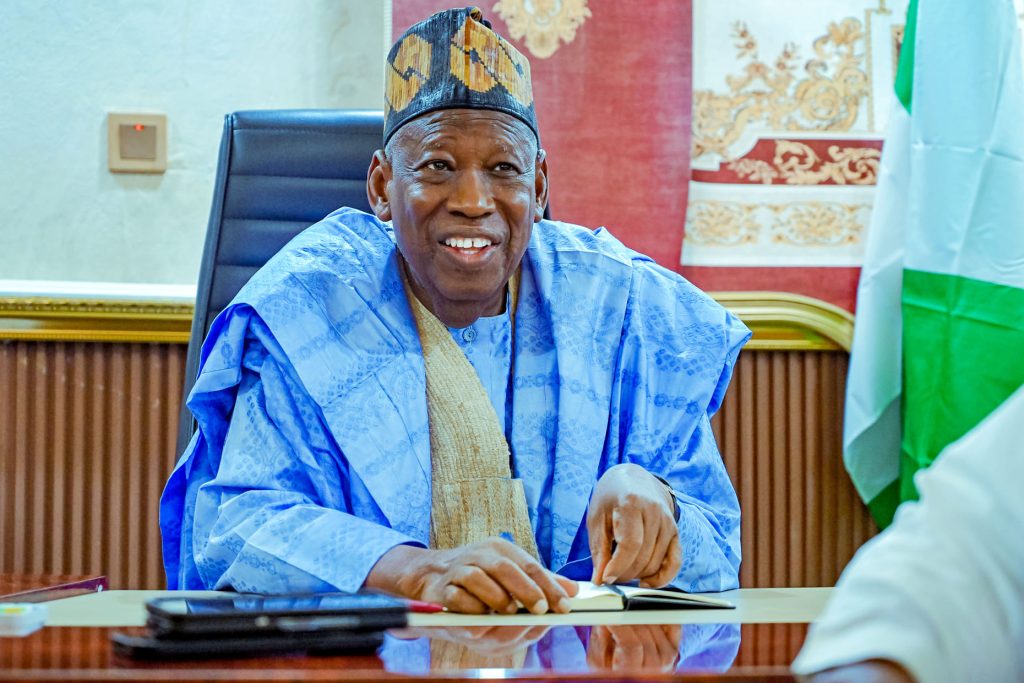
Umar Idris Shuaibu, Kano The immediate past National Chairman of the All Progressives Congress (APC) and Chairperson of the Board of the Federal Airports Authority of Nigeria (FAAN), Dr. Abdullahi Umar Ganduje, has described the recent defection of the Kano State Government to the APC as a deliberate and strategic decision aimed at aligning the state with the Federal Government to accelerate development and improve the welfare of its people. Speaking in an interview with the editor ‘The Historica Nigeria‘ Umar Idris Shuaibu in Abuja, Dr. Ganduje said the Kano State Government’s decision to join the APC reflects a growing realization that the ruling party remains the most viable platform for sustainable governance in Nigeria. According to him, the APC is not only expanding in numbers but also attracting what he described as “quality followers” across the country. “The Kano State Government has seen clearly that the APC is a living party, a party that is increasing in followers, and not just in numbers but in quality,” Ganduje said. Dr. Ganduje traced the political developments in Kano to the aftermath of the 2023 general elections, noting that the APC’s loss of the governorship paved the way for the emergence of the New Nigeria Peoples Party (NNPP) administration, which he said soon descended into internal crises. He explained that persistent disagreements, litigations, and factional conflicts within the NNPP eventually weakened the party, prompting Governor Abba Kabir Yusuf, “in his wisdom,” to defect to the APC. Read Also: Coups, Counter-Coups and the Cost to Nigeria Ganduje Commissions Zero-Emission Electric Vehicles at Nnamdi Azikiwe International Airport FG Set to End HND–Degree Divide, Empowers Polytechnics to Award Degrees “The unfortunate situation of not winning the government in 2023 led to the coming of the NNPP administration. But later, the party went into disarray, disagreements and litigations everywhere. The governor, in his own wisdom, decided to cross-carpet to our party, the APC,” Ganduje stated. He further recalled that before 2015, both he and the governor were members of the Peoples Democratic Party (PDP), stressing that political movements in Kano have often been driven by personal ambitions rather than ideology. Ganduje said the earlier defection from the APC was influenced by the presidential ambition of Senator Rabiu Musa Kwankwaso, which, according to him, failed due to a miscalculation of nationwide political appeal. “Unfortunately, he could not assess his popularity at the national level, and that resulted in a great loss, forcing him to move to another party,” he added. With Kano now under APC control, Dr. Ganduje expressed confidence that the party is politically strong and institutionally positioned to deliver good governance, raise living standards, and mobilize support for President Asiwaju Bola Ahmed Tinubu’s second-term bid in 2027. “As of now, we are happy. We are strong enough, we have a government, and we are ready to work for the people, to improve their living standards, for Asiwaju Bola Ahmed Tinubu to secure a second term, and for the governor himself. That is what we are anticipating,” he said. Why Northerners Will Back Tinubu Again Addressing growing conversations around northern support for President Tinubu’s re-election, Ganduje framed the issue within Nigeria’s long-standing zoning arrangement between the North and South. He recalled that the late President Muhammadu Buhari served for eight years, after which power politically shifted to the South, culminating in Tinubu’s victory in 2023 with significant northern backing. Ganduje described President Tinubu as an astute politician with proven administrative capacity, citing his tenure as governor of Lagos State, widely regarded as Nigeria’s most complex sub-national economy. He also recalled Tinubu’s three-day colloquium in Kano ahead of the 2023 election, describing it as a turning point that reshaped northern public opinion in his favour. “Now that he is completing his first term by 2027, we expect him to continue with a second term. After that, the presidency will naturally return to the North. That is one of the reasons northerners are confident in supporting him,” Ganduje said. Reforms, Infrastructure, and Economic Direction Dr. Ganduje pointed to President Tinubu’s ongoing reforms as critical to Nigeria’s long-term economic stability, social development, and national unity. He highlighted the continuation of major infrastructure projects initiated under the Buhari administration, including the Ajaokuta–Kaduna–Kano (AKK) Gas Pipeline, the expansion of the national railway network from Lagos through Ibadan, Kaduna, Kano, Dambatta, Kazaure, Daura, Katsina, and onward to Maradi in Niger Republic. He also referenced major highway projects linking Lagos to Sokoto and the coastal superhighway connecting the South-West to Cross River and Calabar. According to Ganduje, improved federal revenue inflows have enabled state governments to meet salary obligations without frequent federal intervention, a sharp contrast to previous years. Inflation, Cost of Living, and Regional Realities Responding to public concerns over inflation and rising living costs, Ganduje urged Nigerians to view the issue within a global context, warning against regional comparisons that oversimplify economic realities. “Inflation is everywhere. Do you think things are cheaper in the South?” he asked rhetorically. He cites an example with the historical differences in educational development between the North and South stem from the distinct paths through which Western education and Islam entered Nigeria. On food inflation, Ganduje argued that northern Nigeria remains relatively insulated due to its agricultural dominance. “We farm in the North; we produce the food Nigerians consume. Prices of food items and grains are gradually coming down. It is a global challenge, but the impact is not the same everywhere,” he said. Security Challenges and Ongoing Efforts On insecurity, Ganduje acknowledged that Nigeria’s security challenges predate the current administration, tracing their roots back to the Obasanjo era, through the Jonathan and Buhari administrations. He recalled the height of the Boko Haram insurgency when several local governments in Borno State were under terrorist control, noting that significant progress was made under Buhari. While acknowledging newer threats such as banditry, kidnapping, and herder-farmer conflicts, Ganduje said the situation is gradually stabilizing due to strategic changes in security leadership, enhanced intelligence sharing, and international cooperation particularly

Kano, Kogi, News

Zone One Headquarters Hails Promotion of DCP Kankarofi to Commissioner of Police

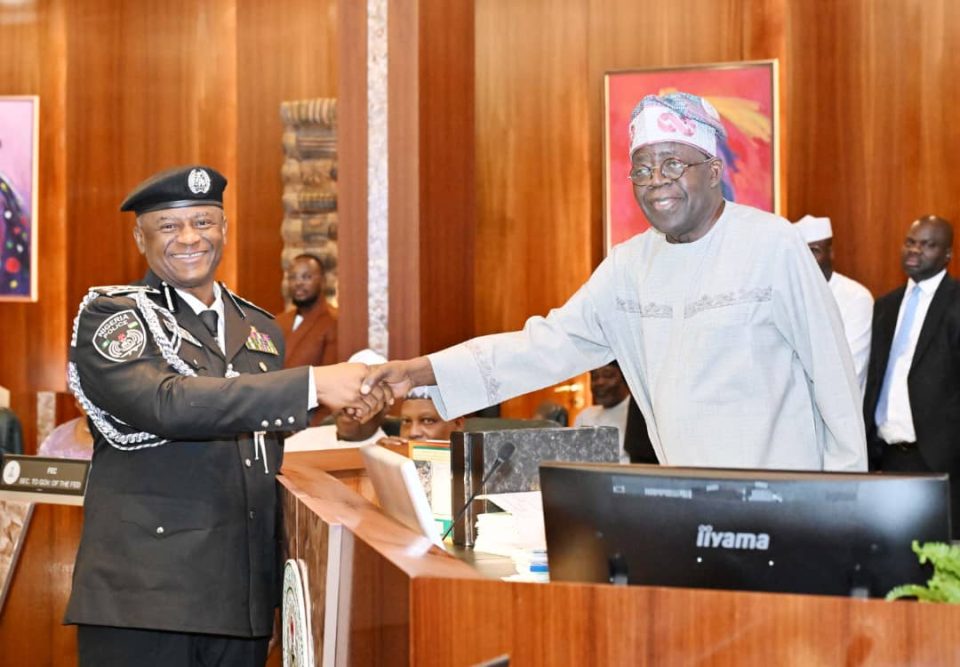
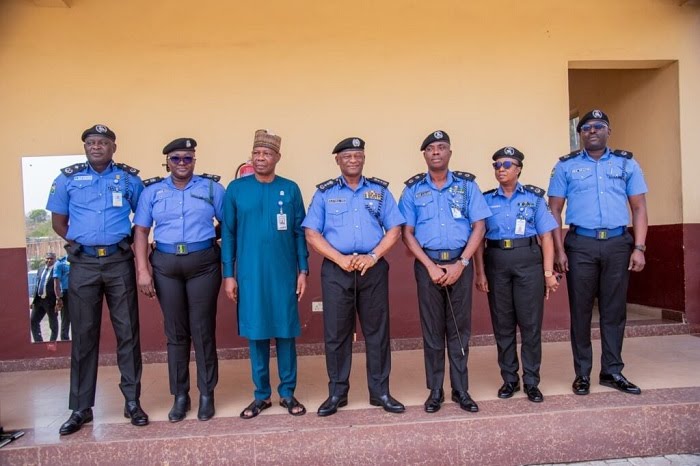
The Nigeria Police Force, Zone One Headquarters, Kano, has congratulated Deputy Commissioner of Police in charge of Finance and Administration, DCP Nazir Bello Kankarofi BL, psc, mni, on his elevation to the rank of Commissioner of Police. In a statement issued by the Zonal Police Public Relations Officer, CSP Bashir Muhammad, on behalf of the Assistant Inspector General of Police, the Zone described the promotion as well-deserved and a reflection of Kankarofi’s dedication, discipline, and outstanding service to the Force. The statement noted that DCP Kankarofi’s professionalism and commitment to duty had contributed immensely to the efficiency of Zone One operations, particularly in administrative and financial management. Read Also: PSC Appoints DIG, Elevates Kankarofi to CP, 481 Other Senior Officers While commending the Police Service Commission for recognizing his contributions, the Zone expressed confidence that Kankarofi would bring the same level of excellence and leadership to his new role. “The Zone One Headquarters congratulates him on this outstanding achievement and looks forward to his continued service to the Nigeria Police Force. Notice of his decoration will be announced soon,” the statement added. It further wished the newly promoted Commissioner continued success in his career and future endeavors.

Abuja, Kano, National, Politics

Even Out of Office, Ganduje Remains the Soul of APC — Party Loyalist

In Nigeria’s turbulent political landscape, where loyalty often fades with power, one name continues to echo with authority and resilience, Dr. Abdullahi Umar Ganduje, former Governor of Kano State and immediate past National Chairman of the All Progressives Congress (APC). Though no longer holding office, Ganduje’s political influence remains deeply woven into the fabric of Nigeria’s ruling party, shaping its internal structure, policies, and grassroots coordination. Political observers agree that Ganduje’s imprint on the APC is not one that time or transition can erase. His tenure as National Chairman was marked by unity-building, reconciliation, and the institutional strengthening of the party. Under his watch, the APC’s internal cohesion was restored after years of factional disputes that threatened its stability. Related: Tinubu, Ganduje Join Dignitaries at Uzodinma’s Book Launch in Imo He also initiated reforms that gave the party a policy direction including the creation of The Progressive Institute (TPI), a think tank designed to advance research, ideological development, and evidence-based policy formulation for the APC. Even as leadership has changed hands, Ganduje’s influence continues to resonate across party ranks. His ability to engage governors, legislators, and party executives with calm but firm diplomacy has earned him a reputation as one of the APC’s most pragmatic bridge-builders. When contacted for his perspective, Umar Idris Shuaibu, a Kano-based journalist and loyal APC member, described Dr. Ganduje as the “soul of the party,” emphasizing that his relevance goes beyond political office. Read Also: Ganduje Emerges as Rallying Point for Kano Appointees in Push for 2027 “Dr. Ganduje represents consistency in leadership, he is a man whose political strength lies not just in his position, but in his principles. Even after leaving office, his voice still carries weight across the APC because he built trust, nurtured loyalty, and delivered results. You can’t talk about the APC’s survival and stability today without mentioning Ganduje’s influence. His ability to unify divergent interests within the party and sustain dialogue between leaders across the states made him an indispensable figure in Nigeria’s ruling political structure.” He added: “What sets him apart is his calm but strategic leadership style, he listens, negotiates, and builds consensus without losing sight of the bigger picture. During his tenure as APC National Chairman, he demonstrated maturity by reconciling internal factions and prioritizing party unity over personal gain. He also engineered the formation of The Progressive Institute (TPI), the party’s policy think tank designed to guide ideological direction and policy formulation, a move that further institutionalized knowledge-driven governance within the APC. Even in Kano, where the APC is currently in opposition, the structure he built remains intact because he invested in people, not just politics.” Looking ahead to 2027, Shuaibu believes Ganduje’s strategic influence will continue to shape APC’s evolution. “As we look toward 2027, Ganduje’s imprint on the APC remains visible in the party’s internal coordination, communication strategy, and grassroots mobilization. Many of us who learned from his political school of thought have come to value patience, inclusion, and bridge-building. Personally, I’ve learned that leadership is not about titles but about legacy — and Ganduje’s legacy is one of endurance, loyalty, and political resilience. His name will continue to echo wherever the APC story is told.” Political analysts share a similar sentiment, noting that Ganduje’s style of leadership — rooted in discipline, strategic thinking, and conflict management — has continued to guide the APC through post-election challenges and governance realignments. His knack for political stability, particularly in bridging divides between federal and state party organs, remains one of his lasting legacies. In a political climate often dominated by fleeting loyalties and internal rivalries, Ganduje’s enduring relevance underscores a deeper truth about leadership — that true influence is not measured by the office one holds, but by the structures, ideas, and people one leaves behind. Even out of office, Dr. Abdullahi Umar Ganduje remains, to many within and outside the APC, the party’s moral compass, strategist, and unifying force, the man whose political architecture continues to sustain Nigeria’s ruling party in both storm and calm.

Abuja, National, News

Nigeria on Path to Prosperity, Says Tinubu in Independence Day Broadcast

President Bola Ahmed Tinubu, in his 65th Independence Anniversary broadcast on Wednesday, paid tribute to Nigeria’s founding fathers while defending his administration’s tough economic reforms. He admitted that Nigerians are “racing against time” to fix decades of underinvestment in power, roads, and infrastructure but assured that the country has “turned the corner” toward recovery. Tinubu pledged more support for youth, security, and social welfare, stressing his vision of a prosperous, self-reliant Nigeria. Read Also: Tinubu, Ganduje Join Dignitaries at Uzodinma’s Book Launch in Imo Runs Girls Must Pay Tax Like Every Other Service Provider – FG Kano Showcases Security Gains and Youth Rehabilitation at 65th Independence Anniversary The president honoured nationalist leaders like Nnamdi Azikiwe, Obafemi Awolowo, Ahmadu Bello, and Margaret Ekpo, reaffirming their dream of a prosperous and united nation. He highlighted progress since 1960, citing the growth of secondary schools from 120 to over 23,000 and tertiary institutions from two to more than 690. Acknowledging that his administration inherited a weak economy, Tinubu justified ending fuel subsidies and unifying the exchange rate system, explaining that the moves freed funds for education, healthcare, security, agriculture, and infrastructure. He pointed to early signs of recovery, including a 4.23% GDP growth in Q2 2025, the fastest in four years, inflation dropping to 20.12%, and external reserves rising to $42 billion. Non-oil revenue surpassed ₦20 trillion by August, while the debt service-to-revenue ratio fell from 97% to below 50%. On security, Tinubu commended the armed forces for gains against Boko Haram, IPOB/ESN, and banditry, saying peace has returned to many communities in the North-East and North-West. Youth empowerment also featured prominently in the speech. Programmes such as NELFUND, which has supported over 510,000 students with nearly ₦100 billion in loans, Credicorp loans for vehicles and housing, YouthCred for NYSC members, and the iDICE initiative for digital and creative industries were highlighted. The president further noted that over eight million households have benefitted from cash transfers under the social investment programme, while reforms have improved Nigeria’s global credit ratings and boosted investor confidence. Tinubu acknowledged that many Nigerians are facing hardship due to inflation and rising living costs but insisted reforms were necessary to prevent bankruptcy and secure the country’s future. He urged citizens to patronise made-in-Nigeria goods, pay taxes, and embrace productivity as part of nation-building. Closing his address, Tinubu expressed optimism: “The dawn of a new, prosperous, self-reliant Nigeria is here.”

Imo, News

Tinubu, Ganduje Join Dignitaries at Uzodinma’s Book Launch in Imo

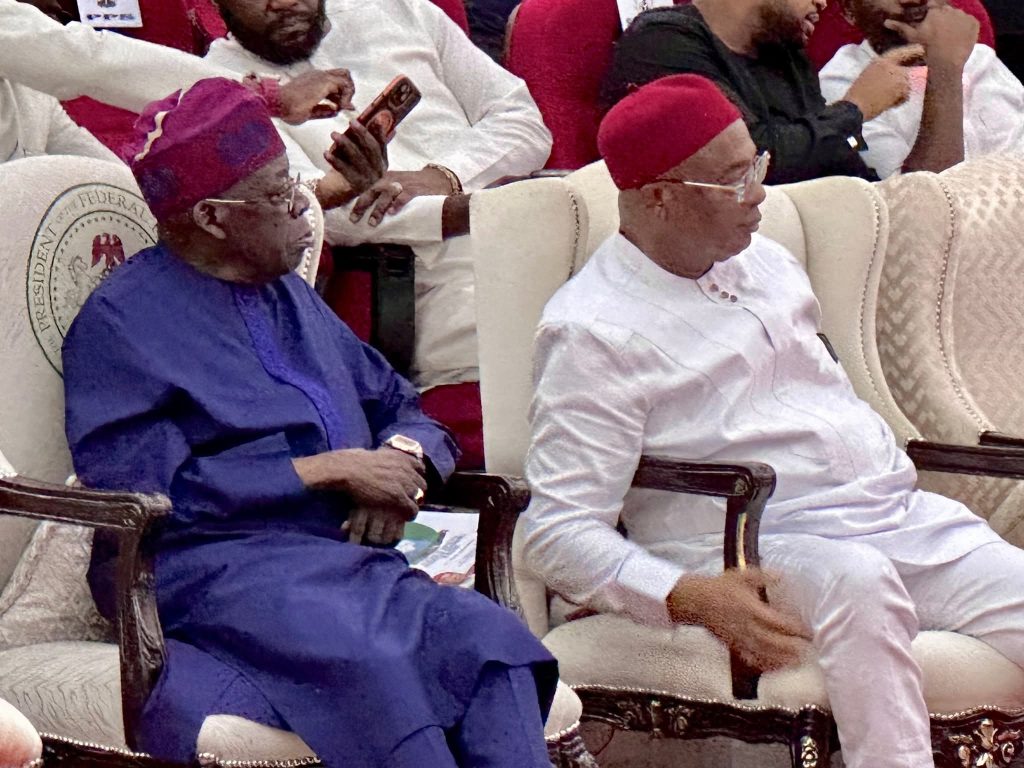
President Bola Ahmed Tinubu on Tuesday led a high-powered delegation to Imo State for the launch of a book authored by Governor Hope Uzodinma. The book, titled “A Decade of Impactful Progressive Governance in Nigeria,” was unveiled at the Late Emmanuel Iwuanyanwu International Conference Centre, Owerri. Read Also: ‘They Received More in Six Months Than I Did in Eight Years’ — Ganduje Blasts Yusuf Among the dignitaries in attendance were Senate President Godswill Akpabio, Speaker of the House of Representatives Rt. Hon. Tajudeen Abbas, Deputy Senate President Barau I. Jibrin, APC National Chairman Prof. Nentawe Yilwatda, former Governor of Kano State and immediate past APC Chairman Dr. Abdullahi Umar Ganduje CON, governors, federal lawmakers, traditional rulers, religious leaders, academics, and other stakeholders. In Owerri, schools and markets were closed as pupils, students, and party supporters lined major roads to welcome the president and other dignitaries. Despite an early morning downpour, residents turned out in large numbers to witness the historic occasion. Photo News:

Abuja, News, Politics

Photos: Ganduje Hosts Deputy Governors’ Forum, Visits Ex-Minister Gwarzo in Abuja

The immediate past National Chairman of the All Progressives Congress (APC) and former Governor of Kano State, Dr. Abdullahi Umar Ganduje, has continued a series of high-level political engagements in Abuja. Earlier, Ganduje received members of the Forum of Deputy Governors at his Asokoro residence. The delegation, led by Forum Chairman Charis Akomas, paid a courtesy call to the former governor in what was described as part of their ongoing consultations with national leaders. Read Also: Ganduje Hosts Former Kano LG Chairmen Ahead of 2027 Elections In a separate engagement, Ganduje also visited former Minister of State for Housing and Urban Development, Alhaji Abdullahi Tijjani Gwarzo, a seasoned politician who previously served as Deputy Governor of Kano State from 2007 to 2011 under Malam Ibrahim Shekarau. Gwarzo also held the position of Gwarzo Local Government Chairman before his ministerial appointment. Notably, the visit coincided with Gwarzo’s 65th birthday, which he marked on September 23, further adding warmth and significance to the occasion. Although details of the discussions at both meetings were not disclosed, the engagements underscore Ganduje’s continued influence and active role in fostering relationships with key political stakeholders at both state and national levels. The meetings come at a time when political consultations are intensifying ahead of the 2027 general elections, with Kano and Abuja once again serving as focal points of strategic alignments.

Abuja, News, Politics

INEC Declares Commencement of Campaigns for FCT Area Council Elections

The Independent National Electoral Commission (INEC) has announced the commencement of campaigns by political parties ahead of the Federal Capital Territory (FCT) Area Council elections scheduled for Saturday, February 21, 2026. According to the Commission, the decision is in line with Section 94(1) of the Electoral Act 2022 and Item 8 of the Timetable and Schedule of Activities for the elections. In a statement signed by Sam Olumekun, National Commissioner and Chairman of the Information and Voter Education Committee, INEC disclosed that political parties are now permitted to begin campaigns in public from Wednesday, September 24, 2025, and must conclude by midnight on Thursday, February 19, 2026. Read Also: FCT Minister of State Bunkure Pushes Women’s Economic Inclusion at UNGA80 Olumekun reminded political parties, candidates, and their supporters of the legal provisions guiding campaigns, stressing that the use of abusive language, violent attacks on opponents, or destruction of campaign materials remain unlawful under Sections 92 and 93 of the Electoral Act. He further noted that all parties and candidates must have equal and unhindered access to public facilities for rallies, outdoor advertising, and media campaigns. “For the avoidance of doubt, Section 95(2) of the Electoral Act 2022 prohibits the use of incumbency to the advantage or disadvantage of any party or candidate,” the statement added.

Abuja, Kano, National

Ganduje’s Dual Commitment to Education and Faith in Kano

It has been a week of contrasts for Dr. Abdullahi Umar Ganduje, the immediate past National Chairman of the All Progressives Congress (APC). In Kano, the former governor’s presence has been felt not only in the halls of academia but also in the quiet hum of prayer gatherings at his residence. Together, these moments sketch a portrait of a man whose influence continues to straddle education, faith, and community life. At the Amani Event Centre, the spotlight was firmly on Bayero University, Kano (BUK). It was a farewell to the outgoing Vice-Chancellor, Prof. Sagir Adamu Abbas, and a warm welcome for his successor, the 12th Vice-Chancellor, Prof. Haruna Musa. The ceremony, fittingly tagged “Grand Academic Salute: Celebrating Academic Excellence, Transformative Leadership and Legacies of Prof. Sagir Adamu Abbas, and Ushering in the 12th Vice-Chancellor, Prof. Haruna Musa,” was organized by Prof. Hafsat Abdullahi Umar Ganduje. Here, Ganduje spoke as a statesman, warning that governance suffers when leaders abandon projects midway. “Cancelling or abandoning existing projects and programmes weakens governance and slows progress,” he cautioned, his words drawing nods from scholars and dignitaries. By the evening’s end, Ganduje and his wife, Prof. Hafsat Ganduje, had been presented with honours for their contributions to education and their longstanding support for the university. Related: Abba Ganduje: Reshaping Kano’s Political Landscape Through Empowerment But just days later, the atmosphere shifted. At Muhammad Gauyama Hall, inside Ganduje’s Kano residence, the mood was deeply spiritual. Rows of clerics, community leaders, and faithful gathered as the Ganduje Foundation announced the conversion of 280 new Muslims — 202 women and 78 men. For the family-led Foundation, this was more than a statistic; it was the continuation of a legacy that blends faith with philanthropy. “We found many rural farmers who already shared our way of life but had not embraced Islam. Today, they are part of the faith, and we pray Allah keeps them steadfast,” Ganduje said, his voice carrying both pride and hope. To each convert, the Foundation offered a bag of fertilizer, clothing, a financial token, and Islamic books, alongside the promise of mentorship from its Da’awah team. For Ganduje’s daughters, Dr. Asiya of the North West Development Commission and Dr. Amina, the moment was personal. Both paid tribute to their father’s lifelong commitment to combining religious outreach with development projects — from mosque building to borehole drilling, from medical outreaches to community education. “This is what we grew up watching,” Asiya noted, calling it a tradition worth sustaining. Together, the two events captured Ganduje in full: the politician who speaks of continuity in governance, the community leader who prays for peace, and the philanthropist whose Foundation has recorded more than 45,000 conversions since its inception. For his admirers, these are the marks of a legacy built beyond politics. For his critics, they are reminders of the blurred lines between influence, faith, and power. Yet, whichever way one reads it, the story of Ganduje today is not just that of a former party chairman or governor. It is of a man standing firmly at the crossroads of academia, faith, and community, still shaping the narrative of Kano in his own way.

Feature, Kano, Politics

Abba Ganduje: Reshaping Kano’s Political Landscape Through Empowerment

In Kano’s turbulent political terrain, one name is steadily emerging as a force that cannot be ignored, Engr. Abba Ganduje. As Executive Director (Technical) of the Rural Electrification Agency (REA), appointed by President Bola Ahmed Tinubu, he is charting a new course for leadership in the state. Though he lost his 2023 election bid, Ganduje has turned that setback into an opportunity, proving that political influence is not defined solely by titles but by tangible impact. For many politicians, electoral defeat marks the end of their relevance. Ganduje, however, has taken a different path. Rather than retreat into obscurity, he has used the period after the polls to deepen his engagement with the grassroots. Through expansive empowerment programmes and development-focused interventions, he has crafted a new narrative, one of resilience, service, and reinvention. His empowerment initiative stands out as one of the most ambitious in Kano’s recent history. More than 7,000 beneficiaries have been supported with resources that cut across multiple sectors. Motorcycles have been distributed to aid mobility and small-scale businesses, while sewing machines have been provided to support artisans. Farmers have received fertilizers and bags of rice, alongside irrigation tools and grading equipment designed to boost agricultural productivity. These interventions go beyond political tokenism; they have directly revived businesses, created new income streams, and offered hope to families across the state. Related: Jiwa Emirate Confers Traditional Title on Ganduje’s Grandson Yet Ganduje’s work is not confined to handouts. His vision extends to education, where he has sponsored students, provided learning materials, and offered financial aid to underprivileged youths. In healthcare, he has directed support to rural health centres, ensuring that communities with limited access to medical services can receive treatment. Infrastructure development has also been part of his agenda, with road grading projects and irrigation schemes designed to stimulate economic activity in rural areas. His emphasis on youth and women’s empowerment through vocational training and skills acquisition has further cemented his image as a leader committed to tackling unemployment and uplifting households. These initiatives are quietly sparking what some describe as a grassroots economic revival. They have positioned Ganduje not just as a politician, but as a problem-solver whose interventions address immediate needs while laying foundations for long-term community development. His growing influence is amplified by the current political climate. The ruling NNPP administration in Kano is facing increasing criticism over unfulfilled promises and declining credibility. In contrast, Ganduje’s hands-on projects present a compelling alternative. Where the government is perceived to have fallen short, his actions speak of competence, vision, and responsiveness. This contrast has fueled a reversal of roles: while those in office are losing ground, the man outside government is gaining momentum. Read Also: FCT Minister Flags Off Reconstruction of Karu Road Ganduje’s political rise is no longer defined by his 2023 electoral loss but by the strength of his resurgence. His appeal rests not only on his family name but on his own record of service. By impacting thousands through empowerment, healthcare, education, and agriculture, he is shaping a legacy that stands independently of his father’s. For many in Kano, he is becoming a symbol of leadership rooted in action rather than rhetoric. The implications of his growing popularity are significant. In today’s Kano politics, it is nearly impossible to discuss the future without mentioning his name. His empowerment revolution is reshaping political expectations, showing that service can be a more powerful tool than slogans. Should his momentum continue, Kano and perhaps Nigeria as a whole may soon witness the full rise of a leader whose influence extends far beyond his current role. Engr. Abba Ganduje has demonstrated that political defeat need not be final. With persistence, vision, and a focus on people, it can become the beginning of a new journey. In the eyes of many across Kano, that journey has already begun and it is only gaining speed. Umar Idris Shuaibu is a journalist and public affairs analyst from Kano.

Agriculture, National, News, Zamfara

Lawal Umar Maradun Appointed Manager, Corporate Affairs at NAIC

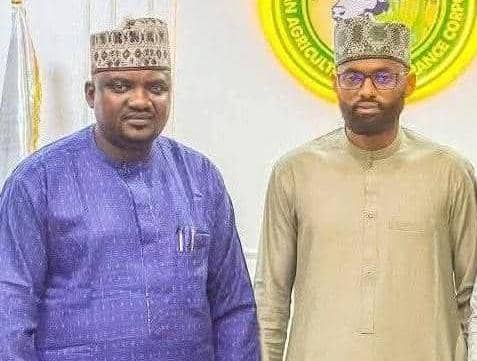
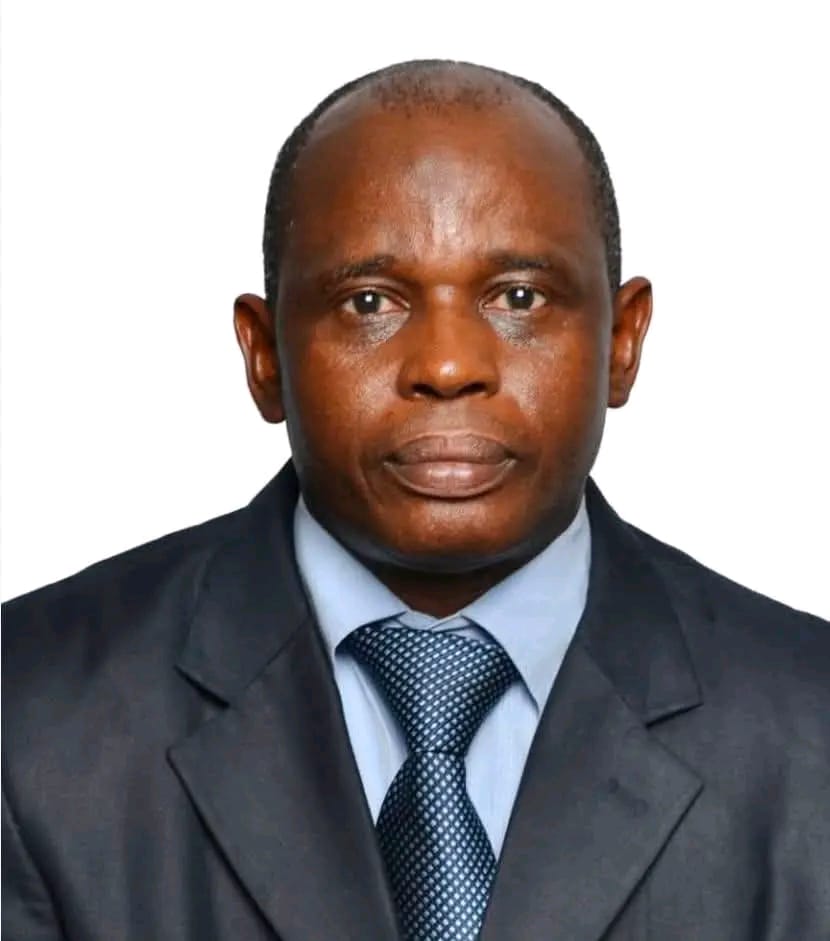
The Nigerian Agricultural Insurance Corporation (NAIC) has announced the appointment of Dr. Lawal Umar Maradun as its new Manager, Corporate Affairs. Dr. Maradun, a seasoned public relations practitioner with nearly two decades of experience in public service and academia, formally assumed his new role at the corporation’s headquarters in Abuja. In a message of appreciation, Dr. Maradun expressed gratitude to the Managing Director/CEO of NAIC, Hon. Yazeed Shehu Danfulani, for the trust and confidence reposed in him. He also acknowledged the support of the Honourable Minister of State for Defence, Dr. Bello Matawalle, MON (Matawallen Maradun, Shettiman Sokoto), and the Distinguished Senator representing Zamfara West, H.E. Abdul’aziz Yari Abubakar, Marafan Sokoto. Read Also: Ministry of Livestock Commissions 2,000-Litre Milk Collection Centre in Bauchi “I am excited about the opportunity to contribute more meaningfully to the organisation’s strategic objectives, strengthen our corporate communications, enhance stakeholder engagement, and further project the image of NAIC positively,” Dr. Maradun said. He also reflected on his career journey, noting the professional foundation built during his years at Usmanu Danfodiyo University, Sokoto, Zamfara State University, Mafara, and Abdu Gusau Polytechnic, Mafara. Dr. Maradun pledged to bring dedication, integrity, and commitment to excellence to his new role, while working with the NAIC management team to build on the achievements of the corporation. The Nigerian Agricultural Insurance Corporation (NAIC) is a federal government-owned institution established in 1987 to provide agricultural insurance services. Its mandate is to safeguard farmers against losses from natural disasters such as drought, flood, and pests, while also encouraging greater investment in agriculture. By protecting farmers and agribusinesses from risks, NAIC plays a vital role in strengthening food security and supporting national agricultural development.

Scroll to Top