The Historica Nigeria

Profile

Feature, National, Profile

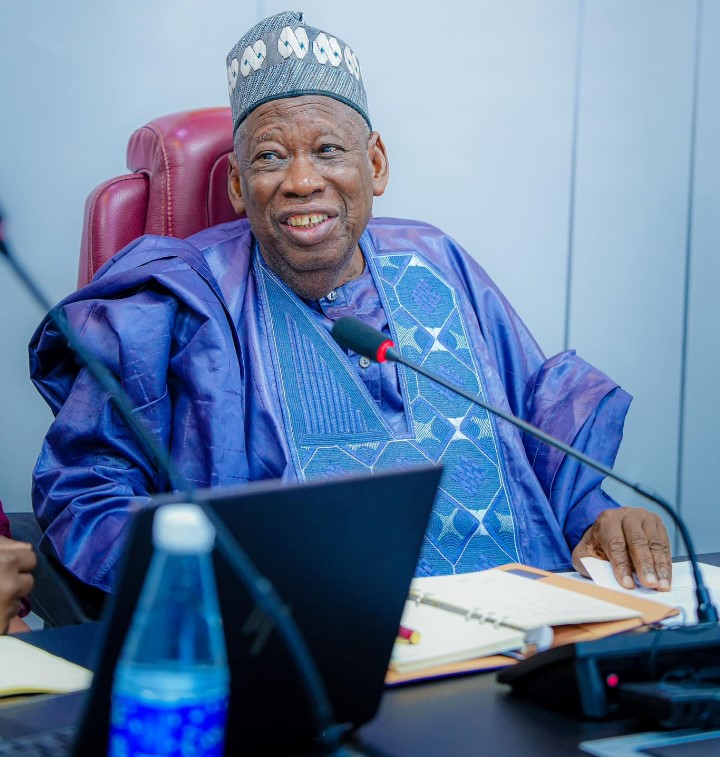
Dr. Abdullahi Umar Ganduje: Encomiums for a Leader Defined by Service and Simplicity

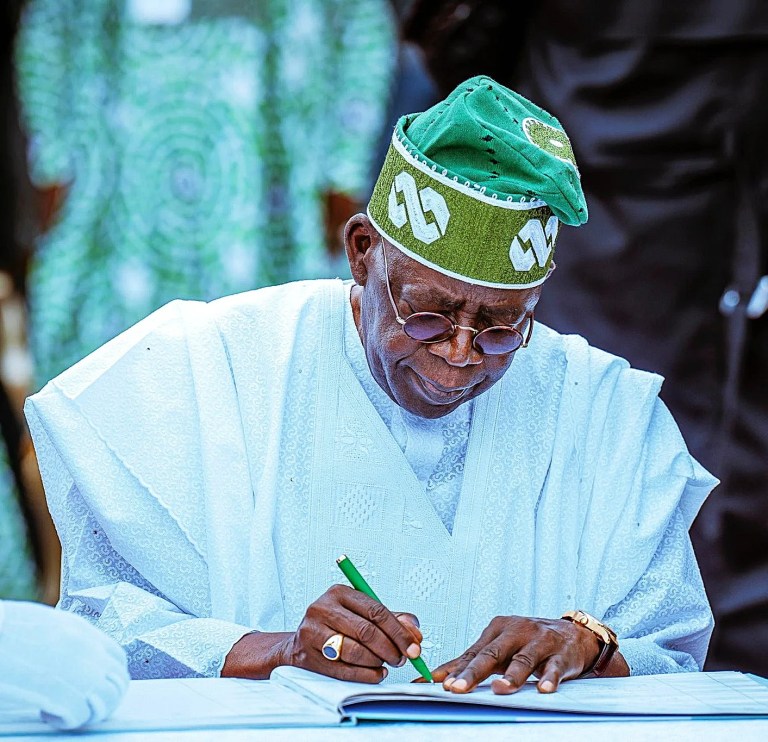
By Umar Idris Shuaibu, Kano In public life, tributes are often delayed until the curtain falls. Yet, there are leaders whose journeys deserve recognition while their voices are still heard, their counsel still sought, and their influence still shaping events. Dr. Abdullahi Umar Ganduje, the immediate past National Chairman of the All Progressives Congress (APC) and Chairperson of the Board of the Federal Airports Authority of Nigeria (FAAN), belongs to this category of statesmen whose service invites timely reflection and deserved encomiums. Dr. Ganduje’s career reflects a blend of learning, discipline, and administrative depth. His experiences across academia, public service, governance, and party politics have positioned him as a repository of institutional memory and practical leadership. Over the years, he has consistently demonstrated that leadership is not merely about occupying office, but about applying knowledge, patience, and foresight to complex challenges. As Governor of Kano State, his administration pursued infrastructural expansion, educational development, healthcare improvement, and rural inclusion. Particular attention was given to communities often overlooked in policy execution, including farmers, herders, and rural dwellers. These efforts earned him encomiums for recognising that governance must be inclusive to be sustainable. One policy initiative that remains significant was the Artificial Insemination training programme that took selected Fulani youths to Turkey in 2015. Designed to modernise livestock production and enhance economic empowerment, the programme reflected a forward-looking approach to agriculture and conflict prevention. Read Also: At 76, Ganduje’s Journey Reflects Service, Leadership and a Life Dedicated to Humanity It was through this programme that my own path crossed with Dr. Ganduje. Being selected as one of the Fulani trainees created an opportunity for close interaction with him beyond official protocols. Through that engagement, I encountered a leader whose gentlemanship, accessibility, and interest in human development left a lasting impression. That experience contributed meaningfully to shaping my life, outlook, and sense of responsibility. Like myself, many individuals across different sectors continue to benefit from his wealth of experience and guidance. His exposure to public administration and academia has given him perspectives that extend beyond politics into the broader understanding of leadership, resilience, and purposeful living. Among the qualities that consistently attract encomiums is his simplicity. Those who work closely with him often attest that proximity deepens admiration rather than diminishing it. Despite his status, he remains approachable, respectful, and humane. He listens carefully and does not hesitate to apologise when necessary, regardless of age or hierarchy. In personal interactions, he relates with warmth and humour. Younger associates often engage with him freely, sometimes joking with him like a grandfather. This ease of relationship, rare among public figures of his stature, reinforces his reputation as a leader who values people as much as positions. At the national political level, his tenure as APC National Chairman further underscored his relevance and strategic importance. He provided stability and coordination during a critical period for the party, drawing encomiums for political balance, experience, and organisational discipline. His influence continues to be felt within the APC and across the broader political landscape. Today, Dr. Ganduje remains an active figure in national affairs, offering experience, counsel, and leadership where needed. This tribute is therefore not an adieu, but a recognition of a journey still unfolding — one marked by service, humility, and enduring relevance. As Nigeria navigates evolving political and socio-economic realities, leaders who combine competence with character remain invaluable. Dr. Abdullahi Umar Ganduje stands as a reminder that authority can coexist with simplicity, and that true leadership is measured not only by offices held, but by lives impacted and values sustained.

Feature, National, Profile

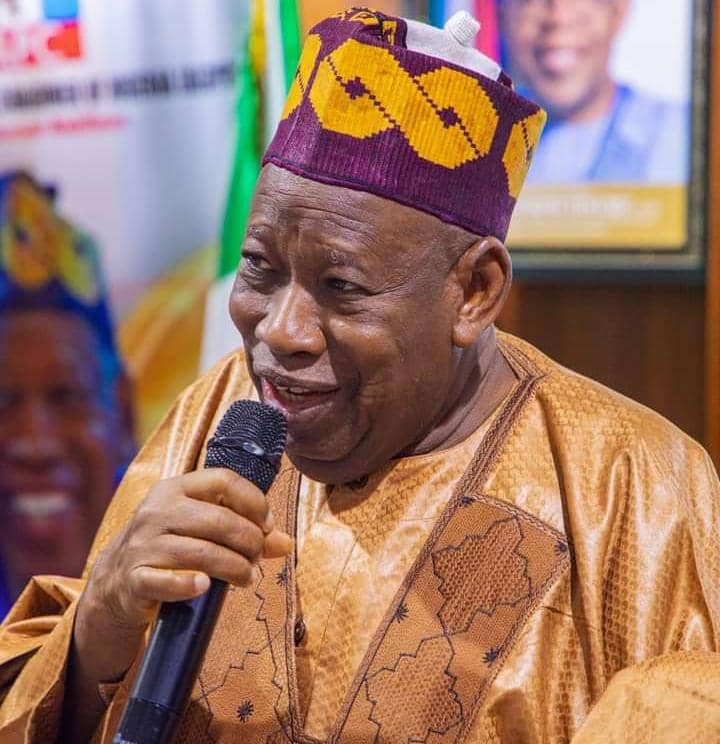
At 76, Ganduje’s Journey Reflects Service, Leadership and a Life Dedicated to Humanity

By Umar Idris Shuaibu, Kano As Dr. Abdullahi Umar Ganduje marks his 76th birthday on December 25, the milestone offers an opportunity to reflect on a life defined by public service, leadership, and a sustained commitment to societal development. Born in 1949, Ganduje’s personal story has remained deeply intertwined with the political, social, and institutional evolution of Kano State and Nigeria at large. From his early years, Ganduje demonstrated an inclination toward learning, discipline, and public engagement values that would later shape his approach to governance and leadership. His academic grounding and administrative exposure prepared him for a steady climb through public service, culminating in his election as Governor of Kano State in 2015, a position he held for two consecutive terms until 2023. As governor, Ganduje pursued policies aimed at infrastructure renewal, education reform, healthcare expansion, and rural development. His administration undertook extensive road construction across urban and rural Kano, revived moribund projects, and invested in education through school rehabilitation and scholarship schemes. Beyond physical infrastructure, his government initiated social interventions targeted at women, youths, and vulnerable groups, seeking to balance economic growth with social stability. One of the defining moments of Ganduje’s leadership was his engagement with complex security and socio-economic challenges, particularly the herders–farmers conflict. His administration explored unconventional solutions, including structured settlements, livestock development programmes, and engagement with traditional institutions—efforts that later informed national conversations on livestock management and rural security. Related: Ganduje Graces Historic Installation of Seyi Tinubu in Oyo Who is Afraid of Dr. Abdullahi Umar Ganduje? Ex-Kano LG Chairmen Endorse Tinubu, Align With Ganduje’s Leadership in APC Following his tenure as governor, Ganduje transitioned to national party leadership, serving as the immediate past National Chairman of the All Progressives Congress (APC). In that role, he presided over a politically sensitive period, working to manage internal party realignments, electoral strategies, and reconciliation efforts across states. His leadership style during this phase reflected years of political experience, negotiation, and institutional understanding. In July 2025, Ganduje’s public service journey took another turn with his appointment as Chairperson of the Board of the Federal Airports Authority of Nigeria (FAAN). The role placed him at the heart of Nigeria’s aviation governance, where his administrative experience is expected to contribute to policy direction, institutional oversight, and infrastructural repositioning of the aviation sector. Parallel to his official roles, Ganduje has continued to express his commitment to humanity through the Ganduje Foundation. The foundation has supported educational initiatives, religious institutions, youth empowerment programmes, and humanitarian interventions, reinforcing his belief that leadership extends beyond office and into community impact. At 76, Ganduje’s life reflects more than political longevity; it represents a continuum of service shaped by experience, responsibility, and adaptation to changing national realities. For supporters, he remains a symbol of structured governance and strategic leadership; for observers, his journey offers lessons on resilience and relevance in Nigeria’s dynamic political environment. As he celebrates another year on December 25, Dr. Abdullahi Umar Ganduje stands as a figure whose years have been defined not merely by age, but by contributions—marked by public duty, institutional service, and a continuing engagement with the aspirations of society. His story, still unfolding, remains inseparable from the political and social narrative of Kano State and Nigeria.

Feature, Kaduna, Profile

Lere: A Historic Fulani Settlement and Cultural Crossroads in Kaduna

Umar Idris Shuaibu, Kano Lere Local Government Area, located in Kaduna State, stands as one of the most historically significant Fulani-founded settlements in Northern Nigeria. With its roots deeply embedded in pre-colonial West African history, Lere represents a convergence of migration, scholarship, jihad-era politics, and resilient traditional institutions. Geographically positioned at latitude 10°39′ North and longitude 8°57′ East, Lere serves as the headquarters of the Lere Emirate, while Saminaka functions as the administrative headquarters of the local government. Covering about 2,634 square kilometres, the LGA shares boundaries with Kauru and Kubau LGAs in Kaduna State, Doguwa LGA in Kano State, Toro LGA in Bauchi State, and Bassa LGA in Plateau State. Population figures place Lere among the most populous LGAs in Northern Kaduna. While the 2006 census recorded around 338,740 residents, projections by the National Population Commission and National Bureau of Statistics estimated the population at over 458,000 by 2016, reflecting steady growth driven by agriculture, trade, and migration.   Climate, Economy and Social Life Lere experiences a tropical wet-and-dry savannah climate, characterised by a long dry season and moderate rainfall. Annual temperatures average about 27.8°C, making the area suitable for farming, livestock rearing, and small-scale commercial activities. The local economy is largely agrarian, complemented by livestock production and vibrant local markets. Read Also: Birnin Kudu: An Ancient Settlement With a Modern National Footprint Why Science College Dawakin Kudu Remains a Pride of Kano’s Educational Heritage Kano State Polytechnic Takes Step Toward University-Affiliated PGD Programmes The local government area is subdivided into eleven wards, including Lere, Saminaka, Kudaru, Lazuru, Kayarda, Dan Alhaji, Garu Mariri, Sabon Birni, Abadawa, Raminkura and Gure-Kahugu. These districts reflect the cultural and linguistic diversity of the area.   A Mosaic of Peoples and Languages Lere is home to numerous ethno-linguistic groups such as Amawa, Kurama, Hausa, Fulani, Gure-Kahu and Igbo communities, making the area a true mosaic of cultures in Northern Kaduna. Among these communities, the Fulani of Lere town often referred to as the Fulani Wunti, occupy a central place in the area’s historical narrative.   Fulani Origins and the Founding of Lere Oral traditions and historical accounts trace the ancestry of Lere’s Fulani founders to the ancient Takrur region of present-day Mauritania and Senegambia. From there, they migrated through Futa Toro and the Senegal River Valley before settling in Timbuktu, where they played notable roles in Islamic scholarship and governance during the Songhai Empire. Following the Moroccan invasion of Songhai in 1591, members of the Torodbe Fulani lineage dispersed across the Sahel, eventually moving into present-day Niger, Burkina Faso, and Northern Nigeria. By the late 18th century, this lineage under the leadership of Malam Muhammadu Dabo Titi, had established a strong presence in the Bauchi–Zaria area. The name “Lere” itself is believed to derive either from a Fulbe term meaning “a permanent settlement” or from the name of a daughter of Muhammadu Dabo Titi, reflecting both cultural symbolism and oral tradition. Jihad Era and the Birth of the Lere Emirate During the Sokoto Jihad led by Shehu Usman Dan Fodio in the early 19th century, Malam Muhammadu Dabo Titi supported Malam Yakubu, the first Emir of Bauchi. Political disagreements later prompted Dabo Titi to seek allegiance under Zazzau (present-day Zaria), leading to the formal establishment of Lere as a vassal state in 1808. Lere’s territory once extended across parts of present-day Bauchi, Plateau, and Kano states, and the emirate held a unique status among Zazzau’s vassal states, symbolised by its right to possess multiple royal drums, an emblem of authority and prestige.   Colonial Disruption and Traditional Resilience British colonial administration in the early 20th century dismantled the vassalage system, reducing Lere to district status and fracturing its territorial reach. Despite this, its traditional leadership survived through hereditary heads and local governance structures. Lere’s institution underwent significant restoration from the late 20th century. In 1986, the area’s district headship was restored to its original Fulani lineage. Later, in 2001, the traditional stool was upgraded to a Third Class Chiefdom and was further elevated to Second Class status in 2007. Following the death of Emir Umaru Mohammed in 2011, Brigadier General Abubakar Garba Mohammed (retd), a former military governor of Sokoto State, was installed as the 13th Emir of Lere, reinforcing the area’s traditional and cultural prominence.   Leadership and Political Representation Lere continues to play an important role in both local and national politics. It is represented at the federal level in the House of Representatives by Hon. Munir Ahmed Mohammed, who advocates for the interests of the area in Nigeria’s national legislature. At the state level, Munira Sulaiman Taninu serves as the House of Assembly Member representing Lere, bringing grassroots perspectives into the Kaduna State Assembly. These leaders are part of a growing generation of elected officials working to ensure that Lere’s voice is heard in legislative and developmental arenas.   Lere Today Today, Lere stands as a symbol of historical continuity, cultural diversity and political participation in northern Nigeria. Urban growth in areas like Saminaka, expanding healthcare facilities, and diverse economic activities reflect a community that honours its heritage while embracing modern aspirations. Notable personalities from Lere include former federal lawmaker Saudatu Sani and local government chairman Honourable Jafaru Ahmad, among others who have contributed to public service and community leadership. Lere’s story is not merely that of a town or a local government, it is a living chronicle of migration, faith, leadership and resilience spanning centuries of West African history.

Jigawa, Profile

Birnin Kudu: An Ancient Settlement With a Modern National Footprint

By Umar Idris Shuaibu Birnin Kudu, in the southern part of Jigawa State, occupies a unique place in northern Nigeria’s historical and cultural landscape. As the most populous local government area in the state, with over 419,800 residents, the town combines ancient civilisation, educational excellence and enduring administrative relevance. Long before colonial rule, Birnin Kudu had emerged as a centre of human settlement, a legacy preserved in its ancient rock paintings and drawings found on surrounding hills. These artworks, believed by scholars to date back more than two thousand years, offer rare evidence of early human life and artistic expression in the region. Under British administration, Birnin Kudu served as a Native Authority headquarters, reinforcing its political importance. That legacy continues today, with the town functioning as the headquarters of Birnin Kudu Local Government Area and a key hub in Jigawa State’s governance structure. A defining pillar of the town’s influence is Government College Birnin Kudu, one of the oldest secondary schools in northern Nigeria. Over the decades, the institution has produced an extraordinary list of leaders who have shaped Nigeria’s political, economic, military and traditional institutions. Among them are former Kano State governors Abubakar Rimi, Dr. Abdullahi Umar Ganduje and Senator Kabiru Ibrahim Gaya; former Jigawa State governors Sule Lamido and Ali Sa’ad Birnin Kudu; business icon Aliko Dangote; the 15th Emir of Kano, Aminu Ado Bayero; and the Emir of Rano, Dr. Tafida Abubakar Ila. The alumni list also includes senior military officers, veteran journalists, technocrats and policymakers whose influence spans generations. Read Also: Ganduje Foundation Backs BIKOBA Alumni as Jigawa Govt Leads Birnin Kudu College Renovation Beyond education and politics, Birnin Kudu plays an important role in public service delivery within Jigawa State. The town hosts strategic institutions such as the Federal Medical Centre, the state pharmacy, the Farm Centre and several health and professional training colleges, making it a service hub for surrounding communities. While residents often note that infrastructure development has not always matched the town’s historical stature and human capital output, Birnin Kudu remains resilient and relevant. Its people continue to draw strength from a shared heritage that blends tradition, learning and public service. Climatically, the town reflects the Sahelian character of northern Nigeria, with hot and dusty conditions and temperatures ranging roughly between 55°F and 103°F during the year. Yet, these environmental challenges have not diminished its long-standing appeal as a centre of settlement and scholarship. Today, Birnin Kudu stands as a symbol of continuity, a town where ancient rock art tells stories of early civilisation, classrooms nurture national leaders, and history remains deeply woven into everyday life. As Jigawa State looks to the future, Birnin Kudu’s past and present continue to mark it as a place of lasting significance in Nigeria’s national story.

Kaduna, National, Profile

Lt. A.M. Yerima: Young Navy Officer Rising to National Attention

Lieutenant A.M. Yerima of the Nigerian Navy has emerged as a standout figure following a public confrontation on 11 November 2025 with the Nyesom Wike, Minister of the Federal Capital Territory Administration (FCTA), over a disputed parcel of land in Gaduwa District, Abuja. Born on 20 July 1992 in Kaduna State, Abuja’s northern neighbour, Yerima initially studied Mass Communication at Ahmadu Bello University (ABU) in Zaria before enrolling at the Nigerian Defence Academy (NDA) in Kaduna for his military training. After his commissioning into the Nigerian Navy, he served aboard the NNS Kada and joined the elite Special Boat Service—the Navy’s special operations unit. He also participated in international exercises, such as Exercise Flintlock 2018 in Agadez, Niger. Read Also: Badaru Backs Military, Vows Protection for Officers on Lawful Duty Amid Wike–Navy Clash Colleagues and observers describe Lt. Yerima as disciplined, calm under pressure, and unwavering in his commitment to following lawful orders. His response during the viral face-off — “I am a commissioned officer, acting on orders” — resonated widely and made him a symbol of professionalism in uniform. As he continues his service with the Navy, Lt Yerima’s rising profile presents a case study in how young officers can navigate both operational duty and public scrutiny—while upholding the core values of discipline, duty, and respect for civilian and military authority alike.

Kano, National, News, Profile

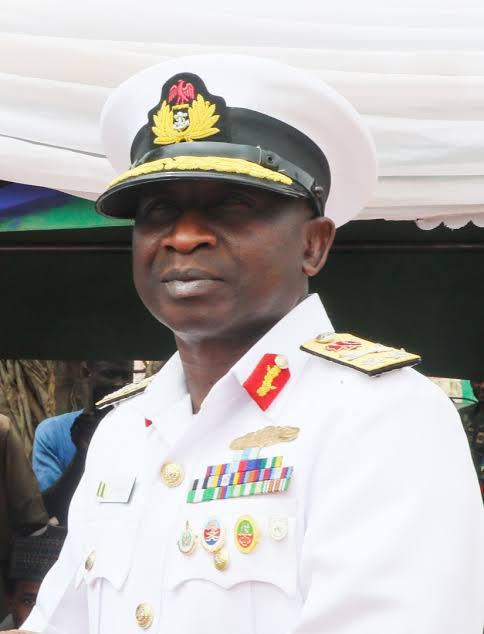
Meet Rear Admiral Idi Abbas From Kano, Nigeria’s New Chief of Naval Staff

Rear Admiral Idi Abbas, a native of Tudun Maliki in Kano State, has been appointed as Nigeria’s new Chief of Naval Staff by President Bola Ahmed Tinubu, marking a significant move in the ongoing effort to strengthen national security and maritime operations. Abbas brings to the role a distinguished military career rooted in operational excellence, strategic leadership, and maritime security expertise. With years of active service in the Nigerian Navy, he has played key roles in combating oil theft, curbing illegal bunkering, and enhancing coastal surveillance across the country’s waterways. Before his elevation, Rear Admiral Abbas served as the Flag Officer Commanding, Central Naval Command, Yenagoa, where he led decisive operations against oil theft, pipeline vandalism, and other maritime crimes in the Niger Delta region. His leadership was instrumental in improving naval presence and response capability within Nigeria’s territorial waters. Read Also: Meet Air Vice Marshal Sunday Kelvin Aneke, Nigeria’s New Chief of Air Staff Maj. Gen. Waidi Shaibu: A Seasoned Commander Taking Charge of the Nigerian Army Wike Appoints Acting Head of Service for FCT Administration He also previously held the position of Chief Staff Officer at the Central Naval Command, where he coordinated naval operations, logistics, and administrative reforms that strengthened the command’s operational readiness. In addition to his field experience, Rear Admiral Abbas has a strong academic and research background. He served as a Senior Research Fellow at the Nigerian Army Heritage Centre, contributing to maritime policy formulation and national security strategy development. Known among his peers for discipline, foresight, and commitment to duty, Rear Admiral Idi Abbas is expected to bring renewed vigour to Nigeria’s maritime defence and help advance the Federal Government’s vision of a safer and more secure blue economy.

National, Profile

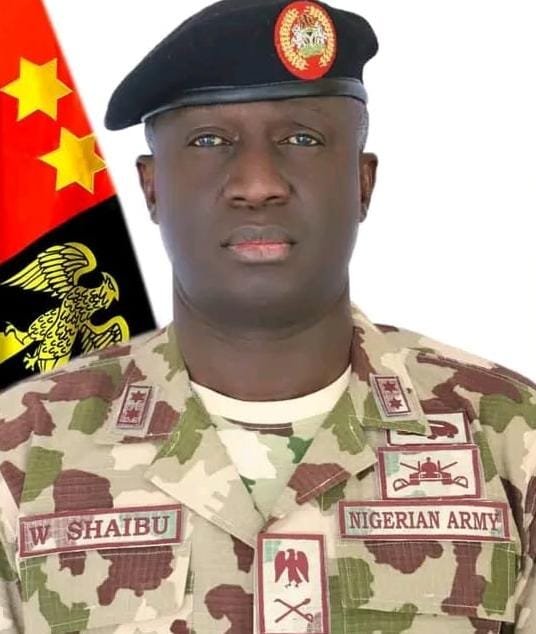
Maj. Gen. Waidi Shaibu: A Seasoned Commander Taking Charge of the Nigerian Army

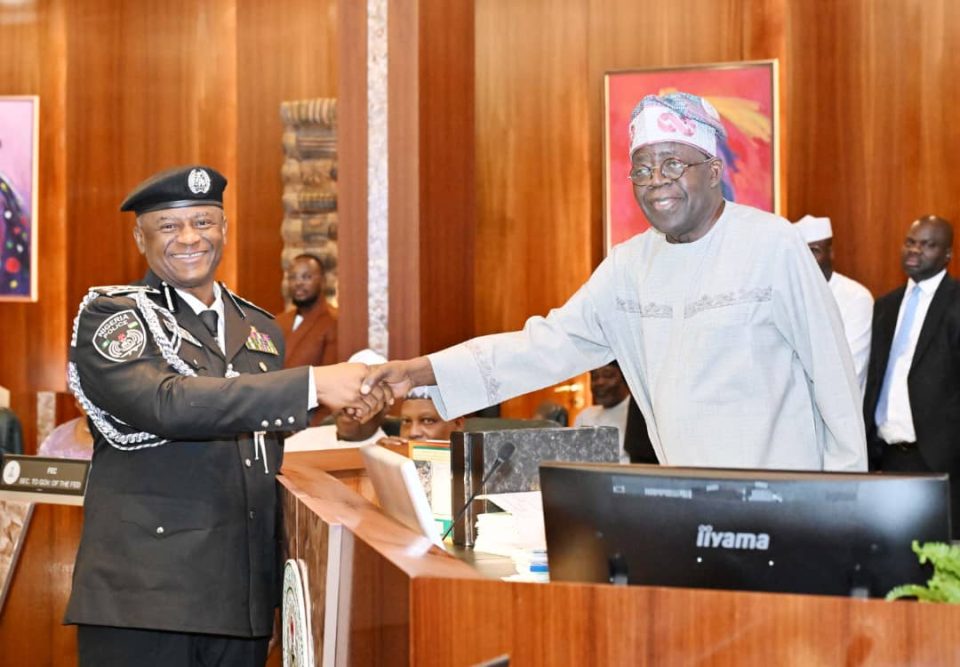
Major General Waidi Shaibu, a highly decorated and strategic officer of the Nigerian Army, has emerged as one of the country’s most distinguished military leaders following his appointment as the new Chief of Army Staff. Before his recent elevation, General Shaibu served as the Theatre Commander of Operation HADIN KAI, where he led decisive counter-terrorism and counter-insurgency operations in Nigeria’s Northeast. Under his command, the military recorded remarkable achievements, including the neutralisation of over 567 terrorists, recovery of 492 weapons and 10,714 rounds of ammunition, as well as the rescue of more than 2,225 civilians from terrorist enclaves. His leadership also disrupted terrorist command and communication networks, significantly weakening the operational capabilities of insurgent groups in the region. Read Also: Meet Air Vice Marshal Sunday Kelvin Aneke, Nigeria’s New Chief of Air Staff Tinubu Appoints New Service Chiefs in Major Military Reshuffle Reps Move to Establish Nigeria Police Pension Board, End PenCom Control In April 2025, following his successful tenure in the Northeast, General Shaibu was redeployed to the Defence Space Agency in Abuja — a posting that underscored his strategic insight and technical expertise in modern defence systems. Throughout his career, General Shaibu has held several key command and academic positions, including Theatre Commander of Operation HADIN KAI, where he led joint military operations against insurgents in the Northeast; General Officer Commanding 7 Division, where he oversaw tactical operations and coordination of Sector 1 activities; and Deputy Commandant and Director of Studies at the National Defence College, Abuja, where he contributed to advanced defence education and strategic training. His exceptional service has earned him numerous commendations, including the Operation ADINKRA Medal for outstanding leadership in theatre operations. He also strengthened inter-agency collaboration with other security outfits such as the Nigeria Immigration Service, fostering enhanced national security coordination. General Shaibu is known for his community-focused approach to peacebuilding, having engaged traditional rulers such as the Shehu of Borno to foster grassroots cooperation for regional stability. He has also championed continuous training within the military, including the launch of the Counter-Terrorism Practitioner Course, aimed at enhancing operational efficiency and professionalism among troops. With his appointment as Chief of Army Staff, Major General Waidi Shaibu is expected to bring renewed discipline, innovation, and commitment to the Nigerian Army’s mission of protecting national sovereignty and ensuring peace across the country.

National, News, Profile

Meet Air Vice Marshal Sunday Kelvin Aneke, Nigeria’s New Chief of Air Staff

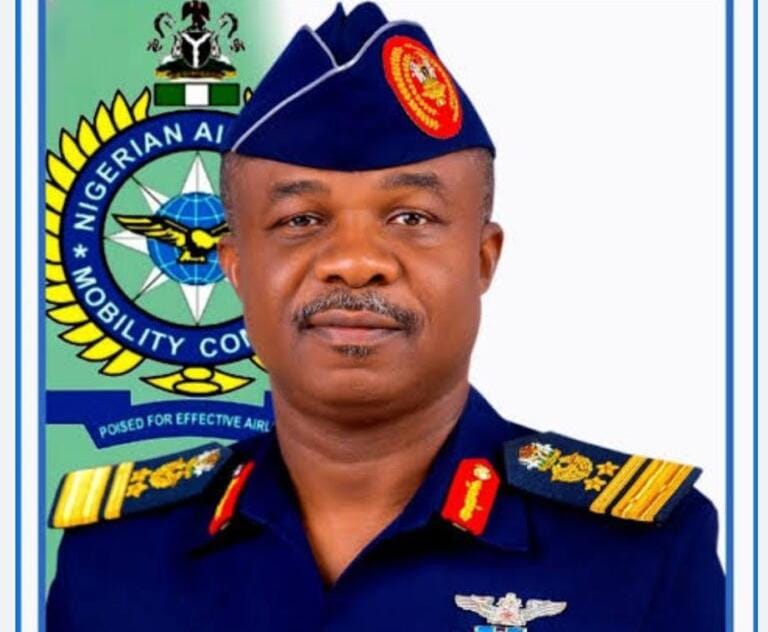
President Bola Ahmed Tinubu has approved the appointment of Air Vice Marshal (AVM) Sunday Kelvin Aneke as Nigeria’s new Chief of Air Staff, following a major leadership reshuffle in the Armed Forces. Born on February 20, 1972, in Makurdi, Benue State, and hailing from Udi Local Government Area of Enugu State, AVM Aneke brings over three decades of distinguished service marked by discipline, professionalism, and strategic vision. He joined the Nigerian Defence Academy on September 10, 1988, as part of the 40th Regular Course and was commissioned as a Pilot Officer on September 10, 1993. Over the years, he has served in key operational, administrative, and leadership roles across the Air Force. Read Also: Tinubu Appoints New Service Chiefs in Major Military Reshuffle Before his appointment, he was the Air Officer Commanding, Mobility Command, where he oversaw critical air operations and logistics. His career also includes notable stints at the Air Force Headquarters and various command training institutions. Aneke is one of the most academically accomplished officers in the Nigerian Air Force. He holds a B.Sc. in Physics, a Post-Graduate Diploma in Management from the University of Calabar, and multiple Master’s degrees, including International Affairs and Diplomacy (Ahmadu Bello University), Political Economy and Development Studies (University of Abuja), and Strategic Studies from the U.S. Air War College, Air University, Montgomery, Alabama. He has also completed several professional and flying courses locally and internationally, including at the U.S. Air Force-Air University. With his appointment, AVM Aneke is expected to bring renewed strategic direction, innovation, and operational efficiency to the Nigerian Air Force under the Tinubu administration.

Kano, Profile

Umar Idris Shuaibu: The Journalist Redefining Culture, Ethics, and Public Service in Nigeria

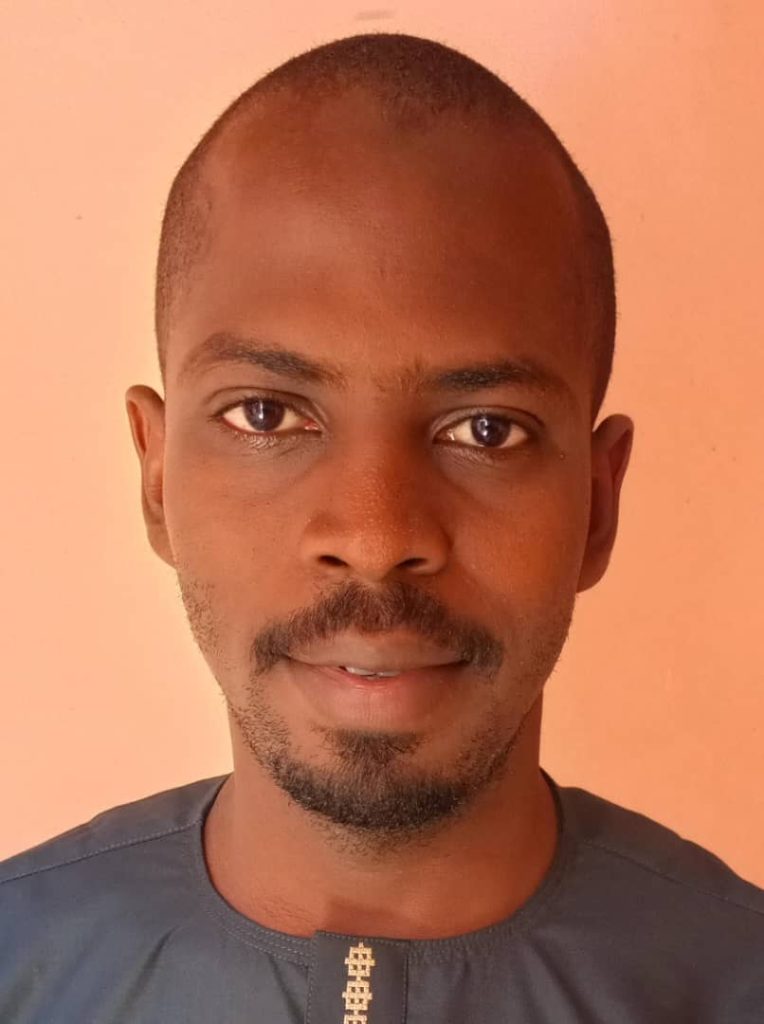
Umar Idris Shuaibu is a Nigerian journalist, publisher, and public administrator widely recognized for his commitment to ethics and cultural values in journalism. He is the Founder, CEO, and Publisher of The Historica Nigeria — an online newspaper platform dedicated to history, culture, and contemporary issues across Northern Nigeria and beyond. Early Career in Journalism Shuaibu began his journalism journey with Freedom Radio, Kano, before joining Daily News 24, where he authored several insightful feature stories, including: “Consumer Rights Day: How Experts Strategize to Tackle Plastic Pollution in Kano” “Traders Strike Suspension: A Look at the Prices of Onions in the North, South” “Why Premarital Tests, Counselling Is Making News in Kano” “Demand-Push Inflation: Outrage as Cement Price Hits N5,500 in Kano” He later joined Premier Radio before transitioning into public service. His works have appeared in leading national media outlets such as The Punch, Naija News, Legit.ng, and Peoples Pen 24, where he is often quoted for his political analysis and commentary — particularly on the political legacy of Dr. Abdullahi Umar Ganduje, the immediate past National Chairman of the All Progressives Congress (APC) and current Chairperson of the Board of the Federal Airports Authority of Nigeria (FAAN). Read Also: Fixing the Forgotten Crisis: Solutions to Nigeria’s Herders-Farmers Conflict One of his notable features, “North Will Stand By Tinubu in 2027 – Ganduje’s Aide,” published by Arewa PUNCH, captured his insights on the North’s political alignment and APC’s future in the region. Public Service and Digital Innovation Until October 2025, Umar Idris Shuaibu served at Kano State Investment and Properties Limited (KSIP), where he combined administrative expertise with communication skills. He founded and managed KSIP’s first official website — a landmark innovation that enhanced transparency and improved public access to information on the company’s activities. He officially resigned from KSIP on October 27, 2025, citing the increasing politicization of the civil service and the erosion of merit-based career progression. He described the situation as a threat to the professionalism and integrity of Nigeria’s public institutions. Despite leaving public office, Shuaibu remains a strong advocate for administrative reform, transparency, and good governance. Publishing and Media Advocacy Through The Historica Nigeria, Shuaibu promotes journalism rooted in objectivity, cultural awareness, and responsible storytelling. The platform features a wide range of editorial content, including history, culture, politics, and local and international news. He has written extensively on the Fulani people in his weekend feature series, “Fulani: Story of a People,” which delves into their heritage, economy, and the complex roots of the herders–farmers conflict in Nigeria. Education and Professional Development Umar Idris Shuaibu began his education at Science College, Dawakin Kudu, Kano, where he built a strong foundation in the sciences. He later obtained a Diploma in Mass Communication, an Advanced Diploma in Public Administration, a Higher National Diploma (HND) in Public Administration, and a Postgraduate Diploma (PGD) in Public Administration and Human Resource Management. His academic and professional growth reflects a deep commitment to building effective institutions through media transparency, ethical reporting, and disciplined administration. Recognition and Professional Involvement He was honoured with the Proudly Northerners Award by Daily News 24 in recognition of his journalistic contribution to Northern Nigeria’s development discourse. Philosophy Umar Idris Shuaibu believes journalism must uphold truth, fairness, and integrity while preserving Nigeria’s cultural heritage. His ultimate goal is to establish The Historica Nigeria as both a platform of credible journalism and a legacy for future generations of reporters devoted to ethical storytelling and national development.

Kano, Profile

Gawuna’s Journey From Kano Politics to National Service

Former Kano State Deputy Governor, Dr. Nasiru Yusuf Gawuna, is steadily carving out a role on the national stage, building on his long career in grassroots and state-level leadership. In January 2025, President Bola Ahmed Tinubu appointed him Chairman of the Board of the Federal Mortgage Bank of Nigeria (FMBN), placing him at the heart of the country’s housing finance system. The role entrusts him with steering policies aimed at making affordable housing more accessible to Nigerians. This followed his earlier appointment in 2024 as Chairman of the Governing Council of Bayero University, Kano (BUK), one of Nigeria’s foremost higher institutions. However, in a recent adjustment, President Tinubu named Air Vice Marshal Saddiq Ismaila Kaita (Rtd.) as BUK’s new Pro-Chancellor and Governing Council Chairman. The move frees Gawuna to concentrate fully on his responsibilities at FMBN. Read Also: Ganduje Foundation Expands Community Outreach With New Mosques, Schools in Kano Gawuna’s journey reflects decades of steady public service. Born on August 6, 1967, in Kano, he began his education at Gawuna Primary School in 1973, moved on to Government Secondary School, Gwaram, and later Science College, Dawakin Kudu, before earning a degree in Biochemistry from Usmanu Danfodiyo University, Sokoto, in 1990. His professional career started at the National Electoral Commission, where he worked as an Assistant Electoral Officer between 1992 and 1994. He later joined the Kano State Hospital Management Board as a Laboratory Technologist, before moving into frontline politics. Over the years, he served as Chairman of Nasarawa Local Government Area, Kano State Commissioner for Agriculture, Chairman of the State Task Force on COVID-19, and eventually as Deputy Governor of Kano State. Now at the Federal Mortgage Bank of Nigeria, Gawuna’s task is clear: to draw from his wealth of administrative and political experience to strengthen the bank’s operations and expand opportunities for affordable homeownership. His shift from education governance to housing finance underscores not just his versatility, but also his growing national profile as a leader committed to policies that directly affect people’s lives. Umar Idris Shuaibu is a digital journalist and public affairs analyst. He can be reached at shuaibuumaridris@gmail.com.

Scroll to Top