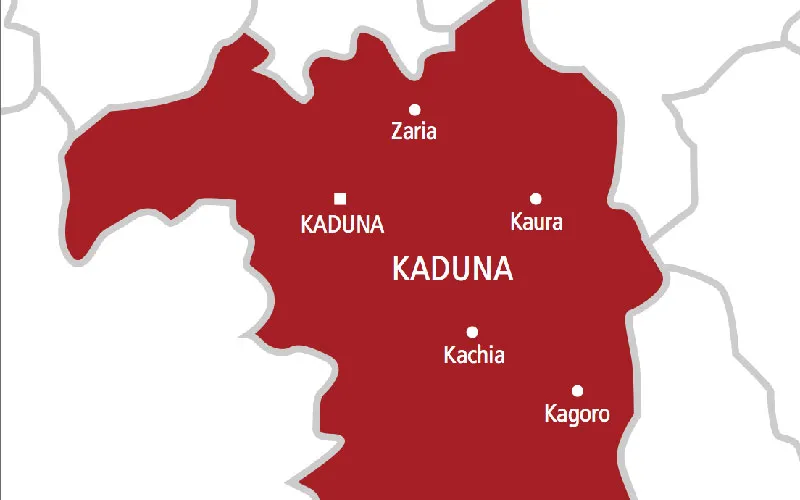









Once upon a time, the reddish-brown soils of Southern Kaduna stretching through Kachia, Jaba, Kagarko, Jere, Kwoi, Kagoro, Kafanchan, and extending into parts of Nasarawa and Plateau States, were symbols of pride and prosperity. In these lands, ginger was more than a crop; it was a culture, an inheritance, and a lifeline that defined entire communities. For decades, Nigeria ranked among the world’s top producers of ginger, with farmers from this region supplying industries from Lagos to London. The spice’s rich aroma and high oil content made it a global export brand and a source of economic pride. Today, that legacy stands on the brink of extinction. What began as an effort to “improve” local production has turned into a quiet war fought not with bullets, but with seeds, chemicals, and dependency disguised as aid. When “Aid” Becomes a Curse In the late 2010s, international development agencies, including USAID, launched a “ginger quality enhancement” programme across Kaduna State. The initiative promised higher yields through the distribution of hybrid seeds and foreign agrochemicals designed to boost export quality. At first, optimism filled the air. Farmers embraced the programme with hope for a better future. But within a few planting seasons, disaster struck. Related: Fixing the Forgotten Crisis: Solutions to Nigeria’s Herders-Farmers Conflict By 2023, a devastating fungal outbreak, Proxipyricularia zingiberis had wiped out more than 90 percent of the harvest across the ginger-producing belts. From Kachia to Jaba, farmlands that once flourished turned into barren fields. Leaves turned yellow, rhizomes rotted underground, and the region’s agricultural pride vanished almost overnight. Read Also: Beyond the Headlines: The Untold Truth behind Nigeria’s Herders-Farmers Clashes “I planted the seeds they gave us,” recalls Ibrahim Musa, a lifelong farmer from Kagarko. “The next year, everything died. They said it would help us and now we have nothing.” A bag of ginger that once sold for ₦50,000 now costs between ₦700,000 and ₦800,000 if it can even be found. Local ginger, once Nigeria’s golden spice, has been replaced in the market by bland imports from Asia. What was meant to be assistance has become a curse. Economic Sabotage in Slow Motion The collapse of ginger production has unleashed far-reaching economic consequences. Ginger was not just a cash crop; it was a livelihood that supported tens of thousands of households and powered an informal export chain worth billions of naira. Today, entire communities have been thrown into hardship. Farmers have abandoned their fields, youths have migrated to cities, and families are trapped in cycles of debt. Some have turned to maize, beans, or millet that is less profitable but safer crops. Government officials now speak of “crop rotation,” “organic regeneration,” and “disease surveillance.” But many wonder where that urgency was when the crisis began. Why was there no investigation into the imported seeds and chemicals? Why did no one take responsibility for the collapse of an entire agricultural ecosystem? What was supposed to be development assistance now appears to have crippled one of Nigeria’s most valuable export commodities. Aid or Dependency? The Kaduna ginger tragedy exposes a deeper problem, the blind faith in foreign “aid” models that erode local resilience. When Nigerian farmers cannot plant without imported seeds, when our soils depend on foreign fertilizers, and when local varieties are replaced by hybrids that destroy biodiversity, then our sovereignty is under threat. Not all aid is altruistic. Sometimes, it is dependency disguised as development, a subtle form of control that keeps nations perpetually reliant on external “assistance.” The North’s Struggle: Soil, Seed, and Survival Across northern Nigeria, the collapse of ginger is part of a wider tragedy. Banditry and kidnappings have driven farmers off their lands. Herders can no longer move cattle freely. Rural markets have grown silent. Food insecurity deepens as violence, environmental degradation, and misguided aid policies combine to weaken local resilience. From Kachia to Kafanchan, once-bustling farmlands now lie in silence, overrun by weeds. Every hectare lost whether to disease, chemicals, or insecurity which is a blow to Nigeria’s agricultural backbone and to its food security. “This is not coincidence,” said a local agricultural analyst Harande Isa in Zonkwa. “Destroy the soil, scatter the herds, close the roads then a proud people become dependent. That’s how control begins.” A History Worth Defending Ginger farming has deep roots in northern Nigeria’s history. During the colonial era, the British recognized the exceptional quality of Kaduna’s ginger and integrated it into export routes through the railway network to Lagos. By the 1980s and 1990s, the Kachia-Jaba axis had become the heartbeat of West Africa’s ginger trade, producing some of the world’s most potent varieties. The industry financed education, built homes, and sustained families for generations. Must Read: Food Waivers Threaten Northern Agriculture, Says Wali Today, that golden heritage faces extinction under the weight of poor policies, weak regulation, and foreign dependency. The Lesson The ginger crisis is not just about a crop but about control, sovereignty, and survival. Food security is not only the ability to eat but the freedom to grow what sustains a nation. If Nigeria cannot protect its farmers, its soil, and its markets, then no amount of imported aid will save it. For the North, what our state Governors need to focus on is protecting the soil is as vital as defending the borders. The real war is not fought only with guns and bombs, but with seeds, policies, and silence. Because the truth is simple, the war is already here. And it is being fought in our farmlands, in our markets, and in our hunger.