The Historica Nigeria

Abuja

Abuja, Kano, National, News

15% Ad-Valorem Import Duty on Petrol and Diesel: Balancing Protectionism and Public Interest

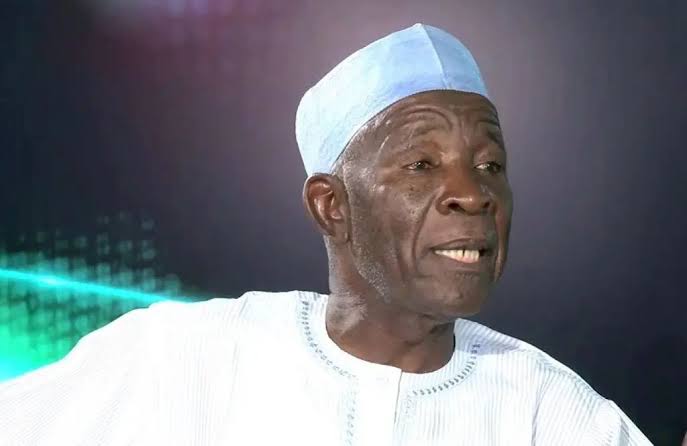
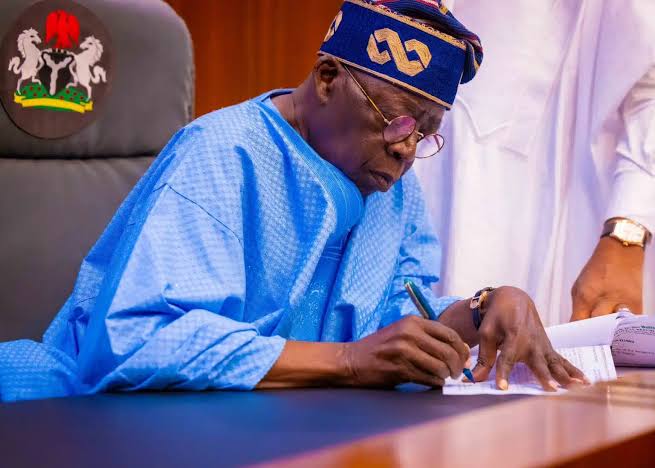
Veteran Labour Leader and Member of the National Institute (mni), Comrade Mustapha Nuhu Wali, has commended the Federal Government’s introduction of a 15 percent ad-valorem import duty on petrol and diesel, describing it as a strategic policy geared toward promoting local refining, industrial protection, and long-term national development. In a statement issued on Friday and made available to newsmen, Wali noted that the policy, approved by President Bola Ahmed Tinubu, represents a deliberate economic shift aimed at reducing Nigeria’s overdependence on imported refined petroleum products while boosting domestic production capacity. According to him, the measure — which places a value-based import tax on refined fuels — is expected to protect investments in local refineries such as the Dangote Refinery and the NNPCL’s rehabilitated plants, ensuring they remain viable and competitive in the Nigerian market. Read Also: Fuel Import Duty Hikes: Tinubu Approves 15% Ad-Valorem Tariff Food Waivers Threaten Northern Agriculture, Says Wali The Green Imperative Is Not Just a Federal Government Project — It Is a Lifeline for Northern Nigeria’s Agricultural Future Comrade Wali, however, cautioned that while the policy is sound from an industrial and fiscal perspective, its implementation must be carefully managed to prevent a disproportionate burden on ordinary Nigerians and small-scale enterprises. “In the short term, consumers and small businesses may experience slight increases in fuel costs, but the long-term benefits far outweigh these temporary challenges. The policy will stabilize fuel prices, reduce pressure on foreign exchange, and create sustainable jobs through increased domestic refining,” Wali stated. He explained that the 15% ad-valorem duty aligns with protectionist economic strategies adopted by countries seeking to industrialize and strengthen internal value chains. Wali emphasized that effective oversight and transparency are crucial for the success of the policy. “Government must ensure that the policy is implemented with fairness and accountability, balancing the interests of local investors with the welfare of the general public,” he said. The labour veteran urged the Federal Government to accompany the measure with social protection programs to cushion the impact on low-income households and transport-dependent sectors. He further noted that the policy, if sustained, could mark a turning point in Nigeria’s quest for energy security and economic self-reliance. “This initiative is a bold step toward achieving energy independence and reviving industrial growth. It’s a signal that Nigeria is ready to take control of its economic destiny,” Wali added. The introduction of the 15% ad-valorem duty forms part of broader fiscal and industrial reforms aimed at repositioning Nigeria’s downstream oil and gas sector for competitiveness, investment, and long-term stability.

Abuja, National, News

Photos: Senate Confirms President Tinubu’s New Service Chiefs After Security Screening

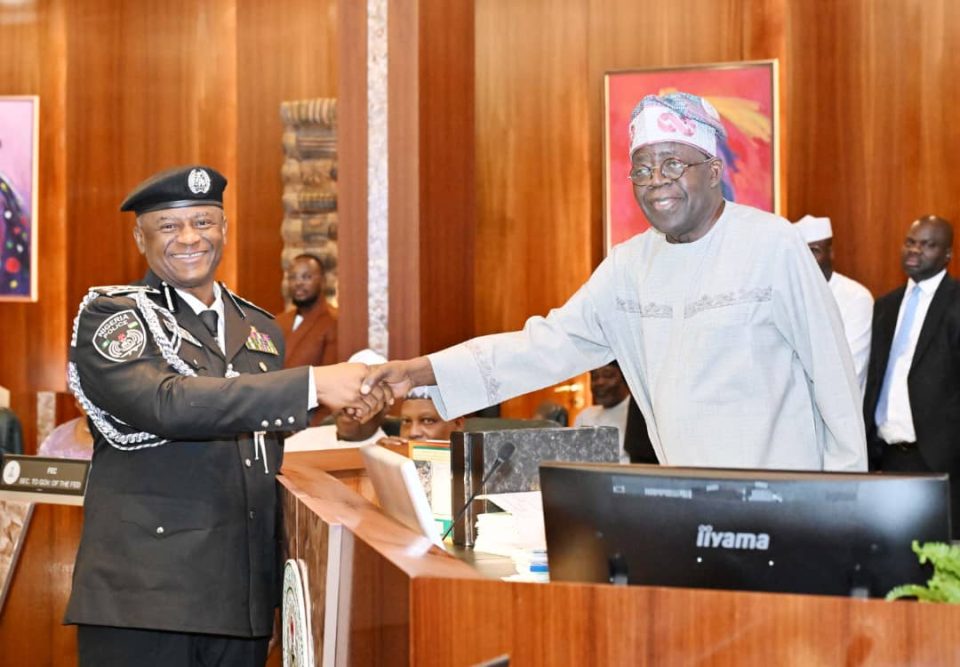
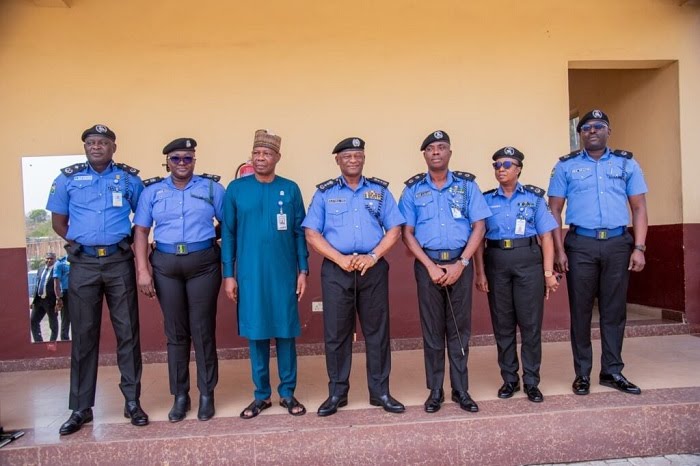
The Nigerian Senate has screened and confirmed the new Service Chiefs appointed by President Bola Ahmed Tinubu, marking a major step in the administration’s ongoing efforts to strengthen national security and improve coordination among the armed forces. The confirmed Service Chiefs include General Olufemi Oluyede as Chief of Defence Staff, Major-General Waheedi Shaibu as Chief of Army Staff, Air Vice Marshal Kennedy Aneke as Chief of Air Staff, and Rear Admiral Idi Abbas as Chief of Naval Staff. President Tinubu’s letter requesting their confirmation was read by Senate President Godswill Akpabio during Tuesday’s plenary, urging lawmakers to give “expeditious consideration” to the nominees. According to the Presidency, the appointments form part of a strategic realignment designed to deepen professionalism, boost morale, and enhance inter-agency cooperation in tackling security challenges across the country. Read Also: Meet Rear Admiral Idi Abbas From Kano, Nigeria’s New Chief of Naval Staff Maj. Gen. Waidi Shaibu: A Seasoned Commander Taking Charge of the Nigerian Army Meet Air Vice Marshal Sunday Kelvin Aneke, Nigeria’s New Chief of Air Staff The Service Chiefs, accompanied by senior military officers, arrived at the National Assembly Complex at about 10:00 a.m. for the screening, which was conducted under tight security. Senators held both open and closed sessions to assess the nominees’ qualifications and readiness for the roles. Presiding over the session, Senate President Godswill Akpabio described the process as a constitutional responsibility aimed at ensuring that only the most competent and patriotic officers are entrusted with protecting the nation. “The screening is part of our constitutional duty. It is aimed at ensuring that only the most competent and patriotic officers are entrusted with safeguarding the nation. There is no need to ask them too many questions because we will be having a closed-door session with them,” Akpabio said. Deputy Senate President, Senator Jibrin Barau, urged the nominees to remain loyal to the President and the Constitution, stressing that discipline and unity of command are key to achieving national security objectives. “We urge all the nominees to be loyal to the Commander-in-Chief and loyal to our Constitution. This is the underpinning in service—loyalty. We are confident that, with your commitment and the zeal of Mr. President, total security will be achieved,” Barau stated. During the screening, the nominees pledged their readiness to serve the country with dedication and professionalism. Air Vice Marshal Kennedy Aneke, the new Chief of Air Staff, said: “As the Chief of Air Staff, my duties are clear—to secure the lives, liberties, and aspirations of Nigerians through the power of air operations, in collaboration with my colleagues in the military and other security agencies.” Following the interactive session, the Senate moved into a closed-door meeting in line with parliamentary tradition to discuss sensitive security matters before officially confirming the nominees. It would be recalled that President Tinubu had met with the new military leaders on Monday, where they reportedly discussed current security challenges ahead of their formal assumption of duty. On October 24, President Tinubu approved a shake-up in the nation’s military hierarchy, appointing General Olufemi Oluyede as Chief of Defence Staff to replace General Christopher Musa. Major-General Waheedi Shaibu was named Chief of Army Staff, Air Vice Marshal Kennedy Aneke as Chief of Air Staff, and Rear Admiral Idi Abbas as Chief of Naval Staff. Major General Emmanuel Undiendeye retained his position as Chief of Defence Intelligence. With the Senate’s confirmation, the new Service Chiefs are now expected to immediately assume office and drive forward the President’s agenda for a safer and more secure Nigeria.

Abuja, Feature, National, Politics

Inside Ganduje’s Political Blueprint That Keeps Strengthening APC Nationwide

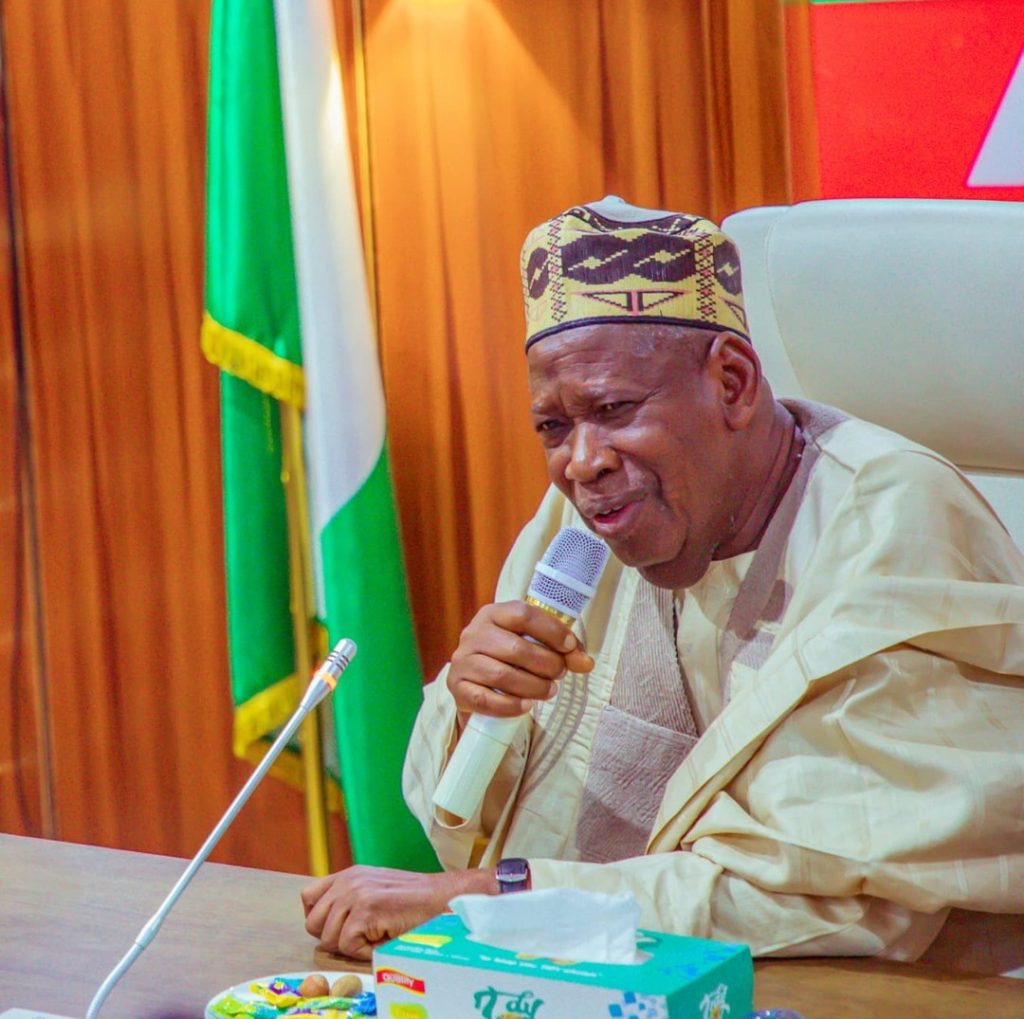
Nigeria’s current political landscape is witnessing a remarkable shift — one that analysts say bears the unmistakable imprint of Dr. Abdullahi Umar Ganduje, the immediate past National Chairman of the All Progressives Congress (APC) and Chairperson of the Board of the Federal Airports Authority of Nigeria (FAAN). The recent declaration by Taraba State Governor, Dr. Agbu Kefas, to defect from the Peoples Democratic Party (PDP) to the ruling APC has stirred national debate. But beyond the headlines lies a deeper narrative — one tied to the strategic groundwork Ganduje laid during his tenure as the APC’s helmsman. Under Ganduje’s leadership, the APC experienced one of its most stable and strategic organizational phases. He did not merely lead a political party — he built a political machinery grounded in policy, ideological clarity, and institutional discipline. Related: Political Realignment: Taraba’s Kefas Eyes APC for Greater Federal Inclusion Ganduje rebuilt APC from crisis to dominance APC Consolidates Strength Across Nigeria Ahead of 2027 Elections During his time as National Chairman, Ganduje consolidated the party’s internal unity, oversaw the resolution of lingering intra-party crises, and strengthened relationships between national and subnational leaders. This renewed cohesion, experts argue, is what has now positioned the APC as the dominant force attracting governors, legislators, and party stalwarts from the opposition. Dr. Ganduje’s tenure also recorded significant electoral victories across key states. His ability to bridge divides among stakeholders and sustain dialogue between federal and state party structures contributed immensely to the APC’s successes in off-season and by-elections. It was a tenure marked by strategic negotiation, inclusivity, and political foresight. Perhaps his most enduring contribution to Nigeria’s political space was the establishment of the Progressive Institute — a think tank envisioned as the party’s policy, research, and ideological center. The institute was designed not only to strengthen the APC’s internal policy framework but also to serve as a national policy incubation hub, focusing on governance, public administration, and development strategy. According to political observers, the Progressive Institute has become a quiet powerhouse, producing policy recommendations, conducting political risk assessments, and providing intellectual depth to party reforms. “It is one of Ganduje’s most transformative legacies,” noted a senior party insider, “because it ensures that the APC’s political agenda is backed by research and evidence.” This long-term institutional thinking explains why, today, the APC remains the natural destination for defecting governors and influential politicians. The party’s dominance, structure, and strategic stability — all nurtured under Ganduje’s leadership — have created a gravitational pull too strong for many to resist. Even as he left office as National Chairman, Ganduje’s imprint remains visible in the party’s growing influence. His philosophy of “progressivism with discipline” continues to guide internal decisions, while his diplomatic approach to inter-party dialogue still shapes the tone of Nigeria’s political engagement. Governor Agbu Kefas’s defection, and similar moves from other state leaders, reflect the continuing legacy of Ganduje’s groundwork — a legacy rooted in inclusiveness, strategy, and ideological conviction. As Nigeria inches closer to the next electoral cycle, one thing remains clear: the Ganduje effect is far from over. The structures he built, the alliances he nurtured, and the policies he institutionalized have redefined Nigeria’s political map and strengthened the APC’s position as the party of national cohesion. In the words of a Kano-based political analyst, “What Ganduje did for the APC was not just to lead it — he engineered a system. And that system is now producing results long after he has left the stage.”

Abuja, National, News

Tinubu Forwards List of New Service Chiefs to Senate for Screening

President Bola Ahmed Tinubu has written to the Senate, seeking the screening and confirmation of the newly appointed Service Chiefs. The request was contained in a formal letter read on the floor of the Senate on Tuesday by Senate President Godswill Akpabio. According to the correspondence, the nominees include General Olufemi Oluyede as Chief of Defence Staff, Major-General Waheedi Shaibu as Chief of Army Staff, Rear Admiral Idi Abbas as Chief of Naval Staff, Air Vice Marshal Kennedy Aneke as Chief of Air Staff, and Major-General Emmanuel Undiendeye as Chief of Defence Intelligence. Read Also: Niger Delta Leaders Push Jonathan to Support Tinubu Following the reading of the letter, Senate President Akpabio directed that the nominees be referred to the Committee of the Whole for screening and possible confirmation next week. President Tinubu had earlier, on Monday, met with the newly appointed Service Chiefs behind closed doors at the Presidential Villa, Abuja. Further details on the screening process are expected in the coming days.

Abuja, Kano, National, Politics

Ganduje’s Era: The Golden Years of Infrastructure in Kano

By Umar Idris Shuaibu, Kano In the history of Kano State’s development, few leaders have left a legacy as profound and visible as Dr. Abdullahi Umar Ganduje, CON, the immediate past National Chairman of the All Progressives Congress (APC) and current Chairperson of the Board of the Federal Airports Authority of Nigeria (FAAN). During his tenure as Governor of Kano State from 2015 to 2023, Dr. Ganduje transformed the state through bold infrastructural development, urban renewal projects, and capital investments that continue to shape the daily lives of residents. His administration’s focus on physical development, human capital growth, and institutional reforms earned him recognition as one of Kano’s most visionary leaders in recent decades. Across eight years, the former governor turned Kano into a vast construction site, with flyovers, hospitals, schools, and road networks springing up across the state. Many citizens still recall that period as a time of purposeful leadership and practical governance. Transforming Urban Kano One of the defining hallmarks of Ganduje’s administration was the modernization of Kano’s urban landscape. Determined to ease congestion and beautify the city, he embarked on an ambitious program of constructing flyovers, underpasses, and dual carriage roads. Read Also: Ganduje’s Achievements Still Define Kano, Despite NNPP’s Attempts to Erase Them Even Out of Office, Ganduje Remains the Soul of APC — Party Loyalist Kwankwaso’s Conditions Unrealistic, Says Ganduje-Led Kano APC Projects such as the Ado Bayero Flyover, the Aminu Dantata Flyover, and the Kofar Ruwa Underpass stand today as monuments of urban transformation. These structures not only improved traffic flow but also gave Kano a modern outlook befitting its status as the commercial nerve center of Northern Nigeria. Healthcare and Education Ganduje’s vision extended beyond infrastructure to the health and education sectors. His government initiated and completed several landmark projects, including the Kano Cancer Treatment Centre — one of the most advanced oncology facilities in the region. In the education sector, he championed a free and compulsory basic education policy to ensure that every child in Kano had access to learning. He also established new tertiary institutions and upgraded existing ones, particularly the transformation of Northwest University, now Yusuf Maitama Sule University, into a model center of learning with improved academic standards. Rural Development and Agriculture While the city experienced modernization, the Ganduje administration also prioritized rural development. Extensive road networks were constructed to link communities, and farmers received support through agricultural input programs and irrigation schemes. The establishment of the Dansoshiya Grazing Reserve Project remains one of his most notable initiatives. Designed to address the herders-farmers crisis, the project provided housing, veterinary services, and sustainable grazing facilities for pastoral communities. It later served as a reference point for national livestock policies and contributed to the formation of the Federal Ministry of Livestock Development. Industrial Growth and Policy Reforms Dr. Ganduje also revitalized Kano’s commercial and industrial base. The completion of the Kano Economic City and the Dawakin Tofa Industrial Park boosted trade and small-scale enterprises. His government encouraged industrial investors and promoted private sector partnerships to enhance job creation. Beyond infrastructure, Ganduje introduced several policy innovations, including the creation of the APC Progressive Institute (TPI), a think tank that fosters leadership and policy development within the party. The institute remains an example of his forward-thinking approach to governance and capacity building. Legacy of Progress Today, years after leaving office, the impact of Dr. Abdullahi Umar Ganduje’s leadership remains evident across Kano. Roads, bridges, hospitals, schools, and public institutions reflect his administration’s focus on progress and continuity. Many residents believe his era marked a golden chapter in Kano’s developmental journey — one characterized by visible achievements and long-term investments. From the city to rural communities, his infrastructural footprint continues to inspire admiration and debate among citizens and observers alike. Indeed, when it comes to capital projects and visionary development, Dr. Abdullahi Umar Ganduje stands unmatched in the history of Kano State.

Abuja, National, News

Tinubu Urges Judiciary to Strengthen Integrity as EFCC Records ₦500bn Recovery

President Bola Ahmed Tinubu has commended the Economic and Financial Crimes Commission (EFCC) for securing over 7,000 convictions and recovering assets worth more than ₦500 billion within the past two years under his administration. Speaking on Monday at the opening of the seventh edition of a three-day capacity-building workshop for judges and justices, organised by the EFCC in collaboration with the National Judicial Institute (NJI) in Abuja, President Tinubu, represented by Vice-President Kashim Shettima, said the figures reflect his administration’s firm commitment to transparency, accountability, and an independent judiciary. “The EFCC has recorded over seven thousand convictions in the first two years of my administration and recovered assets in excess of five hundred billion naira,” the president said, noting that recovered proceeds are being channelled into social investment programmes such as the students’ loan and consumer credit schemes. Read Also: Barau Jibrin Reaffirms Tinubu’s Commitment to Quality Healthcare, Inspects Seven Projects at AKTH He stressed that his administration has maintained a hands-off approach in the operations of anti-graft agencies and the judiciary, allowing both to function independently and in accordance with the Constitution. “There is no person or group who can accuse this administration of shielding political actors on account of their affiliation to this government or the political party,” he said. “We have allowed both the judiciary and the anti-graft agencies to exercise their constitutional and statutory powers.” Addressing judicial officers, the president acknowledged public frustration over delays in high-profile corruption cases, urging judges to uphold the integrity and credibility of the judicial process. “The theme of this year’s workshop, ‘Enhancing Justice in the Fight Against Economic and Financial Crimes,’ comes at a time when there is public concern over delayed adjudication of major corruption cases while cybercrime matters are decided swiftly,” Tinubu said. He called on judges to uphold the judiciary as “the last sanctuary of our collective conscience,” emphasising that justice remains central to the moral and social fabric of the nation. “We draw our moral distinction as a people from the judiciary, and we owe it the reverence and autonomy to remain the last sanctuary of our collective conscience,” he added. On the evolving nature of financial crimes, Tinubu underscored the need for continuous learning among judicial officers to keep pace with modern financial technologies and complex fraud schemes. “How does one do justice in a cryptocurrency fraud case except one is grounded in such matters? Learning and relearning is no longer a buzz phrase but an essential undertaking for continued relevance in this digital age,” he said. He urged members of the judiciary and all Nigerians to remain steadfast in the collective fight against corruption, reminding them that “there are no special roads, hospitals, or communities for judges.” “A Nigeria free of corruption is possible if we all commit to doing what is right in our respective spheres of influence,” the president concluded.

Abuja, National, News

Tinubu Returns to Abuja After Attending Aqaba Process Summit in Rome

President Bola Ahmed Tinubu has returned to Abuja after participating in the Aqaba Process Heads of State and Government-level Meeting held in Rome, Italy. The Aqaba Process, launched in 2015 by His Majesty King Abdullah II of Jordan, is a global counter-terrorism initiative co-chaired by Jordan and Italy. The Rome session focused on strengthening international and regional cooperation to combat terrorism and violent extremism, with special attention to the security situation in West Africa. According to a statement issued on Saturday by Bayo Onanuga, Special Adviser to the President on Information and Strategy, the high-level meeting took place on Wednesday, October 15, at the National Gallery of Modern and Contemporary Art in Rome. Read Also: Trump’s Adviser Dismisses Allegations of Christian Genocide in Nigeria World leaders present included King Abdullah II of Jordan, Italian Prime Minister Giorgia Meloni, and the Presidents of Nigeria, Chad, Paraguay, Sierra Leone, and Togo. Also in attendance were Azouz Nasri, President of Algeria’s Upper House, and delegations from Côte d’Ivoire, Kazakhstan, Mauritania, Senegal, and Uzbekistan, as well as special envoys and security experts. The meeting was held behind closed doors. On the sidelines of the event, President Tinubu held bilateral meetings with Italian Prime Minister Giorgia Meloni and Massad Boulos, Senior Adviser to former U.S. President Donald Trump on Arab and African Affairs. He also met with the Vatican’s Secretary of State, Cardinal Pietro Parolin, where discussions centered on promoting religious harmony in Nigeria and addressing misinformation portraying the country as intolerant of religious diversity. Since its inception in 2015, the Aqaba Process has held 33 sessions across various levels — from Heads of State summits to technical expert meetings — focusing on prevention, coordination, and closing operational gaps in global counter-terrorism efforts.

Abuja, National, Politics

The silent strategist strengthening APC’s hold in the North

In every political movement, there are figures whose work, though quiet and often unseen, defines the stability and success of their party. One such figure is Alhaji Kabir Ibrahim Masari, the Senior Special Assistant to the President on Political Matters, and a trusted ally of President Bola Ahmed Tinubu. For over a decade, Masari has been a consistent pillar of strength for the All Progressives Congress (APC) right from the Buhari years to the Tinubu presidency. His influence, particularly across the North-West and the broader northern region, has been instrumental in keeping the party united, focused, and forward-looking. Masari’s political journey is rooted in loyalty, strategy, and service. He was part of the early architects of the APC’s northern structure, working tirelessly during the formative years of the Buhari administration to build bridges among key stakeholders and maintain harmony within the party. Related: Information Minister Predicts APC Takeover of 30 States by 2026 Those who know him describe him as a silent strategist who calm, focused, and unshakably loyal to the ideals of progress and unity. His ability to navigate complex political terrains and mediate between competing interests has earned him respect from party leaders, governors, and grassroots members alike. As Senior Special Assistant to President Tinubu on Political Matters, Masari plays a vital role in ensuring synergy between the Presidency and state governments, particularly in the North-West. He understands the pulse of the region, its political dynamics, aspirations, and expectations from the APC-led federal government. Through strategic engagement, consultation, and quiet diplomacy, he has helped strengthen cooperation between Abuja and the governors of Kano, Katsina, Jigawa, Kebbi, Kaduna, and Sokoto. This collaboration has allowed for smoother political coordination, better communication, and a stronger sense of shared purpose. Read Also: Even Out of Office, Ganduje Remains the Soul of APC — Party Loyalist His influence extends beyond political structures into real human connections. Masari’s approach is simple but effective: listen to the people, align with their hopes, and build confidence through inclusion. That principle has guided his interventions across the region, including his notable efforts in reconciling aggrieved APC members in Bauchi State, where internal divisions once threatened to weaken the party’s base. Masari’s tactful mediation and genuine engagement with party leaders and factions helped restore unity, rebuild trust, and reposition the APC as a cohesive force ahead of future elections. His success in Bauchi reaffirmed his reputation as one of the party’s most dependable peacebuilders and strategic consensus managers. The recent defection of over 60,000 people in Jigawa State to the APC stands as a clear testament to Masari’s growing political influence. His presence at the event, and his appeal for continued unity and loyalty to the Tinubu administration, were more than ceremonial. They symbolised the renewed momentum of the APC in the North-West. In Masari’s words, Jigawa and other states in the region “will continue to benefit from the Renewed Hope Agenda,” reinforcing the message that development and inclusion remain at the heart of APC’s mission. By ensuring that northern states feel both politically represented and economically included, Masari is laying a solid foundation for President Tinubu’s reelection in 2027. Masari’s political philosophy rests on a simple truth that, the North’s strength lies in its unity. Under his guidance, the APC has deepened its reach into communities once considered politically distant. He has championed the integration of youth groups, traditional leaders, women’s associations, and grassroots political movements into the APC fold by ensuring that every voice is heard and every constituency is represented. Beyond party politics, Masari has continued to preach tolerance, cooperation, and national unity. His diplomacy extends beyond the North, as he often serves as a bridge between northern and southern leaders, reflecting President Tinubu’s belief in an inclusive Nigeria where no region is left behind. While others chase headlines, Masari focuses on results. His coordination efforts have contributed to resolving internal rifts within APC structures in several northern states, encouraging mass defections from opposition parties through persuasive, grassroots-driven engagement. His strategy is also strengthening confidence in the Tinubu administration among northern communities, ensuring that APC’s policy gains translate into political goodwill across the region. Each of these quiet victories adds up to a broader narrative of unity and resilience within the ruling party. President Tinubu’s Renewed Hope Agenda depends not only on sound policy but also on political stability. Figures like Kabir Ibrahim Masari ensure that the message of hope, reform, and national development continues to resonate strongly across Nigeria’s political heartland. As the 2027 elections draw nearer, Masari’s role as a stabiliser and mobiliser in the North will become even more critical. His ability to connect the grassroots to the presidency, and to translate federal policies into tangible local benefits, gives APC a unique advantage. Kabir Ibrahim Masari may not be the loudest voice in the room, but his influence is undeniable. Through his strategic wisdom, calm diplomacy, and deep understanding of northern politics, he has helped cement APC’s place as the dominant force in the region. With the North-West and indeed, the entire North rallying behind President Tinubu’s leadership, it is clear that Masari’s quiet strength continues to power the engine of progress, unity, and victory. In politics, as in leadership, some heroes prefer to work behind the scenes. Kabir Ibrahim Masari is one of them, and is steady, loyal, and unrelenting in his commitment to the success of the APC and the future of Nigeria. Danlami Abubakar Maikano is a political affairs commentator. He wrote from Bokkoto Quarters, Dutse, Jigawa state and can be reached via email: danlamimaikano@gmail.com

Abuja, News

FCTA Begins Construction of Outer Southern Expressway to Ease Traffic in Abuja

The Federal Capital Territory Administration (FCTA) has commenced the construction of the main carriageway of the Outer Southern Expressway, linking Ring Road I Junction to Ring Road II in Abuja. The Minister of the Federal Capital Territory, Nyesom Wike, who flagged off the project on Wednesday, said the initiative would help ease traffic congestion along the Apo–Wasa road corridor. Describing the road as a “very important project,” Wike noted that its completion would drastically reduce travel time for residents commuting to and from the city centre through the busy axis. Related: Tinubu Has Transformed FCT Within Two Years – Dr. Mariya Bunkure “You will agree with me that this road is very, very important. Before the Apo to Wasa service lane was constructed, it used to take hours for motorists to access the city. It was very horrible, but I thank God we are trying to do all we can to give the people of FCT the happiness they deserve,” he said. The minister attributed the ongoing infrastructural transformation in the FCT to the purposeful leadership of President Bola Ahmed Tinubu. He explained that through the removal of fuel subsidy, the Tinubu administration had made financial resources available to the 36 states and the FCT to pay workers’ salaries and embark on developmental projects. Read Also: Wike Appoints Acting Head of Service for FCT Administration “If Mr President had not taken that decisive decision to remove fuel subsidy, most states wouldn’t have been able to pay salaries. It would have been difficult even for the FCT. Tinubu’s leadership has made this possible. Every state now has money not only to pay salaries and carry out other government activities but also to embark on projects,” he stated. Wike added that the administration of President Tinubu has shown “good, purposeful, and visionary leadership,” which Nigeria needs to make significant progress. On the planned resettlement of Apo Mechanic dealers and artisans from the road corridor to their permanent site in Wasa, Wike said the plan had reached an advanced stage. He revealed that he had received the cost implications for providing the necessary infrastructure in the new site from the acting Executive Secretary of the Federal Capital Development Authority (FCDA). “For us, every promise made by this administration under the leadership of Mr President will be fulfilled. Residents of the FCT should be assured of our commitment,” he added. Also speaking, the FCT Minister of State, Dr. Mariya Mahmoud, described the project as a bold step toward easing traffic flow, stimulating economic activities, and enhancing mobility for residents across the FCT. Mahmoud stressed that Tinubu’s leadership style continues to remind Nigerians that progress is achieved not only through policy but also through the visible transformation of lives and communities. (NAN)

Abuja, National, News

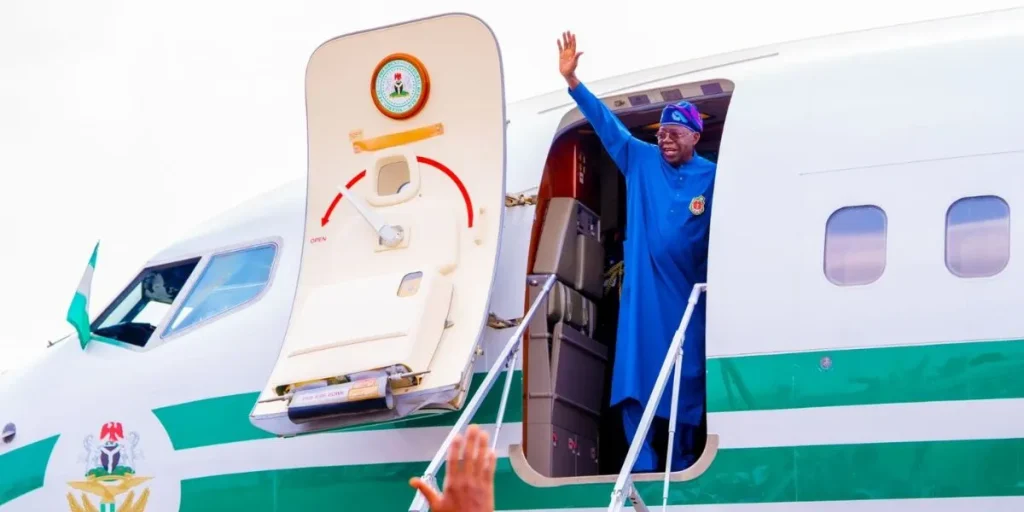
Tinubu Departs Abuja for Rome Ahead of Global Security Dialogue

President Bola Ahmed Tinubu is scheduled to depart Abuja today, Sunday, October 12, for Rome, Italy, to participate in the Aqaba Process Heads of State and Government Level Meeting. According to a statement by Bayo Onanuga, Special Adviser to the President on Information and Strategy, the high-level gathering, which commences on October 14, will focus on the worsening security situation across West Africa. The forum will bring together Heads of State, senior intelligence and defence officials from African nations, as well as representatives of intergovernmental and non-governmental organisations, to deliberate on regional security concerns. Read Also: Even Out of Office, Ganduje Remains the Soul of APC — Party Loyalist Launched in 2015 by King Abdullah II of Jordan and co-chaired by the Jordanian and Italian governments, the Aqaba Process serves as a counter-terrorism platform addressing complex security challenges facing the West African region. “The meeting recognises the complex security challenges confronting West Africa, including the expansion of terrorist networks, the growing crime-terror nexus, and the increasing overlap between land-based terrorism in the Sahel and maritime piracy in the Gulf of Guinea,” the statement noted. It added that participants would exchange assessments of the current security landscape in West Africa, foster collaboration among regional and international partners, and develop strategies to combat terrorism both on land and at sea. The meeting will also explore ways to coordinate global efforts to counter online radicalisation and disrupt digital networks that promote terrorist propaganda and recruitment. Onanuga further disclosed that President Tinubu will hold bilateral meetings with other world leaders on the sidelines of the summit to explore new avenues for enhancing regional security cooperation. “In addition to attending the plenary sessions of the Aqaba meeting, President Tinubu will hold bilateral talks with other leaders to explore ways of addressing the rising security challenges across the subregion,” Onanuga stated. The President will be accompanied by the Minister of State for Foreign Affairs, Ambassador Bianca Odumegwu-Ojukwu; Minister of Defence, Mohammed Badaru Abubakar; National Security Adviser, Nuhu Ribadu; Director-General of the National Intelligence Agency (NIA), Ambassador Mohammed Mohammed; and other senior government officials.

Scroll to Top