The Historica Nigeria

Author name: Umar Idris Shuaibu

Kano, News

Kano Declares Thursday Public Holiday to Mark Islamic New Year 1447 AH

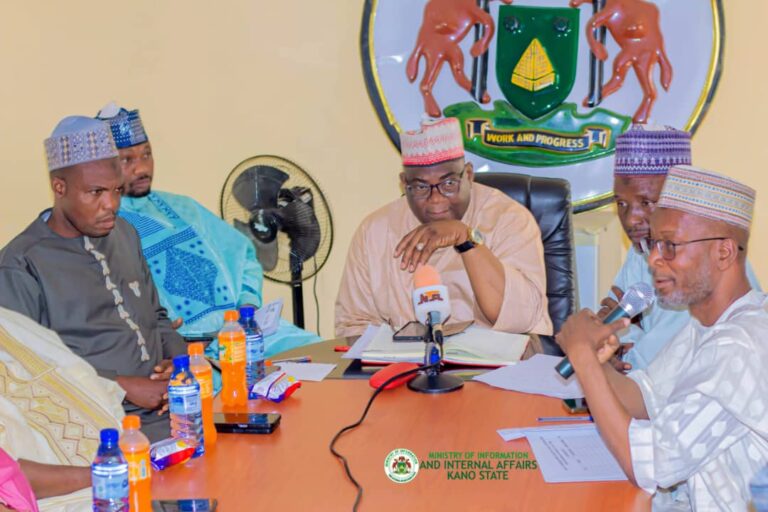
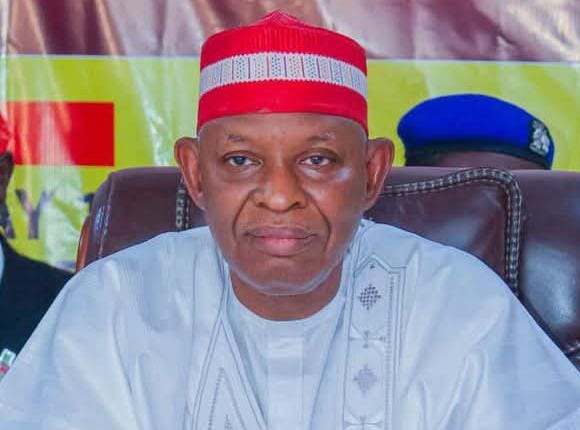
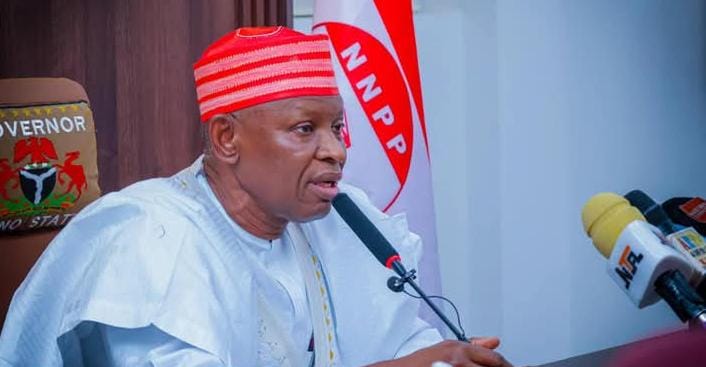
The Kano State Government has declared Thursday, June 26, 2025, as a public holiday to mark the beginning of the Islamic New Year, 1447 After Hijrah. Governor Abba Kabir Yusuf congratulated Muslim faithful on witnessing the New Year, which commences with the month of Muharram, the first month of the Islamic lunar calendar. This was made known in a statement issued on Wednesday by the Commissioner for Information and Internal Affairs, Ibrahim Abdullahi Waiya. Read Also: Kano Governor Orders Immediate Rehabilitation of College for French and Chinese Languages The Governor urged the people of the state and the Muslim Ummah at large to use the occasion for deep reflection on their actions over the past year and to offer prayers for lasting peace, unity, and prosperity in Kano State and Nigeria. He also reaffirmed his administration’s unwavering commitment to improving the living standards of the citizens through inclusive, people-focused governance.

National, News

Massive Paramilitary Recruitment Begins June 26: A Golden Opportunity for Nigerian Youth

In a welcome move that could shape the future of thousands of Nigerian youths, the Federal Government has announced a nationwide recruitment drive into four major paramilitary agencies under the Ministry of Interior. Starting from Thursday, June 26, 2025, the application portal will open for eligible Nigerians to apply for positions in the Nigerian Correctional Service (NCoS), Nigerian Immigration Service (NIS), Federal Fire Service (FFS), and the Nigeria Security and Civil Defence Corps (NSCDC). According to the Civil Defence, Correctional, Fire and Immigration Board (CDCFIB), all applications must be submitted online via https://recruitment.cdcfib.org within three weeks of the portal’s launch. The Board’s Secretary, Major General Abdulmalik Jubril (Retired), emphasized that the application process is completely free and warned that multiple applications by the same candidate would lead to automatic disqualification. “This is not just a job opportunity, it is a national call to duty,” he said. “We are looking for passionate, qualified, and physically fit Nigerians who are ready to contribute to national security, fire prevention, correctional reform, and border management.” What Are the Available Positions? The recruitment covers three categories of positions across the four services: Superintendent, Inspectorate, and Assistant Cadres, offering a wide range of opportunities based on different educational qualifications: Superintendent roles for degree holders in Medicine, Law, Mechanical, Civil, or Chemical Engineering (specific to NCoS and FFS). Assistant Superintendent II positions for BSc and HND holders across FFS, NSCDC, and NIS. Inspectorate Cadre positions for registered nurses, midwives, ND and NCE holders. Assistant Cadre positions for secondary school leavers with GCE, SSCE, NECO, or equivalent qualifications, requiring a minimum of four or five credits. Applicants must be: Nigerian citizens, aged 18 to 35 years Medically fit, with no criminal or financial record Holders of the required qualifications as listed in the application guidelines Advice for Applicants The Federal Fire Service, in a related post on its official X (formerly Twitter) handle, issued a warning to applicants about potential fraud. “Beware of fraudsters. The recruitment is free. No payment is required at any stage,” the post read. Why This Matters This recruitment comes at a time when youth unemployment in Nigeria remains a major concern. With over 33% of the youth population actively seeking jobs, opportunities like this not only provide employment but also a sense of purpose and national pride. As economic hardship and job scarcity continue to affect millions, this recruitment exercise is a chance for young Nigerians especially graduates, diploma holders, and even those with secondary school certificates to take their future into their own hands. It is a rare opportunity to join the uniformed services, gain job security, access career advancement, and play a crucial role in nation-building. Be Ready As the recruitment portal goes live at 12:00 am on Thursday, June 26, 2025, aspiring candidates are advised to stay awake, gather all necessary documents, and apply early to avoid last-minute glitches or disqualification. This is more than a job, it’s a step toward purpose, dignity, and national service. Stay alert. Stay ready. Nigeria needs you. For full details and application, visit https://recruitment.cdcfib.org Follow @FireServiceNG and @CDCFIB on X for updates.  

Abuja, National, News

Tinubu Commissions N31bn Idu-Zuba Expressway to Ease Traffic, Boost Development

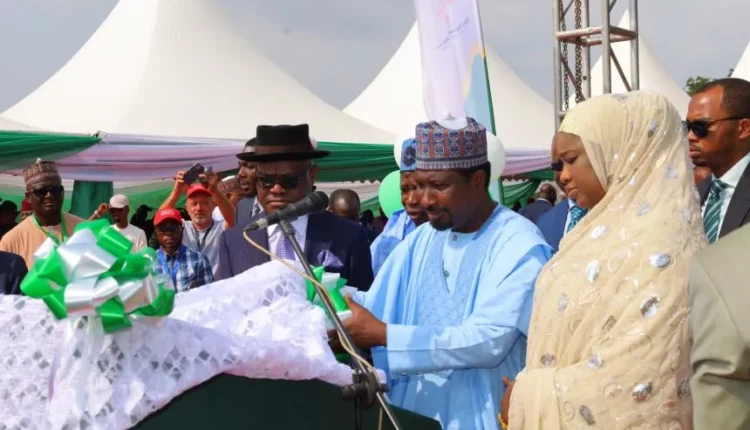
President Bola Ahmed Tinubu has commissioned the newly completed right-hand service lane of the 16-kilometre Inner Northern Expressway (INEX) linking Ring Road 3 (RR3) to the Outer Northern Expressway (Murtala Muhammed Way), spanning Idu to Zuba in Abuja. Represented by Deputy Senate President Barau Jibrin, the President praised FCT Minister Nyesom Wike for executing the N31 billion project, noting it will ease traffic congestion, improve connectivity, and support business and housing growth in the area. Wike revealed that the project, initially awarded in 2014 at N7 billion, stalled for 11 years due to poor funding and inflation. He expressed gratitude to President Tinubu for reviving it, adding that the Idu-Zuba corridor is crucial for industrial development and investor confidence. Read Also: Photos: Tinubu Inaugurates Greater Abuja Water Project to Expand Clean Water Access The Minister disclosed that a private firm has offered to complete the left-hand lane under a tax credit scheme and called on the Ministry of Finance to expedite necessary approvals. Wike also highlighted ongoing engagements with regulatory bodies to resolve issues affecting project timelines, including railway crossing approvals. He announced that the remaining seven FCT projects, including the Mabushi Bus Terminal and INEC Annex, will be commissioned on June 17.  

Education, Kano, News

Kano Governor Orders Immediate Rehabilitation of College for French and Chinese Languages

In a renewed effort to rejuvenate the education sector through improved teaching and learning infrastructure, Kano State Governor Abba Kabir Yusuf has ordered the immediate and comprehensive rehabilitation of the state-owned College for French and Chinese Languages. The directive followed an unscheduled visit by the Governor to the college, located in Kwankwaso town, Madobi Local Government Area. Speaking during the visit, Governor Yusuf said his purpose was to personally assess the condition of the facilities, as well as the welfare of both students and staff. He commended the impressive performance of the students, particularly their fluency in French and Chinese, but raised concerns about the dilapidated state of the infrastructure. “I’m here on an unscheduled visit to see, firsthand, the living conditions of our students and teachers, as well as to assess the infrastructural state of the school,” Governor Yusuf said. “I am very impressed with the students’ performance, especially their fluency in speaking Chinese. However, I am concerned about the deplorable state of the infrastructure.” Read Also: Gov. Yusuf Condemns Brutal Killing of Two Kano Indigenes in Makurdi He immediately directed the Commissioner for Works to commence comprehensive renovation of all buildings and other deteriorating structures within the school premises. The Governor emphasized that his administration will prioritize the swift rehabilitation of all existing facilities. The visit underscores the state government’s commitment to educational advancement and global language proficiency, positioning Kano as a hub for international language studies in Nigeria. Signed:Comrade Ibrahim Abdullahi WaiyaHonourable Commissioner for Information and Internal AffairsJune 24, 2025

National, News

CITAD Marks Development Data Day, Calls for Inclusive, People-Centered Data Systems in Nigeria

The Centre for Information Technology and Development (CITAD) has joined the global community to commemorate Development Data Day, also known as World Development Information Day, by calling for urgent investments in inclusive, transparent, and people-centered data systems across Nigeria. The global observance, instituted by the United Nations General Assembly, highlights the transformative role of data in addressing development challenges and achieving the Sustainable Development Goals (SDGs). CITAD marked the occasion by urging Nigerian policymakers and stakeholders at all levels to prioritize data generation, accessibility, and application for impactful development planning. In a statement signed by its Executive Director, Y.Z. Ya’u, CITAD emphasized that accurate and disaggregated data is essential in tackling Nigeria’s persistent issues, including insecurity, governance inefficiencies, poor health systems, environmental degradation, and the growing effects of climate change. Read Also: Provost Gwaram Unveils FCAPT Progress, Seeks Urgent Completion of Bunkure Campus This year’s theme, “Advancing Global Cooperation for Sustainable Development,” resonates strongly in Nigeria, where poverty, unemployment, inequality, and limited access to healthcare and education are further compounded by fragmented and outdated data systems. CITAD raised concerns that the absence of reliable, inclusive data hampers evidence-based policymaking and perpetuates the exclusion of vulnerable populations—particularly women, youth, and persons with disabilities. “Nigeria’s data ecosystem is in dire need of reform. The country continues to face significant deficits in timely, gender-disaggregated, and geo-specific data. Without these, national development plans risk being misaligned and ineffective,” Ya’u said. According to a 2022 study by the Universal Service Provision Fund (USPF), over 27 million Nigerians in 97 underserved communities still lack access to the internet. This digital divide, now exacerbated by the 2025 mobile data tariff hikes, poses a major barrier to inclusive participation in the digital economy and civic life. Despite these challenges, CITAD highlighted notable progress through its community-based interventions. Its Digital Livelihood Programme, launched in 2016, has trained hundreds of women and girls in Northern Nigeria in web design, digital marketing, and data literacy. The organization has also piloted community networks in collaboration with international partners, including the UK’s FCDO Digital Access Programme and the Association for Progressive Communications (APC), bringing connectivity to previously unserved regions of Kano, Bauchi, Kaduna, and Abuja. These grassroots initiatives, CITAD noted, have also prompted policy engagement with key agencies such as the Nigerian Communications Commission (NCC) and the National Information Technology Development Agency (NITDA). Further, CITAD has held regular trainings in data analysis for government officials, civil society actors, and academics—building capacity in the use of tools such as Stata, R, and Python for development planning and policy advocacy. Ya’u cited encouraging developments, such as the Bauchi State government’s allocation of land to CITAD for rural digital centers, as evidence that community-led solutions are gaining recognition. Beyond CITAD’s efforts, national initiatives like the Federal Government’s 3 Million Technical Talent (3MTT) Programme, implemented through the Ministry of Communications and NITDA, are training young Nigerians in areas like data science, cybersecurity, and artificial intelligence—key steps toward a more knowledge-based economy. CITAD concluded its statement with several urgent recommendations. Government at all levels must significantly increase investment in data infrastructure and human capital development. Funding should be allocated for the modernization of data systems, training of personnel, and deployment of digital tools that enable real-time and inclusive data collection, especially in underserved regions. There is also a need for greater collaboration and standardization across Ministries, Departments, and Agencies (MDAs), with the adoption of unified data protocols to improve coordination and policy coherence. CITAD called for formal recognition and funding of community networks as part of national ICT policy, to bridge connectivity gaps in rural areas. These networks, the organization stressed, should be viewed as complementary to mainstream telecommunications infrastructure. Equally important is digital equity and data literacy. Expanding digital tools and training—particularly for women, youth, and persons with disabilities—will ensure broader participation in the data economy. Existing initiatives like 3MTT should be decentralized and scaled nationwide. CITAD also urged institutionalization of open data practices. Government agencies must commit to transparency and support the development of civic tech innovations that promote accountability and citizen engagement. To strengthen Nigeria’s capacity for data analysis and visualization, more investment is needed in training civil servants, researchers, and CSOs in the use of modern analytical tools. CITAD’s experience shows that such efforts can directly enhance governance and public service delivery. CITAD emphasized that data is not merely a technical issue, but a governance and human rights imperative. “Without inclusive, accurate, and accessible data, Nigeria cannot achieve the 2030 Agenda or ensure that no one is left behind,” Ya’u said. As part of its ongoing commitment, CITAD pledged to continue supporting citizen-led accountability, digital rights, and inclusive data ecosystems.

Kano, News

Gov. Yusuf Condemns Brutal Killing of Two Kano Indigenes in Makurdi

The Governor of Kano State, Alhaji Abba Kabir Yusuf, has strongly condemned the brutal killing of two young Kano indigenes, Barhama Suleiman and Jamilu Ahmad, in Makurdi, Benue State. In a statement issued by the governor’s spokesperson, Sunusi Bature Dawakin Tofa, the victims were profiled/attacked at around 11:00 p.m. on Monday by yet-to-be-identified hoodlums and murdered in cold blood without provocation. In a strongly worded statement, the Governor of Kano State expressed deep sorrow over the tragic incident, describing it as “barbaric, senseless, and unacceptable.” Read Also: Tinubu condemns killing of wedding travelers in Plateau, orders arrest of perpetrators He condemned the killings in the strongest terms and assured that the state Government is working assiduously to bring the perpetrators to justice. “It is with a heavy heart and deep sense of loss that we announce the passing of two promising sons of Kano. They were innocent, peace-loving citizens whose only crime was exercising their constitutional right to live and work in any part of Nigeria,” the Governor said. The Governor also announced that he will personally lead a high-powered delegation, including the families of the deceased, to the funeral prayers scheduled to take place at the National Mosque in Abuja today ( 24/06/2025). While commiserating with the families of the bereaved, the Governor extended sympathy and condolences to prominent Islamic scholar, Sheikh Ibrahim Khalil, who is the father of the two victims. Governor Yusuf described the loss as not just a tragedy to the families involved, but to Kano State and the entire nation. “This government will not rest until justice is served. We call for calm and restraint as we work closely with security agencies at all levels and the Benue State Government to bring the murderers to justice. “Nigeria belongs to all of us. Every citizen has the right to live, move, and thrive in any part of this country without fear of discrimination or violence,” he added. The Kano State Government has reassured the public of its unwavering commitment to the safety of its citizens, wherever they may be, and has urged all residents to remain peaceful and law-abiding as investigations The circumstances surrounding the unfortunate incident unfold.

Kano, News

Murtala Adewale Emerges Chairman as NUJ Kano Correspondents’ Chapel Elects New Leaders

The Kano State Correspondents’ Chapel of the Nigeria Union of Journalists (NUJ) has elected a new executive council following the successful conduct of its long-awaited chapel elections. The election, held on Tuesday at the NUJ Press Centre in Kano, produced Murtala Adewale of The Guardian as the new chairman after he polled 17 votes to defeat Ahmad Sorondinki of ThisDay, who garnered 12 votes. Announcing the results, chairman of the credentials committee, Fanen Ihyongo, commended members for their peaceful conduct and unwavering commitment to democratic principles. Read Also: Kano Online Media Chapel Invites Digital Journalists to Join as Membership Drive Begins In other contested positions, Salihu Ali of Voice of Nigeria (VON) emerged as assistant secretary with 16 votes, defeating Khadija Aliyu of FRCN, who polled 13 votes. Longtong Yakubu of Leadership Newspapers was elected auditor with 17 votes, edging out her colleague who scored 12 votes. Three positions were returned unopposed: Yusuf Bala of VON was elected vice chairman, Salim Umar Ibrahim of Daily Trust emerged as secretary, while Bashir Bello of Vanguard and Ramatu Garba of the News Agency of Nigeria (NAN) were elected treasurer and financial secretary respectively. The acting chairman of the NUJ Kano State Council, Mustapha Gambo, who represented the state council chairman, Suleiman Dederi, presented certificates of return to the newly elected officials. In a statement issued by the outgoing secretary, Mustapha Hodi, newly elected chairman Murtala Adewale described his victory as the dawn of a new era. He pledged to prioritise unity, professional development, and welfare of members. “This is a mandate for change, inclusion, and collective progress. I promise to carry everyone along and elevate the profile and professionalism of our chapel,” he said. Mustapha Gambo commended the chapel for conducting a peaceful and transparent election, urging the new leadership to be accountable and inclusive as they pilot the affairs of the union. In his farewell remarks, Mustapha Hodi congratulated the new executive members, expressing confidence that they will sustain the gains made and usher in greater progress for the chapel.

Agriculture, Jigawa, Kano, News

Provost Gwaram Unveils FCAPT Progress, Seeks Urgent Completion of Bunkure Campus

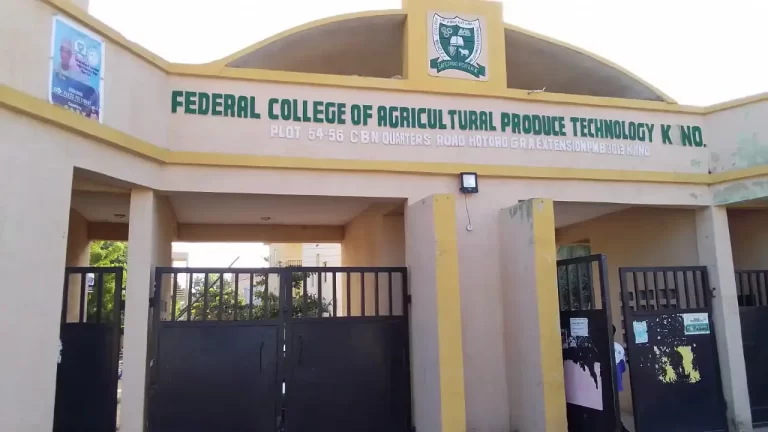
The Federal College of Agricultural Produce Technology (FCAPT), Kano, has reaffirmed its commitment to producing skilled professionals equipped to manage Nigeria’s post-harvest systems in support of food security, job creation, and rural development. This was stated by the Provost of the college, Dr. Muhammad Yusha’u Gwaram, while receiving the newly appointed Chairman of the Governing Board, Hon. Aminu Sani Gumel, during an official visit to the college’s conference hall. Dr. Gwaram noted that FCAPT remains the only institution of its kind in Nigeria and the first in West Africa with a strategic focus on post-harvest technology. Since assuming office in 2020, he said the college has made significant strides in aligning its academic programmes with emerging national needs. Read Also: KNARDA Urges Farmers to Embrace Preseason Trainings to Boost Productivity He cited the successful launch of new National Diploma (ND) programmes in Nutrition and Dietetics, and Cooperative Economics and Management, designed to meet growing demand for expertise in public health, nutrition, and cooperative enterprise management. Further expanding its academic portfolio, the college has secured approval for six new Higher National Diploma (HND) programmes. These include HND in Agribusiness Management, which integrates agriculture and entrepreneurship; HND in Animal Production Technology, aimed at enhancing livestock productivity and sustainability; and HND in Food Technology, which focuses on food safety, quality control, and innovations in food processing. In response to the increasing digitalization of agriculture and enterprise, the Provost also disclosed the introduction of ND programmes in Networking and Cloud Computing, and Software and Web Development. Read Also: Fixing the Forgotten Crisis: Solutions to Nigeria’s Herders-Farmers Conflict He reaffirmed the college’s commitment to providing a student-centered learning environment, highlighting facilities across its campuses, including modern lecture halls, ICT-equipped classrooms, demonstration farms, and healthcare services, particularly at the Hotoro campus. Dr. Gwaram appealed to the new board chairman to help facilitate the completion of the Barkum Campus in Bunkure and support the resolution of pending budgetary issues necessary for the institution’s overall growth and transformation. In his response, Hon. Aminu Sani Gumel appreciated the warm reception and pledged to work hand-in-hand with the college management and stakeholders. He urged the leadership to consider him a partner in progress and assured them of his support in advancing the institution’s goals. Gumel, a seasoned politician from Jigawa State, was accompanied by the Deputy Speaker of the Jigawa State House of Assembly, Hon. Sani Isyaku Abubakar; the Special Adviser to the Jigawa State Governor on Political Matters, Hon. Lawan Bullet; local government chairmen, and other party leaders.

Health, Humanitarian, Kano

Kano State Develops Strategic Communication Blueprint to Boost Maternal and Child Health

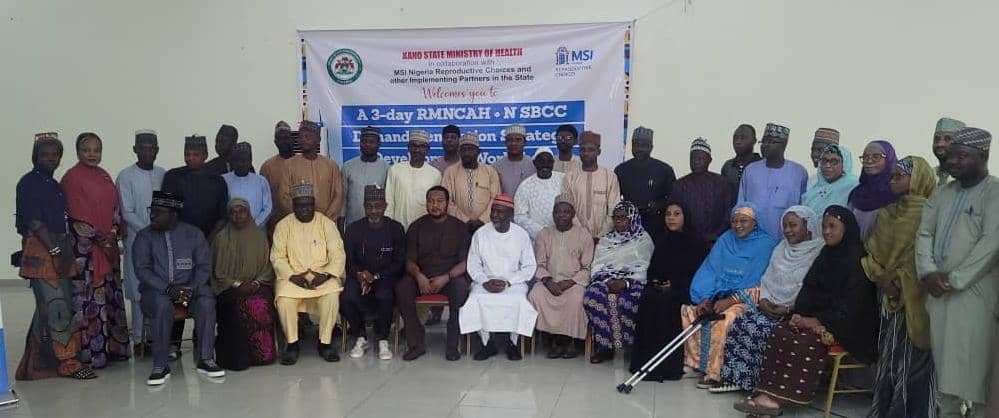
The Kano State Ministry of Health, in partnership with MSI Nigeria Reproductive Choices and other implementing partners, has successfully developed a Social and Behaviour Change Communication (SBCC) strategy aimed at improving the uptake of Reproductive, Maternal, Newborn, Child, Adolescent Health and Nutrition (RMNCAH+N) services across the state. The three-day strategy development workshop was held from June 20 to 22, 2025, at Quarter House Hotels, Malali GRA, Kaduna. It brought together stakeholders from government agencies, civil society groups, traditional institutions, youth organizations, development partners, and the media. Speaking at the event, the Honourable Commissioner for Health, Dr. Abubakar Labaran Yusuf represented by the Director General of the Drugs, Medical and Consumables Supply Agency (DMCSA), Pharmacist Gali Sule, affirmed the state government’s commitment to transforming health-seeking behavior through effective and culturally sensitive communication. Read Also: Ganduje Foundation Pledges Continued Support for Humanitarian and Religious Outreach He emphasized the importance of using communication as a tool to dismantle harmful cultural practices that hinder access to essential healthcare services, particularly for women, children, and adolescents. Participants at the workshop were divided into thematic working groups to analyze social norms, behavioral barriers, and enabling factors influencing demand for health services. The discussions were guided by technical experts and consultants who shared evidence-based global best practices and behavioral change theories. The outcome of the workshop is a comprehensive and inclusive SBCC strategy tailored to Kano’s unique context. It outlines approaches for deploying mass media campaigns, community dialogues, interpersonal communication, and digital outreach to stimulate demand for RMNCAH+N services. Development partners including UKaid, the Lafiya Programme, Society for Family Health (SFH), the A360 Project, and Matasa Matan Arewa reaffirmed their support for Kano State’s health agenda and commended the collaborative spirit of the initiative. At the close of the workshop, stakeholders expressed optimism that the new strategy will foster deeper community engagement, empower women and young people, and significantly reduce maternal and child mortality in the state. Signed: Nabilusi Abubakar K/Na’isa Public Relations Officer Ministry of Health, Kano State 23rd June, 2025

National, News, Politics

Senate Begins Review of Proposals for New States, Local Government Reforms

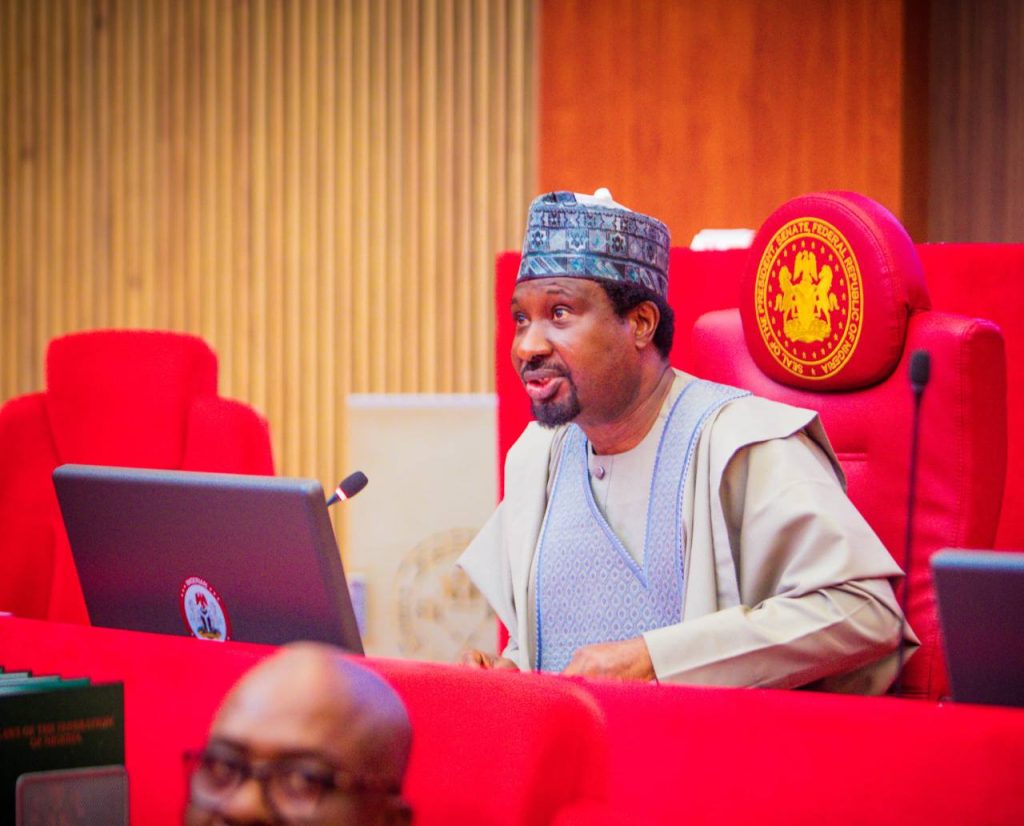
In a major move to amend Nigeria’s 1999 Constitution, the Senate Committee on the Review of the Constitution will consider proposals for the creation of new states, local government autonomy, and other wide-ranging reforms at its upcoming zonal public hearings scheduled for July 4 and 5, 2025. The committee, chaired by Deputy Senate President Barau Jibrin, announced that a total of 31 proposals seeking the creation of new states have been submitted. These proposals will be discussed alongside other constitutional amendment bills during the two-day hearings taking place simultaneously in Lagos (South-West), Enugu (South-East), Ikot Ekpene (South-South), Jos (North-Central), Maiduguri (North-East), and Kano (North-West). In a statement released by Ismail Mudashir, Special Adviser on Media and Publicity to the Deputy Senate President, the committee reaffirmed its commitment to citizen engagement on key constitutional matters. According to Mudashir, state creation requests have come from across the six geopolitical zones, including the South-West, South-South, North-Central, North-East, North-West, and South-East. Read Also: Tinubu Hands over ECOWAS Leadership to Sierra Leone’s President Bio The hearings will also focus on critical issues such as local government autonomy, state police, electoral and judicial reforms, fiscal federalism, and inclusive governance. Among the proposals is a bill seeking to entrench local governments as a constitutionally recognized tier of government with guaranteed tenure, as well as another aimed at establishing an independent National Local Government Electoral Commission (NALGEC) to conduct local government elections. Security is another major theme, with bills proposing the creation of state police forces and state security councils to oversee internal security at the sub-national level. In the area of fiscal reforms, the committee will consider bills aimed at empowering the Revenue Mobilization, Allocation and Fiscal Commission to enforce remittance compliance and streamline the revenue allocation process. One proposal seeks to introduce constitutional timelines within which presidents and governors must present appropriation bills to the National or State Assemblies. Efforts to promote gender inclusion are also on the agenda, with a bill proposing additional legislative seats for women in both national and state assemblies. Similarly, proposals have been submitted to establish national, state, and local government councils of traditional rulers to reinforce the role of traditional institutions in governance. Read Also: Barau Jibrin’s Two Years as Deputy Senate President: A Chronicle of Impact Electoral reform features prominently, including bills to legalize independent candidacy at all levels of election and enable Nigerians in the diaspora to vote during general elections. More than 20 proposals on judicial reforms are also under review, with a focus on timelines for delivering judgments and expanding the jurisdiction of election tribunals. Some proposals also aim to devolve certain powers by transferring responsibilities such as labour and shipping from the exclusive legislative list to the concurrent list, allowing both federal and state governments to legislate on them. The committee has urged Nigerians to take full advantage of the public hearings by participating actively in the process. According to Mudashir, this phase of the constitutional review represents a crucial opportunity for the people to help shape the structure and direction of the nation’s governance framework.  

Scroll to Top