
The Historica Nigeria

Weekend Digest with The Historica Nigeria

Africa, International, National, Weekend Digest with The Historica Nigeria

2025 in Memoriam: Nigerians and Global Icons Who Left a Lasting Legacy

By Umar Idris Shuaibu, Kano As 2025 gradually draws to a close, Nigeria and the global community reflect on the passing of several influential figures whose lives and works shaped governance, religion, business, traditional institutions, and public service. From revered Islamic scholars and traditional rulers to political leaders and senior public servants, the year witnessed the end of notable eras and the departure of voices that left lasting imprints on society. Below are some of the prominent personalities who passed away in 2025, beginning with Nigerians before notable non-Nigerian figures. Sheikh Idris Abdul’aziz Dutsen Tanshi (68) — Islamic Scholar Prominent Bauchi-based Islamic cleric, Sheikh Idris Abdul’aziz Dutsen Tanshi, passed away on April 3, 2025, after a prolonged illness. Widely respected for his scholarship and principled religious teachings, the cleric played a significant role in Islamic discourse and community engagement across northern Nigeria. Alhaji Aminu Dantata (94) — Business Icon and Philanthropist Renowned Kano-born businessman and philanthropist, Alhaji Aminu Dantata, died on June 28, 2025, at the age of 94. A towering figure in Nigeria’s private sector, Dantata’s decades-long business career spanned construction, manufacturing, and commerce. Read Also: KASSOSA Mourns Business Icon Aminu Dantata, Describes His Death as a Great Loss Beyond business, he was known for his quiet philanthropy and support for education, health, and social welfare initiatives. Former President Muhammadu Buhari (82) Nigeria’s former President, Muhammadu Buhari, passed away on July 13, 2025, at the age of 82. A former military Head of State and two-term civilian president, Buhari was a central figure in Nigeria’s political evolution, known for his anti-corruption stance and disciplined leadership style that shaped national discourse for decades. Olubadan of Ibadan, Oba Owolabi Olakulehin (90) Ibadan, the Oyo State capital, was thrown into mourning following the death of the Olubadan, Oba Owolabi Olakulehin, on July 7, 2025, at the age of 90. His reign, though brief, was marked by dignity, adherence to tradition, and a deep commitment to the cultural heritage of Ibadanland. Awujale of Ijebuland, Oba Sikiru Kayode Adetona (91) On the same day, July 13, 2025, Ijebuland also lost its paramount ruler, the Awujale, Oba Sikiru Kayode Adetona, who passed away at the age of 91. One of Nigeria’s longest-reigning traditional rulers, Oba Adetona was widely respected for his forthright views, modern outlook, and contributions to education and development in Ogun State. Emir of Gusau, Dr. Ibrahim Bello (71) The Emir of Gusau in Zamfara State, Dr. Ibrahim Bello, passed away on Friday, July 25, at the age of 71 after a protracted illness in Abuja. The 16th Emir of Gusau, Bello ascended the throne following the death of his father on March 16, 2015. A seasoned civil servant, he rose to the pinnacle of his career as a Permanent Secretary during his service in the old Sokoto and later Zamfara State, and went on to serve as Emir for over 10 years, leaving behind a legacy of administrative experience and traditional leadership. Emir of Zuru, Major General Muhammadu Sani Sami (Gomo II) (81) The Emir of Zuru in Kebbi State, Major General Muhammadu Sani Sami (retd.), passed away in London on August 17, 2025, after a brief illness. A former military officer and respected traditional ruler, the late emir combined military discipline with traditional leadership, earning admiration within and beyond his domain. Former Inspector-General of Police, Solomon Arase (69) Former Inspector-General of Police, Solomon Arase, died on August 31, 2025, at the age of 69. During his service in the Nigeria Police Force, Arase rose through the ranks and later served as IGP, contributing to internal reforms and security operations during a challenging period for national policing. Major General Abdullahi Adangba Mohammed (retd.) (86) Former Chief of Staff to ex-President Olusegun Obasanjo, Major General Abdullahi Adangba Mohammed (retd.), passed away on 5th November at the age of 86 at his residence in Kaduna. Fondly known as Adangba, the Ilorin-born officer also served as Military Governor of the old Benue-Plateau State between 1975 and February 1976 during the Murtala Mohammed administration. Sheikh Dahiru Usman Bauchi (98) — Leader of the Tijaniyya Movement One of Nigeria’s most revered Islamic leaders, Sheikh Dahiru Usman Bauchi, passed away on November 26, 2025, at the age of 98. As the spiritual head of the Tijaniyyah movement, his influence spanned generations, shaping religious thought, scholarship, and spiritual guidance across Nigeria and beyond. Kano Loses Two Serving State Assembly Members  On December 24, 2025, Kano State mourned the tragic passing of two serving members of the State House of Assembly, Hon. Aminu Sa’ad Ungoggo, representing Ungoggo Constituency, and Hon. Sarki Aliyu Daneji, who represented Kano Municipal. Their deaths marked a painful moment for the state legislature and underscored the fragility of public life. Notable Non-Nigerian Figures Who Passed in 2025 Sheikh Abdulaziz Al-Sheikh (82) — Saudi Arabia’s Grand Mufti Saudi Arabia’s Grand Mufti and Head of the Council of Senior Scholars, Sheikh Abdulaziz Al-Sheikh, passed away in Riyadh on September 23, 2025, at the age of 82. A globally influential Islamic authority, he played a central role in shaping religious rulings and discourse within the Kingdom and the wider Muslim world. Raila Odinga (80) — Former Prime Minister of Kenya Veteran Kenyan opposition leader and former Prime Minister, Raila Odinga, died on October 15, 2025, at the age of 80 in Kochi, India, following a cardiac arrest. Widely regarded as a symbol of democratic struggle in Kenya, Odinga’s political career spanned decades of advocacy for reform, pluralism, and constitutional governance in East Africa. As the curtain gradually falls on 2025, the deaths of these figures serve as reminders of the enduring impact individuals can have on society. Their legacies rooted in leadership, service, faith, and commitment to public good continue to shape conversations and memories long after their passing. For Nigeria in particular, the year marked the loss of voices that once guided governance, commerce, spirituality, and tradition, leaving behind lessons for generations yet to come.
Kano, News, Weekend Digest with The Historica Nigeria

Police Yet to Release Dan’uwa Rano After Petition by Kano Government Official

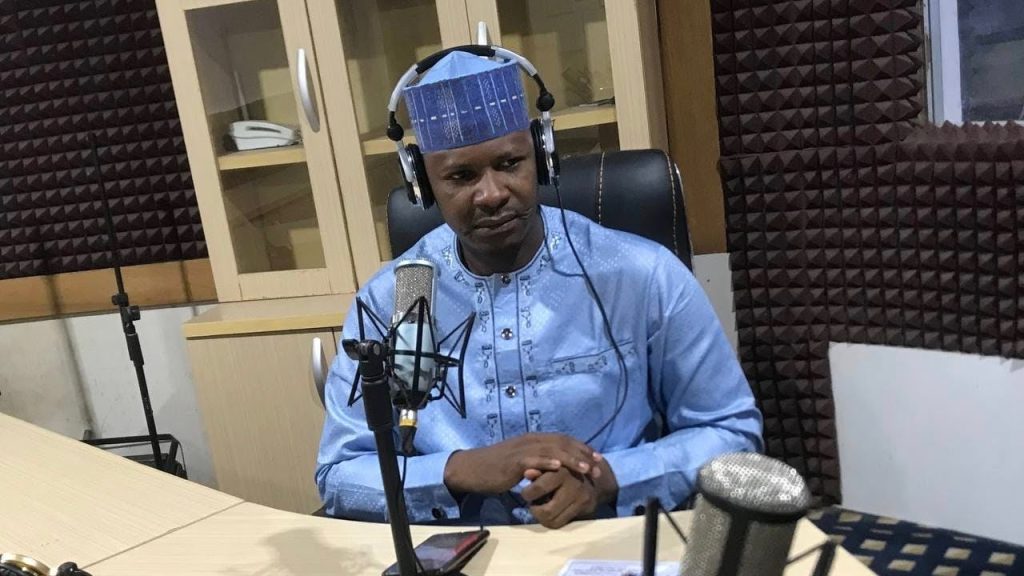
The popular broadcast journalist, Ibrahim Ishaq, widely known as Dan’uwa Rano, remains in police custody following his arrest on Saturday in Kano metropolis by officers from the Zone 1 Police Command, an arrest reportedly carried out without the presentation of a valid warrant. The detention followed a petition filed by Abdullahi Ibrahim Rogo, Director-General of Protocol to Governor Abba Kabir Yusuf, who accused the journalist of defamation over reports aired on Dan’uwa Rano TV, an online platform. Sources close to the investigation told reporters that the police have insisted Dan’uwa Rano must produce “Malam Imalu,” a fictional character featured in one of his YouTube programmes titled Letter from Imalu, before any consideration for his release. Related: Kano CSOs Protest, Demand Accountability Over Alleged N6.5bn Fraud Court and investigation documents earlier reviewed and published by Daily Nigerian revealed that the Independent Corrupt Practices and Other Related Offences Commission (ICPC) and the Economic and Financial Crimes Commission (EFCC) have linked Abdullahi Rogo to the alleged diversion of more than ₦6.5 billion in public funds. The funds were reportedly channelled through companies such as H&M Nigeria Limited, A.Y. Maikifi Petroleum, and Ammas Oil and Gas Limited, using fictitious contracts and currency conversions through bureau de change operators. According to the reports, ₦1.1 billion has already been recovered, while a Federal High Court in Kano ordered the forfeiture of ₦142.2 million linked to Rogo to the ICPC. Read Also: Military Refutes Coup Allegation, Reassures Nigerians of Stability Before his detention, Dan’uwa Rano told journalists that the police accused him of operating without a valid license from the National Broadcasting Commission (NBC) and running an unregistered media company. He described his arrest as an attempt to intimidate the press and suppress free expression in Kano State. Eyewitnesses confirmed that the journalist’s arrest was carried out without due legal procedure, as no warrant was presented at the time of his apprehension. He was taken directly to Zone 1 Police Headquarters for questioning and has since remained in custody under what sources describe as “administrative orders.” Reports indicate that Dan’uwa Rano may remain in detention until at least Monday, when he is expected to be arraigned before a magistrate court in Kano. ‘The Historica Nigeria’s’ repeated attempts to reach Zone 1 Police Public Relations Officer, CSP Bashir, have been unsuccessful, with calls going unreturned as of the latest update.

Feature, Kano, Weekend Digest with The Historica Nigeria

Why Government Administrations Need to Appoint Competent Media Managers

In every thriving democracy, communication remains the vital bridge between the government and the governed. A visionary administration understands this and invests not only in physical infrastructure and policies but also in credible, professional media management. Competent media managers are essential to shaping narratives, clarifying intentions, and safeguarding an administration’s image against misinformation and public misinterpretation. Recent developments in Kano have once again brought this issue into sharp focus, particularly following the arrest and interrogation of popular broadcast journalist, Ibrahim Ishaq, widely known as Dan’uwa Rano. The journalist was reportedly questioned over alleged defamation and the operation of an online television channel without a valid license from the National Broadcasting Commission (NBC). The episode was uncalled for, as it created unnecessary tension within Kano’s media space and raised legitimate concerns about press freedom and the government’s handling of criticism. Instead of fostering dialogue and responsible engagement, the decision to subject a journalist to police grilling appeared reactive and heavy-handed, an avoidable situation if a robust communication framework were in place. Related: Police Grill Journalist Dan’uwa Rano Over Petition by Kano Official Rogo Equally, the entire scenario was uncolourful, a distraction that did little to boost public confidence in the administration. In a digital era where perception influences governance as much as performance, the absence of proactive communication can easily lead to reputational damage that even well-intentioned policies cannot undo. Governments must therefore recognize that the media is not an adversary but a critical partner in nation-building. A competent media manager interprets government policies clearly, communicates decisions responsibly, and provides accurate information swiftly, ensuring that facts are not overtaken by rumours or propaganda. The issue of defamation allegedly raised against the journalist brings a more fundamental question, “did the alleged act truly occur, or is this an attempt to silence accountability? According to an earlier report by Daily Nigerian, the Independent Corrupt Practices and Other Related Offences Commission (ICPC) recovered over ₦1.1 billion from Abdullahi Ibrahim Rogo, the Director-General of Protocol at the Kano State Government House, as part of its investigation into alleged misappropriation of public funds. The Economic and Financial Crimes Commission (EFCC) is also said to be probing related transactions linked to fictitious contracts and alleged diversions of public funds through corporate and personal accounts. Read Also: ICPC, EFCC Probe Kano Governor’s Aide Over Alleged ₦6.5bn Fraud However, the Kano State Government has strongly denied these corruption allegations, describing them as politically motivated. In a statement signed by the Governor’s spokesman, Sanusi Bature Dawakin Tofa, the government dismissed the reports as “a work of fiction aimed at tarnishing the image of government officials.” The situation now rests in the court of public opinion. Citizens, who are ultimately the judges of governance, will continue to assess those entrusted with managing public affairs, measuring words against actions, and promises against performance. The unfolding episode in Kano offers a vital lesson for all levels of government, the the need for strategic communication and competent media management cannot be overstated. Professional media handlers not only manage crises but also prevent them. They uphold transparency, maintain trust, and build bridges between leadership and the people. In the end, governance thrives not only on policies and projects but also on the confidence born out of clear, honest, and timely communication. When governments fail to manage information effectively, they risk losing both credibility and the trust of those they are meant to serve. Umar Idris Shuaibu is the publisher ‘The Historica Nigeria’ and writes from Kano.

Kaduna, Weekend Digest with The Historica Nigeria

A Quiet War on Our Soil: How Aid, Chemicals, and Banditry Are Strangling Northern Nigeria’s Ginger Heartland

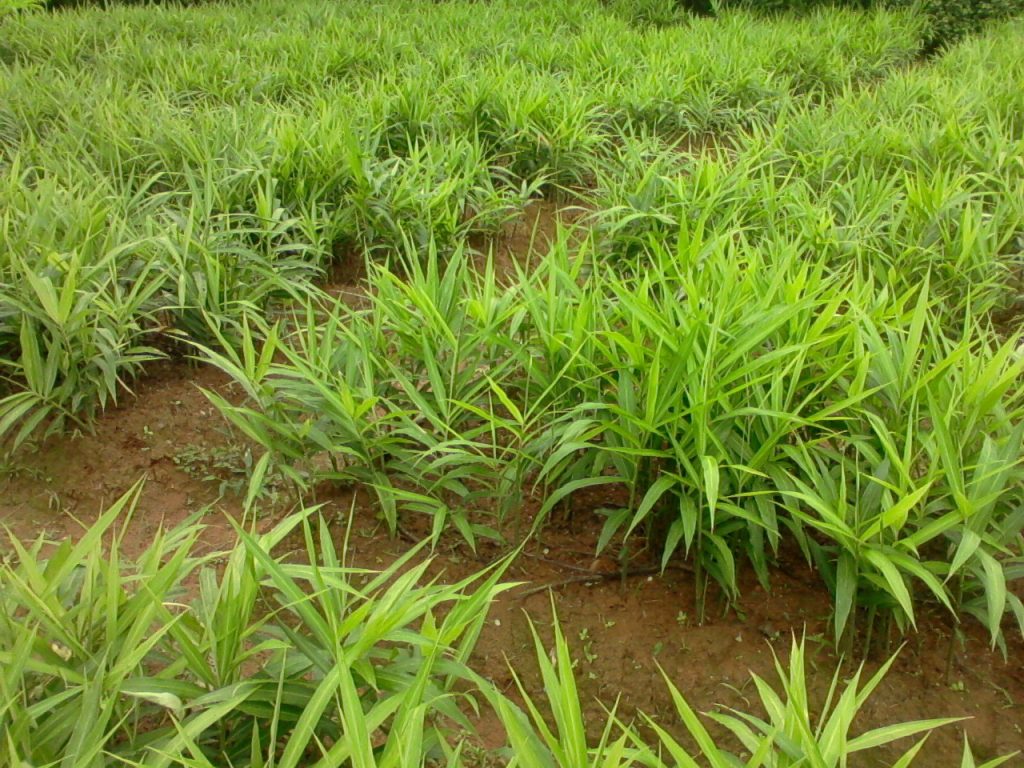
Once upon a time, the reddish-brown soils of Southern Kaduna stretching through Kachia, Jaba, Kagarko, Jere, Kwoi, Kagoro, Kafanchan, and extending into parts of Nasarawa and Plateau States, were symbols of pride and prosperity. In these lands, ginger was more than a crop; it was a culture, an inheritance, and a lifeline that defined entire communities. For decades, Nigeria ranked among the world’s top producers of ginger, with farmers from this region supplying industries from Lagos to London. The spice’s rich aroma and high oil content made it a global export brand and a source of economic pride. Today, that legacy stands on the brink of extinction. What began as an effort to “improve” local production has turned into a quiet war fought not with bullets, but with seeds, chemicals, and dependency disguised as aid. When “Aid” Becomes a Curse In the late 2010s, international development agencies, including USAID, launched a “ginger quality enhancement” programme across Kaduna State. The initiative promised higher yields through the distribution of hybrid seeds and foreign agrochemicals designed to boost export quality. At first, optimism filled the air. Farmers embraced the programme with hope for a better future. But within a few planting seasons, disaster struck. Related: Fixing the Forgotten Crisis: Solutions to Nigeria’s Herders-Farmers Conflict By 2023, a devastating fungal outbreak, Proxipyricularia zingiberis had wiped out more than 90 percent of the harvest across the ginger-producing belts. From Kachia to Jaba, farmlands that once flourished turned into barren fields. Leaves turned yellow, rhizomes rotted underground, and the region’s agricultural pride vanished almost overnight. Read Also: Beyond the Headlines: The Untold Truth behind Nigeria’s Herders-Farmers Clashes “I planted the seeds they gave us,” recalls Ibrahim Musa, a lifelong farmer from Kagarko. “The next year, everything died. They said it would help us and now we have nothing.” A bag of ginger that once sold for ₦50,000 now costs between ₦700,000 and ₦800,000 if it can even be found. Local ginger, once Nigeria’s golden spice, has been replaced in the market by bland imports from Asia. What was meant to be assistance has become a curse. Economic Sabotage in Slow Motion The collapse of ginger production has unleashed far-reaching economic consequences. Ginger was not just a cash crop; it was a livelihood that supported tens of thousands of households and powered an informal export chain worth billions of naira. Today, entire communities have been thrown into hardship. Farmers have abandoned their fields, youths have migrated to cities, and families are trapped in cycles of debt. Some have turned to maize, beans, or millet that is less profitable but safer crops. Government officials now speak of “crop rotation,” “organic regeneration,” and “disease surveillance.” But many wonder where that urgency was when the crisis began. Why was there no investigation into the imported seeds and chemicals? Why did no one take responsibility for the collapse of an entire agricultural ecosystem? What was supposed to be development assistance now appears to have crippled one of Nigeria’s most valuable export commodities. Aid or Dependency? The Kaduna ginger tragedy exposes a deeper problem, the blind faith in foreign “aid” models that erode local resilience. When Nigerian farmers cannot plant without imported seeds, when our soils depend on foreign fertilizers, and when local varieties are replaced by hybrids that destroy biodiversity, then our sovereignty is under threat. Not all aid is altruistic. Sometimes, it is dependency disguised as development, a subtle form of control that keeps nations perpetually reliant on external “assistance.” The North’s Struggle: Soil, Seed, and Survival Across northern Nigeria, the collapse of ginger is part of a wider tragedy. Banditry and kidnappings have driven farmers off their lands. Herders can no longer move cattle freely. Rural markets have grown silent. Food insecurity deepens as violence, environmental degradation, and misguided aid policies combine to weaken local resilience. From Kachia to Kafanchan, once-bustling farmlands now lie in silence, overrun by weeds. Every hectare lost whether to disease, chemicals, or insecurity which is a blow to Nigeria’s agricultural backbone and to its food security. “This is not coincidence,” said a local agricultural analyst Harande Isa in Zonkwa. “Destroy the soil, scatter the herds, close the roads then a proud people become dependent. That’s how control begins.” A History Worth Defending Ginger farming has deep roots in northern Nigeria’s history. During the colonial era, the British recognized the exceptional quality of Kaduna’s ginger and integrated it into export routes through the railway network to Lagos. By the 1980s and 1990s, the Kachia-Jaba axis had become the heartbeat of West Africa’s ginger trade, producing some of the world’s most potent varieties. The industry financed education, built homes, and sustained families for generations. Must Read: Food Waivers Threaten Northern Agriculture, Says Wali Today, that golden heritage faces extinction under the weight of poor policies, weak regulation, and foreign dependency. The Lesson The ginger crisis is not just about a crop but about control, sovereignty, and survival. Food security is not only the ability to eat but the freedom to grow what sustains a nation. If Nigeria cannot protect its farmers, its soil, and its markets, then no amount of imported aid will save it. For the North, what our state Governors need to focus on is protecting the soil is as vital as defending the borders. The real war is not fought only with guns and bombs, but with seeds, policies, and silence. Because the truth is simple, the war is already here. And it is being fought in our farmlands, in our markets, and in our hunger.

Politics, Weekend Digest with The Historica Nigeria

Rivers State Set for Thanksgiving Service to Mark Transition to Democratic Governance

Rivers State is set to mark a new chapter in its political history with an interdenominational church thanksgiving service scheduled for Sunday, as part of activities signaling its transition from emergency rule to democratic governance. The event, according to a statement issued by the Secretary to the State Government (SSG), Prof. Ibibia Lucky Worika, is designed to bring together leaders, citizens, and critical stakeholders to reflect on the state’s journey so far and to seek divine guidance for the years ahead. The thanksgiving will take place at the Ecumenical Centre, Abonima Wharf Road, Port Harcourt, beginning at 10:00 a.m., with guests expected to be seated by 9:30 a.m. Read Also: How Governor Yusuf Moves to Empower Local Councils With Financial, Administrative Freedom Those invited include permanent secretaries, local government chairmen, heads of state security and paramilitary agencies, traditional rulers, board members, captains of industry, and other key figures in the state. The statement further disclosed that Rivers State Administrator, Vice-Admiral Ibok-Ete Ibas (rtd), will serve as the Special Guest of Honour. For many, the thanksgiving service represents more than a religious gathering. It is a symbolic moment of closure and renewal — an opportunity for Rivers State to turn the page on emergency rule and embrace the promise of democratic governance.

Weekend Digest with The Historica Nigeria

How Governor Yusuf Moves to Empower Local Councils With Financial, Administrative Freedom

As the debate over grassroots governance deepens across Nigeria, Kano State has stepped into the spotlight with Governor Abba Kabir Yusuf backing a bill that seeks to give all 44 local government councils full autonomy. Though the announcement was first made earlier this week, the development continues to generate attention as part of the governor’s broader effort to reposition governance at the local level. The move reflects a growing debate on how much independence Nigeria’s local councils should enjoy in managing their resources and shaping development in their communities. Governor Yusuf gave his support during the 31st Executive Council meeting at the Government House Annex in Kwankwasiyya City, where the council approved the transmission of the bill to the State House of Assembly for legislative consideration. Read Also: How Kano’s Separated Twins Journeyed From Surgery to an Emotional Homecoming If passed into law, the legislation will empower all 44 local government councils in Kano with both financial and administrative independence, enabling them to manage funds directly, execute projects without bureaucratic delays, and make decisions tailored to their people’s needs. Governor Yusuf stressed that local government autonomy remains essential for good governance, accountability, and faster development at the grassroots, describing the reform as a necessary step in deepening democracy in Kano. He also expressed confidence that members of the State House of Assembly would rally behind the bill, which he said aligns with the overall interest of the people. For many observers, this push for local government autonomy could mark a turning point in how governance is experienced in Kano, with ripple effects for grassroots development across Nigeria.

Weekend Digest with The Historica Nigeria

How Kano’s Separated Twins Journeyed From Surgery to an Emotional Homecoming

It was an emotional homecoming this week as Kano State Governor, Alhaji Abba Kabir Yusuf, welcomed back the conjoined twins, Hassana Hassan Isa and Hussaina Hassan Isa, following their successful separation surgery in Saudi Arabia. The twins, who were joined at birth, had been airlifted to Saudi Arabia in October 2023 for a delicate and highly complex operation fully sponsored by the Government of the Kingdom of Saudi Arabia. After 23 months of intensive medical procedures, rehabilitation, and special care, Saudi doctors announced the success of the separation. Governor Yusuf, who personally escorted the twins and their family to the airport nearly two years ago, was on hand once again to receive them at the Malam Aminu Kano International Airport. The emotional ceremony was attended by officials of the Saudi Consulate General in Kano, family members, and well-wishers who gathered to celebrate the children’s safe return. Read Also: Ex-Hisbah Commanders Accuse Kano Govt of Politically Motivated Dismissal Expressing deep gratitude to the Saudi authorities, Governor Yusuf described the outcome as “a divine testimony and a new beginning for Hassana and Hussaina.” He further pledged that the state government would sponsor the children’s education from kindergarten to university, while also empowering their family with sustainable means of livelihood to ensure the girls’ proper upbringing. “This is a moment of tears of joy for Kano State, Nigeria, and humanity at large. We remain indebted to the Kingdom of Saudi Arabia for this life-saving intervention,” the Governor said. The return of Hassana and Hussaina closes a remarkable chapter of resilience, hope, and international cooperation — a story that has touched hearts in Kano and beyond.

Scroll to Top