The Historica Nigeria

Politics

National, News, Politics

Constitution Review Committee Backs Creation of Additional State in South-East

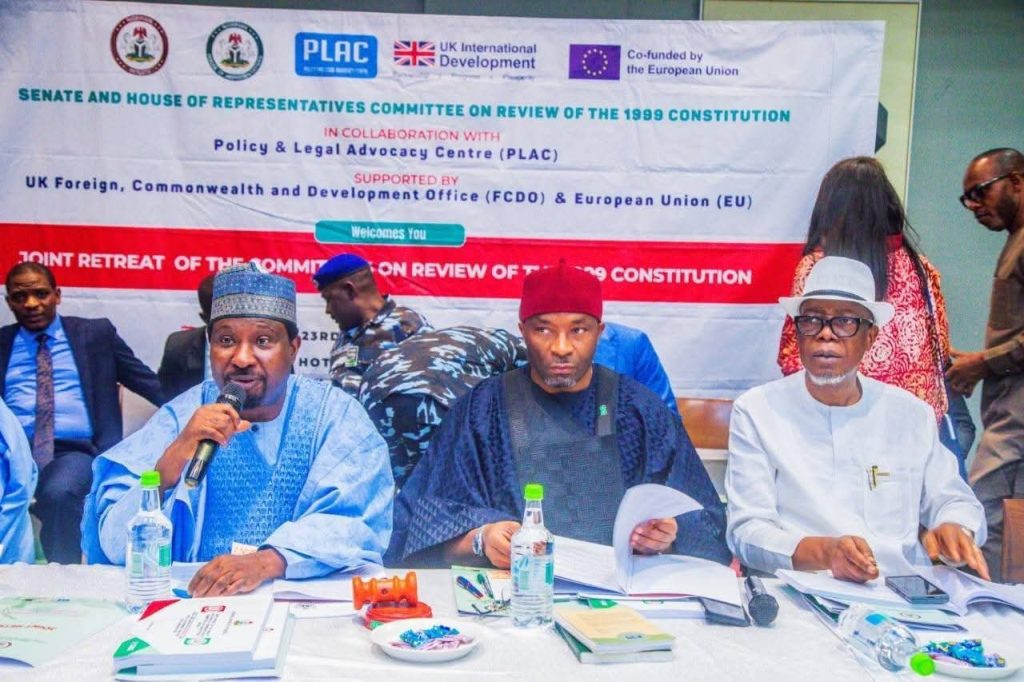
The National Assembly Joint Committee on Constitution Review has endorsed the creation of an additional state in Nigeria’s South-East region — a decision aimed at addressing long-standing demands for fairness and equity in the country’s geopolitical structure. If approved, the South-East will join the South-South, South-West, North-Central, and North-East zones in having six states each. Currently, the region comprises five: Abia, Anambra, Ebonyi, Enugu, and Imo. The resolution emerged during a two-day retreat held in Lagos on Saturday, where members of the committee deliberated on 55 proposals for new states across the country. The session was chaired by the Deputy Senate President, Senator Barau Jibrin, while the Deputy Speaker of the House of Representatives, Rt. Hon. Benjamin Kalu, served as co-chair. Related: Barau Jibrin Reaffirms Tinubu’s Commitment to Quality Healthcare, Inspects Seven Projects at AKTH In a communiqué issued at the end of the meeting, the committee said the recommendation was made “in the spirit of fairness and equity,” calling on the Federal Government to ensure the establishment of one more state for the South-East. Kalu, who has consistently championed the cause, described the development as “a step towards giving the people of the region a stronger sense of belonging in the Nigerian federation.” A statement released by the committee’s media unit confirmed that lawmakers voted unanimously in favor of the motion. “Following deliberations, Senator Abdul Ningi (Bauchi Central) moved the motion for the creation of the new state, which was seconded by Hon. Ibrahim Isiaka (Ifo/Ewekoro, Ogun State). The motion received unanimous support and was adopted,” the statement read. The committee also constituted a sub-committee to review other requests for new states and local government areas across all six geopolitical zones. According to the communiqué, 278 proposals were submitted for consideration. Read Also: Even Out of Office, Ganduje Remains the Soul of APC — Party Loyalist Speaking at the closing session, Senator Jibrin urged lawmakers to sustain the momentum by engaging colleagues in both chambers and at the state level to ensure the success of the proposal when it reaches the voting stage. “We need to strengthen what we have started so that all parts of the country will key into this process. By the time we get to the actual voting, we should already have the buy-in of all stakeholders—from both chambers and the State Houses of Assembly,” he said.

National, News, Politics

Niger Delta Leaders Push Jonathan to Support Tinubu

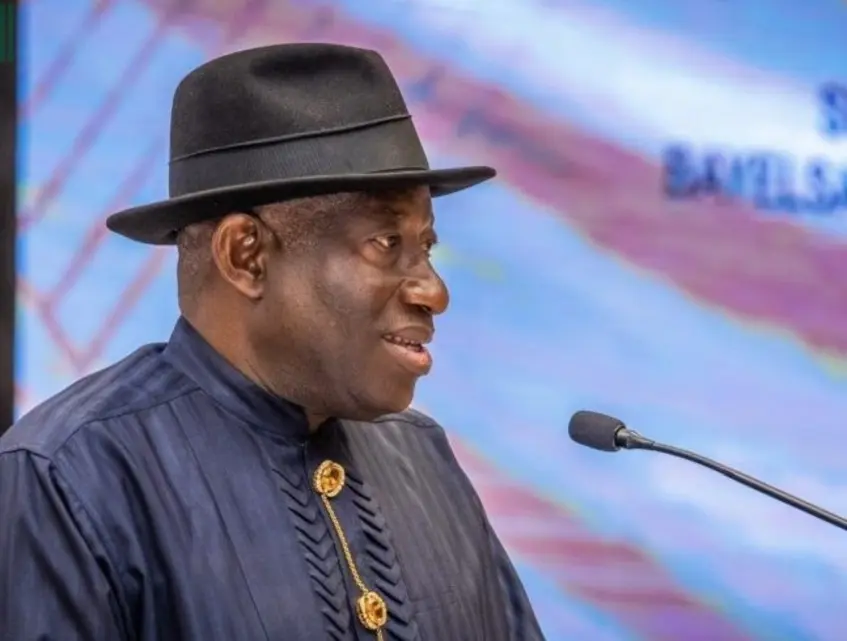
Fresh pressure is mounting on former President Goodluck Jonathan to shelve his rumoured plan to contest the presidency in the 2027 general elections, as prominent figures in the Niger Delta intensify efforts to persuade him to instead support the re-election of President Bola Tinubu. Findings by The PUNCH revealed that ex-militant leader, High Chief Government Ekpemupolo, popularly known as Tompolo, is leading the regional movement urging Jonathan to drop his alleged presidential ambition and rally behind President Tinubu’s second-term bid. It was gathered that Tompolo, accompanied by top associates including the Managing Director of Tantita Security Services Nigeria Limited, High Chief Kestin Pondi, and the deputy governorship candidate of the All Progressives Congress in the 2023 Bayelsa State election, Joshua Maciver, paid a private visit to Jonathan at his Otuoke residence in Bayelsa State on October 16. Read Also: Ganduje’s Era: The Golden Years of Infrastructure in Kano APC Hits Back at Daily Trust, Labels Editorial “Biased and Reckless” Kukah Warns Against Labeling Nigeria a Country of Concern, Cites Tinubu’s Inclusive Leadership The meeting, which reportedly lasted several hours, was Tompolo’s first public appearance in nearly a decade—signifying the importance of his mission. Contrary to earlier reports suggesting that discussions centred on peace and security in the Niger Delta, multiple sources disclosed that the visit was primarily political. According to reliable sources, Tompolo’s visit aimed to discourage Jonathan from running for president and to convince him to support Tinubu’s 2027 re-election bid. A close associate of the former president confirmed that the meeting indeed took place, stating, “Niger Delta stakeholders believe President Tinubu has done a lot for the region—the Lagos-Calabar Coastal Highway, the university approved for Ogoniland, and other projects. The consensus is that the region should back his second term.” The source added that Jonathan had been considering the idea of contesting before the meeting. Members of Tompolo’s camp described the visit as “historic,” noting that it underscored the seriousness of the message delivered to the former president. Tompolo, who has remained a strong supporter of President Tinubu, currently oversees the multibillion-naira pipeline surveillance contract and leads a grassroots mobilisation group known as the PBAT Door-to-Door Movement, aimed at promoting Tinubu’s re-election across the Niger Delta. Further reports suggest that Tompolo told Jonathan that the sentiment among Niger Deltans does not favour his return to power. He reportedly urged the former president to take a cue from his wife, Patience Jonathan, and Bayelsa State Governor, Douye Diri, who are said to have aligned with Tinubu’s re-election efforts. “Tompolo told him point-blank that most Niger Deltans prefer Tinubu to continue till 2031,” a source said. Jonathan, according to insiders, listened attentively and thanked Tompolo for his frankness, promising to reflect on the advice before making any political decisions. While Jonathan later told journalists that their discussion focused on peace and stability in the Niger Delta, sources insist that the political angle dominated the talks as regional elites increasingly tilt towards Tinubu’s re-election.

Abuja, Kano, National, Politics

Ganduje’s Era: The Golden Years of Infrastructure in Kano

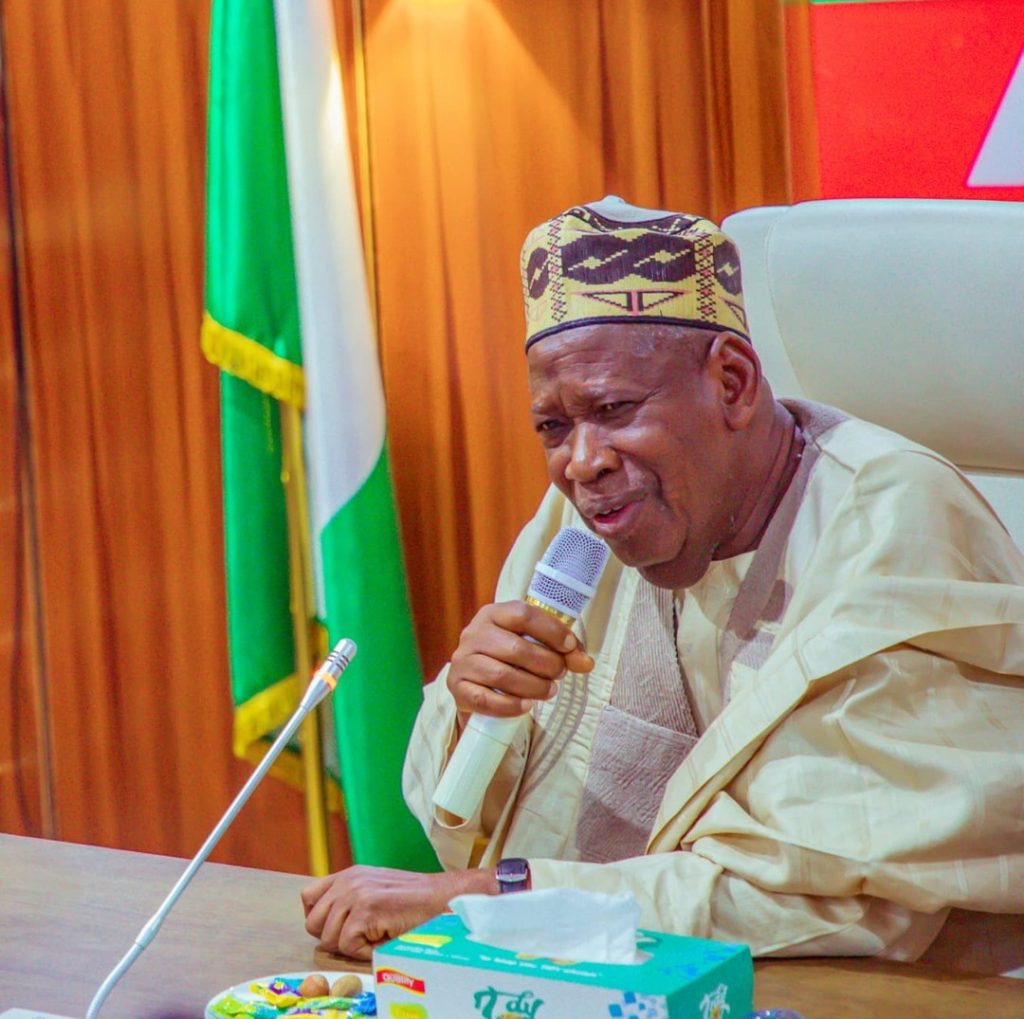
By Umar Idris Shuaibu, Kano In the history of Kano State’s development, few leaders have left a legacy as profound and visible as Dr. Abdullahi Umar Ganduje, CON, the immediate past National Chairman of the All Progressives Congress (APC) and current Chairperson of the Board of the Federal Airports Authority of Nigeria (FAAN). During his tenure as Governor of Kano State from 2015 to 2023, Dr. Ganduje transformed the state through bold infrastructural development, urban renewal projects, and capital investments that continue to shape the daily lives of residents. His administration’s focus on physical development, human capital growth, and institutional reforms earned him recognition as one of Kano’s most visionary leaders in recent decades. Across eight years, the former governor turned Kano into a vast construction site, with flyovers, hospitals, schools, and road networks springing up across the state. Many citizens still recall that period as a time of purposeful leadership and practical governance. Transforming Urban Kano One of the defining hallmarks of Ganduje’s administration was the modernization of Kano’s urban landscape. Determined to ease congestion and beautify the city, he embarked on an ambitious program of constructing flyovers, underpasses, and dual carriage roads. Read Also: Ganduje’s Achievements Still Define Kano, Despite NNPP’s Attempts to Erase Them Even Out of Office, Ganduje Remains the Soul of APC — Party Loyalist Kwankwaso’s Conditions Unrealistic, Says Ganduje-Led Kano APC Projects such as the Ado Bayero Flyover, the Aminu Dantata Flyover, and the Kofar Ruwa Underpass stand today as monuments of urban transformation. These structures not only improved traffic flow but also gave Kano a modern outlook befitting its status as the commercial nerve center of Northern Nigeria. Healthcare and Education Ganduje’s vision extended beyond infrastructure to the health and education sectors. His government initiated and completed several landmark projects, including the Kano Cancer Treatment Centre — one of the most advanced oncology facilities in the region. In the education sector, he championed a free and compulsory basic education policy to ensure that every child in Kano had access to learning. He also established new tertiary institutions and upgraded existing ones, particularly the transformation of Northwest University, now Yusuf Maitama Sule University, into a model center of learning with improved academic standards. Rural Development and Agriculture While the city experienced modernization, the Ganduje administration also prioritized rural development. Extensive road networks were constructed to link communities, and farmers received support through agricultural input programs and irrigation schemes. The establishment of the Dansoshiya Grazing Reserve Project remains one of his most notable initiatives. Designed to address the herders-farmers crisis, the project provided housing, veterinary services, and sustainable grazing facilities for pastoral communities. It later served as a reference point for national livestock policies and contributed to the formation of the Federal Ministry of Livestock Development. Industrial Growth and Policy Reforms Dr. Ganduje also revitalized Kano’s commercial and industrial base. The completion of the Kano Economic City and the Dawakin Tofa Industrial Park boosted trade and small-scale enterprises. His government encouraged industrial investors and promoted private sector partnerships to enhance job creation. Beyond infrastructure, Ganduje introduced several policy innovations, including the creation of the APC Progressive Institute (TPI), a think tank that fosters leadership and policy development within the party. The institute remains an example of his forward-thinking approach to governance and capacity building. Legacy of Progress Today, years after leaving office, the impact of Dr. Abdullahi Umar Ganduje’s leadership remains evident across Kano. Roads, bridges, hospitals, schools, and public institutions reflect his administration’s focus on progress and continuity. Many residents believe his era marked a golden chapter in Kano’s developmental journey — one characterized by visible achievements and long-term investments. From the city to rural communities, his infrastructural footprint continues to inspire admiration and debate among citizens and observers alike. Indeed, when it comes to capital projects and visionary development, Dr. Abdullahi Umar Ganduje stands unmatched in the history of Kano State.

National, News, Politics

PDP Adopts Turaki as Consensus Chairman

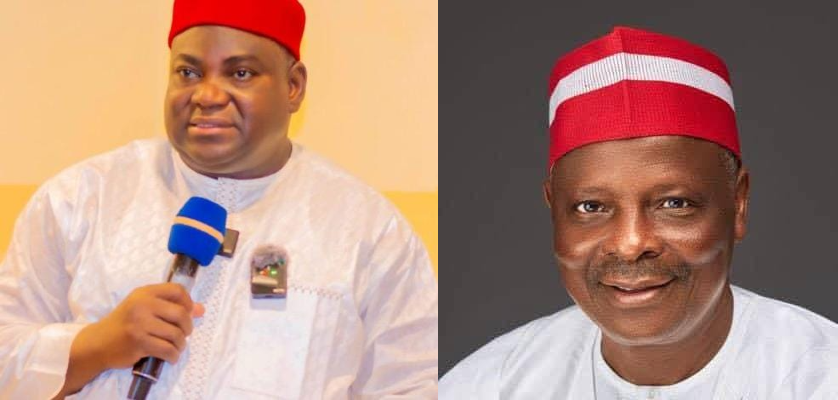
Former Minister of Special Duties under Goodluck Jonathan’s administration, Kabiru Tanimu Turaki, SAN, has emerged as the consensus chairmanship candidate ahead of next month’s National Convention of the Peoples Democratic Party (PDP). Adamawa State Governor, Ahmadu Fintiri, announced the decision of PDP stakeholders to settle on Turaki at about 10:45 p.m. in Abuja on Wednesday night. He said the Senior Advocate of Nigeria emerged after extensive consultations among PDP Northern stakeholders. Read Also: APC Consolidates Strength Across Nigeria Ahead of 2027 Elections Among those present at the stakeholders’ meeting where the decision was reached were the incumbent PDP National Chairman, Umar Damagum; Zamfara State Governor, Dauda Lawal; former Information Minister, Prof. Jerry Gana; Bauchi State Governor, Bala Mohammed; former Senate President, Bukola Saraki; former Kaduna State Governors, Ibrahim Shekarau and Ahmed Makarfi; and Senate Minority Leader, Senator Abba Moro, among others. Reports indicate that Turaki was formally adopted by PDP Northern stakeholders who met in Abuja on Wednesday night, October 22, 2025. The PDP had earlier retained the chairmanship position in the North, later micro-zoning it to the North-West region. Turaki, who hails from Kebbi State, was adopted as part of a wider consensus arrangement aimed at ensuring unity within the party ahead of the convention. The meeting also deliberated on other positions zoned to the region, including those of National Organising Secretary, Treasurer, and National Youth Leader, among others.

Kano, Politics

Waiya Celebrates Sen. Kwankwaso, Describes Him as a Visionary Leader and Builder of Men

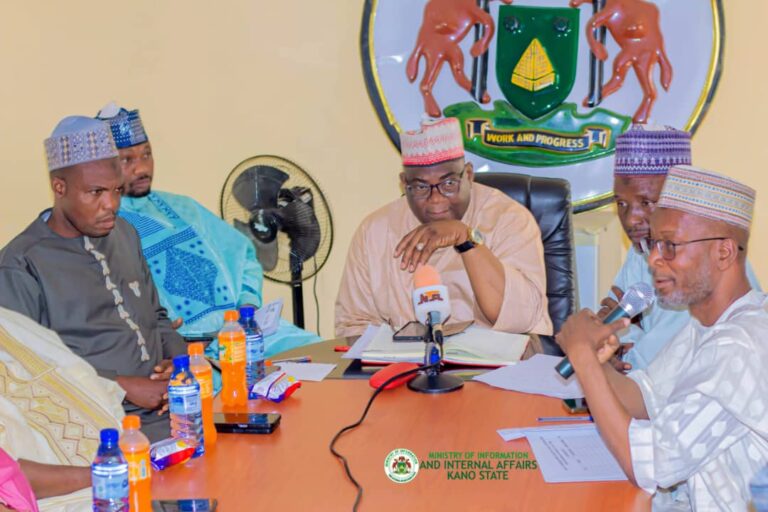
Kano State Commissioner for Information and Internal Affairs, Comrade Ibrahim Abdullahi Waiya, has joined millions of well-wishers across Nigeria and beyond to celebrate the birthday of His Excellency, Senator Dr. Rabiu Musa Kwankwaso, FNSE, describing him as a true statesman, visionary leader, and one of the most admired political figures in Northern Nigeria and the nation at large. This was contained in a statement signed by Comrade Ibrahim Abdullahi Waiya, on behalf of himself, his family, and the entire staff of the Ministry of Information and Internal Affairs. Waiya praised Senator Kwankwaso’s outstanding contributions to nation-building and his enduring legacy in public service, noting that his visionary leadership continues to inspire millions. He commended the former governor’s transformative impact on Kano State through landmark infrastructure, educational and economic reforms, and his unwavering commitment to empowering youths from underprivileged backgrounds through scholarship and mentorship initiatives. Read Also: Governor Yusuf Hailed for Justice-Driven Leadership and Compassionate Governance “Your unmatched record as a two-term governor, Minister of Defence, and national leader continues to shape the political consciousness of our generation,” the statement read. “You have built people, inspired by your leadership style, and institutionalized a political ideology rooted in selfless service, discipline, and compassion for the common man and humanity.” Waiya further expressed his gratitude for Senator Kwankwaso’s mentorship and encouragement, describing him as a leader who has nurtured and supported young people in governance and leadership. He prayed for Allah’s continued blessings upon Senator Kwankwaso, asking for good health, wisdom, and strength for the leader to continue his service to humanity and the nation.

Feature, National, Politics

APC Consolidates Strength Across Nigeria Ahead of 2027 Elections

As Nigeria steadily approaches the 2027 general elections, the All Progressives Congress (APC) continues to tighten its grip across the country’s six geo-political zones, emerging stronger and more coordinated than ever. The ruling party’s growing dominance is reinforced not only by the wave of defections from opposition governors but also by the institutional strengthening championed by visionary leaders such as Dr. Abdullahi Umar Ganduje, the immediate past National Chairman of the APC and current Chairman of the Board of the Federal Airports Authority of Nigeria (FAAN). In recent weeks, several governors elected under the opposition Peoples Democratic Party (PDP) have defected to the APC, citing disunity, lack of ideological direction, and leadership crises within the party. These defections have further consolidated APC’s foothold across regions — particularly in the South-East and South-South — where the PDP once enjoyed strong influence. One of the most significant political shifts occurred in Enugu State, where Governor Peter Mbah, alongside members of his State Executive Council, officially joined the APC. Barely a day later, Bayelsa State Governor Douye Diri resigned his PDP membership, signaling a major setback for the opposition and a widening acceptance of the APC’s reform-driven governance style. Related: APC Hits Back at Daily Trust, Labels Editorial “Biased and Reckless” Beyond electoral strength, the APC’s growing institutional maturity can be credited to reforms introduced under the leadership of Dr. Ganduje, whose tenure as National Chairman marked a strategic turning point for the party. Among his most notable initiatives was the establishment of the APC Progressive Institute (TPI) — a think tank designed to build intellectual capacity, strengthen internal democracy, and drive policy innovation within the party. The TPI serves as a research and policy center that develops data-driven ideas to guide national and state governments under the APC. Through this platform, party members, public officials, and emerging political leaders are exposed to structured training in governance, political communication, and sustainable development strategies — aligning the party’s ideology with Nigeria’s long-term growth and democratic consolidation. Read Also: Ganduje’s Achievements Still Define Kano, Despite NNPP’s Attempts to Erase Them Political observers note that such forward-thinking initiatives have transformed the APC into more than just a political party — it has evolved into a policy-driven institution capable of shaping Nigeria’s future through ideas, reforms, and inclusive governance. Currently, the APC controls 22 out of Nigeria’s 36 states, with a dominant presence in both the North and South. In the South-West, it maintains a solid base in Lagos, Ekiti, Ogun, and Ondo states. The South-East, once seen as a stronghold of the opposition, now boasts APC-led governments in Enugu, Ebonyi, and Imo States. In the South-South, the party has made significant inroads with Delta, Edo, Akwa Ibom, and Cross River under its fold. In the North, the APC’s dominance remains unshaken. It commands control of nearly all states in the North-West, North-East, and North-Central, including Kano, Katsina, Jigawa, Borno, Gombe, Niger, Kwara, Kogi, and Benue, among others — a testament to its widespread appeal. Analysts agree that the APC’s current strength is not accidental but the result of deliberate political engineering, internal restructuring, and strategic inclusiveness initiated by leaders like Dr. Ganduje. His role in institutionalizing political education through the Progressive Institute continues to serve as a model for long-term party sustainability and governance innovation. With a sitting president, a majority in the National Assembly, and dominance in most state governments, the APC enters the 2027 election season as the defining political force shaping Nigeria’s direction. The party’s expanding structure, ideological clarity, and commitment to development-oriented governance make it a formidable institution, far beyond the reach of fragmented opposition parties. As many political watchers observe, the APC today represents not just a ruling party — but a forward-looking movement anchored on progressive ideas, institutional learning, and national stability. Umar Idris Shuaibu is a public affairs analyst and Ganduje loyalist from Kano.

National, News, Politics

APC Hits Back at Daily Trust, Labels Editorial “Biased and Reckless”

The All Progressives Congress (APC) has fired back at Daily Trust newspaper over its Monday editorial titled “APC Should Learn From History,” describing it as a display of “editorial bias, daftness, and journalistic recklessness.” In a statement issued in Abuja by its National Publicity Secretary, Felix Morka, the ruling party said the editorial was deliberately crafted to malign the APC and spread falsehoods about the recent wave of defections by some state governors to the party. Morka said the newspaper’s claim that defections to the APC “portend a dangerous trend towards the erosion of multi-party democracy and a descent into a despicable one-party state” was baseless and reflected a poor understanding of constitutional freedoms. Related: Ganduje’s Achievements Still Define Kano, Despite NNPP’s Attempts to Erase Them According to him, “The paper failed miserably to explain how the exercise by the governors of their constitutional freedom of association and democratic liberty to choose among competing party alternatives threatens the country’s multiparty democracy or signifies a descent into a one-party state.” He emphasized that there is no law in Nigeria restricting governors or any citizen from changing political affiliation. “The paper postulated that citizens’ right to associate with any political organization must be exercised within the bounds of the law but failed to identify the law that prohibits governors from quitting the party platform on which they were elected and joining another party of their choice. The paper didn’t cite it because such law does not exist,” he stated. Read Also: The silent strategist strengthening APC’s hold in the North The APC spokesman described the editorial as “grossly bereft of reason, objectivity, and rationality,” accusing Daily Trust of echoing opposition propaganda. “It was clearly based on the vile intent of its editors serving as a repeater station of the opposition’s senseless screams,” he said. Morka argued that the defections should be viewed as evidence of the APC’s growing strength and the opposition’s weakness, not as a threat to democracy. “The defections from opposition parties to our party deliver a damning indictment of their failed leadership, dysfunction, and lack of internal democracy,” he noted. He further accused Daily Trust of double standards, saying the newspaper often praises defections when they favour opposition parties but condemns them when they benefit the APC. “In the paper’s perspective, defections to APC are a threat to democracy, but defections from APC to opposition parties advance democracy. That double standard is glaring, invidious, and unacceptable,” he said. Morka dismissed fears of Nigeria sliding into a one-party state as “wishful thinking,” stressing that the nation’s democracy remains vibrant with about 19 registered and active political parties. While acknowledging the media’s right to editorial opinion, the APC cautioned against deliberate misinformation and bias. “It is a mark of crass irresponsibility for Daily Trust to peddle falsehoods, conjectures, and outright deception as editorial material,” Morka said. He reaffirmed the party’s commitment to President Bola Ahmed Tinubu’s Renewed Hope Agenda, which, he noted, is focused on improving citizens’ welfare and building a stronger, more prosperous Nigeria.

Feature, Kano, Politics

Ganduje’s Achievements Still Define Kano, Despite NNPP’s Attempts to Erase Them

In the unfolding political landscape of Kano State, one truth stands undeniable as Dr. Abdullahi Umar Ganduje’s legacy continues to define the direction, pace, and expectations of governance. Nearly two years into office, the New Nigeria People’s Party (NNPP)-led administration under Governor Abba Kabir Yusuf has struggled to escape the shadow of the former governor, whose developmental strides remain deeply etched in the state’s progress story. Rather than consolidating on the solid foundations laid during Ganduje’s two-term tenure, the NNPP government has seemingly chosen a path of political vengeance — focusing more on dismantling his achievements than building new ones. From endless legal distractions to administrative reversals, the state government appears more interested in Ganduje’s past than in its own performance record. Observers argue that the NNPP government came into power without a clear blueprint for governance. Since assuming office, there has been little evidence of coherent planning, continuity, or measurable progress in critical sectors such as infrastructure, education, healthcare, and urban renewal. Instead, political theatrics and intra-party crises have dominated the government’s first years, stalling meaningful development and eroding public confidence. Related: Even Out of Office, Ganduje Remains the Soul of APC — Party Loyalist By contrast, during his eight-year tenure, Dr. Ganduje demonstrated a pragmatic and inclusive approach to governance. He not only transformed Kano metropolis into a rapidly growing mega city through massive road networks, flyovers, and urban renewal projects, but also extended infrastructural development to rural areas — ensuring that communities in Rano, Karaye, Gaya, and Bichi Emirates experienced tangible growth and government presence. The creation of the four new emirates remains one of Ganduje’s most people-centered reforms, bringing governance and traditional leadership closer to grassroots communities. The move was widely celebrated for promoting inclusion, cultural revival, and administrative efficiency — a decision that many Kano residents still view as a bold and visionary step. Critics now point out that Governor Yusuf’s administration has failed to match Ganduje’s foresight and administrative discipline. While the NNPP government blames its slow progress on alleged mismanagement by the previous administration, the realities on the ground suggest a lack of strategic focus and leadership depth. Read Also: Northwest University Kano Appoints Professor Aisha Garba Habib as Acting Vice Chancellor Kano’s development narrative, therefore, still bears Ganduje’s imprint — from urban transformation projects and economic empowerment programs to the state’s elevated status as a major investment destination in northern Nigeria. His emphasis on education, healthcare, and rural development has left footprints too visible to erase. In the end, even as the NNPP administration seeks to rewrite history, Ganduje’s achievements continue to speak louder than the propaganda against him. His era remains the benchmark of modern governance in Kano — one defined by planning, execution, and tangible results.

Abuja, National, Politics

The silent strategist strengthening APC’s hold in the North

In every political movement, there are figures whose work, though quiet and often unseen, defines the stability and success of their party. One such figure is Alhaji Kabir Ibrahim Masari, the Senior Special Assistant to the President on Political Matters, and a trusted ally of President Bola Ahmed Tinubu. For over a decade, Masari has been a consistent pillar of strength for the All Progressives Congress (APC) right from the Buhari years to the Tinubu presidency. His influence, particularly across the North-West and the broader northern region, has been instrumental in keeping the party united, focused, and forward-looking. Masari’s political journey is rooted in loyalty, strategy, and service. He was part of the early architects of the APC’s northern structure, working tirelessly during the formative years of the Buhari administration to build bridges among key stakeholders and maintain harmony within the party. Related: Information Minister Predicts APC Takeover of 30 States by 2026 Those who know him describe him as a silent strategist who calm, focused, and unshakably loyal to the ideals of progress and unity. His ability to navigate complex political terrains and mediate between competing interests has earned him respect from party leaders, governors, and grassroots members alike. As Senior Special Assistant to President Tinubu on Political Matters, Masari plays a vital role in ensuring synergy between the Presidency and state governments, particularly in the North-West. He understands the pulse of the region, its political dynamics, aspirations, and expectations from the APC-led federal government. Through strategic engagement, consultation, and quiet diplomacy, he has helped strengthen cooperation between Abuja and the governors of Kano, Katsina, Jigawa, Kebbi, Kaduna, and Sokoto. This collaboration has allowed for smoother political coordination, better communication, and a stronger sense of shared purpose. Read Also: Even Out of Office, Ganduje Remains the Soul of APC — Party Loyalist His influence extends beyond political structures into real human connections. Masari’s approach is simple but effective: listen to the people, align with their hopes, and build confidence through inclusion. That principle has guided his interventions across the region, including his notable efforts in reconciling aggrieved APC members in Bauchi State, where internal divisions once threatened to weaken the party’s base. Masari’s tactful mediation and genuine engagement with party leaders and factions helped restore unity, rebuild trust, and reposition the APC as a cohesive force ahead of future elections. His success in Bauchi reaffirmed his reputation as one of the party’s most dependable peacebuilders and strategic consensus managers. The recent defection of over 60,000 people in Jigawa State to the APC stands as a clear testament to Masari’s growing political influence. His presence at the event, and his appeal for continued unity and loyalty to the Tinubu administration, were more than ceremonial. They symbolised the renewed momentum of the APC in the North-West. In Masari’s words, Jigawa and other states in the region “will continue to benefit from the Renewed Hope Agenda,” reinforcing the message that development and inclusion remain at the heart of APC’s mission. By ensuring that northern states feel both politically represented and economically included, Masari is laying a solid foundation for President Tinubu’s reelection in 2027. Masari’s political philosophy rests on a simple truth that, the North’s strength lies in its unity. Under his guidance, the APC has deepened its reach into communities once considered politically distant. He has championed the integration of youth groups, traditional leaders, women’s associations, and grassroots political movements into the APC fold by ensuring that every voice is heard and every constituency is represented. Beyond party politics, Masari has continued to preach tolerance, cooperation, and national unity. His diplomacy extends beyond the North, as he often serves as a bridge between northern and southern leaders, reflecting President Tinubu’s belief in an inclusive Nigeria where no region is left behind. While others chase headlines, Masari focuses on results. His coordination efforts have contributed to resolving internal rifts within APC structures in several northern states, encouraging mass defections from opposition parties through persuasive, grassroots-driven engagement. His strategy is also strengthening confidence in the Tinubu administration among northern communities, ensuring that APC’s policy gains translate into political goodwill across the region. Each of these quiet victories adds up to a broader narrative of unity and resilience within the ruling party. President Tinubu’s Renewed Hope Agenda depends not only on sound policy but also on political stability. Figures like Kabir Ibrahim Masari ensure that the message of hope, reform, and national development continues to resonate strongly across Nigeria’s political heartland. As the 2027 elections draw nearer, Masari’s role as a stabiliser and mobiliser in the North will become even more critical. His ability to connect the grassroots to the presidency, and to translate federal policies into tangible local benefits, gives APC a unique advantage. Kabir Ibrahim Masari may not be the loudest voice in the room, but his influence is undeniable. Through his strategic wisdom, calm diplomacy, and deep understanding of northern politics, he has helped cement APC’s place as the dominant force in the region. With the North-West and indeed, the entire North rallying behind President Tinubu’s leadership, it is clear that Masari’s quiet strength continues to power the engine of progress, unity, and victory. In politics, as in leadership, some heroes prefer to work behind the scenes. Kabir Ibrahim Masari is one of them, and is steady, loyal, and unrelenting in his commitment to the success of the APC and the future of Nigeria. Danlami Abubakar Maikano is a political affairs commentator. He wrote from Bokkoto Quarters, Dutse, Jigawa state and can be reached via email: danlamimaikano@gmail.com

National, News, Politics

Those Who Criticised Me Are Now in APC – Wike Mocks Defecting PDP Governors

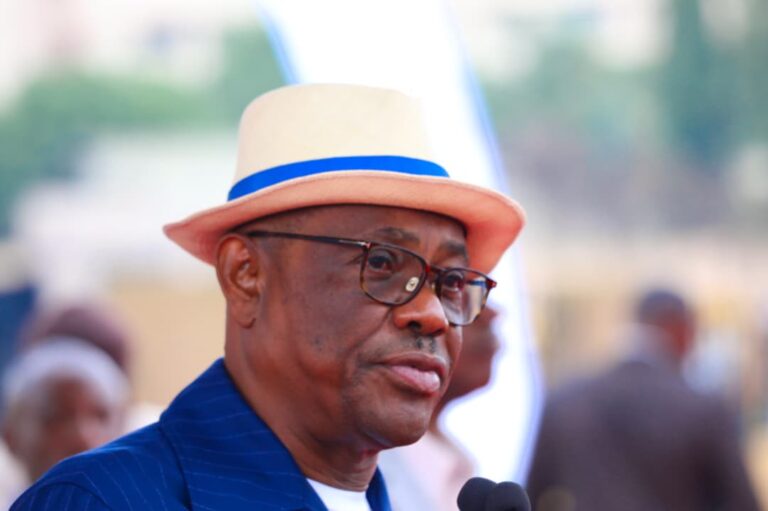
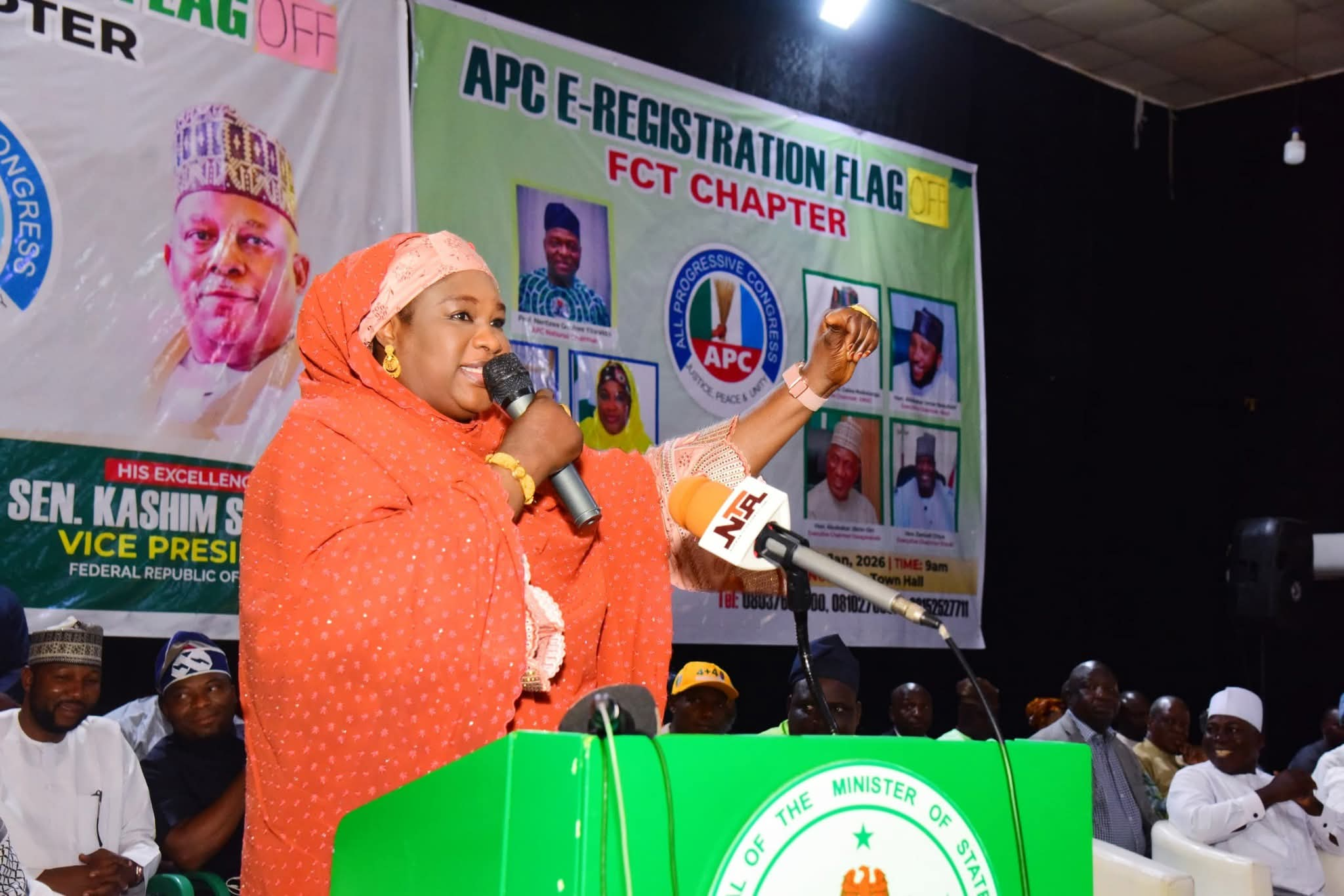
The Minister of the Federal Capital Territory, Nyesom Wike, has stated that the mass defection of Peoples Democratic Party (PDP) leaders and state governors to the ruling All Progressives Congress (APC) has vindicated his earlier stance and justified his support for President Bola Ahmed Tinubu. Wike made the remarks on Wednesday during the flag-off of the construction of the main carriageways on the Outer Southern Expressway in Abuja. The FCT Minister said some governors who previously accused him of destabilising the PDP and working for the APC are now members of the ruling party, adding that they should commend him for “doing a good job” that eventually paved the way for them. Read Also: Information Minister Predicts APC Takeover of 30 States by 2026 “I have been watching on daily television and social media, people who said I wanted to destabilise the party, that I was working for the APC. All of them are now in the APC. So, if that is true, they should commend me for working for where they are heading. I should be commended for doing a good job for them,” he said. In the past 48 hours, Enugu State Governor Peter Mbah resigned from the PDP and joined the APC, citing national development and President Tinubu’s leadership as reasons for his defection. Similarly, Bayelsa State Governor Douye Diri also announced his defection from the PDP on Wednesday, alongside 19 members of the State House of Assembly. His move makes him the fourth PDP governor to defect ahead of the 2027 general elections, reducing the party’s governorship seats from 11 as of October 2024 to only eight presently. Wike stated that the defecting governors have no reason to complain, as President Tinubu’s “decisive leadership” has provided enough financial resources for states to pay salaries and execute meaningful projects. “Let every state be sincere to their people and to Nigerians. I was a governor for eight years, and sometimes the money that came in was not enough to pay salaries, let alone carry out projects. But today, because of the leadership of somebody—by the decisive leadership of somebody—every state now has money. Banks that governors used to run to are now the ones running after states, saying, ‘Don’t leave us out,’” Wike said. He described his decision to support Tinubu’s administration as a “worthwhile choice,” adding that the current leadership has ended the era of states leaving huge debts for their successors. “So, if for that reason so many people are going to support Mr President, I think it is worthwhile. Now, no governor will talk about leaving debts for his successor, unlike what used to happen before. That is the leadership of somebody. And that’s what this country needs right now—visionary and purposeful leadership that takes bold decisions others once avoided,” he stated.

Scroll to Top