The Historica Nigeria

National

Kano, National, Politics

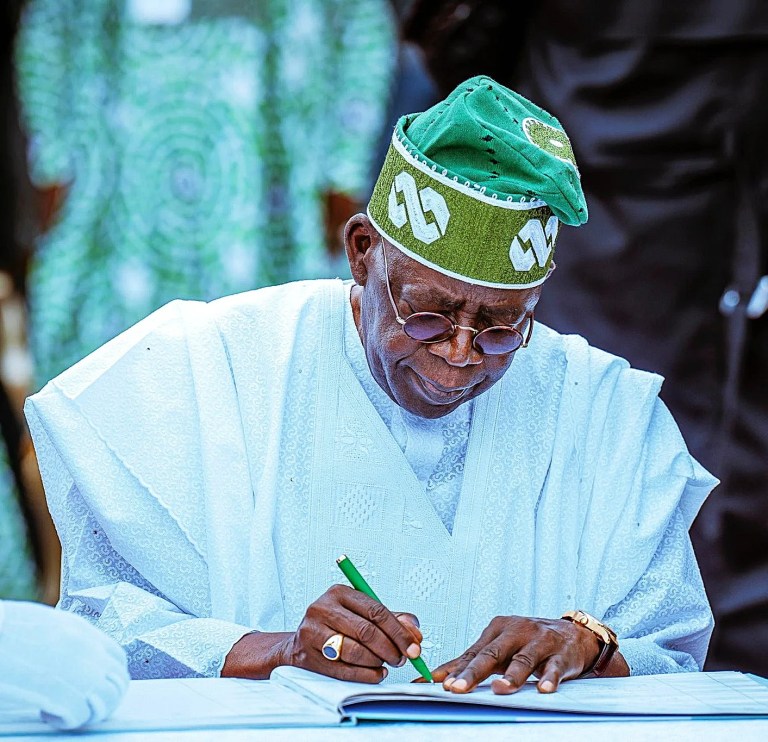
Tinubu Praises Yusuf’s Leadership, Development Strides in Kano at 63

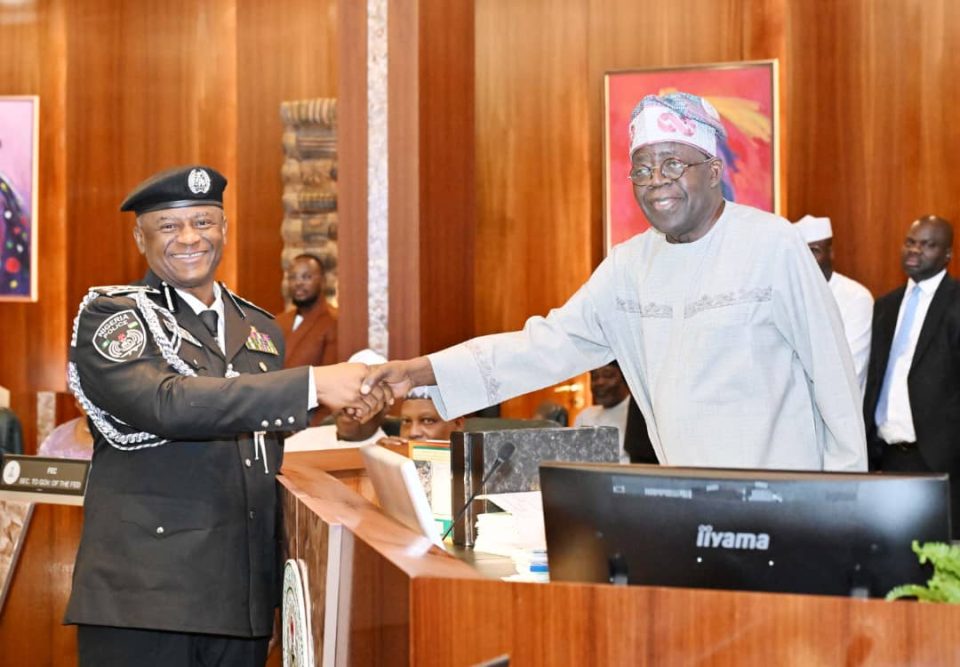
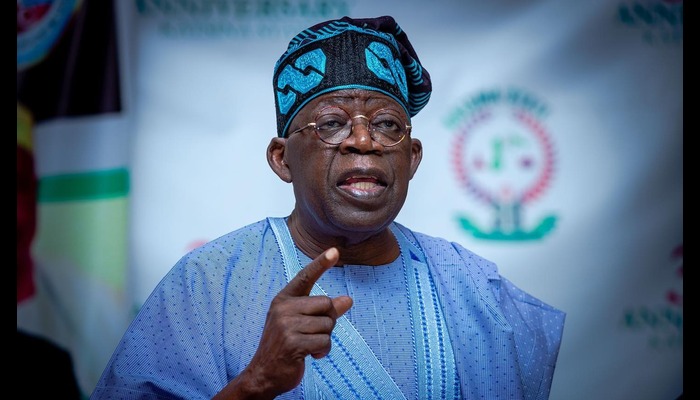
Umar Idris Shuaibu, Kano President Bola Ahmed Tinubu has congratulated the Governor of Kano State, Abba Kabir Yusuf, on the occasion of his 63rd birthday, praising his leadership qualities and contributions to the development of the state. In a statement issued on Sunday by his Special Adviser on Information and Strategy, Bayo Onanuga, the President described Governor Yusuf as a leader of integrity, humility and dedication to public service. Tinubu noted that these attributes have been evident in Yusuf’s administration since his election in 2023 on the platform of the New Nigeria Peoples Party (NNPP), adding that the governor’s leadership has driven notable infrastructural development across Kano State. The President commended the governor’s declaration of a state of emergency in the education sector, saying the move has contributed to improved performance by Kano students in the National Examinations Council (NECO) examinations. Read Also: APC Eyes Control of 30 States as Governor Yusuf Considers Defection Kano Governor Yusuf’s APC Defection Postponed Kano 2027: Deputy Governor Gwarzo, Kofar Mata Emerge as Potential NNPP Candidates “Governor Yusuf’s administration in Kano, the bastion of progressive politics in the North, reflects a renewed commitment to grassroots development and improving the welfare of the talakawa, as championed by the late Malam Aminu Kano,” the statement said. Tinubu also acknowledged Yusuf’s prior experience in public service, particularly his tenure as commissioner overseeing key portfolios in the state, noting that it prepared him for the infrastructural initiatives currently underway. According to the President, the governor has embarked on extensive urban renewal projects, including the construction of bridges and road networks, with at least five kilometres of roads built in each local government area of the state. He reiterated that the education emergency declared by the Yusuf administration has yielded measurable gains, especially in students’ academic outcomes at the national level.

National, Politics

APC Remains Dominant Ahead of 2027, Says Yilwatda

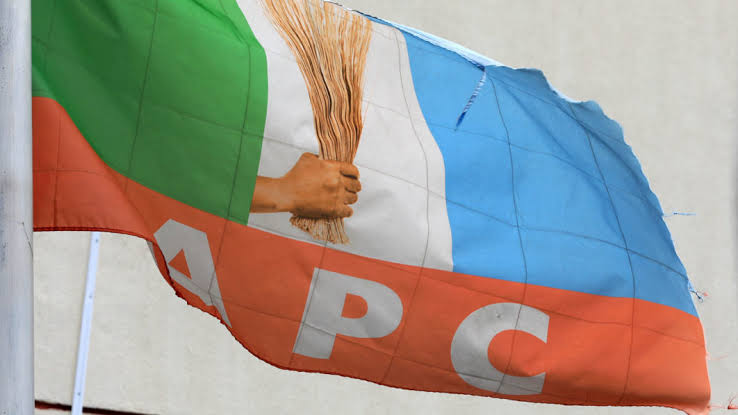
The National Chairman of the All Progressives Congress (APC), Professor Nentawe Yilwatda, has dismissed concerns about the future of the ruling party beyond the administration of President Bola Ahmed Tinubu, insisting that the APC has the structure, leadership depth and resilience to endure. Yilwatda made the assertion on Friday while appearing on Channels Television’s Hard Copy programme, amid growing debates over leadership succession within the party ahead of the 2027 general elections. According to him, the survival and stability of the APC are not dependent on any single individual, noting that the party existed and functioned effectively before Tinubu became president and has continued to do so under his leadership. He recalled President Tinubu’s instrumental role in the formation of the APC ahead of the 2015 general elections, as well as his leadership of the reconciliation committee established by former President Muhammadu Buhari in 2018 to address internal disputes within the party. Yilwatda said Tinubu’s intervention at the time helped to unify warring factions and significantly contributed to the party’s victory in the 2019 general elections, despite Tinubu not occupying any executive office then. Read Also: APC Eyes Control of 30 States as Governor Yusuf Considers Defection Kano Governor Yusuf’s APC Defection Postponed Kano Politics: Ganduje’s Leadership Remains APC’s Strongest Asset He added that Tinubu would remain an influential figure within the APC even after leaving office, describing him as a national leader whose political experience, network and strategic insight would continue to be valuable to the party. The APC chairman also dismissed claims that the party is losing ground in the North ahead of the 2027 polls, citing the outcome of the August 2025 by-elections as evidence of sustained support. According to him, the APC recorded victories in several northern states, including Kebbi, Kano, Kaduna, Adamawa, Kogi and Niger, losing only one House of Assembly seat during the exercise. Yilwatda said the results reflect the party’s acceptance across different regions, religious groups and ethnic communities, stressing that the APC remains the most dominant political party at the grassroots level nationwide.

National, Politics

APC Eyes Control of 30 States as Governor Yusuf Considers Defection

Umar Idris Shuaibu, Kano The All Progressives Congress (APC) is edging closer to controlling 30 states amid growing speculation that Kano State Governor, Abba Kabir Yusuf, may defect from the New Nigeria Peoples Party (NNPP). Political observers say Yusuf’s possible defection would significantly alter Nigeria’s political landscape, further strengthening the APC’s dominance at the subnational level. The ruling party has recently recorded a wave of defections from opposition parties, consolidating its influence across several states. Read Also: Unchecked Sand Mining Threatens 300-Year-Old Farming Community in Kano Kano Politics: Ganduje’s Leadership Remains APC’s Strongest Asset Plateau Governor Caleb Mutfwang Defects to APC Although the Kano governor has not made any official declaration, heightened consultations and realignments within the state’s political space have fueled reports of a potential move to the APC. Kano remains a strategic political stronghold in the North-West, and any shift by its governor is expected to have far-reaching implications. If Governor Yusuf eventually defects, the APC would move closer to achieving control of 30 states, reinforcing its position as Nigeria’s most dominant political party ahead of future electoral contests.

National, News

Tinubu Launches New Year With Plans to Empower 10 Million Nigerians

President Bola Ahmed Tinubu has pledged that his administration will empower at least 1,000 citizens in each of Nigeria’s 8,809 wards in 2026, as part of efforts to drive inclusive growth and deliver tangible improvements in the lives of Nigerians. Tinubu made the disclosure in his New Year goodwill message, describing 2026 as the beginning of a more robust phase of economic growth for the country. “The new year marks the start of a stronger phase of economic growth, with tangible improvements in the lives of our people,” the President said. He explained that the initiative would be implemented through the Renewed Hope Ward Development Programme, designed to bring at least 10 million Nigerians into productive economic activities by supporting at least 1,000 people in every ward nationwide. According to Tinubu, the programme will stimulate local economies through sectors such as agriculture, trade, food processing, and mining, while expanding grassroots opportunities. Read Also: New Nigeria Revenue Service Takes Off as 2026 Begins Reflecting on economic progress in 2025, the President said Nigeria recorded robust GDP growth in every quarter, with annualised growth expected to surpass four per cent. He noted that trade surpluses were maintained, inflation declined below 15 per cent, and the Nigerian Stock Exchange posted a 48.12 per cent gain. Foreign reserves stood at $45.4 billion as of December 29, 2025, while foreign direct investment surged to $720 million in the third quarter, signaling renewed investor confidence in Nigeria’s economic direction. Tinubu highlighted fiscal discipline and ongoing tax reforms as key to sustaining growth. “The new year marks a critical phase in implementing our tax reforms, designed to build a fair, competitive, and robust fiscal foundation for Nigeria,” he said, noting that harmonising the tax system would raise revenue sustainably and strengthen capacity for infrastructure and social investments. On infrastructure, the President reassured Nigerians that investments in roads, power, ports, railways, airports, pipelines, healthcare, education, and agriculture would continue without interruption. Security, Tinubu stressed, remains critical to economic development. He cited decisive actions taken against terrorist targets in the North-West on December 24, in collaboration with international partners, including the United States, and noted ongoing operations against criminal strongholds across the North-West and North-East. “A decentralised policing system with proper safeguards, complemented by professionally trained forest guards, is vital to addressing terrorism and banditry,” he added. The President concluded by calling on Nigerians to embrace unity and shared responsibility in nation-building. “Nation-building is a shared responsibility. Let us resolve to be better citizens, better neighbours, and better stewards of our nation,” Tinubu urged.

Economy, National, News

New Nigeria Revenue Service Takes Off as 2026 Begins

The Nigeria Revenue Service (NRS) has officially commenced operations, replacing the former Federal Inland Revenue Service (FIRS) as the country’s new national tax authority. The transition follows the signing of the Nigeria Revenue Service Establishment Act 2025 by President Bola Ahmed Tinubu in June. The commencement of operations coincided with the beginning of the new year. The official launch was marked by the unveiling of the NRS logo and brand identity at an event held in Abuja, signalling a new phase in Nigeria’s revenue administration framework. Speaking on the development, the Executive Chairman of the NRS, Zacch Adedeji, described the rebranding as a major milestone in the ongoing efforts to modernise Nigeria’s revenue system. Read Also: Tax Reforms on Track as Tinubu Dismisses Suspension Rumours In a statement issued by his Special Adviser on Media, Dare Adekanmbi, Adedeji said the new identity reflects a renewed commitment to building a unified, efficient, and service-oriented revenue system aligned with Nigeria’s broader economic transformation agenda. He explained that the establishment of the NRS represents continuity of purpose, enhanced operational capacity, and a forward-looking approach aimed at supporting taxpayers while strengthening national development. Adedeji further reaffirmed the agency’s commitment to transparency, partnership, and service excellence, stressing that the NRS is focused on building public trust and promoting shared prosperity across the country.

Business, Economy, National

Banks to Deduct N50 Stamp Duty on Electronic Transfers from Jan. 1, 2026

Commercial banks in Nigeria will begin deducting a N50 stamp duty on electronic transfers of N10,000 and above starting January 1, 2026, following the implementation of the Tax Act. The charge, officially referred to as the Electronic Money Transfer Levy (EMTL), is a one-off fee applied to any electronic receipt or transfer in commercial banks or financial institutions, regardless of account type. United Bank for Africa (UBA) disclosed the development in an email notification sent to its customers on Tuesday. The bank clarified that the N50 EMTL will now be uniformly applied as stamp duty across all financial institutions. Read Also: Tax Reforms on Track as Tinubu Dismisses Suspension Rumours FG Announces 50 Tax Exemptions, Reliefs for Low-Income Earners, SMEs, Effective January 2026 Beyond Betrayal: The Real Politics Behind Abba Kabir Yusuf’s Calculated Move According to UBA, salary payments and intra-bank self-transfers will be exempt from the stamp duty. The bank also noted that the sender of the funds will now bear the charge, whereas previously the fee was deducted from the beneficiary or recipient. UBA reiterated its commitment to transparency, ensuring that customers are informed of any changes affecting their banking transactions. The move aligns with previous announcements by Nigerian fintech firms on September 7, 2024, which indicated compliance with Federal Inland Revenue Service (FIRS) regulations and applied to both personal and business accounts.

Economy, National, News

Tax Reforms on Track as Tinubu Dismisses Suspension Rumours

President Bola Ahmed Tinubu has reaffirmed that the newly enacted tax laws will be implemented as scheduled, dismissing speculations about any suspension or reversal of the reforms. The President stated that the tax laws, which took effect on June 26, 2025, alongside other related Acts scheduled to commence on January 1, 2026, will proceed as planned. In a statement personally signed on Tuesday, Tinubu described the tax reforms as a once-in-a-generation opportunity to build a fair, competitive, and resilient fiscal foundation for Nigeria. According to him, the new laws are not designed to increase taxes but to support a comprehensive structural reset of the tax system, promote harmonisation, protect taxpayer dignity, and strengthen the social contract between the government and citizens. The President urged all stakeholders to support the implementation phase, noting that the reform agenda has now firmly entered the delivery stage. Read Also: FIRS Declares NIN as Automatic Tax ID for Individual Nigerians Tinubu Begins End-of-Year Break, Heads to Europe Kano APC Reiterates Unity, Ready to Receive Governor Yusuf He acknowledged ongoing public discourse over alleged changes to certain provisions of the laws but maintained that no substantial issues have been identified that would justify disrupting the reform process. Tinubu stressed that trust in governance is built over time through responsible decision-making rather than through premature or reactive measures, while reaffirming his administration’s commitment to due process and the integrity of laws already enacted. He further pledged that the Presidency would work closely with the National Assembly to ensure the timely resolution of any issues that may arise during implementation. The President assured Nigerians that the Federal Government would continue to act in the overriding public interest to establish a tax system that supports prosperity, equity, and shared responsibility.

Economy, National, News

Stakeholders Call for Suspension of New Tax Law Over SME Concerns

Professionals, academics, civil society actors, and representatives of Small and Medium Enterprises (SMEs) in Kano have urged the Federal Government to suspend the implementation of the recently gazetted Nigeria Tax Administration Act (NTAA) 2025. The appeal followed a one-day stakeholders’ dialogue held at the Centre for Information Technology and Development (CITAD) on Sunday, 21 December 2025, in collaboration with the Association of Professional Bodies of Nigeria (APBN), Kano Chapter. The dialogue brought together tax administrators, economists, SME operators, and civil society actors to discuss the impact of the new tax law on small businesses, sub-national economies, and constitutional governance. While participants acknowledged that the NTAA aims to expand the tax net, simplify tax administration, and promote digital compliance, they warned that structural and procedural challenges such as weak public awareness, low SME digital readiness, and poor record-keeping could place undue burdens on small businesses. Stakeholders expressed serious concern over alleged discrepancies between the versions of the NTAA passed by the National Assembly and the gazetted version, the inclusion of punitive clauses, limited public consultation, and foreign technical partnerships that may compromise Nigeria’s fiscal data sovereignty. In a communiqué delivered by Dr. Ahmad Muhammad Sarari and signed by representatives of Kano professional bodies, including Engr. YZ Yau, Dr. Muhammad Awwal Haruna, and Engr. Murtala Gara, participants called on the relevant authorities to suspend the implementation of the NTAA pending a comprehensive legislative review, ensure full constitutional scrutiny, protect national tax data from foreign access, remove punitive clauses, introduce SME-friendly incentives, and enhance capacity-building to encourage voluntary compliance. Read Also: Ex-FIRS Boss Calls for Cancellation of Gazetted Tax Law NNPCL Restores Escravos–Lagos Pipeline After December Explosion National Grid Restored After Nationwide Power Collapse Highlighting data protection concerns, Engr. Rabi’u Haruna warned that national tax information may have been exposed to foreign partners in violation of the Nigeria Data Protection Commission Act, which safeguards data privacy and ensures responsible handling of national data. The stakeholders further cautioned that implementing the contested tax laws without addressing these concerns could trigger litigation, constitutional challenges, and a loss of public trust in Nigeria’s tax system. They pledged continued collaboration with civil society organizations and SME associations to pursue lawful remedies should transparency and legislative integrity continue to be undermined.

National, News

NNPCL Restores Escravos–Lagos Pipeline After December Explosion

The Nigerian National Petroleum Company Limited (NNPC Ltd) has announced the full restoration of operations on the Escravos–Lagos Pipeline System (ELPS) following an explosion that occurred earlier this month. NNPCL reiterated its commitment to environmental protection, community safety, and the integrity of its infrastructure, assuring Nigerians of its resolve to maintain reliable energy supply across the country. In a statement issued on Monday, the company said the pipeline, located in Warri, Delta State, was successfully repaired and recommissioned after the unexpected explosion of December 10, 2025. According to NNPCL, emergency response protocols were immediately activated after the incident, with multidisciplinary teams deployed to contain the situation, repair the damaged section, conduct pressure tests, and safely return the pipeline to service. Read Also: National Grid Restored After Nationwide Power Collapse Kano APC Chairman Meets Social Media Representatives, Urges Unity Africa Can Secure Its Energy Destiny, Says NNPC Boss Ojulari The company described the successful restoration as a reaffirmation of its resilience and commitment to national energy security, noting that the operation was completed in record time while adhering to strict safety and environmental standards. NNPCL attributed the achievement to the support of host communities, the guidance of regulatory authorities, the vigilance of security agencies, and the dedication of its partners and staff. The statement was signed by the Chief Corporate Communications Officer of NNPCL, Andy Odeh, and dated December 29, 2025.

National, News

National Grid Restored After Nationwide Power Collapse

Electricity supply has been restored to Nigeria’s national grid following several hours of nationwide blackout caused by a system collapse recorded on Monday afternoon. Latest data released by the Nigerian National Power Grid at 6:23 p.m. showed that power generation had resumed, with a total load of 505 megawatts distributed across several electricity distribution companies (DisCos). At the time of the update, Ibadan, Ikeja, Enugu, Kaduna, Kano, Eko, Abuja, Jos, Benin, and Yola DisCos were receiving varying levels of electricity supply, while Port Harcourt DisCo remained without power, indicating that restoration efforts were still ongoing. The collapse, which occurred around 2:00 p.m., plunged large parts of the country into darkness as power supply dropped to near zero across most distribution networks. Monday’s incident marks the fourth major national grid collapse recorded in 2025, underscoring persistent challenges within Nigeria’s power transmission system. Meanwhile, the Nigerian Independent System Operator (NISO) confirmed that the grid experienced partial disturbances due to lingering effects of the vandalism of the Lagos–Escravos gas pipeline on December 10. Read Also: DG Protocol Rogo Urges Kwankwaso, Gov. Yusuf to Defect from NNPP to APC Power Generation Crashes as National Grid Collapses Gunmen Open Fire on Herders Along Bukuru Expressway According to NISO, the disruption led to the tripping of several generating units and critical 330kV transmission lines across the country. In a statement, NISO disclosed that the Delta generation complex successfully operated in island mode, sustaining 114 megawatts to key substations, including Oghara, Amukpe, Benin, and Efunrun. It added that swift intervention by the National Control Centre in Osogbo, Osun State, enabled the restoration of power nationwide. The system operator said investigations into the cause and sequence of events leading to the disturbance are ongoing, assuring Nigerians that measures are being put in place to prevent a recurrence. NISO also reiterated its commitment to proactive grid management and the application of best operational practices to ensure the stability and reliability of the national grid.

Scroll to Top