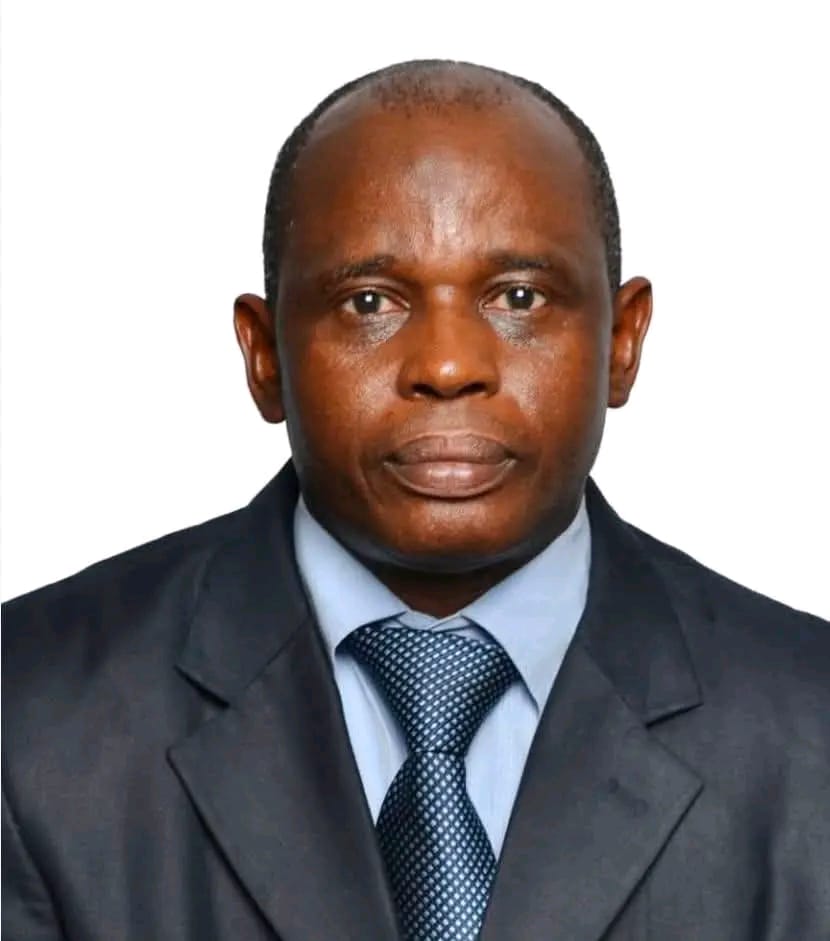
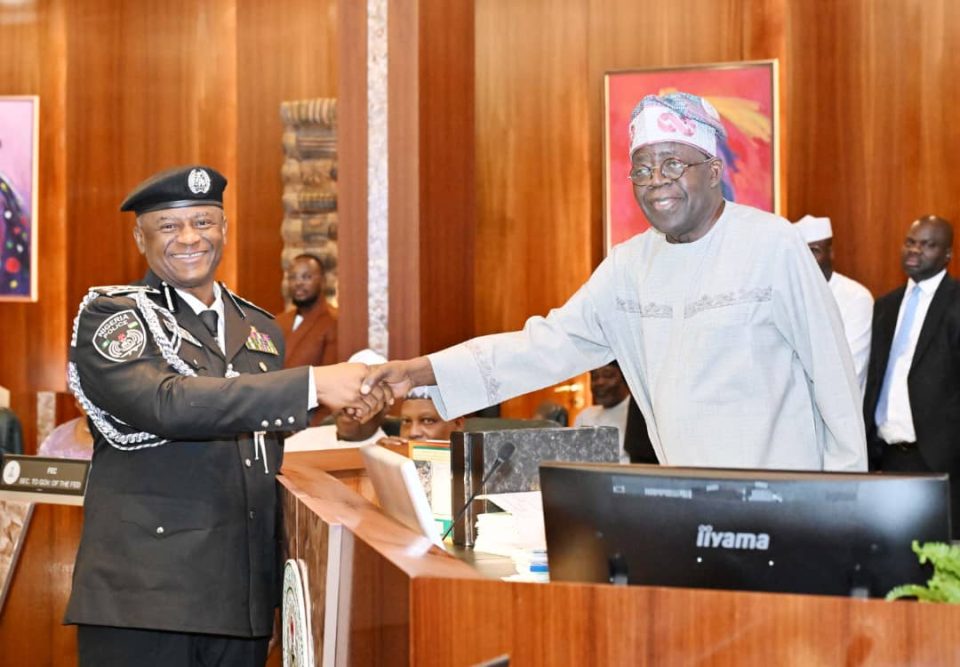
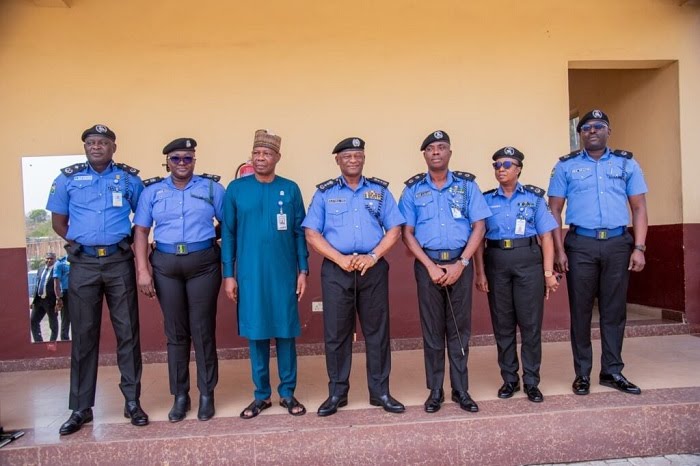
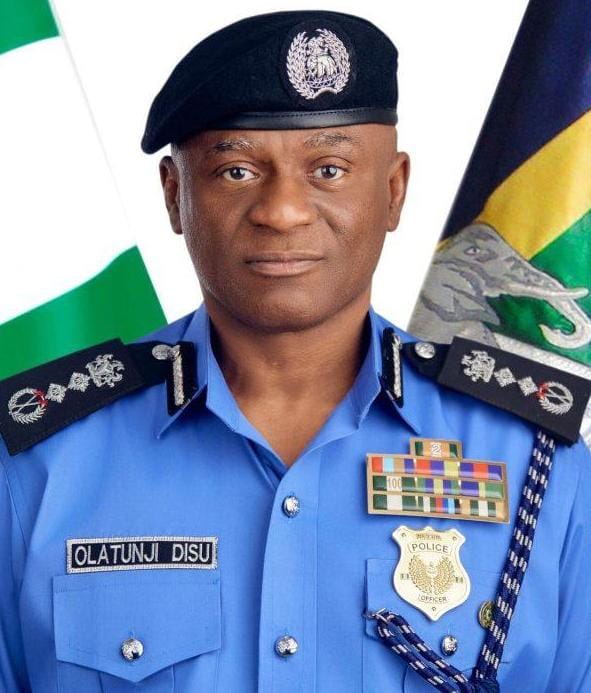
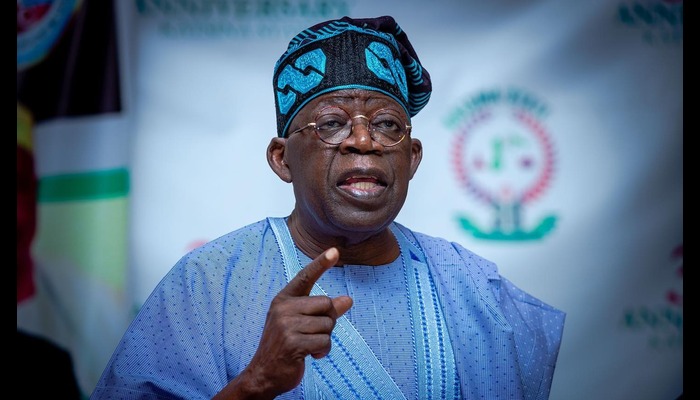
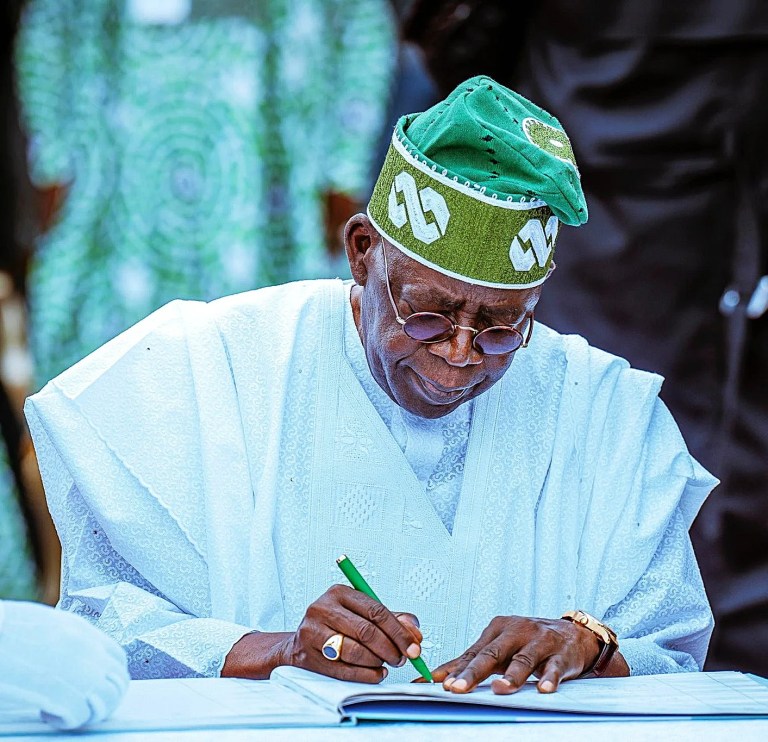
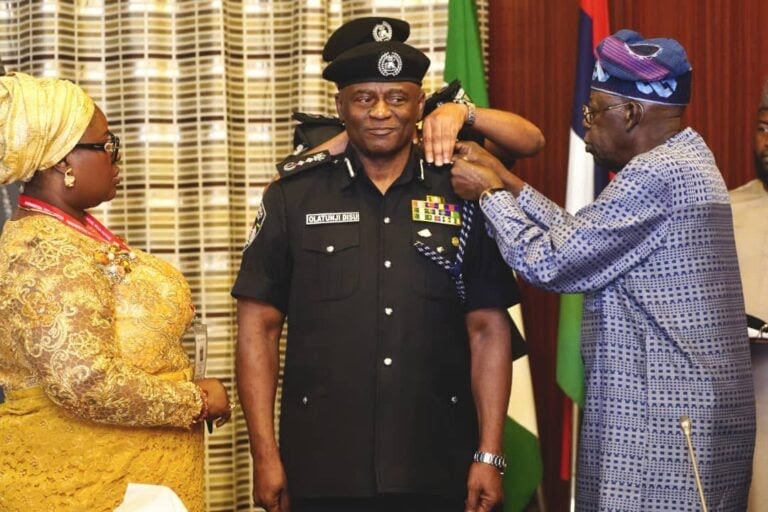
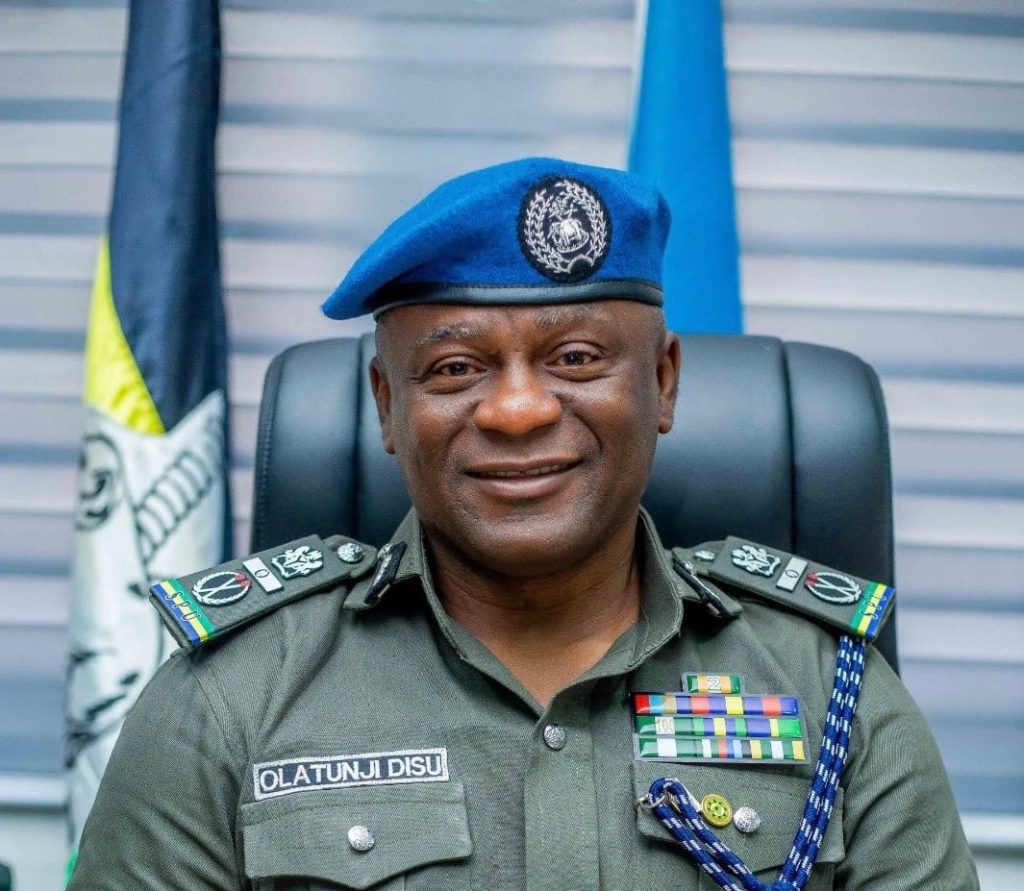
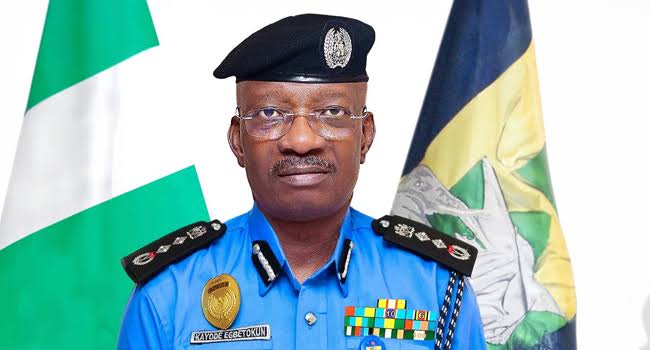
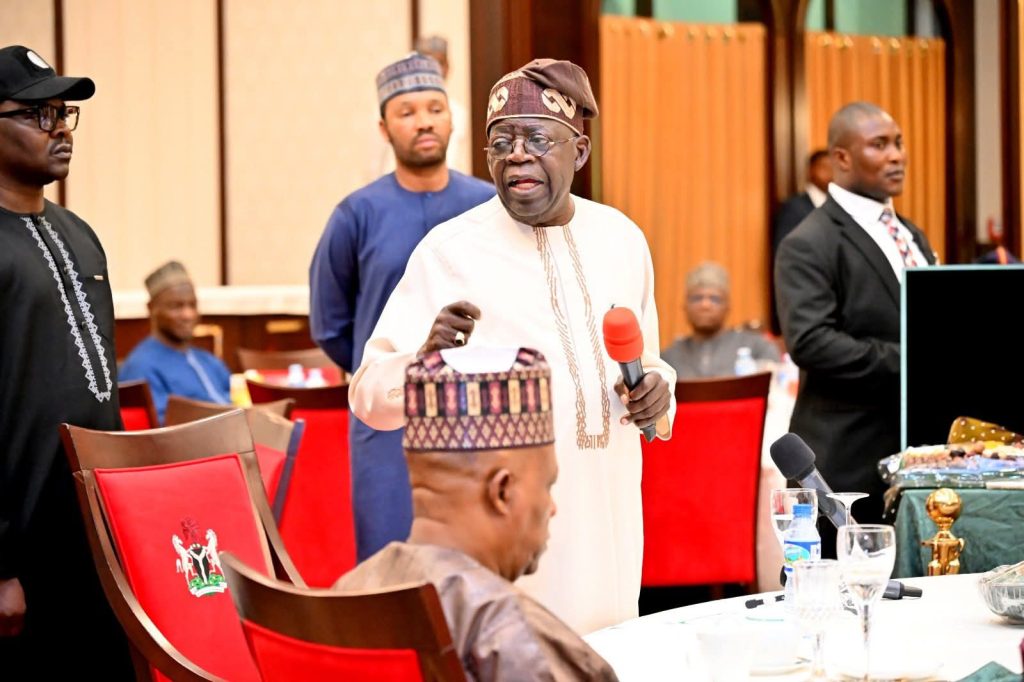
President Bola Ahmed Tinubu on Wednesday decorated Olatunji Disu with his new rank as Acting Inspector-General of Police at the State House, Abuja. The ceremony, held at about 4 p.m. at the President’s office, was attended by the National Security Adviser, Nuhu Ribadu; Chief of Staff to the President, Femi Gbajabiamila; Secretary to the Government of the Federation, George Akume; and the immediate past Inspector-General of Police, Kayode Egbetokun. Tinubu personally pinned the new insignia on Disu’s uniform and commended Egbetokun for his service to the nation. Disu’s appointment comes just 48 days before his scheduled retirement on April 13, 2026, when he would have attained the mandatory retirement age of 60. However, under the amended Police Act, which provides for a four-year tenure for Inspectors-General of Police regardless of age, he may remain in office until 2030 if confirmed. Read Also: Meet Nigeria’s New Acting IGP ASUP NILEST Celebrates Retiring Unionist, Demands Settlement of Entitlements Tinubu Pushes State Police, Urges Governors to Focus on Poor, Youths The ceremony followed the resignation of Egbetokun, who submitted his letter to the President on Tuesday, citing family matters requiring his full attention. In a statement issued by the President’s Special Adviser on Information and Strategy, Bayo Onanuga, Tinubu accepted the resignation and expressed appreciation for Egbetokun’s contributions, while announcing Disu’s appointment. “The IGP resigned in a letter today, citing family issues which require his undivided attention,” the statement read. However, multiple Presidency sources disclosed that Egbetokun was asked to step down during a meeting with the President at the Presidential Villa on Monday evening. Disu will serve in an acting capacity pending confirmation by the Nigeria Police Council, in line with constitutional provisions. According to Onanuga, the President will convene a meeting of the Council to formally consider the appointment, after which his name will be forwarded to the Senate for confirmation. Meanwhile, Disu’s elevation is expected to trigger a wave of retirements within the Nigeria Police Force, in keeping with the tradition that senior officers step aside when a junior colleague becomes Inspector-General. At least nine Deputy Inspectors-General of Police serving at Force Headquarters may be affected, including DIG Adebola Hamzat, DIG Mohammed Gumel, DIG Adebowale Williams, and DIG Frank Mba. Sources within the Police Service Commission indicated that between 15 and 20 senior officers could exit the Force as a result of the transition. The new Acting IGP is expected to formally assume office at the Louis Edet House, Force Headquarters, Abuja, where a handover ceremony and parade of senior officers are scheduled. Born on April 13, 1966, in Lagos State, Disu joined the Nigeria Police Force on May 18, 1992. He has served for over three decades in various operational and leadership capacities across the country, culminating in his appointment as Acting Inspector-General of Police. Photo News: