The Historica Nigeria

Kano

Kano, News

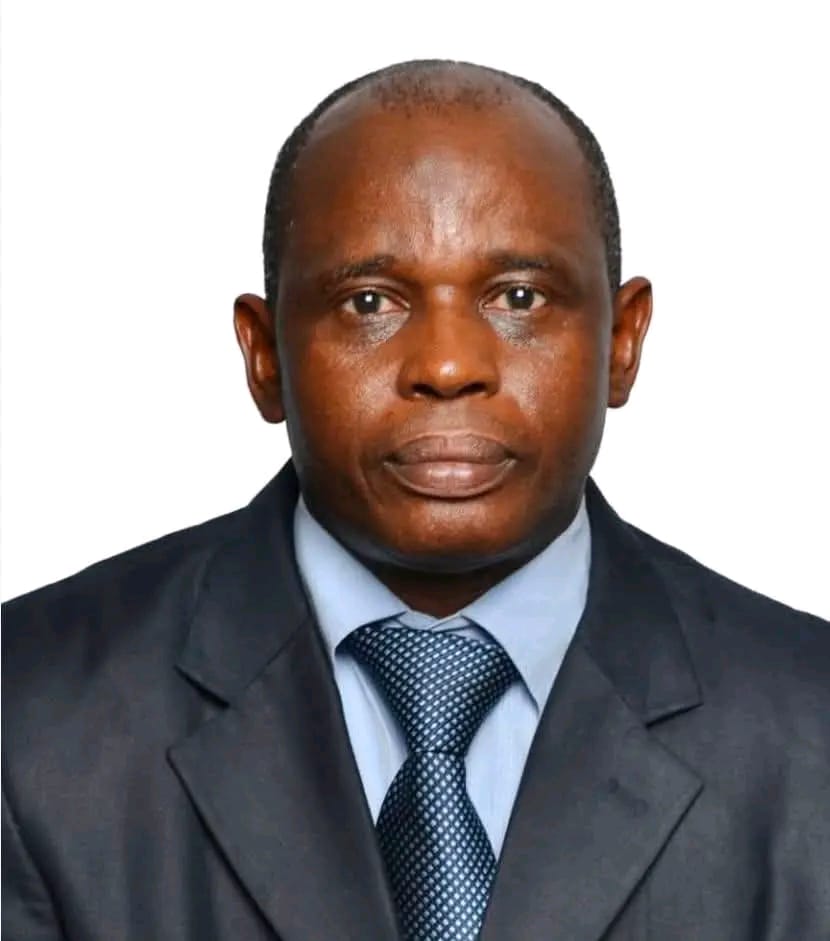
Former Kano Finance Commissioner Prof. Dandago Dies

A former Kano State Commissioner for Finance, Professor Kabiru Isa Dandago, is dead. The renowned accounting and taxation scholar passed away on Wednesday evening at the Aminu Kano Teaching Hospital after a brief illness. Read Also: ASUP NILEST Celebrates Retiring Unionist, Demands Settlement of Entitlements Until his death, Prof. Dandago was a respected professor of Accounting and Taxation at Bayero University Kano, where he made significant contributions to academic research and financial studies. Details surrounding funeral arrangements are expected to be announced by the family.

Kano, News, Politics

Doguwa Resigns Commissioner Role, Clinches Kano APC Chairmanship

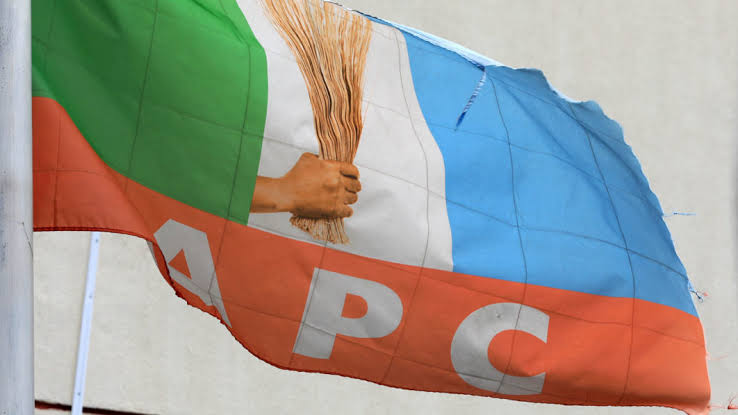
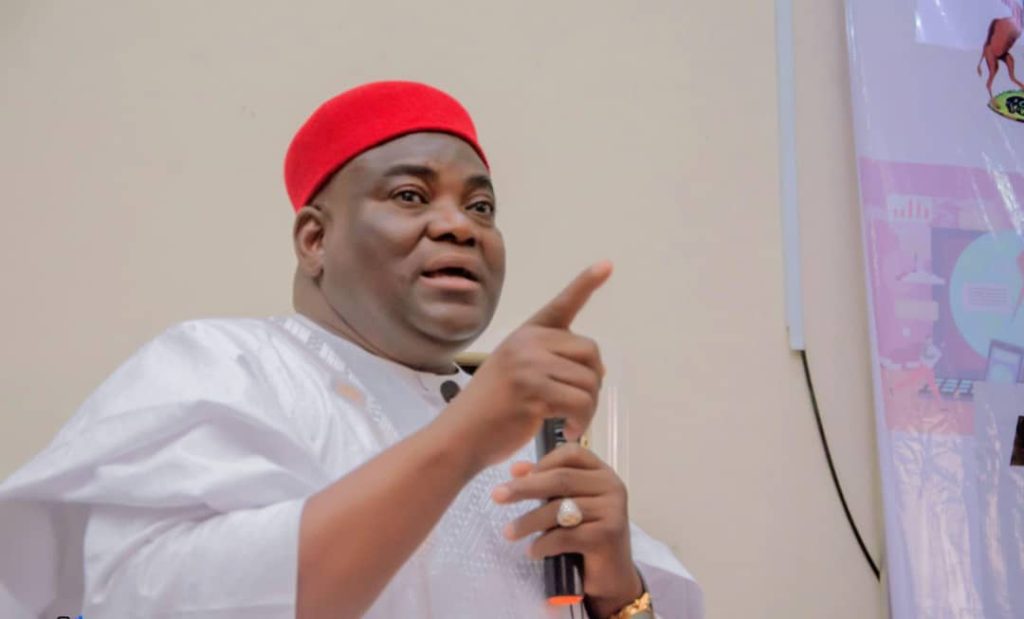
The All Progressives Congress (APC) has elected new state executive members to pilot the affairs of the party in Kano State. The election, held on Tuesday night, produced Hon. Umar Haruna Doguwa as the new State Chairman. Doguwa recently resigned from his position as Commissioner for Water Resources in Kano State to contest for the party’s top seat. Other key officials elected include Hon. Salisu Maje Ahmad Gwangwazo as Vice Chairman, Prof. Yusuf Muhammad Sabo Bichi as State Secretary, and Hajiya Fatima Abdullahi Dala as State Woman Leader. Read Also: Ganduje Pushes Sports as Tool for Youth Empowerment Oyedele Tapped to Replace Uzoka-Anite as Finance Minister of State FG Targets Informal Sector, Expands Tax Base Without Raising Rates The newly elected 28-member executive is expected to strengthen internal cohesion within the party and position it for future political engagements in the state. Below is the full list of elected officials: Chairman Hon. Umar Haruna Doguwa Vice Chairman Hon. Salisu Maje Ahmad Gwangwazo Secretary Prof. Yusuf Muhammad Sabo Bichi Legal Adviser Abdul Adamu Fagge SAN Assistant Legal Adviser Barr. Bashir Yusuf Tudun Wuzirci Treasurer Kabiru Sule Rogo Assistant Treasurer Umar Yusuf Umar Financial Secretary Ma’aruf Abdullahi Garo Assistant Financial Secretary Mustafa Muhammad Kalwa Organising Secretary Dr. Kabiru Hussaini Zawaciki Assistant Organising Secretary Barr. Abdussalam Umar Publicity Secretary / PRO Auwalu Abdullahi Sani Mai Nagge Assistant Publicity Secretary Sani Fata Sharada Welfare Secretary Bashir Mai Sango Assistant Welfare Secretary Garba Hussaini Kwami Auditor Abubakar Salisu Makoda Assistant Auditor Nura Muhammad Ingili Women Leader Hajiya Fatima Abdullahi Dala Assistant Women Leader Hajiya Habiba Abdullahi Takai Youth Leader Salisu Yahaya Hotoro Assistant Youth Leader Mussadiq Wada Waziri Leader, Persons With Disabilities Nura Umar Malami Ex Officio I Alhaji Auwalu Nagero Ex Officio II Alhaji Rabiu Nagoggo Ex Officio III Alhaji Wada A.A Rano Assistant Ex Officio Alhaji Musa Bagwai Assistant Ex Officio Rahama Kabir Fagge

Kano, News

Kano Assembly Passes Local Govt, Assembly Service Commission Bills

The Kano State House of Assembly has passed the Kano State Local Government Service Commission Bill and the Kano State Assembly Service Commission (Amendment) Bill. The passage followed deliberations at the Committee of the Whole and a third reading during plenary presided over by the Speaker, Jibril Isma’il Falgore. Speaking with journalists shortly after the sitting, the Majority Leader, Lawan Hussaini Dala, said the Local Government Service Commission would oversee the recruitment, promotion, and discipline of local government staff, particularly officers on Grade Level 7 and above. Read Also: Nigeria Elections Get New Dates How Governor Yusuf Moves to Empower Local Councils With Financial, Administrative Freedom Weak Local Government Structure Fuelling Insecurity — Senator Dickson He explained that the commission would be chaired by a serving civil servant not below Grade Level 15 or a retired Permanent Secretary from the state civil service. Its membership, he added, would include representatives from key institutions such as the Nigeria Union of Local Government Employees and the Ministry of Justice, among others. Dala further noted that the amendment to the Kano State Assembly Service Commission Law would pave the way for the appointment of an additional Deputy Clerk, increasing the number from one to two. The positions will now comprise Deputy Clerk (Administration) and Deputy Clerk (Legislative Services). According to him, the Deputy Clerk will be nominated by the executive arm of government and confirmed by the Assembly through a majority vote, with the position carrying a status equivalent to that of a Permanent Secretary in the state civil service. The Majority Leader reaffirmed the Assembly’s commitment to enacting laws that would strengthen governance and elevate administrative standards in the state in line with global best practices, reiterating the legislature’s resolve to deepen institutional efficiency and service delivery.

Kano, News

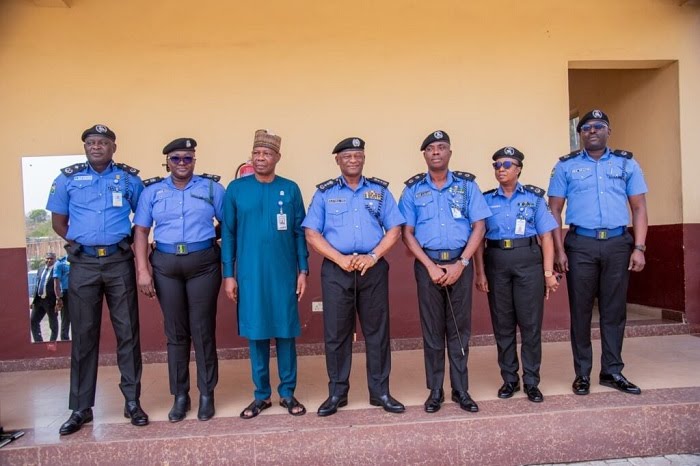
Kano Police Strengthen Public Relations, Human Rights in Statewide Retraining

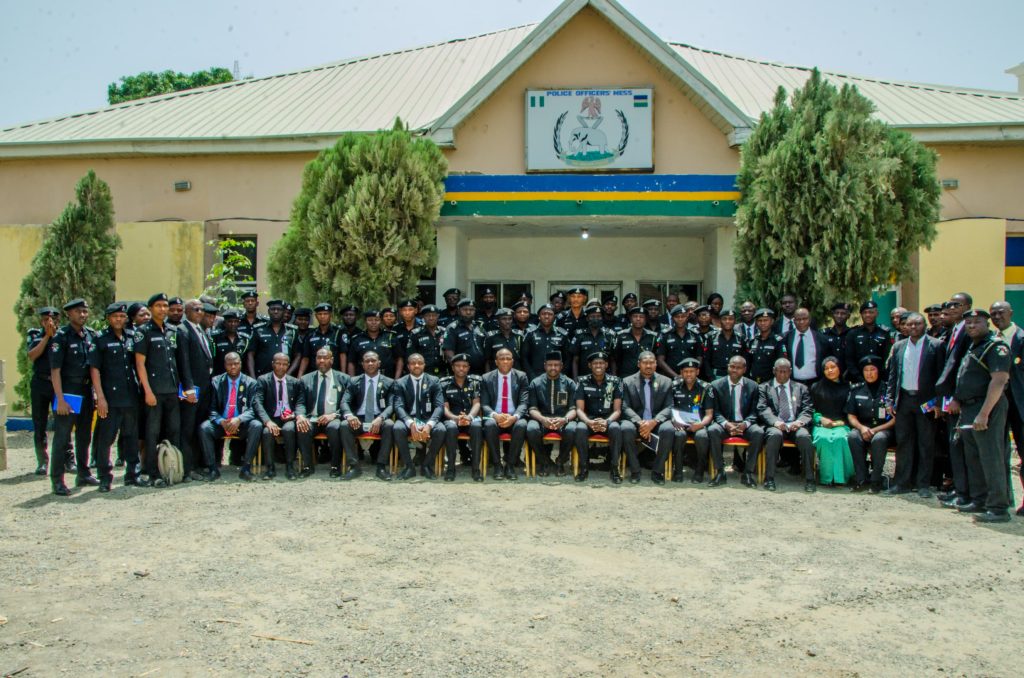
The Nigeria Police Force, Kano State Command, has commenced a comprehensive retraining workshop for police officers across the state, aimed at reinforcing professionalism, public relations, and respect for human rights in the discharge of their duties. This was conveyed in a statement signed by the Police Public Relations Officer, Abdullahi Haruna Kiyawa, on behalf of the Commissioner of Police, Kano State Command. The training, which began at the Police Officers Mess, Bompai, Kano, is designed as a participatory exercise, allowing officers to share experiences and adopt best practices in modern policing. Read Also: Tinubu Pushes State Police, Urges Governors to Focus on Poor, Youths The facilitation team includes a public relations expert, Ibrahim Ayyuba Isah, alongside the Command’s spokesperson and other resource persons with expertise in public relations, human rights, and law enforcement. While addressing participants, Isah emphasized the importance of professionalism, noting that every police officer represents the image of the Force in their daily interactions with the public. “Every police officer on the street is a walking Public Relations officer. Every checkpoint interaction, every response to a complaint, and every conversation at the front desk are reputation-defining moments,” he said, stressing that public trust remains critical to effective policing. The retraining exercise will be conducted across the 11 Area Commands, 78 Police Divisions, and two Police Mobile Squadrons in the state. It is expected to enhance officers’ capacity in community policing, conflict resolution, and human rights protection. The Commissioner of Police, Kano State Command, Ibrahim Adamu Bakori, said the initiative forms part of ongoing efforts to equip officers with the necessary skills and knowledge to effectively serve and protect the community. He reiterated the Command’s commitment to upholding professionalism and respect for human rights, while urging members of the public to cooperate with the police and report any cases of misconduct or unprofessional behaviour. The exercise is expected to last for several days, with all officers mandated to participate. Photo News:

Feature, Kano, Politics

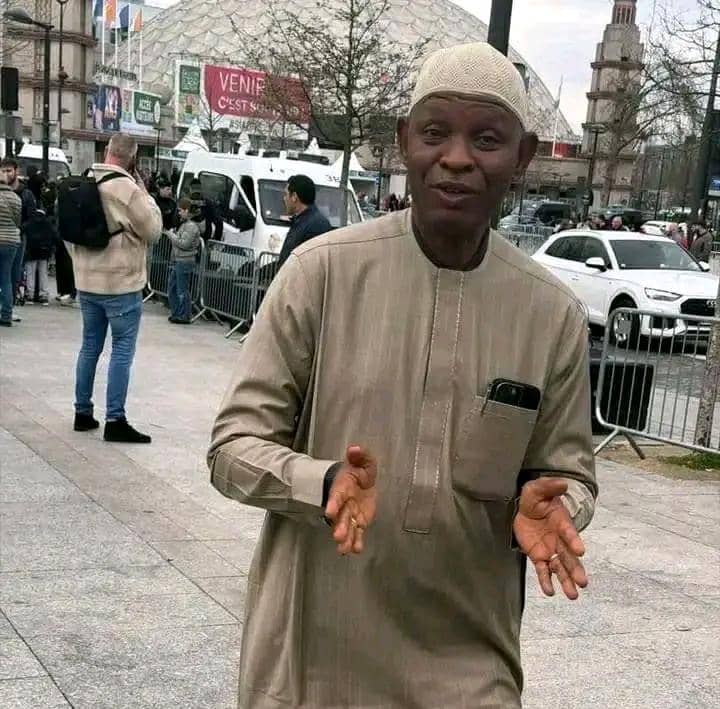
After Political Shift, Governor Yusuf Seen Without Iconic Red Cap in France

The Kano State Governor, Abba Kabir Yusuf, has sparked widespread reactions after appearing in France without his trademark red cap, a symbol long associated with his public identity. The governor, who was seen in a simple outfit without the traditional cap, made the appearance shortly after his reported defection to the All Progressives Congress (APC). Observers say the development marks the first time Governor Yusuf has been publicly seen without the red cap in a high-profile outing since his political transition, drawing significant public attention and debate. Read Also: Ganduje Pushes Sports as Tool for Youth Empowerment Kano Govt Dismisses Galadima’s Allegations, Labels Claims Politically Motivated Kano Enforces Asset Return Policy, Reclaims Vehicles from Ex-Officials Although the development has generated widespread discussion, it is not entirely unprecedented. The governor had previously appeared without the red cap during visits to Saudi Arabia and in other informal settings, where he was similarly dressed in modest attire. However, analysts note that the France appearance carries added political significance given its timing, coming on the heels of recent political realignments. The red cap has, over time, evolved into a strong visual symbol tied to the governor’s political identity, making its absence a subject of public interpretation and speculation.

Kano, News

Kano Govt Dismisses Galadima’s Allegations, Labels Claims Politically Motivated

The Kano State Government has dismissed allegations by Buba Galadima accusing Governor Abba Kabir Yusuf and the state Director of the Department of State Services (DSS) of suppressing opposition voices, describing the claims as false, malicious, and politically motivated. The Commissioner for Information and Internal Affairs, Ibrahim Abdullahi Waiya, made the government’s position known during a press briefing on Wednesday, stating that the allegations lacked factual basis and were aimed at tarnishing the governor’s image and undermining public confidence in democratic institutions. According to Waiya, the claims resurfaced shortly after Galadima’s removal as Chairman of the Board of Kano State Polytechnic, a decision he said was based strictly on administrative considerations relating to performance and competence. “The timing and tone of these allegations clearly reveal that they are driven by personal grievance and political bitterness rather than any genuine concern for democracy or civil liberties,” Waiya stated. Read Also: Kano Enforces Asset Return Policy, Reclaims Vehicles from Ex-Officials Ganduje Pushes Sports as Tool for Youth Empowerment FAAN Chairman Visits MMIA Following Fire Outbreak The government categorically denied directing security agencies to harass, intimidate, or silence opposition figures, reiterating that the administration remains committed to the protection of fundamental rights, including freedom of expression as guaranteed under the Constitution. Waiya, however, noted that freedom of expression does not extend to defamation, incitement, or the deliberate spread of falsehood capable of threatening public peace and order. “No responsible government will fold its arms while individuals weaponize misinformation to incite tension or damage reputations,” he said. He further emphasized that security agencies, including the Department of State Services, operate within their constitutional mandates, adding that any lawful action taken is based on credible complaints and due process, not political directives. The Kano State Government also raised concern over what it described as the growing trend of misinformation on social media, warning that deliberate attempts to destabilize the state through false narratives would not be tolerated. Reaffirming the administration’s openness, the commissioner said Kano remains an inclusive state where opposition figures operate freely, civic engagement thrives, and the media functions without hindrance. “These realities stand in sharp contrast to the alarmist picture being painted by Mr. Galadima,” he added. Waiya maintained that Governor Yusuf continues to enjoy widespread support across the state despite recent political realignments, stressing that the administration remains focused on inclusive governance, accountability, and respect for the rule of law. He called on political actors and commentators to act responsibly, verify facts, and avoid sensational claims capable of undermining public order. The government reiterated its commitment to democratic principles, peaceful coexistence, and the protection of the rights and dignity of all residents of the state.

Kano, News

Kano Enforces Asset Return Policy, Reclaims Vehicles from Ex-Officials

The Kano State Public Complaints and Anti-Corruption Commission has recovered official vehicles from commissioners who voluntarily resigned from the state executive council. The recovery exercise, carried out by operatives of the commission on Thursday, followed the alleged continued refusal of the affected commissioners to return the government property. The concerned persons are Air Vice Marshal Ibrahim Umar (retd), former Commissioner for Internal Security; Mustapha Rabi’u Kwankwaso, former Commissioner for Youth and Sports; Dr. Yusuf Ibrahim Kofar Mata, former Commissioner for Science and Technology; Dr. Adamu Aliyu Kibiya, former Commissioner for Humanitarian Affairs; and Hon. Nasiru Sani Garo, former Commissioner for Special Projects. Briefing journalists shortly after the recovery exercise, the Chairman of the Commission, Sa’idu Yahaya, who led the operation, said the action became necessary after the former commissioners failed to comply with repeated official requests to return government assets. Read Also: Kano Counters Amnesty Report, Says Rights of Citizens Protected Yahaya disclosed that the operation was prompted by formal complaints and notification from the Office of the Secretary to the Kano State Government, being the custodian of all government vehicles, regarding alleged abuse of office and the urgent need for the former officials to return all government property in their possession upon resignation. The chairman further alleged that some of the commissioners said to have sold the official vehicles shortly after leaving office. “Government assets are not personal property. Once an official leaves office, all government vehicles and assets in their custody must be returned immediately. “They were advised to return the vehicles to avoid a situation like this, but they refused, leaving us with no alternative but to take action. We followed due process and secured a court order, which was duly granted, to recover the vehicles.” He added, “So far, we have recovered five vehicles from the five commissioners. However, only two of the vehicles recovered are the exact official vehicles purchased by the government. The other three are not the original vehicles. “Investigation revealed that the official vehicles had been sold and replaced with other vehicles, which we also recovered. We will launch a full scale investigation to determine whether the official vehicles were sold to procure these ones or otherwise,” Yahaya said. The anti-corruption boss dismissed suggestions that the action was politically motivated, insisting that the commission’s intervention was strictly in line with its statutory responsibility to safeguard public property. “This is not about witch-hunting anyone. It is about protecting the resources of the people of Kano State. We will not tolerate any form of misconduct or unlawful retention of government property,” he said. He further warned that the commission would sustain surveillance on the use and custody of public assets, stressing that similar measures would be taken against any official found to be in breach of asset return regulations. “Public trust depends on transparency and accountability. We are determined to strengthen both, and we will take appropriate action against anyone found mismanaging or unlawfully holding government property,” Yahaya added. Meanwhile, a retired senior civil servant, Mohammad Tukur, clarified the administrative position on the matter, stating that no existing law permits a commissioner to retain an official vehicle after serving in the cabinet. Tukur explained that government policy provides official vehicles to commissioners solely to enable them carry out their official duties. “No law guarantees commissioners the right to keep government vehicles at the end of a successful tenure, whether they are sacked or resign from office,” he said. He, however, noted that the governor reserves the executive power and discretion to permit any official to retain a vehicle after leaving office. “Under administrative policy, what commissioners are entitled to upon leaving office are certain allowances, not official vehicles. Even then, any commissioner who is sacked or resigns from the cabinet may not be entitled to those severance packages,” Tukur explained.

Kano, News

Kano Counters Amnesty Report, Says Rights of Citizens Protected

Kano State Government has rejected allegations by Amnesty International accusing it of repressing freedom of expression, describing the claims as false, misleading, and unfounded. The government was responding to a publication by the organization titled “Kano: Escalating Repression Endangers Freedom of Expression,” which alleged a pattern of arrests, detention, and harassment of individuals critical of Governor Abba Kabir Yusuf. In a statement issued by the Commissioner for Information and Internal Affairs, Ibrahim Abdullahi Waiya, the government said the report amounted to a gross misrepresentation of facts and failed to reflect the realities on ground. The statement maintained that the administration of Governor Yusuf remains committed to the protection of fundamental human rights, including freedom of expression as enshrined in the Constitution of the Federal Republic of Nigeria. Read Also: Kano: Why Journalists Still Face Harassment Despite Press Freedom Guarantees Pantami Urges Northern Muslims to Invest in Media, Warns of Communication Deficit Kano Announces Eid Break, Releases School Resumption Plan “The government has at no time directed any security agency to harass or intimidate individuals for expressing dissenting opinions,” the statement said. It, however, emphasized that while freedom of expression is guaranteed, it is not absolute, noting that issues such as defamation, incitement, hate speech, and deliberate misinformation fall outside the boundaries of lawful expression. According to the government, security agencies, including the Department of State Services (DSS), operate within their legal mandates, and any arrests or invitations are based on petitions and credible allegations such as cyberbullying, defamation, and incitement. The statement further clarified that the Kano State Government does not control the operational decisions of federal security agencies, but supports lawful measures aimed at addressing cybercrime and protecting the dignity of individuals. The government expressed concern over what it described as the misuse of social media platforms to spread falsehoods and engage in character assassination under the guise of civic engagement. It added that the administration has continued to promote open governance and civic participation, noting that Kano remains one of the states fostering strong engagement between government, media, and civil society organizations. The statement also highlighted that citizens are free to express their views on governance without harassment, stressing that constructive criticism remains essential for democratic growth. It, however, drew a distinction between legitimate criticism and actions that violate the law, insisting that democratic freedoms must be exercised responsibly. The government urged organizations and commentators to verify facts and engage relevant authorities before making public claims capable of creating tension or undermining public institutions. Reaffirming its stance, the Kano State Government reiterated its commitment to democratic values, rule of law, and peaceful coexistence, while pledging to continue safeguarding constitutional rights within the framework of the law.

Education, Kano

Kano Announces Eid Break, Releases School Resumption Plan

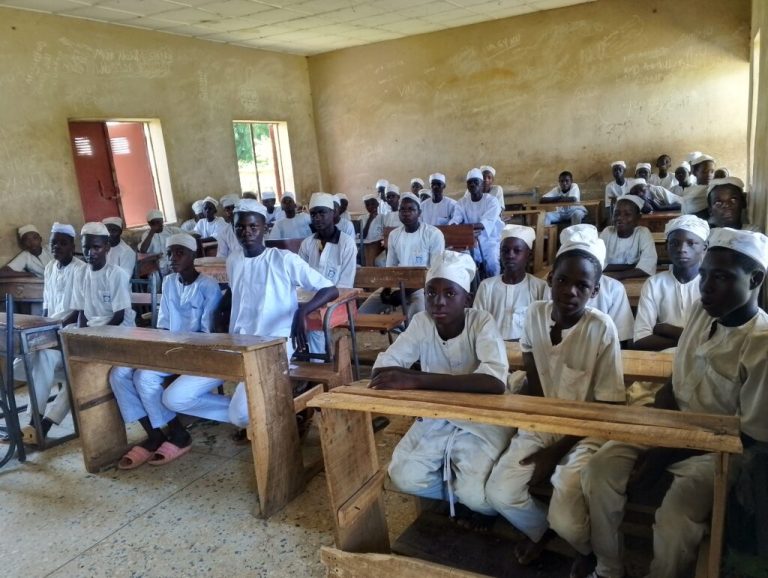
The Kano State Government has announced Sunday, March 1, 2026, as the commencement date for the Eid al-Fitr holiday for all public and private primary and post-primary schools across the state. The announcement was contained in a statement issued on Wednesday by the Director of Public Enlightenment, Kano State Ministry of Education, Musbahu Aminu Yakasai. According to the statement, the holiday aligns with the approved 2025/2026 academic calendar, which indicates that the second term will end on Saturday, February 28, 2026. “All day and boarding schools across Kano State will commence their Sallah break from March 1. Parents and guardians are advised to ensure that pupils in boarding schools are conveyed home by the early hours of Friday, February 27, to facilitate a smooth transition into the holiday,” the statement read. Read Also: ASUP NILEST Celebrates Retiring Unionist, Demands Settlement of Entitlements The government further stated that boarding school pupils and students are expected to resume on Sunday, March 22, while day students will resume on Monday, March 23, 2026. It added that the new academic term will run from March 22 and end on Saturday, April 18, 2026. Schools have been directed to comply strictly with the approved resumption schedule, warning that any deviation would be considered a breach of the state government’s directive. The State Commissioner for Education, Ali Makoda, called on parents, guardians, and school authorities to adhere fully to the outlined schedule to ensure a seamless academic calendar. Makoda appreciated the continued support of parents and residents, while wishing pupils and students a successful Ramadan period and a peaceful Eid celebration.

Feature, Kano

Kano: Why Journalists Still Face Harassment Despite Press Freedom Guarantees

An alleged altercation between an aide to Governor Abba Kabir Yusuf of Kano State and a journalist has once again brought attention to concerns over the safety and professional freedom of media practitioners in the state. The incident reportedly occurred at the Race Course in Kano during the Argungu Motor Rally, part of activities marking the Argungu International Fishing and Cultural Festival. It has since generated debate within media circles, with renewed calls for respect, professionalism, and protection for journalists. The government official involved was identified as Auwal Sani Rogo, a Senior Special Reporter with the Kano State Government, while the journalist at the centre of the controversy, Abdulbaki Ali Ahmed Sharifai, was covering the event in his professional capacity. Eyewitnesses said the alleged verbal exchange occurred shortly after Sharifai and other journalists conducted interviews at the venue. The event was organised by the Kano State Ministry of Information and Internal Affairs, with journalists officially invited to provide coverage and wider publicity. The incident reportedly took place in the presence of key government officials, including the Commissioner for Information and Internal Affairs, Ibrahim Abdullahi Waiya; the Commissioner for Culture and Tourism, Aisha Lawan Saji Rano; and the Chairman of the Kano State Censorship Board, Abba El-Mustapha. Read Also: Kano Journalist Weighs Legal Action Over Alleged Insult by Govt Aide Pantami Urges Northern Muslims to Invest in Media, Warns of Communication Deficit Kano Govt Strengthens Digital Journalism Through Ethics-Focused Media Retreat Following the incident, Sharifai lodged a formal complaint at the Divisional Police Office in Bompai, headquarters of the Kano State Police Command, citing alleged insults, harassment, and intimidation while carrying out his lawful duties. Sources familiar with the matter alleged that the government aide did not honour a police invitation, while efforts toward amicable resolution have yet to produce a formal apology or official communication. Although the commissioner reportedly initiated dialogue and assured intervention, the absence of closure has left the matter unresolved, with indications that legal action may be pursued. A Pattern of Concern The incident reflects a growing pattern of tension involving journalists in Kano. Observers recall the arrest of broadcaster Ibrahim Ishaq Dan’uwa Rano on October 18, 2025 over a feature programme titled “Letter from Imalu.” The report, which used allegory and innuendo, a recognised journalistic technique, was considered defamatory following a petition by Abdullahi Ibrahim Rogo, Director General of Protocol to the governor. The situation drew widespread concern, particularly as authorities reportedly demanded the production of a fictional character featured in the programme as part of conditions linked to the journalist’s release. For many observers, such developments highlight a broader challenge, including limited understanding of journalism practice, especially interpretative and investigative storytelling methods. Press Freedom vs Reality Nigeria’s constitution guarantees freedom of expression and of the press, positioning journalists as key actors in democracy, often described as the Fourth Estate of the Realm. Despite these protections, media practitioners in Kano continue to report experiences of intimidation, harassment, and institutional pressure. At the same time, the Kano State Government has repeatedly affirmed its commitment to press freedom. The administration of Governor Abba Kabir Yusuf, through its spokespersons, maintains that journalists operate freely and that the government remains media friendly. During a media engagement session, the Director General of Media and Publicity, Sanusi Dawakin Tofa, reiterated that the governor supports transparency and open communication, dismissing claims of systemic harassment. However, recurring incidents such as the Sharifai case continue to raise questions about the gap between policy and practice. Why in Kano? The persistence of such cases raises a critical question on why incidents involving journalists appear frequent in Kano. Analysts point to several underlying factors, including limited understanding of journalism ethics, political sensitivities, weak institutional safeguards, and a culture where critical reporting is sometimes perceived as a challenge to authority. Stakeholders emphasise the need for balance and understanding. Government officials and security agencies are urged to respect press freedom and deepen their understanding of media practice. Journalists, on their part, are expected to uphold professionalism, accuracy, and responsibility. A strong and independent media remains essential for accountability, governance, and peaceful coexistence. Observers note that the outcome of the Sharifai case may serve as a test of the state’s commitment to press freedom, not only in principle but in practice.

Scroll to Top