The Historica Nigeria

Humanitarian

Humanitarian, Kaduna, News

Over 100 Widows Receive Cash Support from Caleb Danladi Foundation in Kaduna

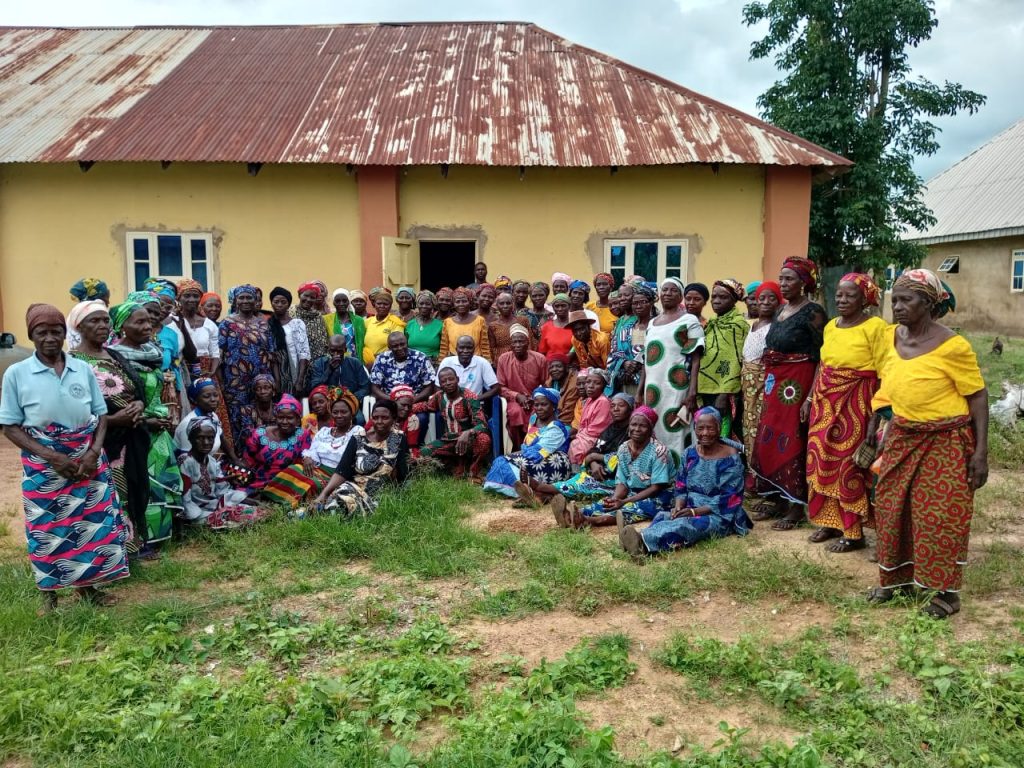
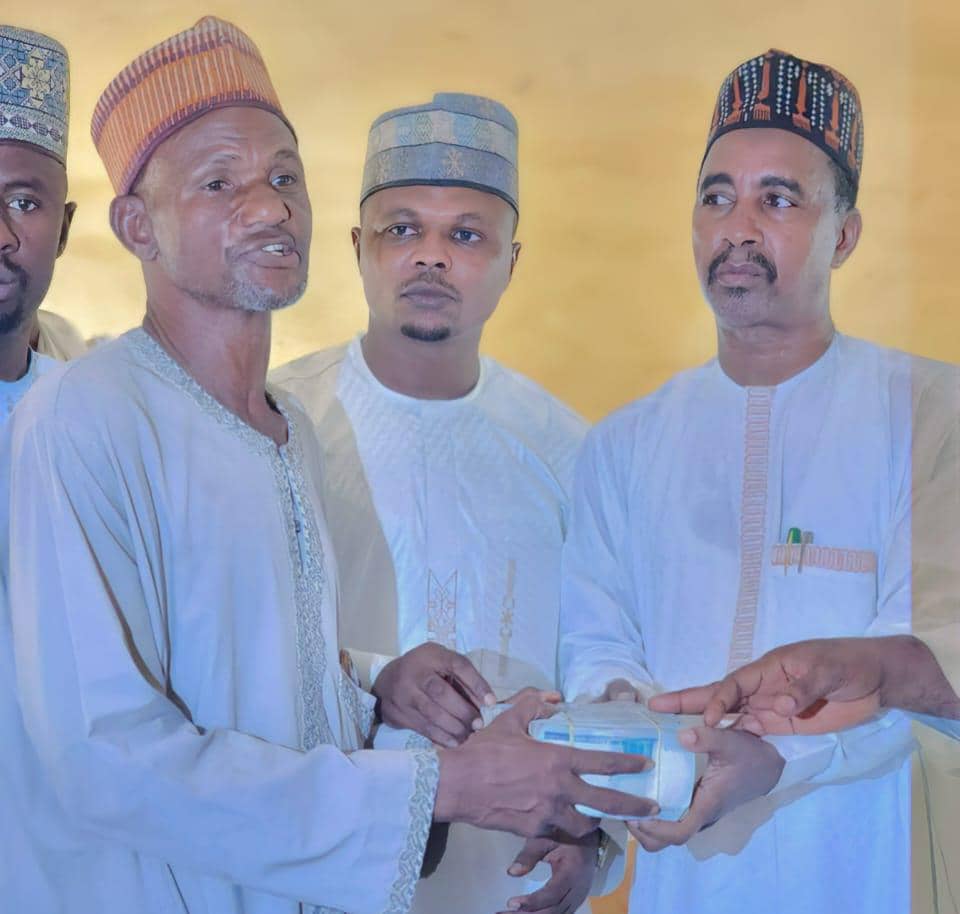
There was a mixture of tears and celebration in Daddu District of Jaba Local Government Area, Kaduna State, as more than one hundred widows received financial support from the Caleb Danladi Foundation, in what many described as a life-saving intervention. For many of the beneficiaries, the gesture came at a critical time when survival has become a daily struggle due to economic hardship, the rising cost of living, and limited access to support. Speaking on behalf of the widows, Mrs. Cecilia Waziri Kajuru could not hold back her emotions as she thanked the foundation for what she called a timely and divine help. According to her, the support is not just about the money, it is a reminder that someone out there still cares about them Read Also: 17-Brigade offers free medical treatment for 700 people in Katsina Another beneficiary, Mrs. Sarah Luka, a 67-year-old mother of five, said she plans to use the cash to restart her petty trading business which collapsed years ago. For Mrs. Grace Bawa, the support will help her pay her granddaughter’s school fees. In a goodwill message, Rev. Emmanuel Daniel Ndaks, Local Overseer of the ECWA Local Church Council Daddu, described the outreach as a reflection of true Christian love and compassion. He pointed out that Captain Caleb Danladi has become a light to our communities through his humanitarian and selfless act that must be emulated by all. The Village Head of Ungwan Rana Daddu, Mr. Micah Dogo, lauded the foundation for stepping into the gap for the forgotten and marginalized. Speaking on behalf of Captain Caleb Danladi, the donor and founder of the foundation, the Coordinator of the Caleb Danladi Foundation in Jaba Local Government, Mr. David Tuk, said the initiative is part of a broader vision to support widows, orphans, and other vulnerable groups across southern Kaduna and beyond.

Humanitarian, Kano, News

Kano Strengthens Social Protection Policy with Stakeholder Engagement

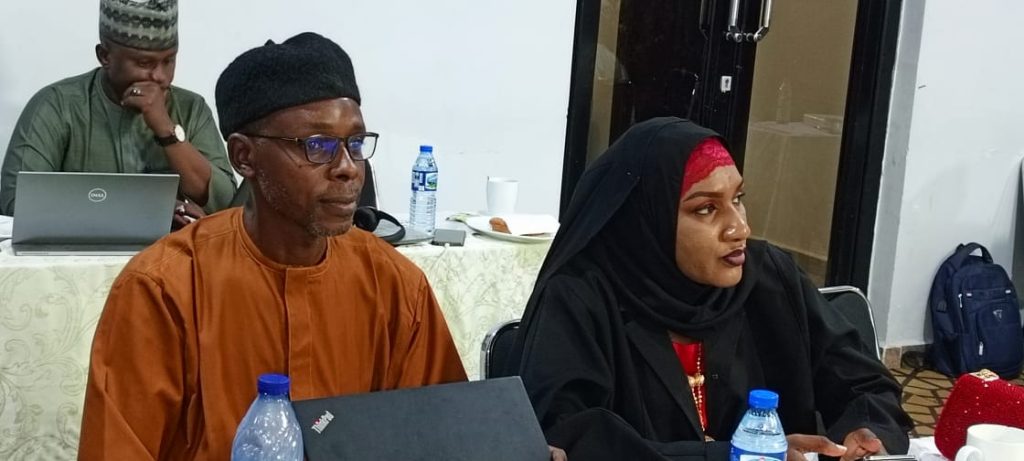
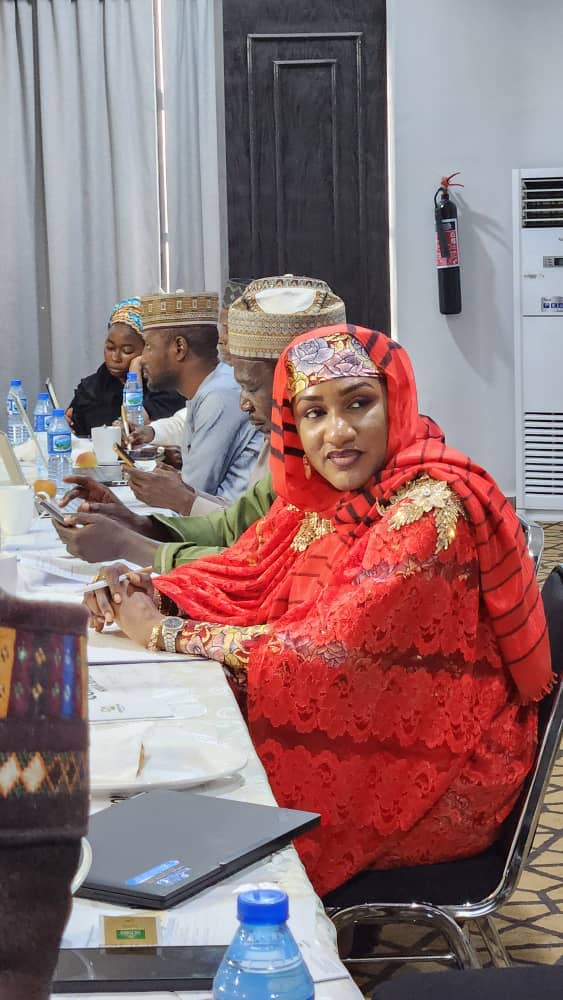
The Kano State Government has reaffirmed its unwavering commitment to implementing robust social protection programmes aimed at supporting the most vulnerable segments of its population. This assurance was given during the day-two session of the Social Protection Technical Working Group (TWG) Review Meeting held in Kano, with key stakeholders from government ministries, civil society, development partners, and the media in attendance. Speaking at the meeting, the Director General of the Kano State Social Protection Agency (KASPA), Dr. Fatima Abdul Abubakar, said the current administration of Governor Abba Kabir Yusuf is deeply committed to scaling up interventions in areas such as health, education, nutrition, agriculture, and water resources. Related: UNICEF, KASPA Forge Stronger Ties to Improve Social Protection Outcomes in Kano “With the establishment of KASPA, we are now better positioned to coordinate all social protection interventions across line MDAs. Our goal is to ensure every programme is implemented with strong synergy and shared responsibilities to maximize impact,” Dr. Fatima stated. She emphasized that the agency is working in close collaboration with development partners like UNICEF, civil society organizations, and the media to raise awareness and promote accountability in the delivery of services. Also speaking, the Acting Permanent Secretary of the Ministry of Planning and Budget, Abdulmumin Ladan Ajumawa, explained that the session was focused on reviewing and updating the existing social protection framework enacted in 2021. “The law passed by the State Assembly and signed by the Governor requires periodic updates. This review allows us to identify gaps and incorporate new priorities that were not captured in the original 2020 draft,” he said. He noted that the Kano State Social Register has grown to cover over 1.7 million households, with more than 7 million individuals recorded as potential beneficiaries of government support and donor-funded programmes. Ajumawa called on philanthropists and humanitarian organizations to make use of the verified data within the social register to provide targeted interventions that can help reduce poverty. He highlighted some challenges affecting implementation, including limited public awareness, weak coordination among MDAs, inadequate funding, and data validation issues. However, he assured that KASPA and its partners are actively addressing these concerns. Read Also: VaxSocial Launches Digital Immunization Campaign in Kano “We are now validating beneficiaries’ National Identification Numbers (NIN), account details, and phone numbers to ensure transparency and accountability in the system,” he said. He added that funding prioritization is already underway, with the current government exceeding its initial 10% budgetary allocation to social protection efforts. Additionally, community engagement and media sensitization are being scaled up to highlight social protection as a life-cycle intervention, from pregnancy, through early childhood, and into adulthood. In a technical presentation titled “Child-Sensitive Social Protection (CSSP): Gaps and Opportunities,” the Secretary of the Technical Working Group (TWG), Dalhatu Danladi who is from the Ministry of Planning and Budget outlined key achievements recorded under Kano State’s existing social protection framework. However, he emphasized that significant challenges remain in fully realizing the state’s social protection goals. He advocated for the regular update and effective utilization of the State Social Register (SSR) to ensure more accurate targeting of beneficiaries. Addressing institutional gaps, Danladi highlighted the urgent need for capacity-building initiatives and a strong legislative framework to support policy implementation. He also stressed the importance of enhanced collaboration among stakeholders, especially across line Ministries, Departments, and Agencies (MDAs), Civil Society Organizations (CSOs), and development partners and media. Additionally, he underscored the need to align Kano’s efforts with national social protection strategies to promote greater impact. The two-day session was developed with the full engagement of the media and Civil Society Organizations (CSOs), whose contributions played a critical role in identifying implementation gaps and proposing strategies to strengthen social protection delivery in the state. Social protection refers to a set of policies and programmes designed to reduce poverty and vulnerability by improving livelihoods and access to essential services. It includes social safety nets, cash transfers, child welfare, and access to basic healthcare and education. In Nigeria, the National Social Protection Policy (NSPP) provides a national framework, and Kano is among the leading states to have domesticated the policy and passed its own Social Protection Law. The ongoing TWG review, supported by UNICEF Kano Field Office, aims to strengthen coordination and improve programme delivery across the state, ensuring that no one is left behind. Photo News: Stakeholders and participants during group work

Humanitarian, Kano, News

UNICEF, KASPA Forge Stronger Ties to Improve Social Protection Outcomes in Kano

Umar Idris Shuaibu, Kano The Kano State Government has reaffirmed its commitment to piloting all packages of social protection programmes aimed at improving the livelihoods of poor and vulnerable children across the state. The Director General of the Kano State Social Protection Agency (KASPA), Dr. Fatima Abdul Abubakar, made this known during a Social Protection Technical Working Group (TWG) Review Meeting held today in Kano. Dr. Fatima expressed the agency’s readiness to work in collaboration with key stakeholders including the UNICEF Kano Field Office, Civil Society Organizations (CSOs), and the media to effectively implement projects that address poverty, child malnutrition, and other pressing issues affecting children. Read Also: VaxSocial Launches Digital Immunization Campaign in Kano She highlighted the importance of the universal child grant initiative and emphasized the need for direct cash transfers to parents or caregivers, particularly those whose children are not attending school, to ease the burden of multi-dimensional poverty. “Children between the ages of 1 and 8 need targeted support. Providing cash transfers through the social register can reduce their suffering,” she said. “We also propose setting up a task force to monitor the delivery of social services and ensure proper implementation and utilization.” In his remarks, the Acting Permanent Secretary of the Ministry of Planning and Budget, Abdulmumin Ladan Ajumawa, stated that the session aimed to enhance coordination among various Ministries, Departments, and Agencies (MDAs) implementing social protection initiatives in Kano. He explained that the review is crucial, as the Kano Social Protection Policy, established in 2021, is now five years old. “There is a need to reassess the document, identify existing gaps, and integrate new ideas that will enhance implementation and coordination,” he said. Ajumawa commended Governor Abba Kabir Yusuf for prioritizing social protection efforts. “This administration is determined to improve coordination and synergy among all MDAs to avoid duplication and ensure that every allocated fund is fully utilized for the benefit of the intended beneficiaries,” he added. He noted that billions of naira have been invested in the past without commensurate outcomes due to poor coordination. “Now, we are focused on measurable outputs, outcomes, and eventually the impact,” he said. Also speaking, the Co-Chair of the Civil Society Organizations (CSOs), Salisu Yusuf, urged members of the TWG to assess implementation based on budgetary allocations across MDAs and familiarize themselves with ongoing interventions to contribute meaningfully to their progress. The two-day engagement, supported by UNICEF Kano Field Office, brings together civil servants from relevant MDAs and CSOs involved in social protection efforts to strategize, evaluate progress, and contribute to policy refinement for the benefit of the state. Photo news:

Health, Humanitarian, Katsina

17-Brigade offers free medical treatment for 700 people in Katsina

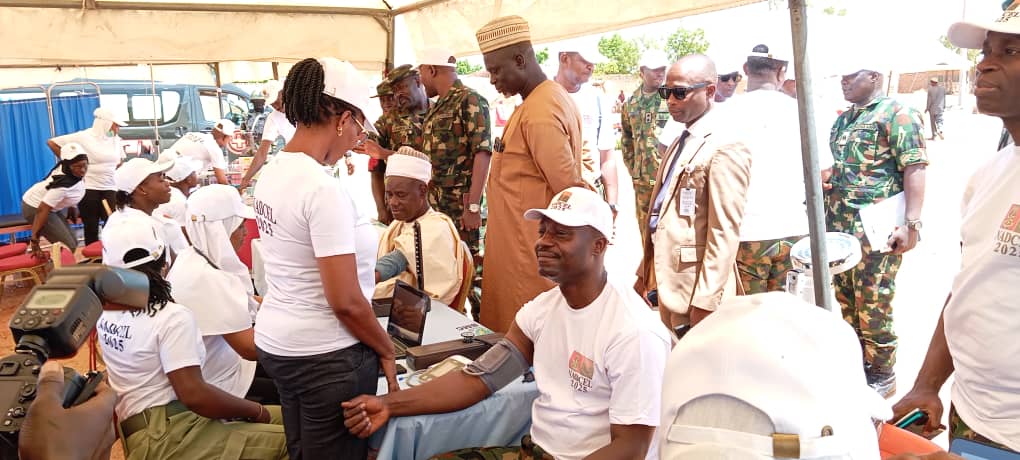
The 17 Brigade of the Nigeria Army in Katsina has conducted a one-day medical outreach for residents of Katoge community in Katsina Local Government Area (LGA). Speaking during the exercise on Thursday, the Brigade’s Commander, Brig.-Gen. Babatunde Omopariola, said the outreach was an opportunity to engage with their immediate host community. The News Agency of Nigeria (NAN) reports that the event was part of activities for the 2025 Nigerian Army Day Celebration (NADCEL). Related: Nigerian Navy Launches High-Tech Agricultural Initiative to Boost Food Security According to Omopariola, the aim was to foster goodwill and show the residents that the army is part of their community, just as they are part of the army. He explained that the health of the community was a major concern for the brigade, adding, “We try our best to assist in any way we can by providing healthcare for residents. “This community was chosen because of the limited income within the area; many residents may not be able to afford quality medical care like those in more robust communities. “So, it is essential that we support those with lower income so they can benefit more efficiently from this programme. “We prepared to attend to 500 to 700 people,” he said. Read Also: Ganduje Foundation Pledges Continued Support for Humanitarian and Religious Outreach Omopariola added that beneficiaries should view the gesture as an ongoing effort, though not a daily one. He further explained, “What we have done is provide an outreach for the community members and sensitise them. “We have also made arrangements with the community that if they have medical issues, they can visit our medical centre for primary healthcare services. “What we require from the community is the mutual trust that we expect from all Nigerians. “We want to increase our civil-military interaction and have their support in any way,” Omopariola said. He emphasised that host community support was essential for any military establishment or mutual operations. Capt. Kayinde Olakunle, the Acting Commanding Officer of the 17 Brigade Medical Centre, said beneficiaries would be treated for malaria, hypertension, diabetes, and provided with dental care. “This includes scaling and polishing, extractions and fillings for those with dental problems. “More severe cases will be given appointments at the medical centre or referred to teaching hospitals as necessary. “We will also treat malaria, typhoid fever, and respiratory tract infections. Severe cases will be referred for further care. “Children will be attended to, and insecticide-treated nets will be distributed to those under five years old,” Olakunle said. The village head of Katoge community, Alhaji Isiyaku Ado, said the outreach would greatly help alleviate the health challenges faced by residents. He commended Omopariola for the initiative and promised to continue supporting the officers and men of the brigade. (NAN)

Health, Humanitarian, Kano, News

VaxSocial Launches Digital Immunization Campaign in Kano

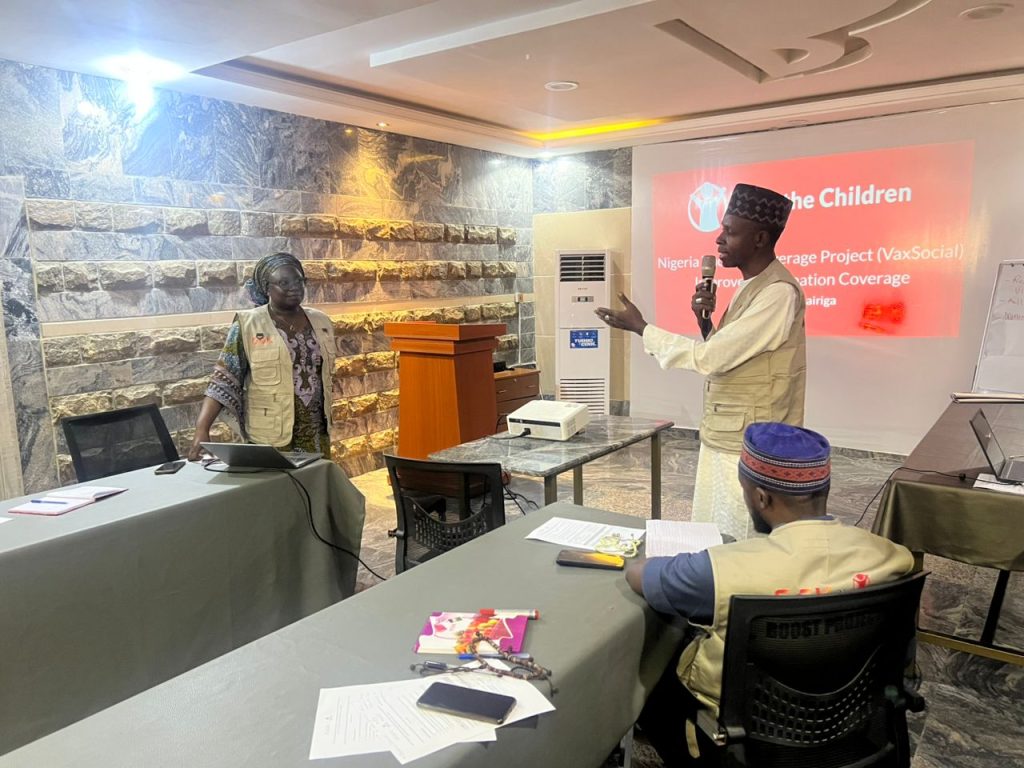
In a renewed effort to reduce vaccine hesitancy and improve child immunization coverage, stakeholders in Kano State have launched a focused campaign under the Nigeria Vaccination Coverage Project (VaxSocial), with support from Save the Children. The initiative was unveiled during a one-day workshop aimed at developing the Kano State Health and Immunization Budget Scorecard. Speaking during the workshop, Dr. Mariga Felicia, Project Manager of VaxSocial, said the project seeks to improve immunization uptake among under-five children, reduce preventable child deaths, and address the spread of misinformation. “Currently, data shows that Nigeria has over 36 million children under five years who are vulnerable to preventable diseases, many of which are vaccine preventable,” Dr. Mariga said. Related: Kano State Develops Strategic Communication Blueprint to Boost Maternal and Child Health She noted that religious beliefs, cultural norms, and false social media narratives have contributed significantly to vaccine resistance in many communities. “That is why social media will be a critical part of our engagement strategy. We must counter misinformation directly where it spreads online and amplify accurate, culturally sensitive information to the public,” she reiterated. The VaxSocial campaign targets 80% coverage of under-five children, girls and women at risk of cervical cancer, and “zero-dose” children, those who have never received any vaccines as well as those who started immunization but did not complete it. In Kano State, the pilot phase will cover six Local Government Areas, Ungoggo, Gezawa, Kumbotso, Dala, Nassarawa, and Kano Municipal. The project began in Lagos in June 2024, expanded to Kano in June 2025, and will run until November 2025. Read Also: Ganduje Foundation Pledges Continued Support for Humanitarian and Religious Outreach Also speaking at the workshop, Salisu Yusuf, Co-Chair of the Civil Society Organizations (CSOs) on the Zero Dose Boost Project in Kano, emphasized the importance of transparency, service delivery, and accountability. “This project is not just about vaccines; it’s about strengthening systems. As CSOs, we are active across all 44 LGAs in Kano even though this project officially targets only six. Our goal is to make awareness so that more families become aware and take action,” he stated. He further highlighted the importance of collaboration between Primary Health Care Centres, the Ministry of Health, the media, CSOs, and other stakeholders, calling for unified support to achieve wide-reaching results. The workshop was attended by stakeholders from across media platforms, CSOs, and representatives from the Save the Children team in Kano.  

Health, Humanitarian, Kano

Kano State Develops Strategic Communication Blueprint to Boost Maternal and Child Health

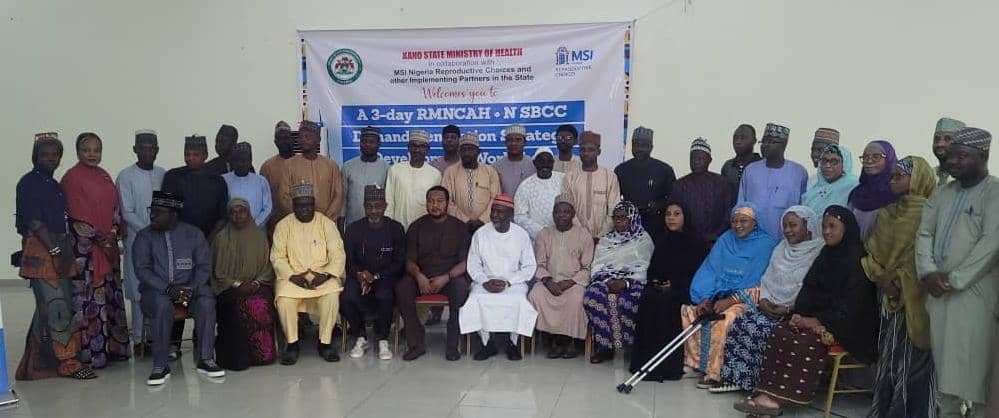
The Kano State Ministry of Health, in partnership with MSI Nigeria Reproductive Choices and other implementing partners, has successfully developed a Social and Behaviour Change Communication (SBCC) strategy aimed at improving the uptake of Reproductive, Maternal, Newborn, Child, Adolescent Health and Nutrition (RMNCAH+N) services across the state. The three-day strategy development workshop was held from June 20 to 22, 2025, at Quarter House Hotels, Malali GRA, Kaduna. It brought together stakeholders from government agencies, civil society groups, traditional institutions, youth organizations, development partners, and the media. Speaking at the event, the Honourable Commissioner for Health, Dr. Abubakar Labaran Yusuf represented by the Director General of the Drugs, Medical and Consumables Supply Agency (DMCSA), Pharmacist Gali Sule, affirmed the state government’s commitment to transforming health-seeking behavior through effective and culturally sensitive communication. Read Also: Ganduje Foundation Pledges Continued Support for Humanitarian and Religious Outreach He emphasized the importance of using communication as a tool to dismantle harmful cultural practices that hinder access to essential healthcare services, particularly for women, children, and adolescents. Participants at the workshop were divided into thematic working groups to analyze social norms, behavioral barriers, and enabling factors influencing demand for health services. The discussions were guided by technical experts and consultants who shared evidence-based global best practices and behavioral change theories. The outcome of the workshop is a comprehensive and inclusive SBCC strategy tailored to Kano’s unique context. It outlines approaches for deploying mass media campaigns, community dialogues, interpersonal communication, and digital outreach to stimulate demand for RMNCAH+N services. Development partners including UKaid, the Lafiya Programme, Society for Family Health (SFH), the A360 Project, and Matasa Matan Arewa reaffirmed their support for Kano State’s health agenda and commended the collaborative spirit of the initiative. At the close of the workshop, stakeholders expressed optimism that the new strategy will foster deeper community engagement, empower women and young people, and significantly reduce maternal and child mortality in the state. Signed: Nabilusi Abubakar K/Na’isa Public Relations Officer Ministry of Health, Kano State 23rd June, 2025

Health, Humanitarian, Katsina

Mangal spends N80m to sponsor urology surgery for 3,000 vulnerable

A philanthropist in Katsina, Alhaji Dahiru Mangal, has spent more than N80 million to sponsor urology surgery and treatment for vulnerable patients in the state. A board of trustees member of Mangal Foundation, Mr Husaini Kabir, said this in Katsina on Saturday, at the launch of this quarter’s exercise. Kabir said that since the commencement of exercise, no fewer than 3,000 vulnerable patients have benefited in about 10 exercises conducted previously. He explained that during this second quarter of the year, more than N20 million has been earmarked to sponsor the urology surgery for more than 100 patients. Read Also: Tinubu, Governors Join Ganduje to Receive Governor Eno into APC The board of trustees’ member added that those patients who do not require surgery, would be checked and provided with free drugs. Kabir noted that the gesture, which is part of their social corporate responsibility, aimed towards giving back to the society, especially the less privileged. According to him, people from different villages within the state, neighboring states and also from Niger Republic, are also benefiting from the gesture. Kabir said that their main objective was to alleviate the burden of healthcare costs on the most vulnerable people, as many of them struggle to meet basic needs. He stated that the screening for the outreach is ongoing at the Amadi Rimi Autopaedic hospital, in Batagarawa Local Government Area of the state. “The foundation has engaged the best medical team and procured high quality drugs and medical equipment for the surgery,” he said. Kabir added that the foundation is exclusively for empowerment, development, educational, charitable purposes and supporting the poor and vulnerable in the area of healthcare and economic skill. He further revealed that the foundation, initiated in 2016, had also sponsored eye, hernia, and hydrocele surgical operations for thousands of vulnerable patients. One of the beneficiaries, a staff of the state polytechnic, Malam Adamu Aliyu, commended the sponsor, saying that he has been looking for such an opportunity. According to him, his little salary can not afford him to go for the surgery, because the expenses are too much, praying to Almighty Allah to reward the sponsor. Other beneficiaries also commended the gesture, and called on the government, private organisations, and other wealthy individuals to also emulate.

Humanitarian, International, News

UN Slashes 2025 Humanitarian Aid Appeal Amid Deepest Funding Cuts on Record

The United Nations announced Monday that it is drastically reducing its 2025 global humanitarian aid appeal due to what it calls the “deepest funding cuts ever.” The UN’s humanitarian agency, OCHA, now seeks $29 billion down from the $44 billion requested in December in a “hyper-prioritized” plan focused on the world’s most urgent crises. The sharp cuts follow a significant reduction in foreign aid from key donors, especially the United States under President Donald Trump, who has slashed international assistance since taking office in January. Economic uncertainty has also caused other donor nations to scale back their contributions. “Brutal funding cuts leave us with brutal choices,” said Tom Fletcher, head of OCHA. “All we ask is 1% of what you chose to spend last year on war. But this isn’t just an appeal for money, it’s a call for global responsibility and human solidarity.” Read Also: Beyond the Headlines: The Untold Truth behind Nigeria’s Herders-Farmers Clashes So far in 2025, the UN has received only $5.6 billion just 13% of its original target despite rising emergencies in Sudan, Gaza, the Democratic Republic of Congo, Myanmar, and elsewhere. “We have been forced into a triage of human survival,” Fletcher said. “The math is cruel, and the consequences are heartbreaking.” Under the new guidelines, OCHA will prioritize aid to the most critical areas, ensuring limited resources are deployed swiftly and effectively to save as many lives as possible. (AFP)  

Humanitarian, Kano, News

DSP Barau Donates N22 Million to Families of Deceased Kano Athletes

The Deputy President of the Senate, Senator Barau I. Jibrin, has fulfilled his promise of donating N1 million each to the families of 22 Kano State athletes who tragically lost their lives in a recent motor accident. The accident occurred in Dakatsalle town, near Kano metropolis, as the athletes were returning from the National Sports Festival (NSF) held in Ogun State. Represented by his Chief of Staff, Professor Muhammad Ibn Abdullahi, Senator Barau’s delegation visited the families in Gwagwarwa, Nasarawa Local Government Area, to deliver the N22 million total donation. Read Also: Barau Jibrin’s Two Years as Deputy Senate President: A Chronicle of Impact The delegation included Hon. Kabiru Ado Lakwaya, Shitu Madaki Kunchi, Ibrahim Shitu Chanji, Hon. Yahuza Yankaba, and Alhaji Adamu Kabo, among other aides and officials. During the visit, Prof. Ibn Abdullahi emphasized that the donation demonstrates Senator Barau’s deep sympathy and commitment to supporting the bereaved families, noting that the loss is shared by the entire Kano State and Nigeria. Garba Shehu, Technical Director of the Kano State Sports Commission, spoke on behalf of the families, expressing gratitude and describing the gesture as timely and impactful.

Scroll to Top