The Historica Nigeria

Feature

Feature, National, Weekend Digest with The Historica Nigeria

Coups, Counter-Coups and the Cost to Nigeria

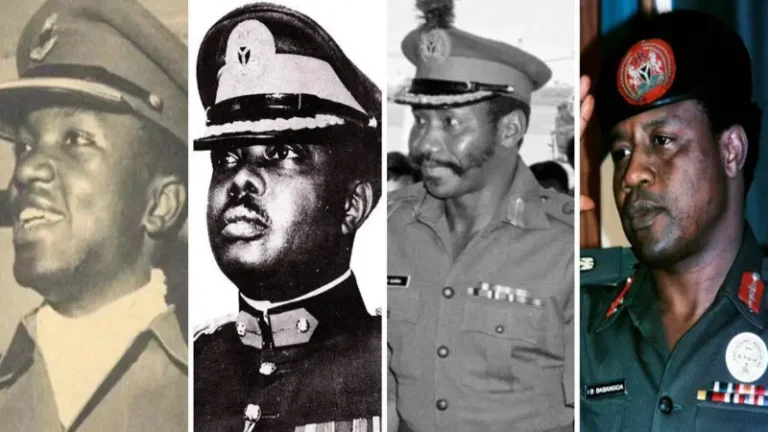
On Monday, January 26, 2026, Nigeria’s Defence Headquarters confirmed that it had concluded investigations into an alleged coup plot uncovered in the previous year, announcing that several military officers were found culpable in an attempt to overthrow the administration of President Bola Ahmed Tinubu. In a statement issued by the military high command, the Armed Forces disclosed that 16 officers were indicted for attempting to subvert Nigeria’s democratic government in October 2025. The officers are expected to face prosecution before a court martial in accordance with military laws and regulations. The arrests were first made public in October 2025, when security agencies announced the detention of some officers over acts described as insubordination and breaches of military conduct. At the time, authorities stopped short of confirming a coup plot. However, subsequent reshuffles within the top military hierarchy fueled speculation and renewed public debate over Nigeria’s security and democratic stability. Nigeria and the History of Military Coups Since gaining independence in 1960, Nigeria has experienced a series of military coups and attempted coups, particularly between 1966 and 1993. These interventions profoundly shaped the country’s political structure, civil-military relations, and national cohesion. Read Also: Between Discipline and Dissent: Musa Bamaiyi and the Burden of Command Promotion of Tinubu’s ADC Shelved After Intervention by Retired Army Chiefs Military to Try 16 Officers Over Alleged Plot Against Tinubu Govt Although Nigeria has enjoyed uninterrupted democratic rule since 1999, memories of military takeovers remain deeply ingrained in the national consciousness. The First Coup: Nzeogwu (1966) Major Chukwuma Kaduna Nzeogwu is widely regarded as the central figure behind Nigeria’s first military coup, carried out on January 15, 1966, barely six years after independence. The coup led to the collapse of the civilian government and the assassination of Prime Minister Abubakar Tafawa Balewa and several senior political leaders. Following the coup, Major General Johnson Aguiyi-Ironsi assumed power. His administration, however, lasted only six months before it was overthrown in a counter-coup in July 1966. Nzeogwu was arrested and detained in various prisons before being released during the Nigerian Civil War in 1967 by Biafran leader Chukwuemeka Odumegwu Ojukwu. He later died in combat on July 29, 1967, during fighting in Nsukka, present-day Enugu State. The July 1966 Counter-Coup: Murtala Muhammed The July 1966 coup, led by General Murtala Ramat Muhammed, is often described as a retaliatory response to the January coup. The upheaval brought General Yakubu Gowon to power. Murtala continued his military career without sanction and later emerged as Head of State following the bloodless coup of 1975. His tenure was cut short when he was assassinated during a failed coup led by Bukar Suka Dimka on February 13, 1976. The 1975 Bloodless Coup On July 29, 1975, General Yakubu Gowon’s government was overthrown without bloodshed while he was attending an Organisation of African Unity (OAU) summit in Uganda. The coup was announced on national radio by Colonel Joseph Nanven Garba. The transition installed General Murtala Muhammed as Head of State and Olusegun Obasanjo as his deputy. Several officers who later became prominent national figures including Theophilus Danjuma, Muhammadu Buhari, Ibrahim Babangida and Sani Abacha, played key roles in the transition. Joseph Garba later served Nigeria as a diplomat, becoming Permanent Representative to the United Nations and, in 1989, President of the UN General Assembly. He died in 2002. From Babangida to Abacha In August 1985, General Ibrahim Badamasi Babangida came to power through another bloodless coup. His eight-year rule ended amid widespread unrest following the annulment of the June 12, 1993 presidential election, widely regarded as Nigeria’s freest and fairest. After Babangida stepped aside, an Interim National Government led by Chief Ernest Shonekan was installed in August 1993. Barely three months later, General Sani Abacha seized power in November 1993. Abacha ruled Nigeria until his sudden death on June 8, 1998. His demise paved the way for General Abdulsalami Abubakar, who initiated a transition programme that culminated in the return to democratic governance on May 29, 1999. Democracy and the Lessons of History Since 1999, Nigeria has maintained uninterrupted democratic rule, with military coups becoming a distant memory. However, the alleged 2025 coup plot has rekindled national reflection on the importance of safeguarding democracy, upholding the rule of law, and strengthening trust between civilian authorities and the armed forces. Analysts and public administrators argue that Nigeria’s long history of military intervention serves as a sobering reminder of the sacrifices made to achieve democratic governance, a system that demands vigilance, accountability, and collective commitment from both leaders and citizens alike.

Feature, Kano, Politics

Kano’s Great Convergence: Beyond Partisanship, Towards a New Era of Forgiveness – Sanusi Kiru

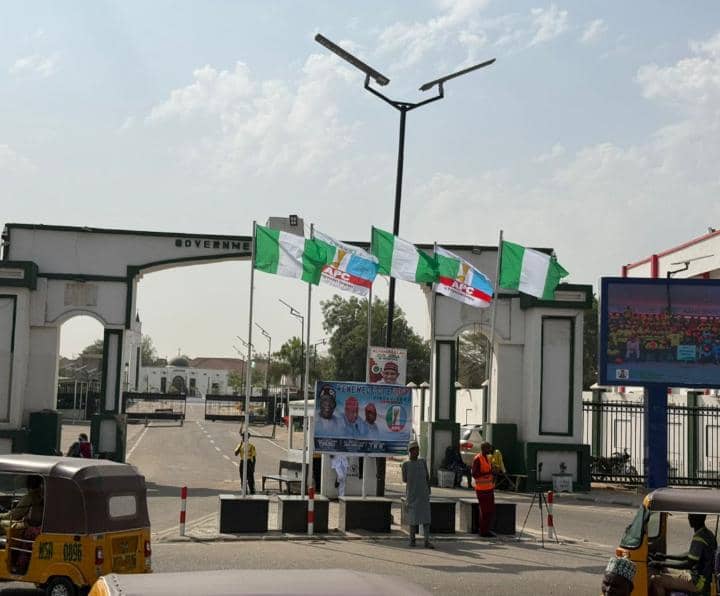
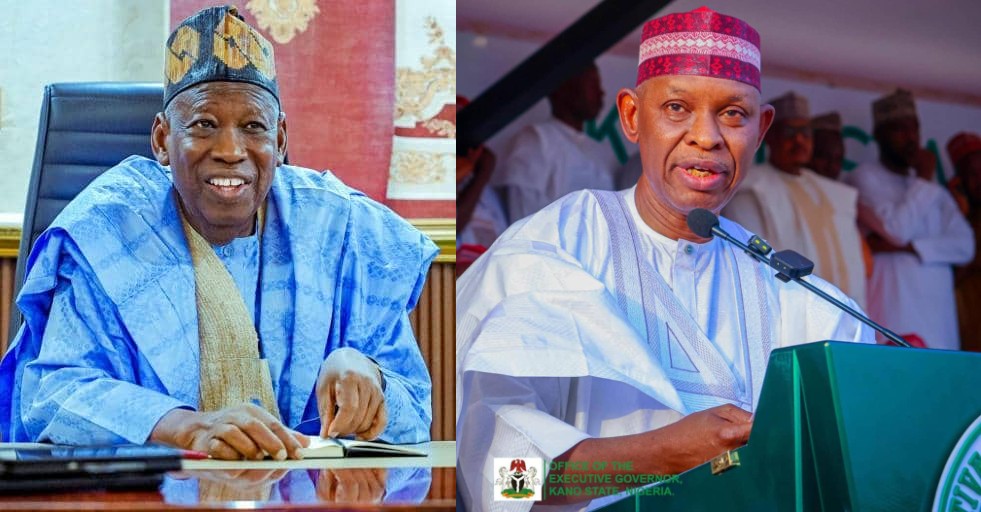
​By Muhammad Sanusi S. Kiru, Kano ​The true measure of a leader is the ability to subordinate personal ego to the collective aspirations of the people, and this week, Governor Abba Kabir Yusuf demonstrated this rare quality by orchestrating a political alignment that transcends partisanship. His transition to the All Progressives Congress (APC) is a patriotic pivot toward stability, security, and the definitive return of socio-economic progress in Kano State, signaling the death of an old order defined by consistent friction. By embracing the APC legacy family, Governor Yusuf has demonstrated qualities that are increasingly rare in our present-day political landscape, where the sight of the Governor sitting at the same table with his former greatest opponents both at the historic Coronation Hall and within the Main Government House, paints a vivid picture of a transition to a new political approach rooted in forgiveness instead of consistent fights. It signals a mature understanding that the seat of power is a trust to be used for unity, rather than a weapon for perpetual division. Having secured the endorsement of the former APC National Chairman, Dr. Abdullahi Umar Ganduje, and the Deputy Senate President, Senator Barau Jibrin, the Governor has effectively silenced the drums of political warfare. However, as the opposition regroup from the camp the Governor recently departed, the “Inevitable Political Fight” looms on the horizon. To survive this, the next move for His Excellency must be a deliberate strategy to ensure this harmonious agenda reaches the polling units. Read Also: Ganduje Describes Abba Yusuf’s Defection to APC as New Era for Kano There is an urgent need for the careful scrutinisation of followers and appointees to ensure they are not merely “occupying space” but are genuinely committed to this peace. The Governor must be categorical with all elected officials and appointees: the era of rivalry is over. Discontentment often begins at the grassroots when a “winner-takes-all” mentality is introduced; therefore, it is a non-negotiable mandate that no one, regardless of whether they are “old” or “new” APC is segregated or marginalized at the local level. This inclusive approach will ensure that no member of the party feels like a stranger, creating a unified front that can withstand any regrouping opposition. Governor Yusuf’s alignment ensures that Kano, the commercial nerve center of Northern Nigeria, regains its seamless synergy with the center to attract infrastructure and investment confidence under the visionary leadership of President Bola Ahmed Tinubu, GCFR. By prioritizing the stability and assimilation of all followers over political excitement, he has set a new standard for leadership. If the administration successfully takes this message of forgiveness down to the grassroots, it will cement a golden era where statesmanship triumphs over ego, ensuring that the sun of development continues to shine on every corner of our dear state. Sanusi Sa’id Kiru is the Former Commissioner of Education, Kano State.

Feature, Kano, Politics

Murtala Garo Reacts as Gov Yusuf Joins APC

The All Progressives Congress (APC) 2023’s deputy governorship candidate in Kano state, Alhaji Murtala Sule Garo, welcomed the governor of Kano state, Alhaji Abba Kabir Yusuf, to the party. Governor Abba Kabir Yusuf joined the party on Monday and he was received by the immediate past chairman of the party, Dr Abdullahi Umar Ganduje. In a statement on Monday, Garo described the governor’s decision to join the APC as a significant and commendable step in the quest for political stability. He said Governor Abba’s presence in the party would further strengthen the APC’s reform agenda. Read Also: APC Agrees to Support Yusuf’s Second Term, Ganduje Declares Abba Yusuf’s APC Move and the Institutional Weight of Dr. Ganduje Why Tarauni Remains a Pillar of Kano’s Metropolitan Development Garo expressed readiness to work with the governor and other stakeholders to advance good governance and political harmony in the state. The statement reads, “I formally welcome His Excellency, the Executive Governor of Kano State, Alhaji Abba Kabir Yusuf, into the All Progressives Congress (APC). Undoubtedly, this is a significant and commendable step in our collective quest for political stability, inclusive governance and sustainable development in Kano state. “Alhaji Abba Kabir Yusuf’s calm disposition, maturity in public affairs and evident commitment to the welfare of the people of Kano state are worthy of commendation. By this decisive action, His Excellency has demonstrated the capacity to rise above partisan divides in the interest of peace, progress and unity. “Governor Abba Kabir Yusuf’s decision to align with the APC reflects political foresight and a clear understanding of the current realities facing Kano state and the nation at large. “I am confident that the governor’s presence in our great party would further strengthen the APC’s reform agenda and enhance cooperation between the state and the Federal Government for the benefit of the people of Kano.” “As I welcome Governor Abba Kabir Yusuf into the APC, I also reaffirm my loyalty to the party and readiness to work with His Excellency and other stakeholders to advance good governance, political harmony and implement people-oriented policies across Kano state.”

Feature, Kano, Politics

Political Juggernaut and Stabilizer of Reckon

Dan Sa’idu Mamman Gaya The ongoing political shake-up navigating the Kano’s political atmosphere will ultimately lead to alignment and realignment of political forces. Positions, both elective and appointive will be adjusted to align with the new coalition. This is with a view to striking balance, provide the necessary shocks to accommodate members of the ruling Al Progressives Congress (APC). Since the news of resignation of Governor Abba Kabir Yusuf from New Nigeria Peoples Party (NNPP) broke, the political atmosphere in Kano state has been tensed and filled with high degree of uncertainty which has led to the sharp division of the Kwankwasiyya movement into those in favour of the impending defection of the Governor to All Progressives Congress (APC), led by key confidants of the Governor and those oppose to the move led by the leader of the Kwankwasiyya movement, Senator Rabi’u Musa Kwankwaso. Naturally, when there is such a political development, positions are likely to be affected and realigned to suit the desired political stability and balance. In the instant case of the defection of Governor Yusuf from NNPP to the APC, which triggered division among the Kwankwasiyya adherents, there are indications that the office of the Deputy Governor might ultimately become vacant owing to the adamant posture of the current occupier of the office, Comrade Aminu Abdulsalam who apparently pitch tent with those that are opposed to the defection of the Governor. The likely thing to happen with the eventual vacation of the office by the Deputy Governor either voluntarily or to be consumed by the consequential political adjustment, the realignment will create a vacant deputy governor’s position. The governor’s defection may lead to the impeachment of the deputy governor at worst, or he might decide to follow the path of honour by resigning the position. Read Also: APC Agrees to Support Yusuf’s Second Term, Ganduje Declares In the event of the eventual Deputy Governor’s exit, the task of replacement becomes a priority and a matter of serious consideration for political stability and balance of power in the state. In this regard, the process of choosing a new Deputy Governor must be matched with the necessary tact and strategy and forward thinking. Already, there are schemings and discreet moves by interested individuals and groups that are promoting certain individuals to replace the Deputy Governor in his eventual exit as the number two citizen of the state. Among the frontrunners for the replacement of the Deputy Governor is a former Commissioner for Local Government, Honourable Murtala Sule Garo whose choice is seen as most strategic, suitable, appropriate, right and apt for stability and balance of the Abba Kabir Yusuf government and political structure. Those who favour Honourable Murtala Sule Garo to emerge as the next Deputy Governor hinged their argument on some sterling qualities of Honourable Garo among which include his strong political structure that cuts across the entire length and breadth of Kano State. Loyalty and commitment as displayed in his previous assignments both as Local Government Chairman and later Commissioner for Local Government has made him the best option so far. Honourable Garo’s political influence came to the fore when he aspired for Kano Governorship in 2023 where his political strength, doggedness, dexterity and spread made him to secure the Deputy Governorship ticket of the All Progressive Congress (APC) after the party primaries, owing to the fact that he was a force to reckon with since APC was deeply committed and determined to win the governorship election. Those behind the moves for the emergence of Honourable Sule Garo as the next Deputy Governor are of the view that fairness, justice and equity are essential components of democracy hence maintaining the Deputy Governorship seat in Kano North Senatorial district where Honourable Garo hails from will solidify the support base of the APC and by extension that of the Governor. This is even more so, as the zone has always been a stronghold of the APC. The APC has maintained control of the Kano north senatorial district even in the face of the NNPP’s 2023 winning streak that swept across the entire Kano’s political landscape. Unarguably, Honourable Garo’s unmatched influence and strong political grip in the Kano North remains the secret of the continuous relevance and dominance of the APC in the zone, hence his choice as the next Deputy Governor will ultimately solidify APC in the zone and better prepare Governor Abba Kabir Yusuf for a smooth return to Government House come 2027. A word is enough for the wise. Mamman contributes this piece from Kaduna.

Feature, Kano, Politics

Why Garo Deserves Deputy Governor Position Under Kano’s New Political Equation

By Najeebullah Ibrahim Soron Dinki As Kano State witnesses renewed political realignment and coalition-building, attention is increasingly shifting from slogans to substance. At the heart of this transition lies a crucial question; as the current Deputy Governor, Comrade Aminu Abdulsalam Gwarzo who stick to NNPP bow out, while the Governor, Alhaji Abba Kabir Yusuf defect to APC. What is it likely to happen to the vacant deputy governor’s position when he finally vacate the seat? Who among the political figures will Governor Abba choose to replace him and equally fly the ticket with him in his second term bid? A politician that can fit in and eventually complement the governor, must be a person with credibility, balance, and grassroots strength. He must be the best bet for this position. In this unfolding conversation, Murtala Sule Garo emerges as a compelling and strategic choice for the Deputy Governor position. Kano politics has always been decided from the bottom up. Elections are however not won in conference rooms alone but at polling units, wards, and local government areas. This reality places a premium on leaders with authentic grassroots connections, leaders who understand the language, needs, and aspirations of ordinary people. Garo’s political journey reflects precisely this grounding. Read Also: Why Tarauni Remains a Pillar of Kano’s Metropolitan Development APC Agrees to Support Yusuf’s Second Term, Ganduje Declares Abba Yusuf’s APC Move and the Institutional Weight of Dr. Ganduje Unlike many whose influence is limited to elite circles, Murtala Sule Garo’s relevance has been forged through sustained engagement with grassroots structures. His political capital is built on trust, loyalty, and accessibility. These are not abstract virtues; they translate directly into mobilization, trust, and electoral resilience, assets any serious coalition must prioritize. Beyond grassroots appeal, Garo brings valuable experience in public service and political administration. The office of Deputy Governor demands more than ceremonial presence. It requires a steady hand capable of managing sensitive political relationships, coordinating government priorities, and serving as a reliable bridge between leadership and the people. Garo’s background positions him to perform this role with competence and restraint. Coalition politics, by nature, thrives on inclusion and unity. Kano’s emerging coalition must accommodate diverse interests, heal divisions, and project stability. Garo’s ability to maintain cordial relationships across political lines marks him out as a consensus builder, not a polarizing figure. In a state as politically vibrant as Kano, this quality is indispensable. Electorally, the value of a deputy governorship candidate lies in added strength, not symbolic balance alone. Garo’s extensive grassroots networks, youth engagement, and familiarity with local political dynamics give the coalition an edge where it matters most on election day. In the final analysis, the Deputy Governor’s slot should reinforce credibility, expand reach, and stabilize governance. Murtala Sule Garo represents a blend of grassroots legitimacy, political maturity, and unifying potential. For a coalition seeking victory and effective governance in Kano State, his candidacy deserves serious consideration. As Kano stands at the threshold of a new political chapter, choices made today will shape governance tomorrow. Selecting leaders rooted in the people remains the surest path forward. In this regard, the cap fits Hon. Murtala Sule Garo. Najibullah wrote from Kaduna

Feature, Kano, Politics

​Murtala Sule Garo: The Strategic Bridge to Kano’s Political Alignment

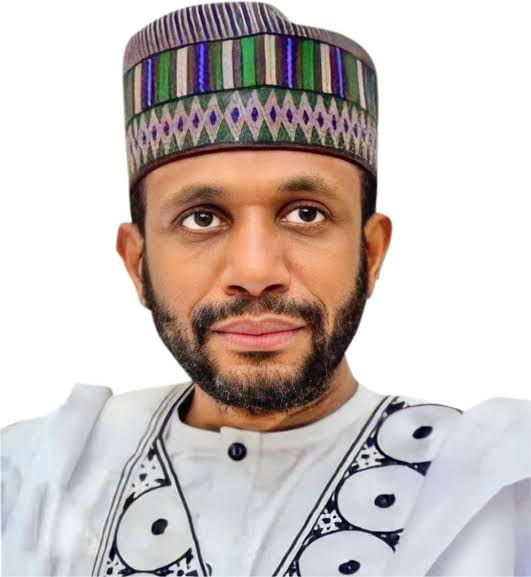
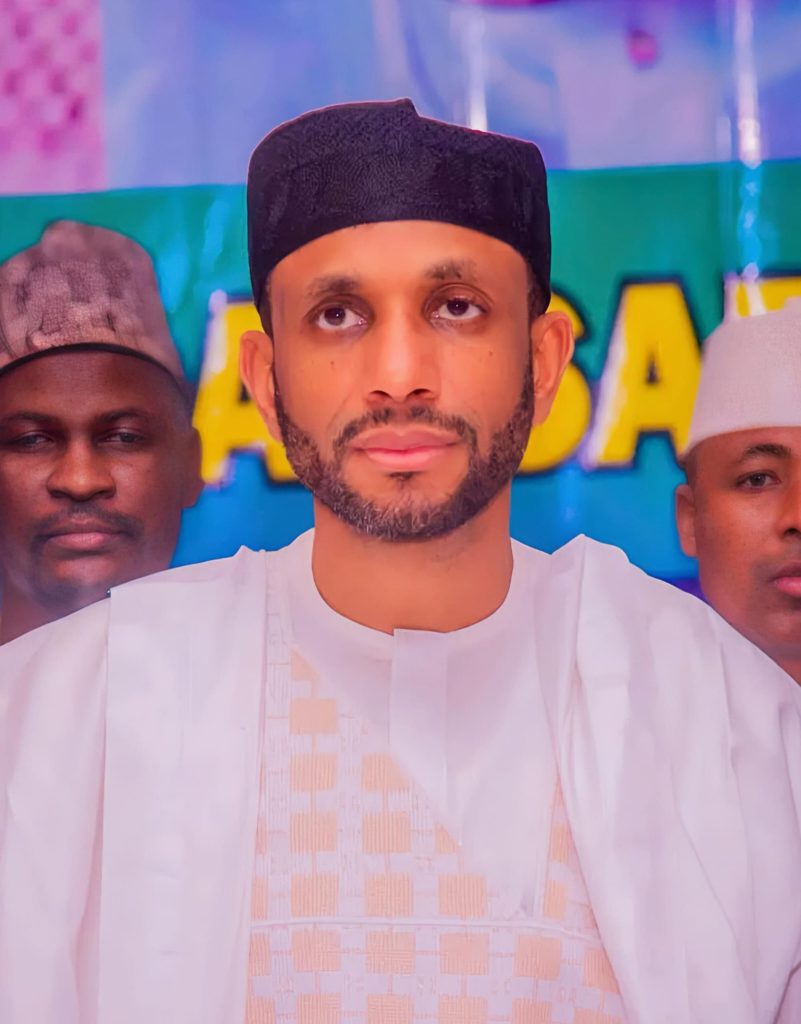
By Mansur Chiranchi Governor Abba Kabir Yusuf has effectively resigned from the NNPP and his defection to the APC is certain. And since the Deputy Governor, Aminu Abdussalam Gwarzo, has remained with the NNPP, there is a clear political opening for a deputy- governor position in the political realignment within the new APC-led administration. ​As the situation shows, this is why Murtala Sule Garo is the Key to Kano’s political realignment. He is a politician with significant grassroots momentum. ​​Whenever he walks through the streets of Kabo, or any of the numerous communities he has touched, crowds of young men and women line up the roads chanting: “Sai Commander.” ​This nickname is more than a term of endearment for his generosity; it reflects a reputation built on relentless community work, decisive leadership, and a political instinct that has propelled him from a local government aide to the frontline of Kano State’s political powerhouse. ​Born on May 16, 1978, in Garo, Kabo Local Government Area, Garo was raised in a household that valued dignity, service, and solidarity. These early lessons in communal responsibility shaped a political philosophy rooted in the belief that impactful development must begin at the grassroots. As he grew up, ​Garo entered public service as a Special Adviser to the Kabo Local Government Area Chairman. His leadership qualities began to manifest and his ability to translate community needs into actionable projects quickly earned him the chairmanship of the LGA. Read Also: Why Tarauni Remains a Pillar of Kano’s Metropolitan Development APC Agrees to Support Yusuf’s Second Term, Ganduje Declares Abba Yusuf’s APC Move and the Institutional Weight of Dr. Ganduje When he eventually became the chairman for Kabo LGA, his colleagues recognized his vibrant leadership. Across the state’s 44 local governments all his peers decided to elect him to lead the Association of Local Governments of Nigeria (ALGON) in Kano. As Chairman of ALGON, he ensured a stable and productive relationship between state authorities and local officials, a development that enhances rapid development and tapping of of the state’s natural resources. ​In between 2019 and 2023, Garo was the Commissioner for Local Government and Chieftaincy Affairs. He was at the heart of Kano’s rural development agenda and his tenure was defined by three key pillars: ​Educational revitalization that saw rapid renovation of primary school facilities across all 44 LGA; rural infrastructure that opens new trade routes for farmers and economic empowerment and implementation of programs that reduced rural-urban migration by lifting citizens out of poverty. ​His hands-on style and pragmatic approach had equally earned him the reputation of an “achiever” rather than a mere talker, gaining him credibility even across party lines. ​ ​Party insiders describe Garo as a “political engine” capable of mobilizing votes across both urban and rural divides. With record of remarkable results, his deep roots in the Northern Kano Senatorial District and his influence within youth organizations led to his strategic selection as the running mate to Dr. Nasir Yusuf Gawuna in the 2023 gubernatorial election. ​His leadership style—often described as a blend of military precision and civilian empathy—sets clear targets while maintaining accessibility, remaining humble and approachable. He delegates responsibility but personally monitors results, a trait that further solidifies his “Commander” title. ​The Path Forward ​As Kano prepares for an eminent political realignment, Murtala Sule Garo stands as the most suitable and viable candidate for the position of Deputy Governor. His track record suggests he will prioritize sustainable rural development, human capital investment, and transparent governance. ​By nominating Garo, Governor Abba Kabir Yusuf has a unique opportunity to strengthen his administration now and brighten his 2027 reelection prospects. Garo’s blend of grassroots credibility and administrative competence makes him an indispensable player in shaping the future of Kano State. Chiranchi contributed this piece from Dorayi, Kano.

Education, Feature

Transit school initiative, an alternative that guarantees equitable access to education for all

By Adamu Ahmad Ibrahim Celebrating 2026 Global Education Day The Transit School Initiative is a community-driven program designed to reintegrate out-of-school children into formal education by identifying them, providing basic literacy/numeracy skills via volunteers, and securing sponsorship for school fees and uniforms. The Initiative differs from our regular traditional schools in terms of school timing, materials needed and duration. However, it still aims for achieving a quality education for all, it’s the most suitable system that will ensure every child goes to school. Despite more than two decades of attention, funding and activities, through the country’s legal and institutional framework, disbursement of funds, loans and educational policies, Nigeria continues to be home to the highest number of out-of-school children (OOSC) in the world according to UNICEF, 2022. Read Also: The fight against drug abuse, a failed strategies or a war we cannot win Why Tarauni Remains a Pillar of Kano’s Metropolitan Development Kano State Polytechnic Takes Step Toward University-Affiliated PGD Programmes Based on the needs findings we conducted last year at Brigade Community area of Nasarawa Local government, Kano state. We learned that some parents have a morning tasks for their children, for example there was one Musa who was 13 years old when we interviewed him, he mentioned that “every morning he had to fetch water from a nearby neighbourhood for his mother to be able to cook for them and bath before they could be able to do anything else that day, by the time they finished their morning tasks it will be late for them to go to school. When I was a teacher I asked one of my students why is he not attending school every day, and most of the times he attended he came at late hour’s, he explained to me that, there are days which he’d go to market do hard labour, get paid and bring the money to his mother for their daily meals. Many parents mentioned they don’t send their children to school simply because they can’t afford a uniform, writing and reading materials. The transit school Initiative will be a better option for children like musa, because it will enable him to attend school at his convenient time, not necessarily 7:00 or 8:00am. The initiative will Also benefits parents who can’t afford school uniform, writing and reading materials for their children, as the Initiative requires little of that, compared to our regular schools. Now in Northern Nigeria, people from low income settings don’t have access to the social basic needs. I believe, if we don’t have equal access to basic human rights such as clean water and food, then we should have an equitable access to Education. Just because Musa needs 2 hours every morning to fetch water for his family to use, that shouldn’t deprived Musa from attending school and miss the opportunity to become the Doctor, Lawyer or an Engineer that he dreamed to be. As a project manager of Arewa Health Promotion Initiative, I led a group of young people across Kano state and Jigawa state to find out the main reason behind the increase number of out-of-school children, poverty has always been the top ranking factor that have influenced the menace of out of school children roaming around the streets of Kano and Lagos. No government can make everybody rich, but I believe with the right policy the government can provide equitable access to education for everyone. I also want to join Mr. Tijjani Mukaddas PhD, pro-education activist and founder transit school Initiative, to call on Nigerian government most especially the Northern States to please consider integrating the Initiative into a National/State Education framework. The Transit School Initiative is already tested and proven to be effective. Tijjani Mukaddas PhD, one of the top 50 global teachers as well as Humphrey Fellow, resides in Abuja, he developed, initiated and executed the transit school Initiative in one of the Abuja communities. The community was one of the first communities to achieve zero out of school children community in Nigeria. If we can do it in one particular area, why can’t we do it in all over our communities. Going to school for children is not always about learning ABCD or 1234, rather its more of engaging them with one another, to develop a bonding sprit, learn about team work, be able to understand ethical morality and improve their patriotism. We have suffered enough from the consequences of denying those children their rights to education. If we don’t engage them in schools, the streets will engage them into something we don’t like. Directly or indirectly we have been a victims of the consequences either banditry, kidnapping or phone snatching which leads to the dead of so many good and best people among us. I call the attention of our development organisation’s to consider investing more into the transit school Initiative. Adamu Ahmad Ibrahim Executive Director, Arewa Health Promotion Initiative. 08089403454.

Feature, Kano, Politics

Abba Yusuf’s APC Move and the Institutional Weight of Dr. Ganduje

Umar Idris Shuaibu, Kano The decision of Kano State Governor, Alhaji Abba Kabir Yusuf, to officially align with the All Progressives Congress (APC) marks more than a routine party movement. It represents a recalibration of Kano’s political equation, one that brings institutional strength, historical continuity, and grassroots expectations into sharper focus. For Kano, politics has never been merely about party symbols. It has always been about structure, performance, and the silent verdict of the electorate, particularly the masses and the elites whose lives are directly affected by governance outcomes rather than political slogans. At the centre of this moment stands Dr. Abdullahi Umar Ganduje, the immediate past National Chairman of the APC and Chairperson of the Board of the Federal Airports Authority of Nigeria (FAAN), whose political influence in Kano and the wider Northwest remains deeply rooted in institutional legacy rather than transient alliances. A Political Shift With Grassroots Echoes Governor Abba Kabir Yusuf’s move comes at a time when political uncertainty, internal party disputes, and legal battles have continued to unsettle the NNPP’s internal cohesion. For many grassroots stakeholders, especially in rural Kano, political stability is not an abstract concept; it directly affects access to security, agricultural support, education, and market confidence. Read Also: Ganduje Marks Daughter’s Academic Milestone at King’s College London Governor Yusuf Prioritizes Kano, Dismisses 2027 Politics Why Tarauni Remains a Pillar of Kano’s Metropolitan Development The APC, under Ganduje’s leadership at the national level, survived electoral setbacks not by disintegration but through strategic patience, reconciliation, and structural preservation. This resilience has kept the party relevant across wards and polling units, especially in communities where party presence often determines access to governance attention. The Ganduje Years: Governance Beyond the Capital Dr. Ganduje’s tenure as Governor of Kano State (2015–2023) remains a defining reference point in understanding his continued political relevance. His administration prioritised infrastructure expansion beyond Kano metropolis, extending road networks, healthcare facilities, and educational institutions into semi-urban and rural areas. Significant budgetary allocations were directed toward: – Education, through school rehabilitation, recruitment of teachers, and scholarship interventions. – Healthcare, particularly primary health centres in rural communities. – Agriculture and livestock development, including grazing initiatives, veterinary services, and rural economic support systems. Dr. Abdullahi Umar Ganduje also made strategic investments in the housing sector through the Kano State Investment and Properties Limited, where his administration delivered a low-cost mass housing scheme in Gurjiya. The project was deliberately designed to be accessible to ordinary Kano residents, public servants, and private individuals, creating a realistic pathway to home ownership. By prioritising affordability, the policy helped moderate escalating house rents and distinguished Ganduje’s approach from housing models that remain largely unattainable for the masses. These interventions were not without challenges, but they established a performance record that continues to resonate among voters who equate leadership with visible outcomes. From Power to Influence: How APC Retained Political Gravity Leadership, in Kano’s political culture, is not sustained by office alone. Ganduje’s transition from Governor to National Chairman of the APC demonstrated an evolution from executive authority to institutional stewardship. Under his watch, the APC navigated internal crises, managed post-election tensions, and retained its organisational spine across the Northwest. His approach emphasised negotiation over confrontation, inclusion over exclusion, and long-term party survival over short-term dominance. This institutional strength now provides a platform capable of absorbing political realignments without internal collapse. Why This Moment Matters to Farmers, Herders, and Traders For rural Kano, political realignment is judged by its practical implications. Stability at the top often translates into: – Improved security coordination in farming and grazing communities. – Renewed confidence among traders and small-scale entrepreneurs. – Better alignment with federal agricultural and livestock initiatives. Dr. Ganduje’s historical engagement with rural Kano, including policies affecting herders and farmers has positioned him as a familiar figure to these communities, not merely as a political elite but as a policymaker whose decisions touched their daily realities. The Other Side of the Argument Critics argue that political realignments risk over-centralising power and weakening opposition voices. Others caution that party dominance does not automatically guarantee improved governance outcomes. These concerns are legitimate within a democratic framework. However, Kano’s political history suggests that voter loyalty remains conditional. Performance, credibility, and service delivery ultimately determine political longevity, not proximity to power. Where Leadership Outlives the Moment Dr. Abdullahi Umar Ganduje’s relevance in Kano politics transcends immediate events. His role in strengthening party institutions, mentoring political actors, and maintaining organisational coherence underscores a broader truth: Kano rewards structure and delivery more than rhetoric. As Governor Abba Kabir Yusuf charts his political path, the APC’s institutional depth anchored by Ganduje’s leadership experience offers a framework that prioritises continuity, stability, and governance maturity. History has shown that Kano’s electorate does not permanently surrender its agency to individuals or parties. It evaluates, reassesses, and decides. In that enduring democratic grammar, institutions matter more than moments, and performance remains the final arbiter.

Feature, Kano

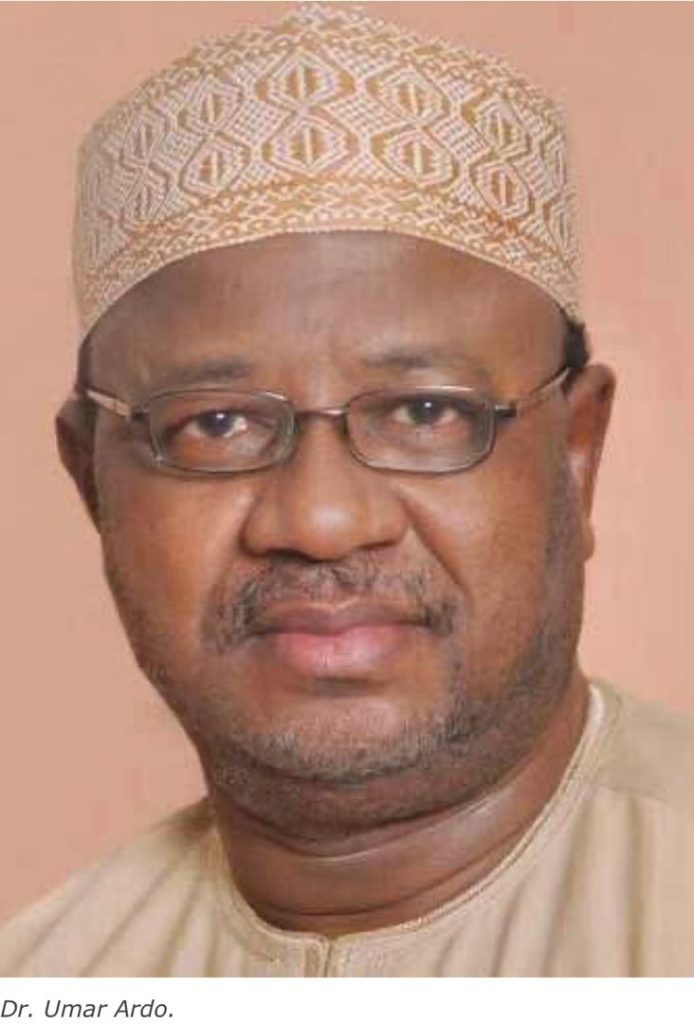
Kano Politics has Predominantly Been in the Opposition – Dr. Ardo

By Dr. Umar Ardo The resignation of Gov. Abba Yusuf of Kano State from the NNPP leading towards the 2027 general elections is a big mistake, if he eventually joins the APC. The reason is simple – it will mean he does not understand the evolutionary history of Kano politics! If he had, he would have known that Kano politics has always essentially aligned with opposition politics, and never purposefully leaned toward the center. The pattern of its politics since independence validates this assertion. In the 1st Republic, while the North and the nation formed NPC governments, Kano overwhelmingly voted an opposition party, the NEPU. Likewise, in the 2nd Republic, while the North and the nation voted NPN, Kano still tilted toward the opposition and voted for the PRP. Under the present dispensation as well in 1999, Kano rejected the perceived Conservative Party, the ANPP, and overwhelmingly voted the perceived liberal PDP. But when it turned out that PDP formed the national government as well, Kano promptly voted it out after only one term in 2003 and voted in the opposition party, the ANPP. Then in 2015, along with other opposition parties, Kano joined the bandwagon and fused into the newly formed APC in opposition to the national government of the PDP. It remained in the APC for two terms under controversial circumstances but in 2023 moved back to its opposition stance by voting in a fringe opposition party, the NNPP. Read Also: Why Tarauni Remains a Pillar of Kano’s Metropolitan Development Why Gobirawa’s Centuries-Old Agrarian Life is at Risk in Kano Governor Yusuf Prioritizes Kano, Dismisses 2027 Politics Even when the courts, at the tribunal and Court of Appeal levels, tried to move the state into the ruling national party, the APC, Kano electorate staunchly stood against the move and the Supreme Court, perceiving the danger fraught in the process, reversed the move in its final verdict. Hence, keeping Kano politics where it has always been – predominantly in the opposition! To this end, therefore, by now moving out of the opposition NNPP party and joining the APC, the ruling party at the center, Gov. Yusuf and the APC are automatically courting defeat in 2027. Either the APC wins national government and loses Kano state, or it wins Kano state and loses the national election. But they cannot win both as Kano’s election pattern over the years doesn’t support that. The trajectory is clear; now the choice is left for the APC and Gov. Yusuf to make. Dr. Umar Ardo, Ph.D

Feature, Kano

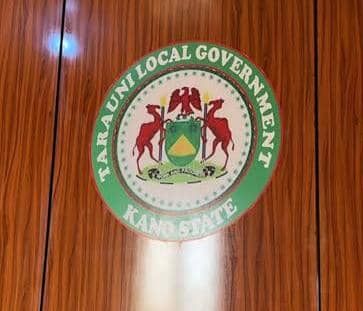
Why Tarauni Remains a Pillar of Kano’s Metropolitan Development

Tarauni Local Government Area, located in the heart of Kano city, is one of the state’s key commercial, administrative, and residential hubs. With an estimated population of over 308,600 in 2016, Tarauni covers about 28 square kilometers and serves as a vibrant center for trade, education, governance, and religion. The area hosts major markets, government institutions, schools, healthcare facilities, religious landmarks, and service infrastructure. Trade forms the backbone of Tarauni’s economy. Markets such as the Unguwa Uku Livestock Market and Tarauni Market are central to commerce, while residents also engage in farming along with livestock rearing and leatherwork. The area is dotted with fuel stations, schools, healthcare centers, and other commercial services that support the urban population. Tarauni houses key government and institutional landmarks, including the Kano State Government House, Kano State Public Complaints and Anti-Corruption Commission, several state ministries, Hadejia Jama’are River Basin Development Authority, the Nigerian Midstream and Downstream Petroleum, NNPCL depot, the Federal College of Agricultural Produce Technology, Abubakar Rimi Television, Federal Mortgage Bank of Nigeria Kano office and Tarauni Primary Healthcare. Religious life is vibrant, with Tarauni Central Mosque, Masjid Sahaba, Jami’ur Rahman Mosque in Kundila, and Murtala Muhammad Memorial Mosque serving the community. Education and healthcare are central to Tarauni. The area hosts Aminu Kano Teaching Hospital (AKTH), Kano Dental Hospital, the Kano State School of Nursing and Midwifery, as well as numerous private and public schools. Commercial hubs, such as the Farm Center mobile phone market, further strengthen the local economy. Read Also: Why Gobirawa’s Centuries-Old Agrarian Life is at Risk in Kano Lere: A Historic Fulani Settlement and Cultural Crossroads in Kaduna Birnin Kudu: An Ancient Settlement With a Modern National Footprint The population of Tarauni is predominantly Hausa and Fulani, mostly Muslims, with a small portion representing Christians as a minority. Administratively, the LGA is governed by an elected chairman and councilors and is represented in the state assembly and national House of representatives. Tarauni is composed of the following major wards: Tarauni Ward, Gyadi-Gyadi Arewa Ward, Gyadi-Gyadi Kudu Ward, Darmanawa Ward, Daurawa Ward, Babban Giji Ward, Hotoro Ward, Unguwa Uku Cikin Gari Ward, Unguwa Uku Kauyen Alu Ward, and Unguwar Gano Ward. Tarauni is widely regarded as one of the core metropolitan local government areas of Kano State. Its blend of commerce, education, governance, healthcare, and culture makes it a critical hub where tradition and modern development coexist, serving the needs of residents and the broader city.

Scroll to Top