




The Historica Nigeria

Agriculture

Agriculture, Kano, News

Ulama Lead Rain Prayer in Kano Over Delayed Rainfall

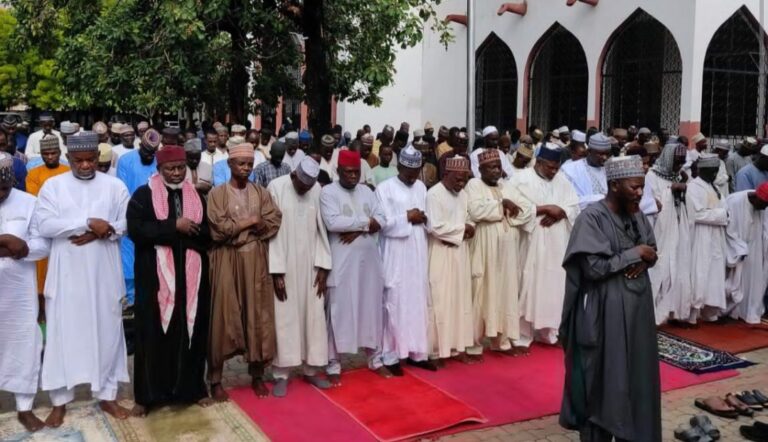
Amid rising concerns over delayed rainfall and its effects on agriculture, hundreds of Kano residents gathered at Umar Bin Khattab Mosque on Saturday to perform Salat al-Istisqa, the special Islamic prayer for rain. The prayer session, organized by the Kano State Council of Ulama, drew a large turnout, including prominent Islamic scholars, government officials, and community leaders. Addressing the congregation after the prayer, the Chairman of the Council, Sheikh Ibrahim Khalil, emphasized the importance of combining supplication with good deeds and moral conduct. Read Also: Provost Gwaram Unveils FCAPT Progress, Seeks Urgent Completion of Bunkure Campus “We must seek Allah’s mercy not only through prayer, but also by making peace with others, giving in charity, and sincerely repenting for our wrongdoings,” he stated. The special prayer comes at a time when farmers across the state are increasingly anxious about the ongoing dry spell, which poses a threat to the current planting season and overall food security in the region.

Abuja, Agriculture, National, News

Nigerian Navy Launches High-Tech Agricultural Initiative to Boost Food Security

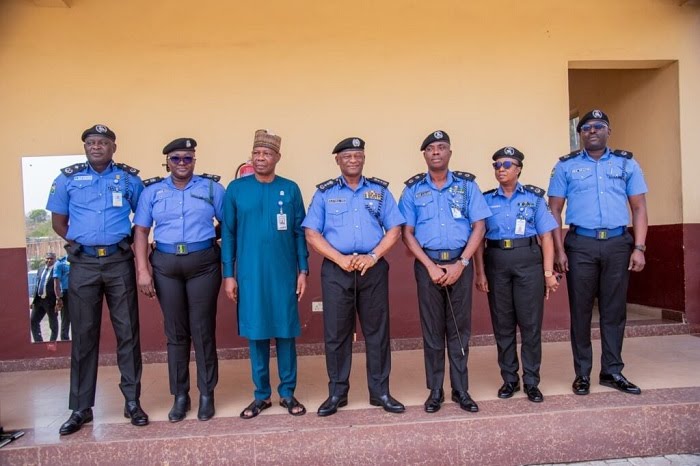
In a move to support the Federal Government’s drive for food security, the Nigerian Navy has launched an innovative agricultural initiative through its Admiralty Integrated Farms Limited (ADIFAL). This was revealed during the unveiling of ADIFAL’s Coordination Centre and logo in Abuja. Speaking at the event, the Chief of Naval Staff, Vice Admiral Emmanuel Ogalla represented by Rear Admiral Ibrahim Dewu, said the initiative aligns with President Bola Tinubu’s directive for the Armed Forces to engage in farming to address key national challenges. These include food insecurity, the herder-farmer conflict, banditry, and kidnapping. Ogalla praised naval personnel for embracing the farming initiative with commitment and patriotism and commended the ADIFAL team for their dedication. He emphasized the importance of civil-military cooperation in achieving national development goals, especially in agriculture. He urged that interactions with civilians should be respectful and focused on shared national interests. Read Also: Provost Gwaram Unveils FCAPT Progress, Seeks Urgent Completion of Bunkure Campus He further noted that ADIFAL’s success will not only contribute to food sufficiency but also foster peace and stability across Nigeria. In his remarks, the Managing Director and CEO of ADIFAL, Rear Admiral Julius Nwago, said food, nutrition, and security are global priorities. He noted that other countries also engage their military in agriculture to strengthen food security. Nwago explained that ADIFAL would use a comprehensive precision agriculture model that covers all stages of farming from planning and land clearing to harvesting and processing. This model will be supported by advanced technologies including Artificial Intelligence (AI) and Machine Learning (ML), which will help maximize yield, reduce waste, and improve decision-making. To enable this, ADIFAL has created a centralized Agro-Precision Farming Platform. The digital platform collects data from satellites, radar, drones, and live audio-visual feeds to offer intelligent recommendations to farmers. Housed at the ADIFAL Coordination Centre, the system includes predictive and generative AI tools that provide real-time responses to farmer inquiries throughout the farming season.

Agriculture, Jigawa, Kano, News

Provost Gwaram Unveils FCAPT Progress, Seeks Urgent Completion of Bunkure Campus

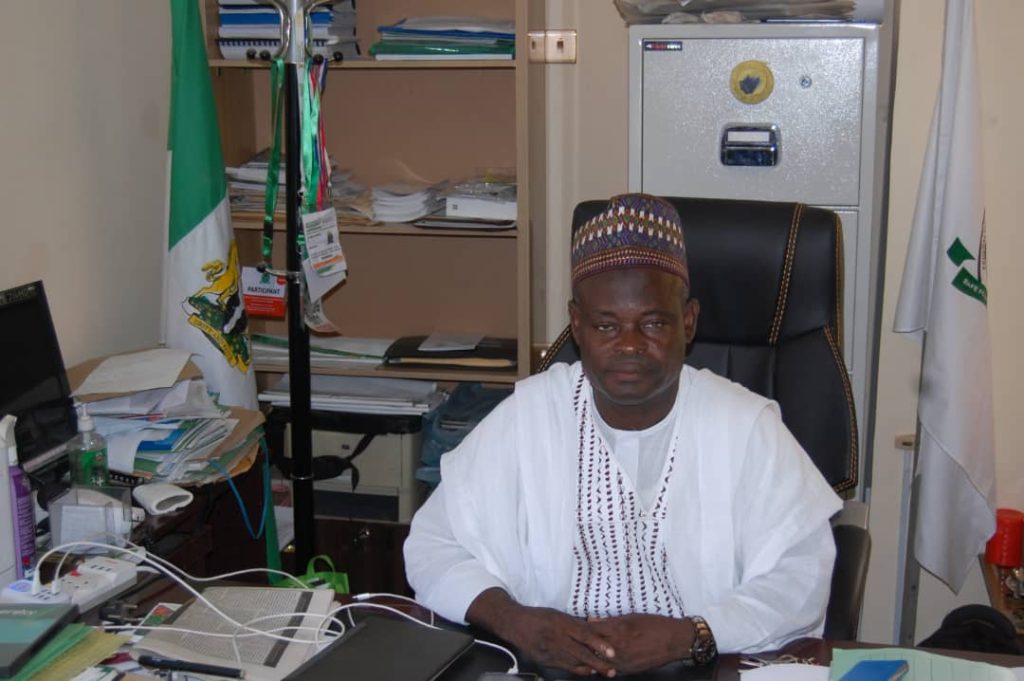
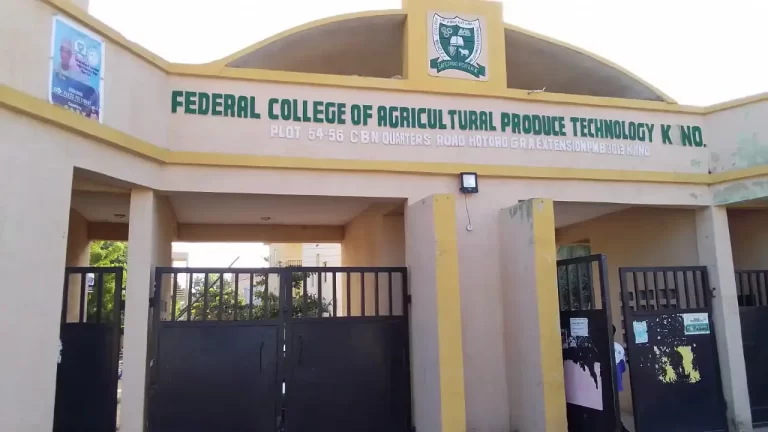
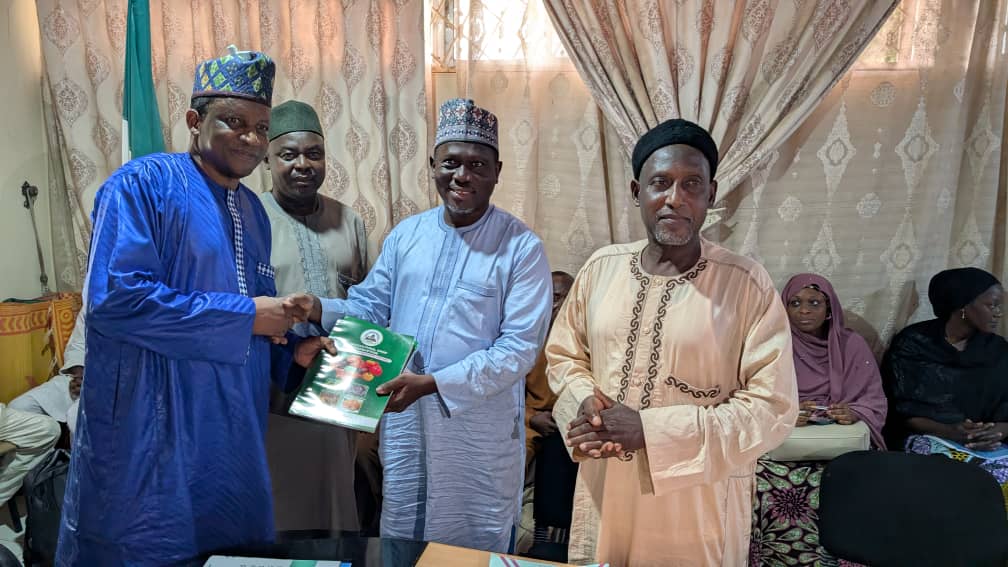
The Federal College of Agricultural Produce Technology (FCAPT), Kano, has reaffirmed its commitment to producing skilled professionals equipped to manage Nigeria’s post-harvest systems in support of food security, job creation, and rural development. This was stated by the Provost of the college, Dr. Muhammad Yusha’u Gwaram, while receiving the newly appointed Chairman of the Governing Board, Hon. Aminu Sani Gumel, during an official visit to the college’s conference hall. Dr. Gwaram noted that FCAPT remains the only institution of its kind in Nigeria and the first in West Africa with a strategic focus on post-harvest technology. Since assuming office in 2020, he said the college has made significant strides in aligning its academic programmes with emerging national needs. Read Also: KNARDA Urges Farmers to Embrace Preseason Trainings to Boost Productivity He cited the successful launch of new National Diploma (ND) programmes in Nutrition and Dietetics, and Cooperative Economics and Management, designed to meet growing demand for expertise in public health, nutrition, and cooperative enterprise management. Further expanding its academic portfolio, the college has secured approval for six new Higher National Diploma (HND) programmes. These include HND in Agribusiness Management, which integrates agriculture and entrepreneurship; HND in Animal Production Technology, aimed at enhancing livestock productivity and sustainability; and HND in Food Technology, which focuses on food safety, quality control, and innovations in food processing. In response to the increasing digitalization of agriculture and enterprise, the Provost also disclosed the introduction of ND programmes in Networking and Cloud Computing, and Software and Web Development. Read Also: Fixing the Forgotten Crisis: Solutions to Nigeria’s Herders-Farmers Conflict He reaffirmed the college’s commitment to providing a student-centered learning environment, highlighting facilities across its campuses, including modern lecture halls, ICT-equipped classrooms, demonstration farms, and healthcare services, particularly at the Hotoro campus. Dr. Gwaram appealed to the new board chairman to help facilitate the completion of the Barkum Campus in Bunkure and support the resolution of pending budgetary issues necessary for the institution’s overall growth and transformation. In his response, Hon. Aminu Sani Gumel appreciated the warm reception and pledged to work hand-in-hand with the college management and stakeholders. He urged the leadership to consider him a partner in progress and assured them of his support in advancing the institution’s goals. Gumel, a seasoned politician from Jigawa State, was accompanied by the Deputy Speaker of the Jigawa State House of Assembly, Hon. Sani Isyaku Abubakar; the Special Adviser to the Jigawa State Governor on Political Matters, Hon. Lawan Bullet; local government chairmen, and other party leaders.

Agriculture, Feature, National

Fixing the Forgotten Crisis: Solutions to Nigeria’s Herders-Farmers Conflict

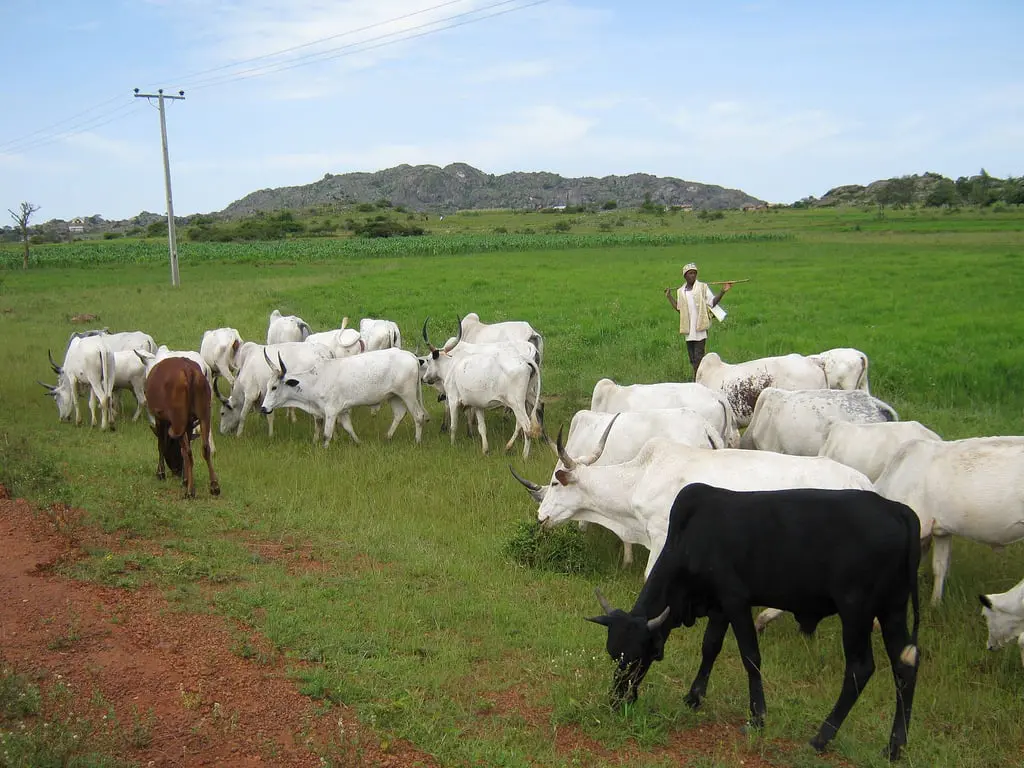
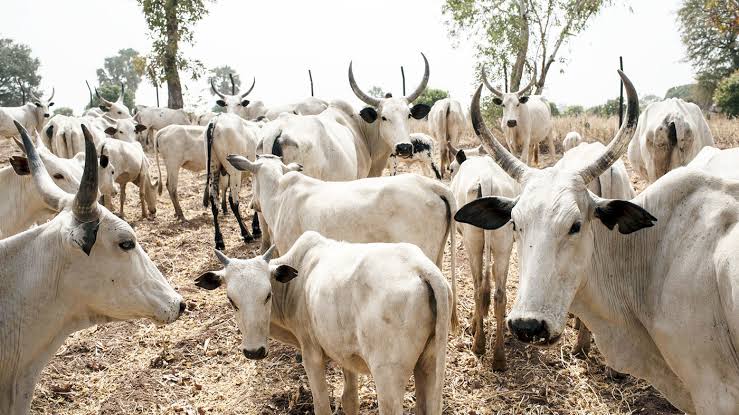
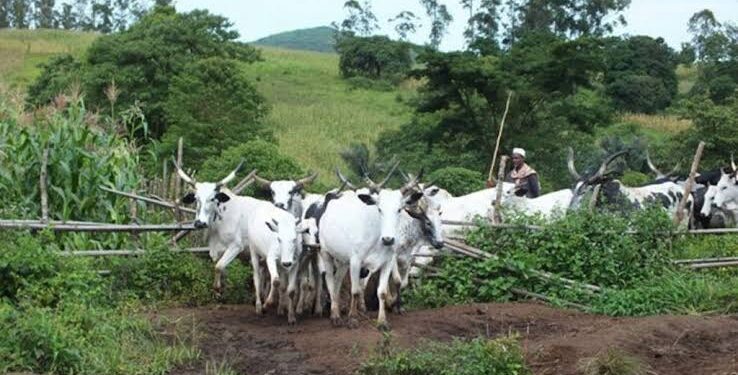
After years of violence, displacement, and distrust, the herders-farmers crisis in Nigeria remains a national wound. But wounds can heal if we choose to treat them. This week, we go beyond blame and focus on what must be done to restore peace, rebuild trust, and reimagine coexistence between Fulani herders and farming communities. One of the most immediate solutions is to revive the grazing reserves system not as a relic of the past, but as a modern, managed framework for peaceful livestock movement. These reserves must be properly demarcated, fenced, and legally protected from encroachment. States must collaborate with traditional rulers, local governments, and Fulani associations to recover and manage these reserves transparently. Decades ago, cattle routes connected grazing lands to water sources across Nigeria. Today, most are blocked or erased. Restoring these “burtali,” or “lawol” as they are called in Fulfulde, is key. Mapping and legally protecting these routes using modern geospatial tools can ease tensions over trespassing. States and the Federal Ministry of Livestock Development must take the lead, with input from host communities and Fulani representatives, if of course, we still have room to continue with traditional systems. Related: Beyond the Headlines: The Untold Truth behind Nigeria’s Herders-Farmers Clashes But to be realistic and forward-thinking, the bitter truth is that nomadism is no longer sustainable. There is a pressing need for Fulani herders to abandon the age-old tradition of migration and roaming with their cattle, the so-called “white gold.” While this practice has been part of Fulani culture for centuries, it no longer aligns with modern agricultural systems, security concerns, or national development goals. Settling in one place brings countless benefits: children can attend school; communities can be formally recognized and supported by government structures; and the herders themselves can begin to enjoy the full dividends of democracy. This transition should not be enforced but encouraged through thoughtful incentives and sustainable planning. Prioritizing artificial insemination of cattle and other livestock, alongside modern herdsmanship techniques, is vital. This includes building ranches and model herding settlements (like the one in Dansoshiya), providing training on artificial insemination, animal nutrition, and veterinary care, as well as ensuring access to livestock insurance and soft loans. The Fulani must be partners in progress not casualties of change. At this point, assigning blame is not the most productive path forward. The root of the crisis involves multiple layers of society and leadership. What is required now is action, starting with the full inclusion of Fulani voices in policy-making processes that affect their lives and livelihoods. Media houses also have a critical role to play. They must stop reinforcing harmful stereotypes. Journalists need training in conflict-sensitive reporting, especially in coverage involving herders and farmers. Editorial boards must strive to reflect Nigeria’s ethnic diversity. Balanced media coverage is more than fairness but a tool for national peace. The Dansoshiya Model, introduced under Governor Ganduje, presents a viable solution: permanent housing, access to education and water, sustainable fodder production, veterinary services, and peacekeeping structures. This model should be replicated across the country, especially in conflict-prone zones where environmental degradation has made traditional grazing practices difficult or impossible. Read Also: Kano Govt Reaffirms Commitment to Land Restoration, Climate Action on Desertification and Drought Day True peace begins with understanding. Nigeria needs cultural exchange programs between herders and farmers, youth-led peace initiatives, community dialogue platforms, and local-language media campaigns that promote coexistence. The herders-farmers conflict is not an unsolvable mystery. The strategies exist. The knowledge exists. What remains is the political will, media responsibility, and community courage to implement them. We owe it to the Fulani child born into fear, the farmer who sleeps with one eye open, and the nation whose peace depends on healing this fragile relationship. The question is no longer “What should be done?” It is: “When will we start doing it?”   The images trace the evolution of Fulani herdsmanship, beginning with traditional open grazing, seasonal migration, and long treks that have defined pastoral life for centuries. In contrast, the latter images showcase a shift toward modern herdsmanship: structured settlements, veterinary services, educational access, and sustainable grazing, a model aligned with national development and the future of peaceful coexistence.  

Agriculture, Feature, Kaduna, Kano, National

Beyond the Headlines: The Untold Truth behind Nigeria’s Herders-Farmers Clashes

Umar Idris Shuaibu, Kano In the open plains and forests of Nigeria, a silent war has been simmering for years not of politics or power, but of land, survival, and silence. The herders-farmers conflict has too often been reduced to a tribal fault line, a religious divide, or criminal chaos. But these simplifications betray the truth. At the heart of this crisis lies a broken promise one owed to the Fulani pastoralists and to the farmers whose lives depend on the soil. And no one is innocent: not the state, not the media, and certainly not the traditional leaders entrusted to guard the peace.   Forgotten Grazing Reserves, Abandoned Routes Years ago, Nigeria had a system imperfect but working. Grazing reserves and cattle routes were mapped and maintained. Fulani herders moved with their livestock, guided by seasonal knowledge and mutual understanding with farming communities. Read Also: Mu’az Magaji: “26 Years of Democracy in Nigeria, A Journey Worth Reflecting On” Then came neglect. The cattle routes began to vanish overtaken by real estate, agriculture, and urban expansion. Traditional leaders, once responsible for protecting these routes and reserves, looked away. Some traded silence for political favor, others lacked the will or means to act. The fallout was predictable disorder and dispute.   Climate, Conflict, and the Collapse of Order Desertification and population growth pushed herders further south. With no designated routes, they entered farmlands. Farmers, facing the destruction of their crops, fought back. Without state mediation or proactive governance, friction turned into fire. This isn’t just about cows and corn. It’s a humanitarian crisis displacing families, destroying livelihoods, and feeding deep ethnic mistrust.   The Misjudged Fulani Narrative The Fulani are often vilified in mainstream storytelling accused broadly and unjustly. Yes, violent incidents have occurred. But many forget the herders who lose cattle to rustling, the youths gunned down in disputes, or the elders beaten far from home. The media has failed here. Stories are told with bias. The farmer’s plight is humanized; the herder’s loss is minimized. But both bleed, and both deserve justice. A Rare Example of Political Will It’s not all silence. Some leaders have tried. In 2015, Dr. Abdullahi Umar Ganduje, former Governor of Kano State and himself a Fulani, took bold steps. Recognizing the root of the crisis, he launched a program to modernize livestock development. He sent 60 Fulani youths to Turkey for training in artificial insemination techniques, aiming to reduce nomadic grazing by improving local productivity. Unfortunately, the initiative was poorly managed by the Ministry of Agriculture and Natural Resources. But Ganduje didn’t stop there. He established a settlement in Dansoshiya Forest, where he built 25 housing units for Fulani herders. The settlement was thoughtfully designed and included essential amenities such as schools for children, a clean water supply for both human and livestock use, veterinary services to support animal health, and provisions for sustainable cultivation of grass and herbs to ensure year-round feeding. To enhance safety and stability, a police and security outpost was also incorporated, serving as a hub for peacebuilding and conflict resolution within the community. This wasn’t just infrastructure, it was a vision of coexistence. A way to bring herders into stable communities while preserving their livelihood and reducing conflict. In addition, Kano State under Dr. Ganduje conducted a Fulani headcount, the first of its kind identifying both resident and nomadic populations. This data formed the basis of a landmark report submitted to the Federal Government, which contributed directly to the establishment of the Federal Ministry of Livestock Development in Abuja. That effort was guided by a committee chaired by Prof. Attahiru Jega, former INEC chairman, with members drawn from Fulani associations, academia, tribal communities, journalists, and civil society which form a model of inclusive policymaking.   Nigeria’s Worst-kept Secret This is a national crisis and Nigeria is the worst-hit country in Africa when it comes to herders-farmers conflict. What began as an ecological challenge has evolved into a political, economic, and humanitarian disaster. And still, few are telling the full story.   A Call for Historical Justice If peace is to return, the truth must be told. Not just the truth of who struck first, but of who neglected first. To address the root causes of the herders-farmers crisis and build lasting peace, we must take decisive and coordinated actions. First, there is a need to reestablish and protect grazing reserves, ensuring they are properly demarcated and maintained. Alongside this, we must legally secure the traditional cattle routes and invest in modernizing pastoralism to reduce dependence on seasonal migration. It is also essential to hold both political and traditional leaders accountable for past neglect and future responsibilities. Furthermore, the media must undergo a reform to ensure ethical, fair, and balanced coverage, particularly in stories involving pastoral communities. Lastly, Nigeria must encourage and replicate bold, grassroots solutions like the Dansoshiya settlement project, which offer practical models for peaceful coexistence and economic development. This story must be more than a headline. It must be a turning point. The herders-farmers conflict is not just a tale of clashes over land, it is a mirror of our national failure to protect the vulnerable, to preserve inherited systems, and to tell stories with fairness. For too long, the Fulani narrative has been told by others often unfairly, often incompletely. But history does not forgive silence. It remembers those who spoke when it mattered. If we are to build a peaceful, united Nigeria, we must first acknowledge the truths buried under decades of neglect, failed leadership, and distorted headlines. We must amplify the voices that have long been drowned, and tell stories complete stories that reflect the full picture. This is not just journalism. It is justice. It is not just reporting. It is remembrance. And it is not just history. It is a path forward. Umar Idris Shuaibu is a digital journalist based in Kano. He can be reached via email at shuaibuumaridris@gmail.com.  

Agriculture, Kano, News

KNARDA Urges Farmers to Embrace Preseason Trainings to Boost Productivity

Farmers in Kano State have been urged to take advantage of preseason trainings and seminars organized by the Kano State Agricultural and Rural Development Authority (KNARDA) to enhance their farming operations. The call was made by the Managing Director of KNARDA, Dr. Farouk Kurawa, during an interview with The Historica Nigeria in the organization’s headquarters ‘Yan Kaba. He expressed concern that some farmers still do not approach farming as a business, which he said is a major barrier to progress. “If you take farming as a business, you’ll understand that KNARDA is here to support with training, improved seeds, fertilizer, and technical expertise. But expecting KNARDA to do everything is unrealistic. The government has limited resources and many other responsibilities,” he stated. Since assuming office, Dr. Kurawa noted that KNARDA has worked to shift farmers’ mindsets and raise awareness about the agency’s mandate. “Our goal is to ensure farmers understand our role and to help them grow their businesses sustainably,” he added. He also mentioned that KNARDA has introduced initiatives aimed at improving record-keeping among farmers, which in turn aids agricultural extension officers in providing better support. In collaboration with development projects, KNARDA has supported rural women with livestock, encouraging the culture of sheep and goat rearing to enhance household income. Women farmers’ associations have also received training in processing agricultural products such as soybeans into Tsiren Waken Soya, milk, and nutritional baby feeds. Other value-added products include Garin Masara (maize flour) and Garin Danwake made from white beans, aimed at enhancing the agricultural value chain in the state. Furthermore, KNARDA has supported farmers across several local government areas with training and input on modern practices for cultivating crops such as millet (Dawa), rice (Shinkafa), soybeans (Waken Soya), white beans (Farin Wake), onions (Albasa), and tomatoes (Tumatur). Dr. Kurawa assured that KNARDA will continue to conduct in-season farming seminars and provide doorstep support to farmers across Kano State.

Scroll to Top