


The Historica Nigeria

Agriculture

Agriculture, Education, Kano, News

ABCOAD Provost, Professor Wailare, Flags Off TVET Programme on Youth Empowerment

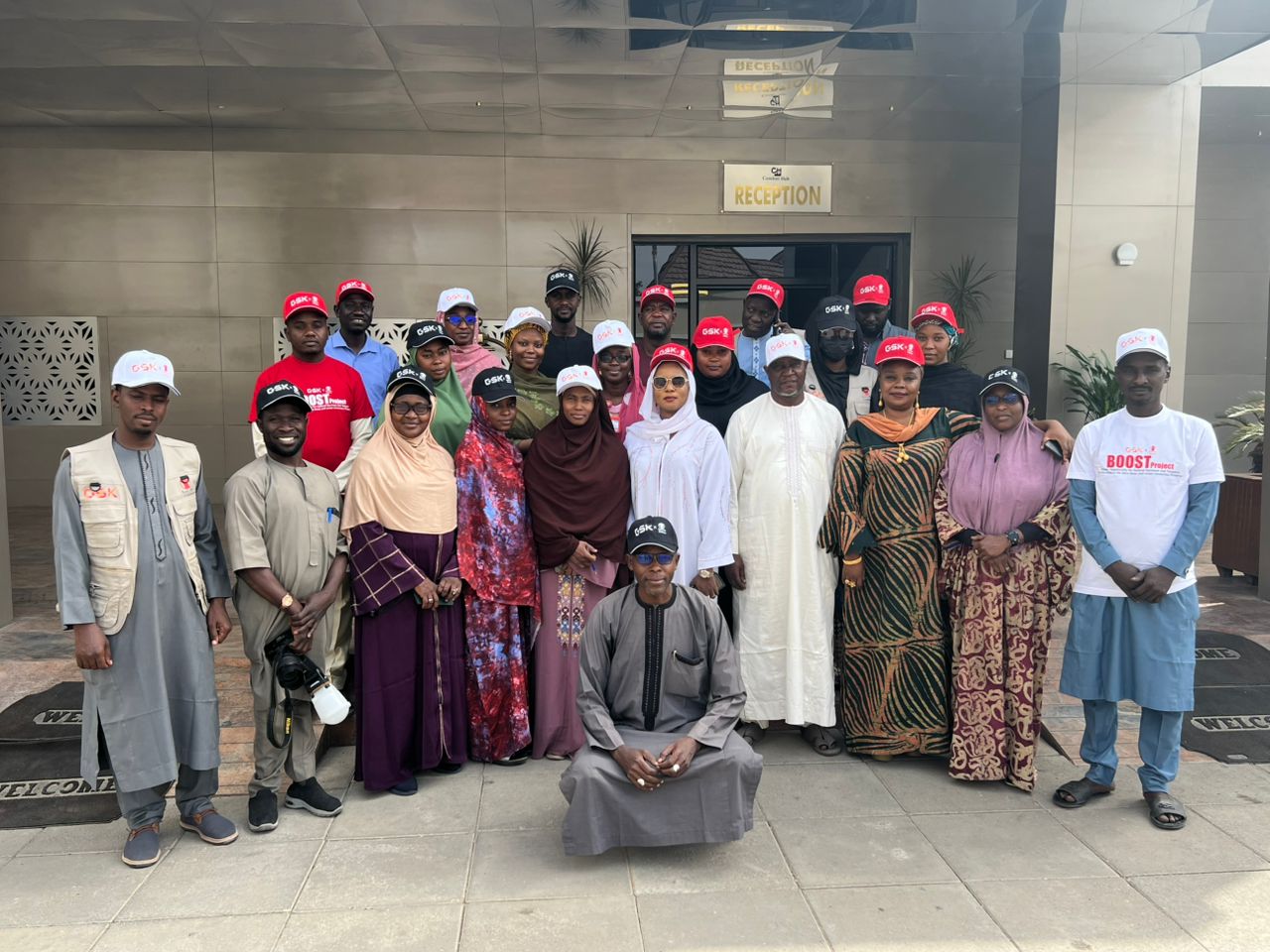
The Federal Ministry of Education and the National Board for Technical Education (NBTE), in collaboration with the TVET Centre Administration of Audu Bako College of Agriculture, Dambatta (ABCOAD), Kano State, have officially launched the Technical and Vocational Education and Training (TVET) Student Orientation Programme at the college. The event, themed “Empowering Youth Through Skills for Sustainable Livelihoods,” was declared open by the Provost of the College, Professor M. A. Wailare, who reaffirmed the institution’s commitment to equipping young Nigerians with practical skills for national development. In his remarks, Professor Wailare said, “Our focus as an academic institution is not only to produce graduates with certificates, but to empower young people with the necessary technical and vocational skills that will make them self-reliant and productive members of society.” Read Also: ABCOAD Secures NBTE Accreditation for 11 ND, HND Programmes He emphasized that the college would continue to collaborate with the Federal Ministry of Education and NBTE to ensure that its training aligns with the country’s evolving socio-economic needs. “The future of Nigeria depends on our ability to turn knowledge into skills and skills into productivity. This TVET programme is a step in that direction, and we are proud to be part of this national effort,” Professor Wailare added. Speaking at the event, the Deputy Provost of the College, Dr. Hassan Ibrahim, commended the Provost and the partners for their vision and leadership in implementing the programme. He described the initiative as a milestone in empowering the next generation of skilled Nigerians. “This orientation marks the beginning of a journey for our students — a journey towards self-discovery, innovation, and sustainability. Technical and vocational education is not an alternative to higher education; it is an essential part of national development,” Dr. Ibrahim stated. He urged the students to embrace the opportunities offered through the programme, saying, “I encourage all participants to take this training seriously. The skills you acquire here will not only secure your future but also contribute to building a stronger and more self-reliant Nigeria.” The orientation programme attracted staff, students, and representatives from the education and vocational training sectors. It marks another milestone in ABCOAD’s mission to strengthen skill-based education and promote sustainable livelihoods for Nigerian youth.

Agriculture, Education, Kano, News

ABCOAD Commends Governor Abba Kabir Yusuf for Approving ₦546 Million Renovation Fund

The management, staff, and students of Audu Bako College of Agriculture, Dambatta, Kano State, under the leadership of the Provost, Professor M. A. Wailare, have expressed profound appreciation to His Excellency, the Executive Governor of Kano State, Engr. Abba Kabir Yusuf, for his magnanimous approval of ₦546 million for the general renovation of the college. Professor Wailare, on behalf of the college community, described the gesture as a clear demonstration of the Governor’s unwavering commitment to revamping educational institutions and promoting agricultural advancement in the state. He noted that the long-awaited renovation will not only improve the infrastructure and learning environment of the institution but will also enhance academic performance, research, and productivity in agricultural studies. Read Also: Tinubu: My Wife Is a Pastor, I’m a Muslim — Yet We Live in Peace “The approval by His Excellency, Engr. Abba Kabir Yusuf, marks a new dawn for Audu Bako College of Agriculture. It reflects his visionary leadership and dedication to ensuring that our institutions of higher learning become centers of excellence,” Professor Wailare stated. Students and staff of the college also joined in expressing gratitude to the Governor for his continuous support towards improving educational standards and agricultural development in Kano State. This development aligns with Governor Abba Kabir Yusuf’s broader agenda of restoring the lost glory of public institutions, investing in human capital, and fostering sustainable development across all sectors of the state.

Agriculture, National, News, Zamfara

Lawal Umar Maradun Appointed Manager, Corporate Affairs at NAIC

The Nigerian Agricultural Insurance Corporation (NAIC) has announced the appointment of Dr. Lawal Umar Maradun as its new Manager, Corporate Affairs. Dr. Maradun, a seasoned public relations practitioner with nearly two decades of experience in public service and academia, formally assumed his new role at the corporation’s headquarters in Abuja. In a message of appreciation, Dr. Maradun expressed gratitude to the Managing Director/CEO of NAIC, Hon. Yazeed Shehu Danfulani, for the trust and confidence reposed in him. He also acknowledged the support of the Honourable Minister of State for Defence, Dr. Bello Matawalle, MON (Matawallen Maradun, Shettiman Sokoto), and the Distinguished Senator representing Zamfara West, H.E. Abdul’aziz Yari Abubakar, Marafan Sokoto. Read Also: Ministry of Livestock Commissions 2,000-Litre Milk Collection Centre in Bauchi “I am excited about the opportunity to contribute more meaningfully to the organisation’s strategic objectives, strengthen our corporate communications, enhance stakeholder engagement, and further project the image of NAIC positively,” Dr. Maradun said. He also reflected on his career journey, noting the professional foundation built during his years at Usmanu Danfodiyo University, Sokoto, Zamfara State University, Mafara, and Abdu Gusau Polytechnic, Mafara. Dr. Maradun pledged to bring dedication, integrity, and commitment to excellence to his new role, while working with the NAIC management team to build on the achievements of the corporation. The Nigerian Agricultural Insurance Corporation (NAIC) is a federal government-owned institution established in 1987 to provide agricultural insurance services. Its mandate is to safeguard farmers against losses from natural disasters such as drought, flood, and pests, while also encouraging greater investment in agriculture. By protecting farmers and agribusinesses from risks, NAIC plays a vital role in strengthening food security and supporting national agricultural development.

Agriculture, Economy, National, News

Tinubu Approves 6-Month Ban on Raw Shea Nut Exports to Boost Local Processing

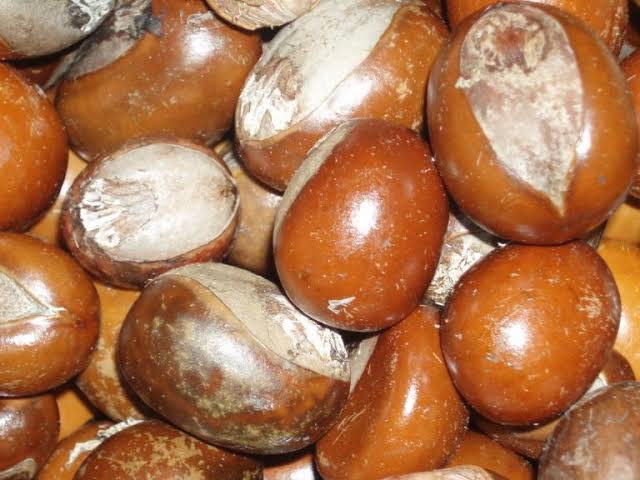
President Bola Ahmed Tinubu has approved a six-month temporary ban on the export of raw shea nuts in a bid to curb informal trade, strengthen local processing, and grow Nigeria’s shea industry. The ban, which takes immediate effect, is subject to review at the end of its duration and is projected to help Nigeria generate about $300 million annually in the short term through value addition. Vice President Kashim Shettima announced the directive on Tuesday at a multi-stakeholder meeting in the Presidential Villa. He directed the Federal Ministry of Finance and other relevant agencies to fast-track enforcement. Read Also: FG to Establish Cattle Breeding Centres Across Six Geopolitical Zones “This is not an anti-trade policy but a pro-value addition policy designed to secure raw materials for our factories and enable industries to run at full capacity, thereby boosting rural income and jobs for our people,” Shettima said. The Vice President stressed that the move would transform Nigeria from an exporter of raw shea nuts to a global supplier of refined shea butter, oil, and derivatives. He described the policy as being about industrialisation, rural transformation, gender empowerment, and expanding Nigeria’s global trade footprint. “Nigeria produces nearly 40 percent of the global shea product, yet we account for only one percent of the $6.5 billion global market. This is unacceptable,” he said. “We project to earn about $300 million annually in the short term, with a ten-fold increase by 2027. That is our target.” Shettima further revealed that the directive was a joint decision between the Federal Government and sub-nationals, adding that Nigeria had also secured an agreement with Brazil to prioritise access for Nigerian shea butter and oil into its market within the next three months. Highlighting the gender dimension of the policy, he noted that protecting the shea industry meant safeguarding the livelihoods of millions of women who make up the bulk of its workforce. Earlier, Minister of Agriculture and Food Security, Senator Abubakar Kyari, explained that despite producing an estimated 350,000 metric tonnes of shea annually across 30 states, Nigeria captures less than one percent of the multi-billion-dollar global shea economy. He said a rapid assessment carried out by the Federal Government showed that more than 90,000 metric tonnes of raw shea are lost yearly to informal cross-border trade, while domestic processors operate at only 35–50 percent of their installed capacity of 160,000 metric tonnes. According to him, countries such as Ghana, Burkina Faso, Mali, and Togo have already imposed restrictions to protect their industries, leaving Nigeria vulnerable as a major outlet for unregulated buyers. Kyari argued that investing in the shea value chain would directly empower women, create rural jobs, and enhance Nigeria’s non-oil exports. “With over five million hectares of wild-growing shea trees, Nigeria has both a comparative and absolute advantage. This temporary ban will secure domestic supply, enable processors to operate at full capacity, curb informal trade, and lay the foundation for the country to move from raw exports to high-value derivatives,” he said.

Agriculture, Bauchi

Ministry of Livestock Commissions 2,000-Litre Milk Collection Centre in Bauchi

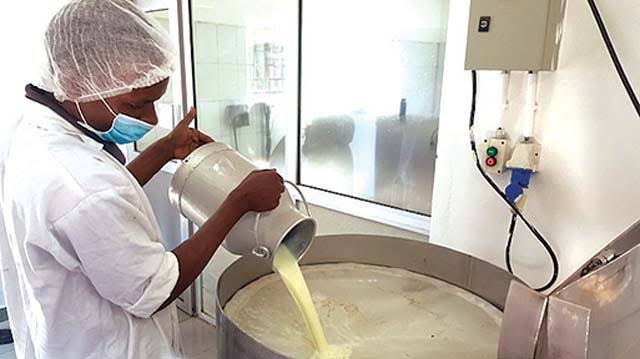
The Federal Ministry of Livestock Development has commissioned a Milk Collection Centre with a 2,000-litre daily capacity at the Sawi Grazing Reserve in Adamami community of Shira Local Government Area, Bauchi State. The facility, rehabilitated and equipped a few years ago by the Federal Ministry of Agriculture and Rural Development under the Livestock Directorate, is now being managed by a private investor, L&Z Integrated Farms. Speaking at the inauguration, Director of Livestock Development in the ministry, Tagwi James, said the choice of the Sawi Grazing Reserve was informed by “the significant milk deposits that could be harnessed daily” from the area. Related: Jigawa, HJRBDA Partner to Tackle Flooding, Boost Irrigation He noted that the rehabilitation formed part of the Federal Government’s renewed drive to meet the nation’s growing demand for dairy products. “The aim is to boost local milk production and reduce Nigeria’s dependency on dairy imports,” James said. James further urged state governments to complement federal efforts by implementing livestock-related policies and programmes. On his part, Managing Director of L&Z Integrated Farms, Muhammad Damakka Abubakar, stressed the need for Nigeria to scale up its dairy processing and production capacity, warning that the country currently spends about $1.5 billion annually on milk importation. “Improving milk aggregation and collection infrastructure is essential to achieving self-sufficiency in dairy production,” Abubakar said. Read Also: Fixing the Forgotten Crisis: Solutions to Nigeria’s Herders-Farmers Conflict Chairman of Shira Local Government Council, Alhaji Babangida Maliya, pledged the council’s support for the centre’s success, assuring stakeholders of security and continuous community engagement. He urged pastoralists to supply milk to the centre while advocating for education among rural dwellers, particularly women and girls. “Pastoralists play a vital role in boosting the country’s economy, but their movement to different settlements hampers their children’s education,” Maliya noted. Similarly, the District Head of Disina, Alhaji Abdullahi Mustapha, hailed the Federal Government for the initiative, saying it would encourage pastoralists to settle in one location, thus enabling their children to attend school. He also commended L&Z Integrated Farms for its role in actualising the project and urged herders to take full advantage of the centre. Chairman of Miyetti Allah, Shira LGA, Umar Muhammad Hassan, described the facility as a welcome development for the Fulani community. “The facility will significantly boost economic growth and livelihoods in the area,” Hassan said, pledging to supply quality milk. He also appealed to the Bauchi State Government to establish a nomadic school in the community to ensure pastoralist children have access to formal education.

Agriculture, Education, Kano, News

Hotoro Residents Defend FCAPT Provost, Cite Reforms, Impact, and Alignment With Renewed Hope Agenda

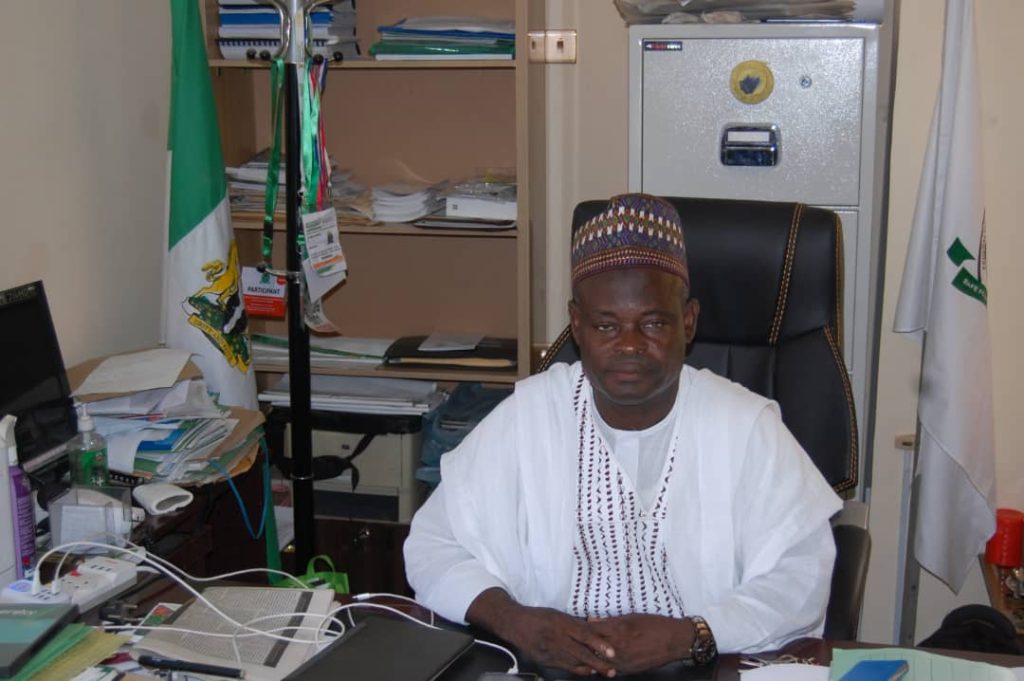
As the tenure of Dr. Muhammad Yusha’u Gwaram, Provost of the Federal College of Agricultural Produce Technology (FCAPT), Kano, draws closer to expiration, residents of Hotoro community have risen in his defense, stressing that his leadership should continue in view of his remarkable reforms and alignment with President Bola Ahmed Tinubu’s Renewed Hope Agenda. They argued that contrary to speculations, the retirement age for Provosts of Federal Colleges of Agriculture (FCAs) and heads of National Agricultural Research Institutes (NARIs) is 65 years, not 60. Therefore, calls for his exit on such grounds were described as baseless and misleading. Highlighting his achievements, the residents maintained that Dr. Gwaram has distinguished himself among the most successful Provosts in the institution’s history. Under his stewardship, FCAPT has expanded its impact across agricultural education, agribusiness, and youth empowerment. Particularly, his initiative of providing graduates with entrepreneurial knowledge and starter kits has created jobs and lifted many youths out of unemployment. Read Also: Provost Gwaram Unveils FCAPT Progress, Seeks Urgent Completion of Bunkure Campus “This vision is in line with the Renewed Hope Agenda of President Tinubu, which prioritizes empowerment, job creation, and sustainable development,” the statement noted, adding that his leadership has strengthened service delivery, institutional growth, and confidence among staff and students. The Hotoro community further condemned what they described as “online detractors tarnishing the image of a reform-minded leader.” They emphasized that many youths in Hotoro, Kano, and beyond have benefited from the college’s training and retraining initiatives, and urged the Federal Ministry of Agriculture and the Kano State Government to intervene and put an end to what they called unnecessary distractions. “Dr. Gwaram’s tenure has been about legacy, institutional growth, and building futures. Extending his leadership is not just a reward for his achievements but an investment in the future of agricultural education in Nigeria,” the residents reiterated. Shehu is a resident of Hotoro and a concerned Kano citizen.

Agriculture, Education, Kano

ABCOAD Secures NBTE Accreditation for 11 ND, HND Programmes

The National Board for Technical Education (NBTE) has granted full accreditation to 11 academic programmes at the National Diploma (ND) and Higher National Diploma (HND) levels at Audu Bako College of Agriculture, Dambatta (ABCOAD), Kano State. In a letter dated August 12, 2025 and signed by the Director of Polytechnic and Allied Programmes, Dr. Fatima Kabir Umar, conveyed the results of the Resource Verification/Accreditation exercise confirming the approval. Read Also: FG Approves Nine New Private Universities Across Nigeria List of Accredited Programmes: • HND Horticultural Technology • HND Fisheries Technology • HND Pasture and Range Management • HND Cyber Security • HND Artificial Intelligence • ND Home and Rural Economics • ND Wildlife and Eco-Tourism Management • ND Food Technology • ND Science Laboratory Technology • ND Environmental Science and Management • ND Irrigation Agronomy Reacting to the development, the Provost, Prof. M. A. Wailare, described the achievement as a major boost to the college’s profile, noting that the rigorous accreditation process reflects ABCOAD’s commitment to quality academic standards, modern infrastructure, and skilled faculty. He expressed gratitude to the Kano State Government under Governor Engr. Abba Kabir Yusuf for funding the process, and commended staff, heads of departments, and stakeholders for their dedication during preparations and the exercise itself. NBTE accreditation certifies that technical and vocational institutions meet both national and international academic standards. With this milestone, ABCOAD aims to expand its academic reach, strengthen research collaborations, and make greater contributions to Nigeria’s agricultural sector. Prof. Wailare affirmed that the institution remains committed to excellence and national development.

Agriculture, Bauchi, Jigawa, Kano, News

Jigawa, HJRBDA Partner to Tackle Flooding, Boost Irrigation

Jigawa State Governor Malam Umar Namadi has pledged stronger collaboration with the Hadejia Jama’are River Basin Development Authority (HJRBDA) to curb seasonal flooding and open up thousands of hectares for irrigation farming. Speaking at the Government House in Dutse on Tuesday during a courtesy visit by HJRBDA’s Managing Director, Engr. Rabi’u Suleiman Bichi, the governor said the Hadejia Valley alone holds vast agricultural potential of 24,000 hectares in total, with only 6,000 developed so far. “With the remaining 18,000 hectares brought into full cultivation, the volume of land going into production will be remarkable. This will transform livelihoods across our communities,” Namadi said. Read Also: FG to Establish Cattle Breeding Centres Across Six Geopolitical Zones He revealed that discussions with President Bola Ahmed Tinubu had already taken place on developing an additional 6,000 hectares through international funding, with a formal request submitted to the Minister of Water Resources. Namadi also outlined a plan to revive 10 abandoned dams, two through the SPIN project, three via ACReSAL, and five directly by the state government. The initiative is expected to add about 4,500 hectares to the state’s irrigated farmland. In addition, he highlighted the success of the Lalashi industrial borehole scheme, which prevented more than 120 households from migrating in search of work. Similar projects, he said, would soon be launched in Gajagarma, Dutse, and four local government areas under Gumel Emirate. On the flood menace, the governor described it as “critical and worrisome,” noting that Jigawa had constructed 120 kilometres of embankments and cleared 70 kilometres of Typha grass to ease water flow. Earlier, Engr. Bichi praised the state government’s support in clearing Typha grass and restoring waterways, which he said had significantly reduced flooding. “The governor’s commitment has been instrumental in restoring our canals and improving water management for the benefit of our farmers,” he said. Bichi disclosed that HJRBDA plans to expand irrigation by 6,500 hectares in Jigawa, with presidential approval already in place for key projects, including the Greater Dutse Water Supply Scheme and repairs to the Hadejia Barrage. He added that farmers currently cultivate 5,440 hectares under the authority’s schemes, producing an estimated 220,000 metric tonnes of crops such as wheat, rice, maize, tomato, and vegetables worth over ₦154.4 billion annually. According to him, the 2025 budget provides more than ₦28 billion for HJRBDA projects in Jigawa, in addition to ₦59 billion already allocated for the Greater Dutse Water Supply, small earth dams, erosion control, and new irrigation initiatives.

Agriculture, Kano, News

KNARDA Empowers Field Agents With In-Season Skills to Boost Food Security

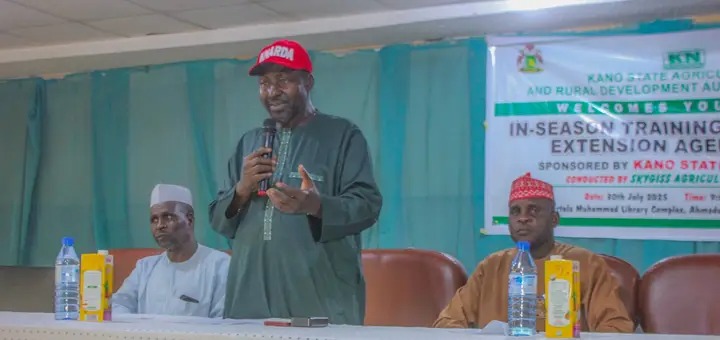
The Kano State Government has conducted an in-season training programme for Extension Agents of the Kano Agricultural and Rural Development Authority (KNARDA) to strengthen agricultural support during the 2025 rainy season. The training, held simultaneously at three centres in Kano State Library, Kadawa Garin Malam, and Gaya Local Government held today. The initiative is part of the state’s broader effort to enhance food security and increase agricultural productivity by equipping frontline extension agents with practical skills and knowledge. Key components of the training included pest and disease identification and control in field crops, farm record keeping and accounting, as well as harvest and post-harvest handling techniques. Read Also: KNARDA Urges Farmers to Embrace Preseason Trainings to Boost Productivity Speaking at the event, the Managing Director of KNARDA, Dr. Farouk Kurawa, reiterated the agency’s commitment to supporting agricultural programmes and projects aimed at developing the sector, which he described as the core mandate of the organisation. “Since our inception in 2023 to date, we have been able to achieve a lot, and we will continue on that course,” Dr. Kurawa stated. He says that the training will enable extension agents to better support farmers in addressing common challenges during the cropping season. The programme, he added, is a reflection of the Kano State Government’s ongoing commitment to empowering the agricultural workforce and ensuring improved yields across farming communities.

Agriculture, Economy, National, News

FG to Establish Cattle Breeding Centres Across Six Geopolitical Zones

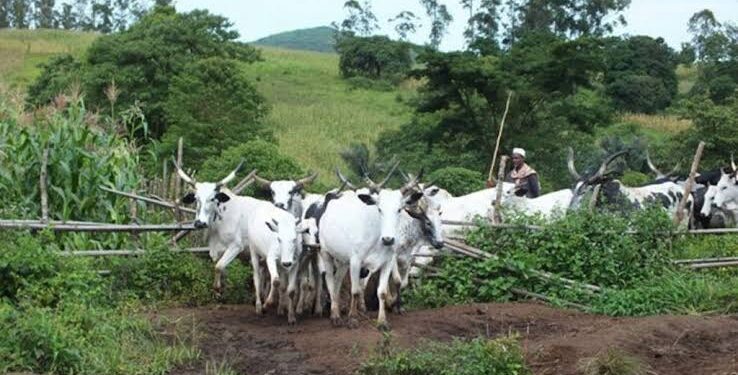
In a strategic move to modernize livestock production and bolster food security, the Federal Government has announced plans to establish cattle breeding centres in each of Nigeria’s six geopolitical zones. The Minister of State for Agriculture and Food Security, Senator Aliyu Sabi Abdullahi, made the disclosure on Tuesday during the Citizens-Government Engagement and Midterm Performance Assessment of the Tinubu administration, held in Kaduna. The event was organised by the Sir Ahmadu Bello Memorial Foundation. According to Abdullahi, the initiative aligns with President Bola Ahmed Tinubu’s Renewed Hope Agenda and aims to transition Nigeria’s livestock sector from subsistence-based methods to structured, technology-driven practices. He noted that the new centres would serve as regional livestock hubs to enhance meat and dairy output while reducing tensions between farmers and herders. Read Also: Fixing the Forgotten Crisis: Solutions to Nigeria’s Herders-Farmers Conflict “The synergy among the ministries of agriculture, environment, water resources, livestock development, and marine and blue economy is crucial for achieving this national goal,” Abdullahi stated. Minister of Information and National Orientation, Mohammed Idris, who also attended the event, shared updates about the programme on his official X (formerly Twitter) handle. He described the breeding centres as a cornerstone in the administration’s efforts to reform agricultural production and promote sustainable livelihoods. The Federal Government believes the project will help curb farmer-herder conflicts, improve yields, and contribute meaningfully to national food sufficiency targets. The initiative follows concerns raised earlier in April by the National Economic Council (NEC), which described Nigeria’s current livestock rearing practices as outdated and unsustainable. The council had called for urgent reforms, citing escalating violence in parts of the country—including Benue, Plateau, and Kwara states—where farmer-herder clashes have resulted in loss of lives and property. Briefing State House Correspondents after the NEC meeting, Bayelsa State Governor, Douye Diri, stressed the need for a complete overhaul of the sector. “We cannot continue to live in the past. The time has come to embrace modern livestock production in Nigeria,” Diri stated. The cattle breeding centres are expected to form part of a broader roadmap toward achieving food security and rural development across Nigeria.

Scroll to Top