

The Historica Nigeria

Africa

Africa, Feature, International

Saif al-Islam Gaddafi Buried in Bani Walid as Libya Marks the End of Political Era

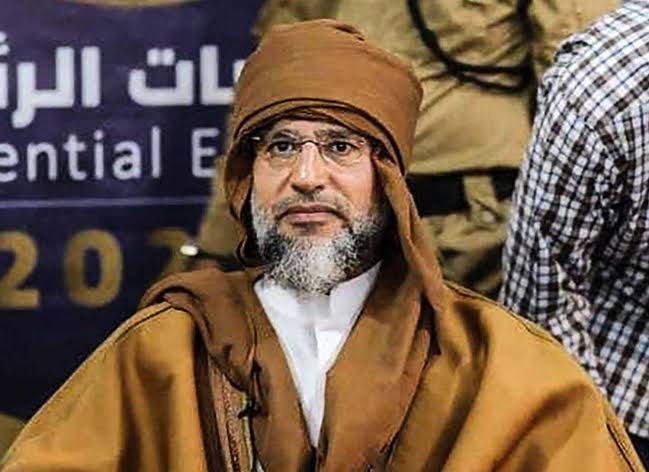
Saif al-Islam Gaddafi, son of former Libyan leader Muammar Gaddafi, was laid to rest in the city of Bani Walid following his death in Zintan, marking a moment of renewed historical reflection on Libya’s political past and the legacy of the Gaddafi era. Thousands of mourners attended the funeral, including supporters of the former Libyan government, as the burial took place beside his late brother. The ceremony drew attention not only for its turnout but also for its symbolism, reopening discussions about a period that shaped Libya’s modern political history. A Funeral That Reopened History The burial in Bani Walid, a city long associated with loyalty to the former government, became a focal point for reflection on Libya’s past leadership and the years preceding the 2011 uprising. The presence of former regime supporters and the display of historical symbols underscored the enduring influence of the Gaddafi period in parts of Libyan society. Read Also: Why the Killing of Saif al-Islam Gaddafi Matters for Libya How Muammar Gaddafi’s Son, Saif al-Islam, was Killed in Zintan Mali, Burkina Faso, Niger Strengthen Unity with Launch of AES Television While the funeral remained largely ceremonial, it highlighted how deeply the legacy of the former political order continues to resonate more than a decade after its collapse. Saif al-Islam Gaddafi’s Public Role Saif al-Islam Gaddafi was one of the most visible figures of Libya’s leadership in the years leading up to 2011. Educated abroad, he played a prominent role in international engagement and domestic political discussions, particularly during the 2000s. He was frequently associated with government reform initiatives and represented the Libyan state in high-level dialogues with foreign governments and international institutions. His public standing placed him at the center of national attention during Libya’s most turbulent political period. Libya Under Muammar Gaddafi: Historical Context Libya under Muammar Gaddafi, who ruled from 1969 until 2011, operated within a centralized political framework shaped by revolutionary governance structures. Political authority was tightly controlled, and state institutions functioned under a system that did not accommodate formal opposition parties. Throughout the late 20th century, the government relied on public trials, executions, and extensive state surveillance as part of its governance approach. Events such as the 1996 incident at Abu Salim prison later became significant reference points in discussions about state authority and political control in Libya. The 2011 Uprising and a Turning Point When nationwide protests broke out in February 2011, Saif al-Islam addressed Libyans in a nationally broadcast speech, outlining the leadership’s position on the unfolding crisis. His remarks focused on national unity, economic stability, and the risks associated with political fragmentation. During this period, some segments of the population viewed him as a possible intermediary between the state and the protesters, given his earlier involvement in reform-oriented initiatives. However, he remained aligned with the existing leadership structure as events rapidly unfolded. Burial as a Moment of National Memory The funeral of Saif al-Islam Gaddafi has since been viewed as more than a private burial. For many Libyans, it served as a moment to revisit the political era that ended in 2011 and to reflect on the long-term consequences of that transition. As Libya continues to navigate its post-revolution identity, events such as this funeral highlight how history, memory, and political legacy remain deeply intertwined. A Figure in Libya’s Modern History Saif al-Islam Gaddafi’s life and death are closely linked to one of the most transformative periods in Libya’s history. His burial in Bani Walid has reinforced his place in the national narrative, not only as the son of a former leader but as a public figure whose story remains part of Libya’s ongoing historical discourse. (Libya Herald)

Africa, Feature, International

Why the Killing of Saif al-Islam Gaddafi Matters for Libya

Saif al-Islam Gaddafi, the son of Libya’s former leader Muammar Gaddafi, has been killed in the northwestern city of Zintan, family members and associates have confirmed. He was 53. The killing, which occurred on Tuesday, has renewed attention on Libya’s fragile security situation and its unresolved political crisis more than a decade after the fall of the Gaddafi regime. What Transpired in Zintan? According to Saif al-Islam’s adviser, Abdallah Othman Abdurrahim, four armed men stormed his residence in Zintan after disabling surveillance cameras and shot him dead before fleeing. No official statement has yet been issued by Libyan authorities. His cousin, Hamid Gaddafi, told Libyan broadcaster al-Ahrar that the family was informed Saif al-Islam had “fallen as a martyr.” Why Zintan matters Zintan is a mountainous city where Saif al-Islam was previously held by local militias following his capture during the 2011 uprising that toppled his father. The city has long played a complex role in Libya’s post-revolution power struggles. Who was Saif al-Islam Gaddafi? Educated in Libya and abroad, Saif al-Islam was once portrayed as a reform-minded figure and was widely seen as Muammar Gaddafi’s preferred successor before the Arab Spring. Although he never held a formal government position, he was often described as a de facto power broker in the years leading up to the 2011 revolt. Read Also: How Muammar Gaddafi’s Son, Saif al-Islam, was Killed in Zintan Chad Closes Border With Nigeria Over Security Concerns, Cites U.S. Military Movements in West Africa Mali, Burkina Faso, Niger Strengthen Unity with Launch of AES Television His political standing collapsed during the uprising after he delivered a defiant speech warning of “rivers of blood” if protests against the regime continued. His legal and political history After his capture in November 2011, Saif al-Islam became the subject of an arrest warrant issued by the International Criminal Court over alleged crimes linked to the violent suppression of protests. In 2015, a Libyan court sentenced him to death in a controversial trial, but he was later released under an amnesty law. For years, his whereabouts remained unclear until he resurfaced in 2021 to register as a presidential candidate in Libya’s delayed elections, which were later postponed indefinitely amid legal disputes and political deadlock. Why his death matters Analysts say Saif al-Islam’s killing could have far-reaching political implications. Libya expert Emadeddin Badi described him as a deeply polarising figure whose possible return to power had become a central issue in the country’s stalled electoral process. His death, analysts argue, could elevate him as a symbolic figure for supporters of the former regime while reshaping political calculations ahead of any future elections. Libya remains divided between a UN-backed government in Tripoli and rival authorities in the east aligned with military commander Khalifa Haftar, with no clear resolution to the country’s prolonged instability.

Africa, International, National, Weekend Digest with The Historica Nigeria

2025 in Memoriam: Nigerians and Global Icons Who Left a Lasting Legacy

By Umar Idris Shuaibu, Kano As 2025 gradually draws to a close, Nigeria and the global community reflect on the passing of several influential figures whose lives and works shaped governance, religion, business, traditional institutions, and public service. From revered Islamic scholars and traditional rulers to political leaders and senior public servants, the year witnessed the end of notable eras and the departure of voices that left lasting imprints on society. Below are some of the prominent personalities who passed away in 2025, beginning with Nigerians before notable non-Nigerian figures. Sheikh Idris Abdul’aziz Dutsen Tanshi (68) — Islamic Scholar Prominent Bauchi-based Islamic cleric, Sheikh Idris Abdul’aziz Dutsen Tanshi, passed away on April 3, 2025, after a prolonged illness. Widely respected for his scholarship and principled religious teachings, the cleric played a significant role in Islamic discourse and community engagement across northern Nigeria. Alhaji Aminu Dantata (94) — Business Icon and Philanthropist Renowned Kano-born businessman and philanthropist, Alhaji Aminu Dantata, died on June 28, 2025, at the age of 94. A towering figure in Nigeria’s private sector, Dantata’s decades-long business career spanned construction, manufacturing, and commerce. Read Also: KASSOSA Mourns Business Icon Aminu Dantata, Describes His Death as a Great Loss Beyond business, he was known for his quiet philanthropy and support for education, health, and social welfare initiatives. Former President Muhammadu Buhari (82) Nigeria’s former President, Muhammadu Buhari, passed away on July 13, 2025, at the age of 82. A former military Head of State and two-term civilian president, Buhari was a central figure in Nigeria’s political evolution, known for his anti-corruption stance and disciplined leadership style that shaped national discourse for decades. Olubadan of Ibadan, Oba Owolabi Olakulehin (90) Ibadan, the Oyo State capital, was thrown into mourning following the death of the Olubadan, Oba Owolabi Olakulehin, on July 7, 2025, at the age of 90. His reign, though brief, was marked by dignity, adherence to tradition, and a deep commitment to the cultural heritage of Ibadanland. Awujale of Ijebuland, Oba Sikiru Kayode Adetona (91) On the same day, July 13, 2025, Ijebuland also lost its paramount ruler, the Awujale, Oba Sikiru Kayode Adetona, who passed away at the age of 91. One of Nigeria’s longest-reigning traditional rulers, Oba Adetona was widely respected for his forthright views, modern outlook, and contributions to education and development in Ogun State. Emir of Gusau, Dr. Ibrahim Bello (71) The Emir of Gusau in Zamfara State, Dr. Ibrahim Bello, passed away on Friday, July 25, at the age of 71 after a protracted illness in Abuja. The 16th Emir of Gusau, Bello ascended the throne following the death of his father on March 16, 2015. A seasoned civil servant, he rose to the pinnacle of his career as a Permanent Secretary during his service in the old Sokoto and later Zamfara State, and went on to serve as Emir for over 10 years, leaving behind a legacy of administrative experience and traditional leadership. Emir of Zuru, Major General Muhammadu Sani Sami (Gomo II) (81) The Emir of Zuru in Kebbi State, Major General Muhammadu Sani Sami (retd.), passed away in London on August 17, 2025, after a brief illness. A former military officer and respected traditional ruler, the late emir combined military discipline with traditional leadership, earning admiration within and beyond his domain. Former Inspector-General of Police, Solomon Arase (69) Former Inspector-General of Police, Solomon Arase, died on August 31, 2025, at the age of 69. During his service in the Nigeria Police Force, Arase rose through the ranks and later served as IGP, contributing to internal reforms and security operations during a challenging period for national policing. Major General Abdullahi Adangba Mohammed (retd.) (86) Former Chief of Staff to ex-President Olusegun Obasanjo, Major General Abdullahi Adangba Mohammed (retd.), passed away on 5th November at the age of 86 at his residence in Kaduna. Fondly known as Adangba, the Ilorin-born officer also served as Military Governor of the old Benue-Plateau State between 1975 and February 1976 during the Murtala Mohammed administration. Sheikh Dahiru Usman Bauchi (98) — Leader of the Tijaniyya Movement One of Nigeria’s most revered Islamic leaders, Sheikh Dahiru Usman Bauchi, passed away on November 26, 2025, at the age of 98. As the spiritual head of the Tijaniyyah movement, his influence spanned generations, shaping religious thought, scholarship, and spiritual guidance across Nigeria and beyond. Kano Loses Two Serving State Assembly Members  On December 24, 2025, Kano State mourned the tragic passing of two serving members of the State House of Assembly, Hon. Aminu Sa’ad Ungoggo, representing Ungoggo Constituency, and Hon. Sarki Aliyu Daneji, who represented Kano Municipal. Their deaths marked a painful moment for the state legislature and underscored the fragility of public life. Notable Non-Nigerian Figures Who Passed in 2025 Sheikh Abdulaziz Al-Sheikh (82) — Saudi Arabia’s Grand Mufti Saudi Arabia’s Grand Mufti and Head of the Council of Senior Scholars, Sheikh Abdulaziz Al-Sheikh, passed away in Riyadh on September 23, 2025, at the age of 82. A globally influential Islamic authority, he played a central role in shaping religious rulings and discourse within the Kingdom and the wider Muslim world. Raila Odinga (80) — Former Prime Minister of Kenya Veteran Kenyan opposition leader and former Prime Minister, Raila Odinga, died on October 15, 2025, at the age of 80 in Kochi, India, following a cardiac arrest. Widely regarded as a symbol of democratic struggle in Kenya, Odinga’s political career spanned decades of advocacy for reform, pluralism, and constitutional governance in East Africa. As the curtain gradually falls on 2025, the deaths of these figures serve as reminders of the enduring impact individuals can have on society. Their legacies rooted in leadership, service, faith, and commitment to public good continue to shape conversations and memories long after their passing. For Nigeria in particular, the year marked the loss of voices that once guided governance, commerce, spirituality, and tradition, leaving behind lessons for generations yet to come.

Africa, News

Mali, Burkina Faso, Niger Strengthen Unity with Launch of AES Television

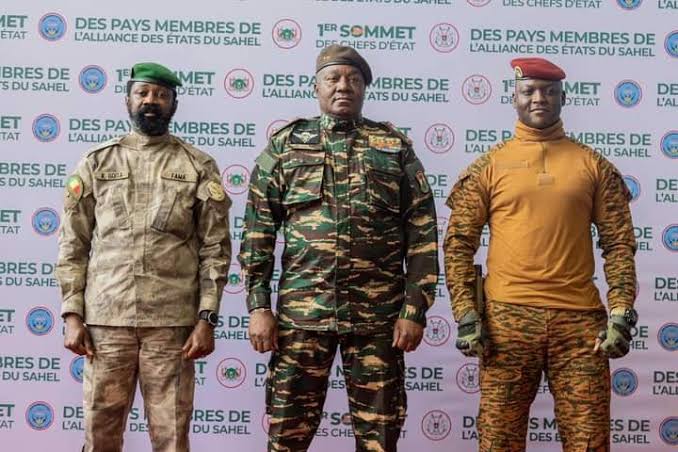
The Alliance of Sahel States (AES) has taken another decisive step toward regional integration and media sovereignty with the inauguration of the headquarters of its confederal broadcaster, AES Television, during the bloc’s second summit held in Bamako, Mali. The broadcaster was jointly launched by Malian President General Assimi Goïta, Burkina Faso’s President Captain Ibrahim Traoré, and Niger’s President General Abdourahamane Tiani. Officials described AES Television as a strategic platform aimed at countering disinformation, projecting the Sahel’s own narrative, and strengthening communication among member states. The inauguration formed part of activities marking the two-day summit, which opened on Monday and focused on reviewing the AES confederation’s first-year roadmap following its formation in 2024. The summit also served as a platform to assess progress, consolidate gains and chart future priorities for the bloc, which formally withdrew from the Economic Community of West African States (ECOWAS) in January. According to a statement issued by the Burkinabe presidency on Tuesday, the leaders evaluated implementation reports, adopted key decisions to strengthen cooperation, and addressed major political, security and economic challenges confronting the confederation. President Traoré was also scheduled to engage with the Burkinabe community resident in Mali as part of the visit. Read Also: FG Engages Burkinabe Authorities Over Detention of NAF Plane, Soldiers One-Party State Allegations Baseless, APC Governors Tell Nigerians Tinubu Presents N58.47trn 2026 Budget to National Assembly The launch of AES Television adds to a growing list of milestones recorded by the alliance within a short period. Earlier this month, the Confederal Bank for Investment and Development (BCID-AES) was established with an initial capital base of 500 billion CFA francs, aimed at financing critical infrastructure, energy and agricultural projects across the three countries, while reducing dependence on external funding. In the area of security, the AES recently operationalised its Unified Force (FU-AES) on December 20, when President Goïta formally handed over the force’s standard to its new commander. Headquartered in Niamey, the force is expected to comprise about 5,000 troops tasked with coordinated operations against armed groups across the Sahel. Leaders of the bloc have consistently described these initiatives as practical expressions of sovereignty, self-reliance and collective resilience. They have emphasised that the strength of the AES lies in the unity of its people and the determination of member states to take ownership of their security, economy and information space. With a combined population of about 78 million people, the AES continues to deepen integration across security, economic development and media, signalling a clear push for greater regional autonomy and a redefinition of cooperation in the Sahel.

Africa, National, News

US Announces Partial Visa Ban on Nigeria, 18 Other Countries

The United States will partially suspend the issuance of certain categories of visas to Nigerian nationals from January 1, 2026, following a new presidential proclamation on border and national security. The US Mission in Nigeria announced on Monday that the restriction will take effect at 12:01 a.m. Eastern Standard Time in line with Presidential Proclamation 10998, titled “Restricting and Limiting the Entry of Foreign Nationals to Protect the Security of the United States.” According to the statement, Nigeria is among 19 countries affected by the measure. Others listed include Angola, Antigua and Barbuda, Benin, Burundi, Côte d’Ivoire, Cuba, Dominica, Gabon, The Gambia, Malawi, Mauritania, Senegal, Tanzania, Togo, Tonga, Venezuela, Zambia, and Zimbabwe. The proclamation provides for a partial suspension of visa issuance covering nonimmigrant B-1/B-2 visitor visas, as well as F, M, and J student and exchange visitor visas. It also applies to certain immigrant visas, with limited exceptions. The US Mission clarified that the suspension does not apply to all categories of travellers. Exemptions include immigrant visas for ethnic and religious minorities facing persecution in Iran, dual nationals applying with passports from countries not affected by the suspension, and Special Immigrant Visas for eligible US government employees. Other exempted categories include lawful permanent residents of the United States and participants in selected major international sporting events. Read Also: Africa Can Secure Its Energy Destiny, Says NNPC Boss Ojulari Tinubu Presents N58.47trn 2026 Budget to National Assembly FG Declares Three-Day Public Holiday for Christmas and New Year Celebrations The US government stressed that the proclamation applies only to foreign nationals who are outside the United States on the effective date and who do not hold a valid US visa as of January 1, 2026. “Foreign nationals, even those outside the United States, who hold valid visas as of the effective date are not subject to Presidential Proclamation 10998. No visas issued before January 1, 2026, at 12:01 a.m. EST, have been or will be revoked pursuant to the Proclamation,” the statement read. Visa applicants from affected countries may continue to submit applications and attend interviews. However, the US Mission noted that such applicants “may be ineligible for visa issuance or admission to the United States” under the new rules. The development comes amid a series of restrictive measures by the United States that have heightened concerns among Nigerians seeking to travel, study, or migrate to the country. In October, Washington added Nigeria back to its list of countries accused of violating religious freedom, citing persistent insecurity and attacks on Christian communities. This was followed by Nigeria’s inclusion on a revised US travel ban list, imposing partial entry restrictions on Nigerian nationals. Earlier this year, the US government also reduced the validity of most nonimmigrant visas issued to Nigerians to single-entry visas with a three-month duration. More recently, reports indicated that applications for certain immigrant visas, including green cards, could face suspension under the new proclamation. US authorities, however, have clarified that lawful permanent residents and holders of valid visas issued before January 1, 2026, are exempt and will not have their status revoked. (Punch)

Africa, National, News

FG Engages Burkinabe Authorities Over Detention of NAF Plane, Soldiers

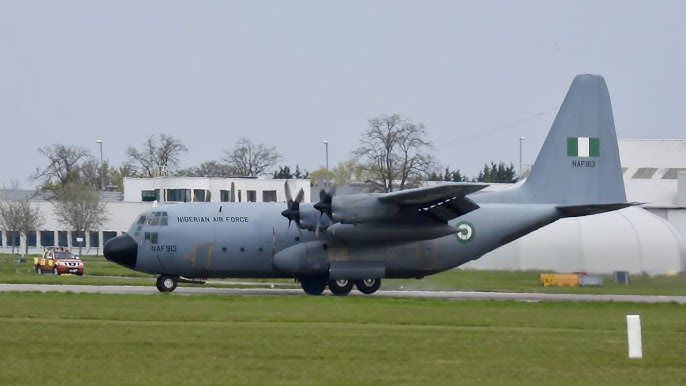
The Federal Government has said discussions are still ongoing over the detention of a Nigerian Air Force (NAF) C-130 aircraft and 11 soldiers by the Burkinabe authorities, noting that both the aircraft and the personnel are yet to be released. The aircraft, crew and soldiers were seized on Monday after the plane made what was described as a precautionary landing in Bobo Dioulasso, Burkina Faso. The Nigerian Air Force had earlier explained that the C-130 Hercules aircraft, which was en route to Portugal for routine maintenance, landed due to a technical fault. However, authorities in Burkina Faso, alongside officials of the Confederation of Sahel States (AES), accused the crew of entering Burkinabe airspace without clearance, a claim they said justified the forced landing and subsequent detention of the aircraft. Speaking on the development on Sunday, the spokesperson of the Ministry of Foreign Affairs, Mr Kimiebi Ebienfa, said the Federal Government was actively engaging the Burkinabe authorities to resolve the matter through diplomatic channels. “We are engaging them, but they are yet to be released,” Ebienfa said. Read Also: Tinubu’s ADC Elevated to Brigadier-General Amid Criticism Kano Establishes Task Force to Curb Crime at Strategic Locations CBN Orders Dual Connectivity for PoS Transactions Within One Month He added that the Ministry of Foreign Affairs had taken over the negotiations to ensure the safe release of both the aircraft and the detained Nigerian military personnel. Following the takeover of the talks by the ministry, the Nigerian Air Force has remained silent on the matter. Although the Ministry of Foreign Affairs has not disclosed details of the ongoing discussions, it was gathered that Burkina Faso and other Sahel countries, including Mali and Niger — formerly members of the Economic Community of West African States (ECOWAS) before their suspension over military coups — may be attempting to use the situation as a bargaining chip. A retired military officer, who spoke on condition of anonymity, suggested that the continued ECOWAS sanctions, which the affected countries believe Nigeria has significant influence over, have worsened their economic conditions. “The blockade of trade and movement of goods and services by ECOWAS, which these countries feel is under Nigeria’s control, is seriously hurting them. France no longer does business with them, so they are under severe economic pressure,” he said. According to him, the detention of the Nigerian military aircraft could be an attempt to compel Nigeria to negotiate economic relief or assistance. “They believe bargaining with the military aircraft may be a way to get Nigeria’s attention and secure concessions. But we will see how it goes. That’s my personal opinion,” the officer added.

Africa, News

Senate Approves Troop Deployment to Benin

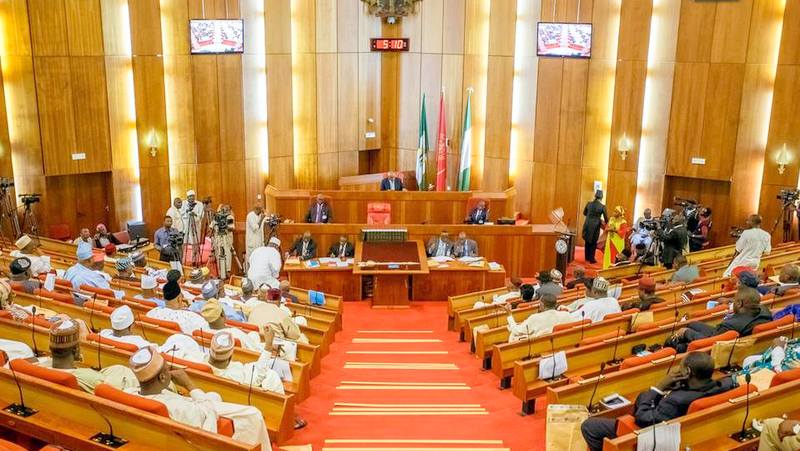
The Nigerian Senate has approved President Bola Tinubu’s request to deploy troops to Benin to support the country’s government, which was recently hit by a failed coup attempt. The Senate approved the deployment, citing the need to maintain regional stability and support Benin’s democratic institutions. President Tinubu had requested the Senate’s consent, citing a request from Benin’s government for assistance in quelling the attempted coup. The deployment is aimed at preventing unnecessary criminality and disruption of property, according to the Senate. Read Also: ECOWAS Moves to Protect Democracy, Declares State of Emergency The coup attempt, led by Lt. Col. Pascal Tigri, was thwarted after Nigerian fighter jets and troops were deployed to Benin. President Patrice Talon’s government has since confirmed that the situation is under control.

Africa, News

ECOWAS Moves to Protect Democracy, Declares State of Emergency

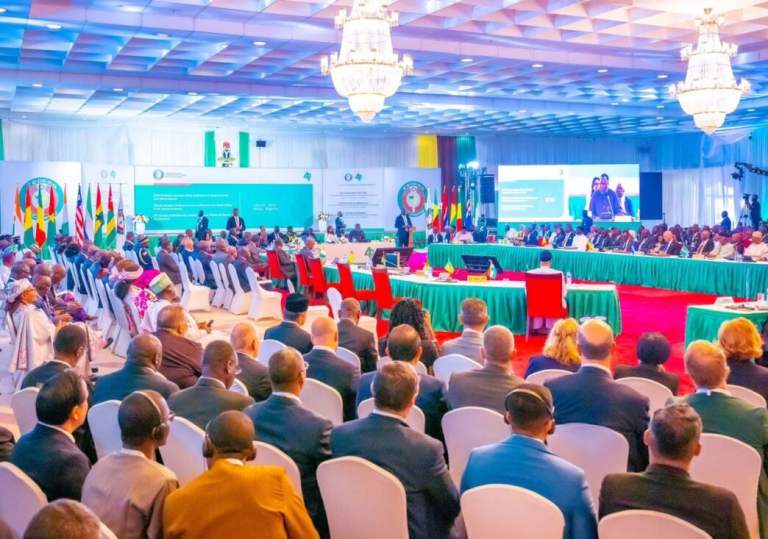
The Economic Community of West African States (ECOWAS) has declared a state of emergency across the region. Omar Touray, President of the ECOWAS Commission, announced the decision on Tuesday during the 55th Session of the Mediation and Security Council at the ministerial level in Abuja. The meeting was convened in response to the recent wave of coups and attempted mutinies recorded in parts of the sub-region. Touray said the situation underscores the “imperative of serious introspection on the future of our democracy and the urgent need to invest in the security of our community”.  

Africa, News

Benin Foils Military Coup Attempt, President Patrice Talon Safe

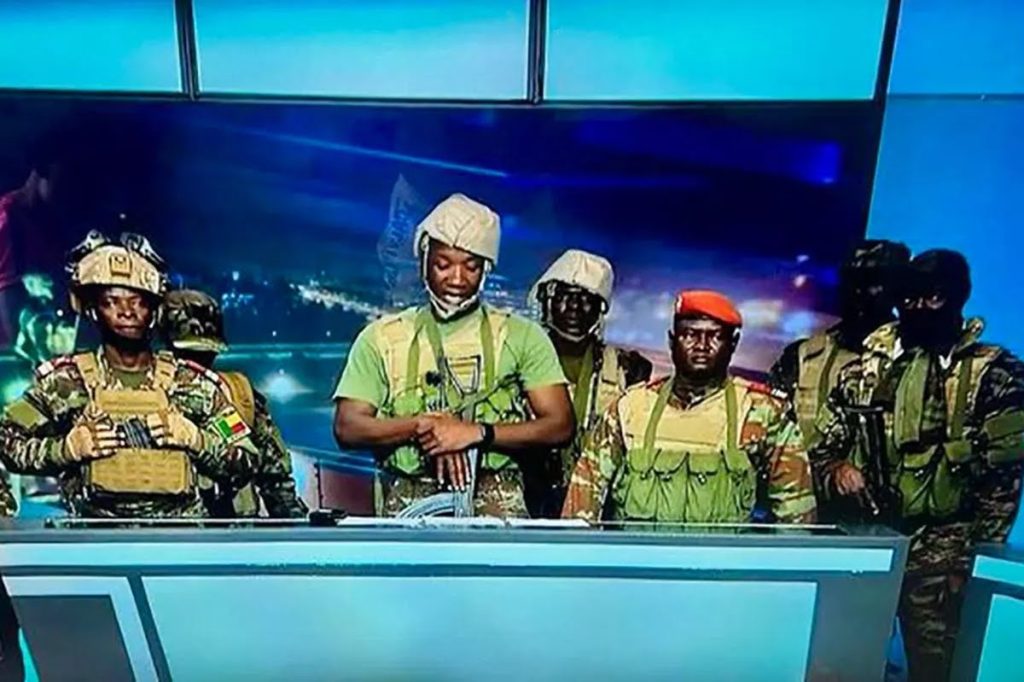
The government of Benin has announced that an attempted military coup has been foiled, with President Patrice Talon confirmed safe. A group of soldiers, identifying themselves as the Military Committee for Refoundation, had taken control of the national television station and announced the removal of the president and dissolution of state institutions. The soldiers, led by Lieutenant Colonel Pascal Tigri, cited grievances with Talon’s management of the country, including the deteriorating security situation in northern Benin and restrictions on political activity. However, the government has dismissed the uprising as a fringe faction, stating that the regular army is regaining control and the city and country are secure. Read Also: Soldiers Announce Apparent Military Coup in Benin Interior Minister Alassane Seidou has urged the population to go about their business as usual, while the international community, including the African Union and ECOWAS, has condemned the coup attempt. The situation is being closely monitored, with further updates expected.

Africa, News

Soldiers Announce Apparent Military Coup in Benin

In a dramatic turn of events, Lieutenant Colonel Pascal Tigri, an Army officer, has seized control of Benin’s national television station and declared himself president of a military committee for the country’s restructuring. According to eyewitnesses, Tigri led an attack on the residence of President Patrice Talon in the capital city of Porto-Novo, reportedly deposing him as leader. Images broadcast on national television showed Tigri, flanked by other soldiers, reading from a script as he announced the military’s takeover. “The military has decided to dismiss President Talon from his post,” Tigri declared. “We are taking charge to restore order and restructure the country.” Read Also: Nigerian Army Suspends Retirements Amid Nationwide Security Emergency The move has sparked widespread uncertainty and concern, with the international community likely to be monitoring the situation closely. Benin has been a stable democracy in West Africa, and the coup is seen as a significant setback for the region. The current status of President Talon is unknown, and it is unclear what led to the military’s actions. Details later… (TchadOne)

Scroll to Top