


The Historica Nigeria

Author name: The Historica Nigeria

National, News, Politics

Mu’az Magaji: “26 Years of Democracy in Nigeria, A Journey Worth Reflecting On”

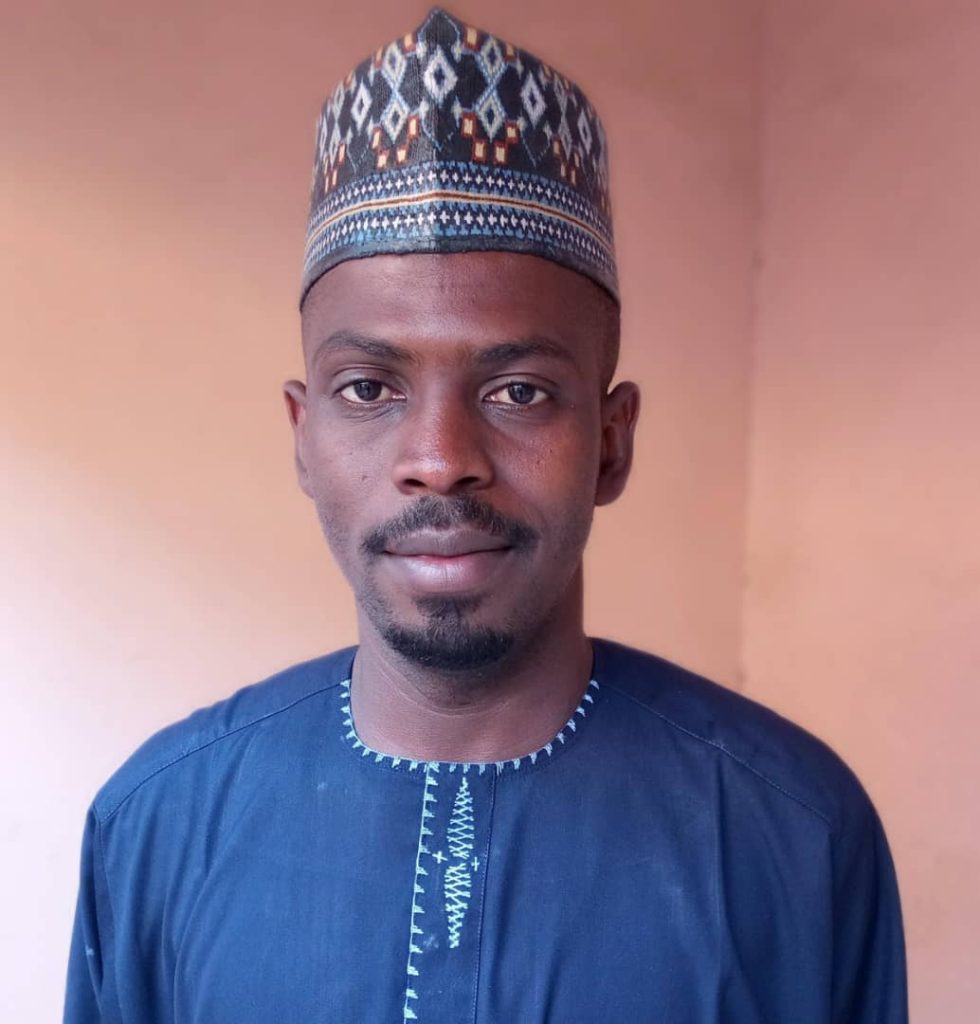
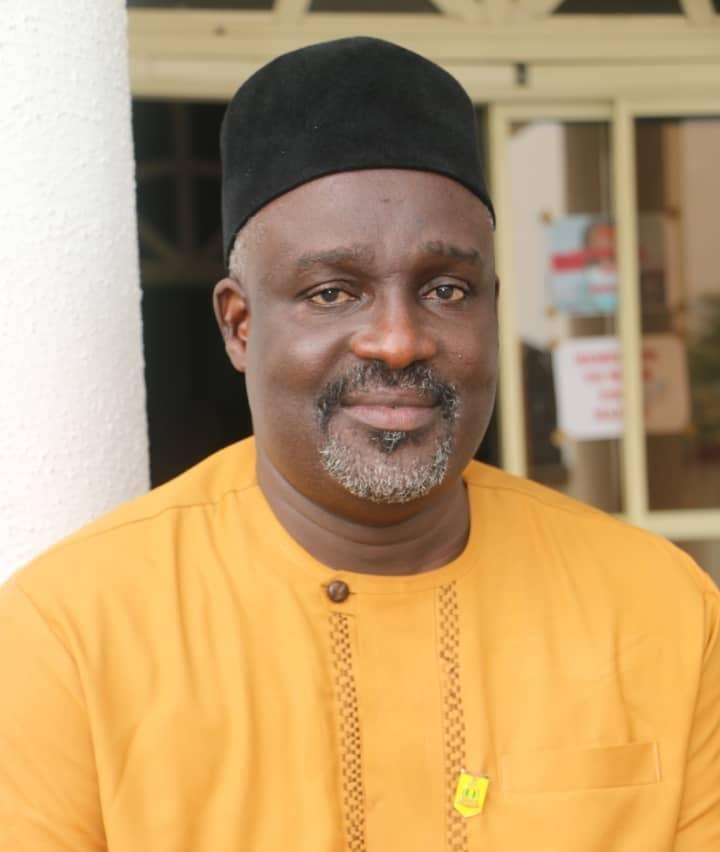
Political activist and former Kano State Commissioner for Works and Infrastructural Development under the administration of Dr. Abdullahi Umar Ganduje, Engr. Mu’az Magaji, popularly known as Dan Sarauniya, has described Nigeria’s 26 years of uninterrupted democracy as a significant journey though with mixed results. In an exclusive interview with The Historica Nigeria, Magaji commended the progress made in parts of the country, particularly in the South, while expressing disappointment at the North’s inability to fully harness the opportunities democracy offers. He praised states such as Lagos, Akwa Ibom, Rivers, Enugu, Anambra, and Abia for embracing democratic values and translating them into tangible development outcomes. Read Also: June 12: Tinubu Cancels Democracy Day Broadcast “These states have come to understand the importance of democracy and good governance. Their leaders prioritize development and economic progress. They believe their growth is in their own hands and are committed to improving the lives of their people,” he said. Magaji pointed out that these states have significantly increased their Internally Generated Revenue (IGR) and built strong local economies capable of sustaining governance even without federal allocations. “Their IGR continues to grow. They have positioned themselves to maintain governance independently. Even without federal funds, they can stand on their own,” he added. However, Magaji lamented the state of governance in Northern Nigeria, describing it as a region still struggling to understand and maximize the benefits of democracy. “It is unfortunate that many northern states have not yet grasped democracy as a tool for transforming lives. Instead, leadership is often used as a means of personal enrichment rather than public service,” he stated. He criticized the mismanagement of federal allocations in the North, warning that such a path could lead to economic instability and future dependence crises. “Governors in the North often spend federal allocations recklessly, focusing more on self-interest than public interest. This is unsustainable and poses a serious threat to the region’s long-term development.” Magaji cautioned that as southern states continue to strengthen their local economies, the North risks being left behind if it fails to take similar steps. “The future might no longer guarantee continuous federal allocations. We must start preparing to be self-reliant by investing in our economy, education, healthcare, and infrastructure.” He reiterated by calling for a return to the leadership values of Nigeria’s founding fathers, urging both leaders and citizens to prioritize competence, vision, and integrity. “We must emulate great leaders like Sir Abubakar Tafawa Balewa and Sir Ahmadu Bello, the Sardauna of Sokoto—leaders who governed with purpose, discipline, and a deep sense of responsibility. Democracy should be our pathway to progress, not a tool for personal gain.” Magaji emphasized that the only way to redirect the country’s future is by electing visionary and responsible leaders who genuinely serve the people and the nation.

Agriculture, Kano, News

KNARDA Urges Farmers to Embrace Preseason Trainings to Boost Productivity

Farmers in Kano State have been urged to take advantage of preseason trainings and seminars organized by the Kano State Agricultural and Rural Development Authority (KNARDA) to enhance their farming operations. The call was made by the Managing Director of KNARDA, Dr. Farouk Kurawa, during an interview with The Historica Nigeria in the organization’s headquarters ‘Yan Kaba. He expressed concern that some farmers still do not approach farming as a business, which he said is a major barrier to progress. “If you take farming as a business, you’ll understand that KNARDA is here to support with training, improved seeds, fertilizer, and technical expertise. But expecting KNARDA to do everything is unrealistic. The government has limited resources and many other responsibilities,” he stated. Since assuming office, Dr. Kurawa noted that KNARDA has worked to shift farmers’ mindsets and raise awareness about the agency’s mandate. “Our goal is to ensure farmers understand our role and to help them grow their businesses sustainably,” he added. He also mentioned that KNARDA has introduced initiatives aimed at improving record-keeping among farmers, which in turn aids agricultural extension officers in providing better support. In collaboration with development projects, KNARDA has supported rural women with livestock, encouraging the culture of sheep and goat rearing to enhance household income. Women farmers’ associations have also received training in processing agricultural products such as soybeans into Tsiren Waken Soya, milk, and nutritional baby feeds. Other value-added products include Garin Masara (maize flour) and Garin Danwake made from white beans, aimed at enhancing the agricultural value chain in the state. Furthermore, KNARDA has supported farmers across several local government areas with training and input on modern practices for cultivating crops such as millet (Dawa), rice (Shinkafa), soybeans (Waken Soya), white beans (Farin Wake), onions (Albasa), and tomatoes (Tumatur). Dr. Kurawa assured that KNARDA will continue to conduct in-season farming seminars and provide doorstep support to farmers across Kano State.

Kano, News

KASSOSA Dawakin Kudu Class of 1985 Celebrates 40th Anniversary

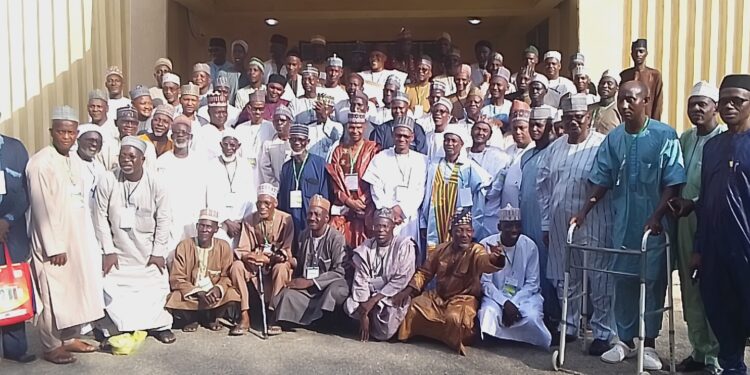
The Kano Science Schools Old Students Association (KASSOSA), Dawakin Kudu Chapter, Class of 1985, has marked its 40th anniversary since graduating from Science College Dawakin Kudu. The milestone event, held today at Northwest University, Kano, brought together members of the class to celebrate their enduring bond, reflect on four decades of personal and collective progress, and chart a path for future contributions to their alma mater. Chairman of the 1985 chapter, Malam Mukhtar Kurawa, highlighted the significance of the gathering. He described it as an opportunity to reconnect, evaluate their journey, and discuss ways to uplift members facing challenges. He also emphasized the importance of supporting the school that shaped their formative years. Read Also: June 12: Tinubu Cancels Democracy Day Broadcast “Our chapter is blessed with accomplished individuals across various professions,” Malam Kurawa said. “We are committed to giving back to Science College Dawakin Kudu, particularly by supporting learning materials and infrastructure development.” In his address, the National President of KASSOSA, Malam Balarabe Jalla Danbatta, praised the Dawakin Kudu 1985 chapter for its dedication and exemplary track record. He assured them of the national body’s continued collaboration in executing developmental projects across science schools in Kano and beyond. He encouraged members to uphold the spirit of unity and mutual assistance, noting that such values bring not only societal impact but spiritual rewards as well. One of the highlights of the event was the presence of Malam Adamu Ibrahim, a Chemistry teacher who taught the class during the 1984/1985 academic session. He expressed his pride in the achievements of the former students and urged them to continue supporting one another, their alma mater, and former teachers who are still alive. Also speaking, Malam Kabiru Sani Hanga, one of the veteran teachers from the era, advised members to invest their resources through lawful (halal) means and plan wisely for the future. He concluded with prayers for the continued success and unity of the group. The event also featured special recognitions and awards to distinguished members for their outstanding contributions to the Class of 1985, their peers, and the larger society.

Abuja, National, News

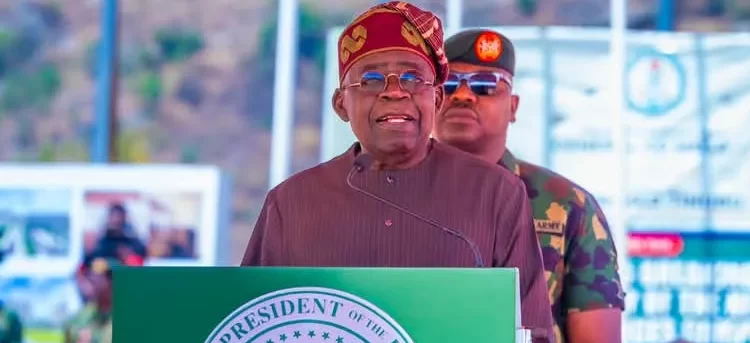
June 12: Tinubu Cancels Democracy Day Broadcast

President Bola Tinubu has cancelled the planned national broadcast earlier scheduled for Thursday, June 12, in commemoration of Nigeria’s 26th Democracy Day anniversary. Instead, he will deliver his Democracy Day address before a special joint session of the National Assembly. Read Also: Ganduje’s APC: The Party That’s Swallowing the Opposition The change was announced in a statement issued on Wednesday by the Director of Information and Public Relations in the office of the SGF, Segun Imohiosen.

Feature, Kano, Profile

Profile of Umar Idris Shuaibu, Publisher ‘The Historica Nigeria’

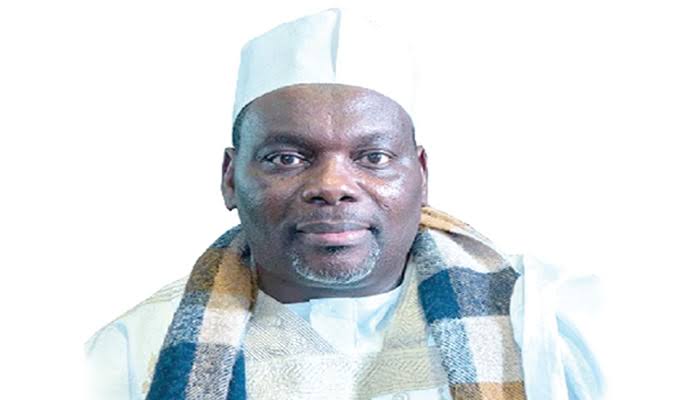
Umar Idris Shuaibu who is the Publisher of an Online Newspaper The Historica Nigeria hails from Kano State, Northwest geopolitical zone of Nigeria. Born in 1994 at Durumin Zungura Quarters of Kano Municipal Local Government, from the family of Malam Idris Shuaibu (Fulani man), and Hajara Shuaibu. His maternal grandfather was a renowned Islamic Scholar who worked with the Nigerian Prison Service (now Correctional Service). He attended Gidan Makama Primary School and finished in Adda’awah in Hotoro, Tarauni Local Government. Umar moved to Government Secondary School Hotoro for his Junior education, after passing the Science and Technical Schools Board Examination in 2009, he then moved to the famous Science College Dawakin Kudu in Kano State. After completing Science School, Umar Idris Shuaibu obtained his Diploma in Mass Communication from Kano State Polytechnic, Advance Diploma in Public Administration, and a Higher National Diploma from the same school. As a digital Journalist, he has experience in electronic and Online media. Umar was also a News Reporter, Presenter, and Sub Editor with Freedom Radio, the first indigenous private FM station in Kano, where he served for four years. Umar was also the pioneer Reporter of Daily News 24, an Online Newspaper based in Kano from 2020 to 2022. He was also a News producer with Premier Radio in the year 2022, which also engaged in the Service of Kano State Investment and Properties in the same year to 2025. As a staff in the financial institution, Umar brings many developments in the National Union of Banks, Insurance and Financial Institution Employees (NUBIFIE) KSIP Chapter. During his main Journalism career, his area of interest includes Agriculture, Environment, and human angle stories. The young Umar is the Publisher ‘The Historica Nigeria’, an Online Newspaper, that focuses on topical issues, and historical events, among others. He is happily married to Hauwa Abdullahi Shuaibu, and the marriage was blessed with a Baby girl, named Hajara (Nawwara). Photos:    

Abuja, Kano, National, Politics

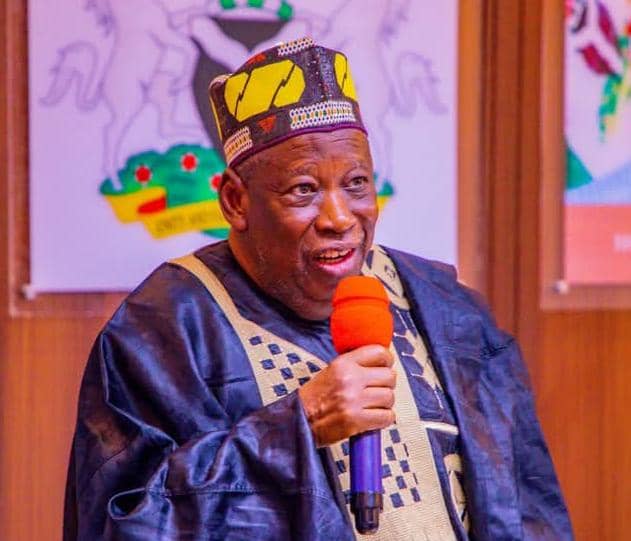
Ganduje’s APC: The Party That’s Swallowing the Opposition

Umar Idris Shuaibu, Kano Since his emergence as National Chairman of the All Progressives Congress (APC), Dr. Abdullahi Umar Ganduje has quietly engineered a political shift that is redefining the party’s strength and reshaping Nigeria’s broader political landscape. Known for his calm, consultative, and strategic leadership style, Ganduje has fostered internal cohesion within the APC while steadily drawing high-profile figures from rival parties into its fold. Under his stewardship, a wave of defections has swept through the political terrain. From governors and senators to federal and state legislators, opposition heavyweights are increasingly finding a new political home in the APC. Many cite Ganduje’s inclusive approach, stability-focused leadership, and non-combative style as key attractions. Unlike some political figures who court publicity, Ganduje has quietly pursued a strategy rooted in reconciliation, grassroots mobilization, and party unity. He has avoided factionalism, choosing dialogue and accommodation over divisive rhetoric. Observers and party insiders alike believe this approach has catalyzed a realignment of political forces across the country. Read Also: APC’s Rising Star: The Woman Ganduje Trusted with the Future Party loyalists describe this new phase as unprecedented in the APC’s recent history. According to them, the influx of defectors reflects Ganduje’s political maturity, discipline, and commitment to building a truly national institution. “Ganduje is not leading with ego or noise,” one party insider remarked. “He’s leading with wisdom and strategy. That’s what is winning hearts—even among the opposition.” The past several months have seen a series of notable defections. Governors, former governors, and senators who once criticized the APC have now embraced the party, pointing to Ganduje’s reconciliatory tone and the party’s renewed sense of direction. At the National Assembly, at least five lawmakers from opposition parties have officially crossed over to the APC. In states like Plateau, Benue, Bauchi, Enugu, and Cross River, politicians who previously stood firmly with rival parties are now speaking of “true leadership” within the APC. Even in the South-East and South-South traditionally challenging regions for the party the Ganduje-led APC is gaining traction. Ganduje’s rise to chairmanship was seen by many as a stabilizing move, endorsed by party elders, governors, and key stakeholders eager to resolve internal crises. Since assuming the role, he has focused on internal healing before projecting strength outward, a formula that is paying political dividends. His leadership is markedly different from past party heads. As a former deputy governor, governor, and long-serving public administrator, Ganduje brings institutional experience, regional sensitivity, and a collaborative spirit to the role. His record of managing Kano one of Nigeria’s most politically dynamic states is seen as a microcosm of his ability to navigate national complexities. Significantly, Ganduje’s interactions with opposition defectors have been structured around long-term integration rather than short-term reward. Reports suggest new entrants are encouraged to contribute to party structures and grassroots development, rather than being enticed with appointments or patronage. This approach has minimized internal friction, preserved the loyalty of existing members, and ensured a smoother absorption of newcomers. While many past defections triggered internal strife within the APC, Ganduje’s leadership has created a welcoming yet balanced environment retaining old allies while embracing new converts. It’s a rare equilibrium that political observers say is fueling the APC’s expansion as opposition parties grapple with disunity. The sentiment resonates beyond APC ranks. A former PDP senator from the North-Central region who recently joined the APC told Daily Trust that Ganduje’s leadership style influenced his decision. “We weren’t necessarily opposed to APC’s policies,” he said. “We were uncomfortable with how the party was managed. Under Ganduje, that has changed. There’s a new sense of professionalism, fairness, and vision.” Similar endorsements have come from youth leaders in the South-East, who visited the APC headquarters to show support. They praised Ganduje’s leadership as “inclusive, mature, and stabilizing.” Despite these achievements, Ganduje has refrained from criticizing past party leaders. Instead, he has built on their legacies, refined internal processes, and emphasized unity over blame. This restraint, according to stakeholders, has protected the party from internal explosions that often rock large political organizations. Looking ahead to the 2027 general elections, Ganduje’s leadership is repositioning the APC as the party of choice for both relevance and refuge. While challenges remain such as managing pre-primary ambitions, delivering on government promises, and maintaining cohesion across state chapters, the party is regaining lost confidence under his direction. Supporters insist Ganduje is not merely managing the party but laying the groundwork for institutional stability and national inclusiveness. “You can’t talk about today’s APC without acknowledging the quiet leadership of Dr. Ganduje,” a top party official said. “He doesn’t need to shout. His results speak. People are joining not because of pressure, but out of conviction.” Indeed, from Abuja to the states, one conclusion is emerging: Ganduje’s professional and inclusive leadership is not just stabilizing the APC, it is transforming it into a magnetic force, steadily consuming the opposition. Umar Idris Shuaibu is a digital journalist and writes from Kano. He can be reached at shuaibuumaridris@gmail.com.

Scroll to Top