


As impeachment proceedings gather momentum against Kano State Deputy Governor, Aminu Abdussalam Gwarzo, political conversations across the state have shifted toward a consequential question: who could step into the role should the office become vacant?
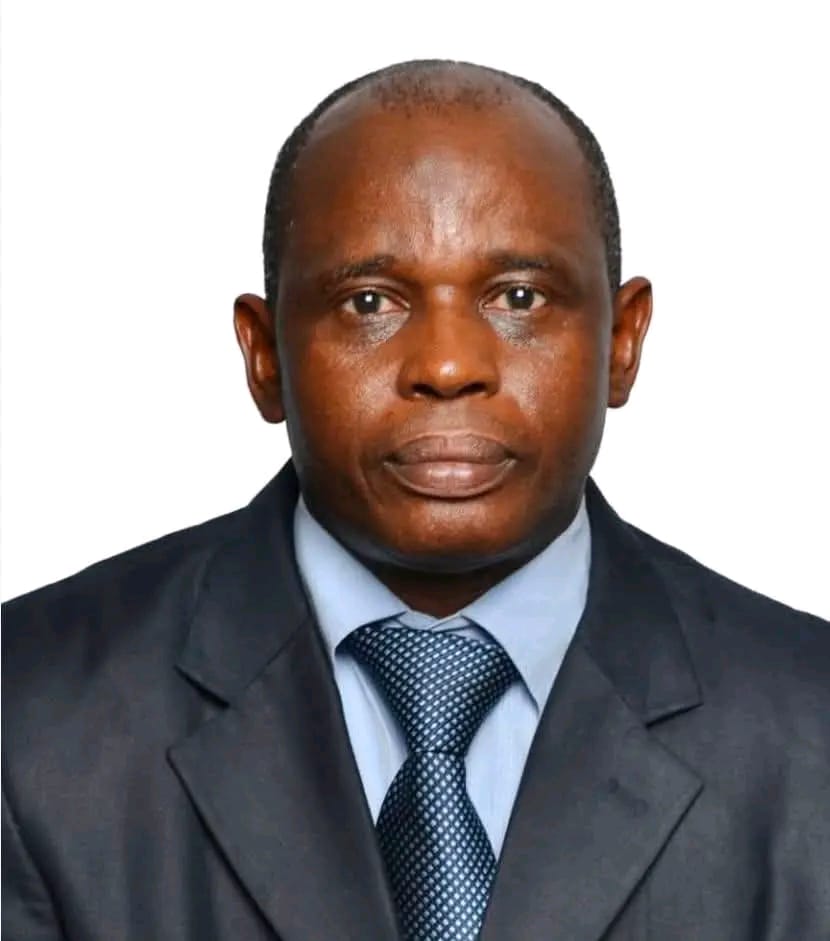
Among the names resurfacing in elite consultations and grassroots discussions is Salihu Sagir Takai, a veteran figure whose political journey has spanned decades and multiple party platforms.
Although no official nomination has been announced, Takai’s renewed visibility reflects deeper strategic undercurrents within Kano’s evolving power architecture.
A Familiar Contender in Kano’s Electoral History
Takai remains one of the most persistent actors in Kano’s modern political arena. He contested the governorship three times under different political platforms, first under the All Nigeria Peoples Party (ANPP) in 2011, later under the Peoples Democratic Party (PDP) in 2015, and subsequently under the Peoples Redemption Party (PRP) in 2019.
While those bids did not yield electoral victory, they strengthened his statewide recognition and entrenched his grassroots structures, particularly within rural blocs of Kano South.
After his defeat under the Peoples Redemption Party (PRP) in the 2019 governorship election, Takai returned to the All Progressives Congress (APC), where he has since remained an active and fully participating member of the party’s political structure.
Read Also:
Doguwa Resigns Commissioner Role, Clinches Kano APC Chairmanship
Jigawa Politics: Speculation Mounts Over Badaru’s Alleged ADC Moves
APC is a Living Party, Ganduje Says as Kano Govt Joins Ruling Platform
Political observers often describe him as a resilient mobiliser with cross-party experience and a reputation for sustaining alliances even beyond electoral cycles.
The Kano South Factor
Takai’s possible consideration cannot be divorced from the regional question.
He hails from Kano South Senatorial District, a zone whose political leaders have increasingly pressed for greater representation in key executive positions. Kano’s power-sharing culture has historically attempted to balance Kano North, Kano Central, and Kano South, though perceptions of uneven distribution have persisted over time.
For proponents of zoning equity, the deputy governorship presents more than a vacancy; it represents an opportunity to recalibrate regional inclusion and strengthen internal cohesion.
A stakeholder from the district, speaking privately, framed the discussion as “a matter of fairness and political stability.”
Administrative Footprint and Governance Experience
Before his governorship bids, Takai built his administrative credentials within Kano’s executive structure. He served as Commissioner under the administration of Ibrahim Shekarau from 2003 to 2011, overseeing key portfolios including Water Resources and later Local Government and Chieftaincy Affairs.
Those roles placed him within the operational core of state governance during a defining political era.
He also previously served as Chairman of Takai Local Government, reinforcing his grassroots orientation and consolidating his influence within Kano South’s local political networks.
Supporters argue that this blend of executive and local governance experience positions him as a potentially stabilising figure at a delicate political moment.
Voices From Within
When The Historica Nigeria contacted Malam Abdullahi Musa Huguma, spokesman to the former governorship candidate, he confirmed awareness of consultations involving Kano elders, APC stakeholders, and prominent figures from Kano South.
According to Huguma, “Salihu Sagir Takai embodies the leadership qualities Kano requires at this critical stage of its development.”
He further described his principal as a politician known for comradeship, integrity, and decorum throughout his public service trajectory.
Political Arithmetic and Strategic Timing
Yet, succession politics in Kano is rarely determined by experience alone.
Deputy governorship considerations typically involve layered calculations, party loyalty, internal stability, electoral viability, and long-term positioning ahead of future contests. With the 2027 electoral horizon gradually influencing political alignments, any appointment could carry strategic implications beyond the immediate circumstance.
Analysts note that while repeated electoral contests demonstrate resilience and statewide engagement, party leadership may also weigh electability dynamics and coalition strength in making a final decision.
Between Speculation and Negotiation
For now, Takai has not publicly addressed the speculation.
Whether the conversations translate into formal political action remains uncertain. However, the persistence of his name in succession discourse underscores a familiar reality in Kano politics: experience, zoning considerations, and timing often intersect when power equations shift.
Should the deputy governorship seat ultimately become vacant, the debate may move swiftly from speculation to negotiation and Kano South’s long-standing advocacy for strategic inclusion could assume renewed prominence in the state’s political calculus.