





The Kano State Government has acknowledged growing public concerns over the resurgence of commercial motorcycle operators, popularly known as Achaba, across several parts of the state.
This was conveyed in a statement signed by the Commissioner for Information and Internal Affairs, who confirmed that verified intelligence reports show the presence and spread of Achaba operations in various quarters within Kano metropolis. Similar reports also indicate increased activities of motorcycle operators in nearby and border communities, despite the longstanding ban on the trade in the state.
The Government further disclosed that it has received security information about the infiltration of unknown individuals operating motorcycles as commercial riders in some parts of the metropolis.
In response, the administration of Governor Abba Kabir Yusuf said it is deploying appropriate security measures to contain the situation and safeguard residents across all 44 Local Government Areas of the state.
Read Also:
Military Operation Saves Seven After Bandits Abduct 10 in Kano Village
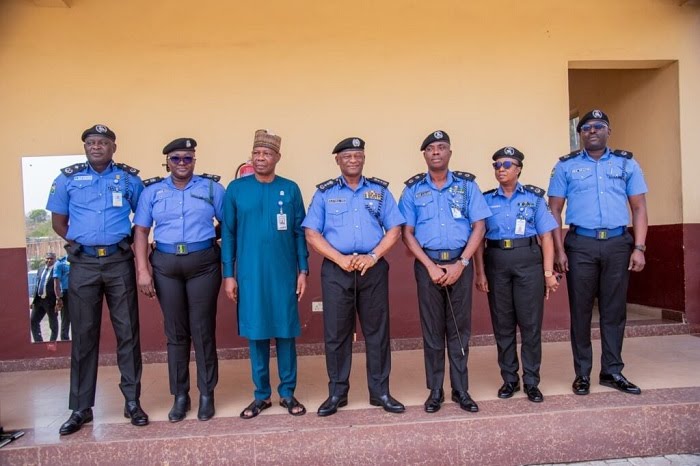
According to the Government, security agencies in the state are fully engaged and have received the necessary support to enable them to carry out their responsibilities effectively. Additional assistance will be provided where required to ensure professional and efficient operations.
While acknowledging public recommendations—including enhanced surveillance at all entry and exit points—the Government assured that these measures are already under review as part of a broader security strategy.
The Kano State Government expressed appreciation to the public for their vigilance, cooperation, and continued trust in the administration’s commitment to addressing emerging security challenges. Citizens were encouraged to remain alert, report suspicious activities, and work closely with security agencies.
It reaffirmed that Governor Abba Kabir Yusuf remains committed to strengthening security across communities by collaborating with local government authorities, traditional institutions, community leaders, and other key stakeholders to ensure lasting peace in the state.