
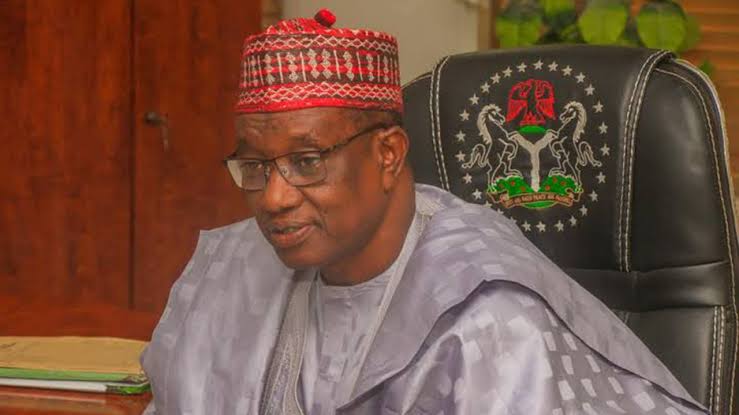
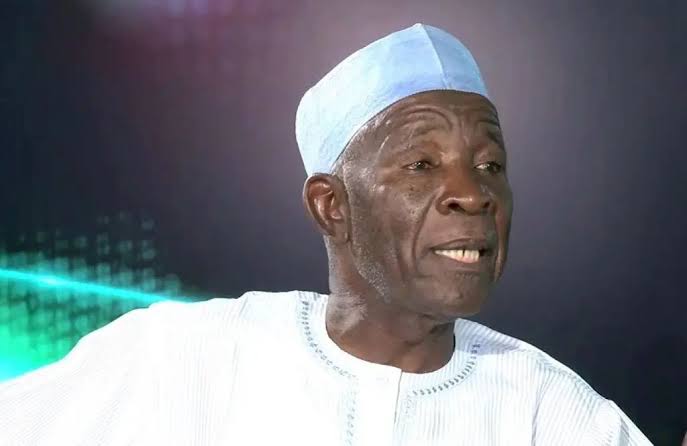
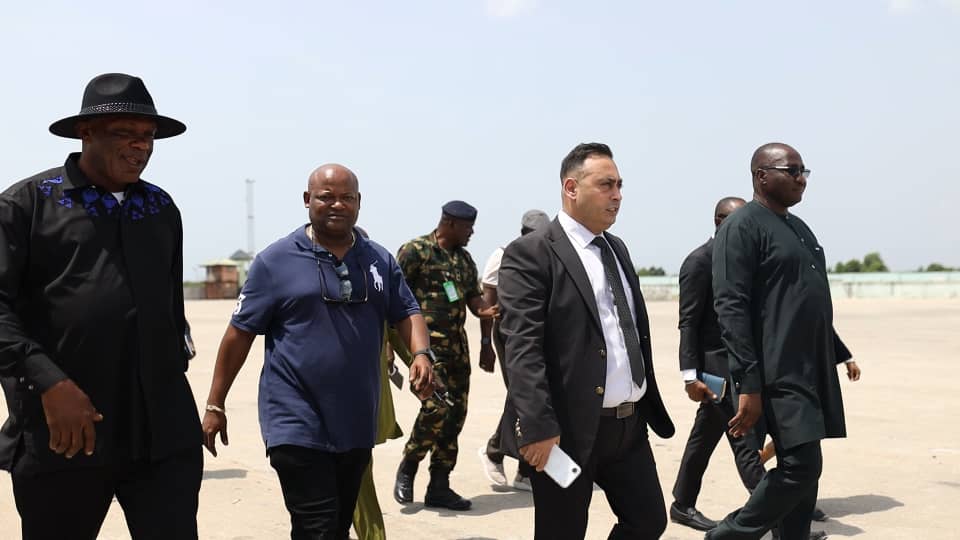
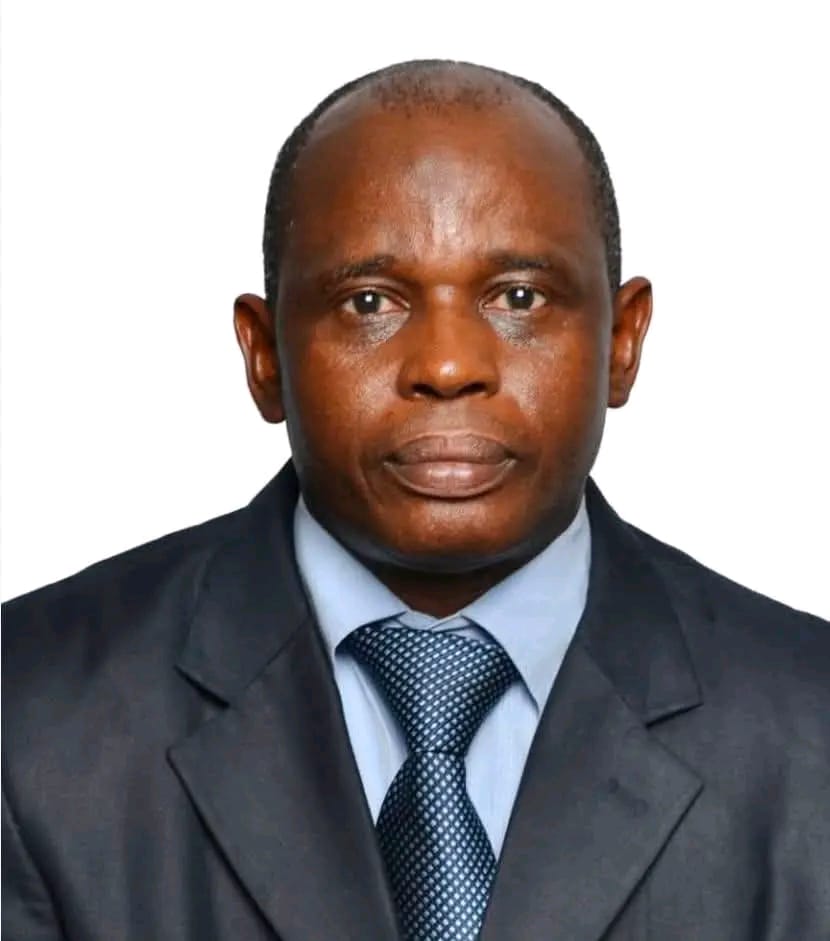
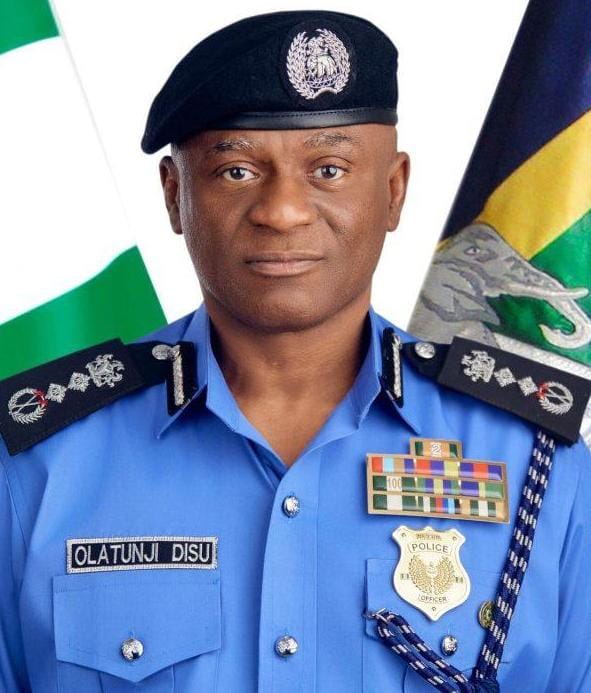
The International Press Institute (IPI) Nigeria has listed the Inspector General of Police, Olukayode Egbetokun, and two state governors in its Book of Infamy, while honouring the Director General of the Department of State Services (DSS), Adeola Oluwatosin Ajayi, for his constructive engagement with the media.
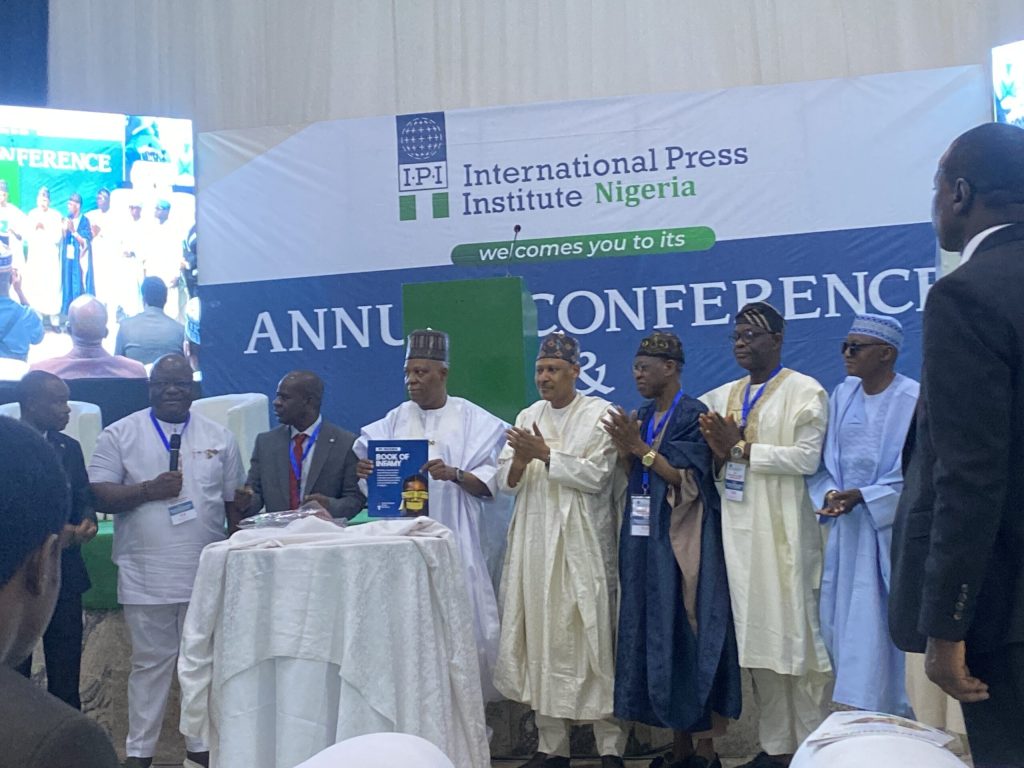
The Book of Infamy was unveiled on Tuesday by Vice President Kashim Shettima during the second Annual Conference of IPI Nigeria.
According to the institute, the first set of individuals documented in the book includes Akwa Ibom State Governor Umo Eno, Niger State Governor Mohammed Umar Bago, and the Inspector General of Police.
IPI Nigeria said Egbetokun was blacklisted for failing to curb the arbitrary arrest of journalists by police operatives despite repeated appeals. Governor Eno was listed for barring Channels Television journalists from covering activities at the Akwa Ibom Government House, while Governor Bago was cited for ordering the closure of Badeggi FM, a privately owned radio station in Niger State.
Read Also:
Tinubu Nominates Former CDS Christopher Musa as New Defence Minister
The institute noted that despite its interventions and appeals, both governors refused to reverse their actions.
In contrast, the Director General of the DSS, Adeola Ajayi, was commended for what the IPI described as his responsiveness and willingness to reverse decisions affecting press freedom. The organisation highlighted his intervention in removing Lanre Arogundade, Executive Director of the International Press Centre, from the government’s watchlist after nearly four decades.
Speaking at the conference, Minister of Information Mohammed Idris described an independent press as “the central nervous system of a functioning democracy.” He stressed that conversations around press freedom must be rooted in facts, adding that the Tinubu administration remains committed to safeguarding media rights.
The minister stated that security agencies have been directed to operate under stricter protocols that respect journalists’ rights, including in conflict zones and during civil demonstrations. He also reiterated that the present administration continues to provide an enabling environment for media organisations to operate without fear.