





By Umar Idris Shuaibu, Kano
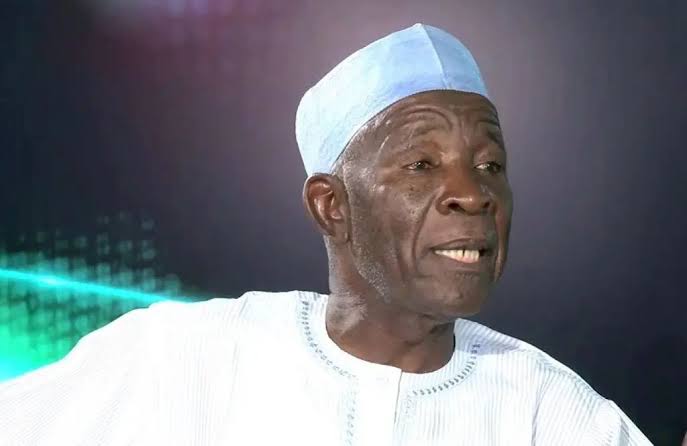
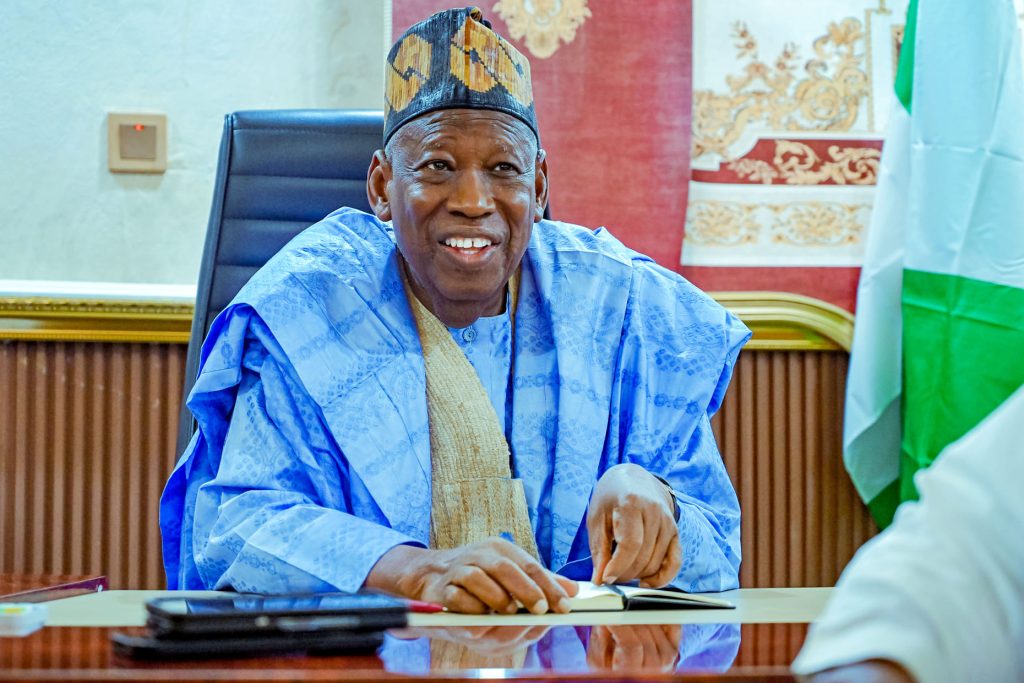
In public life, tributes are often delayed until the curtain falls. Yet, there are leaders whose journeys deserve recognition while their voices are still heard, their counsel still sought, and their influence still shaping events. Dr. Abdullahi Umar Ganduje, the immediate past National Chairman of the All Progressives Congress (APC) and Chairperson of the Board of the Federal Airports Authority of Nigeria (FAAN), belongs to this category of statesmen whose service invites timely reflection and deserved encomiums.
Dr. Ganduje’s career reflects a blend of learning, discipline, and administrative depth. His experiences across academia, public service, governance, and party politics have positioned him as a repository of institutional memory and practical leadership. Over the years, he has consistently demonstrated that leadership is not merely about occupying office, but about applying knowledge, patience, and foresight to complex challenges.
As Governor of Kano State, his administration pursued infrastructural expansion, educational development, healthcare improvement, and rural inclusion. Particular attention was given to communities often overlooked in policy execution, including farmers, herders, and rural dwellers. These efforts earned him encomiums for recognising that governance must be inclusive to be sustainable.
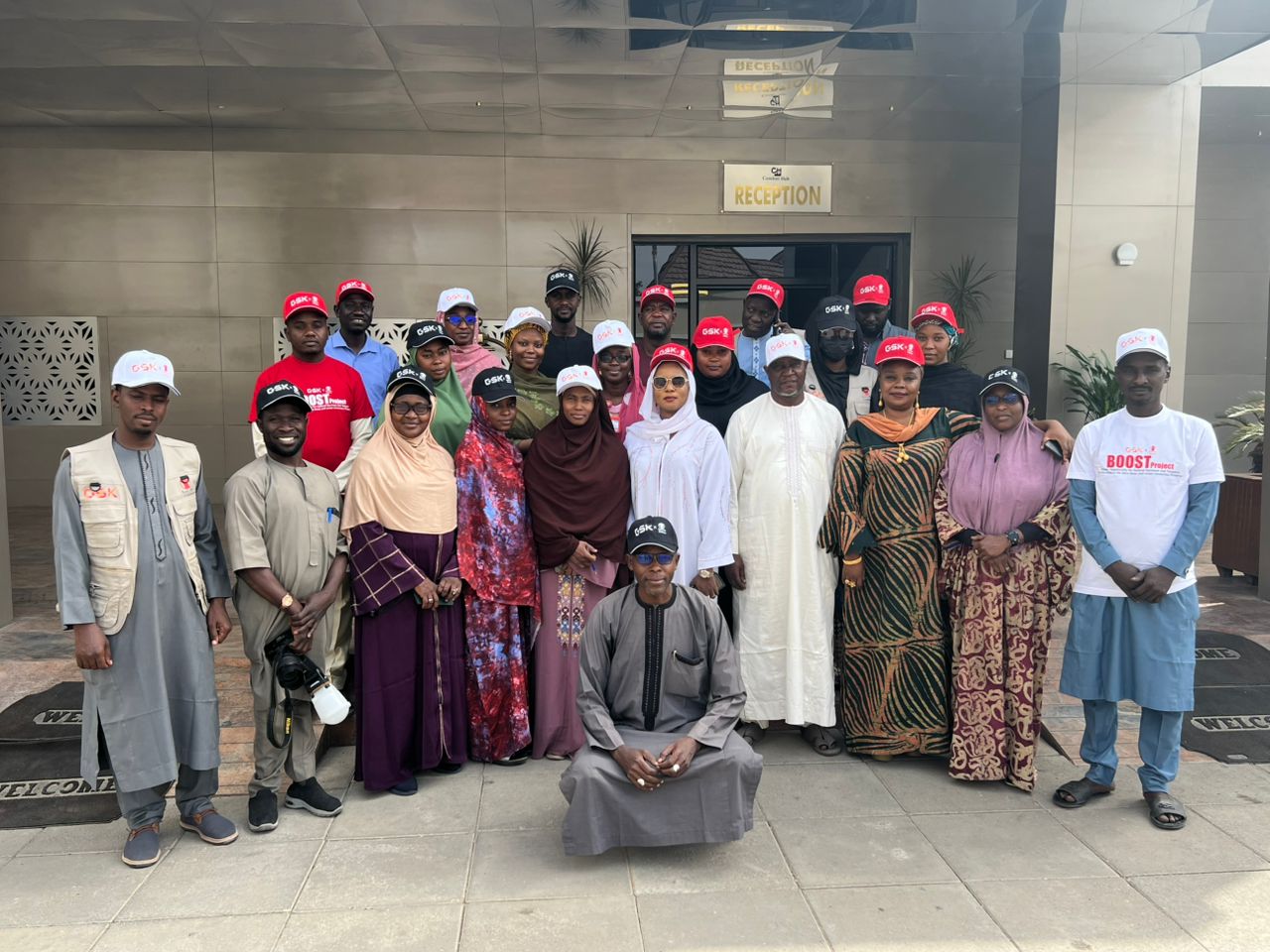
One policy initiative that remains significant was the Artificial Insemination training programme that took selected Fulani youths to Turkey in 2015. Designed to modernise livestock production and enhance economic empowerment, the programme reflected a forward-looking approach to agriculture and conflict prevention.
Read Also:
At 76, Ganduje’s Journey Reflects Service, Leadership and a Life Dedicated to Humanity
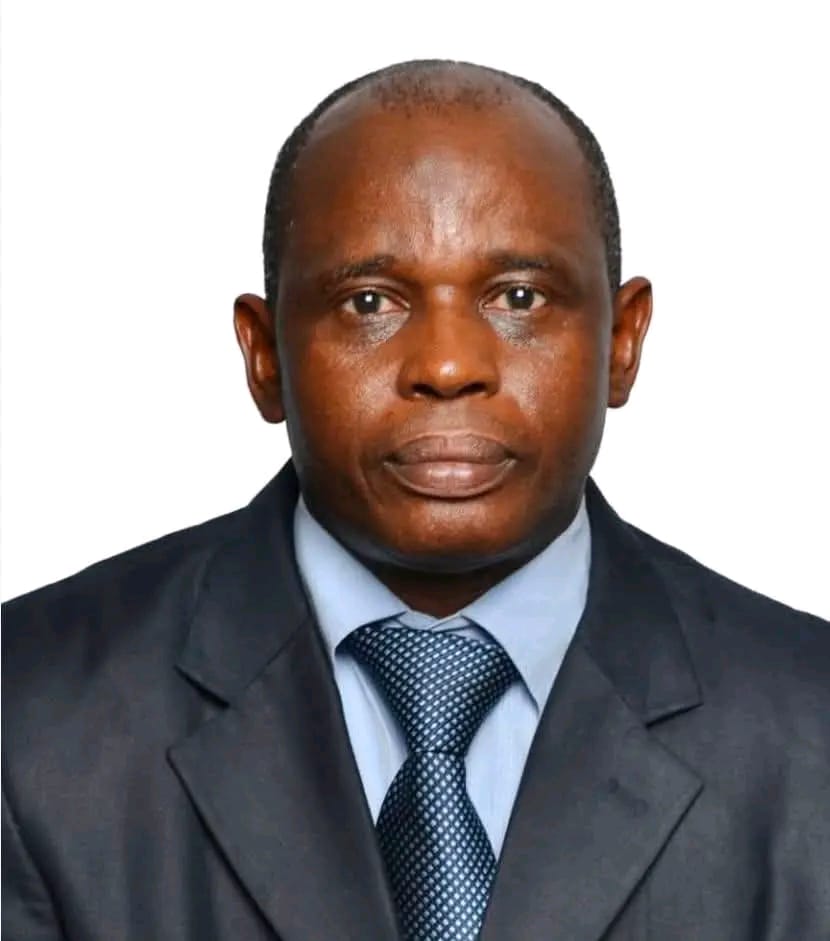
It was through this programme that my own path crossed with Dr. Ganduje. Being selected as one of the Fulani trainees created an opportunity for close interaction with him beyond official protocols. Through that engagement, I encountered a leader whose gentlemanship, accessibility, and interest in human development left a lasting impression. That experience contributed meaningfully to shaping my life, outlook, and sense of responsibility.
Like myself, many individuals across different sectors continue to benefit from his wealth of experience and guidance. His exposure to public administration and academia has given him perspectives that extend beyond politics into the broader understanding of leadership, resilience, and purposeful living.
Among the qualities that consistently attract encomiums is his simplicity. Those who work closely with him often attest that proximity deepens admiration rather than diminishing it. Despite his status, he remains approachable, respectful, and humane. He listens carefully and does not hesitate to apologise when necessary, regardless of age or hierarchy.
In personal interactions, he relates with warmth and humour. Younger associates often engage with him freely, sometimes joking with him like a grandfather. This ease of relationship, rare among public figures of his stature, reinforces his reputation as a leader who values people as much as positions.
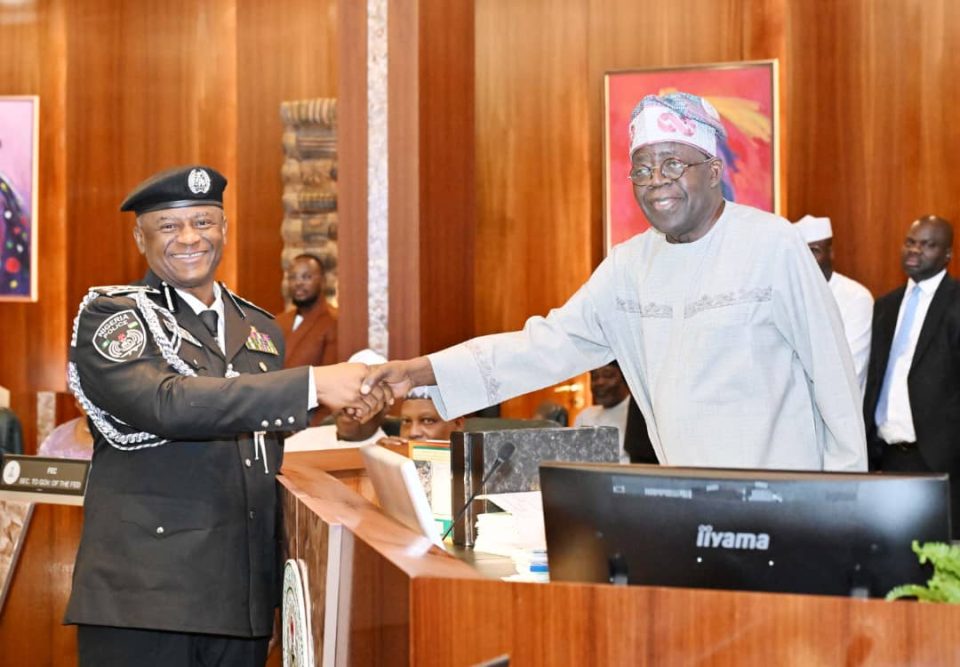
At the national political level, his tenure as APC National Chairman further underscored his relevance and strategic importance. He provided stability and coordination during a critical period for the party, drawing encomiums for political balance, experience, and organisational discipline. His influence continues to be felt within the APC and across the broader political landscape.
Today, Dr. Ganduje remains an active figure in national affairs, offering experience, counsel, and leadership where needed. This tribute is therefore not an adieu, but a recognition of a journey still unfolding — one marked by service, humility, and enduring relevance.
As Nigeria navigates evolving political and socio-economic realities, leaders who combine competence with character remain invaluable. Dr. Abdullahi Umar Ganduje stands as a reminder that authority can coexist with simplicity, and that true leadership is measured not only by offices held, but by lives impacted and values sustained.