

By Abbas Bamalli
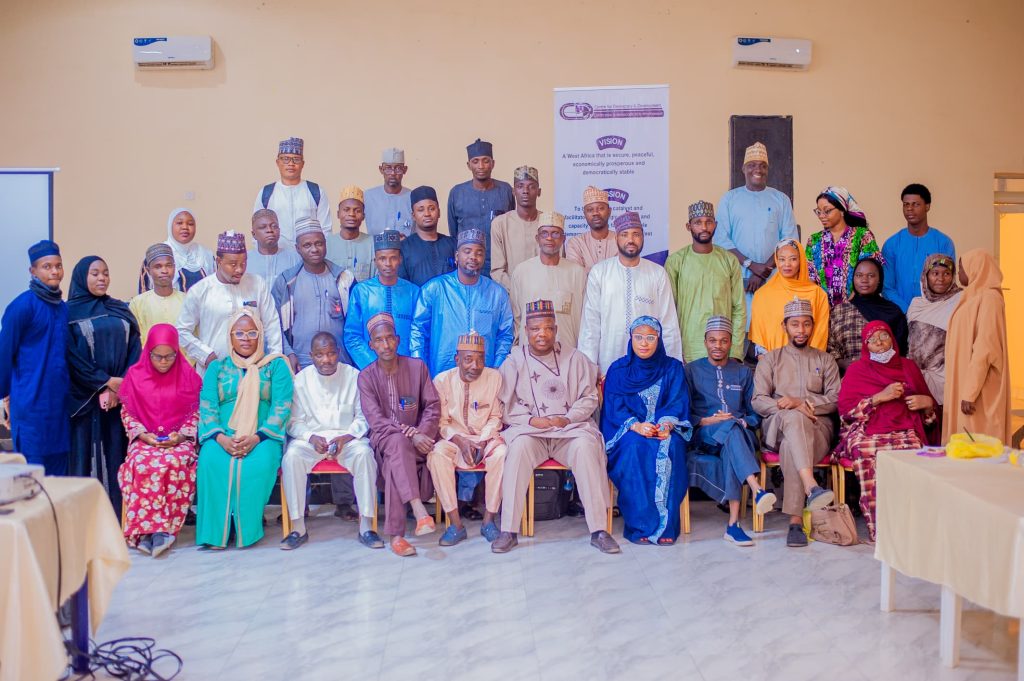
The Centre for Democracy and Development (CDD) West Africa has empowered 40 journalists in Katsina as part of efforts to strengthen media professionalism and promote ethical reporting.
The effort was realised through a two-day capacity-building workshop held in Katsina, designed to strengthen their roles in preventing information manipulation and promoting accurate, responsible public communication.
The CDD Training Coordinator, Mrs Chioma Valerie, explained that the programme was designed to equip journalists with the skills needed to counter misinformation and manage information responsibly.
She noted that a key outcome of the workshop was the development of a corps of journalists capable of contributing to a stable and peaceful society through ethical and accurate reporting.
Read Also:
Lere: A Historic Fulani Settlement and Cultural Crossroads in Southern Kaduna
Kano State Polytechnic Takes Step Toward University-Affiliated PGD Programmes
Why Science College Dawakin Kudu Remains a Pride of Kano’s Educational Heritage
Participants engaged in interactive discussions on strategies for promoting ethical journalism and strengthening public trust in media content.
The sessions explored the concept, purpose and importance of fact-checking, clearly distinguishing it from verification and highlighting how both processes support credible reporting.
The training also addressed the dangers of publishing unverified information, exposing journalists to the potential consequences of misinformation.
Participants were introduced to reputable fact-checking organisations and initiatives, as well as practical methods for assessing source credibility and cross-checking information.
Further sessions focused on verifying images, videos and documents using digital tools and open-source intelligence (OSINT).
Journalists were trained to identify common red flags in misinformation, such as emotional language, false urgency and the absence of clear attribution.
A key trainer at the workshop emphasised the responsibility of media practitioners to actively combat information manipulation.
Participants were encouraged to verify information before publication, promote media literacy among audiences, use accurate and factual headlines, provide context for complex issues and collaborate with credible institutions.
The workshop concluded with discussions on best practices in responsible journalism, equipping participants with practical tools to enhance the quality, accuracy and credibility of media reporting in Nigeria.