The Historica Nigeria

Politics

News, Politics

87 Ebonyi Officials Suspended Without Salary Over Missed State Function

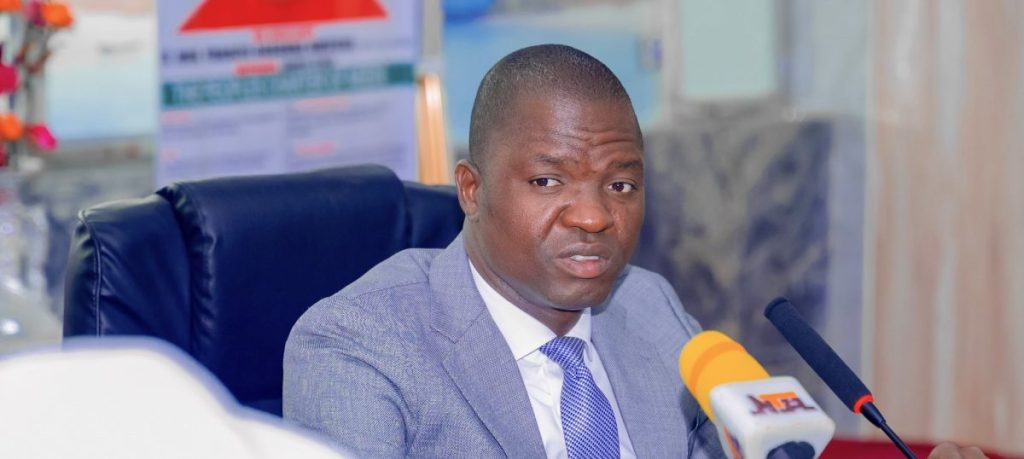
In a sweeping disciplinary action, Governor Francis Ogbonna Nwifuru of Ebonyi State has suspended 87 government officials for their failure to attend a crucial state function. The affected officials include 25 commissioners, 14 senior special assistants, 24 special assistants, and 22 permanent secretaries. The suspension, which takes effect immediately, will last for one month and comes with no salary. Read Also: Kano Governor Promises Renovation of Day Science College After Viral Report A statement issued late Monday by the Chief Press Secretary to the Governor, Mr. Monday Uzor, stated: “The Governor of Ebonyi State, Rt. Hon. Francis Ogbonna Nwifuru, has directed that the underlisted government functionaries proceed on a one-month working suspension without salary for failure to attend an important government function.” The statement also noted that the suspended officials are barred from signing any official documents during the suspension period. Commissioners are expected to hand over to their respective permanent secretaries during their absence. Prominent among those affected are Engr. Stanley Lebechi Mbam, Prof. Leonard Uguru, Dr. Mathew Nwobashi, Prof. Nwogo Obasi, Barr. Ikeuwa Omebe, Chief Sunday Inyima, and Hon. Stanley Ogbuewu. Mr. Uzor emphasized that Governor Nwifuru remains firmly committed to discipline and the enforcement of high standards of public service within Ebonyi State. Observers say the action sends a strong signal on accountability and reinforces the Governor’s zero-tolerance stance on administrative laxity and negligence.

Abuja, Kano, National, Politics

Why They Are Afraid of Dr. Ganduje

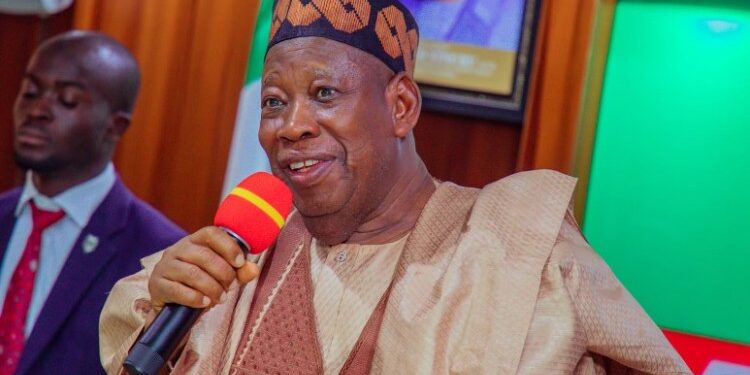
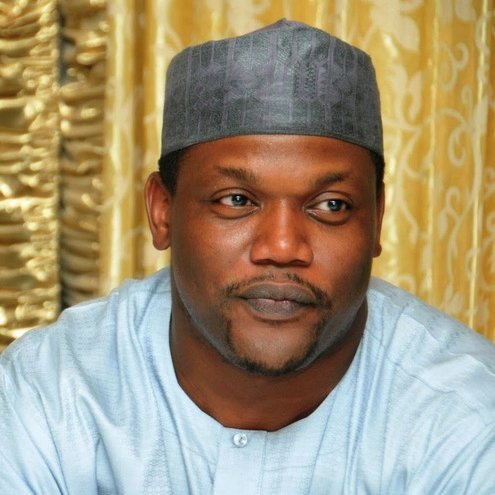
In Nigeria’s volatile and often unpredictable political landscape, few names command the mix of admiration, strategic caution, and persistent relevance quite like Dr. Abdullahi Umar Ganduje, the immediate past National Chairman of the All Progressives Congress (APC) and Chairperson of the Board of the Federal Airports Authority of Nigeria (FAAN). As a former two-term Governor of Kano State and a longtime political tactician, Ganduje’s sustained presence and influence continue to inspire loyalty from allies and fear from opponents. During his tenure as Governor of Kano State from 2015 to 2023, Ganduje implemented bold initiatives in infrastructure, education, and agriculture that reshaped Kano’s development trajectory. Major road interchanges, industrial layouts, and urban renewal projects were completed under his leadership. He also pursued ambitious agricultural reforms, introducing support for irrigation schemes, empowering herders pastoralists through artificial insemination initiatives and developing the Dansoshiya Grazing Reserve with residential units, schools, water supply, veterinary services and security outfit unit. These efforts not only addressed critical needs but also reflected his inclusive approach to governance. Ganduje’s political style is often misunderstood by his critics. Unlike many who chase the spotlight, he tends to move quietly, strategically, and effectively. His ability to build relationships across political, traditional, and regional lines has earned him the reputation of a silent strategist, one who doesn’t need to shout to be heard. His leadership of the APC during a delicate political period is a testament to his resilience and stabilizing presence, even in turbulent times. Related: Ganduje’s Enduring Relevance: A Political Legacy That Transcends Tenure What many of his detractors fear is not irrelevance but influence. Ganduje retains strong grassroots structures across all 44 local government areas of Kano State. These networks are not new; they are the product of decades of political groundwork and community engagement. His enduring presence in the Northwest APC bloc positions him as a key player in any serious national political calculation, particularly ahead of the 2027 elections. His deep ties to traditional rulers, community elders, and youth-based movements make him indispensable in conversations involving Kano, the Northwest, and the broader North. Furthermore, his approach to leadership has consistently balanced capacity with loyalty. He has mentored and empowered a generation of politicians, technocrats, and administrators who continue to rise in both state and federal structures. Many of his former commissioners, aides, and political allies now hold strategic positions in Nigeria’s governance framework, continuing his legacy of institution building and political mentorship. Read Also: Why Ganduje Still Matters: A Power Bloc Too Strategic to Ignore Today, Ganduje remains deeply engaged in national service through his role as Chairperson of the FAAN Board, contributing to aviation sector reforms and infrastructure planning. His alignment with President Bola Ahmed Tinubu’s Renewed Hope Agenda also highlights his ongoing commitment to national development, especially in areas like agriculture, education, and job creation. As Nigeria edges closer to 2027, it becomes increasingly clear that Ganduje is far from done. His influence is not based on past glory, but on present relevance and future potential. He continues to shape conversations, advise on political strategy, and inspire grassroots movements. In a political era where loyalty, experience, and deep networks are invaluable assets, Ganduje stands as one of the few politicians with the full package. It is this quiet resilience, this readiness to re-emerge when least expected, that unsettles his opponents. They are not worried about what he once was, but anxious about what he still is and what he can become. His power lies not in noise but in results. Not in empty rhetoric, but in tested political skill. And not in personal ambition alone, but in a track record of public service that continues to grow. In the end, those who fear Ganduje do so not out of envy, but out of strategic awareness. They recognize his ability to shift the political balance gently, strategically, and with lasting effect. And as history has shown, it is often those who move with subtlety and precision who leave the deepest imprint. Dr. Abdullahi Umar Ganduje remains relevant not because he demands to be, but because he has earned it. Umar Idris Shuaibu writes from Kano. shuaibuumaridris@gmail.com

National, News, Politics

SDP Expels El-Rufai, Bans Him for 30 Years Over Forged Membership Claim

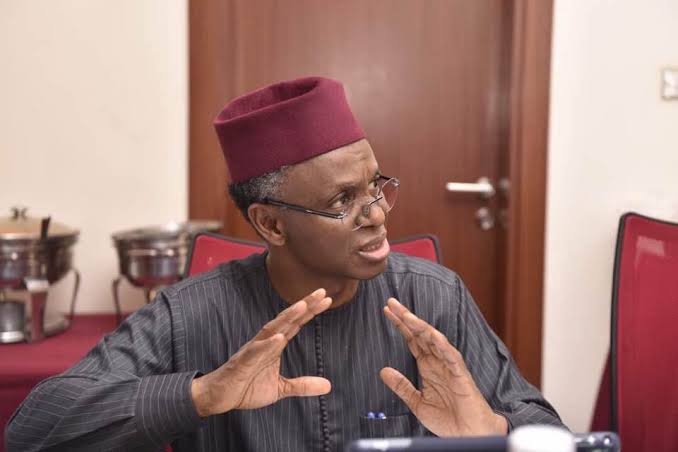
In a dramatic political development, the National Working Committee (NWC) of the Social Democratic Party (SDP) has expelled former Kaduna State Governor, Mallam Nasir El-Rufai, and imposed a 30-year ban on him from participating in any party-related activities. The decision was announced on Monday through a statement signed by the party’s National Publicity Secretary, Araba Aiyenigba, in Abuja. According to the statement, the party accused El-Rufai of impersonating a member, forging party documents, and attempting to destabilize the SDP through unconstitutional and deceptive political maneuvers. The NWC said it acted after a thorough investigation into El-Rufai’s membership claims and activities, which it said threatened the party’s unity and integrity. Read Also: Ganduje’s Enduring Relevance: A Political Legacy That Transcends Tenure “El-Rufai never registered at his ward as required by the party’s constitution but falsely declared on social media that he had joined the SDP,” the statement said. “He went further to forge membership documents and appeared in photo sessions with suspended party officials to reinforce this falsehood.” The party noted that El-Rufai’s actions initially prompted congratulatory messages from party leaders and even a letter of support from the National Publicity Secretary. However, investigations later confirmed that the former governor was never a registered member of the SDP in Kaduna State. The NWC also accused El-Rufai of aligning with the African Democratic Congress (ADC) while trying to drag the SDP into an unapproved coalition. The party described this as a violation of its principles and an act of bad faith. “Having confirmed that he declared for ADC and continued to act contrary to the principles of the SDP, the party has no option but to disassociate from him,” the statement added. As a result, the party declared El-Rufai ineligible to associate with the SDP in any capacity for the next 30 years. It urged the Independent National Electoral Commission (INEC) and other relevant authorities to take note that he is not a member and cannot speak or act on behalf of the party. The SDP reaffirmed its commitment to internal democracy and national development, encouraging prospective members to join the party through legal and transparent means. El-Rufai had recently announced his resignation from the All Progressives Congress (APC), citing a growing disconnect between his personal values and the party’s direction. He had claimed to have defected to the SDP, a move now rejected by the party.

Adamawa, National, Politics

Former Adamawa Governor Bindow Dumps PDP, Set to Join ADC Coalition

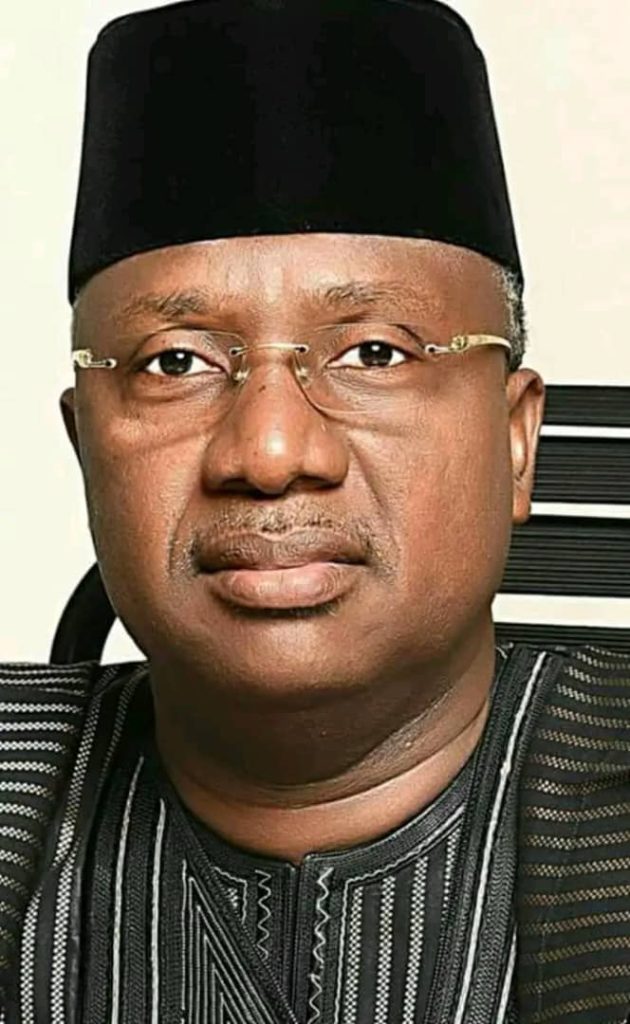
In a major political shift, former Adamawa State Governor, Rt. Hon. Mohammed Umaru Jibrilla Bindow, has officially resigned from the Peoples Democratic Party (PDP), signaling his intention to align with a new political movement ahead of the 2027 general elections. Bindow, who governed the state between 2015 and 2019, confirmed his resignation in a letter addressed to the PDP leadership in his ward in Mubi North Local Government Area. He cited a strategic reorientation as the basis for his decision to leave the party. Sources close to the former governor disclosed that Bindow is set to join the African Democratic Congress (ADC) coalition, a growing alliance of political figures positioning themselves as an alternative to the ruling All Progressives Congress (APC) and the PDP. Read Also: Ganduje’s Enduring Relevance: A Political Legacy That Transcends Tenure Analysts say Bindow’s departure could significantly impact the political dynamics in Adamawa, especially with the ADC steadily attracting disgruntled power players from both major parties. His official defection is expected to be announced at an upcoming ADC coalition meeting, where party leaders are set to unveil a renewed national strategy with Bindow taking a prominent role. The move adds to the unfolding realignments shaping Nigeria’s political landscape as the 2027 elections draw nearer.

Feature, Kano, National, Politics

Ganduje’s Enduring Relevance: A Political Legacy That Transcends Tenure

As Nigeria steadily approaches the 2027 general elections, one political figure whose influence remains undiminished is Dr. Abdullahi Umar Ganduje, immediate past National Chairman of the All Progressives Congress (APC) and former two-term Governor of Kano State. For those underestimating Ganduje’s relevance especially those attempting to create room for Kano opposition elements within the ruling party, it is important to note that success in the political terrain of Kano is difficult, if not impossible, without engaging his deep-rooted network and vast political capital. Ganduje’s name commands respect across the four corners of Kano State. His brand of politics of calm, calculated, and people-centered has built a lasting political structure that continues to influence appointments, policies, and alliances within and beyond the state. Related: Why Ganduje Still Matters: A Power Bloc Too Strategic to Ignore While party politics welcomes new entrants for the sake of expansion, it must not neglect foundational pillars of the party. Even President Bola Ahmed Tinubu, during his recent remarks, did not conclude without acknowledging Ganduje’s efforts in strengthening the APC, particularly through the establishment of the Progressive Institute. Dr. Ganduje’s leadership legacy is now visibly extending through his children and long-time loyalists. Engr. Umar Abdullahi Umar Ganduje, currently serving as Executive Director at the Rural Electrification Agency (REA), is increasingly recognized for his quiet but effective leadership. Calm in delivery and precise in focus, many view him as a natural heir to Baba Ganduje’s legacy. His ability to remain focused, deliver results, and build consensus mirrors the very traits that defined his father’s political success. Similarly, Dr. Asiya Ganduje has emerged as a rising force in public service. Her recent appointment as a Director in the Northwest Development Commission (NWDC) has further confirmed her credentials. Known among colleagues for her intellectual sharpness and administrative skill, many who have worked with her testify that “she is more than ten in terms of capacity.” Read Also: How Kano People Missed Dr. Ganduje Beyond the family, Ganduje’s influence is evident in the growth of individuals he mentored into public prominence. Dr. Sanusi Sa’id Kiru, who currently holds the position of Director of Training and Programmes at the Progressive Institute in Abuja, is a product of this mentorship. Likewise, the Minister of State for the FCT, Dr. Mariya Mahmoud Bunkure, continues to reflect the discipline and commitment instilled by Ganduje’s school of political grooming. What distinguishes Ganduje is not just the power he holds, but the way he uses it is to empower others, to create opportunities, and to leave a legacy rooted in capacity-building. He is one of the few political figures whose success is measured not only by personal accomplishments but also by the achievements of those he has nurtured. As the nation heads toward the next general election, Ganduje’s political relevance remains intact. His name echoes in every corner of Kano’s political sphere and continues to command loyalty across different strata of governance. With his children and protégés steadily climbing the ladder, Ganduje’s legacy is not only alive but evolving. Umar Idris Shuaibu writes from Kano.

National, News, Plateau, Politics

Meet the New APC National Chairman, Yilwatda

Prof. Nentawe Goshwe Yilwatda has emerged as the new National Chairman of the All Progressives Congress (APC), succeeding Dr. Abdullahi Umar Ganduje, the immediate past governor of Kano State, who resigned from the position citing health concerns. Yilwatda, a former APC governorship candidate in Plateau State, is widely regarded as a technocrat with deep roots in engineering, governance reform, and party politics. Born on August 8, 1968, in Dungung, Kanke Local Government Area of Plateau State, he is the son of the late Reverend and Mrs. Toma Yilwatda. He studied Electrical/Electronic Engineering at the Federal University of Agriculture, Makurdi, graduating in 1992. He later earned a Master’s degree from Abubakar Tafawa Balewa University, Bauchi, and a PhD in Digital Systems Engineering from the University of Nigeria, Nsukka. Read Also: Why Ganduje Still Matters: A Power Bloc Too Strategic to Ignore Yilwatda has also undergone international training in e-governance at the United Nations University in Macau, China. During the 2023 general elections, he served as the Plateau State Coordinator for the Tinubu/Shettima Presidential Campaign and contested the governorship election under the APC. Although he lost to the PDP, he challenged the outcome in court and later accepted the Supreme Court’s verdict. Within the APC, Yilwatda maintains a strong alliance with former Plateau State Governor and now Senator, Simon Lalong. He was initially tipped for a ministerial appointment and later nominated as Minister of Humanitarian Affairs and Poverty Alleviation before emerging as the party’s substantive national chairman. His appointment is viewed by political observers as a strategic move by the party to blend technocratic expertise with political leadership as the APC charts its course under President Bola Ahmed Tinubu’s administration.

National, News, Politics

Yilwatda Tipped as Likely Successor to Ganduje as APC National Chairman

Former Independent National Electoral Commission (INEC) Commissioner and current Minister of Humanitarian Affairs, Nentawe Goshwe Yilwatda, has reportedly emerged as the leading contender to become the next National Chairman of the All Progressives Congress (APC), according to reports by The Sun newspaper. Though an official announcement is yet to be made, sources revealed that Yilwatda’s emergence followed behind-the-scenes consultations involving President Bola Ahmed Tinubu and APC governors during a closed-door meeting held at the Presidential Villa on Wednesday night. His likely emergence is expected to bring an end to weeks of speculation surrounding the leadership of the ruling party, following the resignation of the immediate past National Chairman, Dr. Abdullahi Umar Ganduje, who stepped down citing health reasons. Read Also: Why Ganduje Still Matters: A Power Bloc Too Strategic to Ignore A member of the APC’s National Working Committee (NWC), who spoke anonymously, said the party is tilting toward a candidate with a “more democratic outlook” rather than a traditional political heavyweight. The source added that Yilwatda’s consideration was also influenced by the desire to ensure religious balance within the party’s leadership structure. Yilwatda, who contested the 2023 Plateau State governorship election under the APC platform, currently serves as the Minister of Humanitarian Affairs. He previously served as INEC Resident Electoral Commissioner in Benue State following his appointment in 2017. He hails from Dungung in Kanke Local Government Area of Plateau State and was born on August 8, 1968. An engineer by training, he is registered with the Council for the Regulation of Engineering in Nigeria (COREN) and is a member of several professional associations including the Nigerian Society of Engineers and the Solar Society of Nigeria. If confirmed, Yilwatda’s elevation would mark a significant shift in the party’s leadership dynamics, combining technocratic experience with political exposure.

Kano, National, Politics

Why Ganduje Still Matters: A Power Bloc Too Strategic to Ignore

As Nigeria’s political compass tilts once again in the direction of realignment, Kano State long regarded as the heart of Northern politics is drawing renewed national attention. At the center of this quiet but consequential reshuffling is the former New Nigeria Peoples Party (NNPP) Presidential Candidate in the 2023 elections, Senator Rabiu Musa Kwankwaso, who is reportedly making aggressive moves to return to the ruling All Progressives Congress (APC). But amidst the unfolding drama, a critical oversight is surfacing, the strategic neglect of Dr. Abdullahi Umar Ganduje, former Governor of Kano State and immediate past National Chairman of the APC. Political narratives being pushed by some actors are downplaying Ganduje’s relevance. Yet, nothing could be further from the truth particularly in a state as politically layered and complex as Kano. Dr. Ganduje is not a product of sudden influence or short-lived popularity. His journey spans over four decades in civil service and public administration. A trained technocrat with advanced knowledge in public administration and planning, he rose steadily through the bureaucracy before venturing into mainstream politics. He served as Commissioner, Deputy Governor, and ultimately two-term Governor of Kano State, each role marked by a legacy of quiet but strategic governance. Read Also: How Kano People Missed Dr. Ganduje What separates Ganduje from many of today’s political actors is his administrative depth. His background in civil service shaped his leadership style, pragmatic, detailed, and policy-focused. His ability to blend bureaucratic understanding with grassroots politics earned him respect across several layers of governance. During his tenure as governor, he tackled infrastructural gaps, introduced policy reforms in health and education, among others. One of his far-sighted interventions remains his proactive approach to the herders-farmers crisis, long before it became a federal priority. Ganduje launched a grazing reserve project in Dansoshiya Forest and sent 60 Fulani youths to Turkey to study artificial insemination, aiming to modernize livestock breeding in Northern Nigeria. His initiatives and policy papers in this direction helped shape the foundation for the establishment of the Federal Ministry of Livestock Development under the administration of President Bola Ahmed Tinubu, a ministry that is set to transform the livestock value chain and elevate the economic base of herders across Nigeria. His brief but eventful leadership of the APC at the national level was a continuation, not a climax of his political journey. He helped manage internal party tensions, stabilized post-election structures, and coordinated seamlessly with the presidency. His leadership may have concluded formally, but the political influence, networks, and credibility he cultivated remain very much intact. Those who mistake his exit from the national party chairmanship as a loss of relevance are missing the broader picture. Ganduje has simply returned to a more calculated position, one that allows him to focus on local and regional dynamics without abandoning his national influence. In Kano, anyone who has governed for eight years leaves behind not just a legacy but a loyal structure. Ganduje’s political machinery remains deeply rooted in ward, local government, and state-level institutions. From lawmakers to traditional leaders, many who rose during his administration still owe him allegiance. What some in Abuja fail to understand is that Kano is not a one-man show. It is a multi-bloc political environment. Each bloc whether Kwankwasiyya, Gandujiyya, or others holds sway over a different segment of the electorate. Ignoring one in favor of the other risks destabilizing the delicate balance that keeps the APC competitive in Northern Nigeria’s most populous state. President Bola Ahmed Tinubu, a grandmaster of political calculations, must tread carefully. Elevating Senator Kwankwaso’s bloc at the expense of Ganduje’s will not unite Kano, it will fracture it further. The notion that Ganduje has lost grip is largely a narrative pushed by his rivals, many of whom are motivated by their own ambitions rather than party cohesion. Rather than sideline him, the presidency and party stakeholders should re-engage Ganduje as a tested strategist and reliable northern political force. His contributions to APC’s national stability, his civil service experience, and his loyal base in Kano make him a vital part of any lasting political arrangement. In truth, Dr. Abdullahi Umar Ganduje remains a man with unmatched political stamina deeply experienced, quietly calculating, and still commanding influence where it matters most. His relevance is not just in the past it is embedded in the very dynamics of the present and future political landscape of Northern Nigeria. Umar Idris Shuaibu is a journalist and writes from Kano.

National, News, Politics

Muhammed Babangida Denies Rejecting Appointment as BoA Chairman

Muhammed Babangida has officially accepted his appointment as Chairman of the Bank of Agriculture (BoA), expressing deep gratitude to President Bola Ahmed Tinubu for the confidence reposed in him. This was conveyed in a statement signed by Dada Olusegun, Special Assistant to the President on Social Media, and made available on Monday. Babangida also debunked earlier reports circulating online which claimed he had turned down the appointment. He described the claims as false and malicious, saying they were deliberately fabricated to mislead the public and smear the image of the Tinubu administration. Read Also: Kano Gets Major Slots in Tinubu’s New Appointments “We wish to clarify that Muhammed gratefully accepts the appointment as Chairman of the Bank of Agriculture, as announced by the Federal Government, and extends his sincere appreciation to President Tinubu for the trust and confidence placed in him,” the statement read in part. The statement further assured the public that those responsible for the misinformation would be investigated and brought to book. “We also want to assure the public that those spreading these falsehoods will be thoroughly investigated and brought to justice. We remain committed to transparency, accountability, and fostering unity within our nation,” it added. The statement reiterated with a call on Nigerians to remain discerning and verify information from credible sources. Muhammed Babangida’s appointment was among several strategic roles recently approved by President Tinubu to strengthen leadership across critical government institutions.

Kano, News, Politics

Court Dismisses Suit Seeking to Halt Statutory Allocations to Kano LGAs

A Federal High Court sitting in Kano has dismissed a suit filed by Abdullahi Abbas, a chieftain of the All Progressives Congress (APC), and one other person, seeking to stop the disbursement of statutory allocations to the 44 Local Government Areas of Kano State. The suit, filed by Abbas, Aminu Aliyu-Tiga, and the APC through their counsel, Sunday Olowomoran, was brought via a motion ex parte dated October 28 and filed on November 1, 2024. This was conveyed in a statement issued by the court today, following the ruling of Justice Simon Amobeda. Read Also: How Kano People Missed Dr. Ganduje The respondents in the suit include the Central Bank of Nigeria (CBN), the Federal Account Allocation Committee (FAAC), Revenue Mobilization Allocation and Fiscal Commission (RMAFC), the Accountant-General of the Federation, Minister of Finance, Auditor-General of the Federation, and the Attorney-General of the Federation. Others listed as respondents were the Secretary to the Government of the Federation (SGF), Kano State Government, Attorney-General of Kano State, Kano State Independent Electoral Commission (KANSIEC), and the 44 local governments in Kano State. The plaintiffs had asked the court to declare that the 12th to 55th respondents were not democratically elected, as required under Section 7(1) of the 1999 Constitution (as amended). They also sought an order restraining the Federal Government, CBN, and the Accountant-General from releasing statutory funds to the Kano LGAs. In his ruling, Justice Amobeda cited Order 50 Rules 3, 4, and 5 of the court, noting that although a notice of discontinuance was filed, it came after a hearing date had been fixed. “To avoid resuscitating the case in the future, the proper order to make is to dismiss the case. In view of this, leave is hereby granted to the applicants to withdraw the case. The suit is hereby dismissed with no cost,” the judge ruled. Earlier, applicants’ counsel, Sunday Olowomoran, on behalf of lead counsel Abdul Adamu-Fagge, SAN, made an oral application to withdraw the suit, informing the court that the matter had already been appealed and the appellate court ruled on June 30 that the Federal High Court lacked jurisdiction, directing the matter to the Kano State High Court. In their responses, various counsels to the respondents urged the court to dismiss the suit with substantial costs. Counsel to the CBN and RMAFC, B. D. Uche and S. G. Ahmad, demanded N1 million each in costs. Counsel to the Attorney-General of the Federation, Tajudeen Abdullahi, sought N2.5 million in costs. Bashir Yusuf-Muhammad, representing the Kano State Government, requested N2 billion, while Kano Attorney-General’s counsel, Sani Mustafa-Dauda, demanded N5 million. Counsel to KANSIEC, Ibrahim Wangida, urged the court to dismiss the suit, not strike it out, stating that the commission suffered “psychological and physical trauma” during the case. He requested N2 million in costs. Counsel to the 44 LGAs, Eyitayo Fatogun, SAN, also sought N2 million, while counsel for the 44 elected LG chairmen, Mustapha Hussaini, demanded N44 million in damages. The News Agency of Nigeria (NAN) recalls that on October 23, 2024, the same court halted the conduct of Kano local government elections earlier scheduled for October 26, 2025, until KANSIEC is properly reconstituted, following a prior court ruling that dissolved the commission for partisanship.

Scroll to Top