The Historica Nigeria

National

Kano, National, News, Religious

Ganduje Foundation Pledges Continued Support for Humanitarian and Religious Outreach

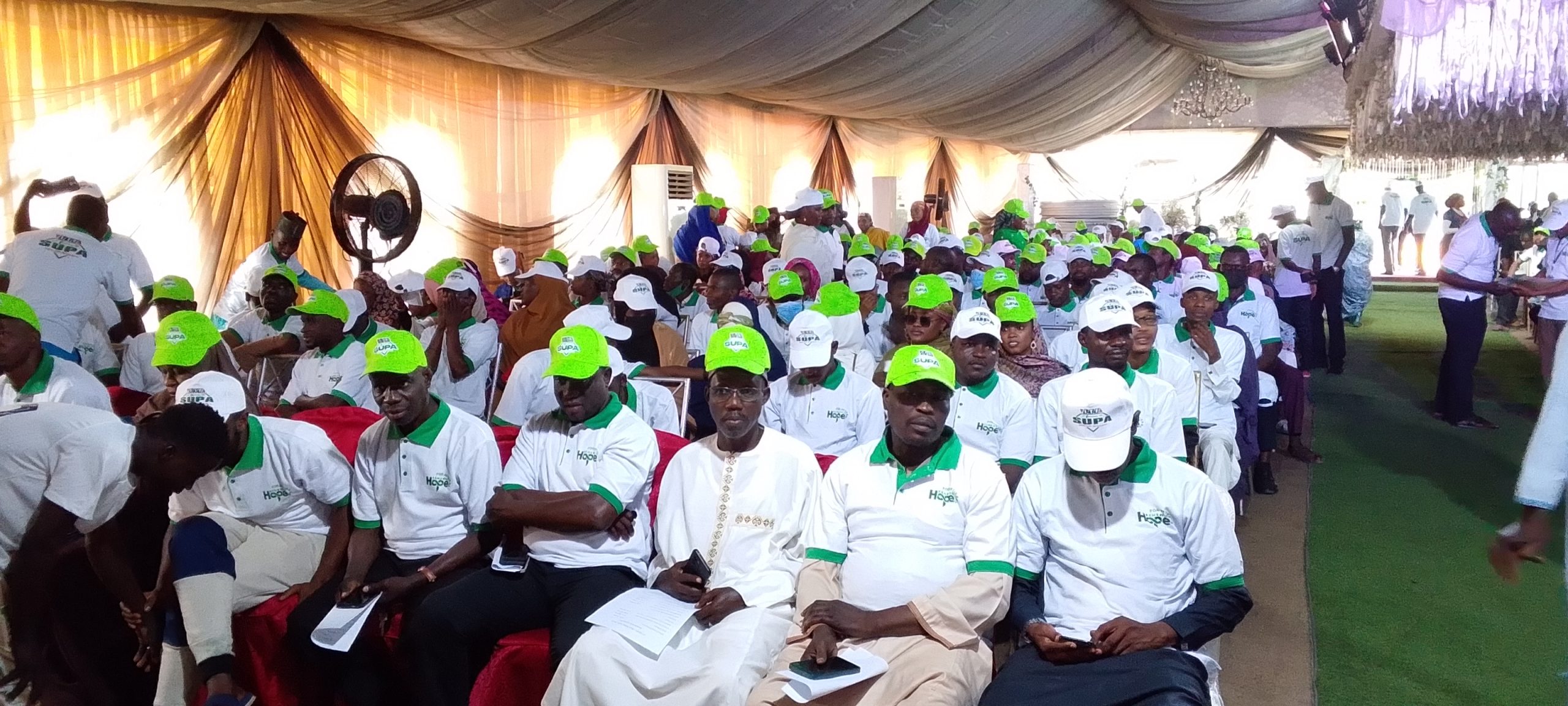
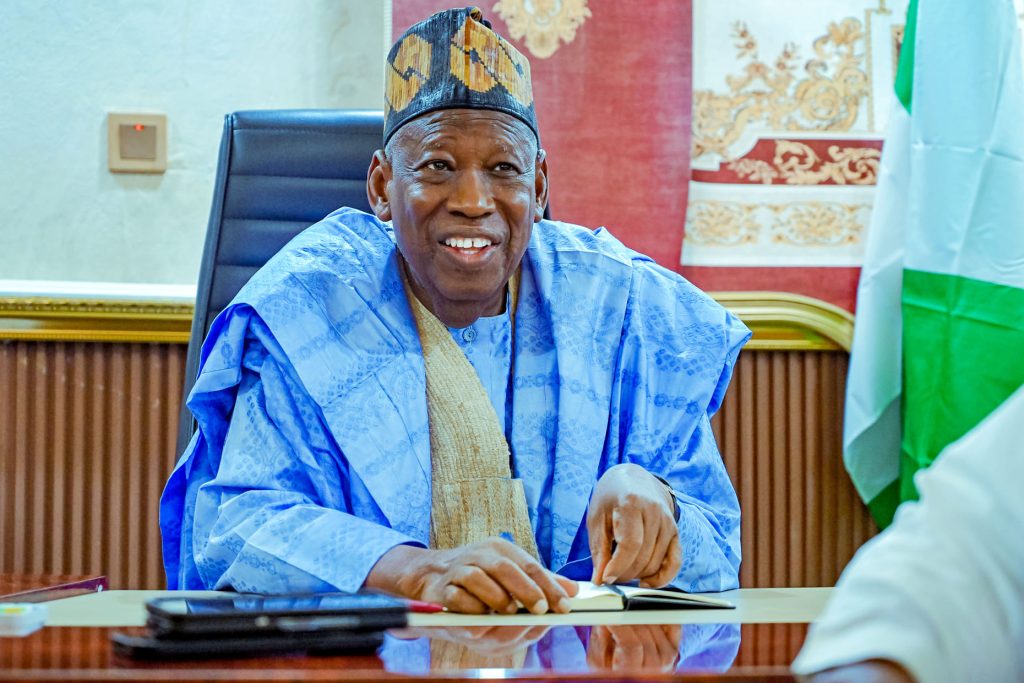
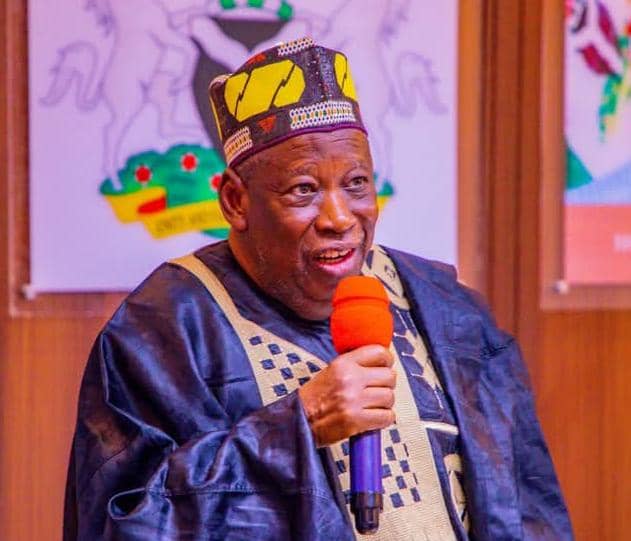
As part of its continued philanthropic efforts and religious outreach, the Ganduje Foundation has reaffirmed its total commitment to its operations in Kano State and across the nation. This was disclosed by the Director of Public Affairs and Communications of the Foundation, Malam Nuhu Gudaji, during an interview with journalists. According to Gudaji, since its establishment, the Ganduje Foundation under the leadership of its founder, Dr. Abdullahi Umar Ganduje has made significant investments in the construction of schools and mosques, as well as in supporting individuals who choose to embrace Islam. Read Also: APC’s Rising Star: The Woman Ganduje Trusted with the Future “The Foundation has been actively involved in community development, and our efforts deserve commendation to ensure the continuation of these important projects,” he said. He further revealed that the Foundation recently facilitated the conversion of 45 individuals to Islam, providing them with new clothing and a financial package of N20,000 each to support their well-being. Gudaji also urged the public to continue offering prayers for the health and success of Dr. Ganduje, praising his dedication and vision for humanitarian and religious development.

Agriculture, Feature, Kaduna, Kano, National

Beyond the Headlines: The Untold Truth behind Nigeria’s Herders-Farmers Clashes

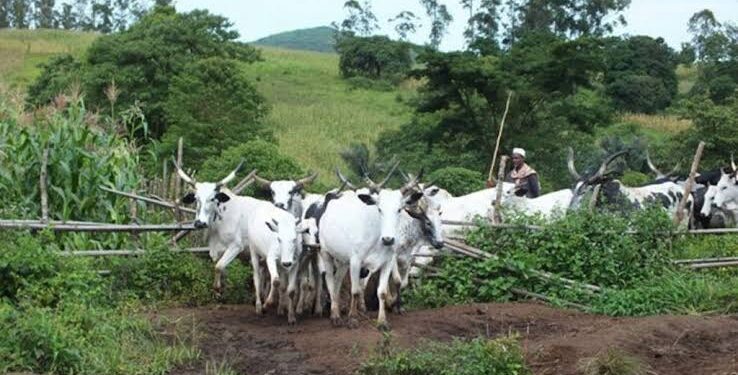
Umar Idris Shuaibu, Kano In the open plains and forests of Nigeria, a silent war has been simmering for years not of politics or power, but of land, survival, and silence. The herders-farmers conflict has too often been reduced to a tribal fault line, a religious divide, or criminal chaos. But these simplifications betray the truth. At the heart of this crisis lies a broken promise one owed to the Fulani pastoralists and to the farmers whose lives depend on the soil. And no one is innocent: not the state, not the media, and certainly not the traditional leaders entrusted to guard the peace.   Forgotten Grazing Reserves, Abandoned Routes Years ago, Nigeria had a system imperfect but working. Grazing reserves and cattle routes were mapped and maintained. Fulani herders moved with their livestock, guided by seasonal knowledge and mutual understanding with farming communities. Read Also: Mu’az Magaji: “26 Years of Democracy in Nigeria, A Journey Worth Reflecting On” Then came neglect. The cattle routes began to vanish overtaken by real estate, agriculture, and urban expansion. Traditional leaders, once responsible for protecting these routes and reserves, looked away. Some traded silence for political favor, others lacked the will or means to act. The fallout was predictable disorder and dispute.   Climate, Conflict, and the Collapse of Order Desertification and population growth pushed herders further south. With no designated routes, they entered farmlands. Farmers, facing the destruction of their crops, fought back. Without state mediation or proactive governance, friction turned into fire. This isn’t just about cows and corn. It’s a humanitarian crisis displacing families, destroying livelihoods, and feeding deep ethnic mistrust.   The Misjudged Fulani Narrative The Fulani are often vilified in mainstream storytelling accused broadly and unjustly. Yes, violent incidents have occurred. But many forget the herders who lose cattle to rustling, the youths gunned down in disputes, or the elders beaten far from home. The media has failed here. Stories are told with bias. The farmer’s plight is humanized; the herder’s loss is minimized. But both bleed, and both deserve justice. A Rare Example of Political Will It’s not all silence. Some leaders have tried. In 2015, Dr. Abdullahi Umar Ganduje, former Governor of Kano State and himself a Fulani, took bold steps. Recognizing the root of the crisis, he launched a program to modernize livestock development. He sent 60 Fulani youths to Turkey for training in artificial insemination techniques, aiming to reduce nomadic grazing by improving local productivity. Unfortunately, the initiative was poorly managed by the Ministry of Agriculture and Natural Resources. But Ganduje didn’t stop there. He established a settlement in Dansoshiya Forest, where he built 25 housing units for Fulani herders. The settlement was thoughtfully designed and included essential amenities such as schools for children, a clean water supply for both human and livestock use, veterinary services to support animal health, and provisions for sustainable cultivation of grass and herbs to ensure year-round feeding. To enhance safety and stability, a police and security outpost was also incorporated, serving as a hub for peacebuilding and conflict resolution within the community. This wasn’t just infrastructure, it was a vision of coexistence. A way to bring herders into stable communities while preserving their livelihood and reducing conflict. In addition, Kano State under Dr. Ganduje conducted a Fulani headcount, the first of its kind identifying both resident and nomadic populations. This data formed the basis of a landmark report submitted to the Federal Government, which contributed directly to the establishment of the Federal Ministry of Livestock Development in Abuja. That effort was guided by a committee chaired by Prof. Attahiru Jega, former INEC chairman, with members drawn from Fulani associations, academia, tribal communities, journalists, and civil society which form a model of inclusive policymaking.   Nigeria’s Worst-kept Secret This is a national crisis and Nigeria is the worst-hit country in Africa when it comes to herders-farmers conflict. What began as an ecological challenge has evolved into a political, economic, and humanitarian disaster. And still, few are telling the full story.   A Call for Historical Justice If peace is to return, the truth must be told. Not just the truth of who struck first, but of who neglected first. To address the root causes of the herders-farmers crisis and build lasting peace, we must take decisive and coordinated actions. First, there is a need to reestablish and protect grazing reserves, ensuring they are properly demarcated and maintained. Alongside this, we must legally secure the traditional cattle routes and invest in modernizing pastoralism to reduce dependence on seasonal migration. It is also essential to hold both political and traditional leaders accountable for past neglect and future responsibilities. Furthermore, the media must undergo a reform to ensure ethical, fair, and balanced coverage, particularly in stories involving pastoral communities. Lastly, Nigeria must encourage and replicate bold, grassroots solutions like the Dansoshiya settlement project, which offer practical models for peaceful coexistence and economic development. This story must be more than a headline. It must be a turning point. The herders-farmers conflict is not just a tale of clashes over land, it is a mirror of our national failure to protect the vulnerable, to preserve inherited systems, and to tell stories with fairness. For too long, the Fulani narrative has been told by others often unfairly, often incompletely. But history does not forgive silence. It remembers those who spoke when it mattered. If we are to build a peaceful, united Nigeria, we must first acknowledge the truths buried under decades of neglect, failed leadership, and distorted headlines. We must amplify the voices that have long been drowned, and tell stories complete stories that reflect the full picture. This is not just journalism. It is justice. It is not just reporting. It is remembrance. And it is not just history. It is a path forward. Umar Idris Shuaibu is a digital journalist based in Kano. He can be reached via email at shuaibuumaridris@gmail.com.  

Abuja, Feature, Kano, National, Politics

APC’s Rising Star: The Woman Ganduje Trusted with the Future

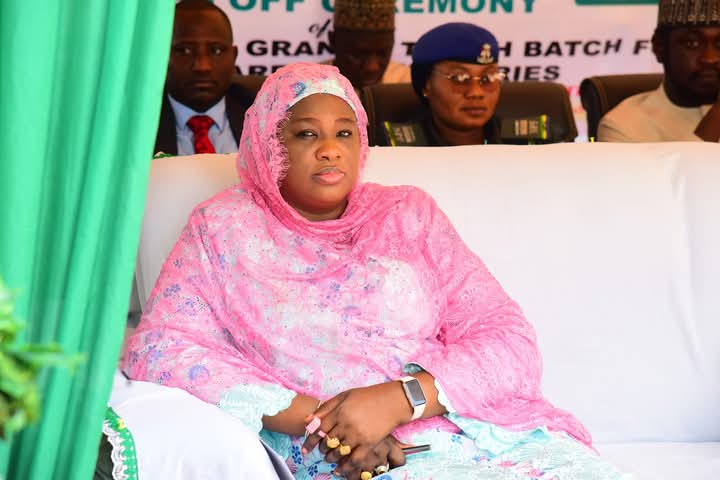
Within the rich tapestry of Nigeria’s public service, few stories reflect consistency, discipline, and rising influence like that of Dr. Mariya Mahmoud Bunkure, the current Minister of State for the Federal Capital Territory (FCT). Her journey from a Commissioner in Kano State to a key figure in Nigeria’s federal cabinet is not just a tale of political ascension, it’s a testament to purposeful service, strategic alignment, and a passion for grassroots development. Born in the historic town of Bunkure in Kano State, Dr. Mariya Mahmoud’s early life was steeped in education, community service, and the values of discipline and humility. Trained as a medical doctor, she brought her professional insights into governance when she was appointed Commissioner for Higher Education in Kano State under the administration of Dr. Abdullahi Umar Ganduje. During her tenure as Commissioner, Dr. Mariya stood out for her calm resolve and administrative foresight. At a time when Kano’s higher education sector was faced with funding challenges, infrastructural gaps, and the need for curricular reform, she championed policies that improved institutional governance and promoted access, especially for female students. Her ability to blend professionalism with political acumen quickly earned her the respect of colleagues and constituents alike. Read Also: Dr. Ganduje Undertakes Hajj Amid Rising Political Influence It was this performance and loyalty that placed her firmly in the trust circle of Dr. Ganduje, then Governor of Kano State and now the National Chairman of the All Progressives Congress (APC). As Ganduje’s national influence widened, so did the prospects of those he mentored. Dr. Mariya’s elevation to the national stage as Minister of State for the FCT under the administration of President Bola Ahmed Tinubu can be traced to a political trajectory rooted in merit, trust, and northern regional representation. At the FCT Ministry, Dr. Mariya now holds a significant portfolio overseeing policy implementation, urban development, and service delivery in Nigeria’s capital. Her approach has been inclusive and participatory, often engaging with stakeholders from traditional institutions, civil society, and the private sector. Whether addressing sanitation in satellite towns, reviewing land allocation procedures, or supervising school health programs, she carries her medical and administrative experience into every detail. Observers note her calm but firm style, which contrasts with the bustling and sometimes chaotic political landscape of Abuja. She is often described as the “silent engine” behind some of the Ministry’s grassroots-focused reforms, particularly those relating to women empowerment and youth engagement in the FCT’s area councils. In the wider context of Nigerian politics, Dr. Mariya Mahmoud’s story also highlights the growing relevance of Kano State as a breeding ground for national leadership. Under Ganduje’s leadership, several Kano-born technocrats and politicians have moved into key federal roles, a sign of the former governor’s long-term strategy to plant loyal, competent allies across the federal structure. Yet, despite her growing influence, Dr. Mariya remains relatively media-shy, choosing to let her work speak for her. Her aides describe her as diligent, prayerful, and deeply committed to public service. “She sees politics not just as a platform for power, but as an opportunity to heal communities, improve lives, and leave a legacy,” one staff member noted. As Nigeria navigates complex national challenges from urban planning to education and healthcare reform, the presence of focused leaders like Dr. Mariya Mahmoud Bunkure provides a glimmer of hope. For young girls in Kano and beyond, her story is a living proof that with education, integrity, and dedication, the journey from Bunkure to Abuja is not just possible, but attainable. Dr. Mariya Mahmoud Bunkure’s rise from the heart of Kano State to the corridors of power in Abuja is a remarkable example of determination, service, and strategic leadership. Her journey underscores the importance of competence over rhetoric, and dedication to public service above personal gain. As the Minister of State for the FCT, she remains an embodiment of the values instilled in her during her years in Kano values that continue to guide her work as she addresses the needs of the capital’s diverse communities. With her vision and quiet resolve, Dr. Mariya is poised to leave an indelible mark on Nigeria’s urban development and public policy, offering a model of leadership for future generations.

National, News, Politics

Mu’az Magaji: “26 Years of Democracy in Nigeria, A Journey Worth Reflecting On”

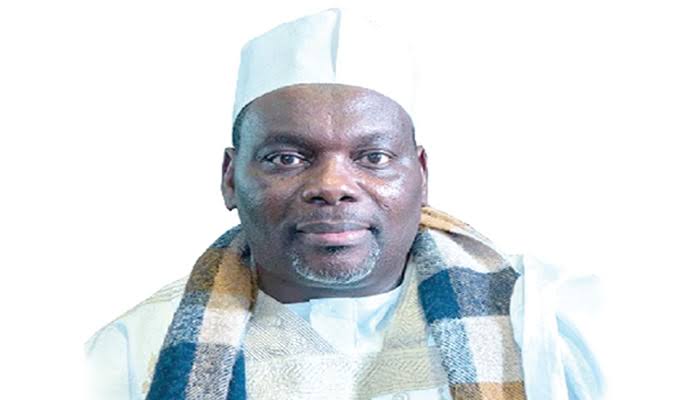
Political activist and former Kano State Commissioner for Works and Infrastructural Development under the administration of Dr. Abdullahi Umar Ganduje, Engr. Mu’az Magaji, popularly known as Dan Sarauniya, has described Nigeria’s 26 years of uninterrupted democracy as a significant journey though with mixed results. In an exclusive interview with The Historica Nigeria, Magaji commended the progress made in parts of the country, particularly in the South, while expressing disappointment at the North’s inability to fully harness the opportunities democracy offers. He praised states such as Lagos, Akwa Ibom, Rivers, Enugu, Anambra, and Abia for embracing democratic values and translating them into tangible development outcomes. Read Also: June 12: Tinubu Cancels Democracy Day Broadcast “These states have come to understand the importance of democracy and good governance. Their leaders prioritize development and economic progress. They believe their growth is in their own hands and are committed to improving the lives of their people,” he said. Magaji pointed out that these states have significantly increased their Internally Generated Revenue (IGR) and built strong local economies capable of sustaining governance even without federal allocations. “Their IGR continues to grow. They have positioned themselves to maintain governance independently. Even without federal funds, they can stand on their own,” he added. However, Magaji lamented the state of governance in Northern Nigeria, describing it as a region still struggling to understand and maximize the benefits of democracy. “It is unfortunate that many northern states have not yet grasped democracy as a tool for transforming lives. Instead, leadership is often used as a means of personal enrichment rather than public service,” he stated. He criticized the mismanagement of federal allocations in the North, warning that such a path could lead to economic instability and future dependence crises. “Governors in the North often spend federal allocations recklessly, focusing more on self-interest than public interest. This is unsustainable and poses a serious threat to the region’s long-term development.” Magaji cautioned that as southern states continue to strengthen their local economies, the North risks being left behind if it fails to take similar steps. “The future might no longer guarantee continuous federal allocations. We must start preparing to be self-reliant by investing in our economy, education, healthcare, and infrastructure.” He reiterated by calling for a return to the leadership values of Nigeria’s founding fathers, urging both leaders and citizens to prioritize competence, vision, and integrity. “We must emulate great leaders like Sir Abubakar Tafawa Balewa and Sir Ahmadu Bello, the Sardauna of Sokoto—leaders who governed with purpose, discipline, and a deep sense of responsibility. Democracy should be our pathway to progress, not a tool for personal gain.” Magaji emphasized that the only way to redirect the country’s future is by electing visionary and responsible leaders who genuinely serve the people and the nation.

Abuja, National, News

June 12: Tinubu Cancels Democracy Day Broadcast

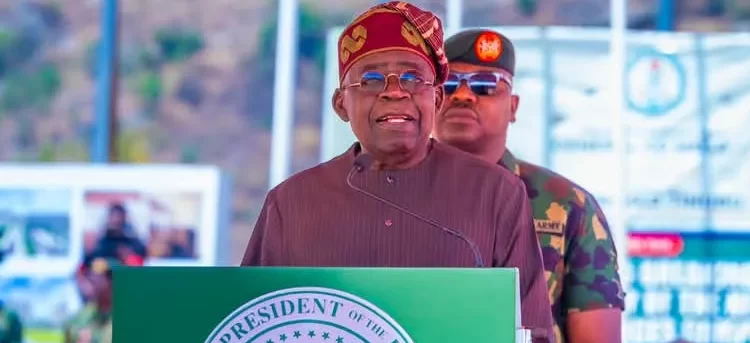
President Bola Tinubu has cancelled the planned national broadcast earlier scheduled for Thursday, June 12, in commemoration of Nigeria’s 26th Democracy Day anniversary. Instead, he will deliver his Democracy Day address before a special joint session of the National Assembly. Read Also: Ganduje’s APC: The Party That’s Swallowing the Opposition The change was announced in a statement issued on Wednesday by the Director of Information and Public Relations in the office of the SGF, Segun Imohiosen.

Abuja, Kano, National, Politics

Ganduje’s APC: The Party That’s Swallowing the Opposition

Umar Idris Shuaibu, Kano Since his emergence as National Chairman of the All Progressives Congress (APC), Dr. Abdullahi Umar Ganduje has quietly engineered a political shift that is redefining the party’s strength and reshaping Nigeria’s broader political landscape. Known for his calm, consultative, and strategic leadership style, Ganduje has fostered internal cohesion within the APC while steadily drawing high-profile figures from rival parties into its fold. Under his stewardship, a wave of defections has swept through the political terrain. From governors and senators to federal and state legislators, opposition heavyweights are increasingly finding a new political home in the APC. Many cite Ganduje’s inclusive approach, stability-focused leadership, and non-combative style as key attractions. Unlike some political figures who court publicity, Ganduje has quietly pursued a strategy rooted in reconciliation, grassroots mobilization, and party unity. He has avoided factionalism, choosing dialogue and accommodation over divisive rhetoric. Observers and party insiders alike believe this approach has catalyzed a realignment of political forces across the country. Read Also: APC’s Rising Star: The Woman Ganduje Trusted with the Future Party loyalists describe this new phase as unprecedented in the APC’s recent history. According to them, the influx of defectors reflects Ganduje’s political maturity, discipline, and commitment to building a truly national institution. “Ganduje is not leading with ego or noise,” one party insider remarked. “He’s leading with wisdom and strategy. That’s what is winning hearts—even among the opposition.” The past several months have seen a series of notable defections. Governors, former governors, and senators who once criticized the APC have now embraced the party, pointing to Ganduje’s reconciliatory tone and the party’s renewed sense of direction. At the National Assembly, at least five lawmakers from opposition parties have officially crossed over to the APC. In states like Plateau, Benue, Bauchi, Enugu, and Cross River, politicians who previously stood firmly with rival parties are now speaking of “true leadership” within the APC. Even in the South-East and South-South traditionally challenging regions for the party the Ganduje-led APC is gaining traction. Ganduje’s rise to chairmanship was seen by many as a stabilizing move, endorsed by party elders, governors, and key stakeholders eager to resolve internal crises. Since assuming the role, he has focused on internal healing before projecting strength outward, a formula that is paying political dividends. His leadership is markedly different from past party heads. As a former deputy governor, governor, and long-serving public administrator, Ganduje brings institutional experience, regional sensitivity, and a collaborative spirit to the role. His record of managing Kano one of Nigeria’s most politically dynamic states is seen as a microcosm of his ability to navigate national complexities. Significantly, Ganduje’s interactions with opposition defectors have been structured around long-term integration rather than short-term reward. Reports suggest new entrants are encouraged to contribute to party structures and grassroots development, rather than being enticed with appointments or patronage. This approach has minimized internal friction, preserved the loyalty of existing members, and ensured a smoother absorption of newcomers. While many past defections triggered internal strife within the APC, Ganduje’s leadership has created a welcoming yet balanced environment retaining old allies while embracing new converts. It’s a rare equilibrium that political observers say is fueling the APC’s expansion as opposition parties grapple with disunity. The sentiment resonates beyond APC ranks. A former PDP senator from the North-Central region who recently joined the APC told Daily Trust that Ganduje’s leadership style influenced his decision. “We weren’t necessarily opposed to APC’s policies,” he said. “We were uncomfortable with how the party was managed. Under Ganduje, that has changed. There’s a new sense of professionalism, fairness, and vision.” Similar endorsements have come from youth leaders in the South-East, who visited the APC headquarters to show support. They praised Ganduje’s leadership as “inclusive, mature, and stabilizing.” Despite these achievements, Ganduje has refrained from criticizing past party leaders. Instead, he has built on their legacies, refined internal processes, and emphasized unity over blame. This restraint, according to stakeholders, has protected the party from internal explosions that often rock large political organizations. Looking ahead to the 2027 general elections, Ganduje’s leadership is repositioning the APC as the party of choice for both relevance and refuge. While challenges remain such as managing pre-primary ambitions, delivering on government promises, and maintaining cohesion across state chapters, the party is regaining lost confidence under his direction. Supporters insist Ganduje is not merely managing the party but laying the groundwork for institutional stability and national inclusiveness. “You can’t talk about today’s APC without acknowledging the quiet leadership of Dr. Ganduje,” a top party official said. “He doesn’t need to shout. His results speak. People are joining not because of pressure, but out of conviction.” Indeed, from Abuja to the states, one conclusion is emerging: Ganduje’s professional and inclusive leadership is not just stabilizing the APC, it is transforming it into a magnetic force, steadily consuming the opposition. Umar Idris Shuaibu is a digital journalist and writes from Kano. He can be reached at shuaibuumaridris@gmail.com.
Scroll to Top