The Historica Nigeria

National

Feature, National

Ganduje, Kuku Lead Nigeria’s Airports Into a New Era

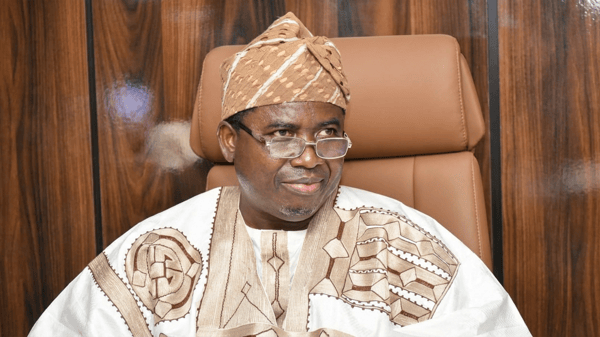
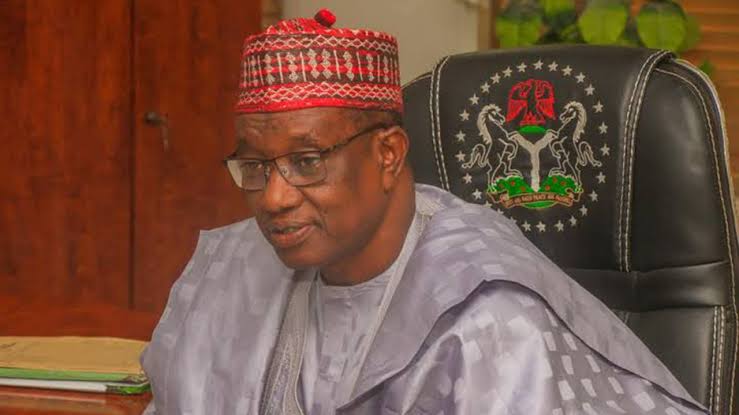
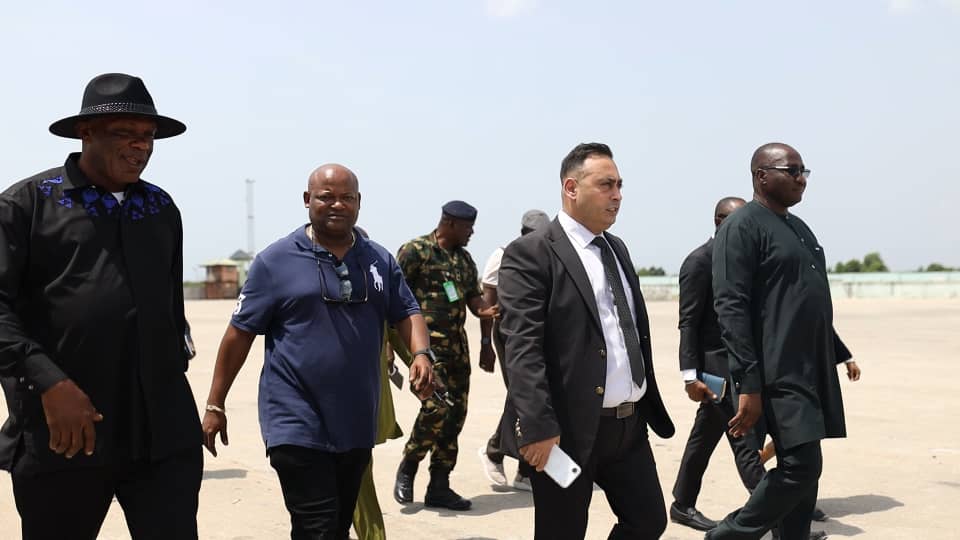
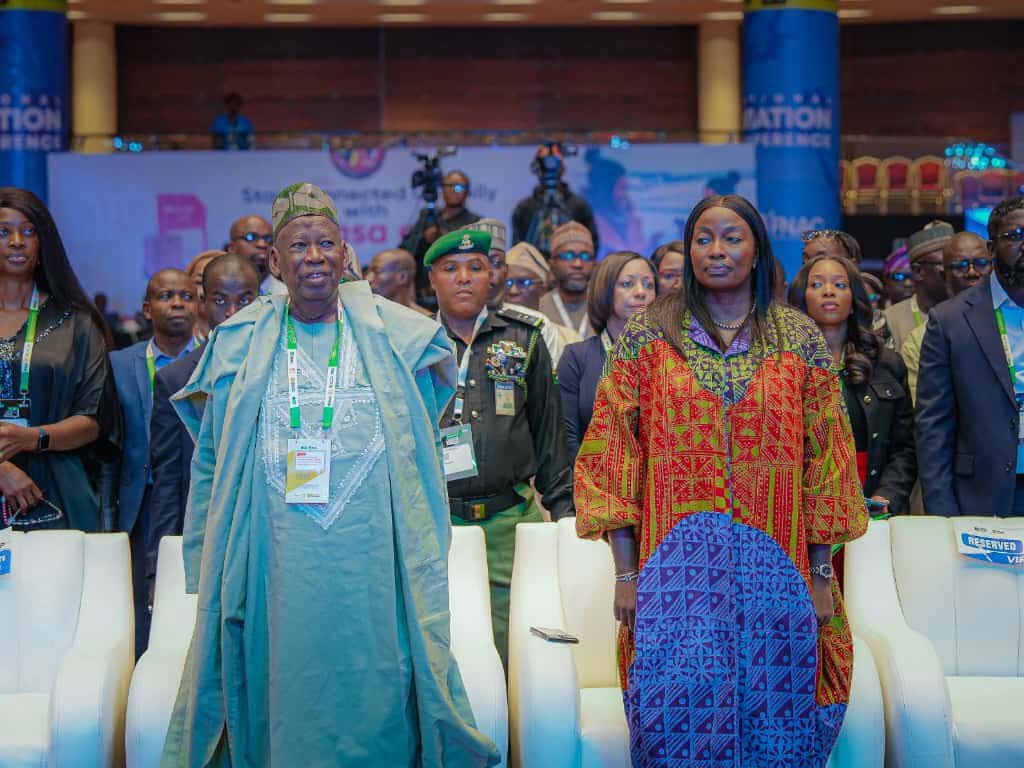
By Umar Idris Shuaibu, Kano Since assuming leadership of the Federal Airports Authority of Nigeria (FAAN) in late 2023, Managing Director Olubunmi Kuku has steered the Authority through one of the most consequential periods in its history. Confronted with legacy infrastructure deficits, systemic revenue leakages, operational inefficiencies, and declining passenger confidence, FAAN embarked on a reform trajectory reflecting a shift from reactive management to structured transformation. Two years into this leadership phase, FAAN is showing signs of operational stabilisation and renewed institutional direction anchored on a combination of experienced board oversight and execution-focused management.  Strategic Board Oversight At the apex of FAAN’s governance structure is His Excellency Dr. Abdullahi Umar Ganduje, the immediate past National Chairman of the All Progressives Congress (APC) and Chairperson of the FAAN Board. His role has been strategic, providing policy guidance, institutional balance, and oversight at a time when the aviation sector required steady leadership and reform continuity. Dr. Ganduje’s board leadership ensures FAAN’s reforms align with national aviation policies, fiscal discipline, and international compliance standards, creating an enabling environment for management to implement operational reforms effectively. Infrastructure and Operational Renewal FAAN’s reform agenda has prioritised high-impact capital projects aimed at restoring operational integrity across major airports. Notable milestones include the rehabilitation of Runway 18R/36L and Taxiway B at MMIA, Lagos, expansion of the Domestic Terminal, and commissioning of premium lounges all enhancing passenger flow and comfort. The ongoing MMIA Rehabilitation and Expansion Project represents a record investment in Nigerian aviation infrastructure, integrating advanced terminal systems and airside upgrades. Read Also: At 76, Ganduje’s Journey Reflects Service, Leadership and a Life Dedicated to Humanity Ganduje Inspects Malam Aminu Kano International Airport, Promises Revival of Abandoned Projects FAAN National Aviation Conference 2025 Concludes With Focus On Safety, Security, and Profitability Upgrades extend nationwide, with new airfield lighting systems at Enugu and Ilorin, domestic terminal expansion in Minna, and power and HVAC improvements at Kano, Katsina, and Jos. These interventions signal a shift from cosmetic refurbishments to comprehensive operational resilience. Human Capital: People at the Centre of Transformation Beyond infrastructure, FAAN has made human capacity development a core pillar of its strategy. Over the past two years, more than 3,000 employees have been trained and certified in aviation security, firefighting, airport operations, and engineering. Leadership development initiatives, such as the Airport Management Professional Accreditation Programme (AMPAP) and ICAO’s TrainAirPlus program, have upskilled FAAN personnel, aligning workforce capabilities with international standards. Training initiatives have also been complemented by global exposure through partnerships with institutions like the Nigerian College of Aviation Technology (NCAT) and ATOM Training Services, Dubai. The impact is measurable: enhanced staff morale, improved risk management, and increased readiness for upcoming ICAO audits, positioning Nigeria’s airports to meet 21st-century operational demands. Security, Safety, and Compliance FAAN has adopted a technology-driven security architecture, integrating Smiths Detection systems, extensive CCTV networks, and digital radios, improving situational awareness and emergency response. Recent aerodrome recertifications at Mallam Aminu Kano, and Port Harcourt International Airports reflect these reforms, with FAAN achieving four fully certified international gateways for the first time. Financial and Digital Transformation Financial sustainability has been strengthened through legacy debt recovery, implementation of the Regularisation Policy, and adoption of Microsoft Business Central ERP, improving transparency and real-time performance monitoring. These measures align with board-level oversight and executive accountability. Passenger-Centric Services Passenger experience reforms include lounge refurbishments, mother-and-child facilities, dedicated support for passengers with reduced mobility, and simplified complaint resolution mechanisms embedding a passenger-first ethos in daily operations. Green Mobility and Sustainable Aviation In a landmark initiative, FAAN introduced zero-emission electric transit services at Nnamdi Azikiwe International Airport, Abuja, in partnership with Possible Electric Mobility and Zeut Energies. The project, commissioned by Dr. Ganduje alongside Mrs. Kuku, deployed electric buses and sedans to provide seamless mobility for passengers and staff while reducing greenhouse gas emissions. The initiative forms part of broader sustainability measures, including energy-efficient lighting, solar-powered terminal illumination, and improved waste recycling processes. FAAN’s commitment to gradual transition to green energy solutions underscores its focus on environmental responsibility, energy efficiency, and alignment with global best practices in airport operations. Global Engagement and Strategic Partnerships FAAN’s international footprint has expanded through partnerships with the Nigerian Export Promotion Council (NEPC), Nigerian Shippers’ Council, and hosting of the third FAAN National Aviation Conference (FNAC), which brought state governors, investors, and international aviation experts together. Nigeria is increasingly positioned as a hub for continental aviation discourse, thanks in part to Olubunmi Kuku’s role as Vice President of Airports Council International (ACI) Africa. Consolidating Transformation Through Governance Synergy The ongoing transformation of FAAN demonstrates the importance of synergy between strategic board oversight and executive management. Under the board chairmanship of Dr. Ganduje and the leadership of Olubunmi Kuku, FAAN is navigating reforms with a balance of continuity, professionalism, and operational excellence. As the Authority enters its next phase, institutionalising reforms, sustaining service quality, advancing sustainability, and strengthening public communication remain central. With current momentum, Nigeria’s airports are poised to become globally competitive hubs of connectivity, safety, and economic growth.
Health, National, News

How JOHESU Suspended Its 84-Day Nationwide Strike After FG Conciliation Talks

Health workers under the Joint Health Sector Unions have suspended their nationwide strike, bringing an end to an industrial action that lasted 84 days and severely disrupted healthcare services across Nigeria. The decision was reached at the end of an expanded emergency meeting of the union’s National Executive Council held in Abuja on Friday, following a conciliation meeting with the Federal Government at the headquarters of the Federal Ministry of Labour and Employment. In a communiqué issued after the meeting, the union said the strike was suspended to allow for the implementation of the agreed terms of settlement reached with the Federal Government. The strike, which began on November 15, 2025, paralysed activities in government-owned hospitals nationwide, leaving patients stranded and forcing many Nigerians to seek medical care from private facilities or alternative sources. The Joint Health Sector Unions represent health professionals working in pharmacies, medical laboratories, and other allied and support departments within public health institutions. According to the union, discussions at the conciliation meeting focused on long-standing grievances, particularly the delayed adjustment of the Consolidated Health Salary Structure, based on the report of a Technical Committee submitted in 2021. Read Also: KASPA Implements Free Healthcare Programme for Vulnerable Kano Residents Arewa Health Promotion Initiative Enrolls 300 Children Back to School, Distributes Learning Materials in Kano Pharmacist Sule Lauds Governor Yusuf Amid DMCSA Achievements As part of the resolutions, it was agreed that ongoing collective bargaining agreement negotiations would comprehensively address identified defects, gaps, and implementation failures between 2009 and 2026. The union added that unresolved issues relating to salary adjustments would form the foundation of the negotiations and would be handled exclusively by its members without delay. The union also disclosed that budgetary provisions for the salary adjustment must be included in the 2026 Appropriation Act, using the existing template provided by the Federal Government’s Technical Committee established by the Ministry of Health in 2021. Other agreements reached include the immediate withdrawal of the “no work, no pay” directive issued during the strike, as well as the prompt payment of January 2026 salaries to affected members. The union further insisted that no member who participated in the strike should face victimisation, sanctions, or intimidation. Following deliberations, the expanded National Executive Council unanimously voted to suspend the indefinite strike to enable the full implementation of the settlement terms. In its conclusion, the union expressed appreciation to prominent Nigerians, labour organisations, professional bodies, and traditional rulers who intervened to help resolve the dispute in the national interest. It also thanked Nigerians for their patience and understanding throughout the period of the strike. The union noted that recurring injustice and a widening trust deficit between health workers and authorities contributed to the prolonged industrial action, expressing hope that governments at both federal and state levels would act responsibly to prevent a recurrence of such disruption in the future.

National, News

2026 Convention: APC Appoints Masari, Reassigns Uzodimma

The All Progressives Congress has reconstituted the leadership of its 2026 National Convention Central Coordination Committee, appointing former Katsina State Governor, Aminu Bello Masari, as the new chairman. In the revised arrangement, Imo State Governor, Hope Uzodimma, who was earlier named to head the committee, has been reassigned to serve as treasurer. The ruling party also announced an expansion of the committee’s membership from 73 to 90 members, a move it said was aimed at accommodating more party stakeholders ahead of the planned national convention. Read Also: APC Unveils 73-Member Committee For March National Convention Among the newly added members are Senator Barry Mpigi and other prominent chieftains of the party. According to the party, the reconstitution forms part of a broader review of the committee’s composition to reflect zoning considerations and address other strategic exigencies connected to the preparations for the 2026 national convention. The party maintained that the adjustments were necessary to ensure inclusiveness and effective coordination as it intensifies preparations for the convention.

Feature, National

“The Road of Broken Promises”: Documentary Probes Kaduna–Abuja Highway Crisis

A new investigative documentary has raised fresh concerns over the prolonged delay and rising human cost associated with the reconstruction of the Kaduna–Abuja highway, revealing that more than 200 people were killed in road crashes along the route between 2023 and 2025, with hundreds more sustaining injuries. The documentary, titled “The Road of Broken Promises,” was produced by Political Advantage Platform, a digital media organisation and producer of The PAPShow podcast. It was released earlier this week and has since sparked renewed public debate on accountability and infrastructure delivery. According to the documentary, despite billions of naira reportedly expended on the highway project, the critical road corridor which links Nigeria’s capital to the northern region remains incomplete, exposing motorists to persistent danger. The production combines documented facts, field investigations, expert analysis, and interviews, tracing the history of the project from the initial contract award to the series of delays that have characterised its execution. Read Also: Lere: A Historic Fulani Settlement and Cultural Crossroads in Kaduna Of particular concern are revelations from former engineers of Julius Berger, who provided insider accounts on the project’s early stages and operational challenges. The documentary also details efforts made by the producers to obtain responses from Julius Berger and the Federal Ministry of Works, highlighting issues of transparency and public communication. The documentary further alleges that the company currently handling the project lacks a functional website, verifiable email address, or identifiable physical office, raising questions about oversight and due diligence in the award and continuation of the contract. Political Advantage Platform described the documentary as an exposé aimed at drawing national attention to the safety implications, governance gaps, and humanitarian consequences of delayed infrastructure projects. Members of the public are encouraged to watch the full documentary on the YouTube channel of Political Advantage Platform and across its social media platforms under the handle @papshowng. Link: https://youtu.be/hXjQRYj7Ae8?si=HYJddclfEN90vhjo

National, News

Association of Radiographers Rejects Illegal Appointment of Board Registrar

The Association of Radiographers of Nigeria has restated its firm position on the ongoing process for the appointment of the Registrar and Chief Executive of the Radiographers Registration Board of Nigeria, insisting that the exercise must strictly comply with the provisions of the law. The position was taken at a duly convened meeting of the Council of the Association held on January 30, 2026, in Kano, in collaboration with the Advisory and Radiography Stakeholders Committee. In a press statement signed by the President of the Association, Musa Y. Dambele, and the National Secretary, Alhaji Modu Ali, the Association said it remains fully committed to the rule of law, due process, and professional self-governance as provided under the Radiographers Registration Act, Laws of the Federation of Nigeria, 2004. The Association explained that the enabling Act, particularly Section 7 subsection one, clearly vests the authority to appoint the Registrar or Secretary of the Board in the Governing Board of the Radiographers Registration Board of Nigeria, with mandatory institutional involvement of the Association of Radiographers of Nigeria. According to the Association, any recruitment or appointment process conducted outside a duly constituted Governing Board is inconsistent with the provisions of the Act regulating the profession. Read Also: Retreat: BUK Professor Advocates Ethical, Inclusive Digital Journalism Engineers Urged to Harness Northwest Biomass as COREN Demands Certified Leadership Censorship Board Mediates Fulani Concerns, Builds Cooperation With Filmmakers Following extensive deliberations, the Council of the Association unanimously ratified and endorsed its earlier letter to the Federal Ministry of Health and Social Welfare, titled Appeal for the Constitution of the Governing Board of the Radiographers Registration Board of Nigeria and Request for Suspension of the Ongoing Recruitment Exercise for the Position of Registrar or Secretary of the Board, describing it as the collective and official position of the Association taken in good faith and in defence of the law. The Association also rejected any illegal, backdoor, administrative, or extra-statutory screening, shortlisting, or appointment process for the position of Registrar or Chief Executive of the Board that does not strictly comply with the enabling Act. It further called for the immediate inauguration of the Governing Board of the Radiographers Registration Board of Nigeria to enable it lawfully discharge its statutory responsibilities, including the transparent appointment of a substantive Registrar or Chief Executive, particularly as the tenure of the current Registrar draws to a close. The Association stressed that all its actions on the matter are guided solely by the need to protect institutional integrity, professional autonomy, and public confidence in radiographic practice in Nigeria. It clarified that its position is not adversarial and is not directed at any individual or institution, but is driven purely by respect for the law and the long-term interest of the profession and the Nigerian health system. The Association of Radiographers of Nigeria reiterated its commitment to constructive engagement with the Federal Government and all relevant stakeholders, while reserving its right to pursue all lawful means to prevent any action capable of undermining the statutory framework governing the radiography profession. The Association concluded by calling on all stakeholders to support a lawful, inclusive, and credible process in the appointment of the Registrar and Chief Executive of the Radiographers Registration Board of Nigeria, assuring the Federal Government and the Nigerian public of its continued cooperation in advancing quality healthcare delivery and professional standards in the country.

National, News, Politics

INEC Expands Political Space, Laments Declining Voter Turnout

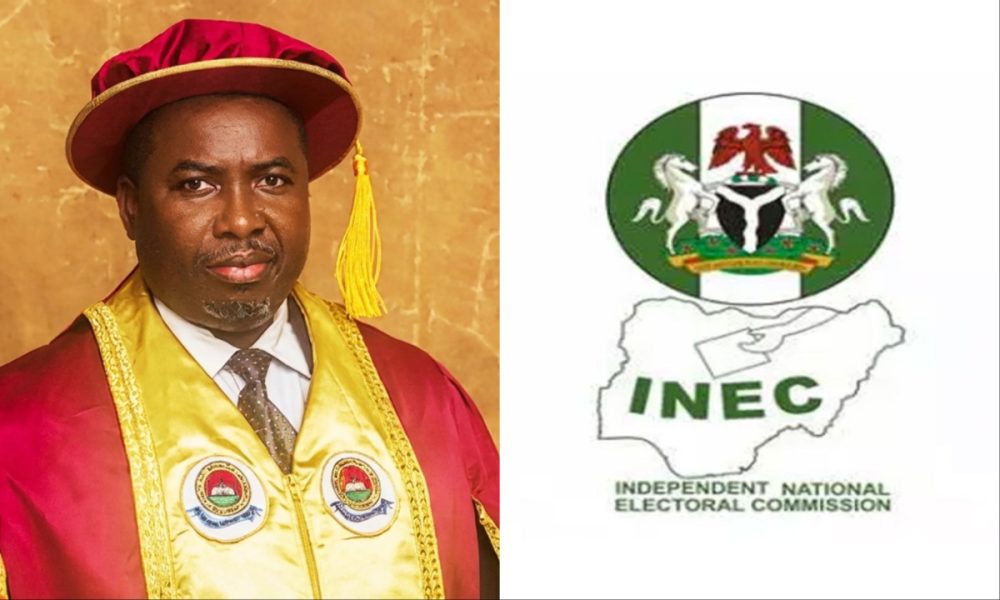
The Independent National Electoral Commission (INEC) has registered two new political parties, the Democratic Leadership Alliance (DLA) and the Nigeria Democratic Congress (NDC) ahead of the 2027 general election, increasing the total number of registered political parties in the country to 21. INEC Chairman, Prof. Joash Amupitan, SAN, announced the development on Thursday during the Commission’s first regular consultative meeting with political parties. According to Amupitan, the DLA successfully emerged from a rigorous verification process, while the NDC was registered in compliance with an order of the Federal High Court. Despite the expansion of Nigeria’s political landscape, the INEC chairman expressed concern over persistent leadership crises within several political parties, describing them as a threat to constitutional democracy. “Our collective commitment to the integrity of the electoral process is being challenged by the unfortunate and increasingly frequent leadership disputes within political parties,” Amupitan said. Read Also: APC is a Living Party, Ganduje Says as Kano Govt Joins Ruling Platform INEC Finalises Timetable for 2027 General Elections Why the Killing of Saif al-Islam Gaddafi Matters for Libya He noted that such conflicts often result in protracted litigations that overburden the judicial system and distract the Commission from its core responsibilities, including voter mobilisation and election management. “Sometimes, one wonders whether it is even necessary to continue registering or retaining some political parties, given the recurring leadership struggles and court orders recognising different individuals as party leaders,” he added. Amupitan also lamented the steady decline in voter turnout during presidential elections, revealing that participation dropped from 53.7 per cent in 2011 to 43.6 per cent in 2015, further declining to 34.7 per cent in 2019 and hitting a record low of 26.7 per cent in the 2023 general election. He stressed that technology alone could not address voter apathy, noting that public trust is often undermined by perceptions of poor democratic dividends and doubts about the value of citizens’ votes. INEC also reaffirmed its readiness to conduct the Federal Capital Territory (FCT) Area Council elections scheduled for February 21, 2026, with 1,680,315 registered voters expected to participate across 2,822 polling units. Looking ahead, the Commission confirmed preparations for the Ekiti State governorship election slated for June 20, 2026, and the Osun State governorship election scheduled for August 8, 2026. To safeguard the integrity of upcoming elections, INEC announced plans to conduct a nationwide Voter Revalidation Exercise aimed at cleaning up the voters’ register of 93.4 million entries by removing duplicate and deceased records. In his remarks, the National Chairman of the Inter-Party Advisory Council (IPAC), Dr Yusuf Mamman Dantalle, urged INEC to maintain neutrality and strictly adhere to party constitutions to avoid perceptions of bias. Dantalle also renewed calls for major electoral reforms, including the abolition of State Independent Electoral Commissions (SIECs) and the empowerment of INEC to conduct all elections nationwide. He further advocated for mandatory real-time transmission of election results to the IReV portal and suggested that all elections be held on the same day to reduce costs, prevent bandwagon effects and curb voter fatigue.

National, News

Senate Approves Electoral Act Amendment Bill

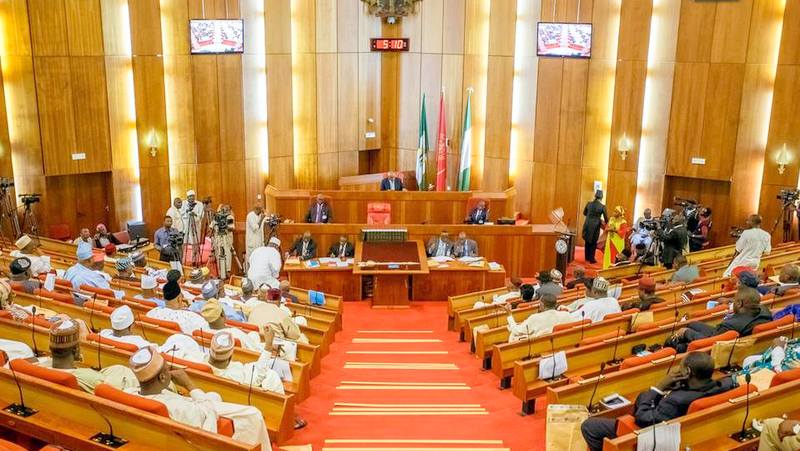
The Senate on Wednesday passed the Electoral Act amendment bill following a five-hour clause-by-clause deliberation. The bill was the sole item on the order paper after a valedictory session held in honour of the late Okey Ezea. It was approved by the Committee of the Whole after lawmakers considered and adopted its 155 clauses. During the review, senators amended some provisions while retaining the majority of the clauses as originally proposed. Read Also: INEC Finalises Timetable for 2027 General Elections One of the key amendments reduced the timeline for the Independent National Electoral Commission to publish a notice of election from 360 days to 180 days. The Senate also ruled out the real-time transmission of election results but retained the provision allowing electronic transfer of results, as stipulated in the 2002 Electoral Act.

National, News

INEC Finalises Timetable for 2027 General Elections

The Independent National Electoral Commission (INEC) has confirmed that it has finalised the timetable and schedule of activities for the 2027 general elections, despite delays in the passage of the amended Electoral Act currently before the National Assembly. The Commission disclosed that while legislative action on the proposed amendments is still pending, it has completed internal preparations necessary to guide the conduct of the next general elections. INEC Chairman, Professor Joash Amupitan, made this known on Wednesday in Abuja during an engagement with Civil Society Organisations (CSOs). According to him, INEC has already submitted its recommendations on the Electoral Act amendment to lawmakers and is now awaiting the outcome of the legislative process. Professor Amupitan explained that the timing of the amendment’s passage could necessitate adjustments to certain activities outlined in the election timetable, depending on when the new law is enacted. Read Also: APC is a Living Party, Ganduje Says as Kano Govt Joins Ruling Platform Shari’ah Council Clarifies Call for Removal, Prosecution of INEC Chairman Another Kano Commissioner Aligns With APC, Backs ‘Kano First’ Agenda “Some aspects of the timetable may require review based on the final provisions of the amended Electoral Act,” he said. He, however, assured stakeholders that the Commission remains fully committed to delivering a credible, transparent, and well-organised election in 2027. The INEC Chairman added that until the amended Electoral Act is passed and signed into law, the Commission will continue to discharge its duties strictly in accordance with the existing legal framework. He reiterated INEC’s readiness to adapt swiftly to any legal changes once the amendment process is concluded, stressing that preparations for the 2027 polls remain on course.

National, News

Shari’ah Council Clarifies Call for Removal, Prosecution of INEC Chairman

The Supreme Council for Shari’ah in Nigeria (SCSN) has clarified its call for the removal and prosecution of the Chairman of the Independent National Electoral Commission (INEC), Prof. Joash Ojo Amupitan, stressing that the position is not driven by religious considerations but by concerns over national unity, institutional integrity, and constitutional responsibility. In a press statement issued on Monday and signed by its Secretary-General, Malam Nafi’u Baba-Ahmad, the council said the decision followed resolutions reached during its Annual Pre-Ramadan Conference and General Assembly held on January 28, 2026, in Kaduna. According to the council, its earlier resolution generated widespread public reactions and was misconstrued by some individuals, prompting the need for clarification. The statement said the call for Prof. Amupitan’s removal was based on what the council described as grave concerns over his antecedents and certain public positions attributed to him, which it alleged could undermine the neutrality required of the head of Nigeria’s electoral body. The council emphasised that religion has never been a factor in the acceptance or rejection of electoral leadership in Nigeria, noting that most individuals who have headed the country’s electoral institutions since independence have been Christians. Read Also: Coups, Counter-Coups and the Cost to Nigeria Industrial Peace Restored in FCT Following Wike-Labour Talks APC is a Living Party, Ganduje Says as Kano Govt Joins Ruling Platform It stated that out of 13 chairmen who have led Nigeria’s electoral bodies, only two were Muslims, adding that Nigerian Muslims have never opposed any electoral chairman on religious grounds. However, SCSN expressed concern over a legal brief reportedly authored by Prof. Amupitan in 2020, which it alleged contained prejudicial assertions against Nigerian Muslims, the historical Caliphate, and Northern Nigeria. The council particularly faulted claims of “Christian genocide” and attempts to link present-day insecurity in Northern Nigeria to the 19th-century jihad led by Sheikh Uthman dan Fodio, describing such assertions as historically inaccurate and potentially destabilising. It further alleged that the presentation of such claims to foreign actors portrayed Nigeria negatively and could expose the country to external pressure based on what it described as false narratives. Rejecting claims of religious genocide, the council maintained that insecurity in Northern Nigeria is multi-dimensional, driven by terrorism, banditry, criminality, poverty, governance failures, and social injustice. It added that both Muslims and Christians have suffered from the violence, although available data, it claimed, showed Muslims constitute the majority of victims in several affected states. SCSN stressed that leadership of Nigeria’s electoral system requires the highest level of impartiality, credibility, and public trust, arguing that anyone accused of bias or misinformation should not preside over elections. The council also expressed concern that Prof. Amupitan had neither denied authorship of the alleged document nor issued any apology or retraction, noting that the Federal Government had reportedly been compelled to counter the claims at diplomatic and financial cost. According to the statement, the council believes such developments have caused reputational damage to Nigeria and may warrant constitutional and legal action where appropriate. SCSN reiterated that it does not oppose Christians occupying public office and reaffirmed its support for competent, fair, and inclusive leadership irrespective of religious affiliation. It also urged the Nigerian Christian community to resist divisive narratives, while reaffirming the Muslim community’s commitment to peaceful coexistence, mutual respect, and the protection of the rights of all Nigerians.

Abuja, National, News

Industrial Peace Restored in FCT Following Wike-Labour Talks

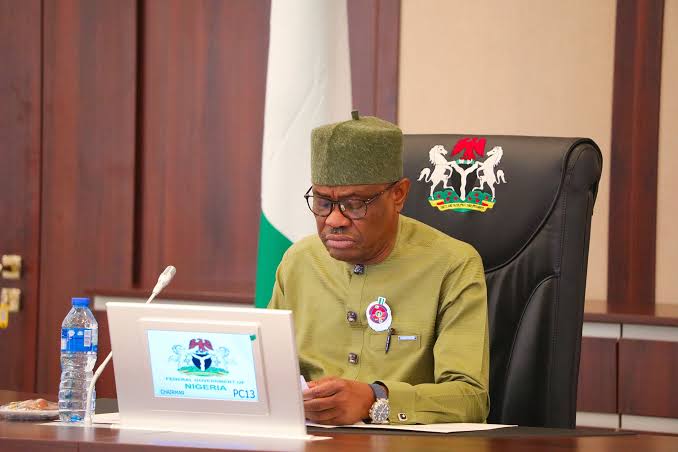
The Federal Capital Territory (FCT) Minister, Nyesom Wike, and leaders of organised labour unions have reached a midnight truce, leading to the suspension of the ongoing strike and the immediate resumption of work by affected employees. The agreement came after more than three hours of intensive negotiations that stretched into the early hours of Tuesday, concluding at approximately 3:50 a.m. The talks were chaired by Senator Mohammed Bomoi, Chairman of the Senate Committee on the FCT, with representatives from the Nigeria Labour Congress (NLC) and Trade Union Congress (TUC) in attendance. Briefing journalists following the meeting, the Acting General Secretary of the NLC, Comrade Benson Upah, alongside the TUC General Secretary, Dr. Nuhu Toro, confirmed that several key resolutions were reached to restore industrial peace. Read Also: FCTA Workers Demand Wike’s Removal as Strike Escalates in Abuja Upah explained that the agreements included assurances that no worker would face victimisation for participating in the strike, the immediate withdrawal of all cases filed at the National Industrial Court, and a commitment by Minister Wike to maintain mutual respect and sustained dialogue with organised labour. “All complaints presented by members of the Joint Unions Action Committee were addressed one by one and fully resolved,” Upah said. He further noted that the Minister assured continued engagement with labour unions going forward. As a result, workers under the Joint Unions Action Committee (JUAC), as well as affiliates of the NLC and TUC within the FCT Administration, were directed to resume work immediately. “All JUAC members and all TUC and NLC affiliates working in the FCT Ministry are hereby directed to resume work with immediate effect,” Upah stated. “Affiliates are urged to comply strictly with this directive in the interest of industrial peace and harmony.” The dispute arose from unresolved labour issues within the FCT Administration, prompting the NLC and TUC to embark on industrial action and threaten mass protests despite security concerns raised by the FCT Police Command and a restraining order from the National Industrial Court. The strike had disrupted activities in the nation’s capital for several days before the intervention of the Senate Committee led to the resolution.

Scroll to Top