


The Historica Nigeria

Health

Health, News

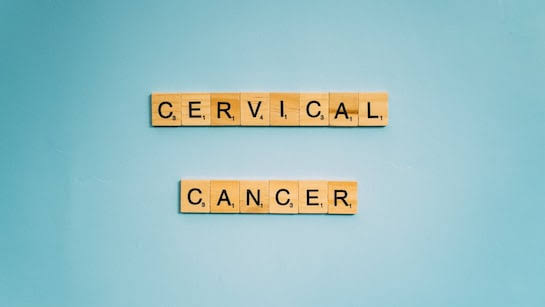
Cervical Cancer Claims One Life Every Two Minutes, UN Says

The United Nations has reiterated that cervical cancer is both preventable and curable if women have proper access to screening, vaccination and timely treatment. In a statement issued on Friday, the UN noted that cervical cancer is the fourth most common cancer among women globally, adding that January is observed annually as Cancer Awareness Month to draw attention to prevention and early detection. Cervical cancer is a reproductive cancer that develops in a woman’s cervix and can spread to other parts of the body if not detected and treated early. According to the World Health Organisation (WHO), an estimated 660,000 women were diagnosed with cervical cancer worldwide in 2022, while about 350,000 died from the disease. UNICEF, the UN children’s agency, warned that the illness claims the life of a woman every two minutes. The UN explained that nearly all cases of cervical cancer are linked to infection with the human papillomavirus (HPV), a highly common virus transmitted through sexual contact. While most HPV infections clear naturally, persistent infection with certain high-risk types can lead to abnormal cell growth and eventually cancer. Read Also: Arewa Health Promotion Initiative Sensitises Kura Communities on Clean Water and Sanitation UN Slashes 2025 Humanitarian Aid Appeal Amid Deepest Funding Cuts on Record 18,000 benefit from Mangal’s free Eye care in Katsina The WHO stressed that cervical cancer remains one of the most successfully treatable forms of cancer when detected early and managed effectively. However, unequal access to prevention, screening and treatment continues to drive higher rates of infection and death in regions such as sub-Saharan Africa, Central America and Southeast Asia. To address the challenge, 194 countries in 2020 launched a global strategy aimed at eliminating cervical cancer. November 17 now marks World Cervical Cancer Elimination Day. The WHO said the strategy outlines three key targets to be achieved by 2030: vaccinating 90 per cent of girls against HPV by age 15; screening 70 per cent of women with high-performance tests by ages 35 and 45; and ensuring that 70 per cent of women diagnosed with cervical disease receive appropriate treatment. The organisation estimated that achieving these targets could prevent 74 million new cases of cervical cancer and avert 62 million deaths globally by the year 2120.

Health, Kano, News

Kano Health Ministry Commences 3-Day Workshop on Review of Essential Medicine List

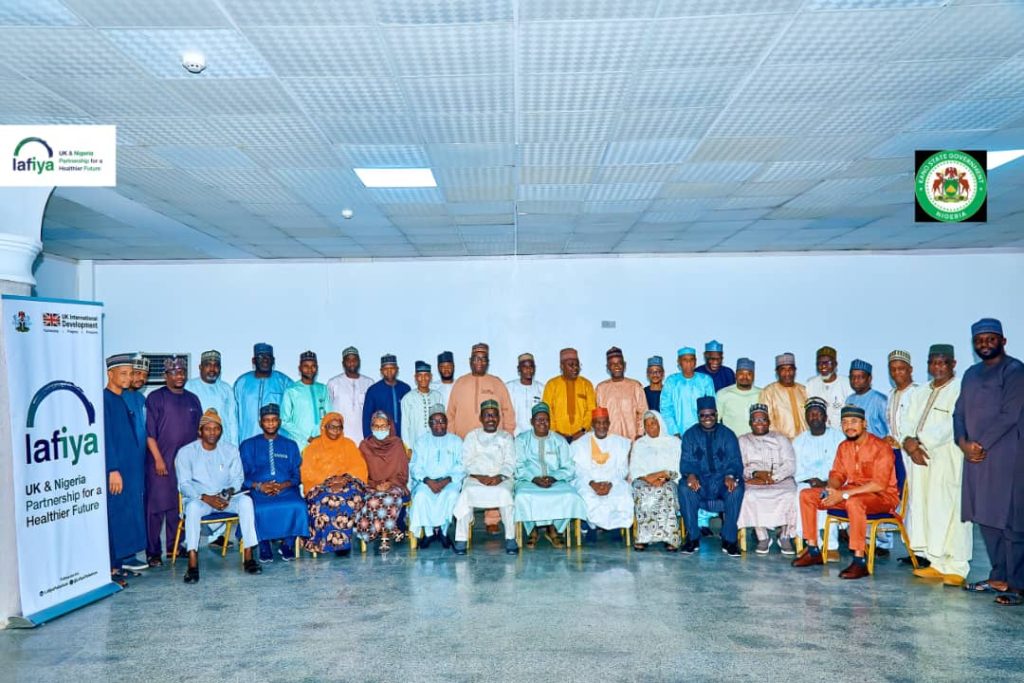
The Kano State Ministry of Health, through the State Sustainable Health Commodity Supply System Committee (SHCSS-C), has on Saturday commenced a three-day workshop to review Kano State Essential Medicine List (EML) Review. The event, which was organized with support from the Foreign, Commonwealth & Development Office (FCDO) Lafiya Programme, brings together key stakeholders from across the health sector, including, clinicians, pharmacists, public health experts, regulatory agencies, development partners, and civil society organizations. The objective of the meeting, which is taking place at the Pyramid Hotel, Kaduna, is to review and update the Kano State Essential Medicine List to ensure it aligns with current disease burden, treatment guidelines, and global best practices, while responding to the specific health needs of the people of the state. Speaking at the opening ceremony, the Honourable Commissioner for Health Dr. Abubakar Labaran Yusuf highlighted that access to safe, effective, quality, and affordable medicines remains a cornerstone of the state’s healthcare delivery system. He noted that the review of the Essential Medicine List is critical to strengthening rational medicine use, improving procurement efficiency, and enhancing service delivery across all levels of care. “The review process will ensure that Kano State’s Essential Medicine List remains evidence-based, cost-effective, and responsive to emerging health challenges, including non-communicable diseases and public health emergencies,” the Commissioner stated. Dr. Labaran urged the participants to carefully review the essential medicine list with a view to contribute their quota in transforming the health sector in the state. He further expressed appreciation to the FCDO Lafiya Programme and all stakeholders for their collaboration and commitment to improving healthcare outcomes for the people of Kano State. Read Also: DMCSA Reforms Deliver Strong Results as Agency Clears Debts, Boosts Operations In his submission, the Permanent Secretary of the ministry Pharm. Aminu Bashir, who spoke extensively on resilience of supply chain management in Kano State, noted the review of essential medicine list is a first step in the supply chain journey. The Permanent Secretary also spoke in details on how the Kano State Drugs and Medical Consumables Supply Agency (DMCSA) was revived form an inherited moribund status and huge indebtedness, and how the leadership of the Agency, headed by the Director General Pharm. Gali Sule, recorded tremendous achievements. In his welcome address, the Director Pharmaceutical Services at the State Ministry of Health Pharm. Kamilu Mudi Salisu said the meeting is a concerted effort by the ministry to review the essential medicine list. Describing the Kano State Government, under the leadership of Governor Abba Kabir Yusuf, as a proactive, Pharm. Salisu, who is also the Chairman of SSHCSS-C, disclosed that it is mandatory for all states of the federation to review their EML whenever the Federal Ministry of Health did so, hence the reason why the Kano State organized the meeting. He expressed optimism that the EML will be thoroughly evaluated and reviewed due to the composition and expertise of the participants. In their separate goodwill messages, the State Team Leads of UK-FCDO Lafiya Programme Abdulkadir Salisu Kabara and his counterpart of Capacity for Sustainable Development (C4SD) Pharm. Amos Gwazalyen, as well as representatives of the Federal Ministry of Health and the Pharmacy Council of Nigeria have reaffirmed their commitment to supporting Kano State in strengthening health systems, particularly in areas of governance, financing, and access to essential health commodities. They emphasized that an updated Essential Medicine List will support improved planning, budgeting, and availability of life-saving medicines in public health facilities. Over the three days, participants will review existing medicines, assess new therapeutic options, consider national and World Health Organization (WHO) guidelines, and agree on priority medicines for inclusion. The outcomes of the workshop are expected to guide procurement, distribution, and rational use of medicines across Kano State health facilities. Signed: Farouk Isa Musa, PRO, DMCSA

Health, Kano, News

DMCSA Reforms Deliver Strong Results as Agency Clears Debts, Boosts Operations

The Kano State Drugs and Medical Consumables Supply Agency (DMCSA) has increased its working capital to ₦377,033,845 after clearing an inherited debt of ₦102,238,600 between 2023 and 2025. The Director-General of the agency, Pharmacist Gali Sule, disclosed this in an interview with ‘The Historica Nigeria’ as part of the agency’s end-of-year review for 2025. According to him, the debt clearance marks a major milestone, restoring the agency’s credibility and operational efficiency since December 2023. He explained that the DMCSA has almost completed the settlement of outstanding liabilities owed to pharmaceutical companies responsible for supplying essential drugs to Kano State hospitals. “This debt clearance was achieved through the monthly Drug Revolving Fund accountability sessions introduced by the current leadership. These meetings help identify challenges, review progress, and strengthen transparency,” he said. Read Also: Kano Govt Approves N233 Million for Procurement of Laboratory Equipment for DMCSA Nigerian Army Suspends Retirements Amid Nationwide Security Emergency Governor Yusuf Nominated for National Award on Visionary Leadership Pharmacist Sule noted that the strengthened reform process has improved the agency’s reputation among development partners and suppliers. “You see, the negative debt we inherited from the past administration weakened our operations. But through close supervision and collaboration among all key units — including the Drugs Management System, Procurement, and Financial Operations — we were able to recover and settle over ₦1 billion in old debts,” he added. He commended Governor Abba Kabir Yusuf’s administration for its tireless support, revealing that the state government now releases ₦40 million daily to support hospitals across Kano, compared to ₦10 million previously. “This increase covers the free Maternal, Newborn and Child Health (MNCH) programme as well as drug supplies to correctional centres in the state,” he stated. The DG further announced that the agency has expanded its logistics capacity with new vehicles to enhance drug distribution across zonal stores and health facilities. “Before now, we relied on commercial logistics, which sometimes diverted drugs to locations outside our knowledge,” he revealed. He explained that the agency currently supplies medicines and consumables to more than 1,200 primary healthcare centres, 46 secondary hospitals, and several tertiary hospitals in Kano State — all at affordable and regulated prices. “Drug access in these facilities is now assured and has increased significantly due to the strengthened Drug Revolving Fund system,” he added. Pharmacist Sule also disclosed that the state-of-the-art Pharma Grade Warehouse will be commissioned in January 2026 as part of the agency’s achievements from 2023 to date. He confirmed that medicines produced internally by the agency are fully registered by the Pharmaceutical Council of Nigeria (PCN) and NAFDAC, ensuring their safety and authenticity. “These products are genuine, certified, and we will soon begin supplying them to private health centres across the state,” he said. He assured agency staff that their welfare remains a top priority, describing them as the backbone of DMCSA’s operations. “We will continue ensuring that affordable, genuine medicines remain available in all public health centres without interruption,” he affirmed. Established in 2009 through an act of the Kano State House of Assembly, the DMCSA supervises the procurement and distribution of drugs and medical consumables to government-owned health facilities across the state. Pharmacist Gali Sule, who has led the agency since 2023, attributed the agency’s successes to the consistent support of Governor Abba Kabir Yusuf’s administration.

Health, Humanitarian, Kano, News

Arewa Health Promotion Initiative Sensitises Kura Communities on Clean Water and Sanitation

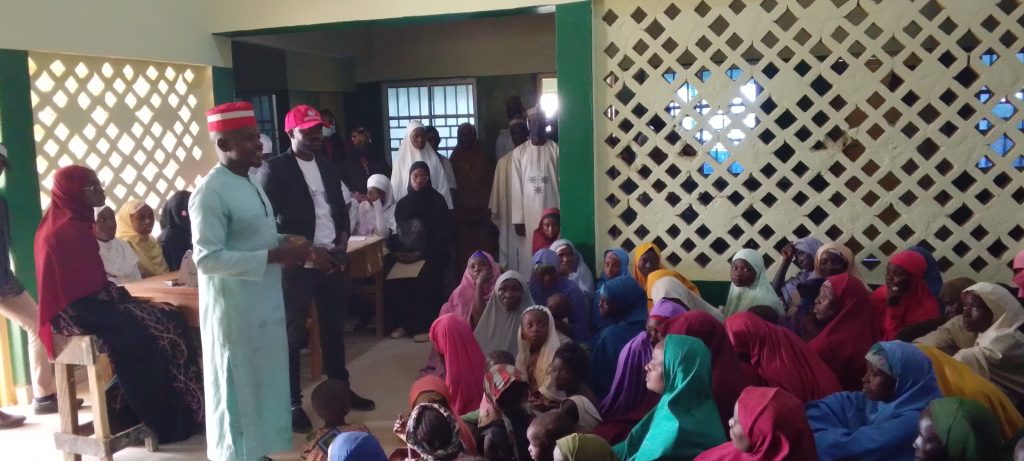
The Arewa Health Promotion Initiative has carried out an awareness campaign on clean water, sanitation, and hygiene (WASH) at the Dukawa Primary Health Care Centre in Kura Local Government Area of Kano State, as part of activities marking the 2024 World Toilet Day. Speaking during the sensitisation exercise, the Executive Director of the organisation, Malam Adamu Ahmad Ibrahim, said creating awareness on clean water and proper sanitation practices remains essential in improving public health standards in communities. According to him, many health challenges affecting households are linked to unsafe water, poor food handling, and unhygienic environmental conditions. He said the organisation chose Dukawa ward due to its large population, limited access to healthcare facilities, and shortage of specialised health personnel who can guide residents on preventive health measures. “With this awareness campaign, the people of Dukawa and surrounding communities will become more conscious of the risks associated with contaminated water, poor sanitation, and unsafe food practices,” he said. Read Also: Only 35.5% of Nigerian Newborns Breastfed in First Hour – UNICEF Kano State Council Approves ₦19bn for Roads, Education, Health, and Power Projects Kano Governor Presents N1.368trn Landmark 2026 Budget to Assembly Also speaking, the President of the Environmental Health Officers Association of Nigeria, Sanitarian Salisu Ubale Ibrahim, emphasised that proper care of toilets and food hygiene plays a significant role in preventing diseases. He advised residents to wash their hands regularly, clean their toilets frequently, wash cooking utensils thoroughly, and ensure that vegetables are properly rinsed before consumption. He further urged households to locate wells at a safe distance from toilets to avoid contamination. “People must understand the need to play their own part. These simple sanitation practices reduce unnecessary visits to healthcare facilities and help improve overall community well-being,” he added. Sanitarian Ibrahim noted that when communities adopt proper sanitation measures, government resources can be diverted to other developmental needs, rather than being spent repeatedly on preventable diseases. “If you abide by the guidance given today, and take personal initiatives to improve the sanitary condition of your environment, water, and the food you eat, your health will be better protected,” he stated. On his part, the Councillor representing Dukawa ward, Malam Abdullahi Isah Yunusa, said residents have embraced the WASH sensitisation campaign, describing it as a timely intervention that will enhance community health. He promised to sustain the momentum through health personnel at the Dukawa Primary Health Care Centre and neighbouring communities of Kunshama I and Kunshama II to ensure long-term impact. An elderly woman in the community, Hajiya Ladi, one of the beneficiaries of the campaign, pledged to relay the message to others who could not attend, saying the initiative would help promote a healthier environment for all. Each of the beneficiaries was given detergents to help them maintain proper toilet hygiene for a period of time. This year’s World Toilet Day, observed globally on November 19, was themed “We’ll Always Need the Toilet,” highlighting the continued need for safe sanitation systems across communities.

Health, Humanitarian, Kano

KNCDC Partners with FCDO-Lafiya to Strengthen Outbreak Communication Capacity

Aminu Abdullahi Ibrahim, Kano ​Kano State’s preparedness and response to health emergencies have received a major boost as key stakeholders convened in Zaria, Kaduna State, for a three-day Workshop on Outbreak Communication Plan. ​The training, supported by the Foreign, Commonwealth & Development Office (FCDO) Lafiya Programme, aims to enhance collaboration among health communicators, media professionals, and government agencies to ensure timely and accurate information sharing during disease outbreaks. ​Participants drawn from the health and media sectors are expected to develop a harmonized framework for outbreak communication that emphasizes coordination, transparency, and public engagement. Read Also: Stakeholders Meet in Kano to Address Health Workers’ Attitude Towards Immunization ​Declaring the workshop open, the Director-General of the Kano State Centre for Disease Control (KNCDC), Prof. Muhammad Adamu Abbas, described the initiative as a significant milestone in improving risk communication structures at both state and national levels. ​According to him, lessons from past outbreaks, including COVID-19 and cholera, have shown that misinformation can spread faster than the disease itself, fueling fear, confusion, and mistrust. He stressed that effective communication is as critical as the medical response in managing health crises. ​“This workshop is about building a united front—where health officials, journalists, and communication experts speak with one voice, guided by facts and science,” Prof. Abbas stated. ​He commended the FCDO-Lafiya Programme for its continued partnership in strengthening Nigeria’s public health system through capacity building and institutional support. ​Over the three-day session, participants will engage in intensive modules covering crisis communication, rumor management, stakeholder coordination, and media strategy development. The workshop is expected to produce a robust communication plan adaptable for future health emergencies across states. ​The event continues through the week, featuring panel discussions, group exercises, and scenario-based simulations designed to translate knowledge into practical, real-world response mechanisms.

Health, Humanitarian, Kano, News

Stakeholders Meet in Kano to Address Health Workers’ Attitude Towards Immunization

Stakeholders in the health sector have met in Kano to address negative attitudes among some health workers that discourage caregivers from bringing children for routine immunisation. The meeting, held under the Better Opportunities for Optimal Services and Targeted Immunization for Zero-Dose and Under-Immunized Children (BOOST) project, brought together professional health associations, Muslim and Christian women’s groups, government officials and development partners to find practical solutions for improving service delivery and rebuilding community trust. The BOOST project, implemented by Save the Children International with funding from GlaxoSmithKline (GSK), aims to demonstrate effective and scalable techniques to reduce zero-dose and missed vaccinations among children. The project began full implementation in January 2024 and will run until December 2027. In Kano, BOOST covers Gezawa and Ungogo local government areas. Related: VaxSocial Launches Digital Immunization Campaign in Kano The Project Advocacy Officer, Umar Ibrahim, said the programme will continue to correct system anomalies by applying inputs gathered from health professionals, which will add sustained value to the state’s health outcomes. “We will keep using feedback from frontline workers and professional bodies to improve service quality and coverage,” he said. Co-Chair of the Kano BOOST Project, Malam Salisu Yusuf, said the initiative has recorded significant gains in immunisation coverage, with only three local government areas still facing notable challenges. Yusuf urged government and partners to sustain momentum and establish mechanisms that will preserve project gains after external partners exit. Malam Abdullahi Magama, BOOST Project Manager and Field Manager for Save the Children in Kano, explained that the meeting focused on attitudinal and behavioural change among health staff. “Despite progress, some caregivers remain reluctant to use services because of perceived negligence and poor interpersonal treatment by a few health workers,” he said, noting that trainings and workshops organised by the project have already improved staff performance. Read Also: Only 35.5% of Nigerian Newborns Breastfed in First Hour – UNICEF The gathering included associations of health professionals as well as Muslim and Christian women’s organisations to ensure community perspectives were fully captured. Participants discussed strategies for training, monitoring, and incentivising respectful client-care behaviour. The Speaker of the Kano Children’s Parliament, Hauwa’u Muhammad Ibrahim, called for increased capacity building and better working conditions for health workers, arguing these are essential to address persistent service delivery gaps. She added that the Children’s Parliament will continue community advocacy to encourage uptake of immunisation and other essential health services. Project officials urged the Kano State Government to institutionalise coordination mechanisms that will allow stakeholders to replicate successful interventions and sustain improved immunisation coverage across the state.

Health, Humanitarian, News

KHETFUND Conducts Post-Funding Verification of Key Interventions at School of Health Technology Bebeji

The Kano State Health Trust Fund (KHETFUND) delegation has paid a working visit to the School of Health Sciences and Technology, Bebeji, for a post-funding verification of critical interventions aimed at strengthening healthcare service delivery and health education infrastructure across the state. This was conveyed in a statement signed by the Fund’s spokesperson, Farouk Isa Musa, on behalf of the Executive Secretary, Dr. Fatima Usman Zahraddeen. The statement noted that the post-funding verification exercise underscores KHETFUND’s commitment to transparency, accountability, and ensuring the sustainable impact of funded projects. The key 2025 regular interventions funded by KHETFUND at the school and verified by the team include the procurement of advanced laboratory equipment, repair and rehabilitation of a 36-seater school bus, and financial support for the accreditation of National Diploma and Professional Diploma programmes. Read Also: DMCSA Clears ₦102m Debt, Raises Capital to Over ₦377m in Kano Speaking during the visit, which took place on Tuesday, October 21, 2025, Dr. Zahraddeen, represented by the Head of Accounts, Abdulmalik Kabir, disclosed that the Fund had, on February 19, 2025, released the sum of ₦5.788 million to the School of Health Sciences and Technology, Bebeji, for the purchase of modern laboratory equipment aimed at enhancing students’ learning capacity. She further revealed that the Fund financed the repair of a 36-seater bus for the school at a cost of ₦1.59 million, which was disbursed on April 28, 2025. In addition, KHETFUND released ₦4.17 million on August 15, 2025, as financial support to the school for accreditation of its National Diploma and Professional Diploma programmes — a move that enables compliance with standards set by relevant regulatory bodies. “This verification exercise reflects our dedication not just to funding, but to results. We are proud to see these interventions yielding tangible benefits for our communities. Our mission is to ensure that every naira invested translates into improved health outcomes and institutional growth,” Dr. Zahraddeen stated. She assured residents of the state that KHETFUND will continue to monitor and evaluate its funded projects to guarantee value for money, promote best practices, and ensure sustainable development in line with the policies and programmes of the Kano State Government under the leadership of Governor Abba Kabir Yusuf. In his remarks, the Principal of the School of Health Technology, Bebeji, Suleiman Abdullahi, appreciated KHETFUND’s interventions, noting that the procured laboratory equipment had been installed and were already in use. He further stated that the repaired school bus is now operational, facilitating safe and timely transportation of students and staff for academic and field activities. He also confirmed that the National Diploma and Professional Diploma programmes have now received full accreditation, thereby broadening access to professional health training in Kano and beyond. KHETFUND is a government agency established to mobilize and manage financial resources for the improvement of healthcare services in Kano State. Led by its Executive Secretary, Dr. Fatima Usman Zahraddeen, and guided by the Commissioner for Health, Dr. Abubakar Labaran Yusuf, KHETFUND supports health MDAs, public health facilities, and state-owned health institutions to ensure accessible, affordable, and quality healthcare for all residents.

Health, Kano, News

DMCSA Clears ₦102m Debt, Raises Capital to Over ₦377m in Kano

The Kano State Drugs and Medical Consumables Supply Agency (DMCSA) has raised its working capital to ₦377,033,845 after successfully settling an inherited debt of ₦102,238,600 between 2023 and 2025. The Director of Drugs and Supply, Pharmacist Tukur Ibrahim, disclosed this while briefing newsmen shortly after the 8th Quarterly Review Meeting held at the agency’s conference hall on Monday. He described the achievement as a major milestone under the leadership of the agency’s Director-General, Pharmacist Ghali Sule, noting that the DMCSA has significantly restored its credibility and operational efficiency since December 2023. Read Also: Kano Govt Approves N233 Million for Procurement of Laboratory Equipment for DMCSA According to him, the agency has almost completed the settlement of outstanding liabilities owed to pharmaceutical companies that supply essential drugs to Kano State hospitals. “This debt clearance was achieved through the monthly Drug Revolving Fund accountability sessions introduced by the current leadership. These meetings help identify challenges, review progress, and strengthen transparency,” Tukur explained. He further noted that the accountability and reform initiatives led by the Director-General have boosted the agency’s reputation among development partners and pharmaceutical suppliers. “You see, the negative debt we inherited from the past administration weakened our operations. But under close supervision and collaboration among all key units — including the Drugs Management System, Procurement, and Financial Operations — we were able to recover and settle over ₦1 billion in old debts,” he said. Speaking earlier, the Director-General, Pharmacist Ghali Sule, commended Governor Abba Kabir Yusuf’s administration for its steadfast support toward revitalising the agency’s operations. He explained that the state government now releases ₦40 million daily to support hospitals across Kano, compared to ₦10 million under previous arrangements. “This increase covers the free Maternal, Newborn and Child Health (MNCH) programme as well as drug supplies to correctional centres in the state,” he added. Sule revealed that the agency has expanded its logistics capacity with new vehicles to enhance drug distribution to zonal stores and health facilities across the state. He also disclosed that the agency’s long-delayed Pharma Grade Store project is now complete and ready for use, while the DMCSA has been fully registered with the Pharmaceutical Council of Nigeria (PCN) and enrolled in a takaful insurance scheme to strengthen operational sustainability. The Director-General appealed to the state government to further increase the agency’s capital base to enhance revenue generation, efficiency, and the overall effectiveness of DMCSA’s drug supply system.

Health, Humanitarian, Kano

Kano Govt Approves N233 Million for Procurement of Laboratory Equipment for DMCSA

As part of the government’s ongoing commitment to strengthening healthcare delivery systems across the state, the Kano State Executive Council has approved the sum of N233 million for the procurement of advanced laboratory equipment for the newly remodelled modern Quality Control Laboratory located at the Drug and Medical Consumables Supply Agency (DMCSA). This strategic investment is aimed at enhancing the agency’s capacity to ensure the safety, efficacy, and quality of all drugs and medical consumables distributed within Kano State. With the new equipment, DMCSA will be equipped to conduct thorough laboratory analyses and meet both national and international standards in pharmaceutical quality control. This was made known by the Director-General of DMCSA Pharm. Gali Sule while speaking during a Quarterly Review Meeting held Monday at the conference hall of the agency. Read Also: Kano Health Ministry Hosts iLMD Review Meeting to Strengthen Health Supply Chain Efficiency Pharm. Sule stated that this initiative demonstrates the state’s resolve to uphold the highest standards in public health and drug safety. “This approval underscores the commitment of Kano State government under the leadership of His Excellency Governor Abba Kabir Yusuf to safeguarding the health of Kano citizens by ensuring that only high-quality drugs are available in our healthcare facilities.” According to him, after the procurement and installation, the personnel will be trained on the use of the new laboratory equipment, which includes modern analytical and diagnostic tools crucial for testing medical supplies. The DG also highlighted that courtesy of reforms and initiatives at DMCSA, the agency has now been accredited as an internship training center by the Pharmacy Council of Nigeria. Declaring the review meeting opened, the Commissioner for Health Dr. Abubakar Labaran Yusuf noted that the upgrade of the DMCSA laboratory aligns with the Kano State Government’s broader agenda to improve healthcare infrastructure, promote local capacity development, and ensure accountability and transparency in the medical supply chain. He further assured that the government remains dedicated to providing a safe, healthy, and sustainable environment for all residents of Kano State. Signed: Farouk Isa Musa PRO, DMCSA

Health, Humanitarian

Kano Health Ministry Hosts iLMD Review Meeting to Strengthen Health Supply Chain Efficiency

In a significant step towards improving access to essential health commodities across Kano State, key stakeholders convened for a high-level Integrated Last-Mile Delivery (iLMD) and Requisition Review Meeting aimed at assessing current supply chain processes and reinforcing collaboration among partners. The meeting, held at Tahir Guest Palace Hotel in Kano, was organized by the Ministry of Health in collaboration with Capacity 4 Sustainable Development (C4SD), and it brought together key stakeholders including top officials from the ministry and its relevant agencies, as well as representatives of Essential Drug Officers, MCH Coordinators, representatives of In-state team, Zonal Warehouse Managers, Transborder Logistics, warehouse store officers both at central and zonal levels, some members of the DMCSA fleet unit, and implementing partners. The session focused on evaluating the performance of the last-mile delivery system, validating requisitions from facilities, and identifying bottlenecks in the distribution of commodities. The meeting sets out to provide updates on stock positioning and integrated last-mile delivery activities. It also aims to identify operational gaps and develop practical solutions to ensure effective implementation and to agree on actionable next steps, with clear timelines and designated responsible persons to drive progress. Read Also: Kano to Introduce Mental Health Tests as Precondition for Marriage In her welcome address, the Family Planning Coordinator, Dr Aisha Barka, welcomed all participants to the meeting and wished for a fruitful deliberation. In his opening remarks, the Director Pharmaceutical Services and Chairman State Sustainable Health Commodity Supply System Committee (SHCSS-C) Pharm. Kamilu Mudi Salisu emphasized the importance of an integrated approach to last-mile delivery, noting that “timely access to health commodities is critical to achieving universal health coverage in Kano State.” Calling for proper documentation of all that had been done on supply chain management in the state, the DPS noted that Kano State Government remains committed to strengthening its health supply chain systems in line with national guidelines and global best practices. In his contribution, Dr. Ibrahim Aliyu Muhammad, the Director Public Health and Disease Control at the State Ministry of Health called on participants and other stakeholders to highlight their achievements and successes in supply chain activities through research and the presentation of well-developed conference papers. He further emphasized the need to strengthen existing frameworks to promote transparency and ensure accountability in commodity management. During the meeting, resource persons, including Pharm. Tukur Ibrahim, Director, the Drugs and Supply at Drug and Medical Consumables Supply Agency (DMCSA) and Bello Muhammad Dandago, SSHCSS-C Focal Person at the State Primary Health Care Management Board, made presentations on fleet management operations, requisition management, as well as iLMD activities – family planning and essential medicines. Later the participants have robust discussions on how to reconcile health facility commodity requisitions with actual needs and consumption data, evaluate stock status and delivery timelines, address challenges in logistics coordination and data reporting, and strengthen accountability mechanisms across all levels of the health supply chain. Delivering goodwill messages, the representatives from development partners, such as the Africa Resource Center for Excellence in Supply Chain Management (ARC-ESM), reaffirmed their commitment to supporting the state’s efforts to ensure equitable and efficient distribution of health commodities. On his part, the State Team Lead, C4SD, expressed optimism that the outcomes of the meeting will inform strategic adjustments in supply planning and delivery schedules, as well as guide continuous capacity building for logistics personnel at the Local Government Areas and facility levels. He also assured C4SD’s determination to ensure commodity accountability in line with the state’s accountability framework and work closely with the state’s programs and supply chain leadership to ensure remarkable improvements in the state’s supply chain. While outlining the next steps, the Director of Pharmaceutical Services at the Kano State Primary Health Care Management Board, Pharm. Abdullahi A. Danzabuwa re-emphasized that the iLMD initiative has come to stay in the state.

Scroll to Top