





The Historica Nigeria

Economy

Economy, National, News

No Delay as Nigeria’s New Tax Laws Begin January 2026 — FG

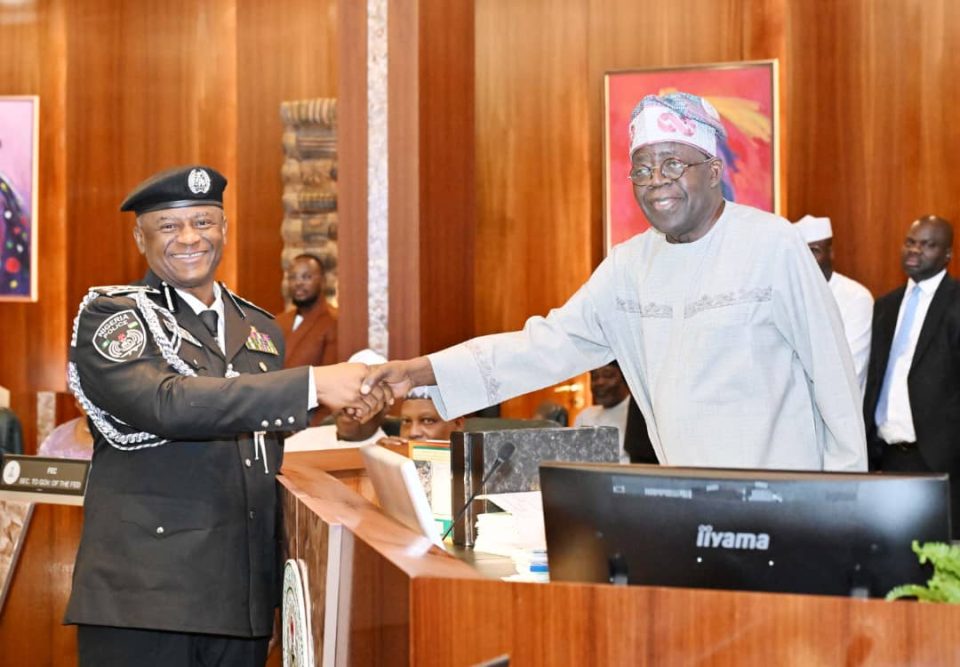
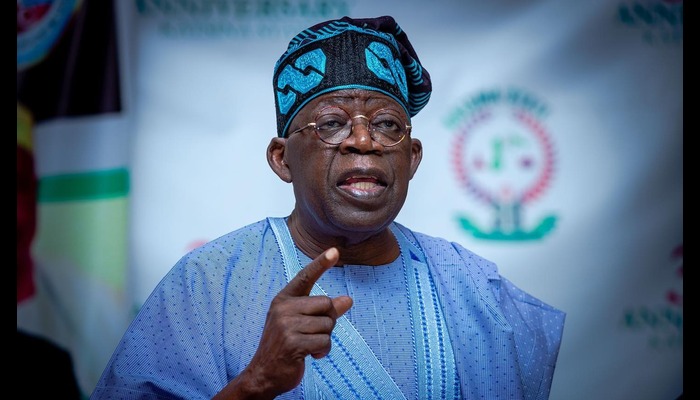
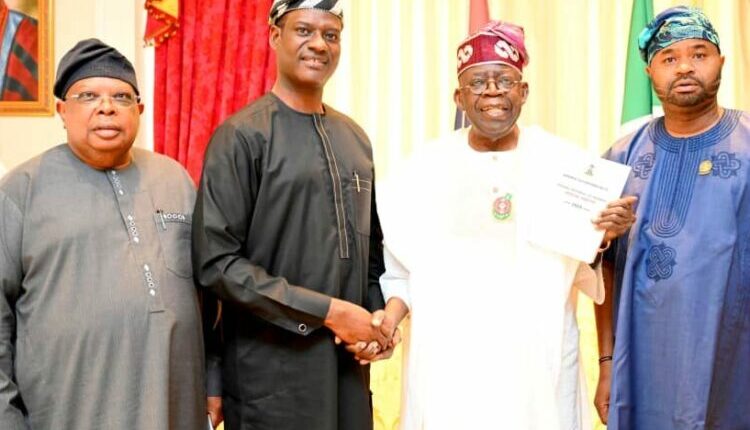
The Federal Government has reaffirmed that the implementation of Nigeria’s new tax laws will commence on January 1, 2026, dismissing concerns over possible delays arising from allegations of alterations to the legislations. The assurance was given on Friday by the Chairman of the Presidential Committee on Fiscal Policy and Tax Reforms, Mr. Taiwo Oyedele, after presenting an update on the tax reform Acts to President Bola Ahmed Tinubu at his Lagos residence. Oyedele was accompanied to the meeting by the Chairman of the Federal Inland Revenue Service, Mr. Zacchaeus Adedeji, and the Chairman of the National Tax Policy Implementation Committee, Mr. Joseph Tegbe. According to Oyedele, the Federal Government remains fully committed to the agreed implementation timeline, noting that two of the four tax reform laws have already taken effect. He explained that the Nigerian Revenue Service Establishment Act and the Joint Revenue Service Establishment Act commenced on June 26, 2025, while the remaining two, the Nigerian Tax Act and the Nigerian Tax Administration Act are scheduled to take effect on January 1, 2026. Read Also: FIRS Declares NIN as Automatic Tax ID for Individual Nigerians Ex-FIRS Boss Calls for Cancellation of Gazetted Tax Law FG Says Debris From US Airstrikes Fell in Kwara, Sokoto Communities Oyedele welcomed the intervention of the House of Representatives Ad-hoc Committee, which recently concluded its investigation into allegations of alterations to the tax reform bills, stating that the findings would not affect the implementation schedule. He stressed that the government would continue to work with the National Assembly if further actions were required but maintained that the rollout of the remaining laws would proceed as planned. Explaining the intent behind the reforms, Oyedele said the new tax regime was designed to ease the tax burden on Nigerians rather than generate immediate revenue for the government. He disclosed that under the reforms, about 98 per cent of workers would either pay no personal income tax or pay less, while approximately 97 per cent of small businesses would be exempt from corporate income tax, value-added tax, and withholding tax. Oyedele added that large businesses would also benefit from reduced tax obligations, describing the reforms as inclusive and pro-growth, aimed at promoting economic expansion and shared prosperity. He further noted that preparations for the reforms began in October 2024 when the bills were submitted to the National Assembly, adding that the period since presidential assent had been used for capacity building, system upgrades, and public sensitisation. According to him, the early commencement of two of the laws was intended to give institutions sufficient time to prepare for the establishment of new structures required for effective implementation. On revenue expectations, Oyedele reiterated that the reforms were not targeted at short-term revenue generation but were expected to boost government earnings organically through economic growth, improved compliance, and a broader tax base.

Economy, National, News

Ex-FIRS Boss Calls for Cancellation of Gazetted Tax Law

The immediate past Chairman of the Federal Inland Revenue Service (FIRS), Mr. Muhammad Nami, has condemned the alleged unauthorised alteration of the recently passed Tax Administration Act, calling on the National Assembly to consider passing a resolution for the outright cancellation of the gazetted versions of the law. Nami also urged the executive arm of government to prevail on the FIRS to suspend the release of all regulations and information circulars already prepared under the disputed Act, warning that further implementation could worsen confusion and undermine confidence in the tax system. In a statement made available to journalists on Monday, the former FIRS boss said the alleged action by yet-to-be-identified individuals implies that the legislation passed by the National Assembly and assented to by the President differs from the version eventually gazetted. He recalled that a member of the House of Representatives, Abdussamad Dasuki (PDP, Sokoto), had during plenary last Wednesday raised concerns over discrepancies between the tax laws passed by the House and the copies later gazetted. Describing the development as unusual and regrettable, Nami called for a thorough, transparent investigation and the prosecution of all those found culpable. Read Also: FIRS Declares NIN as Automatic Tax ID for Individual Nigerians Tinubu Presents N58.47trn 2026 Budget to National Assembly One-Party State Allegations Baseless, APC Governors Tell Nigerians “The occurrence of this incident is not only unusual but also regrettable, and calls for a proper and unimpeded investigation, as well as the prosecution of the perpetrators. Those found culpable must be punished accordingly,” he said. The former FIRS chairman further advised the National Assembly to consider passing a resolution mandating its committee reviewing the alleged alterations to work jointly with the executive to ensure that the actual law passed by both chambers is correctly gazetted. Citing Sections 4 and 58 of the 1999 Constitution, Nami stressed that legislative powers reside exclusively with the National Assembly, adding that neither the executive nor any other individual has the constitutional authority to alter a bill after it has been passed. “Any post-passage alteration is ultra vires, unconstitutional, and void to the extent of the alteration. Such provisions are vulnerable to judicial invalidation, thereby creating legal and fiscal uncertainty,” he stated. Nami also expressed concern over calls for stakeholders’ consultations on what he described as a document that was “criminally and arbitrarily altered” by unknown persons, noting that such a move could further complicate the situation. However, he cautioned against discarding the entire body of the new tax laws, citing the extensive research, consultations, investments, and legislative work that have gone into the reforms since the process began in 2022. According to him, the most viable option is for stakeholders to stand with the National Assembly to safeguard the reforms and ensure their proper implementation by January 2026. “Our best option in this crisis time is to stand firm with the National Assembly to ensure that all efforts and resources invested in the tax reforms project are not wasted,” Nami said. He added that the new tax provisions are critical to blocking revenue leakages, generating funds for economic growth and development, servicing public debt, addressing budget deficits at all levels of government, supporting social welfare programmes, improving security, building world-class infrastructure, and attracting foreign direct investment. The statement further noted that several provisions in the new tax laws encourage governments to prioritise taxing prosperity rather than poverty, allowing small and medium-scale enterprises (SMEs) to grow, create jobs, and eventually become contributors to the tax system.

Economy, National, News

FIRS Declares NIN as Automatic Tax ID for Individual Nigerians

The Federal Inland Revenue Service (FIRS) has announced that the National Identification Number (NIN) issued by the National Identity Management Commission (NIMC) now automatically serves as a Tax Identification Number (Tax ID) for individual Nigerians. The declaration was made in a public awareness campaign on Nigeria’s new tax laws, posted by the FIRS on its official X (formerly Twitter) handle on Monday. According to the Service, registered businesses will also no longer require a separate Tax Identification Number, as their Corporate Affairs Commission (CAC) Registration (RC) number will automatically function as their Tax ID under the new tax system. The clarification comes amid growing public concerns over provisions in the new tax laws that mandate the use of a Tax ID for certain financial and economic transactions, including bank account operations. Explaining the policy, the FIRS stated that the Nigeria Tax Administration Act (NTAA), scheduled to come into force in January 2026, requires the use of a unified Tax ID for taxable transactions. The agency, however, stressed that the requirement is not entirely new, noting that it has existed since the Finance Act of 2019 but has now been strengthened under the NTAA. Read Also: Tinubu Presents N58.47trn 2026 Budget to National Assembly “The Tax ID unifies all TINs previously issued by the FIRS and State Internal Revenue Services into a single identifier,” the Service said. “For individuals, your NIN automatically serves as your Tax ID, while for registered companies, your CAC RC number is used. You do not need a physical card, as the Tax ID is a unique number directly linked to your identity.” The FIRS explained that the new system is designed to simplify taxpayer identification, reduce duplication, close loopholes for tax evasion, and promote fairness by ensuring that all individuals and entities earning taxable income contribute appropriately. With the new framework, all Nigerians who possess a NIN automatically have a Tax ID and can be brought into the tax net, provided they earn taxable income. According to data released by the National Identity Management Commission, about 123.9 million Nigerians had been issued NINs as of October 2025. The development has also eased fears that Nigerians would be required to undergo another registration process to obtain a Tax ID from 2026 in order to open or operate bank accounts. Meanwhile, the Chairman of the Presidential Fiscal Policy and Tax Reforms Committee, Mr. Taiwo Oyedele, has previously clarified that the new tax laws do not mandate all bank account holders to obtain a Tax Identification Number before January 2026. Oyedele explained that Section 4 of the NTAA requires only taxable persons—defined as individuals or entities earning income through trade or other economic activities—to obtain a Tax ID. He added that individuals without taxable income, such as students and dependents, are exempt from the requirement. He further noted that since 2020, businesses and corporate bank accounts have already been required to provide a Tax Identification Number as part of banking and regulatory processes. (Nairametrics)

Economy, National, News

FG, States, LGs Get ₦1.928 Trillion as FAAC Shares November Revenue

A total sum of ₦1.928 trillion, representing the Federation Account revenue for November 2025, has been shared among the Federal Government, state governments and local government councils. The allocation was made at the December 2025 meeting of the Federation Account Allocation Committee (FAAC) held in Abuja, according to a communiqué issued after the meeting. The total distributable revenue comprised ₦1.403 trillion from statutory revenue, ₦485.838 billion from Value Added Tax (VAT) and ₦39.646 billion from the Electronic Money Transfer Levy (EMTL). The communiqué disclosed that gross revenue of ₦2.343 trillion was available in November 2025. From this amount, ₦84.251 billion was deducted as cost of collection, while ₦330.625 billion went to transfers, interventions, refunds and savings. It stated that gross statutory revenue for the month stood at ₦1.736 trillion, representing a decline of ₦427.969 billion compared to the ₦2.164 trillion recorded in October 2025. Read Also: Kano State Polytechnic Takes Step Toward University-Affiliated PGD Programmes Sule Lamido Worried Over PDP Leadership Crisis, Signals Readiness for Alliances Supreme Court Rules President Can Declare State of Emergency, Suspend Elected Officials Similarly, VAT revenue fell to ₦563.042 billion in November from ₦719.827 billion in October, indicating a decrease of ₦156.785 billion. From the total distributable sum of ₦1.928 trillion, the Federal Government received ₦747.159 billion, state governments got ₦601.731 billion, while local government councils received ₦445.266 billion. An additional ₦134.355 billion, representing 13 per cent derivation revenue, was shared among the benefiting states. A breakdown of the ₦1.403 trillion distributable statutory revenue showed that the Federal Government received ₦668.336 billion, states received ₦338.989 billion and local governments got ₦261.346 billion, while ₦134.355 billion was shared as derivation revenue. From the ₦485.838 billion VAT pool, the Federal Government received ₦72.876 billion, states ₦242.919 billion and local governments ₦170.043 billion. In addition, ₦39.646 billion realised from the Electronic Money Transfer Levy was shared, with the Federal Government receiving ₦5.947 billion, state governments ₦19.823 billion and local government councils ₦13.876 billion. The communiqué noted that while Excise Duty recorded a moderate increase in November 2025, several other revenue streams, including Petroleum Profit Tax, Hydrocarbon Tax, Companies Income Tax, Oil and Gas royalties, Import Duty, CET levies, VAT, EMTL and fees, experienced significant declines.

Economy, National, News

Nigeria’s Inflation Rate Falls, Lowest in 2025

Nigeria’s inflation rate eased to 14.45% in November 2025, down from 16.05% in October, according to the National Bureau of Statistics (NBS). This marks a 1.6 percentage point decline, indicating a slowdown in year-on-year price increases. On a year-on-year basis, headline inflation was 20.15 percentage points lower than the 34.60% recorded in November 2024. However, on a month-on-month basis, inflationary pressures firmed up, with the headline inflation rate rising to 1.22% in November 2025, up from 0.93% in October. Read Also: Tinubu’s ADC Elevated to Brigadier-General Amid Criticism Supreme Court Rules President Can Declare State of Emergency, Suspend Elected Officials Kano Establishes Task Force to Curb Crime at Strategic Locations Urban inflation stood at 13.61%, while rural inflation was higher at 15.15%. The 12-month average inflation rate was 20.41%, down from 32.77% in November 2024. The easing headline rate signals improving price stability, with underlying cost pressures persisting in some segments of the economy.

Economy, National, News

Naira Falls at Official, Black Markets Despite Steady Reserves

The naira depreciated against the dollar at both the official and parallel foreign exchange markets on Monday, opening the new month on a bearish note. Latest data from the Central Bank of Nigeria showed that the naira fell to N1,448.44 per dollar on Monday, compared to N1,446.74 recorded last Friday. This reflects a loss of N1.70 within one trading day. Read Also: Naira Closes Week Stronger, Gains 1.07% at Official Forex Market At the parallel market, the currency also weakened, dropping to N1,475 per dollar from N1,470 at the close of business last week, representing a decline of N5. The continued pressure on the naira comes as Nigeria’s foreign reserves stood at $44.61 billion as of November 27, 2025. (Daily Post)

Economy, National, News

FAAC Announces N2.094trn Distribution for October 2025

The Federation Account Allocation Committee (FAAC) has distributed a total of N2.094 trillion to the Federal Government, state governments, and local councils as revenue for October 2025. This was disclosed in a statement issued on Wednesday by the Director of Press and Public Relations, Bawa Mokwa, following FAAC’s November 2025 meeting in Abuja. The N2.094 trillion distributable revenue comprised: – N1.376 trillion statutory revenue – N670.303 billion Value Added Tax (VAT) revenue – N47.870 billion Electronic Money Transfer Levy (EMTL) Read Also: Kano Governor Presents N1.368trn Landmark 2026 Budget to Assembly According to the communiqué, gross statutory revenue for October stood at N2.164 trillion, an increase of N36.832 billion over the N2.128 trillion recorded in September. VAT revenue for October was N719.827 billion, a decrease of N152.803 billion from N872.630 billion in September. Breakdown of the N2.094 trillion shared: – Federal Government: N758.405 billion – State Governments: N689.120 billion – Local Government Councils: N505.803 billion – Derivation (13% mineral revenue): N141.359 billion to benefiting states

Business, Economy, National, News

Nigeria’s Inflation Eases to 16.05% in October — NBS Report

Nigeria’s headline inflation rate dropped to 16.05% in October 2025, marking a notable decline from 18.02% recorded in September, according to the latest inflation data released by the National Bureau of Statistics (NBS). The report shows a 1.96% reduction month-on-month, while on a year-on-year basis, inflation fell by 17.82% compared to October 2024, when it stood at 33.88%. “This indicates that the headline inflation rate (year-on-year) decreased in October 2025 compared to the same month in the preceding year,” NBS stated, noting that the figures reflect a different base year (November 2009 = 100). Read Also: Unlocking The Economic Potential of Nigeria’s Shea Industry However, the month-on-month inflation rate rose slightly to 0.93%—up by 0.21% from 0.72% recorded in September 2025. This suggests a faster increase in average price levels in October compared to the previous month. Food inflation also saw a sharp year-on-year drop to 13.12%, down by 26.04% from 39.16% in October 2024. NBS explained that the major decline is partly due to the change in the base year. But on a month-on-month basis, food inflation rose to -0.37%, higher than the -1.57% recorded in September, driven by price increases in onions, fruits (oranges, pineapple), shrimp, groundnuts, vegetables (ugu, okazi leaf), and meat products including goat meat, cow tail, and liver. The report further noted that the average annual food inflation rate for the 12 months ending October 2025 was 21.96%, representing a 16.16% drop from 38.12% recorded in October 2024. The figures suggest inflationary pressures are easing—although food prices continue to fluctuate.

Economy, Kano, News

Governor Yusuf to Unveil Kano’s Landmark ₦1 Trillion 2026 Budget

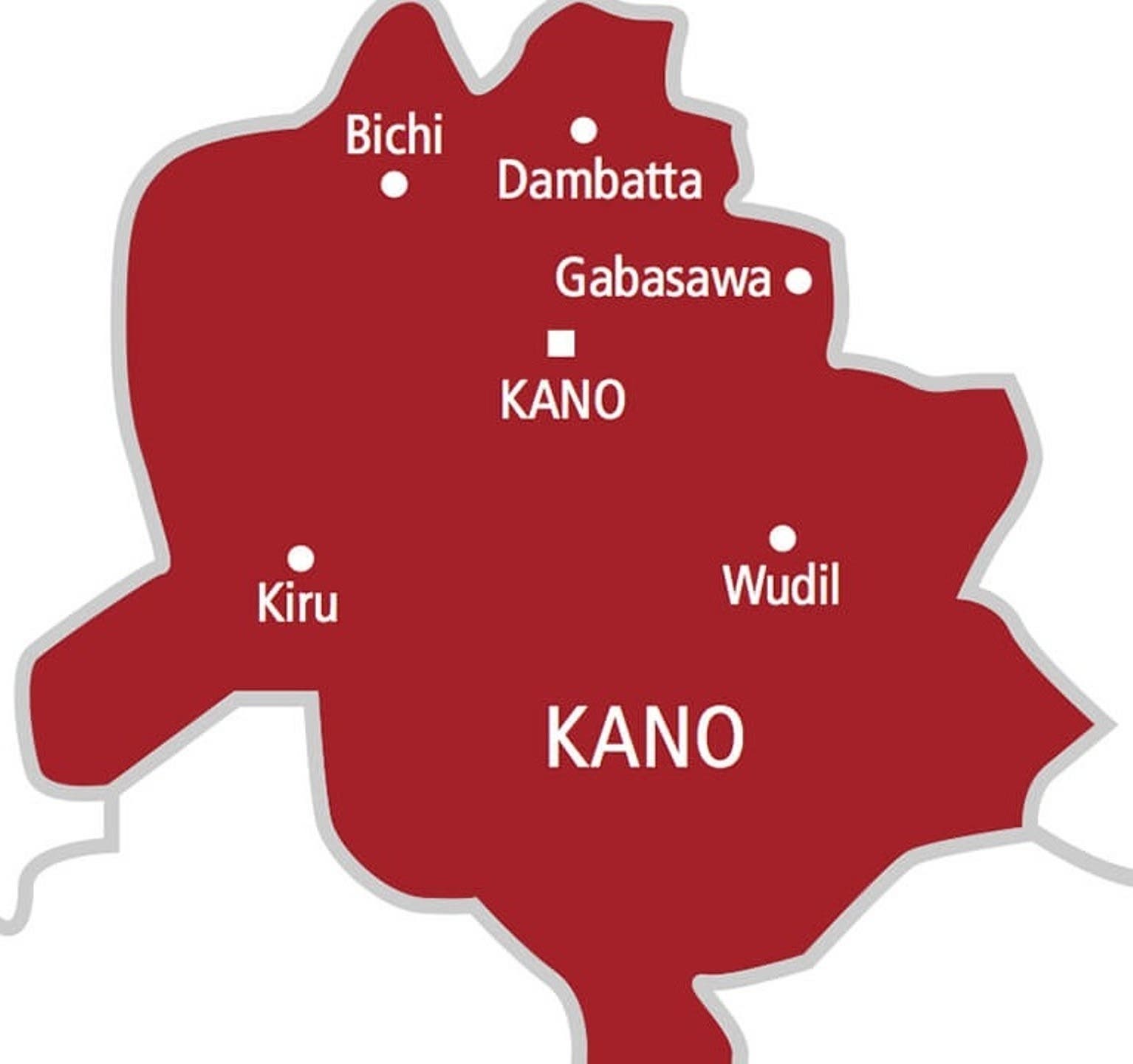
Kano State Governor, Alhaji Abba Kabir Yusuf, has announced that his administration is finalizing arrangements to present the state’s first-ever ₦1 trillion proposed budget for the 2026 financial year. This was contained in a statement issued on Friday by the Governor’s spokesperson, Sunusi Bature Dawakin Tofa. Governor Yusuf disclosed this while declaring open the Second Special Executive Council Meeting convened to deliberate on the 2026 budget proposals ahead of its formal presentation to the Kano State House of Assembly next week. He explained that the historic budget size reflects his administration’s determination to consolidate ongoing infrastructure projects, continue urban renewal efforts, and deepen socio-economic development across the state. Read Also: Gaya Polytechnic Set to Take Off Soon – Governor Yusuf The Governor attributed the increase in the proposed budget to significant improvements in internally generated revenue (IGR) and the blocking of financial leakages within government systems. “Our administration has strengthened internal revenue mechanisms and sealed leakages, which now allows us to plan boldly for transformative projects in 2026,” he said. Governor Yusuf further stated that the 2026 budget will prioritize housing, agriculture, education, healthcare, and support for small and medium enterprises—key sectors expected to stimulate economic growth and create sustainable livelihoods for the people of Kano State. Once concluded, the proposed budget—exceeding ₦1 trillion—will be transmitted to the Kano State House of Assembly for legislative consideration and approval. The Governor reaffirmed his commitment to transparency, fiscal responsibility, and ensuring that every sector receives adequate support to deliver quality services to citizens. If presented, it will mark the first time any northern state in Nigeria has proposed a trillion-naira budget.

Economy, National, News

FG Announces 50 Tax Exemptions, Reliefs for Low-Income Earners, SMEs, Effective January 2026

The Federal Government has unveiled new tax laws offering extensive reliefs and exemptions for low-income earners, middle-class taxpayers, and small businesses, set to take effect from January 1, 2026. The reforms, which include 50 targeted tax exemptions, are part of the administration’s efforts to ease the financial burden on Nigerians and stimulate economic growth. The new laws — the Nigeria Tax Act, 2025 (NTA); Nigeria Tax Administration Act, 2025 (NTAA); Nigeria Revenue Service (Establishment) Act, 2025 (NRSEA); and Joint Revenue Board (Establishment) Act, 2025 (JRBEA) — aim to create a more transparent, equitable, and growth-driven fiscal system. Minister of Finance and Coordinating Minister of the Economy, Wale Edun, said the reforms would strengthen small businesses, encourage compliance, and increase the purchasing power of citizens. Read Also: Tinubu Approves Appointment of Five New Permanent Secretaries Also confirming the development, Taiwo Oyedele, Chairman of the Presidential Committee on Fiscal Policy and Tax Reforms, stated via X (formerly Twitter) that the new regime was designed to support inclusive economic growth and protect vulnerable groups. “From 1 January 2026, the new tax laws will provide many reliefs and exemptions for low-income earners, average taxpayers, and small businesses,” Oyedele wrote. Key Highlights of the 50 Tax Exemptions and Reliefs Personal Income Tax (PAYE) Individuals earning the national minimum wage or less are exempt. Annual gross income up to ₦1.2 million is tax-free. Reduced PAYE rate for those earning ₦20 million annually. Gifts, pensions, gratuities, life insurance, and retirement benefits are exempted. Companies Income Tax Small companies (turnover ≤ ₦100m) will pay zero percent tax. Five-year tax holiday for agricultural businesses. 50% additional deduction for salary increases and wage awards for low-income staff. 50% employment relief for new hires retained for at least three years. Value Added Tax (VAT) Basic food items, education materials, healthcare services, pharmaceutical products, rent, and baby products will attract zero or no VAT. Small companies (with less than ₦100m turnover) are exempt from VAT registration. Diesel, petrol, and solar power equipment are VAT-exempt or suspended. Capital Gains Tax Sale of owner-occupied houses and two private vehicles per year are exempt. Pension funds, charities, and religious institutions (non-commercial) are excluded. Stamp Duties Exemptions for electronic transfers below ₦10,000, salary payments, and government securities transactions. Training for Digital Influencers Oyedele also announced a new initiative to train 20 selected content creators on accurate tax education, saying the programme aims to counter misinformation and promote financial literacy among Nigerians. He urged citizens to nominate credible online influencers educating the public on tax reforms through a nomination form available until November 9, 2025. “Misinformation spreads fast, often to the author’s benefit but to the audience’s loss. Accurate information may travel slower, but it empowers everyone and earns lasting trust,” Oyedele added.

Scroll to Top