The Historica Nigeria

Abuja

Abuja, Kaduna, Kano, National, News

NiMet Issues 3-Day Weather Alert for Thunderstorms, Rain

The Nigerian Meteorological Agency (NiMet) has forecasted widespread thunderstorms and moderate rainfall across various regions of the country from Monday, June 16 to Wednesday, June 18, 2025. In its latest three-day weather outlook released in Abuja, NiMet warned that northern states will experience morning thunderstorms and rains, especially in Kaduna, Adamawa, and Taraba on Monday. The intensity of thunderstorms is expected to increase later in the day across more areas including Borno, Zamfara, Bauchi, Jigawa, Kano, Kebbi, Katsina, and Adamawa. The North-Central region will also experience morning and afternoon thunderstorms across parts of the Federal Capital Territory, Niger, Kwara, Plateau, Kogi, Benue, and Nasarawa States throughout the forecast period. Read Also: Photos: Tinubu Inaugurates Greater Abuja Water Project to Expand Clean Water Access For the southern states, NiMet predicted morning rains over parts of Ebonyi, Abia, Oyo, Osun, Ekiti, Ogun, Rivers, Lagos, Akwa Ibom, and Cross River on Monday, with similar patterns expected to continue through Tuesday and Wednesday. Afternoon and evening thunderstorms are likely over Enugu, Imo, Anambra, Delta, Edo, Bayelsa, and others. By Wednesday, the northern region is expected to record further rainfall, with thunderstorms forecast for Kebbi, Zamfara, Bauchi, Adamawa, Kano, Katsina, Sokoto, Gombe, Taraba, and others. The North-Central and Southern regions will also continue to experience scattered thunderstorms and rainfall during the morning and later hours. NiMet cautioned that strong winds may precede rainfall, advising residents to take precautionary measures such as securing loose objects, avoiding driving during heavy rain, and unplugging electrical devices during storms. The public is also advised to stay away from tall trees during storms to avoid injury from falling branches. Airline operators were urged to obtain airport-specific weather reports from NiMet for flight planning and safety. NiMet encouraged citizens to stay updated with real-time weather information via its website: www.nimet.gov.ng.

Abuja, National, News

Photos: Tinubu Inaugurates Greater Abuja Water Project to Expand Clean Water Access

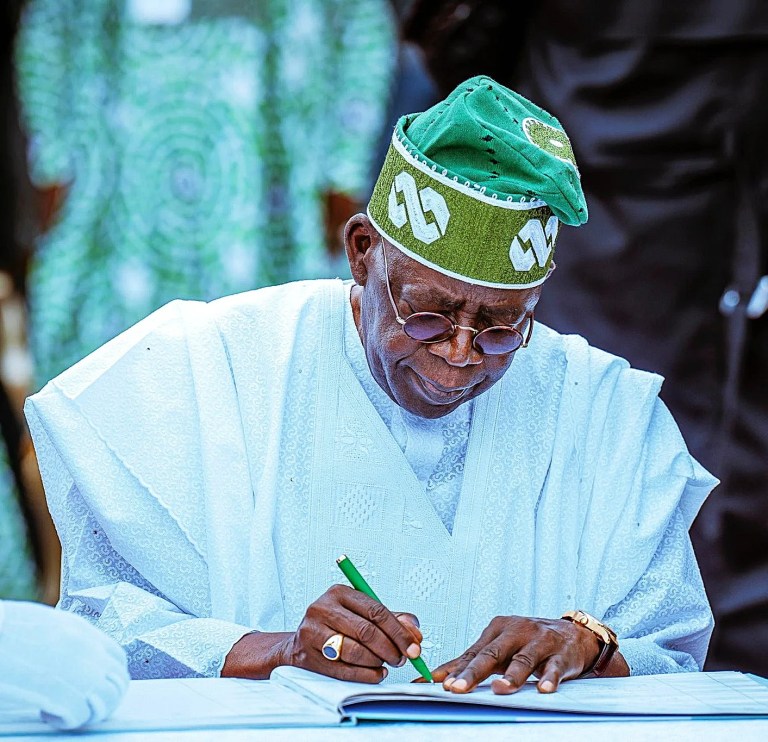
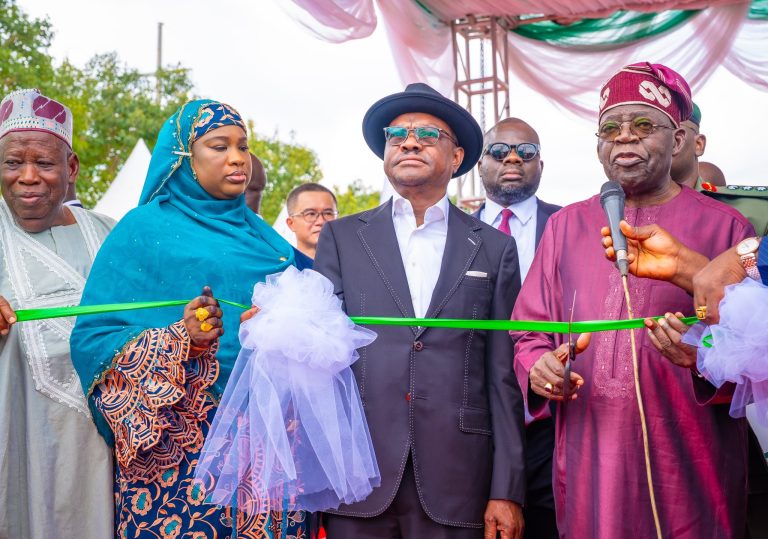
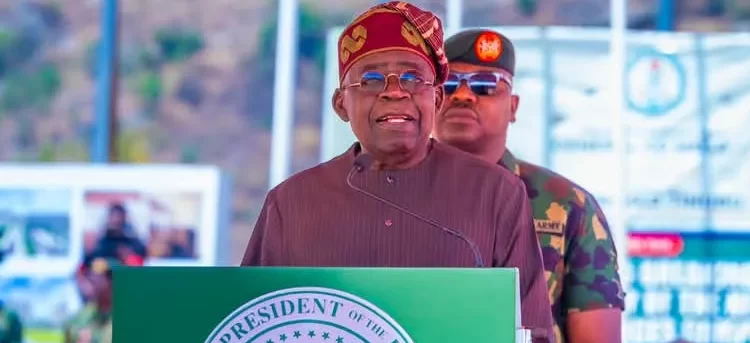
President Bola Ahmed Tinubu has commissioned the Greater Abuja Water Supply Project, aimed at improving potable water distribution across the Federal Capital Territory (FCT). Speaking at the commissioning ceremony in Abuja on Monday, President Tinubu described the project as transformative and aligned with the national development agenda. He praised the partnership between the Federal Capital Territory Administration (FCTA) and the Chinese government for making the project a reality. FCT Minister Nyesom Wike expressed gratitude to the President for his consistent support and recalled Tinubu’s 2023 concerns about water supply in Abuja. He disclosed that the contract, worth $420 million, was awarded in 2017 through an African Development Initiative partnership with China. China funded 85 percent of the cost, while Nigeria covered the remainder. Read Also: APC’s Rising Star: The Woman Ganduje Trusted with the Future Wike noted that the project covers pipeline Loops 1, 2, 5, and 6, and revealed that the procurement process has begun to extend water distribution to satellite towns like Bwari, Karu, and Kubwa. The Greater Abuja Water Supply Project increases the city’s water capacity from 240,000 to 720,000 cubic meters per day, serving over 2.5 million residents across 50 districts, including numerous estates and mass housing areas in Phases III and IV. The initiative also supports sustainable development, maximizes the use of existing water plants, and promotes local job creation. The commissioning is part of a 19-day series of project unveilings to mark President Tinubu’s second year in office. Dignitaries at the event included Chief of Staff to the President Femi Gbajabiamila, APC National Chairman Dr. Abdullahi Ganduje, former governors Samuel Ortom, Ifeanyi Ugwuanyi, Simon Lalong, as well as federal lawmakers and other stakeholders.

Abuja, National, News

President Tinubu Postpones Kaduna Trip, Heads to Benue over Escalating Violence

President Bola Ahmed Tinubu has postponed his official visit to Kaduna State, redirecting his schedule to Benue State on Wednesday, June 18, 2025, in response to the recent surge in violent attacks that have left dozens dead and communities devastated. The visit to Benue underscores the President’s renewed commitment to fostering peace and finding long-term solutions to the persistent crisis plaguing the state. According to a statement by Presidential Adviser on Information and Strategy, Bayo Onanuga, the President will meet with a broad spectrum of stakeholders—ranging from traditional rulers, political and religious leaders, to youth and community representatives—during a town hall meeting aimed at addressing the root causes of the conflict. Read Also: IGP Egbetokun Visits Benue Over Yelewata Massacre as Nation Demands Action Ahead of his visit, President Tinubu has already deployed key government officials to Benue, including the Secretary to the Government of the Federation, the Inspector General of Police, heads of intelligence agencies, the National Security Adviser, and the Chairmen of the Senate and House Committees on Defence. President Tinubu, who has consistently condemned the violence in Benue, urged all citizens to embrace peace, mutual respect, and national unity. He also extended his condolences to the families of victims and those affected by the crisis. Meanwhile, the President’s visit to Kaduna State—initially scheduled for Wednesday, June 18—has been moved to Thursday, June 19, 2025. He is expected to commission key state projects during his stop in Kaduna. Signed: Bayo Onanuga Special Adviser to the President (Information and Strategy) June 16, 2025  

Abuja, National, Politics

After Gombe Incident, Ganduje Reasserts Call for Political Decorum

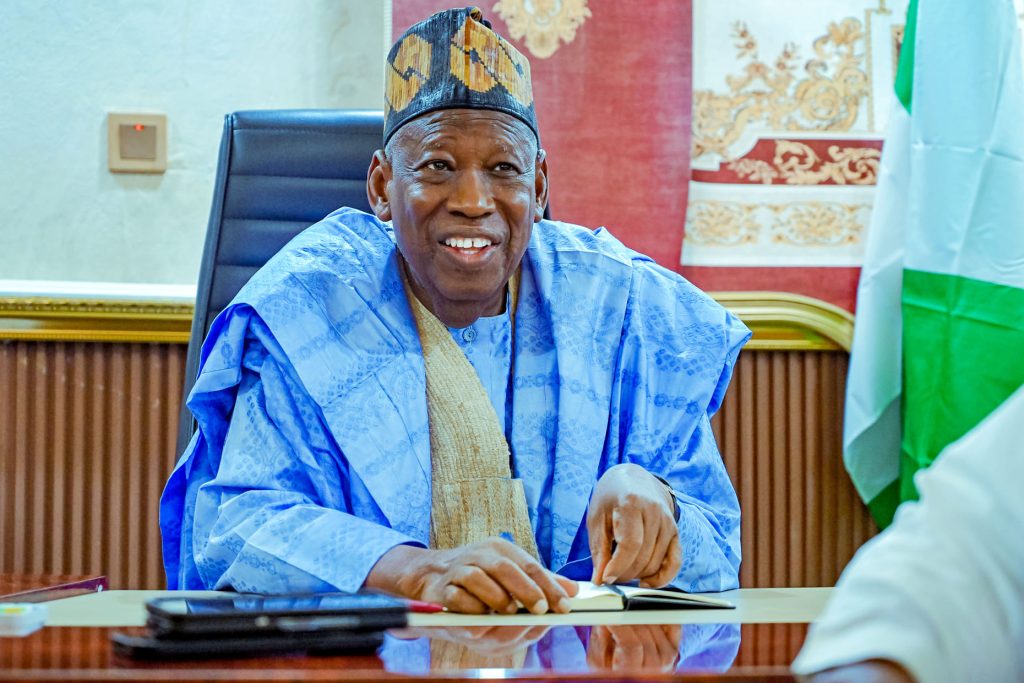
By Umar Idris Shuaibu In what was supposed to be a high-level consultative meeting for stakeholders of the ruling All Progressives Congress (APC) in the North East, a disturbing turn of events unfolded on Sunday in Gombe, when a group of unruly party elements attempted to disrupt proceedings and physically assault the National Chairman of the APC, Dr. Abdullahi Umar Ganduje. What transpired was not just an affront to the man leading the party’s national structure, but a slap to the core values of democracy, civility, and party discipline. Despite the tension, Dr. Ganduje maintained composure, attempting to restore calm and reiterate his unwavering support for the North East zone, a region that produced Nigeria’s Vice President, Senator Kashim Shettima. His appeals for unity and recognition of the constitutional integrity of the Tinubu-Shettima joint ticket were met with recalcitrance from a disruptive faction bent on chaos. Chief Oliver Okpala, Special Assistant on Public Enlightenment to the APC National Chairman, described the act as “condemnable, unpatriotic, and irresponsible.” He warned of the dangerous precedent being set, drawing parallels to the Western Region political crisis that helped precipitate the collapse of Nigeria’s First Republic. Read Also: APC’s Rising Star: The Woman Ganduje Trusted with the Future “How do you treat a man who has laboured round the clock for peace like this?” Okpala asked rhetorically, echoing the sentiments of many party faithful who watched the events unfold with dismay. While some may view the event as isolated, it has ignited deeper reflection within the party and beyond. Dr. Ganduje, a veteran in Nigerian politics, has consistently worked behind the scenes to reconcile aggrieved members, unify party ranks, and deepen the internal democratic process of the APC. His contributions toward building a strong political structure that cuts across ethnic and regional divides are well documented, from his time as governor of Kano State to his current role at the apex chairman of the party. That such a man would be physically threatened while performing his duties as National Chairman is both an aberration and an indictment of those who seek power not through persuasion or consensus but through aggression and political brigandage. Yet, in the face of this provocation, Ganduje did not retaliate. Instead, he reaffirmed his commitment to party discipline, decorum, and dialogue principles that should be the bedrock of modern Nigerian politics. His speech at the meeting was clear: the APC remains one party, under one leadership, with a joint presidential ticket that values every region of Nigeria equally. He reminded the stakeholders that Shettima’s position as Vice President is not symbolic but strategic, and that the North East plays a crucial role in the APC’s national outlook. His attempt to calm tempers did not go unnoticed. Security operatives, acting swiftly, shielded him from what could have easily turned into a national embarrassment. That prompt intervention likely saved the party from descending into a public relations crisis and further disunity. Read Also: Dr. Ganduje Undertakes Hajj Amid Rising Political Influence Across the political spectrum, voices are rising in solidarity with Ganduje. Observers and analysts have described the attack as “politically unwise,” “disrespectful,” and “a shameful display of desperation.” Even within the North East, many responsible party leaders have begun calling for discipline and sanctioning of those responsible. More than ever, Dr. Ganduje’s stature as a leader of peace and unity is being tested, but if history is any indicator, this moment will not weaken him. Rather, it strengthens his resolve to build an APC that is not just electorally dominant, but internally stable, ideologically consistent, and democratically driven. A Call for Political Decency Chief Okpala’s warning must be heeded. Nigeria’s political culture must never tolerate thuggery, particularly within parties that pride themselves on progressivism. It’s not just about Ganduje; it’s about the future of internal party democracy and the need to safeguard our political institutions from the recklessness of fringe elements. As Nigeria’s largest political party, the APC must rise above internal provocations. Leaders across all zones must rally around the values of consultation, consensus, and mutual respect, values that Dr. Ganduje continues to promote in every forum. For now, the dust in Gombe may settle, but the implications remain. Dr. Ganduje, unshaken and unbroken, walks forward with the dignity of a leader focused not on retaliation but on rebuilding trust and reinforcing unity, the kind of leadership the APC, and indeed Nigeria, needs in these times. This piece was written by Umar Idris Shuaibu, a digital journalist based in Kano. He can be reached via email at shuaibuumaridris@gmail.com

Abuja, Education, National, News

30,000 Candidates Sit for 2025 TVET Entrance Exam Nationwide

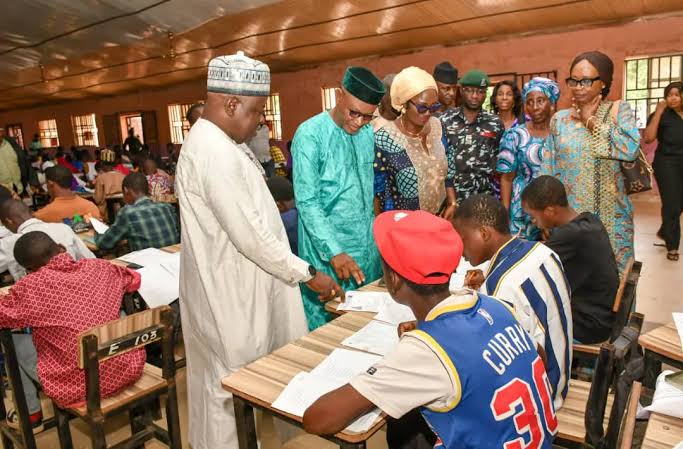
A total of 30,000 candidates participated in the 2025 Technical and Vocational Education and Training (TVET) entrance examination conducted on Saturday across Federal Technical Colleges in Nigeria. The examination was organized by the Federal Government through the National Business and Technical Examinations Board (NABTEB). While monitoring the exercise at the Federal Technical College, Orozo, Abuja, NABTEB Registrar and CEO, Dr. Mohammed Mohammed, described TVET as a transformative initiative aimed at equipping Nigerian youth with practical, industry-relevant skills and promoting human capital development. Read Also: Kano State Schools to Resume June 15 and 16 After Eid-El-Kabeer Break He emphasized that the exam serves not only to admit students but also to assess their individual strengths and match them with appropriate vocational trades such as electrical installation, tailoring, and solar maintenance. “The era of paper qualifications is phasing out. We are now in the era of ‘what can you offer?’” Dr. Mohammed stated, lamenting Nigeria’s reliance on foreign artisans for basic construction tasks. He highlighted that training under the TVET programme would range from six months to one year, depending on the chosen trade. Graduates will receive starter packs and may access business loans to kickstart their enterprises. “This is not just about skill acquisition, it’s about job creation and economic empowerment,” he added. A selection committee comprising principals, NABTEB officials, and representatives from the Federal Ministry of Education will oversee the admission process. Results will be released within 21 days.

Abuja, Feature, Kano, National, Politics

APC’s Rising Star: The Woman Ganduje Trusted with the Future

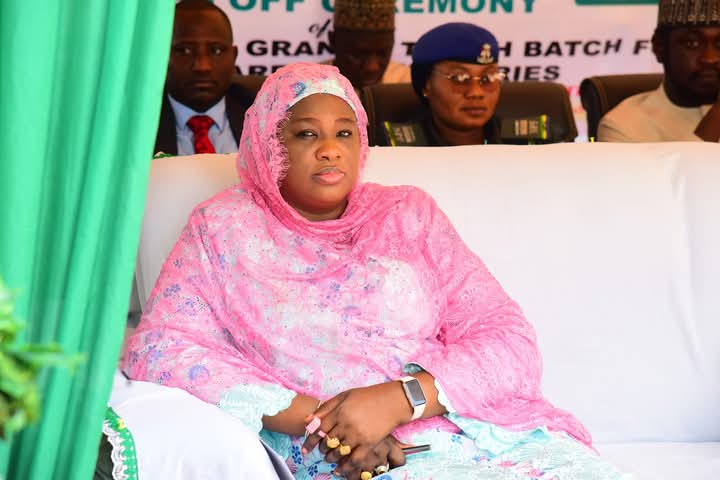
Within the rich tapestry of Nigeria’s public service, few stories reflect consistency, discipline, and rising influence like that of Dr. Mariya Mahmoud Bunkure, the current Minister of State for the Federal Capital Territory (FCT). Her journey from a Commissioner in Kano State to a key figure in Nigeria’s federal cabinet is not just a tale of political ascension, it’s a testament to purposeful service, strategic alignment, and a passion for grassroots development. Born in the historic town of Bunkure in Kano State, Dr. Mariya Mahmoud’s early life was steeped in education, community service, and the values of discipline and humility. Trained as a medical doctor, she brought her professional insights into governance when she was appointed Commissioner for Higher Education in Kano State under the administration of Dr. Abdullahi Umar Ganduje. During her tenure as Commissioner, Dr. Mariya stood out for her calm resolve and administrative foresight. At a time when Kano’s higher education sector was faced with funding challenges, infrastructural gaps, and the need for curricular reform, she championed policies that improved institutional governance and promoted access, especially for female students. Her ability to blend professionalism with political acumen quickly earned her the respect of colleagues and constituents alike. Read Also: Dr. Ganduje Undertakes Hajj Amid Rising Political Influence It was this performance and loyalty that placed her firmly in the trust circle of Dr. Ganduje, then Governor of Kano State and now the National Chairman of the All Progressives Congress (APC). As Ganduje’s national influence widened, so did the prospects of those he mentored. Dr. Mariya’s elevation to the national stage as Minister of State for the FCT under the administration of President Bola Ahmed Tinubu can be traced to a political trajectory rooted in merit, trust, and northern regional representation. At the FCT Ministry, Dr. Mariya now holds a significant portfolio overseeing policy implementation, urban development, and service delivery in Nigeria’s capital. Her approach has been inclusive and participatory, often engaging with stakeholders from traditional institutions, civil society, and the private sector. Whether addressing sanitation in satellite towns, reviewing land allocation procedures, or supervising school health programs, she carries her medical and administrative experience into every detail. Observers note her calm but firm style, which contrasts with the bustling and sometimes chaotic political landscape of Abuja. She is often described as the “silent engine” behind some of the Ministry’s grassroots-focused reforms, particularly those relating to women empowerment and youth engagement in the FCT’s area councils. In the wider context of Nigerian politics, Dr. Mariya Mahmoud’s story also highlights the growing relevance of Kano State as a breeding ground for national leadership. Under Ganduje’s leadership, several Kano-born technocrats and politicians have moved into key federal roles, a sign of the former governor’s long-term strategy to plant loyal, competent allies across the federal structure. Yet, despite her growing influence, Dr. Mariya remains relatively media-shy, choosing to let her work speak for her. Her aides describe her as diligent, prayerful, and deeply committed to public service. “She sees politics not just as a platform for power, but as an opportunity to heal communities, improve lives, and leave a legacy,” one staff member noted. As Nigeria navigates complex national challenges from urban planning to education and healthcare reform, the presence of focused leaders like Dr. Mariya Mahmoud Bunkure provides a glimmer of hope. For young girls in Kano and beyond, her story is a living proof that with education, integrity, and dedication, the journey from Bunkure to Abuja is not just possible, but attainable. Dr. Mariya Mahmoud Bunkure’s rise from the heart of Kano State to the corridors of power in Abuja is a remarkable example of determination, service, and strategic leadership. Her journey underscores the importance of competence over rhetoric, and dedication to public service above personal gain. As the Minister of State for the FCT, she remains an embodiment of the values instilled in her during her years in Kano values that continue to guide her work as she addresses the needs of the capital’s diverse communities. With her vision and quiet resolve, Dr. Mariya is poised to leave an indelible mark on Nigeria’s urban development and public policy, offering a model of leadership for future generations.

Abuja, Feature, Kano, Politics, Profile

Barau Jibrin’s Two Years as Deputy Senate President: A Chronicle of Impact

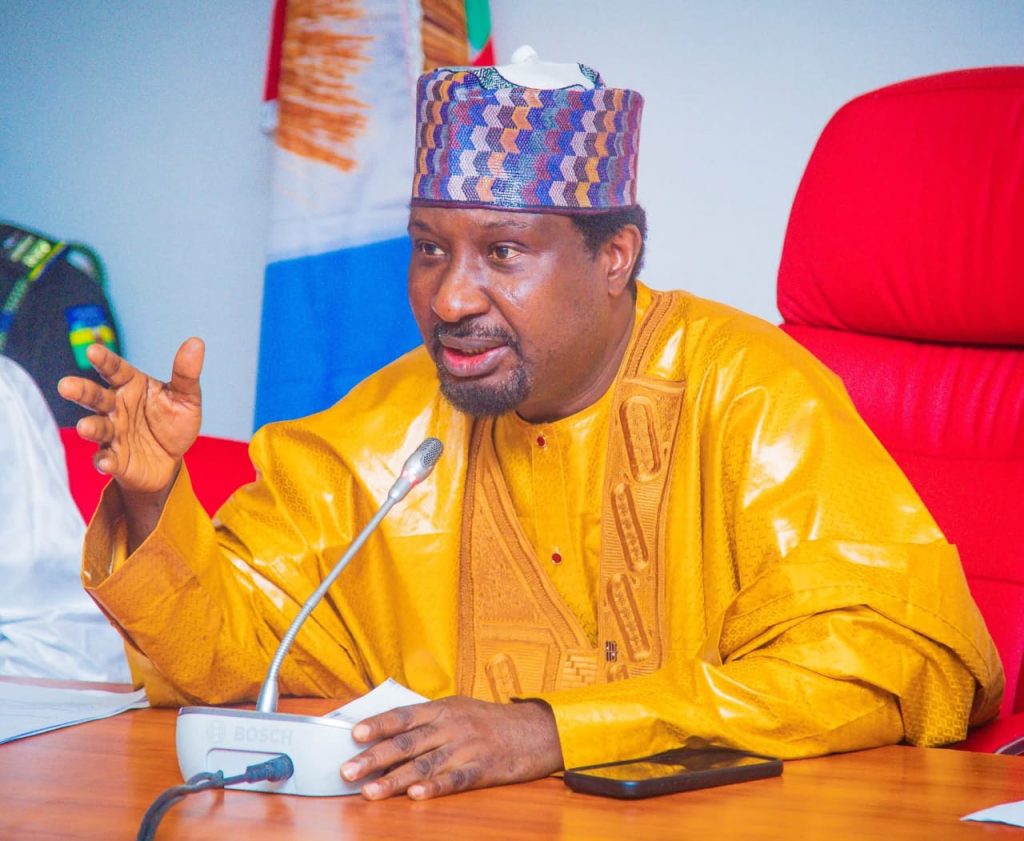
In Nigeria’s complex political landscape, where ambition is often loud and calculated, Senator Barau I. Jibrin, Deputy President of the Nigerian Senate, has charted a different course, one marked by quiet influence, policy depth, and grassroots transformation. From his native Kano North Senatorial District to the floor of the National Assembly in Abuja, Barau has built a legacy grounded in strategic legislative work and visible constituency development. He is widely seen as a political stabilizer and a technocrat-legislator who understands both the art of politics and the science of governance. Born on January 1, 1959, in Kano City, Barau’s early life was shaped by a disciplined upbringing and a strong emphasis on education. He obtained degrees in Accounting and Business Administration, followed by postgraduate qualifications in Financial Management, Pricing, and Management. Read Also: June 12: Tinubu Cancels Democracy Day Broadcast His early career spanned public service and business, including roles in the Kano State Ministry of Finance and Nigeria’s oil sector. This blend of technocratic training and administrative experience define his performance in the legislature. Barau’s national political journey began in 1999, when he was elected to the House of Representatives, where he chaired the House Committee on Appropriations. After years in both state and national engagements, he was elected as Senator for Kano North in 2015, and has since won re-election due to his consistent delivery and leadership. Now in his third term, Barau has chaired critical Senate Committees, including Appropriations, Tertiary Institutions and TETFUND, and currently serves as Deputy Senate President, a position he assumed in June 2023 through bipartisan consensus, testimony to his reputation as a unifier and strategist. Visible Impact in Kano North While Barau’s influence is national, his developmental footprint in Kano North is tangible and wide-reaching. He is often praised not only as a lawmaker but as a builder of institutions and opportunities. One of his most celebrated achievements is the upgrade of the Federal Polytechnic Kabo into the Federal University of Science and Technology Kabo, a transformative development that has elevated Kano North as an emerging hub for scientific and technical education. The initiative is expected to create thousands of direct and indirect jobs, boost local businesses, and foster innovation across Northern Nigeria. In addition Barau spearheaded the construction and rehabilitation of major roads across Rogo, Danbatta, and Gwarzo local government areas, connecting rural communities to markets and services. He has provided thousands of scholarships to indigent students across the district, particularly those pursuing science, technology, engineering, and mathematics (STEM). Courtesy of his representation multiple solar-powered boreholes and electrification projects have been installed in remote villages under his constituency outreach programs. He launched youth empowerment programs in tailoring, ICT, agro-processing, and welding, and distributing startup kits to help young entrepreneurs. Barau also facilitated the upgrading and equipping of health centres across the senatorial district, particularly during the post-COVID recovery period. His developmental focus, especially on education, infrastructure, and youth employment, has earned him the admiration of both traditional rulers and local leaders across Kano North. Influence in the Senate As Deputy Senate President, Barau plays a critical role in shaping Nigeria’s legislative direction. He is not known for dramatics or partisanship, but for negotiating peace, pushing bills quietly, and ensuring the Senate remains a functioning institution. In 2024, he helped midwife the passage of the Technical and Vocational Education Reform Bill, aimed at repositioning polytechnics and technical schools to better equip Nigerian youth for the job market. On national issues, from fiscal federalism to petroleum regulation and national security, Barau is seen as a voice of reason, often tasked with brokering deals and calming tensions behind closed doors. “He’s the one who talks when others have finished shouting,” said one legislative aide. “And when he speaks, things start to move.” 2027 Journey As the 2027 general elections approach, political analysts continue to speculate about Barau’s next move. While some suggest he may aim for a ministerial appointment or executive office, others believe he could play a kingmaker role in shaping northern and national political alliances. Yet, Barau himself has remained grounded. At a recent event in Kano, he remarked, “Leadership, to me, is not a title. It is the ability to deliver, to listen, and to solve problems. That is what I will continue to do.” Senator Barau Jibrin’s story is one of diligence, strategy, and quiet revolution. In an era where theatrics often eclipse substance, he has offered a different vision, a servant-leader who builds, not boasts. From transforming Kano North’s educational landscape to guiding legislative reforms in Abuja, Barau represents a rare kind of leadership rooted in results, not noise. And as Nigeria looks for reliable hands to guide its future, the gentle man from Kano North may well be one of the country’s most valuable assets.

Abuja, National, News

June 12: Tinubu Cancels Democracy Day Broadcast

President Bola Tinubu has cancelled the planned national broadcast earlier scheduled for Thursday, June 12, in commemoration of Nigeria’s 26th Democracy Day anniversary. Instead, he will deliver his Democracy Day address before a special joint session of the National Assembly. Read Also: Ganduje’s APC: The Party That’s Swallowing the Opposition The change was announced in a statement issued on Wednesday by the Director of Information and Public Relations in the office of the SGF, Segun Imohiosen.

Abuja, Kano, National, Politics

Ganduje’s APC: The Party That’s Swallowing the Opposition

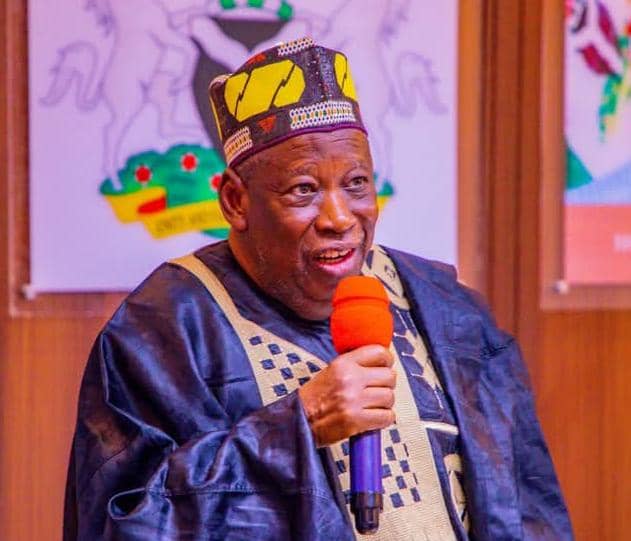
Umar Idris Shuaibu, Kano Since his emergence as National Chairman of the All Progressives Congress (APC), Dr. Abdullahi Umar Ganduje has quietly engineered a political shift that is redefining the party’s strength and reshaping Nigeria’s broader political landscape. Known for his calm, consultative, and strategic leadership style, Ganduje has fostered internal cohesion within the APC while steadily drawing high-profile figures from rival parties into its fold. Under his stewardship, a wave of defections has swept through the political terrain. From governors and senators to federal and state legislators, opposition heavyweights are increasingly finding a new political home in the APC. Many cite Ganduje’s inclusive approach, stability-focused leadership, and non-combative style as key attractions. Unlike some political figures who court publicity, Ganduje has quietly pursued a strategy rooted in reconciliation, grassroots mobilization, and party unity. He has avoided factionalism, choosing dialogue and accommodation over divisive rhetoric. Observers and party insiders alike believe this approach has catalyzed a realignment of political forces across the country. Read Also: APC’s Rising Star: The Woman Ganduje Trusted with the Future Party loyalists describe this new phase as unprecedented in the APC’s recent history. According to them, the influx of defectors reflects Ganduje’s political maturity, discipline, and commitment to building a truly national institution. “Ganduje is not leading with ego or noise,” one party insider remarked. “He’s leading with wisdom and strategy. That’s what is winning hearts—even among the opposition.” The past several months have seen a series of notable defections. Governors, former governors, and senators who once criticized the APC have now embraced the party, pointing to Ganduje’s reconciliatory tone and the party’s renewed sense of direction. At the National Assembly, at least five lawmakers from opposition parties have officially crossed over to the APC. In states like Plateau, Benue, Bauchi, Enugu, and Cross River, politicians who previously stood firmly with rival parties are now speaking of “true leadership” within the APC. Even in the South-East and South-South traditionally challenging regions for the party the Ganduje-led APC is gaining traction. Ganduje’s rise to chairmanship was seen by many as a stabilizing move, endorsed by party elders, governors, and key stakeholders eager to resolve internal crises. Since assuming the role, he has focused on internal healing before projecting strength outward, a formula that is paying political dividends. His leadership is markedly different from past party heads. As a former deputy governor, governor, and long-serving public administrator, Ganduje brings institutional experience, regional sensitivity, and a collaborative spirit to the role. His record of managing Kano one of Nigeria’s most politically dynamic states is seen as a microcosm of his ability to navigate national complexities. Significantly, Ganduje’s interactions with opposition defectors have been structured around long-term integration rather than short-term reward. Reports suggest new entrants are encouraged to contribute to party structures and grassroots development, rather than being enticed with appointments or patronage. This approach has minimized internal friction, preserved the loyalty of existing members, and ensured a smoother absorption of newcomers. While many past defections triggered internal strife within the APC, Ganduje’s leadership has created a welcoming yet balanced environment retaining old allies while embracing new converts. It’s a rare equilibrium that political observers say is fueling the APC’s expansion as opposition parties grapple with disunity. The sentiment resonates beyond APC ranks. A former PDP senator from the North-Central region who recently joined the APC told Daily Trust that Ganduje’s leadership style influenced his decision. “We weren’t necessarily opposed to APC’s policies,” he said. “We were uncomfortable with how the party was managed. Under Ganduje, that has changed. There’s a new sense of professionalism, fairness, and vision.” Similar endorsements have come from youth leaders in the South-East, who visited the APC headquarters to show support. They praised Ganduje’s leadership as “inclusive, mature, and stabilizing.” Despite these achievements, Ganduje has refrained from criticizing past party leaders. Instead, he has built on their legacies, refined internal processes, and emphasized unity over blame. This restraint, according to stakeholders, has protected the party from internal explosions that often rock large political organizations. Looking ahead to the 2027 general elections, Ganduje’s leadership is repositioning the APC as the party of choice for both relevance and refuge. While challenges remain such as managing pre-primary ambitions, delivering on government promises, and maintaining cohesion across state chapters, the party is regaining lost confidence under his direction. Supporters insist Ganduje is not merely managing the party but laying the groundwork for institutional stability and national inclusiveness. “You can’t talk about today’s APC without acknowledging the quiet leadership of Dr. Ganduje,” a top party official said. “He doesn’t need to shout. His results speak. People are joining not because of pressure, but out of conviction.” Indeed, from Abuja to the states, one conclusion is emerging: Ganduje’s professional and inclusive leadership is not just stabilizing the APC, it is transforming it into a magnetic force, steadily consuming the opposition. Umar Idris Shuaibu is a digital journalist and writes from Kano. He can be reached at shuaibuumaridris@gmail.com.

Scroll to Top