The Historica Nigeria

Abuja

Abuja, Feature, Kano, Politics, Profile

Barau Jibrin’s Two Years as Deputy Senate President: A Chronicle of Impact

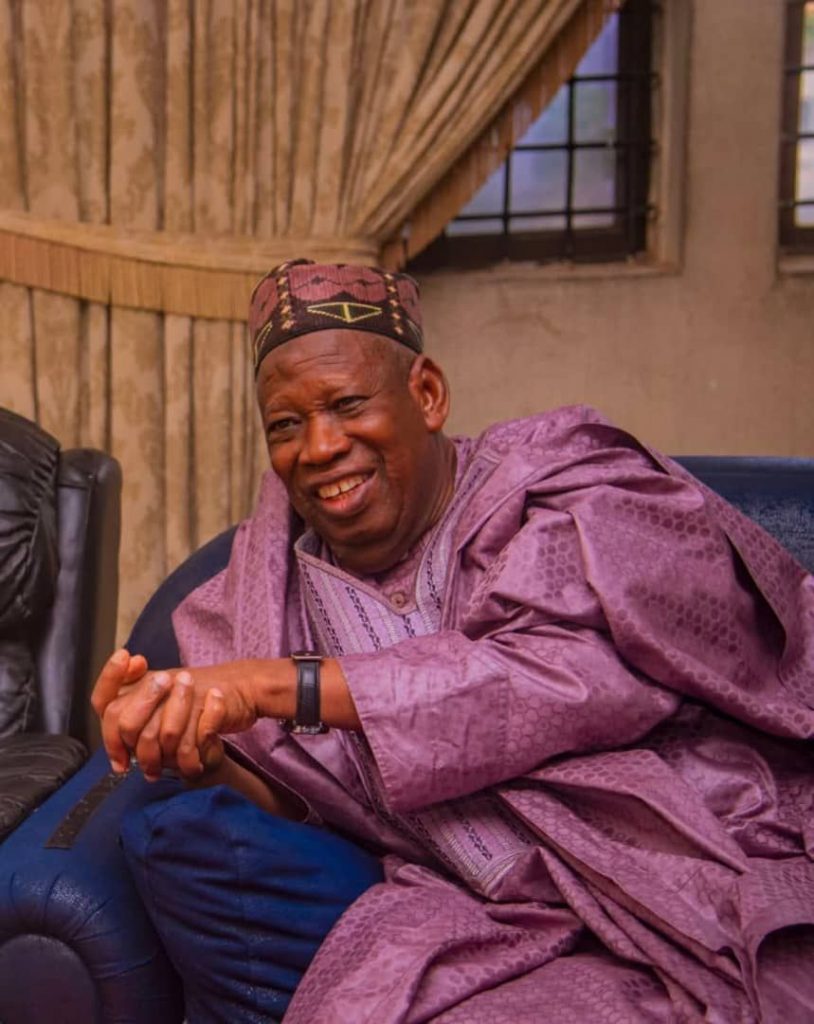
In Nigeria’s complex political landscape, where ambition is often loud and calculated, Senator Barau I. Jibrin, Deputy President of the Nigerian Senate, has charted a different course, one marked by quiet influence, policy depth, and grassroots transformation. From his native Kano North Senatorial District to the floor of the National Assembly in Abuja, Barau has built a legacy grounded in strategic legislative work and visible constituency development. He is widely seen as a political stabilizer and a technocrat-legislator who understands both the art of politics and the science of governance. Born on January 1, 1959, in Kano City, Barau’s early life was shaped by a disciplined upbringing and a strong emphasis on education. He obtained degrees in Accounting and Business Administration, followed by postgraduate qualifications in Financial Management, Pricing, and Management. Read Also: June 12: Tinubu Cancels Democracy Day Broadcast His early career spanned public service and business, including roles in the Kano State Ministry of Finance and Nigeria’s oil sector. This blend of technocratic training and administrative experience define his performance in the legislature. Barau’s national political journey began in 1999, when he was elected to the House of Representatives, where he chaired the House Committee on Appropriations. After years in both state and national engagements, he was elected as Senator for Kano North in 2015, and has since won re-election due to his consistent delivery and leadership. Now in his third term, Barau has chaired critical Senate Committees, including Appropriations, Tertiary Institutions and TETFUND, and currently serves as Deputy Senate President, a position he assumed in June 2023 through bipartisan consensus, testimony to his reputation as a unifier and strategist. Visible Impact in Kano North While Barau’s influence is national, his developmental footprint in Kano North is tangible and wide-reaching. He is often praised not only as a lawmaker but as a builder of institutions and opportunities. One of his most celebrated achievements is the upgrade of the Federal Polytechnic Kabo into the Federal University of Science and Technology Kabo, a transformative development that has elevated Kano North as an emerging hub for scientific and technical education. The initiative is expected to create thousands of direct and indirect jobs, boost local businesses, and foster innovation across Northern Nigeria. In addition Barau spearheaded the construction and rehabilitation of major roads across Rogo, Danbatta, and Gwarzo local government areas, connecting rural communities to markets and services. He has provided thousands of scholarships to indigent students across the district, particularly those pursuing science, technology, engineering, and mathematics (STEM). Courtesy of his representation multiple solar-powered boreholes and electrification projects have been installed in remote villages under his constituency outreach programs. He launched youth empowerment programs in tailoring, ICT, agro-processing, and welding, and distributing startup kits to help young entrepreneurs. Barau also facilitated the upgrading and equipping of health centres across the senatorial district, particularly during the post-COVID recovery period. His developmental focus, especially on education, infrastructure, and youth employment, has earned him the admiration of both traditional rulers and local leaders across Kano North. Influence in the Senate As Deputy Senate President, Barau plays a critical role in shaping Nigeria’s legislative direction. He is not known for dramatics or partisanship, but for negotiating peace, pushing bills quietly, and ensuring the Senate remains a functioning institution. In 2024, he helped midwife the passage of the Technical and Vocational Education Reform Bill, aimed at repositioning polytechnics and technical schools to better equip Nigerian youth for the job market. On national issues, from fiscal federalism to petroleum regulation and national security, Barau is seen as a voice of reason, often tasked with brokering deals and calming tensions behind closed doors. “He’s the one who talks when others have finished shouting,” said one legislative aide. “And when he speaks, things start to move.” 2027 Journey As the 2027 general elections approach, political analysts continue to speculate about Barau’s next move. While some suggest he may aim for a ministerial appointment or executive office, others believe he could play a kingmaker role in shaping northern and national political alliances. Yet, Barau himself has remained grounded. At a recent event in Kano, he remarked, “Leadership, to me, is not a title. It is the ability to deliver, to listen, and to solve problems. That is what I will continue to do.” Senator Barau Jibrin’s story is one of diligence, strategy, and quiet revolution. In an era where theatrics often eclipse substance, he has offered a different vision, a servant-leader who builds, not boasts. From transforming Kano North’s educational landscape to guiding legislative reforms in Abuja, Barau represents a rare kind of leadership rooted in results, not noise. And as Nigeria looks for reliable hands to guide its future, the gentle man from Kano North may well be one of the country’s most valuable assets.

Abuja, National, News

June 12: Tinubu Cancels Democracy Day Broadcast

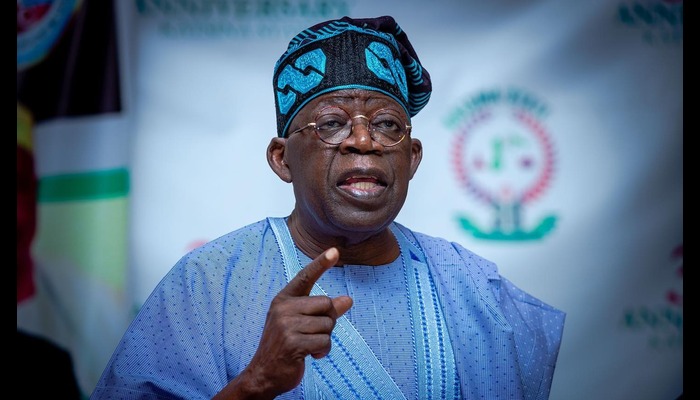
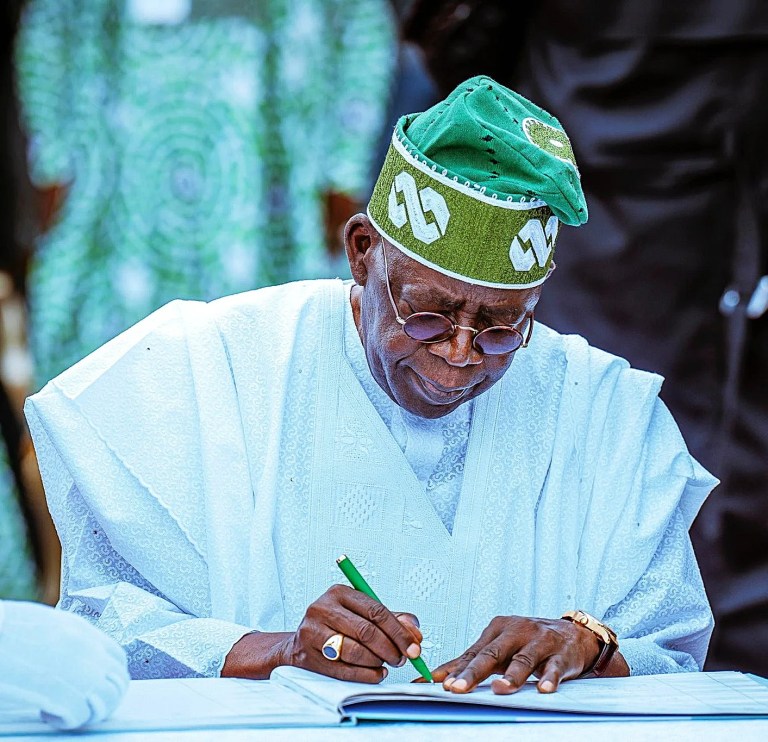
President Bola Tinubu has cancelled the planned national broadcast earlier scheduled for Thursday, June 12, in commemoration of Nigeria’s 26th Democracy Day anniversary. Instead, he will deliver his Democracy Day address before a special joint session of the National Assembly. Read Also: Ganduje’s APC: The Party That’s Swallowing the Opposition The change was announced in a statement issued on Wednesday by the Director of Information and Public Relations in the office of the SGF, Segun Imohiosen.

Abuja, Kano, National, Politics

Ganduje’s APC: The Party That’s Swallowing the Opposition

Umar Idris Shuaibu, Kano Since his emergence as National Chairman of the All Progressives Congress (APC), Dr. Abdullahi Umar Ganduje has quietly engineered a political shift that is redefining the party’s strength and reshaping Nigeria’s broader political landscape. Known for his calm, consultative, and strategic leadership style, Ganduje has fostered internal cohesion within the APC while steadily drawing high-profile figures from rival parties into its fold. Under his stewardship, a wave of defections has swept through the political terrain. From governors and senators to federal and state legislators, opposition heavyweights are increasingly finding a new political home in the APC. Many cite Ganduje’s inclusive approach, stability-focused leadership, and non-combative style as key attractions. Unlike some political figures who court publicity, Ganduje has quietly pursued a strategy rooted in reconciliation, grassroots mobilization, and party unity. He has avoided factionalism, choosing dialogue and accommodation over divisive rhetoric. Observers and party insiders alike believe this approach has catalyzed a realignment of political forces across the country. Read Also: APC’s Rising Star: The Woman Ganduje Trusted with the Future Party loyalists describe this new phase as unprecedented in the APC’s recent history. According to them, the influx of defectors reflects Ganduje’s political maturity, discipline, and commitment to building a truly national institution. “Ganduje is not leading with ego or noise,” one party insider remarked. “He’s leading with wisdom and strategy. That’s what is winning hearts—even among the opposition.” The past several months have seen a series of notable defections. Governors, former governors, and senators who once criticized the APC have now embraced the party, pointing to Ganduje’s reconciliatory tone and the party’s renewed sense of direction. At the National Assembly, at least five lawmakers from opposition parties have officially crossed over to the APC. In states like Plateau, Benue, Bauchi, Enugu, and Cross River, politicians who previously stood firmly with rival parties are now speaking of “true leadership” within the APC. Even in the South-East and South-South traditionally challenging regions for the party the Ganduje-led APC is gaining traction. Ganduje’s rise to chairmanship was seen by many as a stabilizing move, endorsed by party elders, governors, and key stakeholders eager to resolve internal crises. Since assuming the role, he has focused on internal healing before projecting strength outward, a formula that is paying political dividends. His leadership is markedly different from past party heads. As a former deputy governor, governor, and long-serving public administrator, Ganduje brings institutional experience, regional sensitivity, and a collaborative spirit to the role. His record of managing Kano one of Nigeria’s most politically dynamic states is seen as a microcosm of his ability to navigate national complexities. Significantly, Ganduje’s interactions with opposition defectors have been structured around long-term integration rather than short-term reward. Reports suggest new entrants are encouraged to contribute to party structures and grassroots development, rather than being enticed with appointments or patronage. This approach has minimized internal friction, preserved the loyalty of existing members, and ensured a smoother absorption of newcomers. While many past defections triggered internal strife within the APC, Ganduje’s leadership has created a welcoming yet balanced environment retaining old allies while embracing new converts. It’s a rare equilibrium that political observers say is fueling the APC’s expansion as opposition parties grapple with disunity. The sentiment resonates beyond APC ranks. A former PDP senator from the North-Central region who recently joined the APC told Daily Trust that Ganduje’s leadership style influenced his decision. “We weren’t necessarily opposed to APC’s policies,” he said. “We were uncomfortable with how the party was managed. Under Ganduje, that has changed. There’s a new sense of professionalism, fairness, and vision.” Similar endorsements have come from youth leaders in the South-East, who visited the APC headquarters to show support. They praised Ganduje’s leadership as “inclusive, mature, and stabilizing.” Despite these achievements, Ganduje has refrained from criticizing past party leaders. Instead, he has built on their legacies, refined internal processes, and emphasized unity over blame. This restraint, according to stakeholders, has protected the party from internal explosions that often rock large political organizations. Looking ahead to the 2027 general elections, Ganduje’s leadership is repositioning the APC as the party of choice for both relevance and refuge. While challenges remain such as managing pre-primary ambitions, delivering on government promises, and maintaining cohesion across state chapters, the party is regaining lost confidence under his direction. Supporters insist Ganduje is not merely managing the party but laying the groundwork for institutional stability and national inclusiveness. “You can’t talk about today’s APC without acknowledging the quiet leadership of Dr. Ganduje,” a top party official said. “He doesn’t need to shout. His results speak. People are joining not because of pressure, but out of conviction.” Indeed, from Abuja to the states, one conclusion is emerging: Ganduje’s professional and inclusive leadership is not just stabilizing the APC, it is transforming it into a magnetic force, steadily consuming the opposition. Umar Idris Shuaibu is a digital journalist and writes from Kano. He can be reached at shuaibuumaridris@gmail.com.

Scroll to Top