The Historica Nigeria

Author name: Umar Idris Shuaibu

Kano, News

Ex-FRSC ACM raises safety concern over tricycles plying highway in Kano

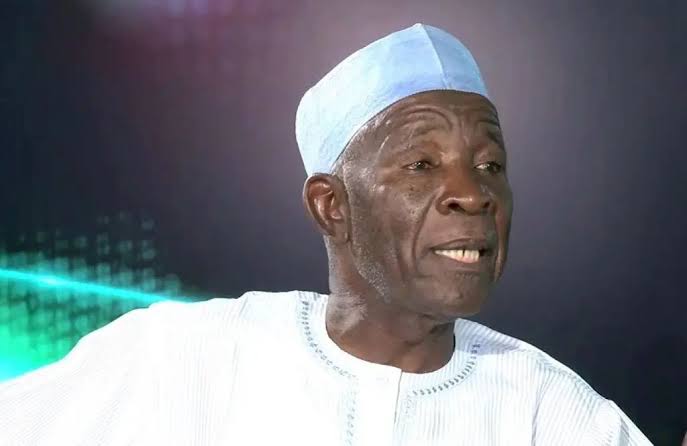
By Olufunmi Alhaji Kabiru Yusuf-Nadabo, a retired Assistant Corps Marshal of the Federal Road Safety Corps (FRSC), has raised concerns over the recklessness of commercial tricycle operators, popularly known as Keke Napep, along major highways in Kano State. Yusuf-Nadabo, said he observed that tricycle operators have extended their operations beyond the city centre to major highways, contrary to established traffic regulations. Speaking in an exclusive interview with the News Agency of Nigeria (NAN) on Tuesday in Kano, the retired corps marshal, recalled that the state government had in 2013 ban commercial motorcycles and introduced tricycles as an alternative means of transportation. “Stakeholders reached a gentleman’s agreement restricting tricycle operations within designated urban routes. On no account, therefore, were tricycles expected to ply major highways like other vehicles,”he said. Read Also: IGP Egbetokun Bows Out After Presidential Order Emir Aminu Ado Bayero To Lead National Ramadan Feeding Committee Kano Journalist Weighs Legal Action Over Alleged Insult by Govt Aide Yusuf-Nadabo urged security agencies like, FRSC, Police Force, and Kano Road Traffic Agency to collaborate to curb growing menace. He recalled that safety, security and safety go hand in hand, but much attention is being given to security, while safety is often neglected, forgetting that safety must come first. The ex-frsc boss urged Kano state government to urgently convene a stakeholders’ forum to reassess and enforce operational limits for tricycle operators in order to safeguard lives and property. He said, “Kano is unique in having eight major highways directly linking the city centre to other parts of the country, with operational limits for each route. “Tricycles operating on highway mm poses serious traffic and safety risks. The same situation is observed on Wudil road, where tricyclist now go beyond Wudil to Gaya. “To address traffic challenges, there is need for meetings of traditional rulers, police, civil defence, transport unions, media, among others to review traffic situations and collectively took decisions,” he said. He raised alarm that the crash statistics which involve tricycles on highways is alarming and thereby called for urgent intervention.
Kano, News

Kano Journalist Weighs Legal Action Over Alleged Insult by Govt Aide

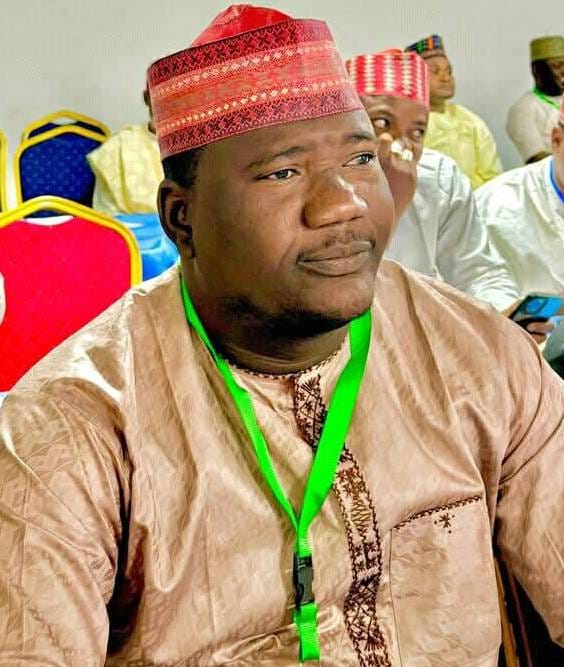
A controversy surrounding an alleged altercation between a Kano State government aide and a journalist during the Argungu Motor Rally has taken a new turn, with the journalist indicating that legal action may follow if no formal apology or communication is issued. The incident reportedly occurred at the Race Course in Kano metropolis during the Argungu Motor Rally, an event held as part of activities marking the 61st Argungu International Fishing and Cultural Festival. The government official involved, Auwal Sani Rogo, a Senior Special Reporter with the Kano State Government, was alleged to have engaged in a verbal exchange with Abdulbaki Ali Ahmed Sharifai, who was covering the event in his professional capacity. Read Also: Emir Aminu Ado Bayero To Lead National Ramadan Feeding Committee Eyewitnesses said the incident occurred shortly after Sharifai and other journalists conducted an interview at the venue. The altercation reportedly took place in the presence of senior officials, including Comrade Ibrahim Abdullahi Waiya, Kano State Commissioner for Information and Internal Affairs; Hajiya Aisha Lawan Saji Rano, Commissioner for Culture and Tourism; and Alhaji Abba El-Mustapha, Chairman of the Kano State Censorship Board. Following the incident, Sharifai proceeded to the Divisional Police Office in Bompai, headquarters of the Kano State Police Command, where he lodged a formal complaint over alleged insult, harassment, and intimidation while carrying out his lawful duties. However, the government aide was said to have declined a police invitation, allegedly remaining within the Kano State Government House. In an effort to resolve the issue amicably, Commissioner Waiya reportedly invited the journalist for dialogue and assured him of intervention, including facilitating an apology from Rogo. As of the time of filing this report, no official apology or formal communication has been issued by Rogo, the Kano State Government, or the Office of Special Advisers to the Executive Governor of Kano State, Alhaji Abba Kabir Yusuf. Sources close to Sharifai indicated that legal action remains a possible option if the matter is not formally addressed. Sharifai maintains that he was performing his lawful professional duties at the time of the alleged incident and deserves institutional response and redress. The development has generated conversations within media circles regarding respect for journalists and professionalism at public events. As of press time, neither Rogo nor the Kano State Government has released an official public statement on the matter.

National, News

IGP Egbetokun Bows Out After Presidential Order

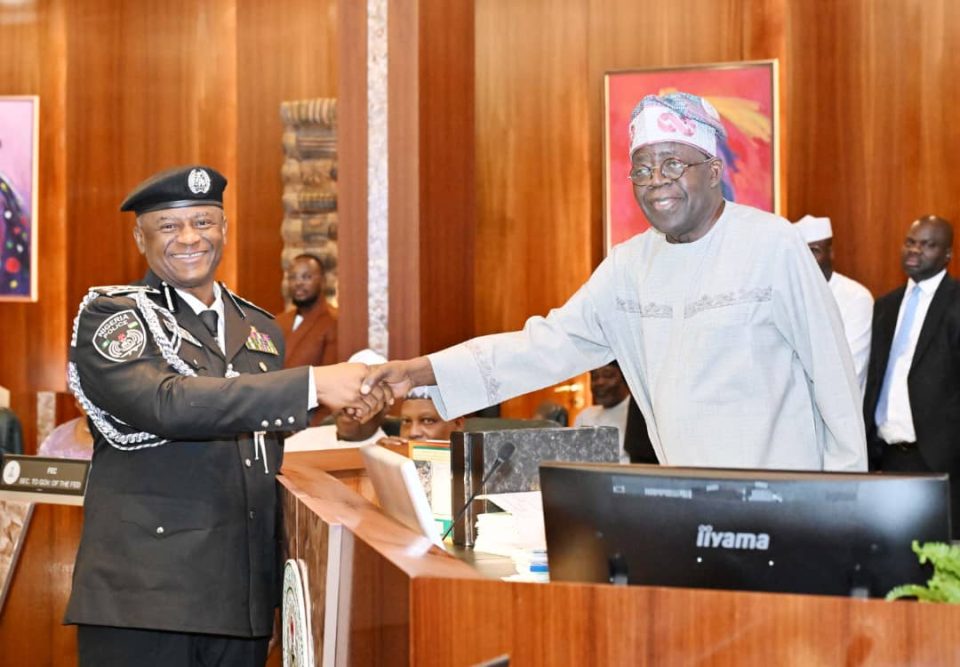
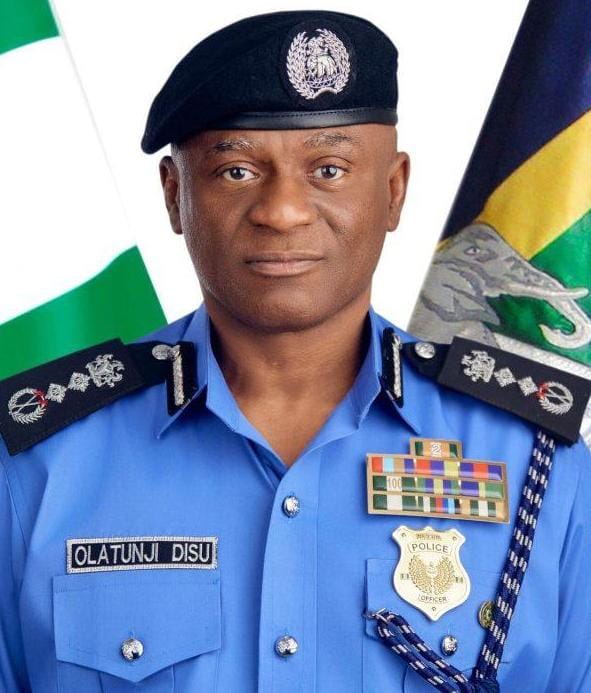
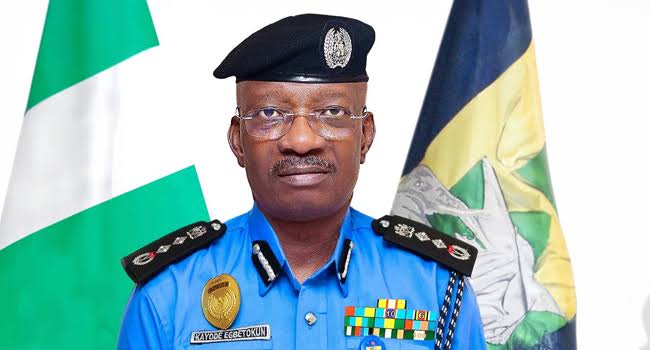
The Inspector-General of Police, Kayode Egbetokun, has resigned from office following a directive from President Bola Ahmed Tinubu. Sources within the Presidency disclosed that Egbetokun was instructed to step down during a meeting with the President at the Presidential Villa in Abuja on Monday. According to the sources, he is to be replaced by Tunji Disu, an Assistant Inspector-General of Police in charge of the Force Criminal Investigation Department (CID) Annex, Lagos. Read Also: Tinubu Pushes State Police, Urges Governors to Focus on Poor, Youths Egbetokun was appointed as the 22nd indigenous Inspector-General of Police by President Tinubu on June 19, 2023, with his appointment later confirmed by the Police Council on October 31, 2023. At the time of his appointment, he was 58 years old and was due for retirement on September 4, 2024, upon attaining the mandatory age of 60. However, following an amendment to the Police Act by the National Assembly, he was allowed to serve a full four-year tenure, regardless of age or years of service. Under the provision, Egbetokun was expected to remain in office until October 31, 2027, unless removed by the President. (Vanguard)

National, News

Lawmakers Get Extended Break as NASS Delays Return

The National Assembly of Nigeria has postponed the resumption of plenary from Tuesday, February 24, 2026, to Thursday, March 5, 2026. This was contained in a statement issued on Monday by the Clerk to the National Assembly, Kamoru Ogunlana. According to the statement, the postponement is to allow committees conclude ongoing budget defence sessions related to the 2026 Appropriation Bill. “This is to inform Distinguished Senators and Honourable Members of the National Assembly that the resumption of plenary session earlier scheduled for Tuesday, February 24, 2026, has been postponed,” the statement read. Read Also: Tinubu Pushes State Police, Urges Governors to Focus on Poor, Youths Ganduje Applauds Dan’amu, Cites Tinubu’s Impact Emir Aminu Ado Bayero To Lead National Ramadan Feeding Committee It added that plenary will now reconvene in both chambers on Thursday, March 5, 2026, at 11:00 a.m., urging lawmakers to take note of the new date and time. The development comes as the legislature continues consideration of the 2026 Appropriation Bill, with several committees still engaging Ministries, Departments, and Agencies in budget defence. Both the Senate and the House of Representatives are expected to resume plenary on the new date to continue legislative proceedings. The leadership of the Assembly expressed regret over any inconvenience caused by the adjustment and appealed to members for understanding. (Punch Newspaper)

Feature, Kano

Kabo Hails Waiya’s Role in Advancing Kano First Vision

The Kano State Commissioner for Information and Internal Affairs, Ibrahim Abdullahi Waiya, has been described as one of the most outspoken, dynamic, and influential members of the cabinet of Abba Kabir Yusuf. The commendation was made by Sufyan Lawal Kabo, who highlighted the commissioner’s performance and strategic role within the administration. Kabo noted that since his appointment two years ago, Waiya has consistently demonstrated competence, confidence, and commitment to the people of Kano State, adding that his emergence as a central voice in the government aligns with expectations held at the time of his appointment. According to him, beyond his administrative capacity, Waiya enjoys a rare level of trust and closeness with the Governor, enabling him to effectively interpret and communicate the vision of the administration with clarity and conviction. Read Also: Tinubu Pushes State Police, Urges Governors to Focus on Poor, Youths KACCIMA Launches Ramadan Fair, Urges Fair Pricing and Business Integrity Emir Aminu Ado Bayero To Lead National Ramadan Feeding Committee He described the commissioner as a trusted ally who understands the Kano First agenda and projects it passionately across various platforms, reinforcing government policies and defending its direction when necessary. Kabo further stated that Waiya’s background in activism, intellectual depth, and loyalty to the administration have positioned him as a strategic force within the cabinet. “As the Kano First agenda unfolds, one cannot ignore his role as one of its foremost drivers, standing firmly beside the Governor and reinforcing his vision at every level,” he said. He concluded by praying for Allah’s continued guidance, protection, and elevation for the commissioner in service to the state.

Abuja, National, News

Tinubu Pushes State Police, Urges Governors to Focus on Poor, Youths

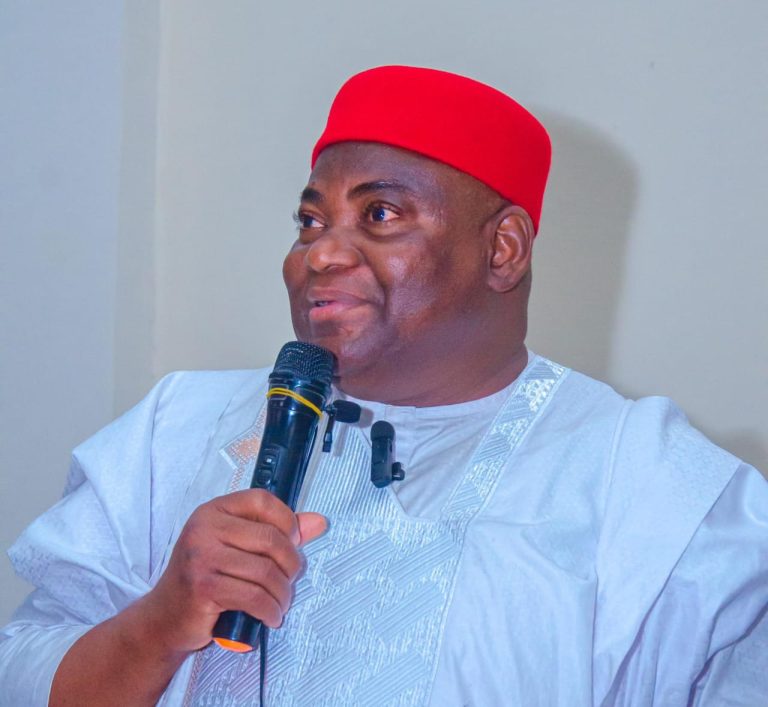
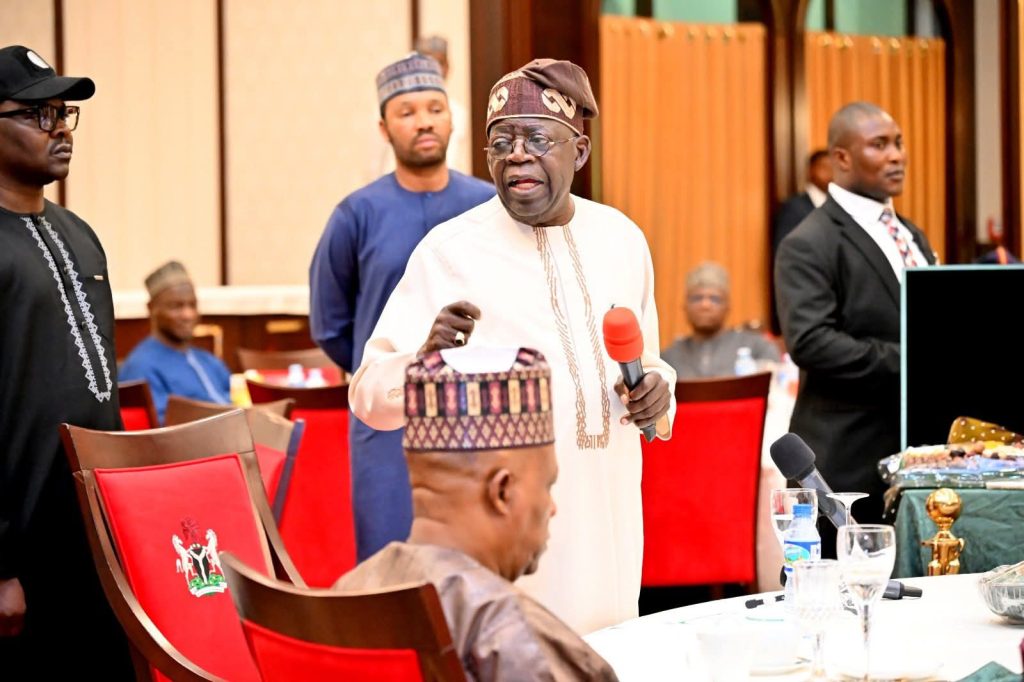
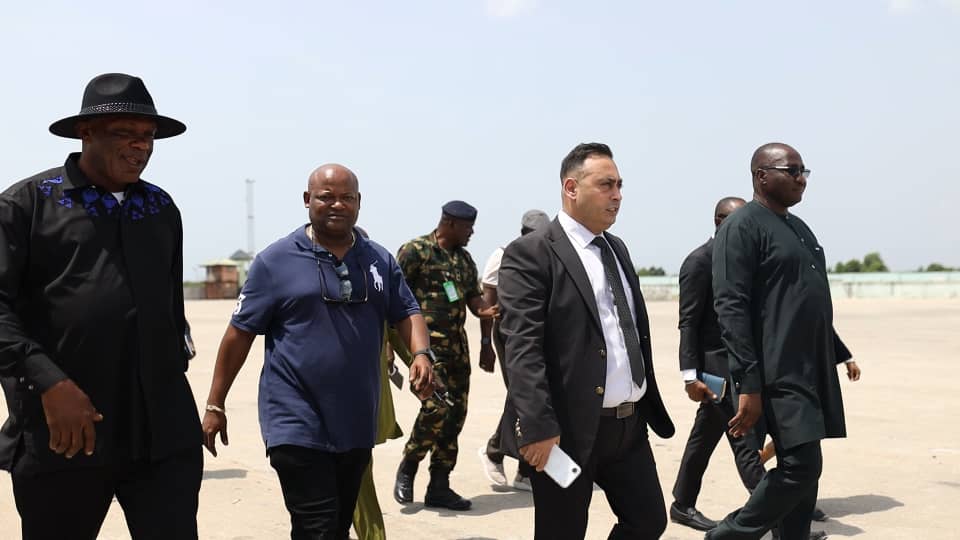
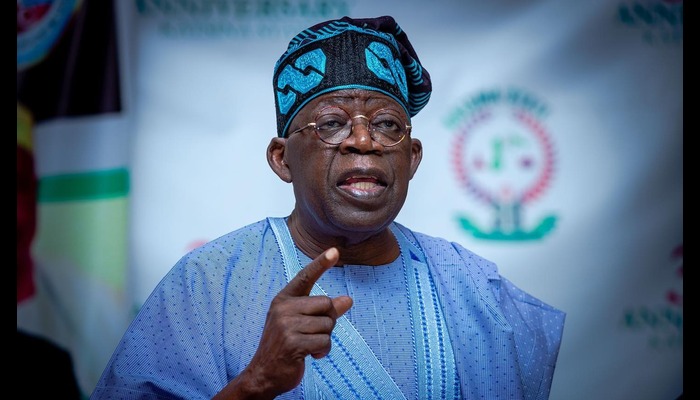
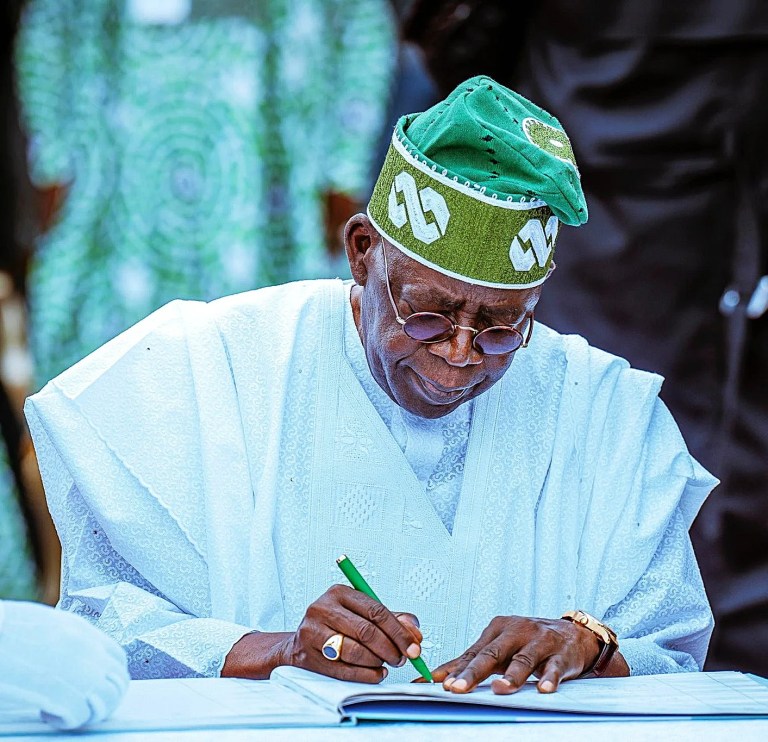
President Bola Ahmed Tinubu has urged state governors and religious leaders across the country to prioritise the needs of the poor and underprivileged by pursuing policies that directly impact grassroots communities. This was contained in a statement signed by Bayo Onanuga, Special Adviser to the President on Information and Strategy. The President made the call on Monday in Abuja while hosting governors to an interfaith Iftar at the Presidential Villa, noting that the convergence of Ramadan and Lent reflects a shared sense of humanity, discipline, sacrifice, and unity among Nigerians. According to him, both religious observances provide an opportunity for leaders to reflect on the plight of the less privileged and design programmes that improve their living conditions. Read Also: Kano Rolls Out Toll Gates to Track Movement, Strengthen Economy Ganduje Applauds Dan’amu, Cites Tinubu’s Impact Emir Aminu Ado Bayero To Lead National Ramadan Feeding Committee “It is a joy and great honour to be with you again this year to thank the Almighty God for sparing our lives to witness another Ramadan, which coincides with the Christian Lent,” he said. The President stressed that more efforts must be directed toward reducing poverty, empowering the youth, and expanding development opportunities across local communities. He called on leaders to promote tolerance, unity, and inclusion, urging them to build structures that accommodate all citizens, particularly young people. President Tinubu also welcomed Kano State Governor, Abba Kabir Yusuf, to the State House and commended Babagana Zulum for extending Ramadan outreach programmes to both Muslims and Christians. The President reiterated the need for inclusive governance, noting that development must transcend religious, ethnic, and social divides. “To reach the young man who feels forgotten, to lift the woman who carries her family on tired shoulders, and to touch communities at the grassroots where hope sometimes flickers development must not recognise religion, tribe, or status,” he stated. He further assured Nigerians of his administration’s commitment to improving the economy, tackling unemployment, and strengthening national security. “We are determined to rescue this country. The economy is improving, and the best is yet to come for Nigeria,” he said. The President also reaffirmed plans to establish state police as part of efforts to address insecurity, stressing that security remains the foundation for economic growth and national stability. In his remarks, Imo State Governor, Hope Uzodimma, who represented the Chairman of the Nigeria Governors’ Forum, described the simultaneous observance of Ramadan and Lent as a rare and divinely inspired moment for national reflection and unity. He commended the President for fostering collaboration among governors and promoting policies aimed at strengthening national cohesion despite prevailing challenges.

Kano, News

Kano Rolls Out Toll Gates to Track Movement, Strengthen Economy

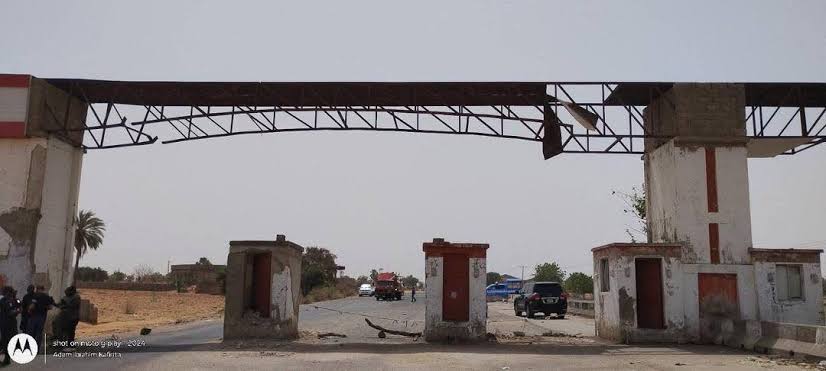
The Kano State Government has reiterated its commitment to strengthening the state’s security architecture through improved monitoring of vehicular movement into the state. This was contained in a statement signed by Adamu Abdullahi, Director of Public Enlightenment, and Hon. Mustapha Hamisu, Media Aide to the Honourable Commissioner, Ministry of Housing Development, Kano State. The Commissioner for Housing Development, Arc. Ibrahim Yakubu Adamu, made the disclosure during the official handover of seven project sites for the construction of toll gates across major entry routes into the Kano metropolis. Arc. Adamu explained that the decision to mount toll gates on all major roads leading into the state was strategic, aimed at enhancing both the security framework and the socio-economic development of Kano State. Read Also: Ganduje, Kuku Lead Nigeria’s Airports Into a New Era Pantami Urges Northern Muslims to Invest in Media, Warns of Communication Deficit KACCIMA Launches Ramadan Fair, Urges Fair Pricing and Business Integrity He emphasized that effective monitoring at key entry points would help regulate vehicular movement, strengthen internal security, and contribute to improved governance outcomes. The Commissioner further called on contractors handling the projects to adhere strictly to specifications and ensure timely completion within the stipulated timeframe. The handover ceremony, which took place across the seven designated project sites, was witnessed by the Commissioner for Works and Infrastructure, Engr. Marwan Ahmed, and the Commissioner for Public Procurement, Dr. Nura Ma’aji. A major highlight of the exercise was the signing of handover documents between the contractors, representatives of the Ministry of Housing Development, and the project consultant. The toll gates are to be constructed along key access routes, including Daura Road, Katsina Road, Gwarzo Road, Zaria Road, Maiduguri Road, Hadejia Road, and Sa’adatu Rimi Road. The initiative is expected to enhance security surveillance while also generating additional revenue to support infrastructural development across the state.

Kano, News

KACCIMA Launches Ramadan Fair, Urges Fair Pricing and Business Integrity

The Kano Chamber of Commerce, Industry, Mines and Agriculture (KACCIMA) has formally flagged off the 2026 Ramadan Fair in Kano, with stakeholders emphasizing ethical trade, affordability, and community support during the holy month. This was contained in a statement signed by the Director General of KACCIMA, Tijjani Abdullahi Sarki, following the opening ceremony held on Sunday at the Trade Fair Complex. The event, described as colourful and spiritually uplifting, attracted government officials, traditional rulers, religious scholars, captains of industry, and members of the business community. Organized in collaboration with the Kano State Government through the Ministry of Commerce and Investment and the Kano Markets Chairman Forum Association (KAMCHAFA), the fair is aimed at easing economic pressure on citizens by providing essential commodities at affordable prices while strengthening Small and Medium Enterprises (SMEs). Read Also: Pantami Urges Northern Muslims to Invest in Media, Warns of Communication Deficit Niger bans filming, sharing images of aid recipients during Ramadan Emir Aminu Ado Bayero To Lead National Ramadan Feeding Committee Representing Governor Abba Kabir Yusuf, the Commissioner for Commerce and Investment, Goni Shehu Wada Sagagi, described the initiative as “a timely and deeply humane intervention” in view of current economic challenges. He noted that the fair reflects government’s commitment to protecting consumers and supporting traders, particularly during Ramadan, a period defined by compassion, sacrifice, and social solidarity. “The true essence of Ramadan is not only in fasting but in demonstrating kindness, honesty, and social responsibility. Let our markets reflect these noble values,” he said. In his remarks, the Commissioner for Information and Internal Affairs, Ibrahim Abdullahi Waiya, commended the President of KACCIMA, Ambassador Usman Hassan Darma, for repositioning the Chamber and restoring public confidence through impactful initiatives. He urged market leaders to promote transparency, discipline, and stable business practices to sustain economic growth. Also speaking, the Danmalikin Kano and District Head of Rimingado, Dr. Auwalu Mudi Yakasai, who represented the Emir of Kano, called on traders to uphold integrity and fairness, noting that honest wealth attracts blessings while deceit diminishes value. Delivering a religious lecture, Sheikh Kamalu Inuwa, Chief Imam of Hidaya Friday Mosque, admonished traders to avoid cheating, hoarding, and fraudulent practices. He emphasized that Islam encourages lawful trade while strictly forbidding exploitation and injustice. He reminded participants that Ramadan is a period of purification not only of the body but also of wealth urging them to conduct business in line with Islamic teachings. In his welcome address, KACCIMA President, Ambassador Usman Hassan Darma, reaffirmed the Chamber’s commitment to ethical commerce, consumer protection, and enterprise development. The 2026 Ramadan Fair is expected to run throughout the Ramadan period, offering food items, household goods, and locally made products at competitive prices.

Abuja, National, News

Pantami Urges Northern Muslims to Invest in Media, Warns of Communication Deficit

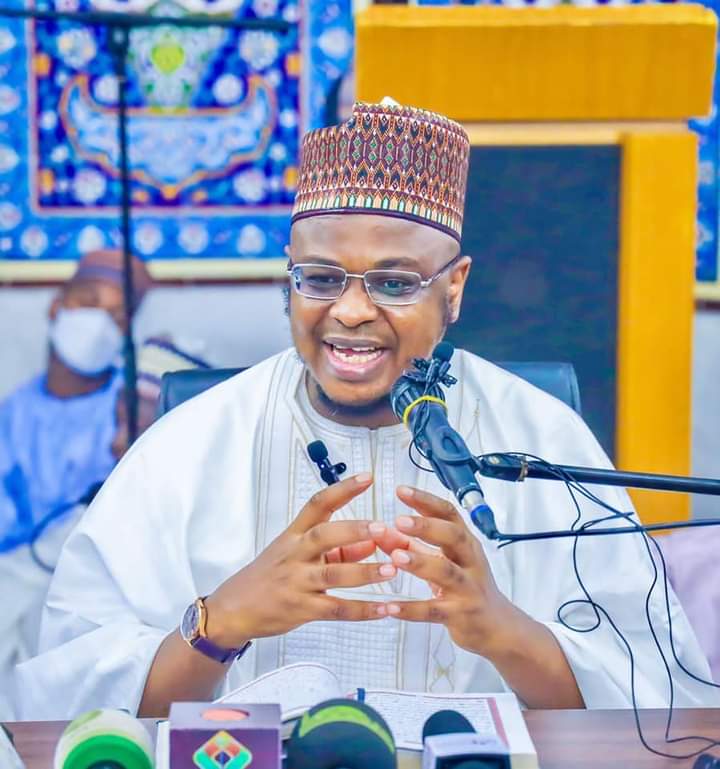
Renowned Islamic scholar and cybersecurity expert, Professor Isa Ali Ibrahim Pantami, has issued a strong call to the Northern Muslim community to prioritise strategic investment in the media industry, warning that decades of underinvestment have created what he described as a “dangerous communication deficit.” Pantami made the call during a lecture at the International Centre for Islamic Culture and Education (ICICE) Al-Noor Mosque in Abuja, where he emphasised the urgent need for the region to own and control platforms that shape public narratives. He argued that while Northern Nigeria and the Muslim community frequently dominate national conversations, they rarely control the platforms that define those narratives, leaving the region vulnerable to misrepresentation and external framing. Highlighting what he described as a structural imbalance in Nigeria’s broadcast ecosystem, Pantami observed that most major privately owned television networks are headquartered in Southern Nigeria. He noted that reliance on federal presence through the Nigerian Television Authority alone is insufficient to project diverse regional perspectives. Read Also: Pantami, Bugaje Call for Skills Reform, Energy Solutions at BUK Engineering Conference Nigeria Must Integrate Innovation, Policy, and Research for Growth — Bindir Ganduje Applauds Dan’amu, Cites Tinubu’s Impact “He who owns the platform often sets the agenda,” Pantami stated, stressing that ownership of credible and far-reaching media institutions is not merely a commercial venture but a strategic necessity. While acknowledging the existence of numerous radio and television stations in the North, he pointed out that many operate on a local scale and broadcast predominantly in Hausa, limiting their influence on national and global discourse. Pantami also criticised what he described as the misdirection of some regional media outlets. Rather than focusing on critical developmental issues such as insecurity, education reform, industrial revitalisation, entrepreneurship, and trade, he said some platforms have drifted into partisan conflicts, sectarian debates, and sensational content with limited long-term value. He warned that such practices weaken credibility and squander opportunities to reshape public perception. Drawing inspiration from international broadcasters such as Al Jazeera, Pantami proposed the establishment of a professionally run, globally competitive media institution capable of broadcasting in English, French, and other major languages. He emphasised that such an outlet must adhere strictly to principles of fairness, justice, and professionalism. “Islam is fundamentally a religion of justice,” he said, adding that any faith-affiliated media platform must avoid propaganda, promote balanced reporting, amplify marginalised voices, and uphold ethical standards. In what many observers described as a striking part of his address, Pantami challenged wealthy individuals and philanthropists in Northern Nigeria to reconsider their spending priorities. He argued that while the construction of places of worship remains important, excessive duplication without strategic planning could divert resources from equally critical investments such as media infrastructure, education, and innovation. “If we do not invest in telling our own story with credibility and professionalism, others will continue to define us,” he warned. Pantami cautioned that failure to address the communication gap could lead to persistent mischaracterisation of the region on the global stage. He reiterated the need for veteran journalists, media entrepreneurs, academics, and business leaders across Northern Nigeria to collaborate in building a credible, well-funded, and technologically advanced media institution capable of competing globally. “This is not merely a recommendation,” he said. “It is a necessity for any community that seeks to shape its future rather than be defined by others.”

National, News

Fuel Quality Concerns Mount as Stakeholders Task NMPDRA on Oversight

Concerned marketers and stakeholders around the country has called on the Nigerian Midstream and Downstream Petroleum Regulatory Authority (NMPDRA) to strengthen oversight of fuel standards entering the country whether imported, refined or retailed and dispensed all over the country, warning against the influx of contaminated petroleum products that may have lacked proper octane ratings, sulphur contents and other pollutants. In a statement issued to newsmen, the marketers expressed concern that substandard fuel may have been imported, refined or sold in the country pose serious risks to consumers, vehicles, and public safety. The marketers emphasized that the Petroleum Industry Act (PIA) mandates strict adherence to safety standards, and approved guidelines for fuel quality, including octane ratings, sulphur contents etc. They noted that fuel with poor octane ratings can damage engines, compromise efficiency, and increase the risk of fire outbreaks. Recent incidents of fires at filling stations across the country were cited as evidence of the dangers posed by contaminated fuel. “The standards of fuel imported, refined, supplied and distributed should not be compromised to the benefits of any player in the industry,” the statement read, underscoring the need for accountability. Read Also: Nigeria Must Integrate Innovation, Policy, and Research for Growth — Bindir The stakeholders urged the NMPDRA leadership under Engineer Saidu Aliyu to carry all stakeholders along as stipulated by section 216 of the PIA. They argued that transporters, refinery owners, and importers all have roles stipulated under the PIA. “The Chief Regulator was appointed to execute this mandate,” the group asserted. The statement further stressed that Nigerians deserve value for money when purchasing fuel. “Ultra-modern refineries, and depot facilities that import fuel must provide fuel with good octane ratings. It is not proper for such facilities to compromise standards,” the consortium said. They urged the NMPDRA to examine both imported and locally refined petroleum products to ensure compliance with safety and quality benchmarks.

Scroll to Top