

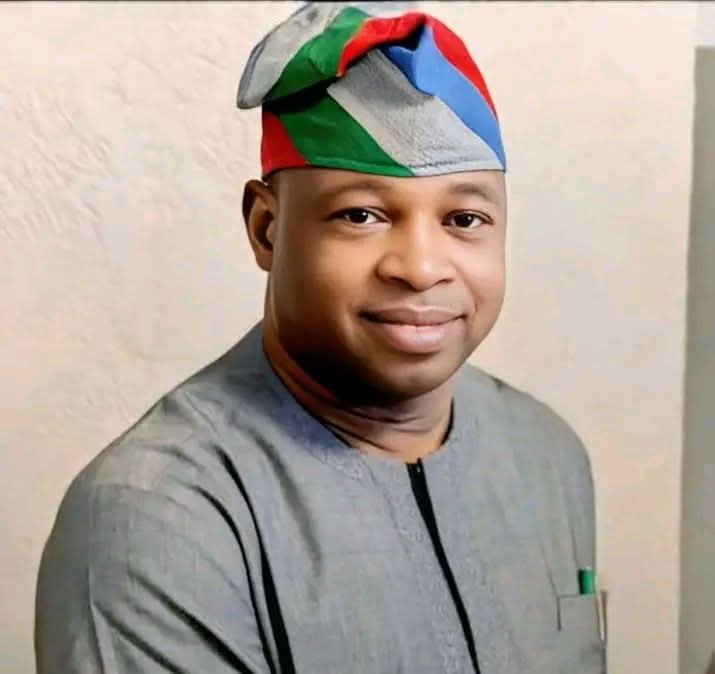

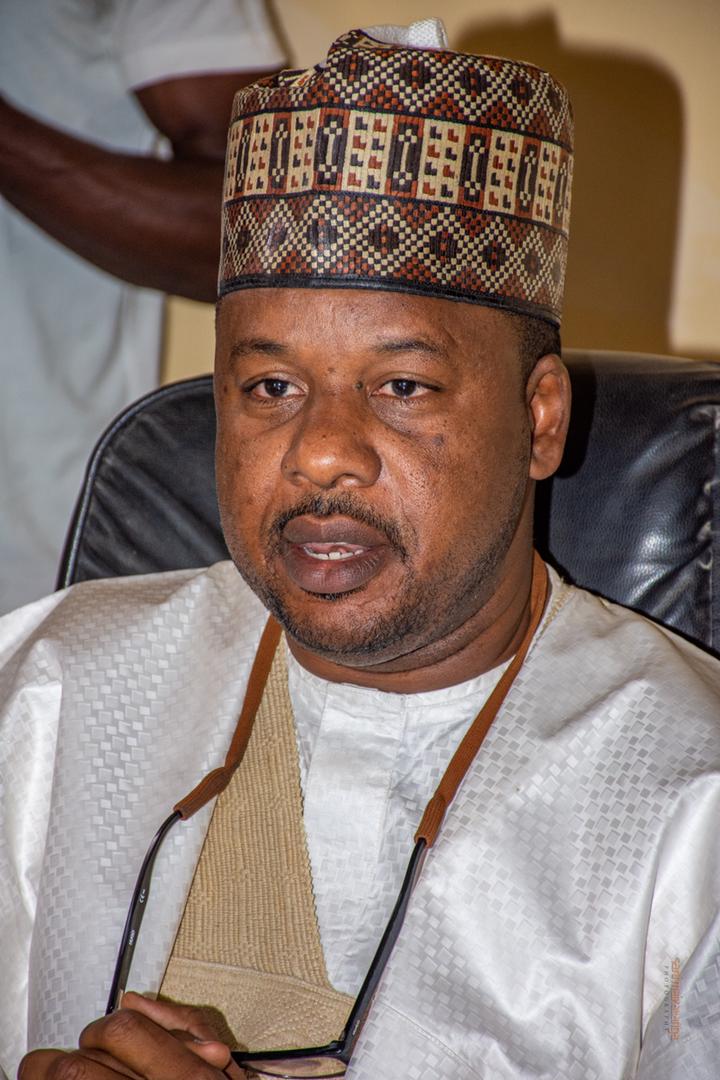
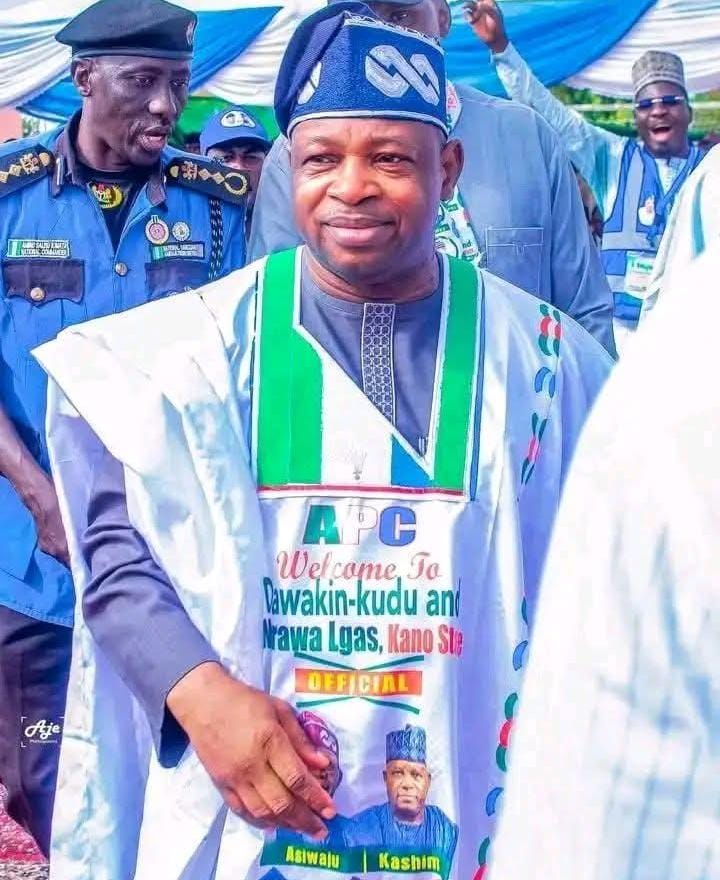
In the evolving landscape of Kano politics, discussions around the 2027 general elections have already begun to surface in political circles, with renewed attention focusing on the possible return of Mustapha Bala Dawaki, a former three-term member of the House of Representatives who represented the Dawakin Kudu/Warawa Federal Constituency from 2011 to 2023.
Dawaki, who currently serves as Chief of Staff to the National Chairman of the All Progressives Congress (APC), Nentawe Yilwatda, built a reputation during his legislative years as a prominent voice in national budget processes and constituency development initiatives.
Beginning his legislative career in 2011 under the platform of the All Nigeria Peoples Party (ANPP), Dawaki later became part of the political movement that produced the All Progressives Congress (APC), under which he continued to serve the Dawakin Kudu/Warawa constituency for three consecutive terms.
Throughout his years in the National Assembly, he held several strategic responsibilities, including serving as Chairman of the House Committee on Housing and Habitat and later as Chairman of the influential House Committee on Appropriations, a position that placed him at the centre of legislative oversight on national budget allocations and development priorities.
Observers often credit his tenure on the Appropriations Committee with strengthening federal project visibility for his constituency and enhancing his reputation as a legislator with a firm grasp of fiscal policy and development planning.
Read Also:
2027 Race: Ministers, Aides Set for Exit as Political Ambitions Intensify
Why Science College Dawakin Kudu Remains a Pride of Kano’s Educational Heritage
Beyond legislative work, Dawaki is also known for his philanthropic efforts, particularly in the education sector. He founded and personally finances the Police Private School in Dawakin Kudu, an institution that has provided quality education to more than 700 students in the area.
His community-driven initiatives have earned him the local title “Mai Gidan Ruwa,” reflecting the perception among supporters that his public service extended beyond parliamentary debates to practical grassroots development.
However, Dawaki’s long legislative run came to an end during the 2023 general elections following a political contest shaped by shifting alliances and campaign narratives.
Political observers within the constituency often point to the campaign slogan “Aiki Baya Hana Faduwa” as one of the strategic messages that influenced voter perception during that election cycle, a development that eventually altered the electoral outcome.
Yet, within the Dawakin Kudu/Warawa political landscape, conversations about the future are already underway.
Supporters and political associates argue that the circumstances surrounding the 2023 defeat have since evolved, noting that many of the actors who propelled the campaign narratives of that period have gradually distanced themselves from the beneficiary of the victory.
This evolving political climate has revived discussions among grassroots supporters and party stakeholders about the possibility of Dawaki seeking a return to the House of Representatives in 2027.
For many within the constituency, his potential comeback is framed not merely as a personal political ambition but as a restoration of a legislative figure they believe brought visibility and development initiatives to the area.
Those close to his political structure say the network he built over twelve years in the National Assembly remains active and influential across communities in Dawakin Kudu and Warawa.
Political analysts also note that his current role within the national leadership structure of the All Progressives Congress places him within an important strategic environment where national party decisions and alliances are shaped.
Whether these factors will translate into a successful political return remains uncertain. Nigerian politics, particularly in Kano, is often shaped by evolving alliances, grassroots sentiment, and the broader calculations of party leadership.
Now on, the growing conversations around Dawaki’s possible return illustrate a familiar pattern in democratic politics: electoral defeat rarely marks the end of political relevance for figures with enduring networks and long-standing grassroots connections.
As the road toward the 2027 elections gradually takes shape, the question being quietly asked across Dawakin Kudu and Warawa is not only who will contest the seat, but whether Mustapha Bala Dawaki will once again answer the call of the people and seek their mandate to represent the constituency for continued development.
Umar Idris Shuaibu is a digital journalist in Kano and can be contacted via shuaibuumaridris@gmail.com or 08066616097