
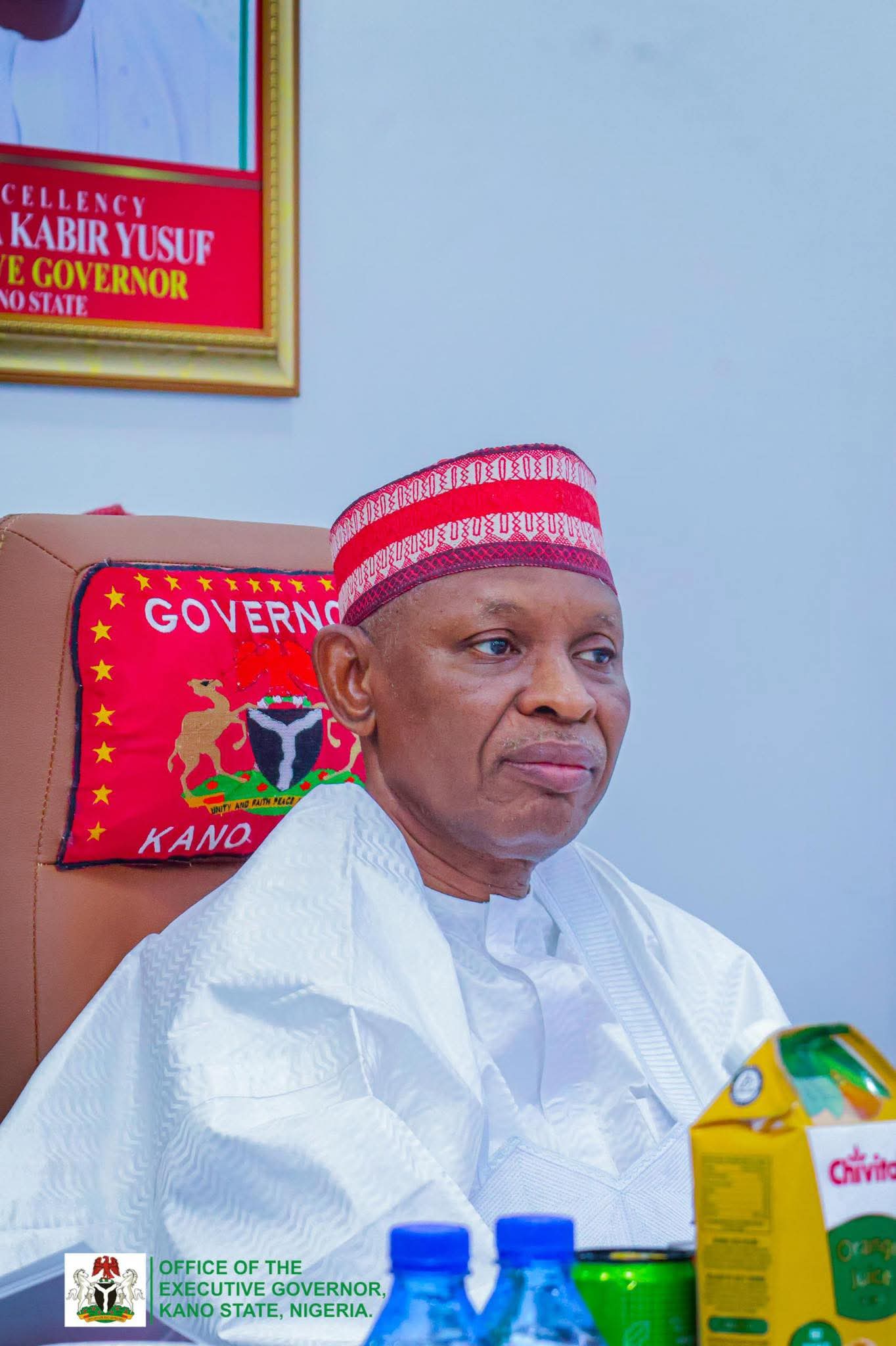


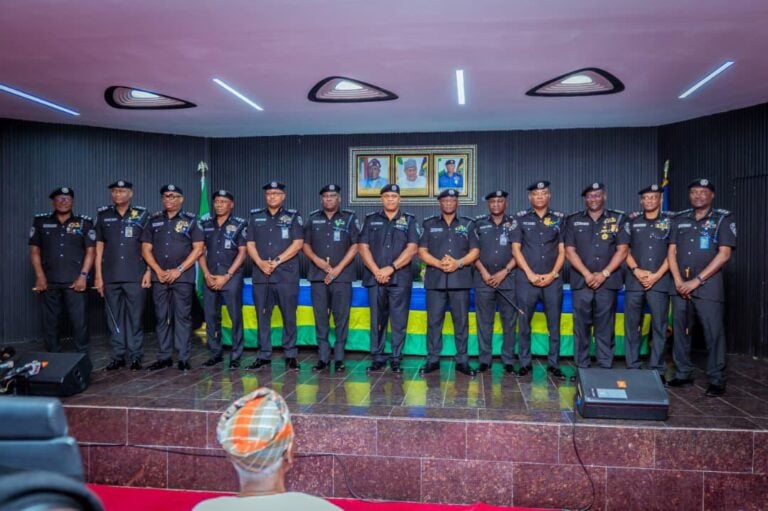
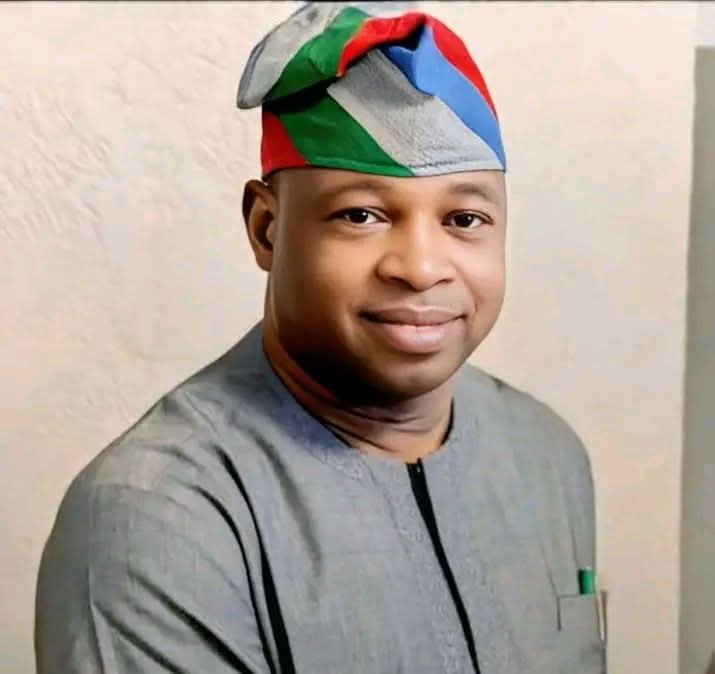

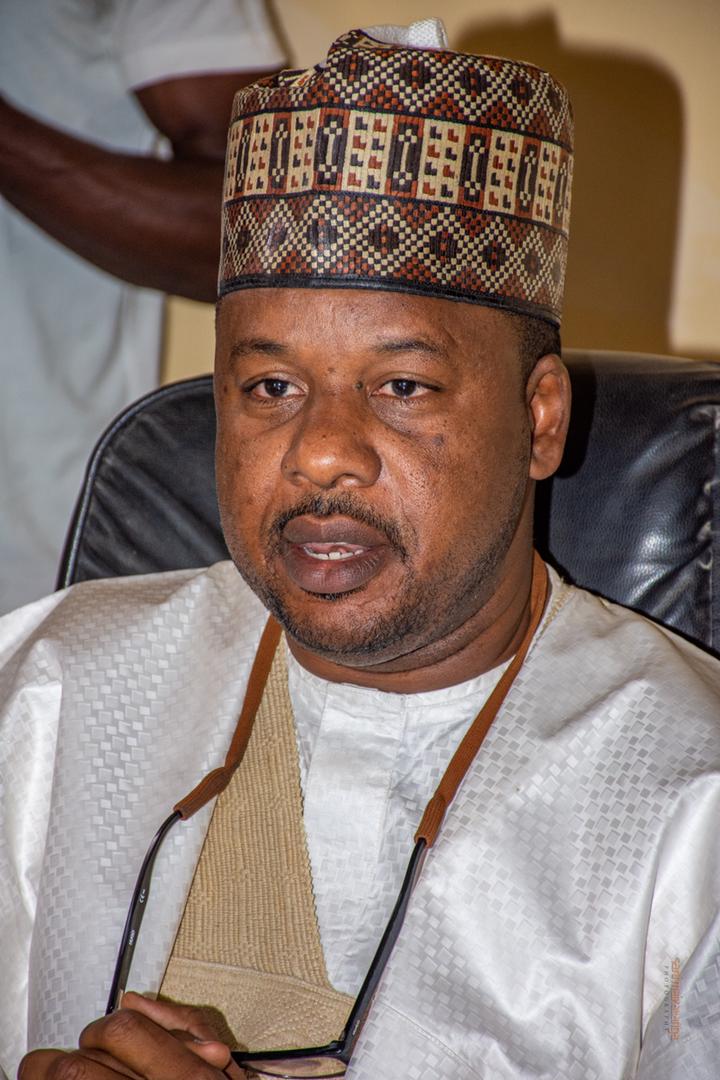
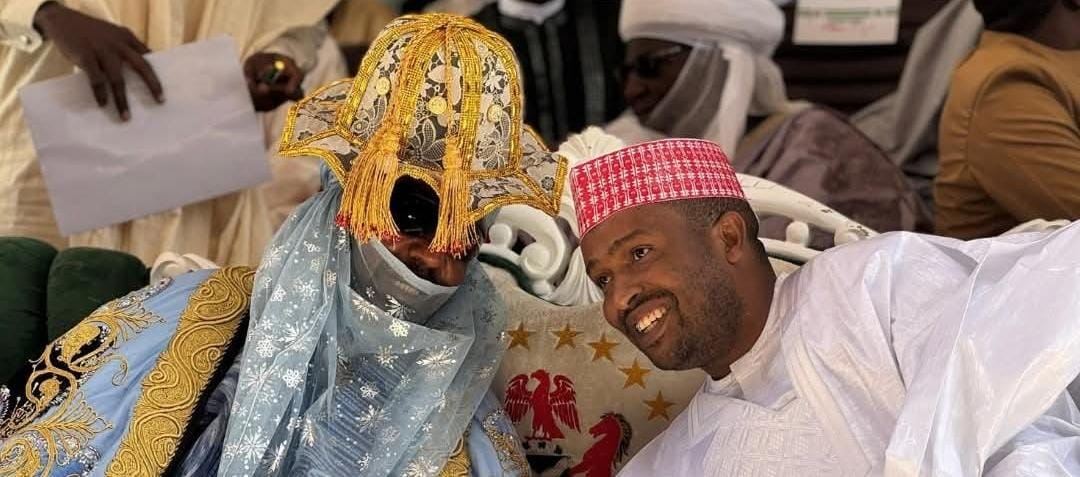
Following earlier reports on the absence of the Kano State Governor, Abba Kabir Yusuf, at the Hawan Nasarawa event, the Speaker of the Kano State House of Assembly, Jibril Isma’il Falgore, has received the Emir of Kano, Muhammadu Sanusi II, on his behalf at the Government House.
The governor was away in Lagos attending the Progressive Governors Forum meeting, which accounted for his absence.
A statement posted by the Special Adviser to the Governor on Information, Ibrahim Adam, in his verified social media handle confirmed that top government officials were present at the reception, including the Secretary to the State Government (SSG), Chief of Staff, commissioners, local government chairmen, and other senior officials.
Historically, Hawan Nasarawa is a significant cultural Durbar procession in Kano State, held on the second day after both Eid al-Fitr and Eid al-Adha. The event serves as a formal homage by the Emir of Kano to the State Governor at the Government House (Africa House).
Read Also:
2027 Race: Ministers, Aides Set for Exit as Political Ambitions Intensify
Separate Eid Prayers Signal Growing Political, Traditional Divide in Kano
The tradition dates back to the reign of Sarkin Kano Muhammad Abbas, the first Emir appointed by the British following the 1903 conquest of Kano.
Traditionally, the Emir departs from the palace at Kofar Kudu in the early hours of the morning, passing through key areas such as Durumin Zungura, Kofar Nasarawa, Sabon Gari, and Fagge, where residents from diverse communities come out to pay homage.

However, this year’s procession witnessed notable changes, as the Kano State Government restricted the use of horses due to heightened security concerns and ongoing emirate-related developments, replacing the traditional horseback ride with a motorcade.
In addition, the Emir did not make the customary stop at the Nasarawa Palace, which is currently occupied by Aminu Ado Bayero. Instead, he proceeded directly to the Government House for the official engagement.
Hawan Nasarawa remains highly symbolic, reflecting the enduring relationship between the traditional institution and the state authority. The event typically concludes with the Emir addressing the government on community issues, followed by an official response from the state.