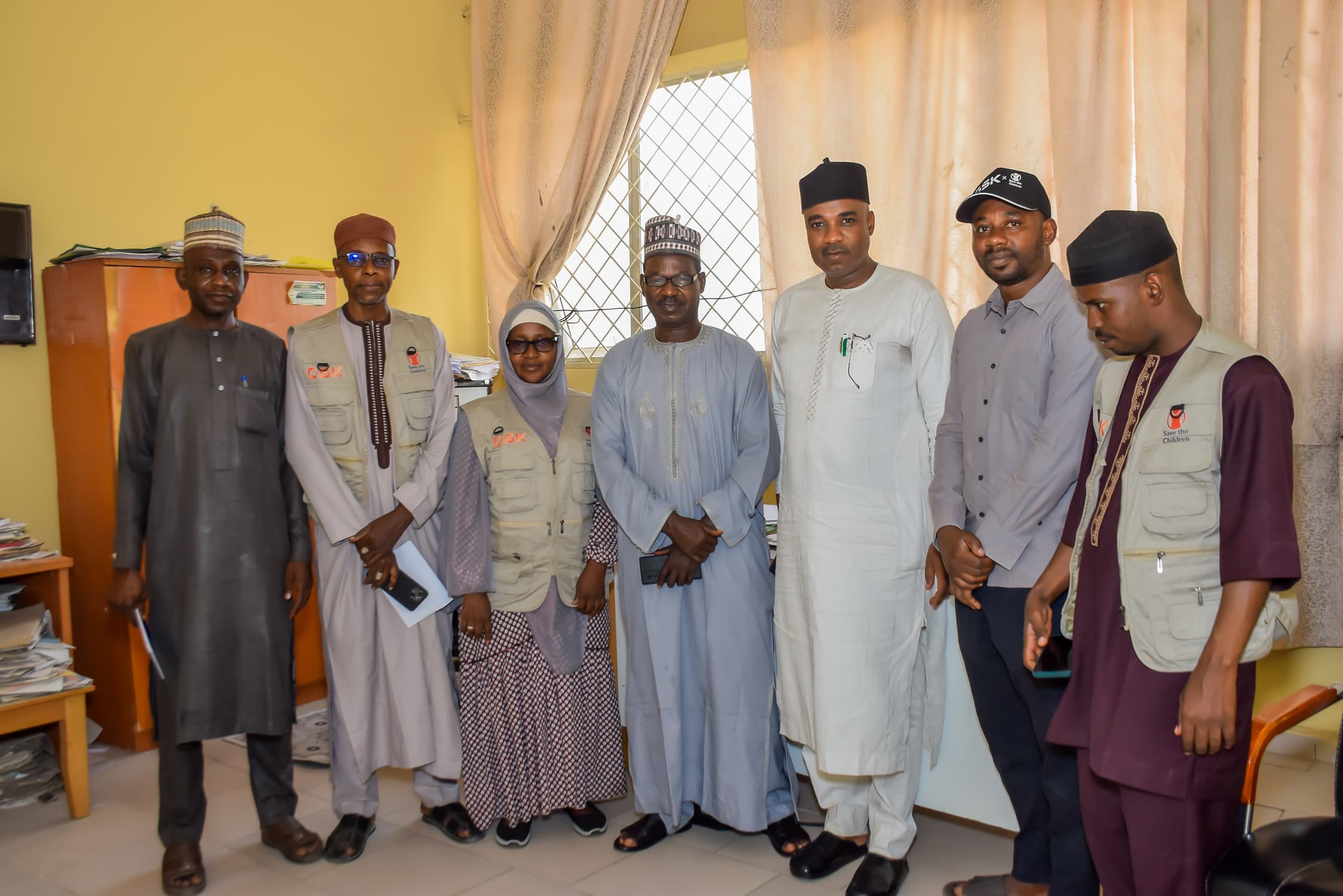



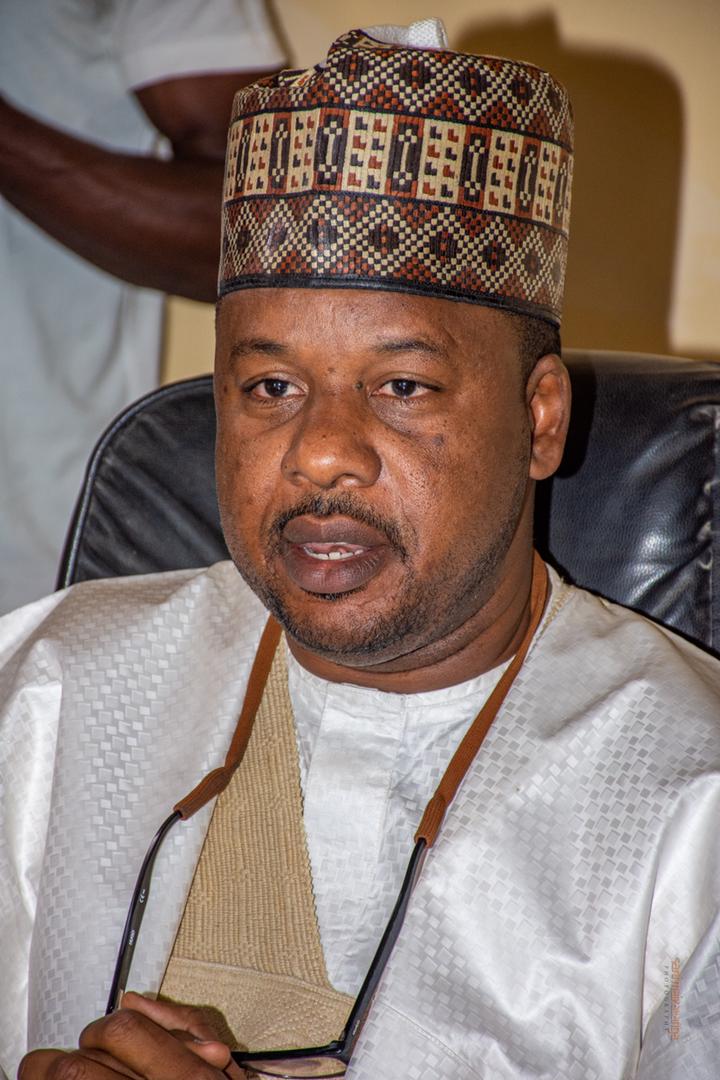
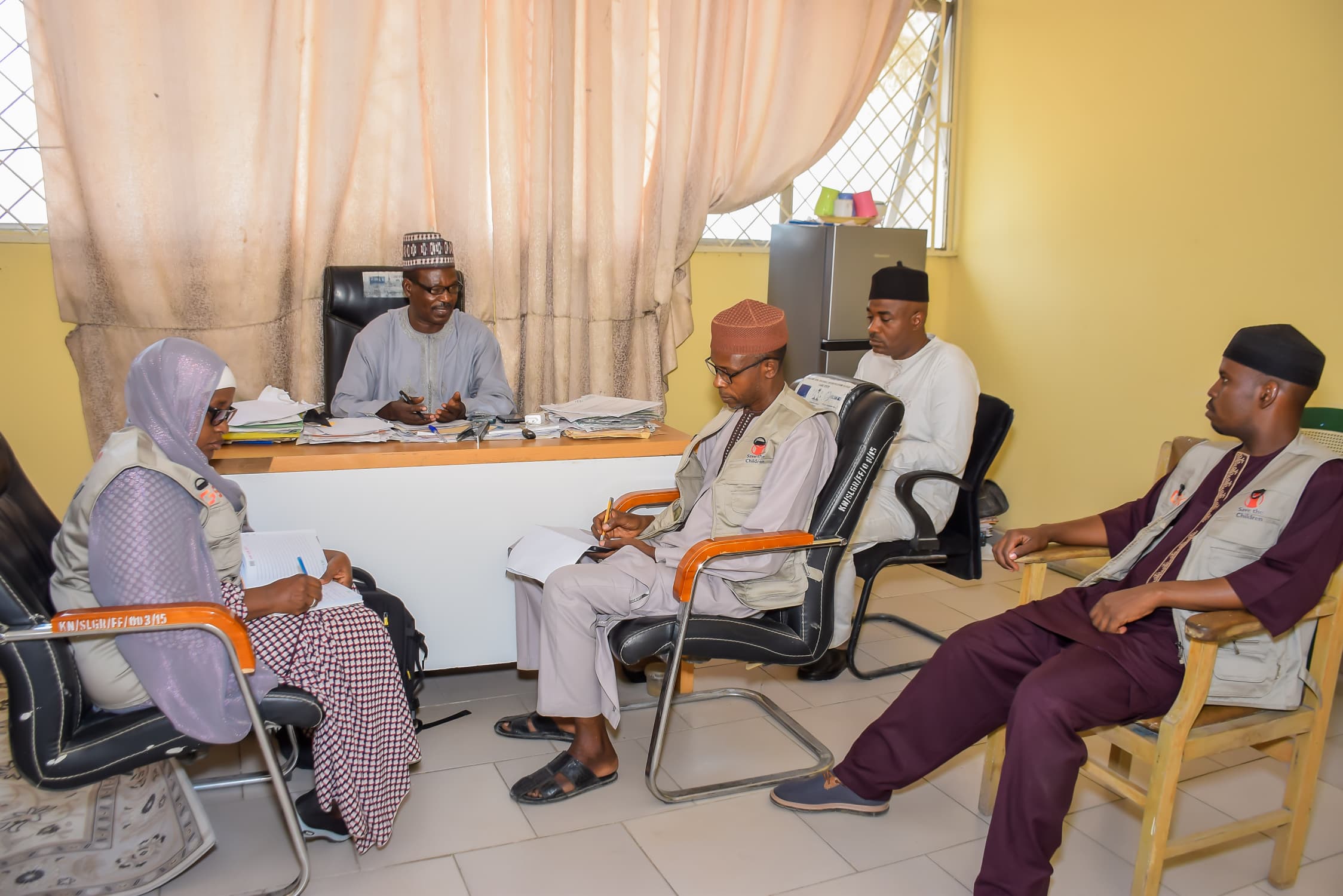
The Acting Permanent Secretary, Kano State Ministry of Planning and Budget, Malam Ladan Ajumawa, has commended the efforts of the Community of Practice on Accountability for its advocacy visit to the ministry to seek relevant information on the ongoing zero-dose immunisation initiative in Kano State.
Ajumawa gave the commendation today during a meeting with members of the Community of Practice, where discussions focused on strengthening collaboration and reviewing strategies to address the challenge of zero-dose and under-immunised children in the state.
He explained that the ministry plays a key role in supporting the preparation of government documents in line with macroeconomic considerations during the budget process.
According to him, the 2026 state budget has already been approved and assented to by the governor, while the appropriation warrant has been signed, directing the Accountant-General to commence the release of funds.
Ajumawa noted that the Commissioner for Budget and Planning had already highlighted key projects and programmes captured under the 2026 budget, describing the development as part of the government’s commitment to effective budget implementation.
Read Also:
BOOST Project Strengthens Community Mobilisation Through Kano Tricycle Associations Forum
He further clarified that the responsibility for accessing budgetary funds lies primarily with Ministries, Departments and Agencies (MDAs) in collaboration with the State Ministry of Finance.
“Every MDA has a provision in the state budget. It is left for them to access the funds either through a memo to the State Executive Council or through their supervising ministry,” he said.
The Acting Permanent Secretary urged MDAs to maintain strong working relationships with their supervising commissioners and ministries in order to facilitate the release of funds meant for their programmes.
He explained that agencies and parastatals cannot directly submit memos to the governor but must channel their requests through their supervising commissioners.
“The funds are there, but due to the problems MDAs create for themselves, they are sometimes unable to access them. The major challenge is the failure to follow due process in seeking administrative approval,” he added.
Ajumawa also stressed the need to review the commitments of development partners under the donor cooperation framework in order to ensure transparency and accountability.
He said understanding the level of funding commitment by partners, including counterpart funding arrangements, would encourage the state government to contribute its own share in supporting development initiatives.
The Acting Permanent Secretary assured stakeholders that the ministry would continue to monitor ongoing projects and activities, noting that the ministry now operates an improved tracking system through its Monitoring and Evaluation Department.
Speaking at the meeting, the Deputy Director of Development Support Coordination of the Ministry, Sadiq Muntari Sadiq, recalled that the performance of the health sector budget in 2024 stood at about 95 per cent, adding that the 2025 performance is expected to record similar progress.
He noted that releases for health-related programmes and support from development partners are often carried out on a quarterly basis.
Sadiq emphasised that the health sector remains one of the critical areas that require sustained commitment and collaboration from all stakeholders.
He also called on development partners to work closely with the ministry and regularly report their activities to ensure proper coordination and smooth implementation of programmes.
Earlier, the Chairman of the Kano State Community of Practice on Accountability, Comrade Salisu Yusuf, said the meeting was aimed at reviewing the performance of the 2025 health budget and identifying areas that require improvement.
According to him, the review would help stakeholders develop a clear roadmap for future actions.
Yusuf noted that there has been noticeable improvement in routine immunisation across the state, particularly in 15 targeted local government areas.
He added that the BOOST project is currently being implemented in Gezawa and Ungoggo Local Government Areas, with plans to expand the initiative to other areas in order to ensure that more children benefit from life-saving vaccines.
The BOOST project, implemented by Save the Children International with support from GlaxoSmithKline (GSK), is designed to demonstrate effective and scalable strategies for reducing zero-dose and missed vaccinations among children.
Stakeholders at the meeting expressed optimism that stronger collaboration between government institutions and development partners would help improve immunisation coverage and ensure healthier outcomes for children across the state.