
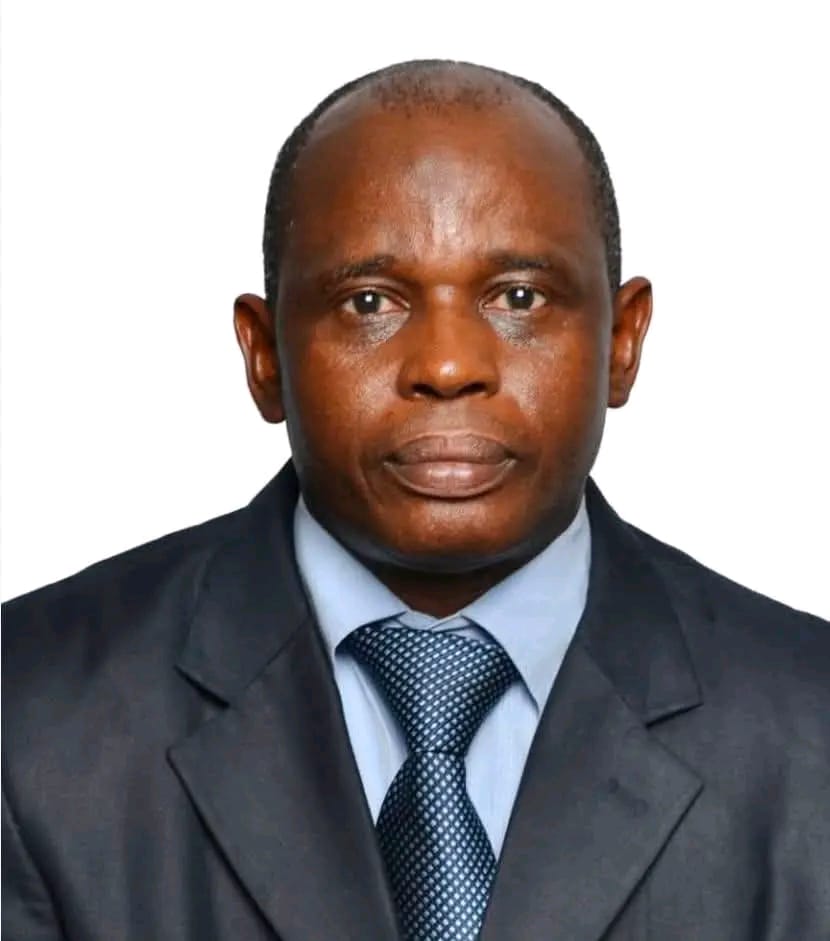





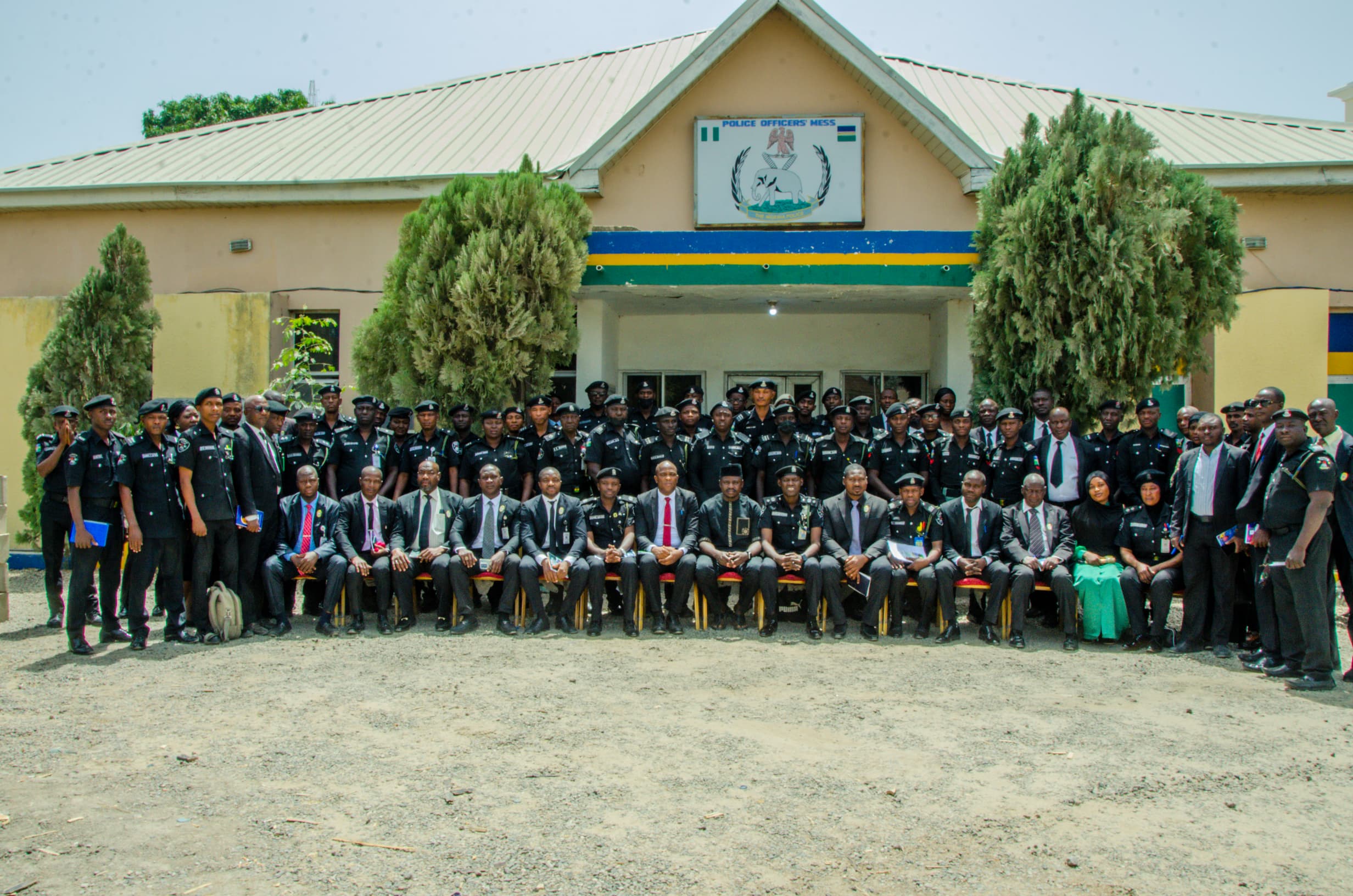
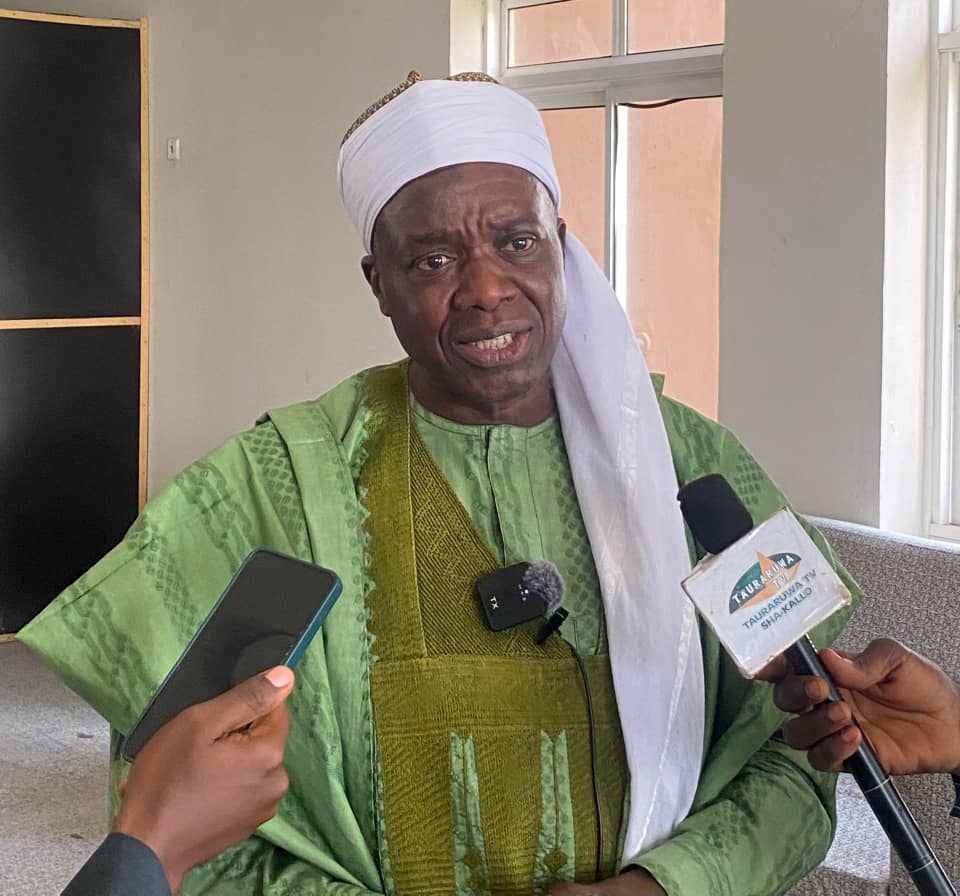
The Founder of the Bindir Knowledge Centre, Yola, Engr. Dr. Umar Buba Bindir, has called for innovation-driven engineering, integrated policymaking, and problem-focused research as the only sustainable pathway to Nigeria’s development, insisting that there is “no shortcut or magic” to nation-building.
Bindir made the call on Tuesday during the second day of the 5th Engineering Conference organised by the Faculty of Engineering, Bayero University Kano (BUK), held at the Dangote Business School.
The conference, themed “Engineering Innovations and Economic Policies: Driving Sustainable Industrial Growth in Nigeria,” brought together engineers, academics, policymakers, and industry stakeholders to examine Nigeria’s transition from oil dependency to a diversified, innovation-led economy.
Speaking at the conference, Bindir said Nigeria’s development prospects depend largely on deliberately equipping young people with relevant skills, modern technology, and competence to establish manufacturing industries, create enterprises, and generate employment capable of recycling wealth within the economy.
According to him, sustainable development can only be achieved through the acquisition of appropriate technologies, continuous adaptation of technological systems, and the cultivation of a national culture anchored on effectiveness, productivity, and efficiency.
“There is no other way to develop a nation than through knowledge, technology, and innovation. That is how you skill your youth, grow your economy, and enable people to take advantage of their own economic space,” Bindir said.
Read Also:
Pantami, Bugaje Call for Skills Reform, Energy Solutions at BUK Engineering Conference
Why Gobirawa’s Centuries-Old Agrarian Life is at Risk in Kano
Why Science College Dawakin Kudu Remains a Pride of Kano’s Educational Heritage
He noted that his focus on innovation dates back to his graduation in the 1980s, stressing that Nigeria’s development efforts have largely failed due to weak policy consistency and poor sustainability in implementation.
Bindir described Nigerian universities, polytechnics, and colleges of education as “factories of knowledge” responsible for producing intellectually prepared citizens capable of solving real-life challenges in critical sectors such as agriculture, healthcare, housing, water resources, and infrastructure.
While acknowledging Nigeria’s abundant human capital, he expressed concern that the country has failed to adopt the right policies to harness this potential effectively.
“Nigeria is rich in intellectual energy, but we are not forging the right policies, nor are we serious enough to sustain innovation efforts until they become a national culture,” he said.
He further criticised Nigeria’s policymaking framework, describing it as fragmented and disintegrated, with sectors operating in isolation rather than as a coordinated ecosystem.
“There is no policy that can succeed on its own. Health policy requires infrastructure, education, science, and industrial policies. But we operate in silos, driven by a procurement culture focused on contract sharing rather than development,” Bindir said, identifying corruption not lack of intellectual capacity as Nigeria’s major developmental setback.
On research, Bindir urged academics to prioritise environment-specific and problem-solving studies that directly address local realities.
He cited the need for research on drought-resistant crops, heat-adaptive housing materials, medicinal plants, and durable road construction suitable for Nigeria’s climate, stressing that meaningful research is what translates knowledge into economic value.
Bindir also called on government to provide clear political direction, moral leadership, and strong technological orientation, noting that while government does not conduct research or commercialisation, it must empower the intelligentsia to translate ideas into solutions that work for society.
He lamented the weak linkage between government, academia, research institutions, and industry, warning that the disconnect has contributed to rising poverty, insecurity, and youth disillusionment across the country.
“In Nigeria, these sectors work separately, and that is why our efforts do not translate into development. Until this gap is closed through sound policies and credible leadership, progress will remain slow,” he added.
Earlier, Professor Nuraddeen Yusuf of the Department of Chemical and Petroleum Engineering, Bayero University Kano, and Chairman of the Local Organising Committee of the conference, said the theme of the event was deliberately crafted to address prevailing national challenges and ongoing economic reforms.
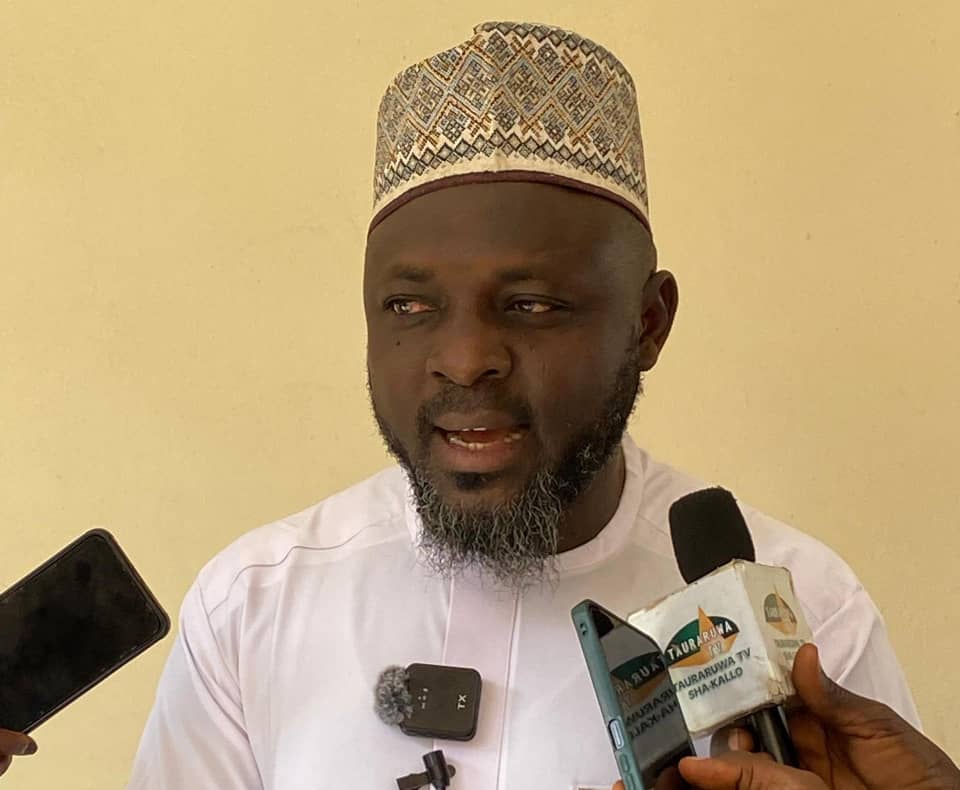
Professor Yusuf said Nigeria’s development aspirations would remain unattainable without effective synergy between government, academia, and industry, noting that policies are often formulated without adequate engagement with researchers, while industries seek solutions without tapping into available academic expertise.
“Government makes policies without fully considering what academia is doing, while industry has its needs without exploring solutions within universities. For a nation to develop, there must be deliberate collaboration among the three,” he said.
He explained that the conference was designed to serve as a platform for dialogue and alignment among policymakers, scholars, and industry players to promote engineering-driven national development.
The conference also featured the presentation of awards to outstanding engineering products and innovations that have made significant contributions to national development, states, and the academic community.