


By Umar Idris Shuaibu, Kano
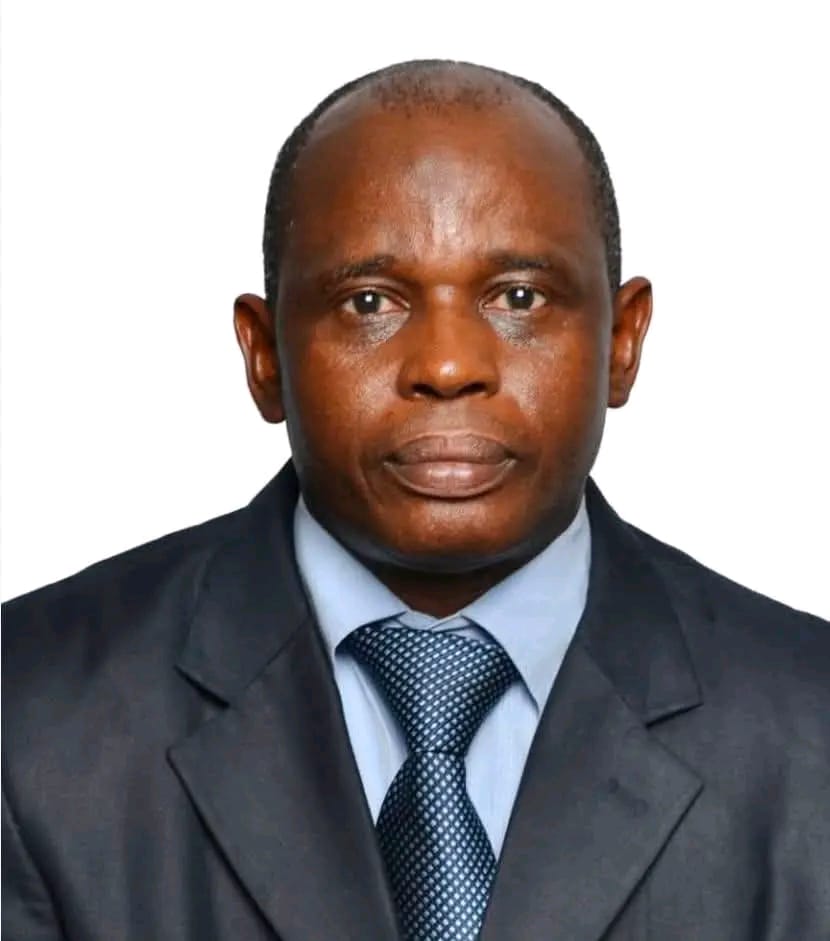
Kano witnessed a remarkable convergence of leadership, compassion, and grassroots empowerment on Friday, February 7, 2026, as the Minister of State for the Federal Capital Territory (FCT), Dr. Mariya Mahmoud Bunkure, rolled out a mega empowerment programme that benefited over 4,000 women leaders and vulnerable citizens across the state’s 44 local government areas.
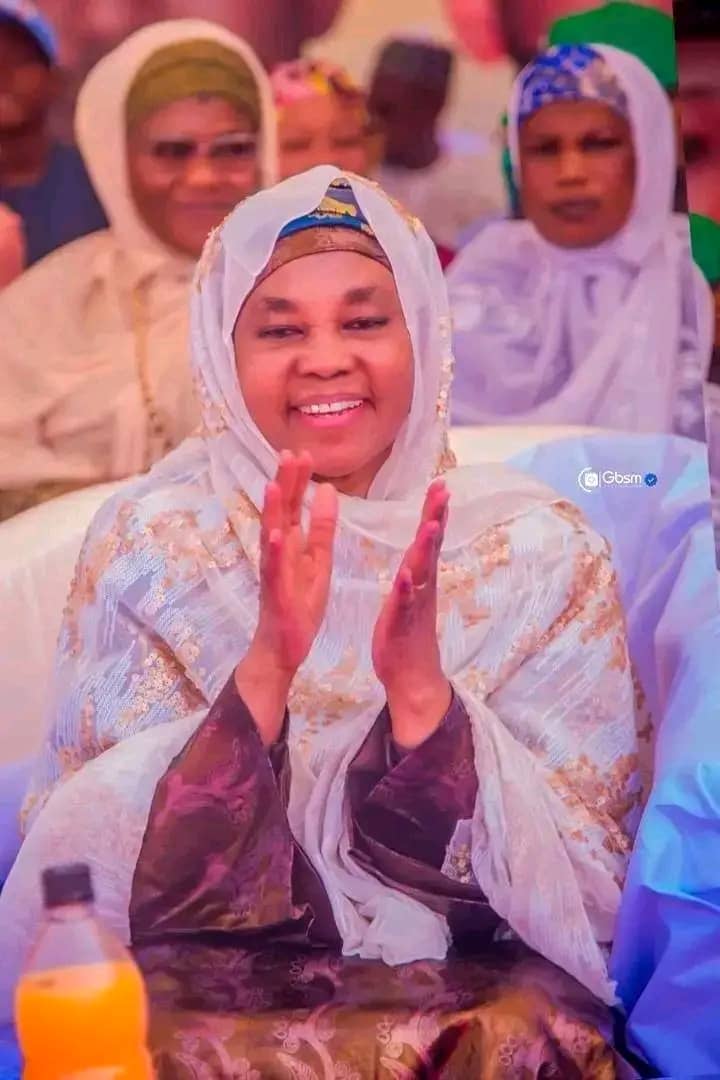
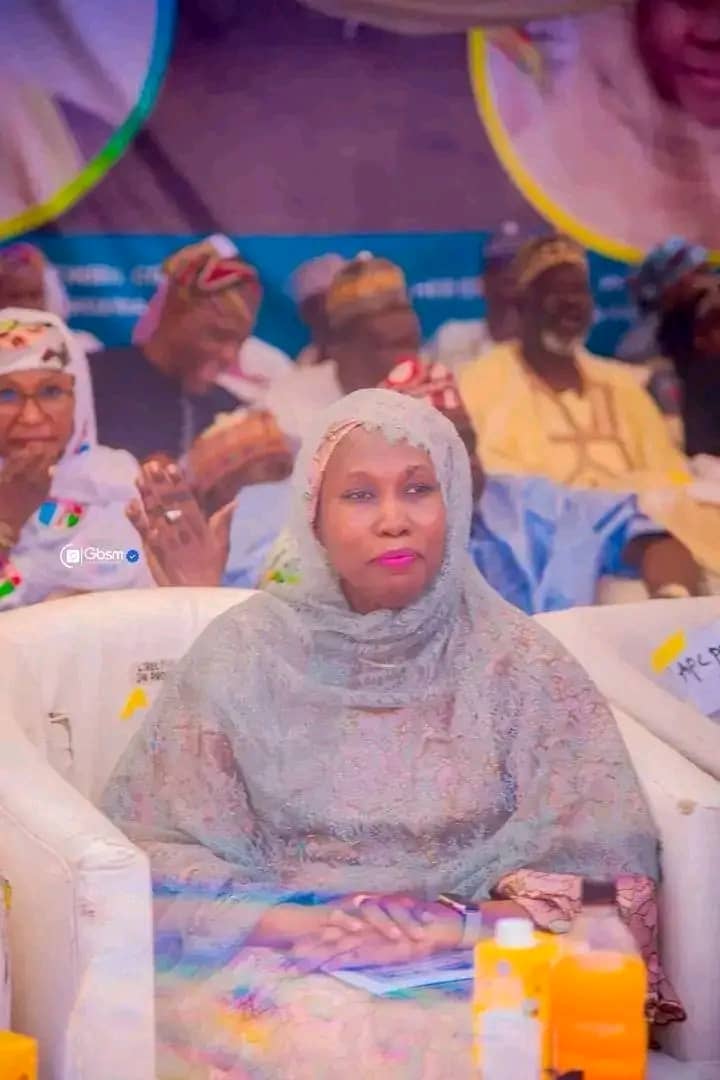
The programme, which underscored the growing emphasis on inclusive governance and human-centred development, was ceremonially launched by Professor Hafsat Umar Ganduje, who played an elder’s role at the event.
The Minister engaged beneficiaries and stakeholders in what many described as a moment of renewed hope and social solidarity.
Designed as more than a welfare intervention, the empowerment initiative was framed as a strategic effort to restore dignity, unlock economic potential, and strengthen grassroots participation, particularly among women who serve as mobilisers, peacemakers, and agents of community stability.
Addressing the gathering, Dr. Bunkure commended the All Progressives Congress (APC) leadership in Kano State, with special praise for the party’s women leaders, whose resilience and organisational strength, she noted, have deepened democratic participation and sustained grassroots engagement over the years.
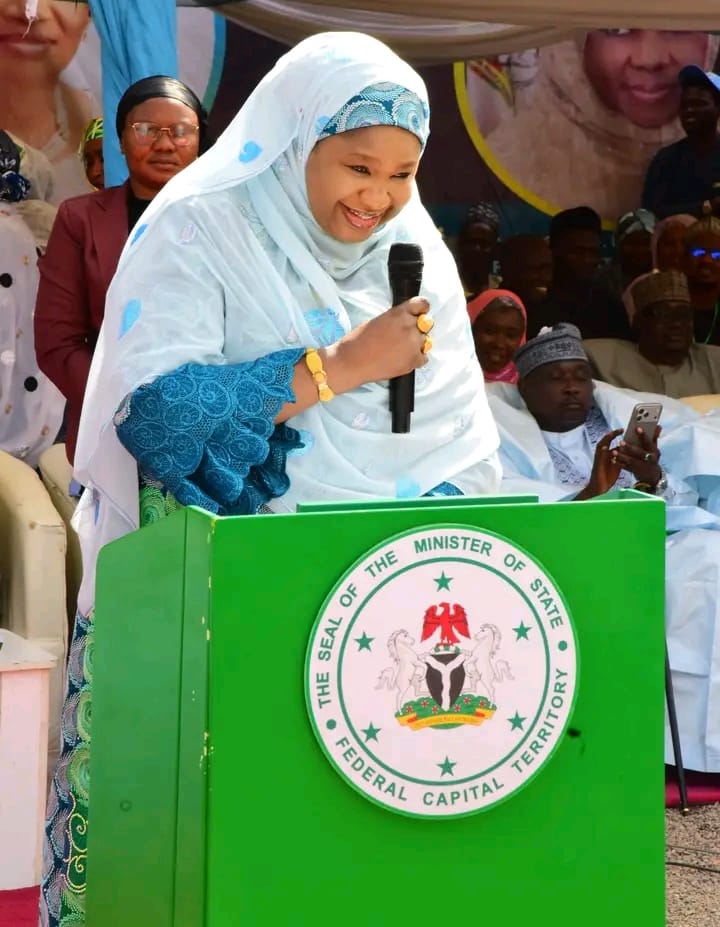
She stressed that the programme was not merely about distributing items, but about creating pathways to sustainable livelihoods, ensuring that vulnerable groups are not left behind in Nigeria’s development journey.
According to her, empowering women and marginalised citizens remains one of the most effective tools for achieving long-term social and economic stability.
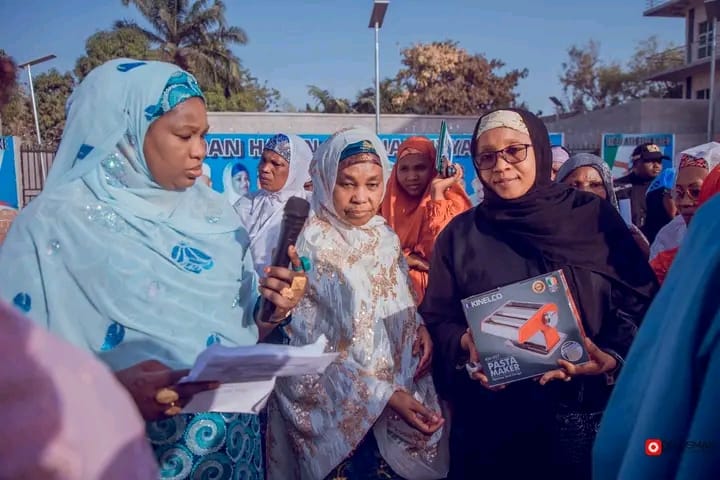
The empowerment items distributed reflected a broad-based approach to economic inclusion.
Beneficiaries received cars, motorcycles, tricycles for persons with disabilities, sewing machines, grinding machines, fertilisers for farmers, bags of rice and flour, spaghetti-making machines, and cash support as business capital resources carefully selected to address diverse livelihood needs.
Participants drawn from urban and rural communities alike described the intervention as timely and impactful, noting that it would not only improve household incomes but also strengthen community resilience.
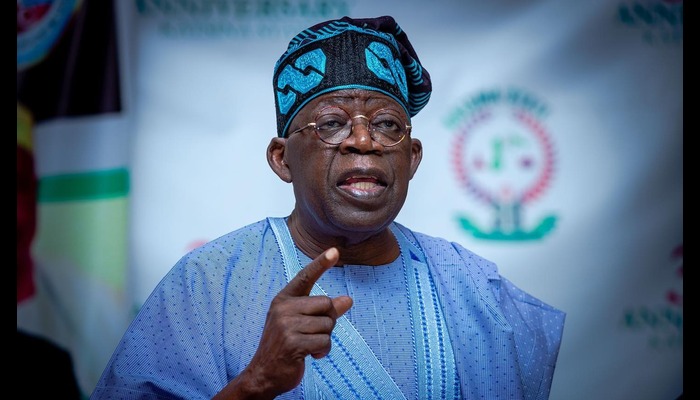
The programme aligns with the Renewed Hope Agenda of President Bola Ahmed Tinubu, which places emphasis on economic empowerment, poverty reduction, and people-focused governance. For many observers, the Kano event stood as a practical demonstration of how national policy objectives can translate into tangible benefits at the grassroots.
As the gathering drew to a close, the atmosphere reflected more than gratitude, it spoke to a shared belief that inclusive empowerment, when thoughtfully executed, can become a catalyst for lasting development.