



By Umar Idris Shuaibu, Abuja
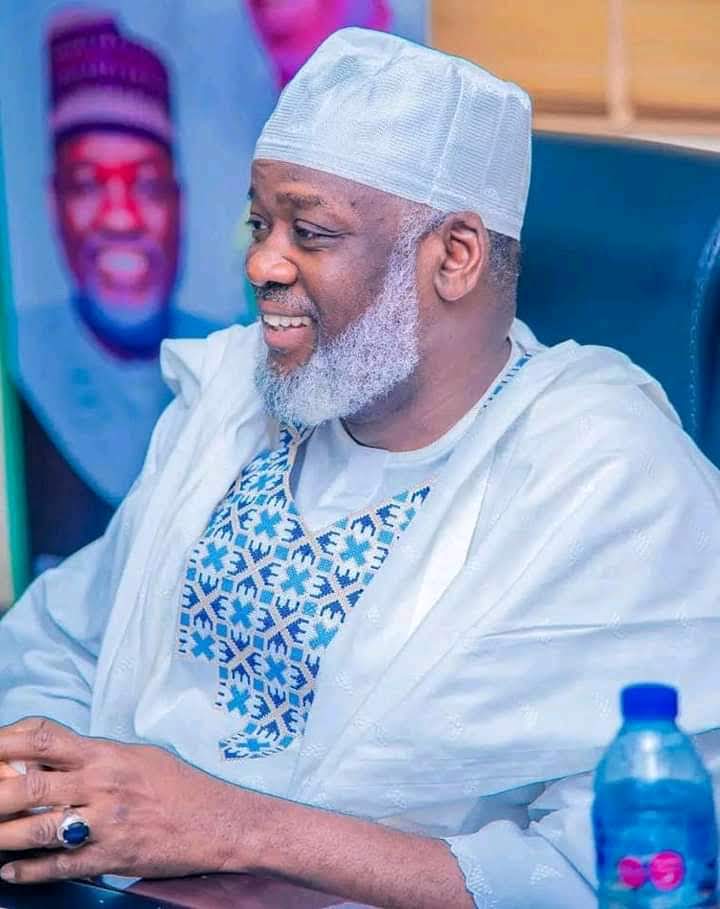
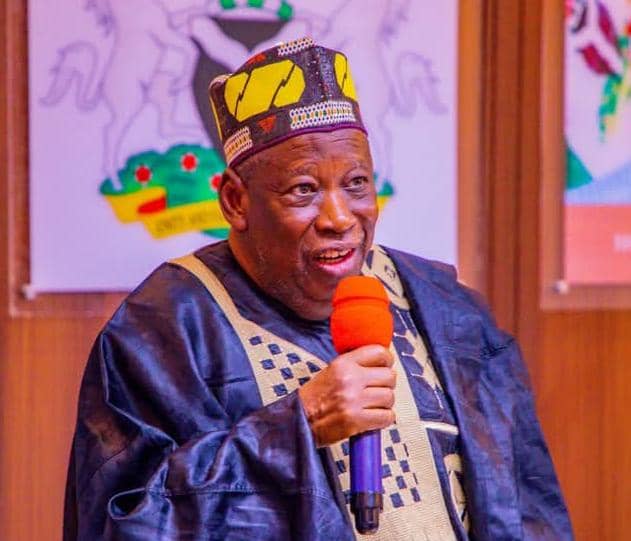
The immediate past National Chairman of the All Progressives Congress (APC) and Chairman of the Board of the Federal Airports Authority of Nigeria (FAAN), Dr. Abdullahi Umar Ganduje, has commended the Kano State Government for its recent defection to the APC, describing the move as a deliberate decision to align with the Federal Government in uplifting the socio-economic fortunes of the state.
Dr. Ganduje stated this in an interview with ‘The Historica Nigeria‘ on Friday in Abuja, noting that the Kano Government’s decision was informed by the belief that the APC remains the only viable political platform capable of delivering sustainable development.
According to him, the APC is not only expanding in membership but also attracting what he described as “quality followers,” adding that the party’s growing national appeal makes it a natural choice for any government seeking meaningful partnership with the centre.
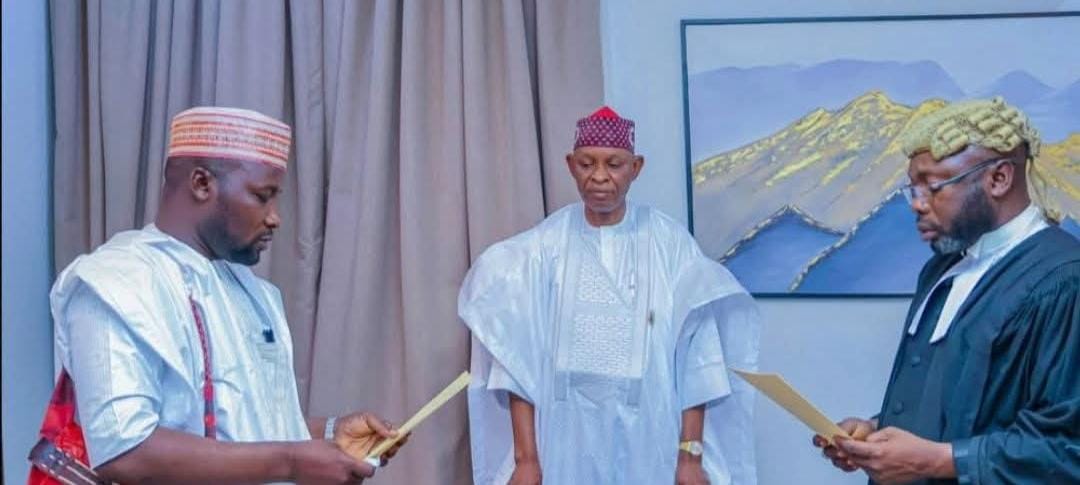
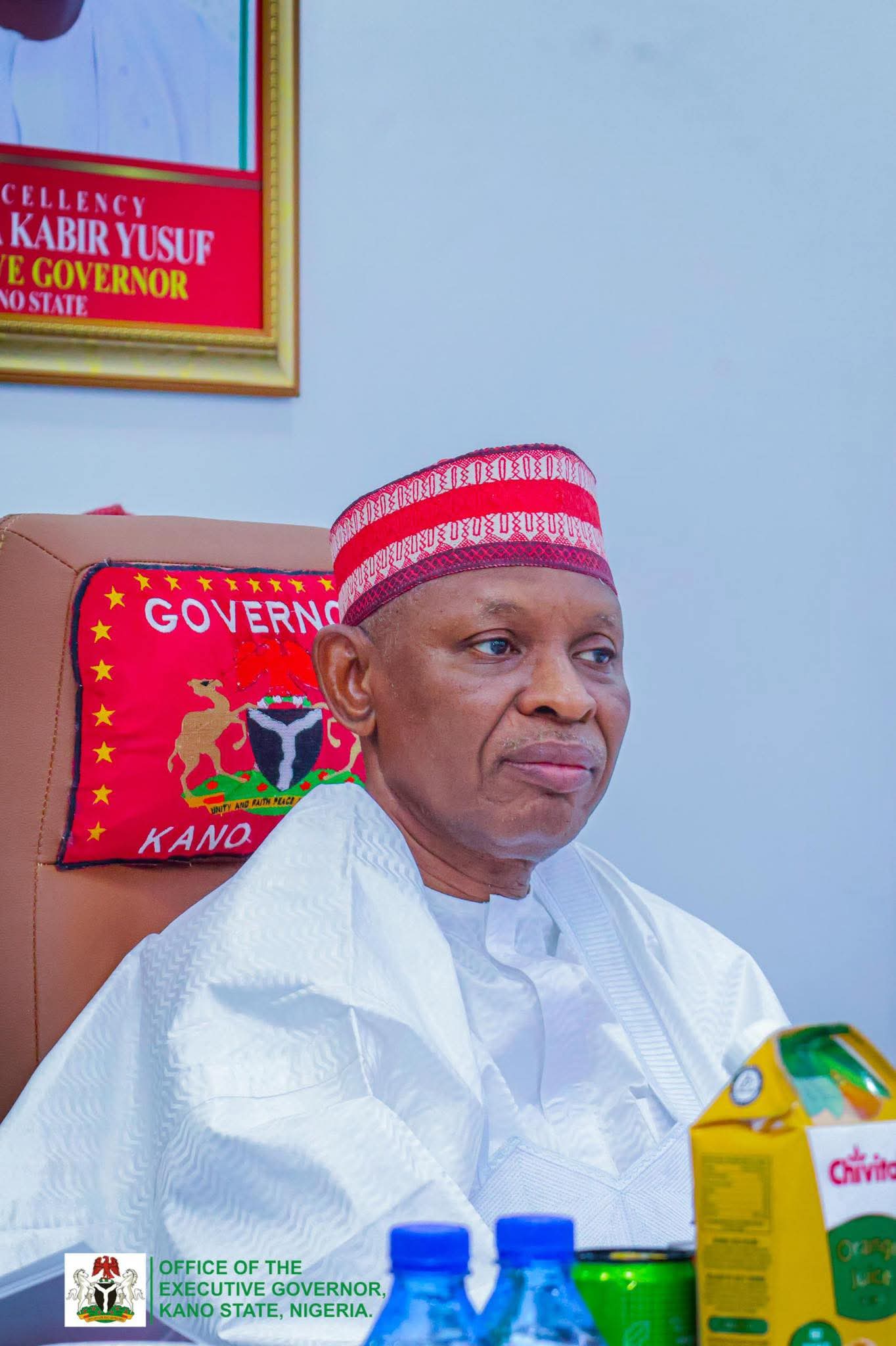
Ganduje attributed the emergence of the New Nigeria Peoples Party (NNPP) administration in Kano to the APC’s loss in the 2023 governorship election but argued that internal crises, disagreements, and prolonged litigations within the NNPP later weakened the party, prompting Governor Abba Kabir Yusuf to defect to the APC.
He recalled that both leaders were previously members of the Peoples Democratic Party (PDP) before 2015, when he won the governorship election in Kano under the APC platform. He further alleged that political realignments at the time were influenced by the presidential ambition of Senator Rabi’u Musa Kwankwaso, which, according to him, failed to gain nationwide traction.
Read Also:
Ganduje Commissions Zero-Emission Electric Vehicles at Nnamdi Azikiwe International Airport
Inflation to Fall Below 10% as Nigeria’s Economy Rebounds — Tinubu
Military to Try 16 Officers Over Alleged Plot Against Tinubu Govt
“We are now happy and strong enough, with a government ready to work for the people, improve their living standards, and support President Bola Ahmed Tinubu for a second term, alongside the Governor himself,” Ganduje said.
Tinubu’s Re-election and Zoning Principle
On the 2027 presidential election, Ganduje said northerners are increasingly inclined to support President Tinubu’s re-election, citing Nigeria’s zoning arrangement between the North and South.
He recalled that the late President Muhammadu Buhari spent eight years in office, making it equitable for the presidency to remain in the South for another term under Tinubu, who he described as an experienced politician with a proven track record as Governor of Lagos State.
Ganduje also referenced Tinubu’s Kano colloquium, which he said marked a turning point in northern public opinion during the last election.
He expressed optimism that after Tinubu’s second term, power would rotate back to the North in line with the country’s informal power-sharing understanding.
Economic Reforms and Infrastructure Development
The former APC chairman praised President Tinubu’s economic reforms, describing them as necessary steps toward national sustainability, social development, and unity.
He highlighted major infrastructure projects, including the Ajaokuta–Kaduna–Kano (AKK) gas pipeline, the Lagos–Ibadan–Kaduna–Kano railway extension to Dambatta, Kazaure, Daura, Katsina, and Maradi, as well as ongoing highway projects linking Lagos to Sokoto and coastal routes down to Calabar.
Ganduje added that increased federal allocations to states have strengthened sub-national governments, reducing the need for federal bailouts to pay workers’ salaries, a situation he said is now largely a thing of the past.
Inflation, Cost of Living and Regional Disparities
Addressing concerns over inflation, Ganduje said rising costs of living are a global phenomenon and should not be viewed through regional dichotomies.
He argued that northern Nigeria is less affected by food inflation due to its agricultural advantage, noting that food prices, grains, and commodities are gradually declining.
On educational disparities between the North and South, Ganduje attributed the gap to historical factors, explaining that Western education took root earlier in the South due to colonial and missionary influences, while Islamic education developed differently in the North.
Security and National Stability
On security, Ganduje traced Nigeria’s insecurity challenges to earlier administrations, noting that Boko Haram once controlled several local governments in the North-East before significant progress was made under the Buhari administration.
He acknowledged emerging threats such as banditry, kidnapping, and farmer-herder conflicts but maintained that the situation is increasingly under control due to changes in service chiefs, improved intelligence, and international collaboration, including Nigeria–United States cooperation.
“There are challenges, but security is improving, and we believe the situation will be fully resolved,” he said.
Inclusivity and Governance
Dr. Ganduje described the Tinubu administration as the most inclusive in Nigeria’s history, arguing that appointments have not been limited to APC members alone but extended to individuals from opposition parties.
He dismissed criticisms of exclusion as political reactions from opposition figures, insisting that the government remains open and participatory.
Good