










By Umar Idris Shuaibu, Kano
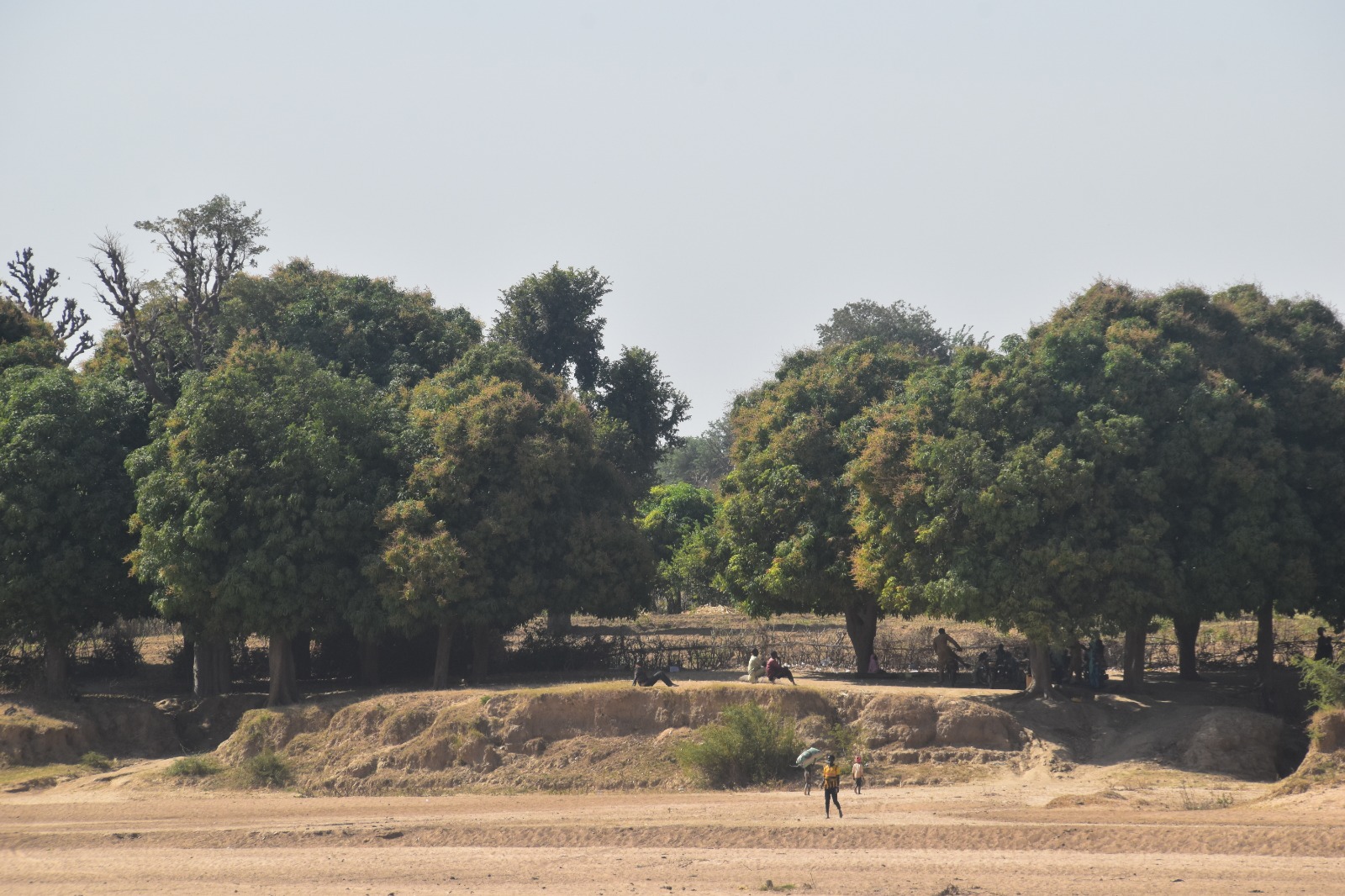
Gobirawa Ward, a riverine farming settlement in Madobi Local Government Area of Kano State, is facing an existential threat as years of unchecked sand mining continue to destroy farmlands, degrade fertile soil, and now dangerously encroach on residential areas.
Located in Kano Central Zone, Gobirawa has survived for more than 300 years as an agrarian community whose economy, culture, and identity are deeply rooted in farming. Generations of residents have relied on irrigated agriculture, producing tomatoes, peppers, onions, and assorted vegetables during the dry season, while cultivating grains and other food crops during the rainy season.
The community is also known for orchard farming. Mango, orange, lime, guava, papaya, banana, cashew, and kola nut trees have long sustained household incomes and food security. Local elders trace Gobirawa’s ancestry to the Gobir area of present-day Sokoto State, with farming shaping settlement patterns and livelihoods for centuries.
However, residents say this way of life is rapidly disappearing.
How sand mining changed everything
Sand mining activities began about six years ago along riverbanks close to farmlands and residential areas. According to residents, the excavation disrupted natural waterways, weakened soil structure, and exposed farmlands to severe erosion.
An elderly farmer, Malam Nasiru Alasan, grandson of Bawa Jan Gwarzo, said more than 3,000 residents depend solely on farming inherited from their forefathers, but that livelihood is now being wiped out.
Read Also:
300-Year-Old Kano Farming Settlement Faces Extinction Over Sand Mining
Lere: A Historic Fulani Settlement and Cultural Crossroads in Kaduna
Birnin Kudu: An Ancient Settlement With a Modern National Footprint
Over 100 large farmlands have already been degraded by water due to sand mining, he said, adding that every rainy season, more than 30 metres of land is washed away.
“If this continues, erosion will reach our houses within days. Our settlements will be washed away, and farming and livestock rearing will become history,” Alasan warned.
Another resident, Malam Jamilu Sulaiman of the Gobirawa–Gora Bakin Kogi area, said the problem escalated after a businessman acquired land for sand excavation at Tashar Maza.
“Our nutrient-rich soil has been completely washed away. The degraded land now stretches for more than one kilometre, and erosion is dangerously close to our homes,” he said.
Sulaiman listed affected communities to include Alwali, Kanawa, Gobirawa, Unguwar Mazare, Gidan Makaho, Gidan Bawa, Unguwar Lungu, Gangare, Cunkosa, Madobi, and several areas along the Rimingado axis, including Kwanar Haido, Iriri, Unguwar Musa, Tsalle, and Tsara.
He noted that a significant portion of sweet potatoes and Irish potatoes consumed in Kano metropolis is produced in these areas, with agricultural activities valued in millions of naira annually.
“Even if sand mining stops today, recovery will take at least 50 years because large mango, kola nut, and orange trees have already been washed away,” he said.
Why experts say the damage is severe
Agricultural experts warn that the environmental damage may be long-lasting.
An agriculturalist and Provost of the Federal College of Agriculture, Kirikasamma, Jigawa State, Muhammad Yusha’u Gwaram, explained that continuous erosion strips soil of essential nutrients, gradually destroying soil health and agricultural productivity.
He said prolonged soil degradation weakens land structure, making sustainable farming impossible, and urged authorities and farmers to prioritise tree planting to reduce erosion and restore degraded land.
According to him, the situation threatens not just food production but the economic stability of farming communities across the region.
Promises made, action yet to come
Earlier, the Executive Secretary of the Watershed Erosion and Climate Change Management Agency (WECCMA), Dr. Mahmoud Abba, said the agency would inspect the affected areas to assess the level of degradation and halt sand excavation activities.
However, residents say no such visit has taken place.
Despite the assurances, WECCMA officials are yet to assess the damage or initiate any restoration measures. Meanwhile, erosion continues unchecked, worsening with each rainfall.
Fear moves from farms to homes
Residents say their anxiety has now gone beyond loss of farmland to fear for their homes and personal safety.
According to them, erosion channels are advancing rapidly toward residential areas, threatening to displace families who have lived on the land for generations.
“This is not just about our economic survival anymore,” a community leader said. “Our houses, our children, and our future are now at risk.”
Calls for urgent intervention
The people of Gobirawa have appealed to the Madobi Local Government Council and the Kano State Government to urgently intervene by stopping sand mining activities, enforcing environmental regulations, and initiating land restoration efforts.
Efforts by ‘The Historica Nigeria‘ to reach the alleged owner of the heavy-duty machines used for sand mining in the Gobirawa-Gora area, Alhaji Umar Musa Kwankwaso, popularly known as Marafa, were unsuccessful, as calls and WhatsApp messages sent to him had not been responded to as of the time of filing this report.
For Gobirawa residents, time is running out. Without immediate action, a farming settlement that has endured for over three centuries may soon be erased along with the livelihoods, culture, and homes that define it.
Nice report, please keep it up.