







The Federal Government has announced plans to abolish the long-standing dichotomy between Higher National Diploma (HND) and university degree holders by empowering polytechnics to award degrees.
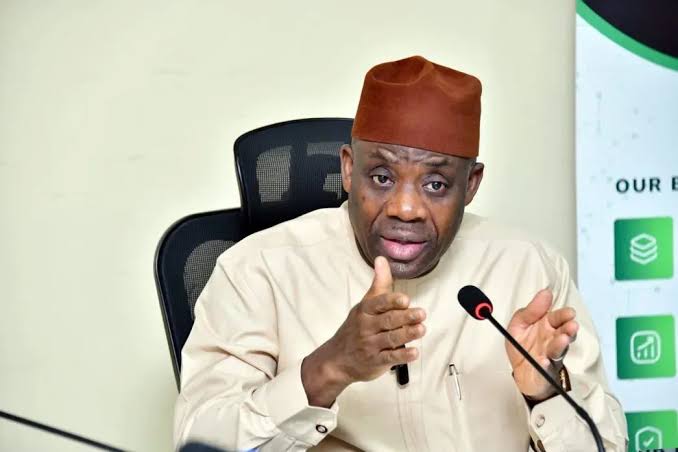
Minister of Education, Dr. Tunji Alausa, disclosed this on Wednesday in Abuja at a high-level retreat attended by chairmen of governing councils, commissioners of education, rectors, registrars, and bursars of tertiary institutions.
Dr. Alausa described the proposed reform as historic, noting that it would bring an end to years of discrimination against polytechnic graduates and reposition polytechnics as centres of excellence within Nigeria’s higher education system.
He explained that the initiative is designed to strengthen technical and vocational education as a critical driver of national development, while retaining the practical, industry-focused orientation of polytechnic training.
According to the minister, the policy aligns with President Bola Ahmed Tinubu’s Renewed Hope Agenda, which prioritises job creation, industrial growth, and human capital development. He said granting degree-awarding status to polytechnics would enhance industry collaboration, improve funding opportunities, and boost public confidence in the institutions.
Read Also:
Kano State Polytechnic Takes Step Toward University-Affiliated PGD Programmes
Emir Sanusi II Resumes Studies, Attends First Law Lecture in Kano
Between Discipline and Dissent: Musa Bamaiyi and the Burden of Command
Dr. Alausa assured stakeholders that the transition would be guided by clearly defined standards, effective regulation, and robust quality assurance mechanisms to ensure global competitiveness.
Speaking on the theme, “Transforming Polytechnic Education in Nigeria: Innovation, Good Governance and Sustainability for National Development,” the minister emphasised the importance of Technical and Vocational Education and Training (TVET) in building a skills-based economy. He urged polytechnic administrators to promote innovation through entrepreneurship hubs, research centres, and stronger industry linkages.
He identified renewable energy, agri-technology, digital manufacturing, and climate-resilient solutions as priority areas for institutional focus. He also stressed the need for sustainability, calling on institutions to boost internally generated revenue, adopt environmentally friendly practices, and invest in resilient infrastructure.
While acknowledging challenges such as funding constraints, outdated facilities, and societal preference for university education, Dr. Alausa maintained that the benefits of the reform far outweigh the difficulties.
He reaffirmed the Federal Government’s commitment to supporting polytechnics through policy reforms, infrastructure development, and strategic partnerships. The minister also announced a special intervention by the Tertiary Education Trust Fund (TETFund) this year to equip polytechnic engineering schools with modern facilities, following a similar upgrade of medical colleges in the previous year.
Dr. Alausa urged participants at the retreat to return to their institutions as agents of reform, stressing that Nigeria’s future workforce and economic growth depend largely on the successful transformation of polytechnic education.