





The Federal Government has clarified that low-income earners will not pay personal income tax under the new tax regime that took effect on January 1, dismissing claims that the reforms impose additional burdens on the poor.
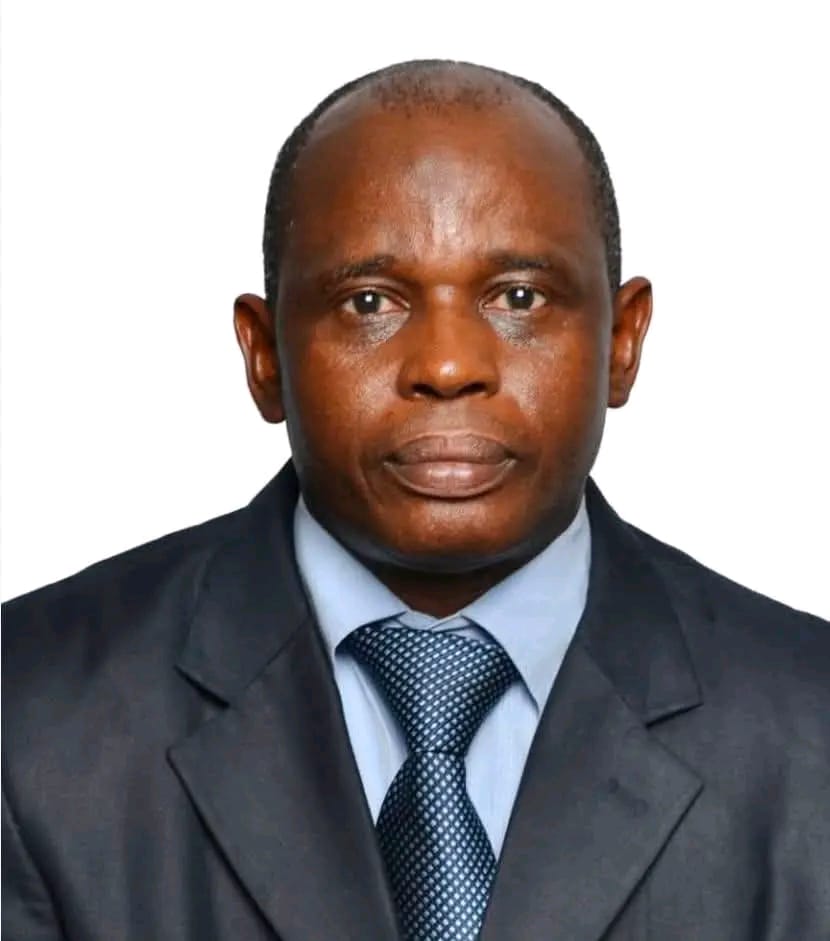
Director-General of the Budget Office of the Federation, Tanimu Yakubu, provided the clarification in a statement responding to criticisms he described as based on “stage-managed arithmetic, selective accounting, and misrepresentation of the law.”
Yakubu explained that the most critical feature of the new personal income tax structure is the zero per cent tax rate on the first ₦800,000 of annual income, a provision he said critics deliberately ignored. Under the new framework, only income above that threshold is taxable.
Using an illustrative example, Yakubu said a worker earning ₦75,000 monthly would have an annual income of ₦900,000, leaving only ₦100,000 above the tax-free band. At a 15 per cent rate on the excess, the worker’s gross tax exposure would amount to ₦15,000 annually, or ₦1,250 per month, before deductions.
Read Also:
Nigeria Pushes Blue Economy Agenda with Seabed Mapping, Hydrography Initiatives
Nigerian Navy Launches High-Tech Agricultural Initiative to Boost Food Security
ITF Wraps Up SUPA Skill-Up Artisans Training in Kano, Targets Sustainable Livelihoods
He added that once statutory pension contributions are applied, the taxable portion reduces significantly. At an eight per cent pension contribution rate, ₦72,000 would be deducted annually, leaving just ₦28,000 subject to tax, translating to ₦4,200 per year or ₦350 monthly. With additional allowable deductions such as health insurance, the taxable income could fall entirely below the ₦800,000 threshold, resulting in zero personal income tax liability.
Yakubu stressed that pension and health insurance contributions should not be misrepresented as taxes, noting that pensions are deferred wages owned by workers and lodged in their Retirement Savings Accounts, while health insurance payments secure defined benefits.
He faulted the use of global poverty benchmarks in the criticism, explaining that the World Bank’s $4.20-a-day poverty line is a purchasing power parity measure and not a nominal wage threshold that can be converted directly into naira using market exchange rates.
On claims that expanding the tax base would inevitably target the poor, Yakubu described the argument as misleading, stating that tax base expansion focuses on improving compliance among high earners, closing loopholes, capturing affluent segments of the digital and informal economy, and strengthening employer withholding systems.
He added that while governance and accountability concerns were legitimate, they did not invalidate the structure of a tax schedule designed to reduce Nigeria’s reliance on borrowing and improve its historically weak tax-to-GDP ratio.
According to Yakubu, the narrative branding the reform as a policy designed to tax subsistence incomes ignored clear legal thresholds meant to protect low-income earners, describing such claims as driven more by emotive framing than by facts grounded in law.
(The Nation)