The Historica Nigeria

2026

Kano, News

Kano Counters Amnesty Report, Says Rights of Citizens Protected

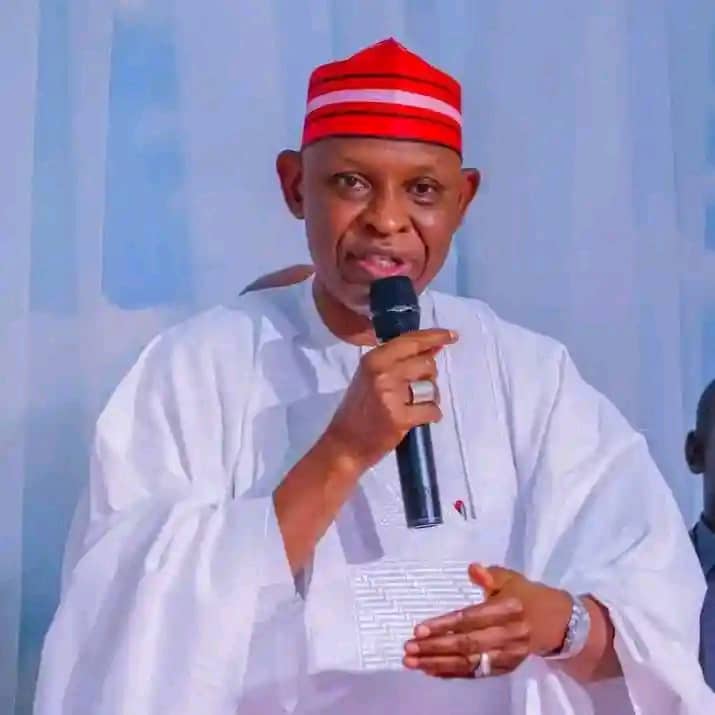
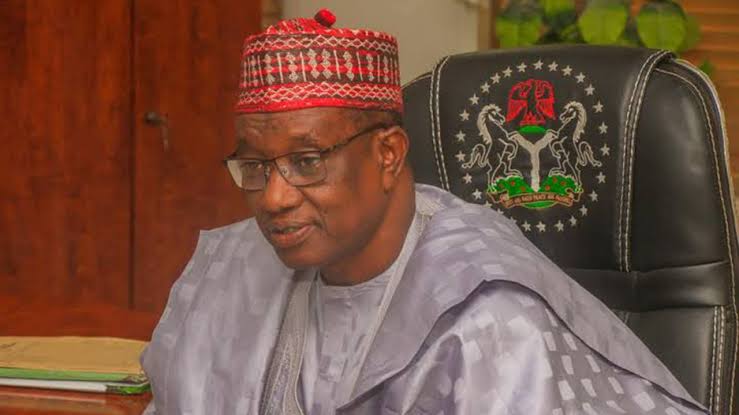
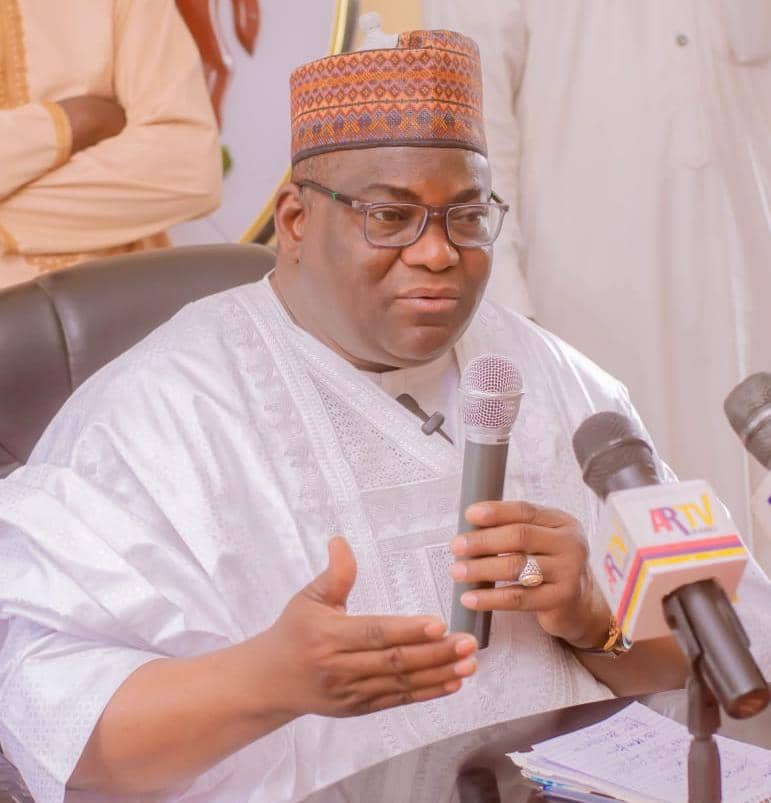
Kano State Government has rejected allegations by Amnesty International accusing it of repressing freedom of expression, describing the claims as false, misleading, and unfounded. The government was responding to a publication by the organization titled “Kano: Escalating Repression Endangers Freedom of Expression,” which alleged a pattern of arrests, detention, and harassment of individuals critical of Governor Abba Kabir Yusuf. In a statement issued by the Commissioner for Information and Internal Affairs, Ibrahim Abdullahi Waiya, the government said the report amounted to a gross misrepresentation of facts and failed to reflect the realities on ground. The statement maintained that the administration of Governor Yusuf remains committed to the protection of fundamental human rights, including freedom of expression as enshrined in the Constitution of the Federal Republic of Nigeria. Read Also: Kano: Why Journalists Still Face Harassment Despite Press Freedom Guarantees Pantami Urges Northern Muslims to Invest in Media, Warns of Communication Deficit Kano Announces Eid Break, Releases School Resumption Plan “The government has at no time directed any security agency to harass or intimidate individuals for expressing dissenting opinions,” the statement said. It, however, emphasized that while freedom of expression is guaranteed, it is not absolute, noting that issues such as defamation, incitement, hate speech, and deliberate misinformation fall outside the boundaries of lawful expression. According to the government, security agencies, including the Department of State Services (DSS), operate within their legal mandates, and any arrests or invitations are based on petitions and credible allegations such as cyberbullying, defamation, and incitement. The statement further clarified that the Kano State Government does not control the operational decisions of federal security agencies, but supports lawful measures aimed at addressing cybercrime and protecting the dignity of individuals. The government expressed concern over what it described as the misuse of social media platforms to spread falsehoods and engage in character assassination under the guise of civic engagement. It added that the administration has continued to promote open governance and civic participation, noting that Kano remains one of the states fostering strong engagement between government, media, and civil society organizations. The statement also highlighted that citizens are free to express their views on governance without harassment, stressing that constructive criticism remains essential for democratic growth. It, however, drew a distinction between legitimate criticism and actions that violate the law, insisting that democratic freedoms must be exercised responsibly. The government urged organizations and commentators to verify facts and engage relevant authorities before making public claims capable of creating tension or undermining public institutions. Reaffirming its stance, the Kano State Government reiterated its commitment to democratic values, rule of law, and peaceful coexistence, while pledging to continue safeguarding constitutional rights within the framework of the law.
Katsina, News

Crisis response: EU-funded project delivers new vet. clinic to Katsina govt

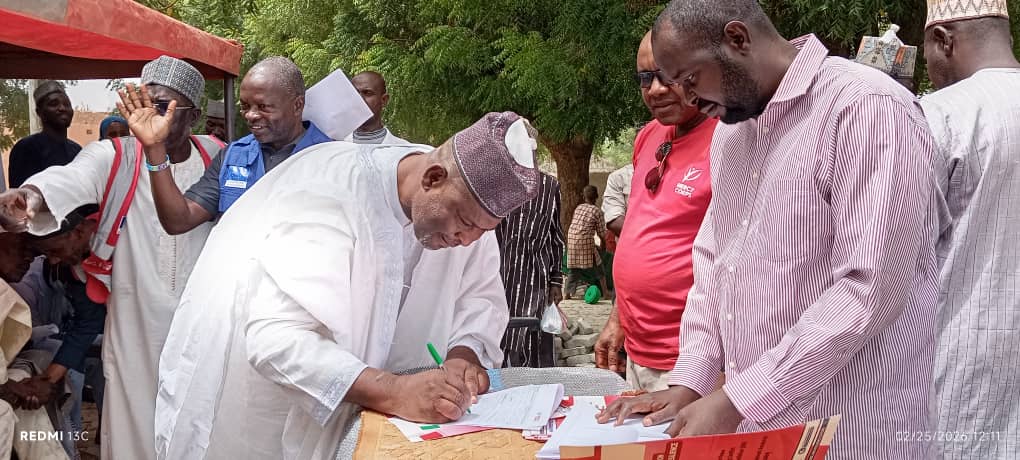
By Abbas Bamalli Mercy Corps, a Non – Government Organisation (NGO) , on Wednesday, handed over a newly constructed Veterinary Clinic and a rehabilitated structure in Danmusa Local Government Area (LGA), to the Katsina State Government. The project, which included a 20,000-litre capacity upgraded solar-powered borehole, was executed under the European Union-funded Conflict Prevention, Crisis Response and Resilience (CPCRR) project. The initiative is being implemented in collaboration with the International Organisation for Migration (IOM), and the Centre for Democracy and Development (CDD). Speaking during the event, the Commissioner for Livestock and Animal Husbandry in Kastina State,Prof Ahmed Bakori, commended Mercy Corps and its partners on such commitment to support peace and development in the state. Read Also: NAOWA takes cancer prevention awareness to members in Katsina While praising the state government for restoring peace and stability, the said the project would improve livestock services and the welfare of farmers who depend on animal health services for livelihood. Bakori buttressed that improved security in the state had enabled development partners to implement meaningful interventions in communities affected earlier. He said,” Recently, Gov. Dikko Radda was in South Africa to explore strategies for boosting livestock production and strengthening the livestock value chain in line with the government’s economic development agenda.” In his remarks, Mercy Corps Senior Programme Manager, Mr Philip Ikita, expressed satisfaction on the timely and successful implementation of the project in Danmusa. He stated that although Mercy Corps began its operations in the state in 2023, security challenges, initially, had prevented the organisation from accessing some areas, including Danmusa. Ikita said that the project would improve access to essential services, strengthen livelihoods and contribute to sustaining peace in the community. “The project involves the upgrade of a veterinary clinic from a two room structure into a fully functional six office facility, “The was embarked on to strengthen livestock healthcare services in the area, “The programme builds on the success of the Conflict Mitigation and Community Reconciliation (CMCR) project and seeks to promote long-term peace and stability in Northwest Nigeria. “It works across 48 communities in Zamfara and Katsina States, addressing the root causes of conflict, enhancing community resilience, and strengthening socio-economic recovery,” he said. Also, the District Head of Danmusa, Ahmadu Abubakar, expressed appreciation to Mercy Corps and its partners for the intervention, describing the projects as timely and beneficial. Earlier, the Chairman of Danmusa LGA, Ibrahim Na-Mama, represented by his Deputy, Musa Muhammad, expressed appreciation for the projects, assuring that the council would support efforts to safeguard them. (NAN)

Education, Kano

Kano Announces Eid Break, Releases School Resumption Plan

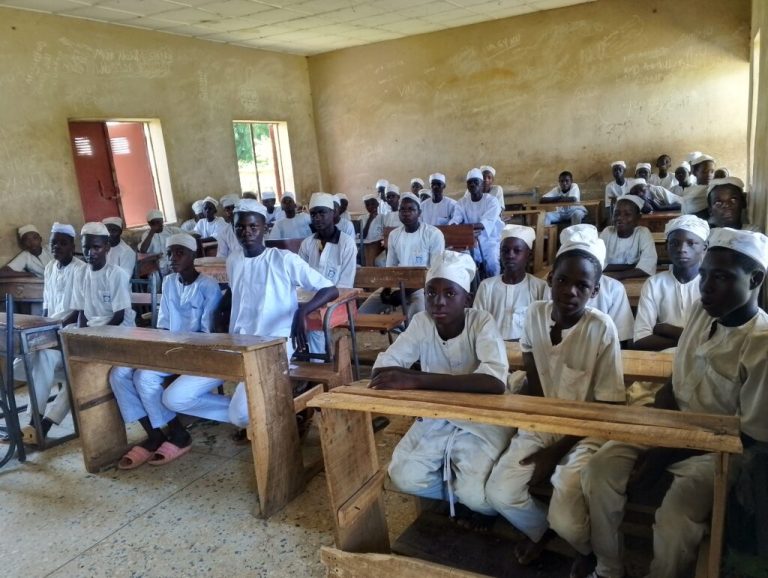
The Kano State Government has announced Sunday, March 1, 2026, as the commencement date for the Eid al-Fitr holiday for all public and private primary and post-primary schools across the state. The announcement was contained in a statement issued on Wednesday by the Director of Public Enlightenment, Kano State Ministry of Education, Musbahu Aminu Yakasai. According to the statement, the holiday aligns with the approved 2025/2026 academic calendar, which indicates that the second term will end on Saturday, February 28, 2026. “All day and boarding schools across Kano State will commence their Sallah break from March 1. Parents and guardians are advised to ensure that pupils in boarding schools are conveyed home by the early hours of Friday, February 27, to facilitate a smooth transition into the holiday,” the statement read. Read Also: ASUP NILEST Celebrates Retiring Unionist, Demands Settlement of Entitlements The government further stated that boarding school pupils and students are expected to resume on Sunday, March 22, while day students will resume on Monday, March 23, 2026. It added that the new academic term will run from March 22 and end on Saturday, April 18, 2026. Schools have been directed to comply strictly with the approved resumption schedule, warning that any deviation would be considered a breach of the state government’s directive. The State Commissioner for Education, Ali Makoda, called on parents, guardians, and school authorities to adhere fully to the outlined schedule to ensure a seamless academic calendar. Makoda appreciated the continued support of parents and residents, while wishing pupils and students a successful Ramadan period and a peaceful Eid celebration.

Abuja, National, News

Tinubu Decorates Disu as Acting IGP Amid Leadership Shake-Up

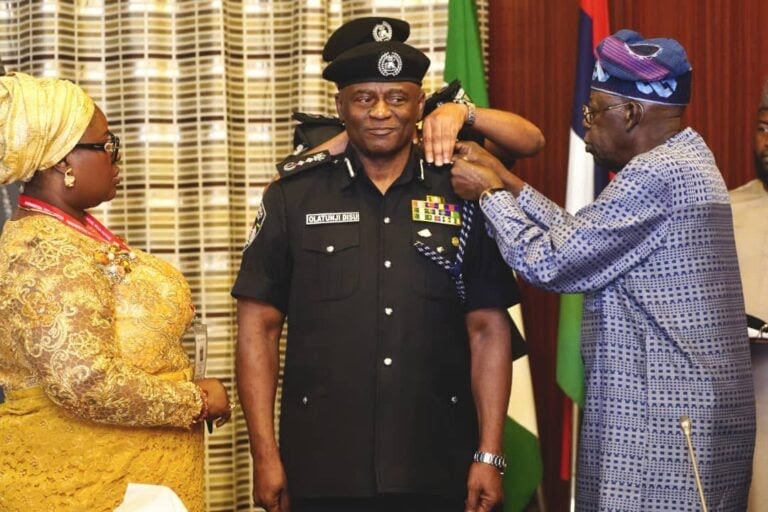
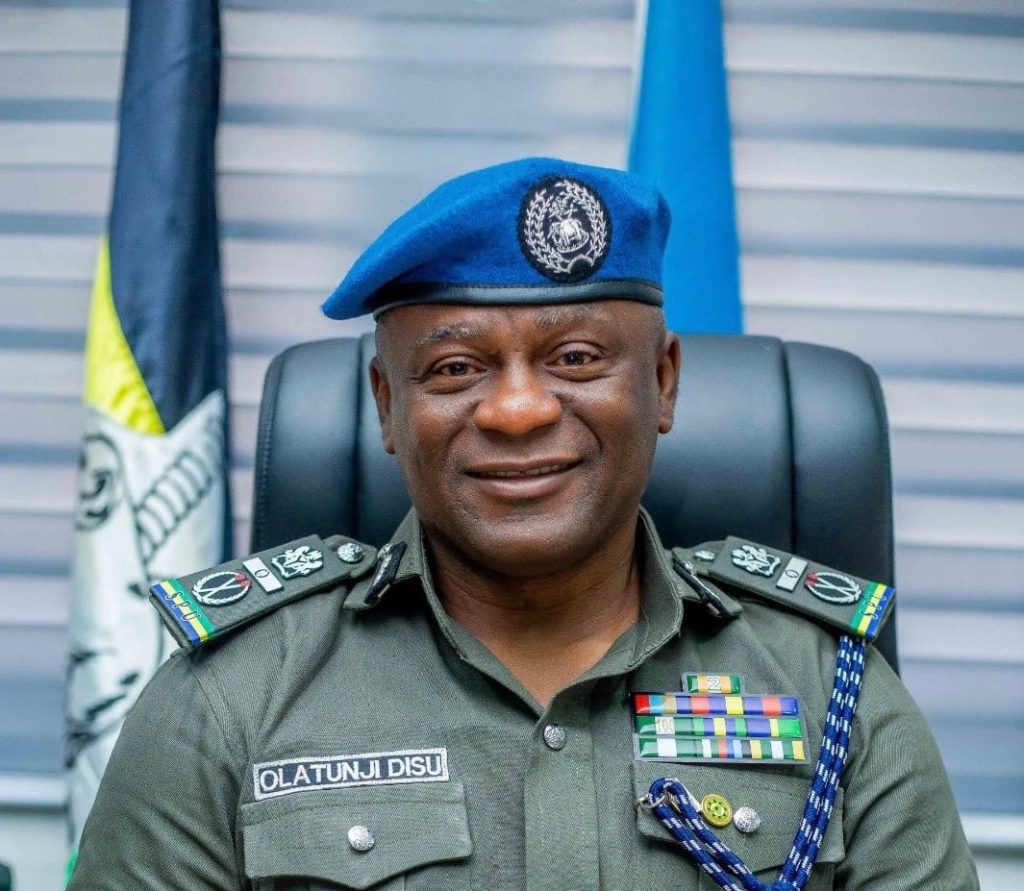
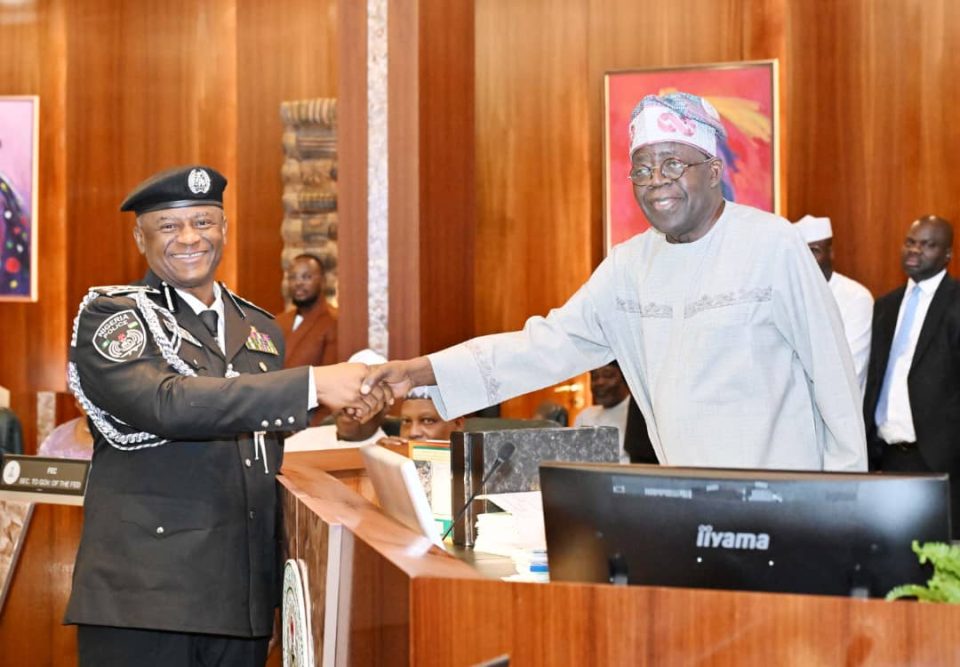
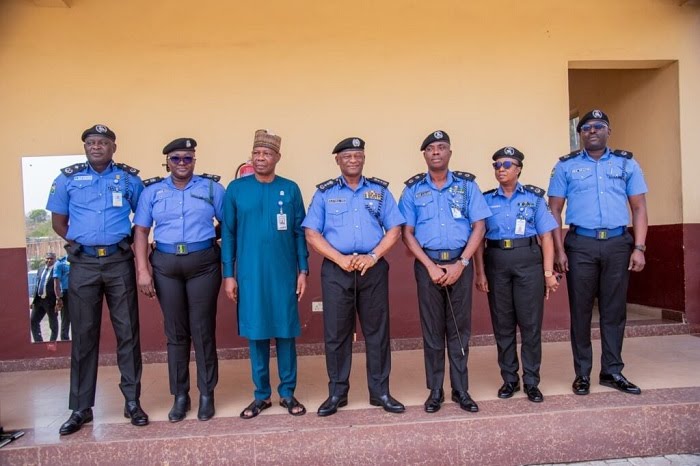
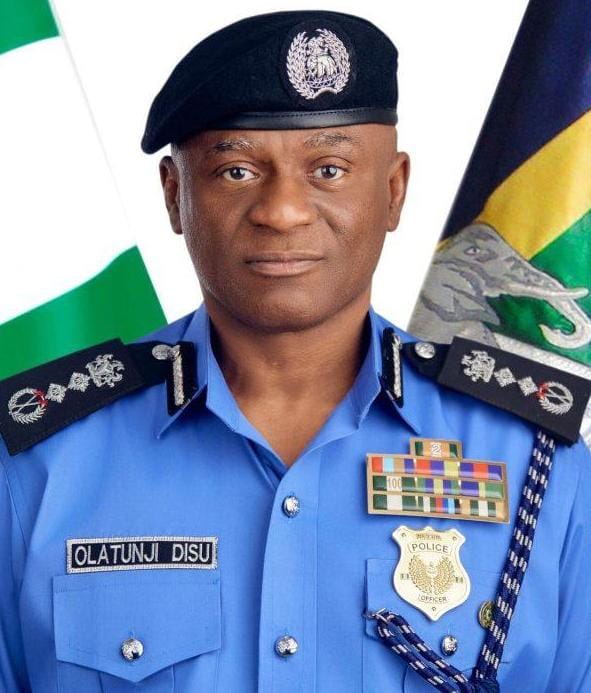
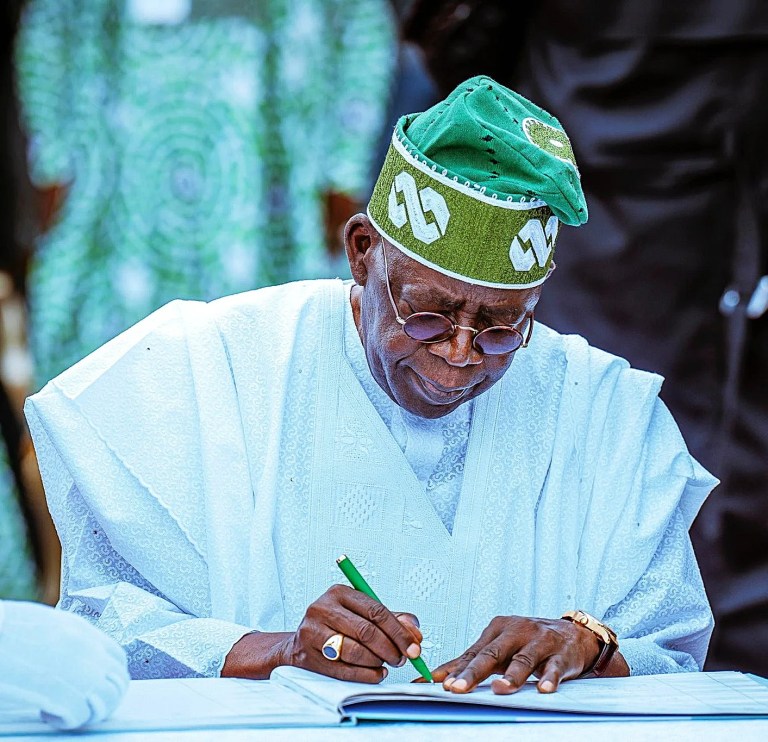
President Bola Ahmed Tinubu on Wednesday decorated Olatunji Disu with his new rank as Acting Inspector-General of Police at the State House, Abuja. The ceremony, held at about 4 p.m. at the President’s office, was attended by the National Security Adviser, Nuhu Ribadu; Chief of Staff to the President, Femi Gbajabiamila; Secretary to the Government of the Federation, George Akume; and the immediate past Inspector-General of Police, Kayode Egbetokun. Tinubu personally pinned the new insignia on Disu’s uniform and commended Egbetokun for his service to the nation. Disu’s appointment comes just 48 days before his scheduled retirement on April 13, 2026, when he would have attained the mandatory retirement age of 60. However, under the amended Police Act, which provides for a four-year tenure for Inspectors-General of Police regardless of age, he may remain in office until 2030 if confirmed. Read Also: Meet Nigeria’s New Acting IGP ASUP NILEST Celebrates Retiring Unionist, Demands Settlement of Entitlements Tinubu Pushes State Police, Urges Governors to Focus on Poor, Youths The ceremony followed the resignation of Egbetokun, who submitted his letter to the President on Tuesday, citing family matters requiring his full attention. In a statement issued by the President’s Special Adviser on Information and Strategy, Bayo Onanuga, Tinubu accepted the resignation and expressed appreciation for Egbetokun’s contributions, while announcing Disu’s appointment. “The IGP resigned in a letter today, citing family issues which require his undivided attention,” the statement read. However, multiple Presidency sources disclosed that Egbetokun was asked to step down during a meeting with the President at the Presidential Villa on Monday evening. Disu will serve in an acting capacity pending confirmation by the Nigeria Police Council, in line with constitutional provisions. According to Onanuga, the President will convene a meeting of the Council to formally consider the appointment, after which his name will be forwarded to the Senate for confirmation. Meanwhile, Disu’s elevation is expected to trigger a wave of retirements within the Nigeria Police Force, in keeping with the tradition that senior officers step aside when a junior colleague becomes Inspector-General. At least nine Deputy Inspectors-General of Police serving at Force Headquarters may be affected, including DIG Adebola Hamzat, DIG Mohammed Gumel, DIG Adebowale Williams, and DIG Frank Mba. Sources within the Police Service Commission indicated that between 15 and 20 senior officers could exit the Force as a result of the transition. The new Acting IGP is expected to formally assume office at the Louis Edet House, Force Headquarters, Abuja, where a handover ceremony and parade of senior officers are scheduled. Born on April 13, 1966, in Lagos State, Disu joined the Nigeria Police Force on May 18, 1992. He has served for over three decades in various operational and leadership capacities across the country, culminating in his appointment as Acting Inspector-General of Police. Photo News:

Feature, Kano

Kano: Why Journalists Still Face Harassment Despite Press Freedom Guarantees

An alleged altercation between an aide to Governor Abba Kabir Yusuf of Kano State and a journalist has once again brought attention to concerns over the safety and professional freedom of media practitioners in the state. The incident reportedly occurred at the Race Course in Kano during the Argungu Motor Rally, part of activities marking the Argungu International Fishing and Cultural Festival. It has since generated debate within media circles, with renewed calls for respect, professionalism, and protection for journalists. The government official involved was identified as Auwal Sani Rogo, a Senior Special Reporter with the Kano State Government, while the journalist at the centre of the controversy, Abdulbaki Ali Ahmed Sharifai, was covering the event in his professional capacity. Eyewitnesses said the alleged verbal exchange occurred shortly after Sharifai and other journalists conducted interviews at the venue. The event was organised by the Kano State Ministry of Information and Internal Affairs, with journalists officially invited to provide coverage and wider publicity. The incident reportedly took place in the presence of key government officials, including the Commissioner for Information and Internal Affairs, Ibrahim Abdullahi Waiya; the Commissioner for Culture and Tourism, Aisha Lawan Saji Rano; and the Chairman of the Kano State Censorship Board, Abba El-Mustapha. Read Also: Kano Journalist Weighs Legal Action Over Alleged Insult by Govt Aide Pantami Urges Northern Muslims to Invest in Media, Warns of Communication Deficit Kano Govt Strengthens Digital Journalism Through Ethics-Focused Media Retreat Following the incident, Sharifai lodged a formal complaint at the Divisional Police Office in Bompai, headquarters of the Kano State Police Command, citing alleged insults, harassment, and intimidation while carrying out his lawful duties. Sources familiar with the matter alleged that the government aide did not honour a police invitation, while efforts toward amicable resolution have yet to produce a formal apology or official communication. Although the commissioner reportedly initiated dialogue and assured intervention, the absence of closure has left the matter unresolved, with indications that legal action may be pursued. A Pattern of Concern The incident reflects a growing pattern of tension involving journalists in Kano. Observers recall the arrest of broadcaster Ibrahim Ishaq Dan’uwa Rano on October 18, 2025 over a feature programme titled “Letter from Imalu.” The report, which used allegory and innuendo, a recognised journalistic technique, was considered defamatory following a petition by Abdullahi Ibrahim Rogo, Director General of Protocol to the governor. The situation drew widespread concern, particularly as authorities reportedly demanded the production of a fictional character featured in the programme as part of conditions linked to the journalist’s release. For many observers, such developments highlight a broader challenge, including limited understanding of journalism practice, especially interpretative and investigative storytelling methods. Press Freedom vs Reality Nigeria’s constitution guarantees freedom of expression and of the press, positioning journalists as key actors in democracy, often described as the Fourth Estate of the Realm. Despite these protections, media practitioners in Kano continue to report experiences of intimidation, harassment, and institutional pressure. At the same time, the Kano State Government has repeatedly affirmed its commitment to press freedom. The administration of Governor Abba Kabir Yusuf, through its spokespersons, maintains that journalists operate freely and that the government remains media friendly. During a media engagement session, the Director General of Media and Publicity, Sanusi Dawakin Tofa, reiterated that the governor supports transparency and open communication, dismissing claims of systemic harassment. However, recurring incidents such as the Sharifai case continue to raise questions about the gap between policy and practice. Why in Kano? The persistence of such cases raises a critical question on why incidents involving journalists appear frequent in Kano. Analysts point to several underlying factors, including limited understanding of journalism ethics, political sensitivities, weak institutional safeguards, and a culture where critical reporting is sometimes perceived as a challenge to authority. Stakeholders emphasise the need for balance and understanding. Government officials and security agencies are urged to respect press freedom and deepen their understanding of media practice. Journalists, on their part, are expected to uphold professionalism, accuracy, and responsibility. A strong and independent media remains essential for accountability, governance, and peaceful coexistence. Observers note that the outcome of the Sharifai case may serve as a test of the state’s commitment to press freedom, not only in principle but in practice.

Kano, News

How Kano Senator Faces Court Over Alleged N124.8m Campaign Debt

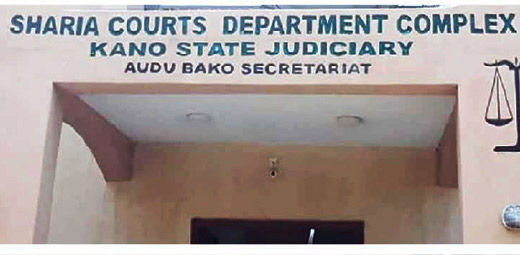
Senator representing Kano Central, Rufai Sani Hanga, has been dragged before an Upper Sharia Court over an alleged unpaid sum of N124,800,070 owed to political associates. The civil suit, filed by Isa Ado Medoya and other members of the New Nigeria Peoples Party (NNPP), claims the amount was incurred during the senator’s electioneering campaign for services rendered. When the case came up for hearing before Sharia Judge Muhammad Sani, counsel to the plaintiffs, Abbas Mandawari, outlined the basis of the claim, stating that the funds represent payment for agreed campaign assignments executed by his clients. Mandawari presented documents and samples to demonstrate the nature of the work carried out, adding that further consultations were required to properly organise additional materials. He subsequently requested more time for verification. Read Also: Meet DIGs Likely to Retire Following Disu’s Emergence as Acting IGP Counsel to the defendant opposed the application, arguing that the plaintiffs were unprepared to proceed with substantive arguments and urging the court to dismiss the suit on grounds of lack of diligent prosecution. However, the court declined the request for dismissal, ruling that the plaintiffs be granted additional time to consolidate their filings. The judge emphasised the need to allow both parties adequate opportunity to fully present their cases. The matter was adjourned to April 21, 2026, for the continuation of proceedings, with the plaintiffs expected to submit complete documentation, after which the defence will respond formally. Meanwhile, the case unfolds amid ongoing political realignments in Kano State. Senator Hanga, the only NNPP senator in the National Assembly and Deputy Minority Whip, has remained aligned with Rabiu Musa Kwankwaso despite recent defections within the party. The senator has reportedly described recent political shifts, including the defection of Abba Kabir Yusuf, as a betrayal, reiterating his commitment to remain within his political bloc. (People’s Pen)

Feature, National

Meet DIGs Likely to Retire Following Disu’s Emergence as Acting IGP

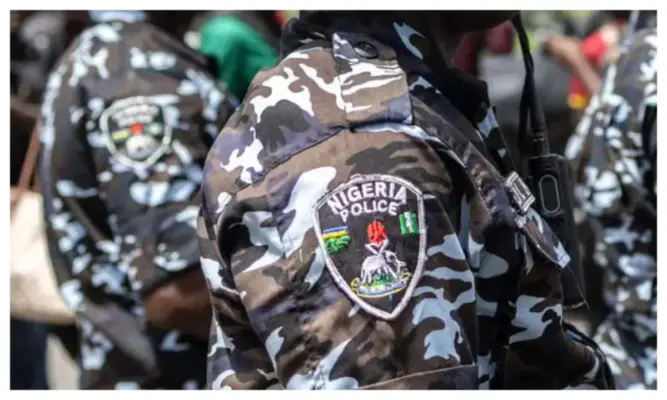
The recent resignation of Kayode Egbetokun and the appointment of Olatunji Disu as Acting Inspector-General of Police have triggered a familiar pattern within the Nigeria Police Force, the likely retirement of senior officers who are above the new police chief in rank and seniority. Although not expressly mandated by law, it is an entrenched institutional tradition for senior officers, particularly Deputy Inspectors-General (DIGs), to step aside when a junior officer is elevated to the position of IGP. This practice is largely driven by the need to preserve hierarchy, discipline, and organisational cohesion within the Force. Read Also: Meet Nigeria’s New Acting IGP ASUP NILEST Celebrates Retiring Unionist, Demands Settlement of Entitlements Emir Aminu Ado Bayero To Lead National Ramadan Feeding Committee Findings by ‘The Historica Nigeria‘ indicate that several serving DIGs may be affected by this development. Profiles of Likely Affected DIGs Frank Mba A seasoned officer and widely recognised public communicator, Frank Mba rose through the ranks from Inspector to Assistant Inspector-General of Police. He is a three-time Force Public Relations Officer and a recipient of the United Nations Medal for his service in Liberia. His career reflects a blend of operational policing and strategic communication. Mohammed Gumel Currently overseeing the Force Intelligence Department, Gumel is regarded as a strong advocate of community policing. His leadership in intelligence gathering has contributed significantly to internal security coordination. He is also a recipient of professional honours, including recognition as Community Policing Advocate of the Year (2024). Adebola Hamzat Serving as DIG in charge of Logistics and Supply, Hamzat supervises critical aspects of police operations, including procurement, infrastructure, and resource management. His prior roles include AIG Zone 16 and Commissioner of Police in Oyo State. Yahaya Abubakar As head of Finance and Administration, Abubakar plays a pivotal role in managing the Force’s financial systems, budgeting, and personnel administration. His experience spans multiple senior leadership roles within the Force. Basil Idegwu A PhD holder in Peace and Security Studies, Idegwu leads the Department of Research and Planning. His work focuses on policy development, strategic reforms, and modernisation of policing structures in Nigeria. Bzigu Kwazhi Kwazhi heads the Department of Operations, one of the most critical arms of the Force. He oversees nationwide tactical operations, including election security, riot control, and joint security engagements. His field experience includes leadership roles in conflict-prone states. Sadiq Idris Abubakar An accomplished academic and police officer, Sadiq Idris Abubakar holds advanced degrees in Psychology and Education. His career reflects a strong blend of intellectual depth and policing experience, having risen from Cadet ASP to the rank of DIG. Adebowale Williams Currently leading the Department of Information and Communication Technology, Williams is at the forefront of integrating digital solutions into policing. His role is central to advancing modern law enforcement infrastructure in Nigeria. Institutional Implications The possible retirement of these senior officers underscores the ripple effect of leadership transition at the top of the Force. While the development may lead to the exit of highly experienced personnel, it also opens up opportunities for the emergence of a new generation of police leadership. Analysts note that such transitions, though routine, come with both challenges and opportunities particularly in maintaining operational continuity while introducing new strategic direction under the acting IGP. As Olatunji Disu settles into his new role, attention will be focused on how the Force navigates this transition and sustains its mandate of ensuring internal security across the country.

National, News

Meet Nigeria’s New Acting IGP

The Inspector-General of Police, Kayode Egbetokun, has resigned from office following a directive from President Bola Ahmed Tinubu. A Presidency source disclosed that Egbetokun was asked to step down during a meeting with the President at the Presidential Villa in Abuja. He is to be replaced in an acting capacity by Olatunji Disu, pending confirmation in line with the Constitution of the Federal Republic of Nigeria. Egbetokun was appointed as the 22nd indigenous Inspector-General of Police on June 19, 2023, with his appointment confirmed by the Police Council on October 31, 2023. Although he was due for retirement in September 2024 upon attaining the mandatory age of 60, an amendment to the Police Act allowed him to serve a full four-year tenure, which was expected to end in October 2027 before the latest development. Profile of the New Acting IGP Disu, widely regarded as one of Nigeria’s finest contemporary police officers, was born on April 13, 1966, in Lagos State. He holds a Bachelor of Arts degree in English Education from Lagos State University, as well as two Master’s degrees, one in Public Administration from Adekunle Ajasin University, Ondo State, and another in Criminology, Security and Legal Psychology from Lagos State University. Read Also: ASUP NILEST Celebrates Retiring Unionist, Demands Settlement of Entitlements Ganduje, Kuku Lead Nigeria’s Airports Into a New Era Tinubu Pushes State Police, Urges Governors to Focus on Poor, Youths He has attended several professional courses both locally and internationally, covering areas such as small arms smuggling, internet fraud, strategic leadership, and forensic investigations. Disu joined the Nigeria Police Force in 1992 as a Cadet Assistant Superintendent of Police and trained at the Police Academy in Wudil, Kano State. Over the years, he has held several strategic positions, including Commissioner of Police in Rivers State and the Federal Capital Territory. He also served as Commander of the Police Intelligence Response Team (IRT), having been appointed to the role on August 2, 2021, by former IGP Usman Alkali Baba following the suspension of Abba Kyari. He was equally a former Commander of the Rapid Response Squad (RRS) in Lagos State and served as Principal Staff Officer to Egbetokun. Before his appointment as acting IGP, Disu was the Assistant Inspector-General of Police in charge of the Force Criminal Investigation Department (FCID) Annex, Alagbon, Lagos. His emergence marks a new phase in the leadership of the Nigeria Police Force as stakeholders await his confirmation and policy direction.

Kaduna, News

ASUP NILEST Celebrates Retiring Unionist, Demands Settlement of Entitlements

The Academic Staff Union of Polytechnics (ASUP), NILEST Chapter, has honoured a retiring technologist and former union leader, Ahmed Halid, at a valedictory congress marked by tributes to his service and renewed calls for improved staff welfare. Speaking during the event, the Chairman of the union, Joseph Odey Oko, described Halid as a committed unionist whose contributions were defined by discipline, humility, and constructive engagement in union activities. Oko noted that although Halid served as Vice Chairman of the union, his impact went beyond titles, emphasizing that his calm, reasoned, and principled approach to issues strengthened collective decision-making within the congress. “He was a silent but constant voice whose contributions were always measured and constructive. His commitment to union ideals and staff welfare remained evident throughout his service,” the chairman said. The union, however, used the occasion to draw attention to lingering welfare concerns affecting staff, particularly the non-payment of the January 2022 salary and outstanding repatriation allowances. Read Also: Experts, Scholars Chart Path for Zero-Waste Leather Production at NILEST Conference FG Set to End HND–Degree Divide, Empowers Polytechnics to Award Degrees Pantami, Bugaje Call for Skills Reform, Energy Solutions at BUK Engineering Conference According to Oko, the unpaid salary remains an earned entitlement and not a privilege, stressing that Halid, among others, is directly affected by the delay. He further highlighted that repatriation allowances due to staff who were transferred across locations, including movements between Zaria and Kano, are yet to be settled, describing the situation as unacceptable. The union called on the management of the institution to prioritise the immediate payment of all outstanding entitlements, including salaries and allowances owed to staff, noting that government obligations must be treated as continuous responsibilities. Oko stressed that staff welfare should remain central to institutional stability, warning that delays in payments could erode trust and affect morale within the workforce. He also urged union members to remain committed to their professional responsibilities, emphasizing that accountability must be matched with diligence and integrity in service delivery. In a citation presented at the event, Halid’s career was described as one marked by diligence, professionalism, and decades of contribution to Nigeria’s textile and polymer technology sectors. Born in Baro, Niger State, Halid began his education at Baro Primary School before attending Government College, Bida. He later obtained both his Ordinary National Diploma and Higher National Diploma in Textile Technology from Kaduna Polytechnic. His professional journey saw him work with several textile firms in Kano, including Universal Spinners and Universal Textiles, before joining the Nigeria Institute of Leather and Science Technology (NILEST), Zaria, in 2007 as a Higher Laboratory Technologist. Through dedication and hard work, he rose to the position of Chief Technologist in the Department of Polymer Technology, where he became known for mentoring younger colleagues and contributing to the advancement of technical education. The union described him as a stabilising figure within the institution, whose industry experience helped bridge the gap between academic training and practical application. As he retires from active service, ASUP commended his legacy of integrity, service, and commitment, assuring that efforts would continue to ensure that all outstanding entitlements owed to him and other staff are addressed. The congress concluded with encomiums for the retiring technologist, as colleagues and union members celebrated his contributions and wished him a fulfilling retirement, while reiterating the need for improved welfare and institutional accountability.

Feature, National

Kano-Based TVC Reporter Bags Double PR Induction in UK and Africa

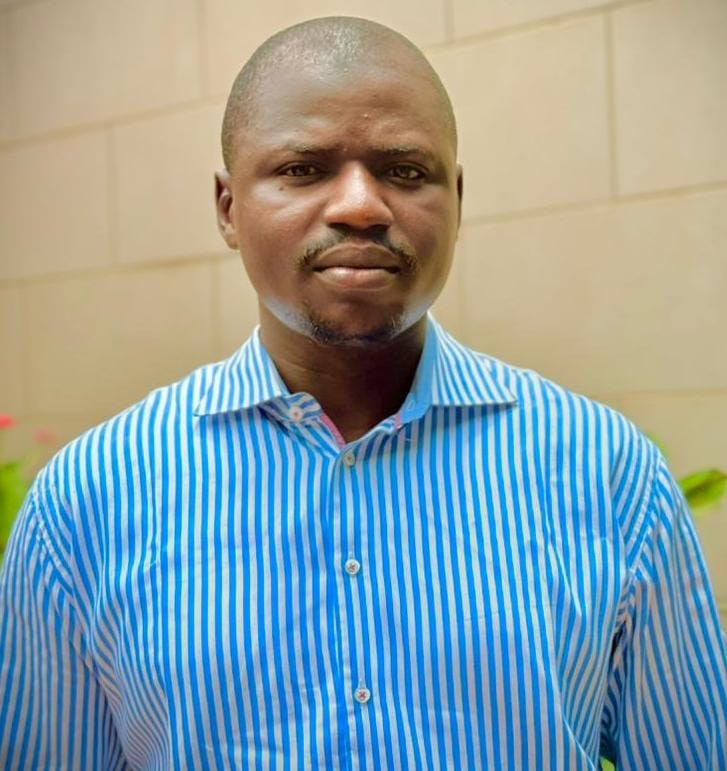
A Senior Reporter with TVC News, Ibrahim Ayyuba Isah, has recorded a significant professional milestone following his induction into two major public relations bodies in the United Kingdom and Africa. Isah, who is also the Chief Executive Officer of Ayrah Media Concept Ltd, was admitted as a Full Member of the Chartered Institute of Public Relations (CIPR) and an Associate Member of the African Public Relations Association (APRA). The development comes in addition to his existing membership of the Nigerian Institute of Public Relations (NIPR), further strengthening his credentials within both local and international communication circles. The CIPR membership grade, known as MCIPR, is widely regarded as a top-tier professional recognition in the United Kingdom and Europe, awarded to practitioners with proven expertise in strategic communication and adherence to global ethical standards. His induction into APRA similarly positions him within a network of professionals shaping communication practice across Africa. Speaking on the achievement, Isah said the move was driven by the growing demands of global media consultancy and the need to align with international best practices. Read Also: Pantami Urges Northern Muslims to Invest in Media, Warns of Communication Deficit He noted that his firm, Ayrah Media Concept Ltd, currently manages high-level communication engagements, including work on the IsDB-funded Kano State Agropastoral Development Project (KSADP), which requires compliance with international standards. According to him, the dual membership ensures that his consultancy operations meet global benchmarks comparable to those in leading cities across Europe and Africa. Isah, who holds a Master’s degree in Public Relations and is currently pursuing a PhD at Nasarawa State University, has spent over a decade in broadcast journalism, covering major national issues. Industry observers say the recognition underscores the growing influence of Nigerian media professionals on the global stage and highlights the capacity of local practitioners to compete internationally. The achievement is expected to further enhance the strategic communication capacity of Ayrah Media Concept Ltd, particularly in handling both domestic and international projects.

Scroll to Top