




Health stakeholders have called on the Kano State Government to increase funding, strengthen policy frameworks and deepen community engagement to curb vaccine hesitancy and reduce the number of zero-dose children across the state.
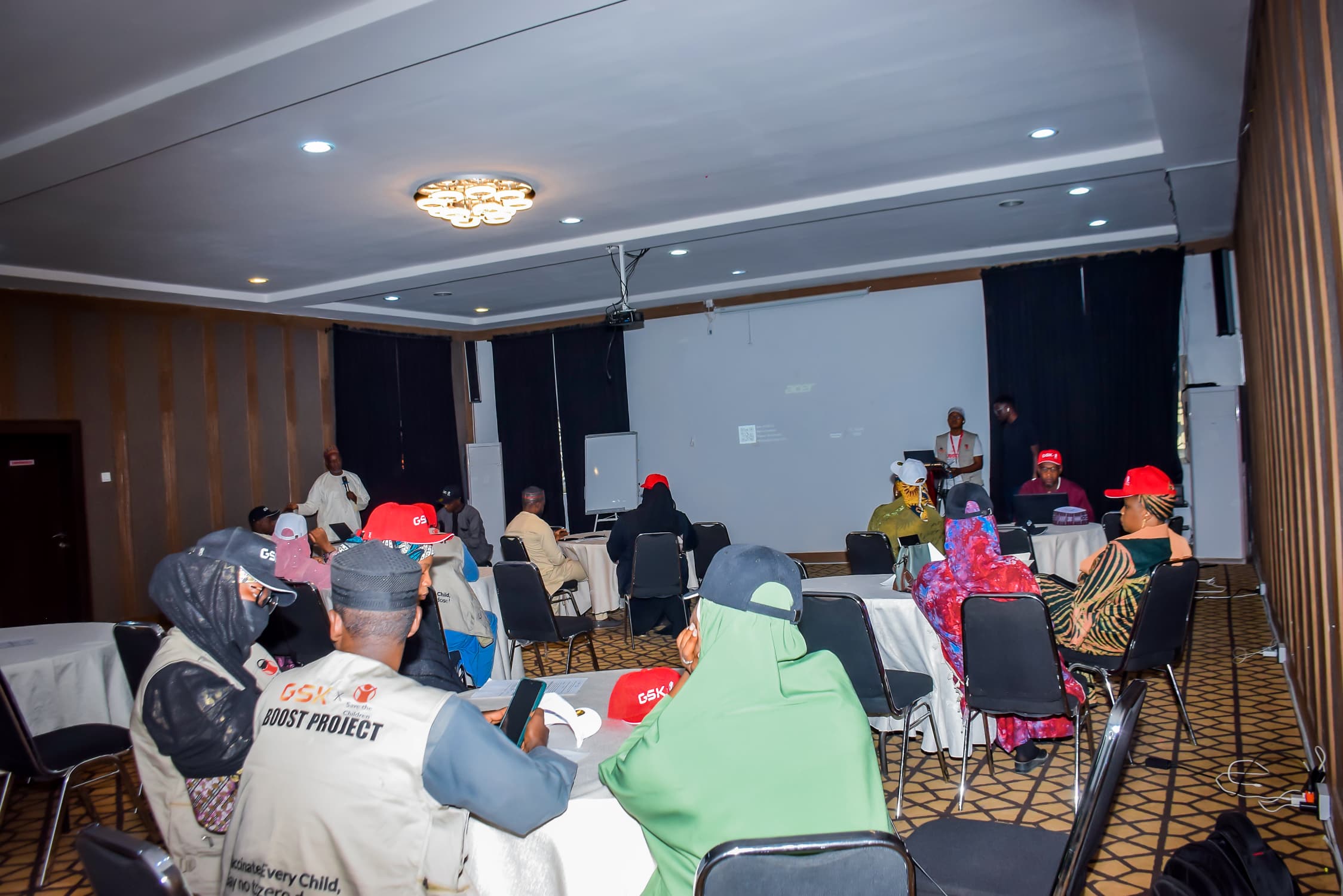
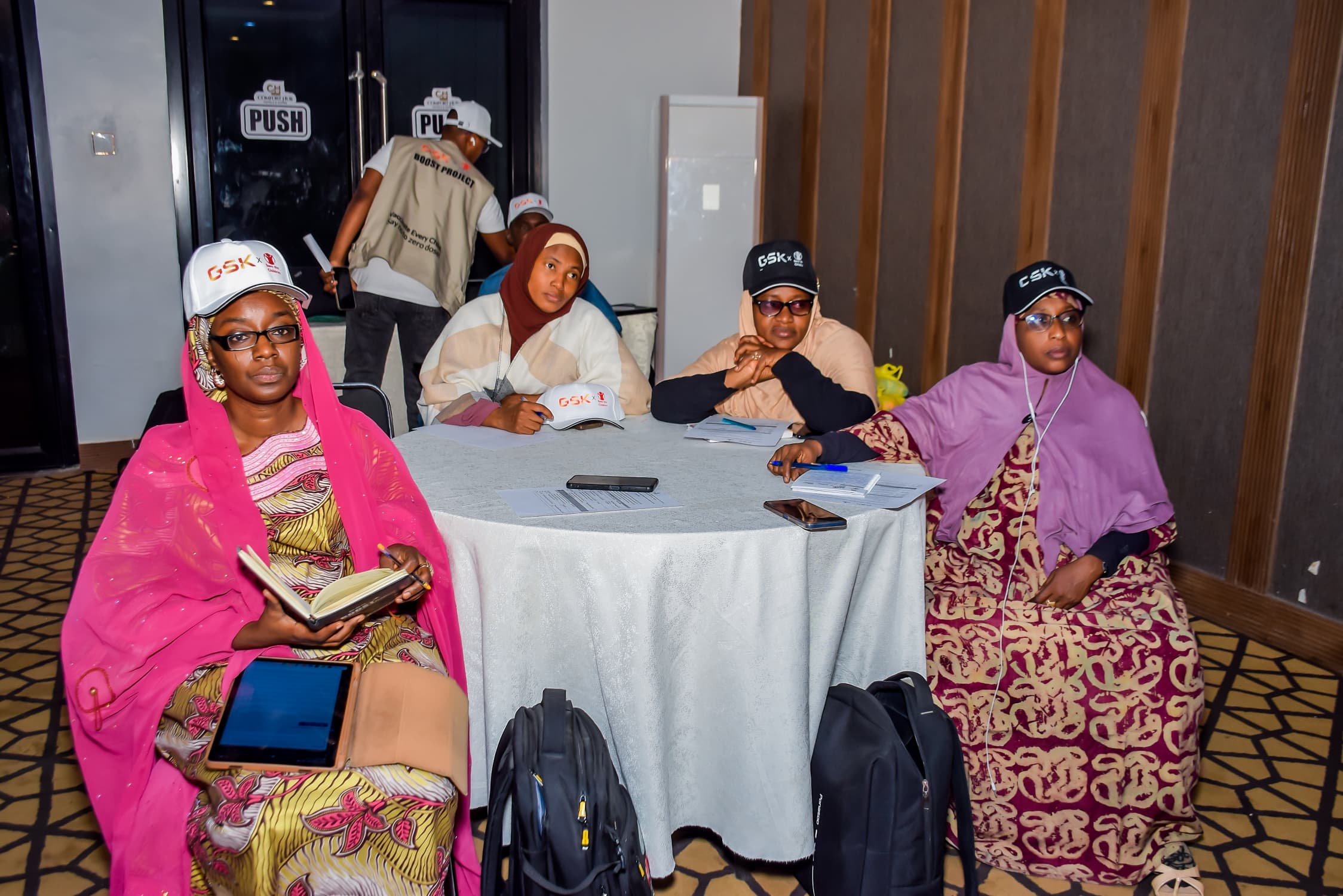
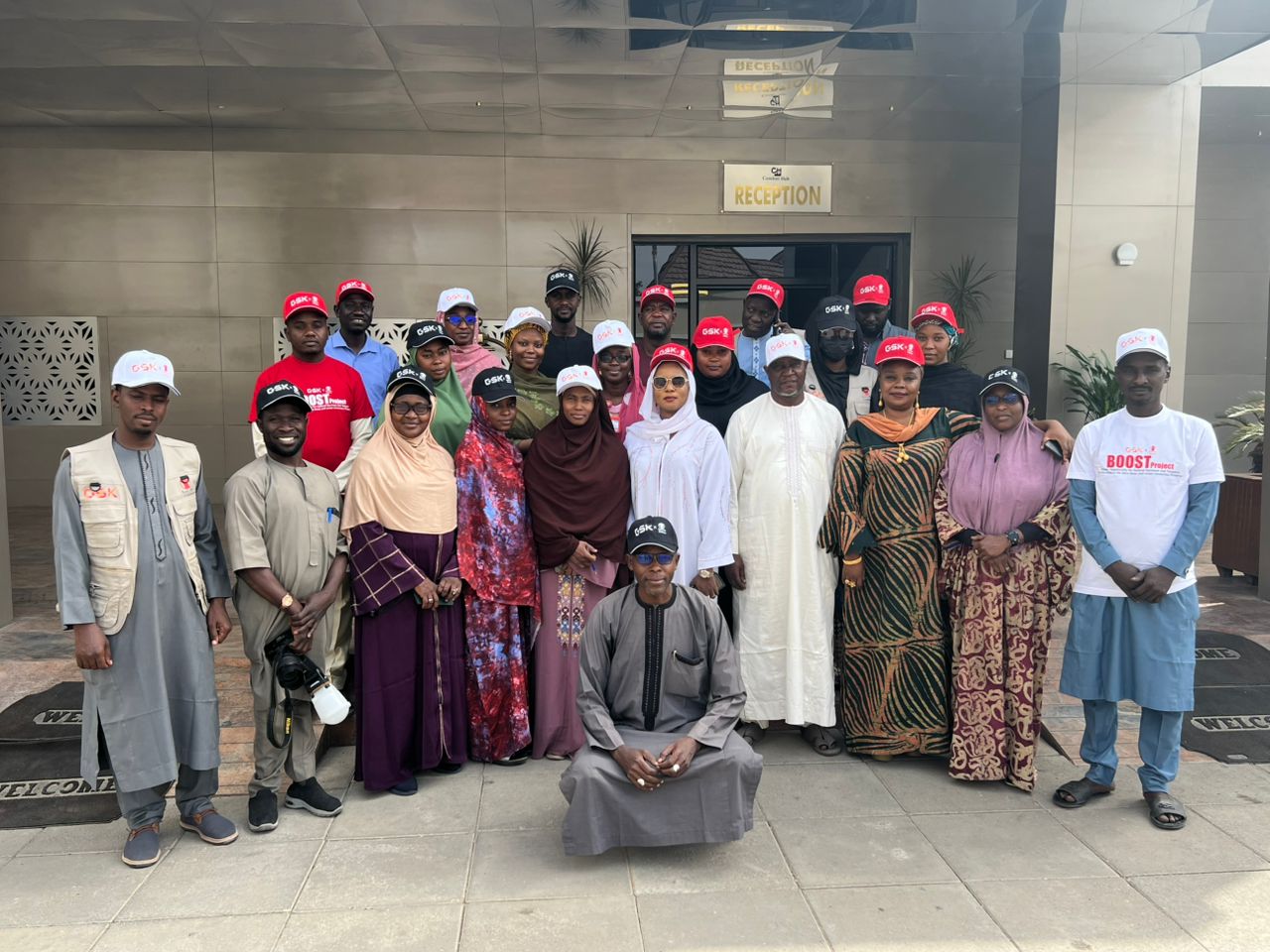
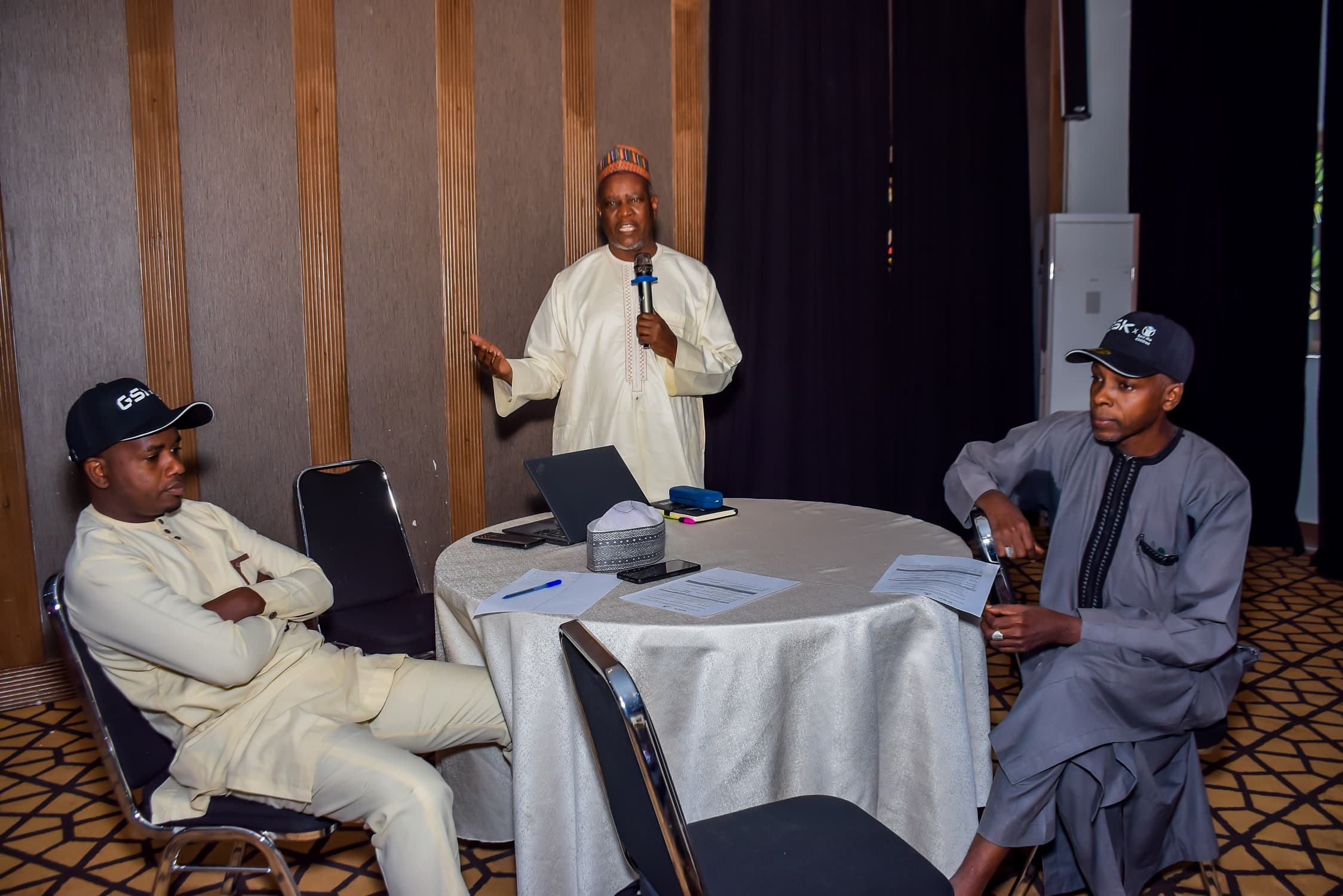
The call was made at a meeting convened under the Better Opportunities for Optimal Services and Targeted Immunization for Zero-Dose and Under-Immunized Children (BOOST) project. The engagement brought together professional health associations, government officials and development partners to chart practical steps for improving service delivery and rebuilding public trust in routine immunisation.
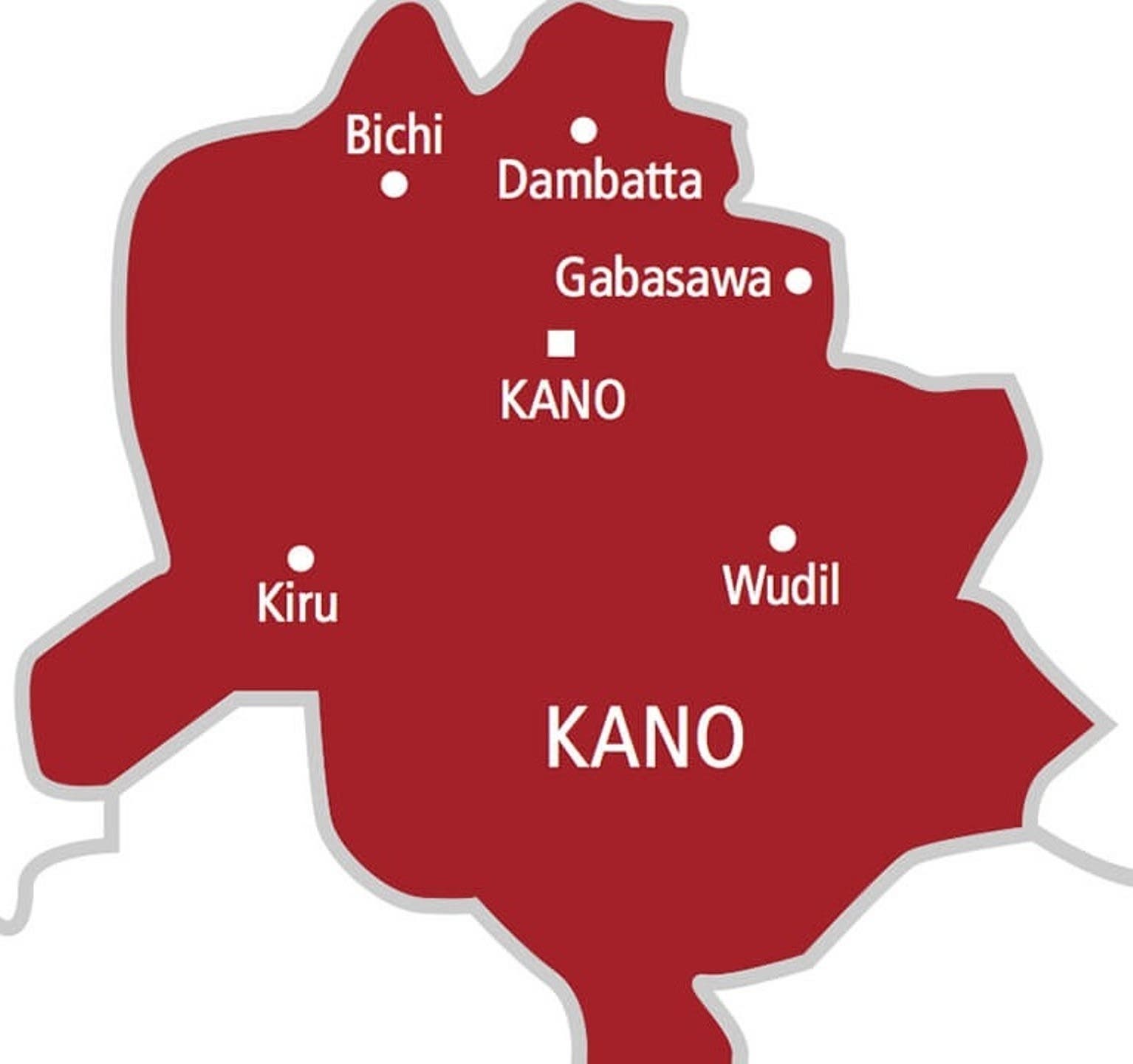
The BOOST project, implemented by Save the Children International with support from GlaxoSmithKline (GSK), is designed to demonstrate effective and scalable strategies for reducing zero-dose and missed vaccinations among children. Full implementation began in January 2024 and will run until December 2027, covering Gezawa and Ungogo Local Government Areas of Kano State.
Speaking at the meeting, the BOOST Project Manager and Kano Field Manager for Save the Children, Malam Abdullahi Magama, identified vaccine hesitancy fueled by misconceptions and inadequate information as a major factor responsible for missed routine immunisation.
Read Also:
VaxSocial Launches Digital Immunization Campaign in Kano
ICRC Raises Alarm Over Attacks on Healthcare in Northwest Nigeria
Kano Stakeholders Push for Stronger Financing to Tackle Zero-Dose Children
He said some parents rely on misleading narratives from uninformed sources, resulting in resistance to vaccination. According to him, the project has intensified community sensitisation and evidence-based advocacy to counter such perceptions.
Magama explained that findings from a recent assessment helped identify key drivers of vaccine hesitancy, enabling targeted interventions that have begun to yield measurable results. He added that media organisations, traditional rulers and religious leaders were deliberately engaged due to their strong influence at the grassroots level.
While acknowledging progress, he urged the government to be more proactive in funding immunisation programmes, especially amid dwindling donor support. He emphasised the need for clear policies and legal frameworks to strengthen routine immunisation systems and discourage vaccine refusal.
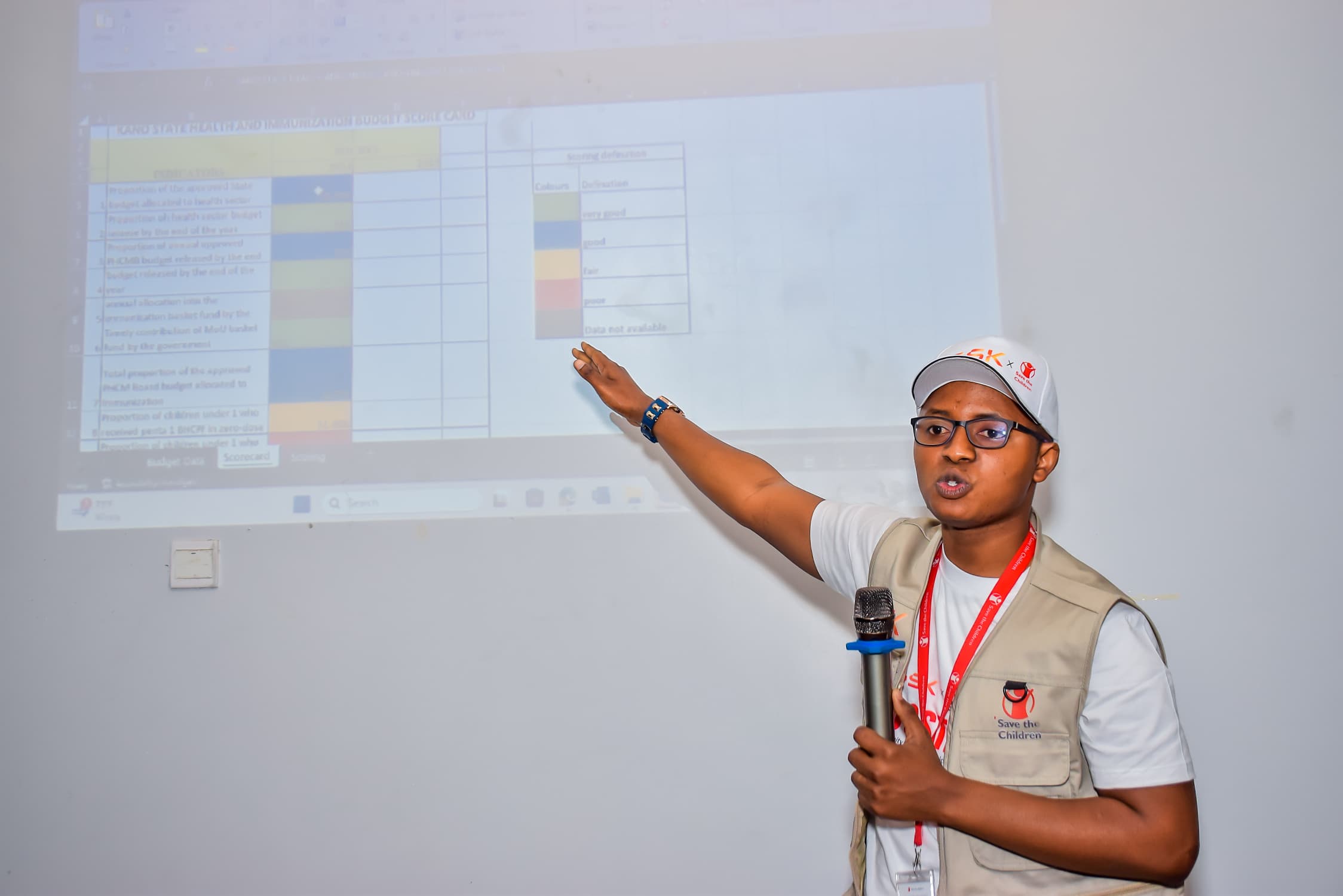
Also speaking, the Community of Practice (CoP) Co-Chair, Comrade Salisu Yusuf, gave an update on the 2025 immunisation budget tracking baseline data collection process, which involved planning sessions, stakeholder engagement, data sourcing, analysis, monitoring and feedback.
He disclosed that 15 zero-dose Local Government Areas in Kano were identified through a national survey and are currently receiving focused attention. Yusuf noted improvements in fund utilisation compared to previous years but stressed that accountability challenges persist.
According to him, accessing reliable data often requires visits to multiple institutions, including the Primary Healthcare Management Board, the Accountant General’s Office, the Ministry of Finance and the Treasury Department, making the tracking process cumbersome.
He called on the state government to adhere strictly to established micro-plans developed at facility, local government and zonal levels to ensure effective implementation of annual immunisation work plans. He also advocated expanded outreach services and targeted interventions to bridge existing coverage gaps.
In his remarks, the Project Advocacy Officer, Umar Ibrahim, said the programme has recorded significant gains in immunisation coverage and urged the government and partners to sustain the momentum. He stressed the importance of institutionalising mechanisms that will preserve the project’s achievements beyond the lifespan of external funding.
Participants reaffirmed their commitment to strengthening transparency, accountability and community engagement to ensure that every eligible child in Kano receives life-saving vaccines.
Photo News: